Where People Go Wrong
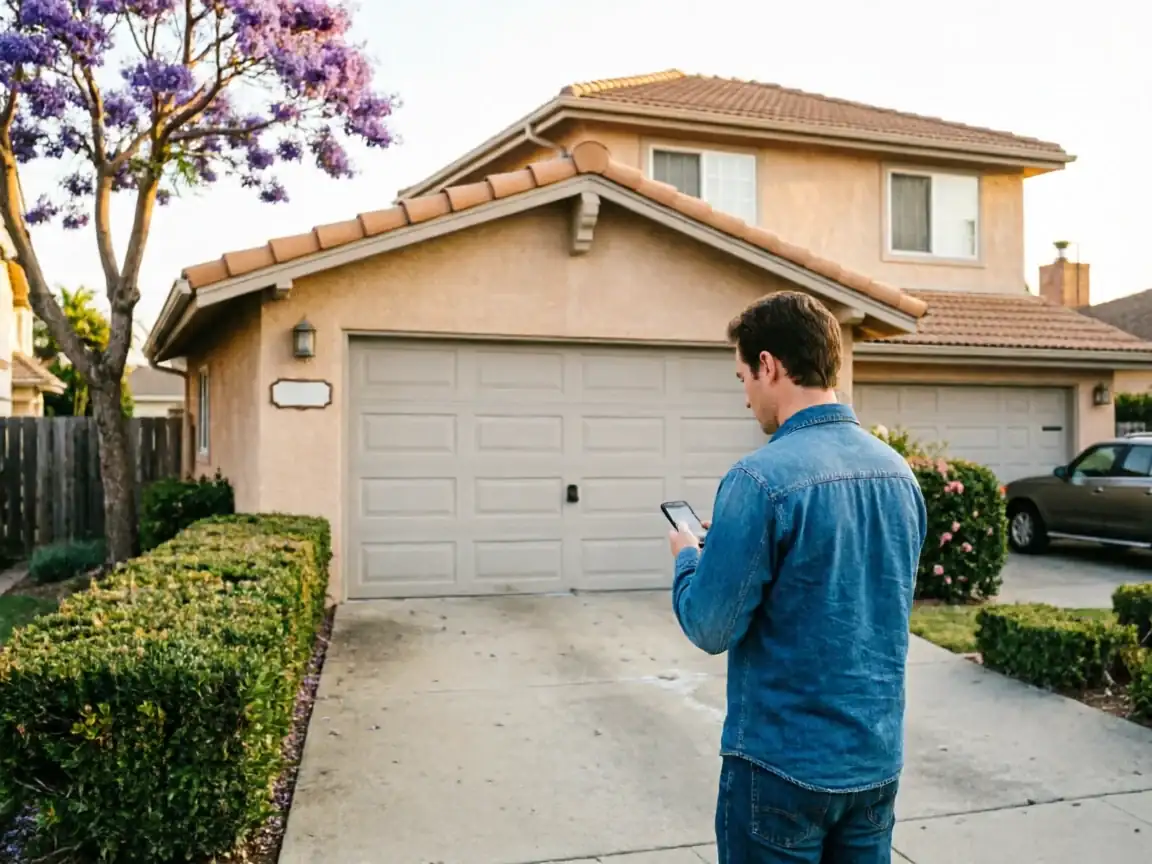
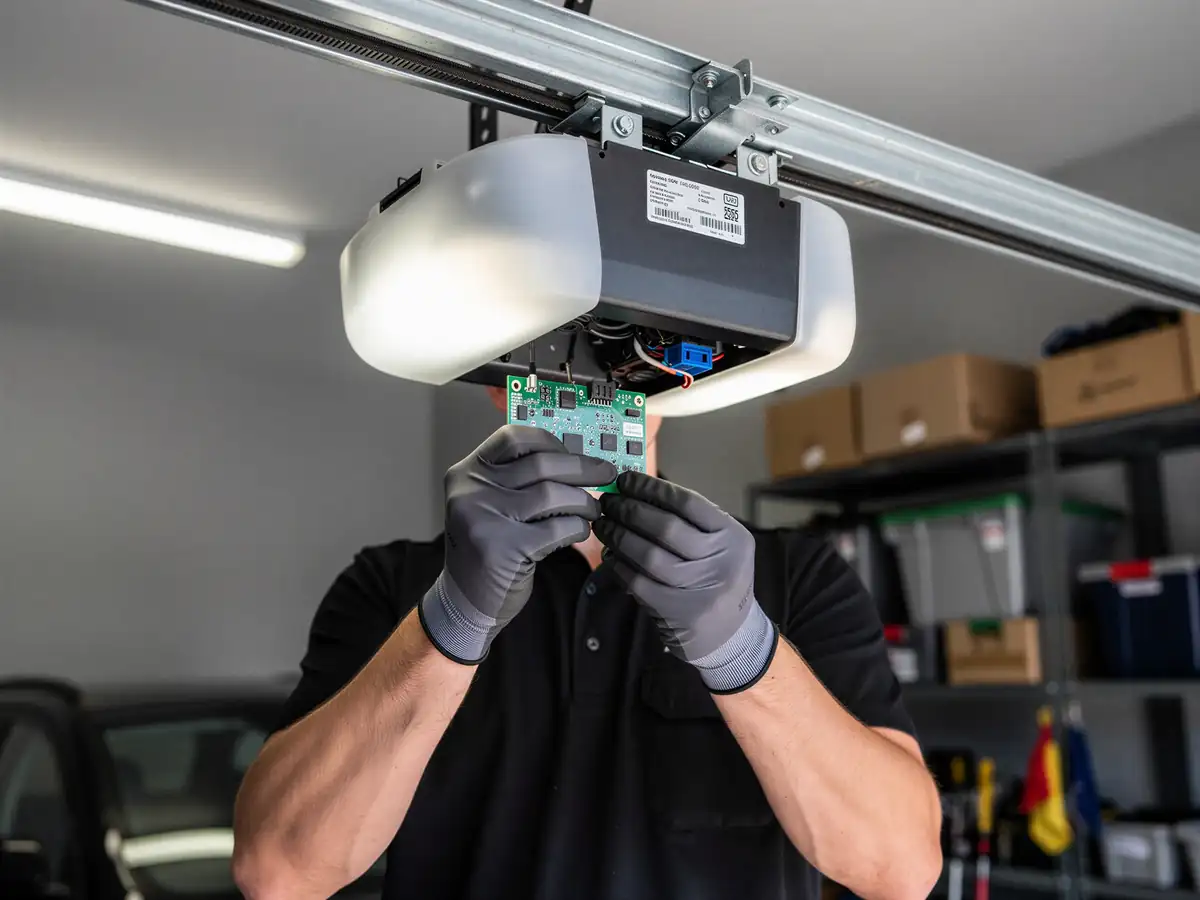
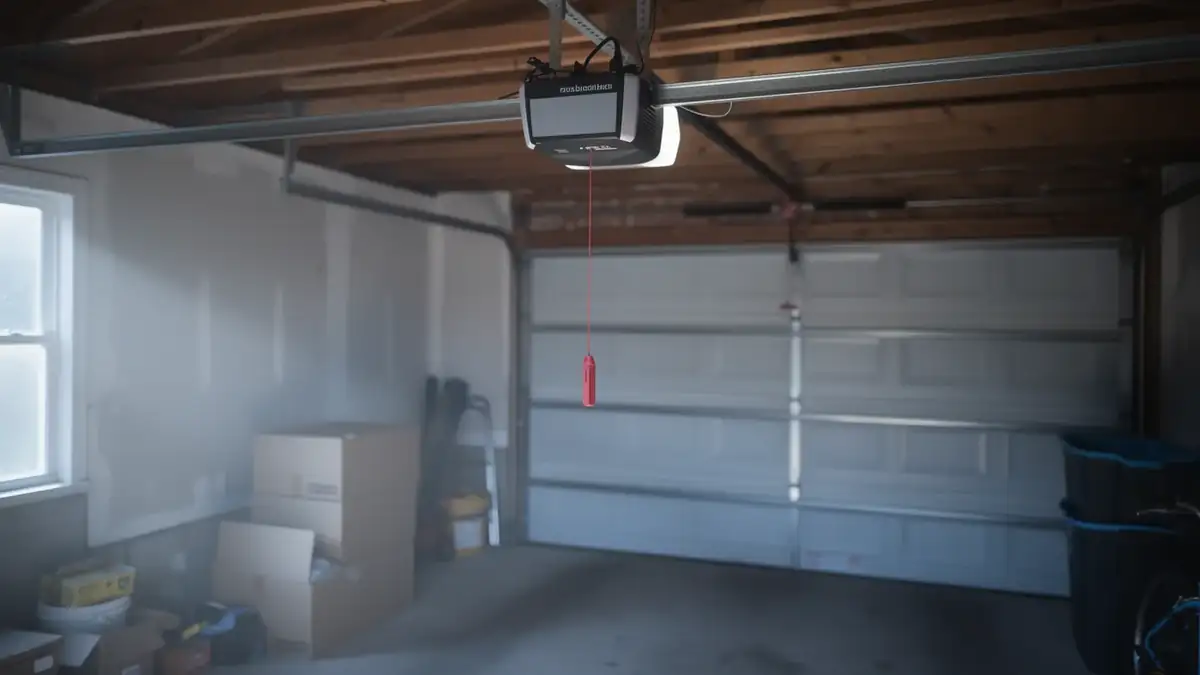
Most calls that start with "the opener just died" aren't about the opener at all. They're about a power cut, and the owner assumes the motor burned out because the door won't respond to the remote. In a town where the median house was built around 1963, that assumption skips a step. A lot of these openers are original installs or first replacements from decades back, built before battery backup was standard equipment, and before anyone expected a garage door to need its own power supply separate from the house circuit.
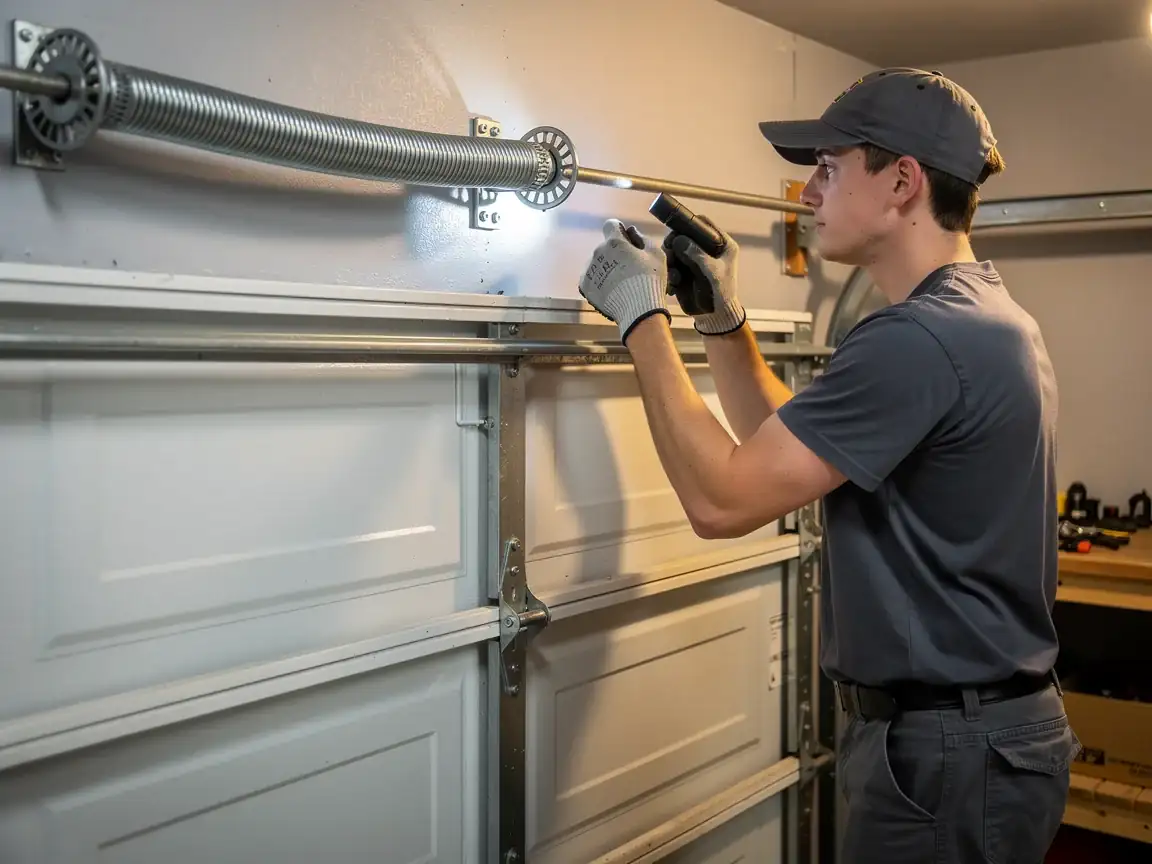
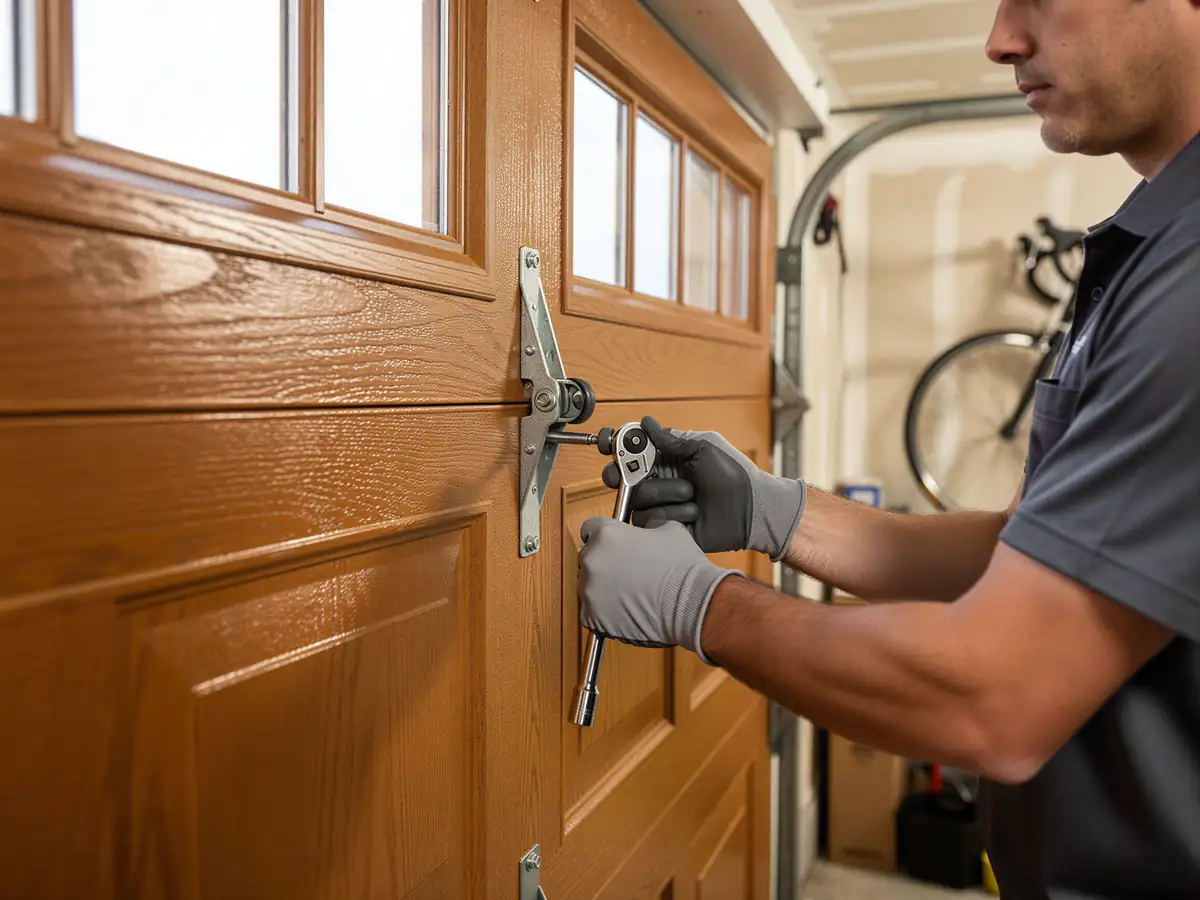
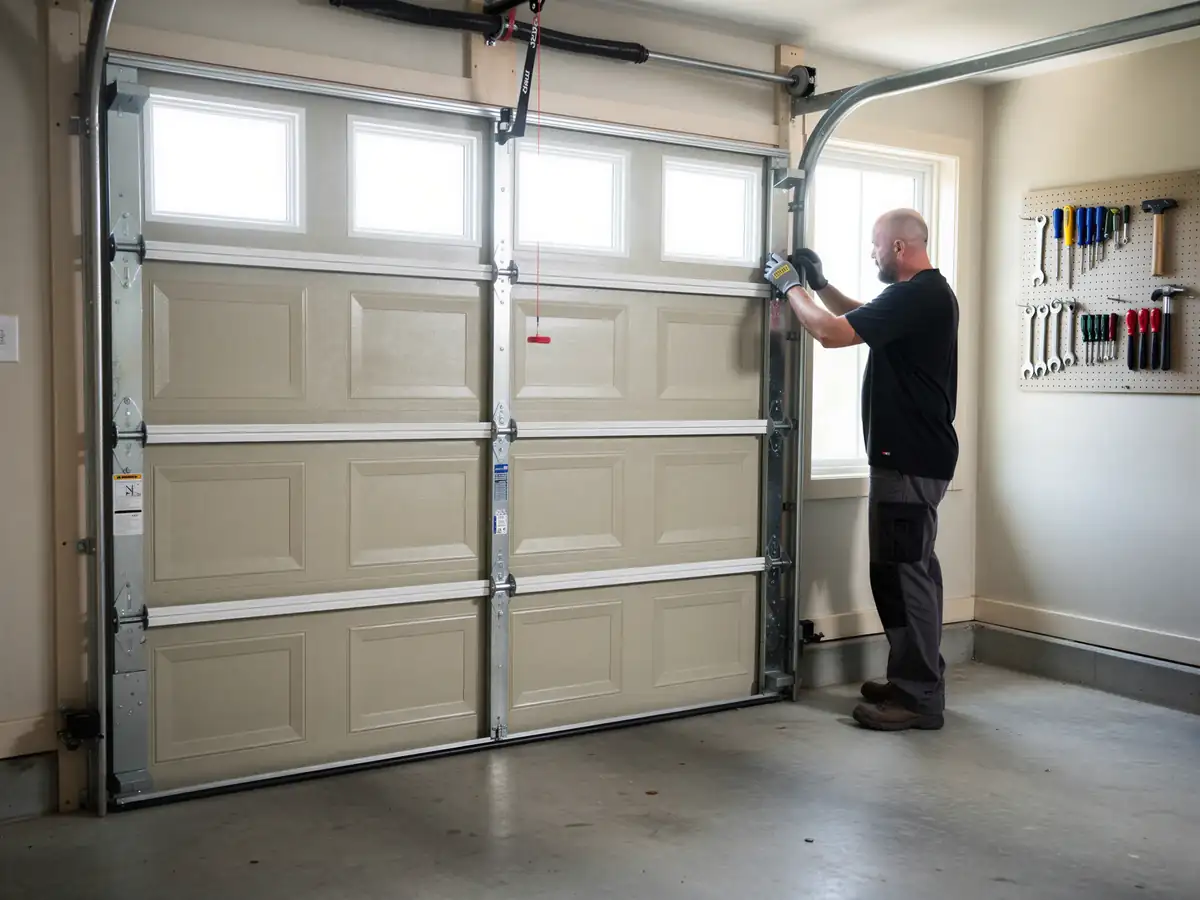
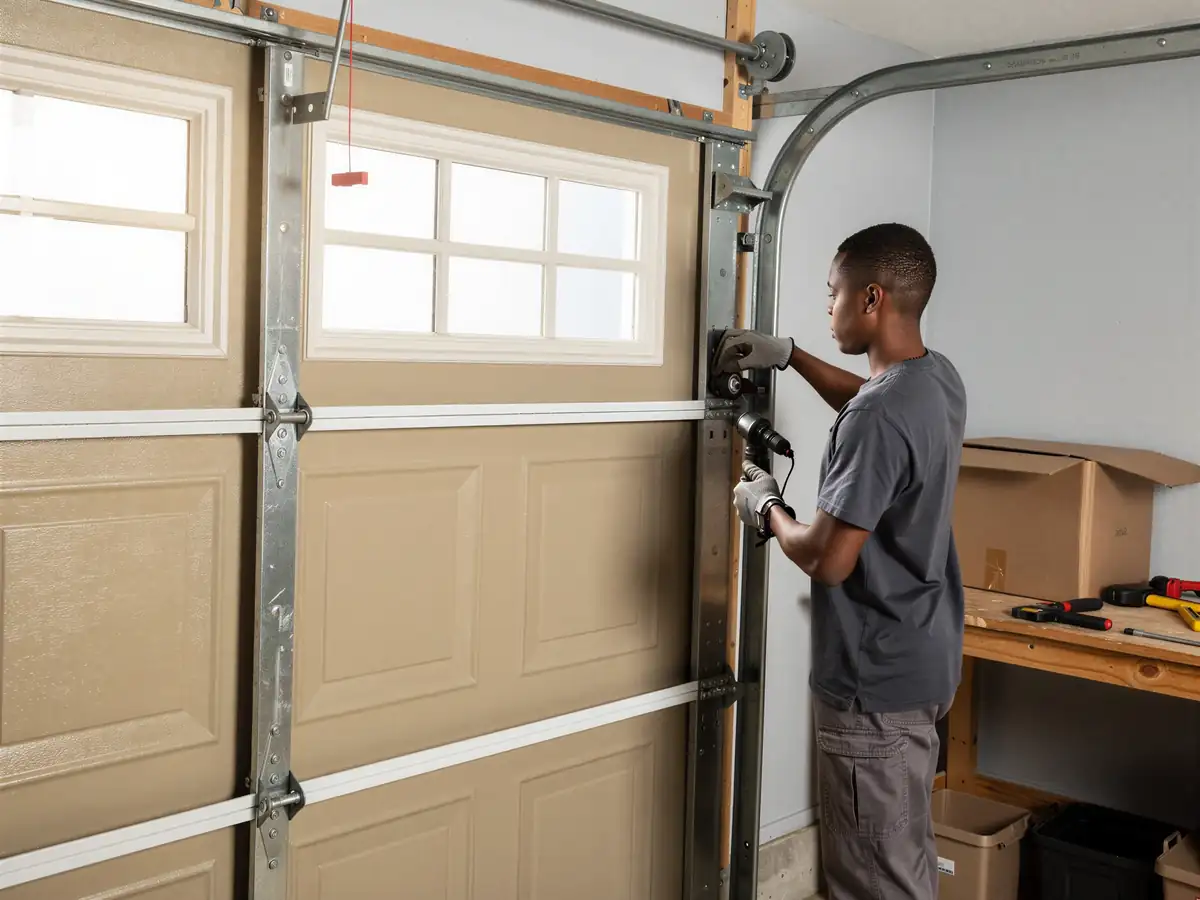
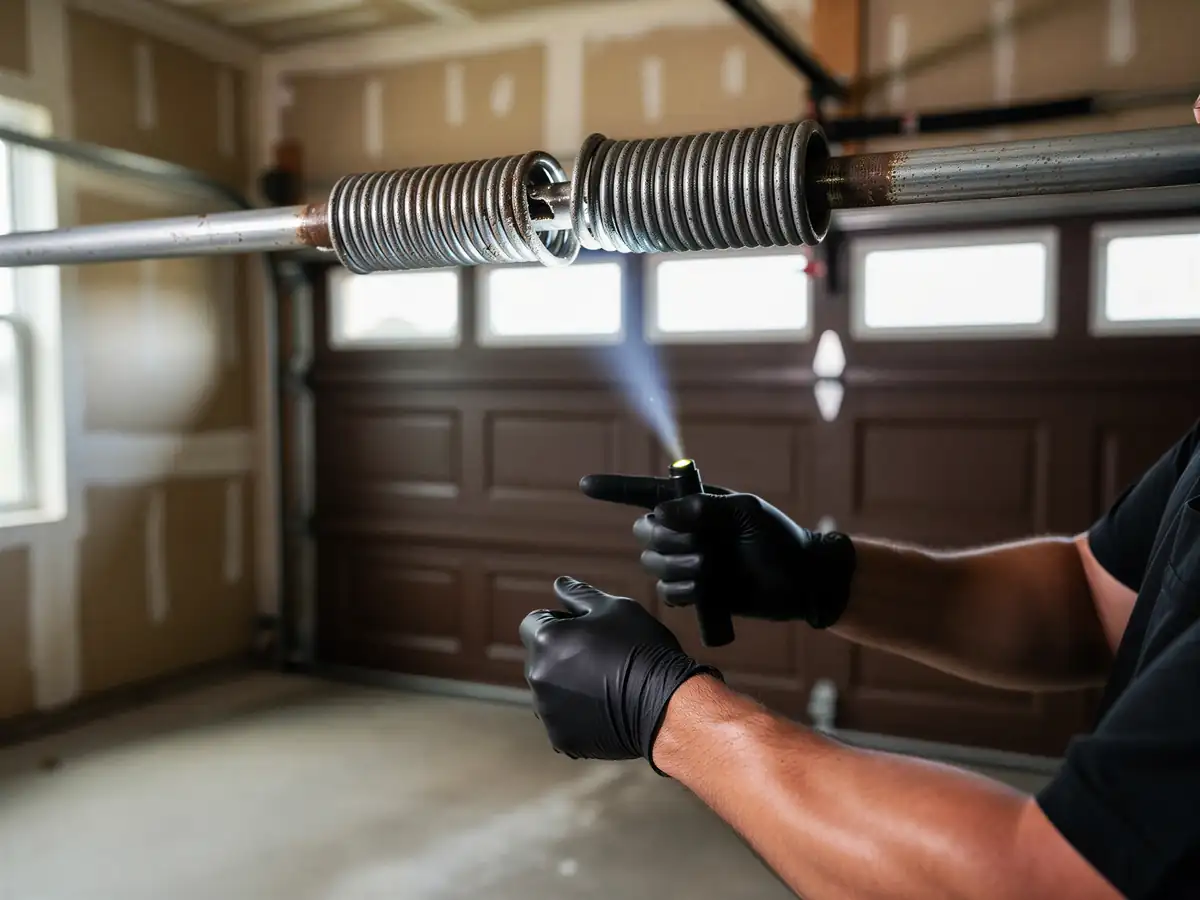
The other mistake is forcing the door. When the power's out and the opener won't move, people yank the emergency release cord without checking whether the door is actually balanced to lift by hand. On an older torsion setup that hasn't been serviced, that's how a spring lets go on someone standing underneath it. The release cord is meant for a door that's properly counterweighted - not a workaround for a dead motor.
We don't carry parts for every discontinued opener model from that era. If yours is old enough that the manufacturer stopped stocking boards and gear kits years ago, the honest answer is sometimes replacement, not repair - and we'll tell you that instead of charging you to chase a part that doesn't exist anymore.
Season by Season
Hermosa Beach sits in a mild temperate band
Which changes what actually stresses an opener here compared to places with real winters or triple-digit summers. You're not dealing with motors seizing from cold or capacitors cooking in attic heat. That's the quiet part of living here - the opener doesn't get pushed by weather the way it would elsewhere.
What that means practically
When an opener fails during a power interruption in this climate, it's rarely a heat- or cold-related failure showing up at a convenient time. It's usually just an aging unit reaching the end of its working life, and the outage is what exposes it. There's no storm season forcing a spike in motor failures, no freeze-thaw cycle wearing down seals. The mild climate buys these openers a longer service life than they'd get in a harsher one - but it doesn't make them last forever, and a unit installed when the house was new is still on borrowed time by now.
So the seasonal pattern here isn't really seasonal
It's about calendar age catching up with a unit that was never going to announce its decline in advance.
The Situation
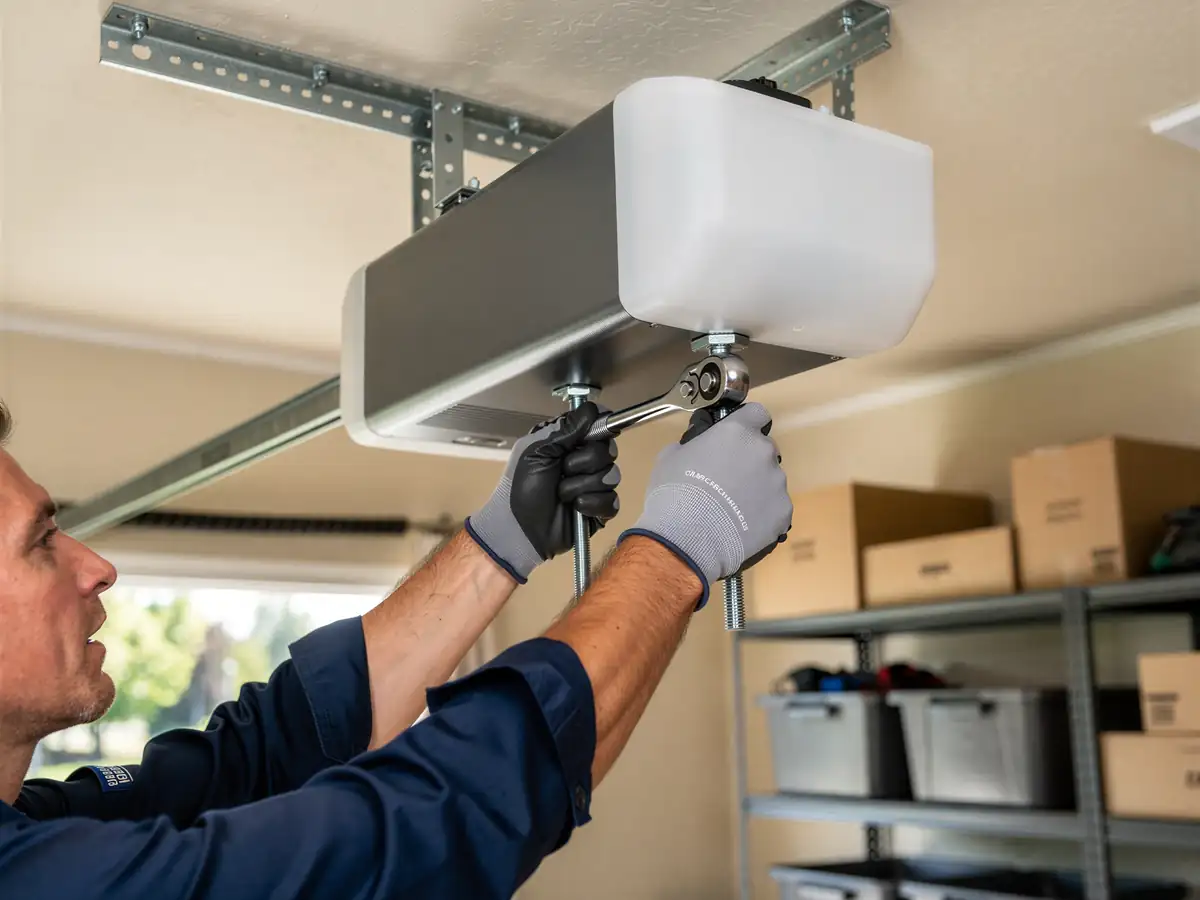
Across the service area's named neighborhoods - El Segundo, Palos Verdes Estates, Rolling Hills Estates and the rest - the bulk of the housing stock is 1960s and 70s construction. That's the frame for understanding garage openers here: a huge share of them are chain-drive units from an era when battery backup wasn't built in, and a power cut simply meant the door stayed wherever it was.
That's not a defect. It's just the technology those houses were built and renovated with. The problem shows up now because expectations have shifted - people assume a garage door should still open during an outage, the way a phone keeps working on battery. Older openers were never designed around that assumption, and retrofitting one isn't always straightforward depending on the model and the condition of the rail and gear assembly.
With 86,713 households and 32,463 owner-occupied houses across this service area, there's a lot of original or near-original equipment still in daily use. Most of it works fine day to day. It's the outage that reveals whether a given unit has a way to keep functioning without house power, or whether the only option is the manual release and lifting it yourself.
What Local Conditions Do
The mild climate here does one thing well: it keeps the mechanical side of these openers from degrading the way they would under temperature extremes. No motor housings cracking from freeze, no belts turning brittle in heat. What the climate doesn't do is add battery backup to a unit that was installed without one.
With a median household income of $100,007 across the service area, a battery backup upgrade is within reach for most owners here, even though it isn't the default on older installs. It's a reasonable thing to ask for when an opener is already due for replacement rather than something to bolt onto a unit that's near the end of its life anyway.
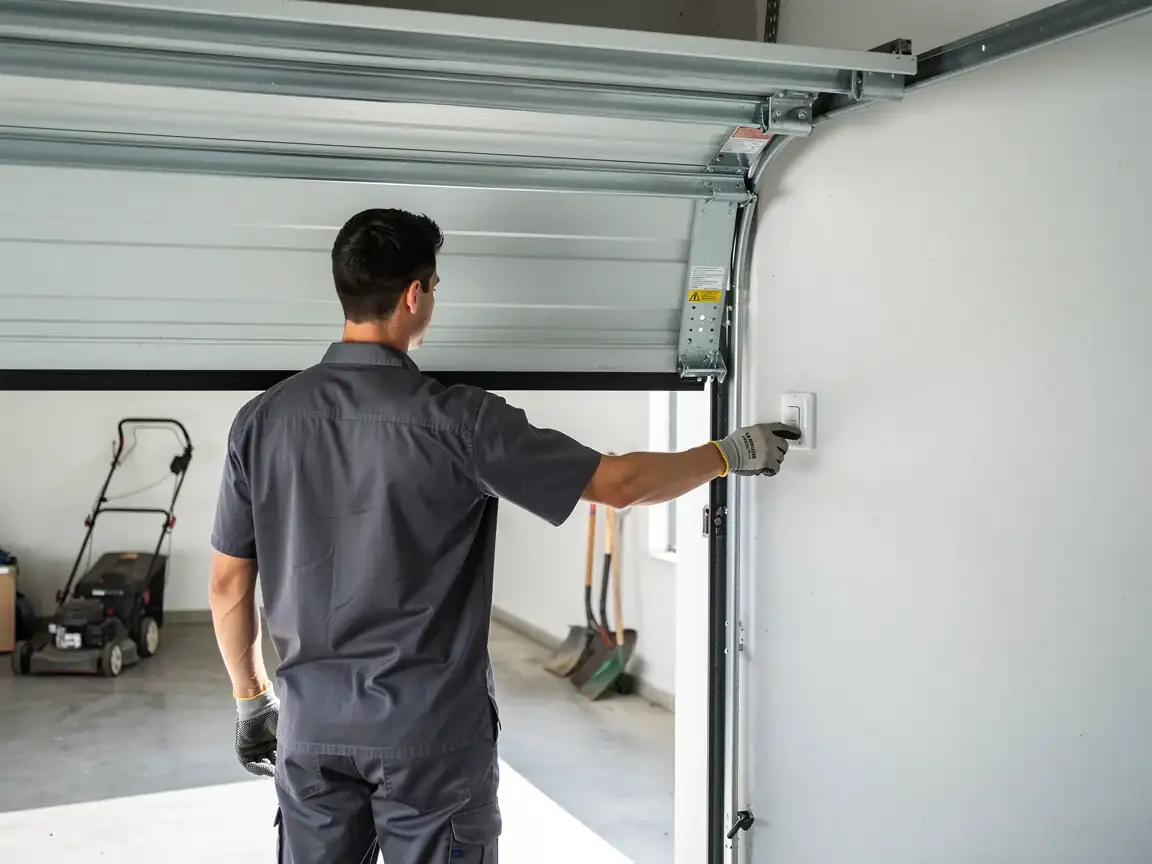
The practical upshot: when the power goes out here, the first question isn't about the weather or the grid. It's about how old the opener is and whether it has backup power built in. If it doesn't, the manual release and a properly balanced door are what get you in and out until power's back - and that's worth checking before you need it, not during an outage with groceries in the trunk.