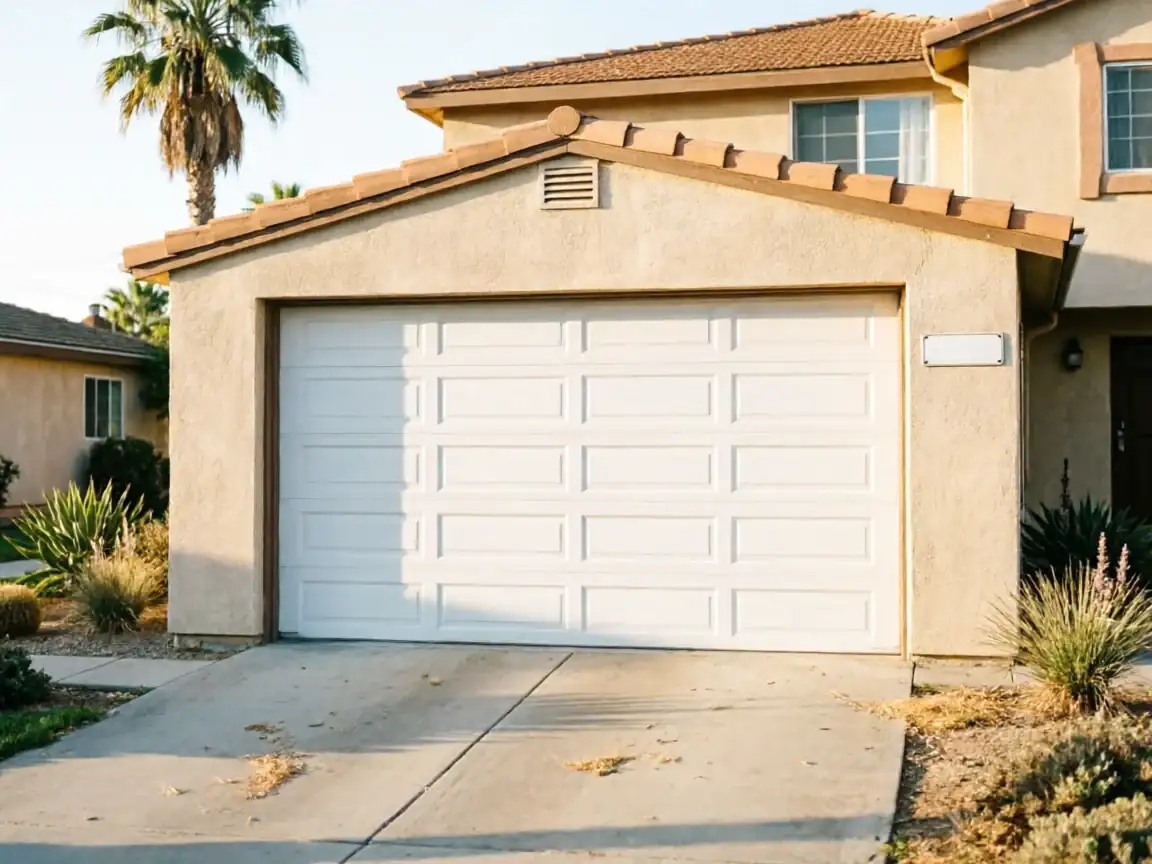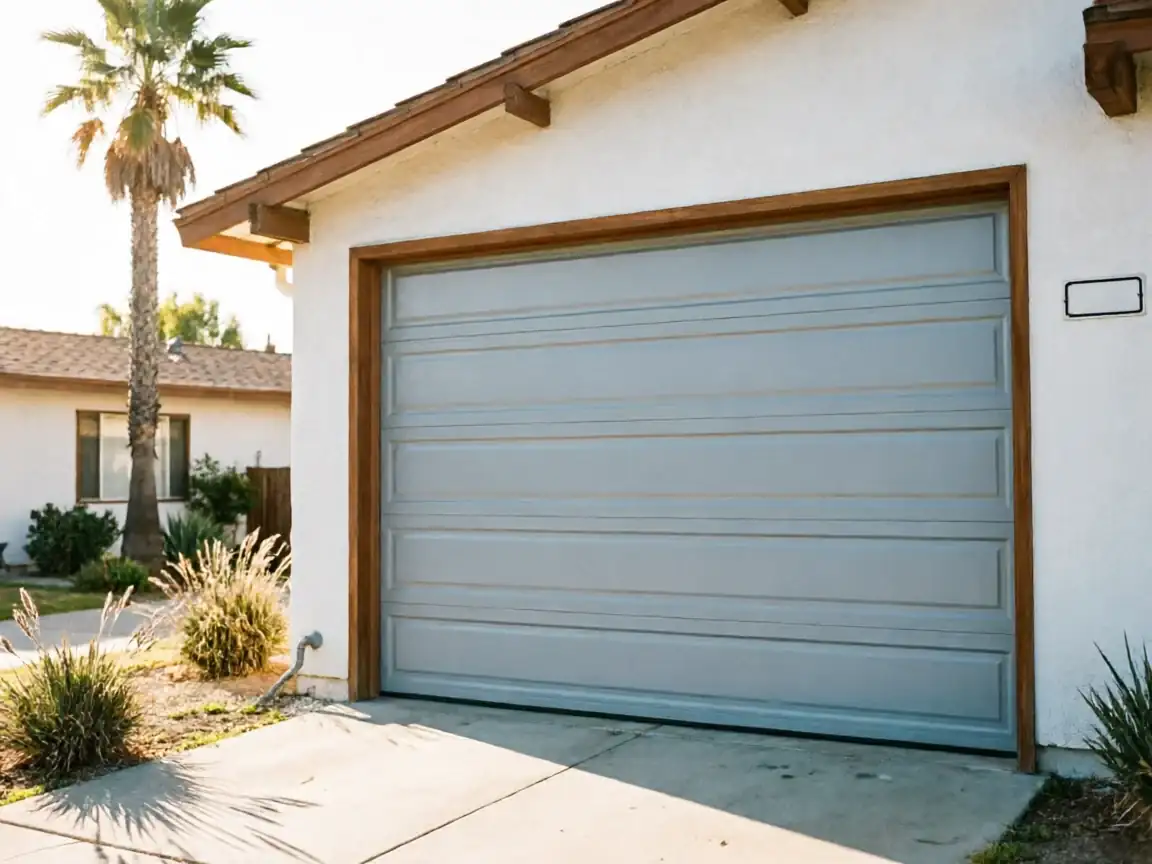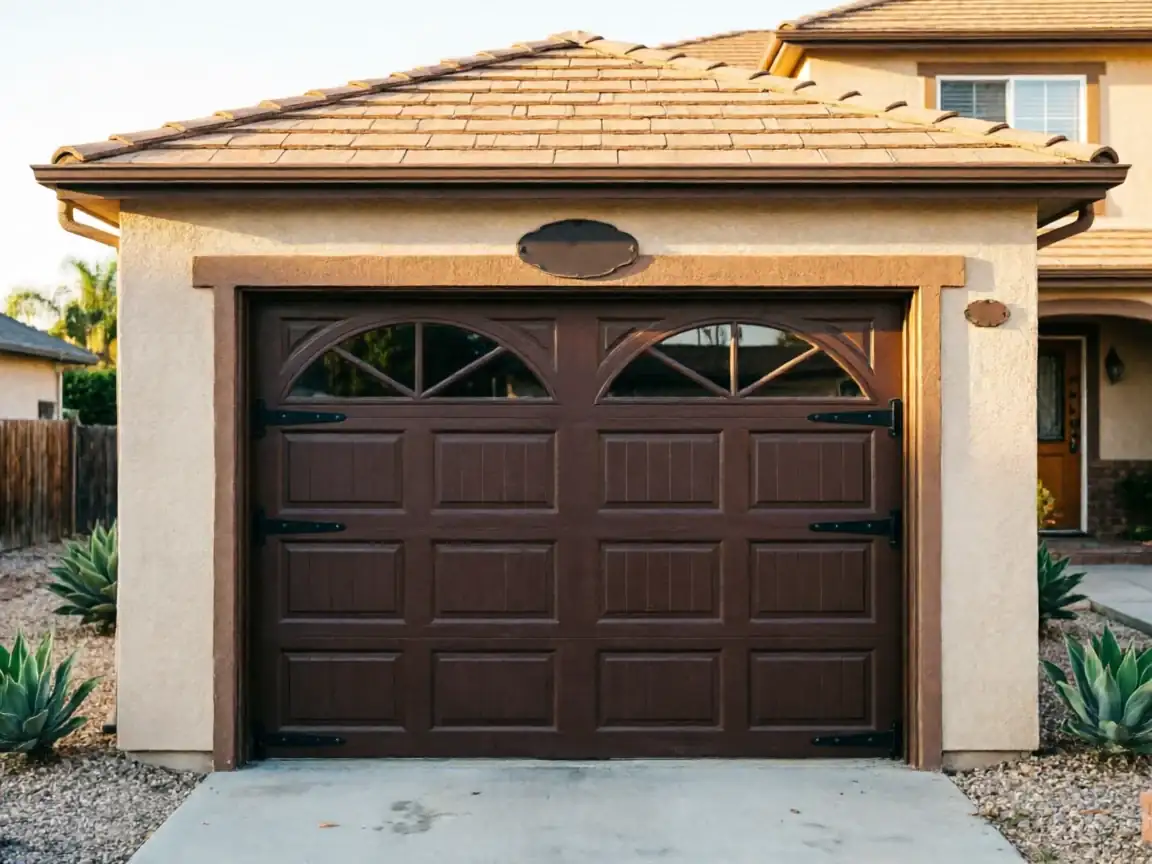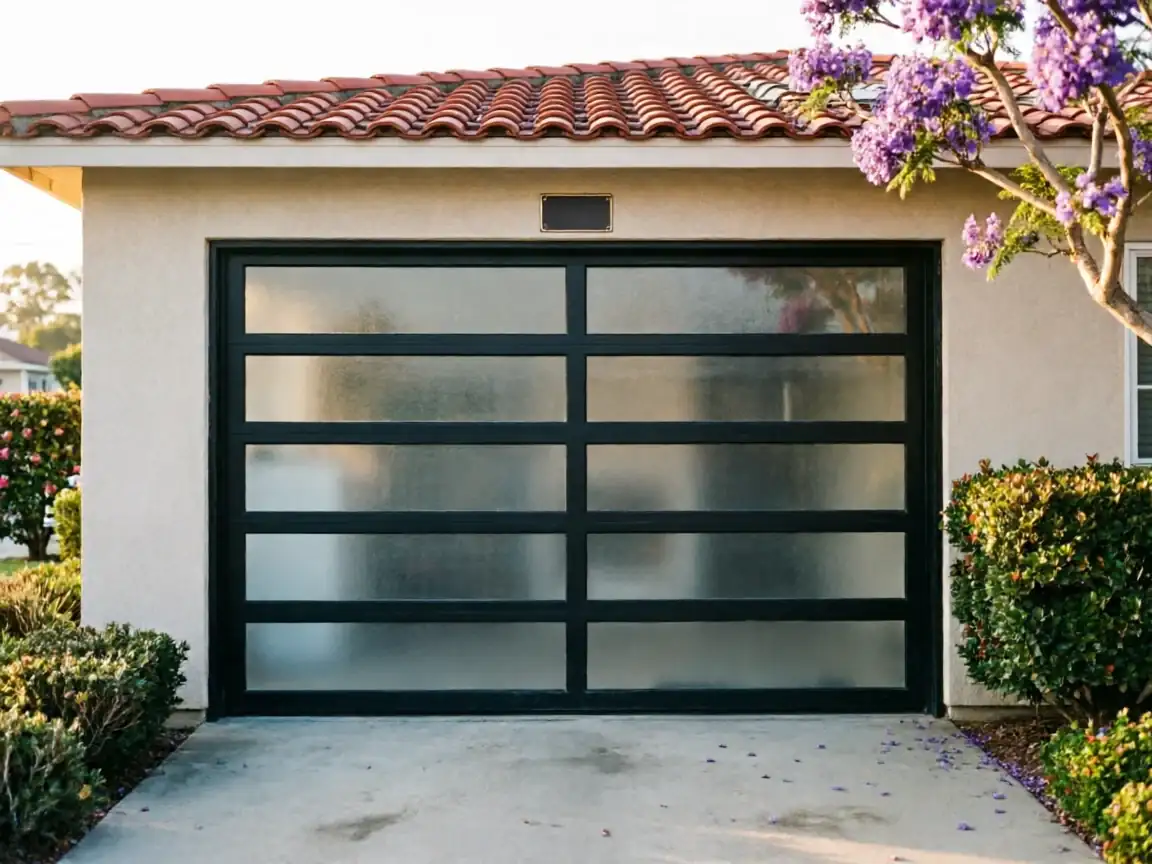
What You Are Seeing
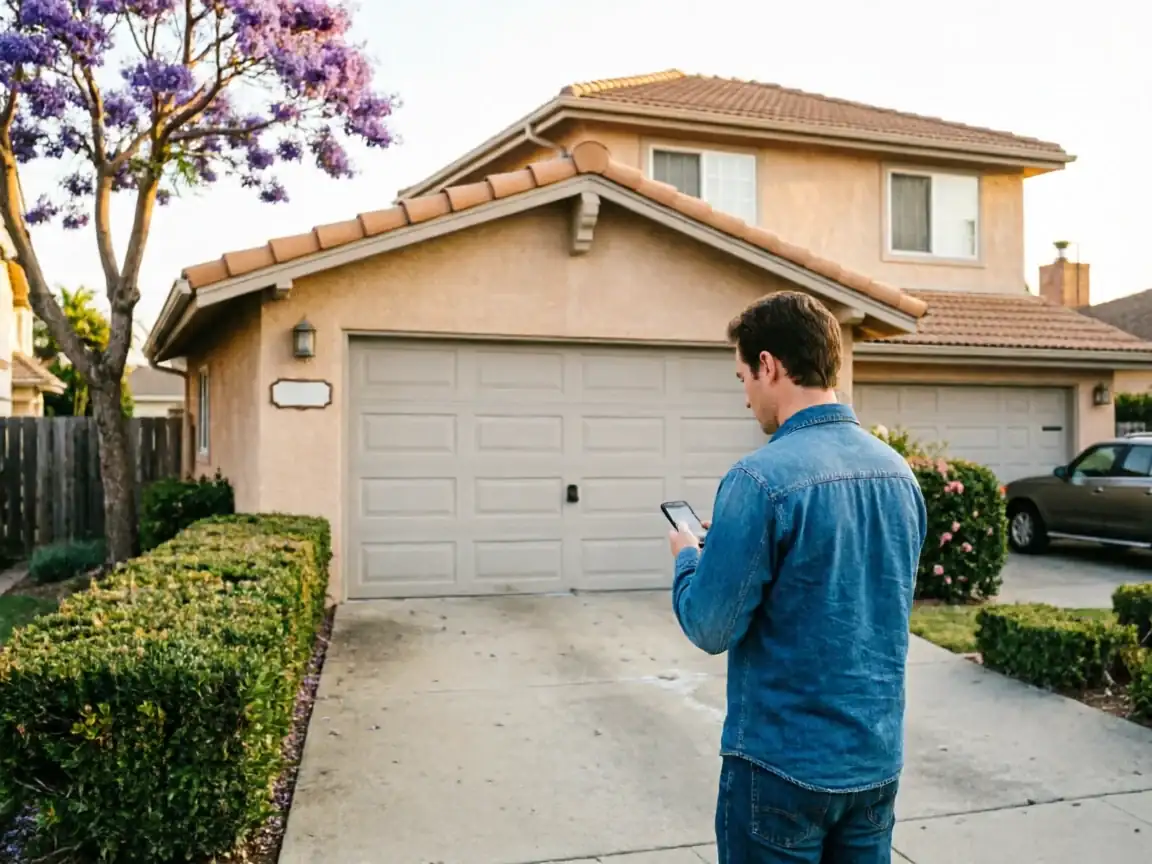
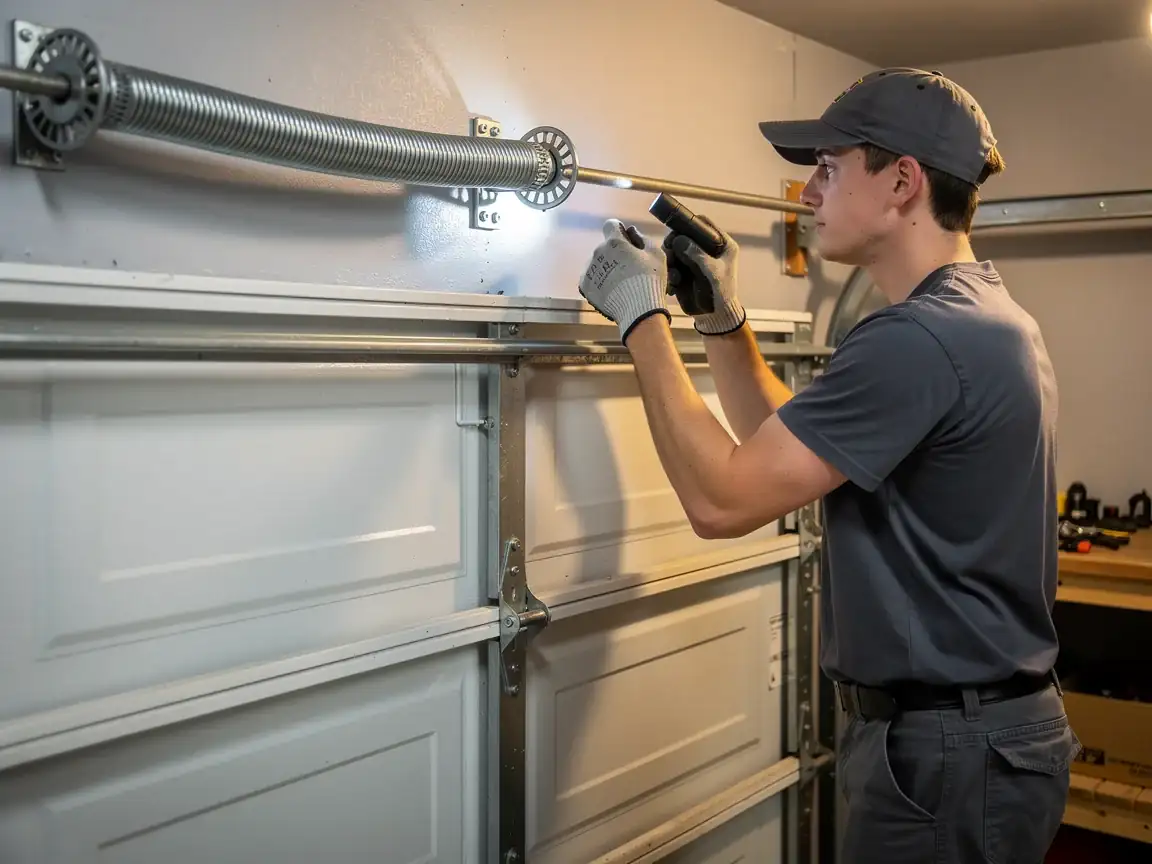
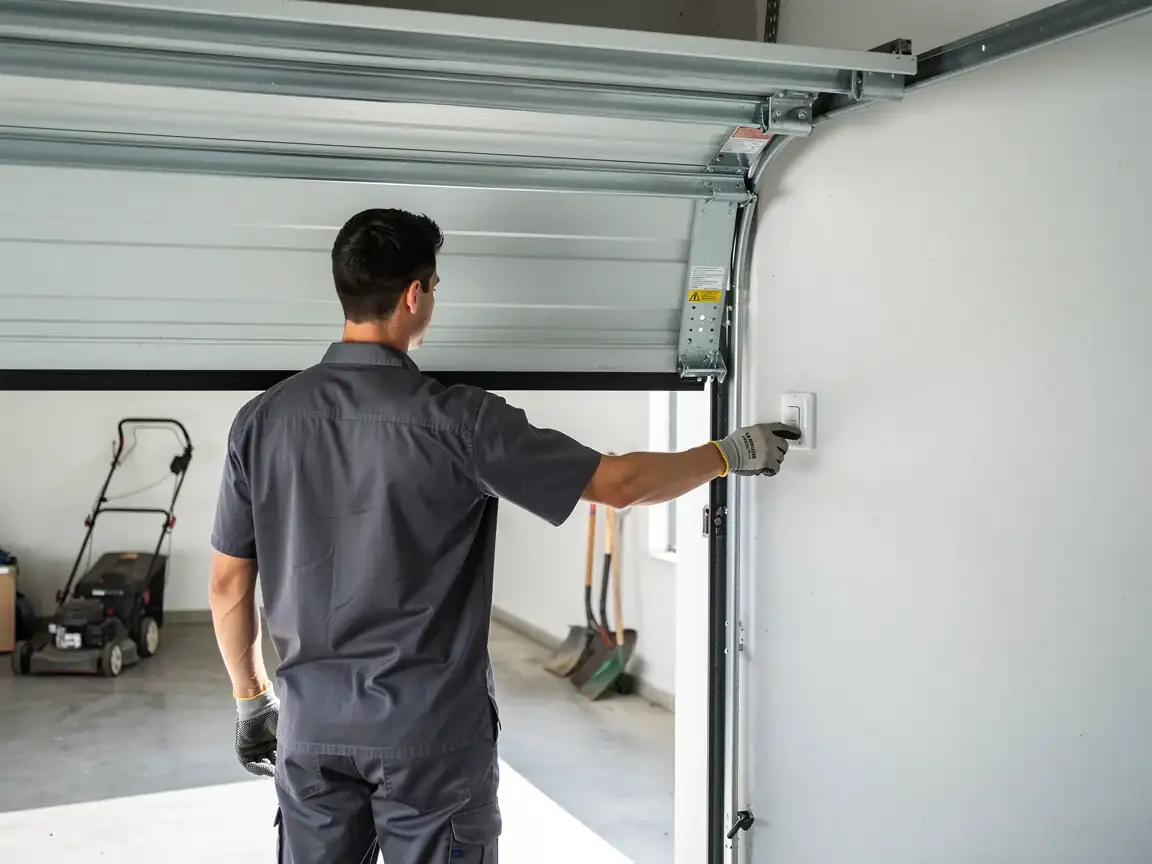
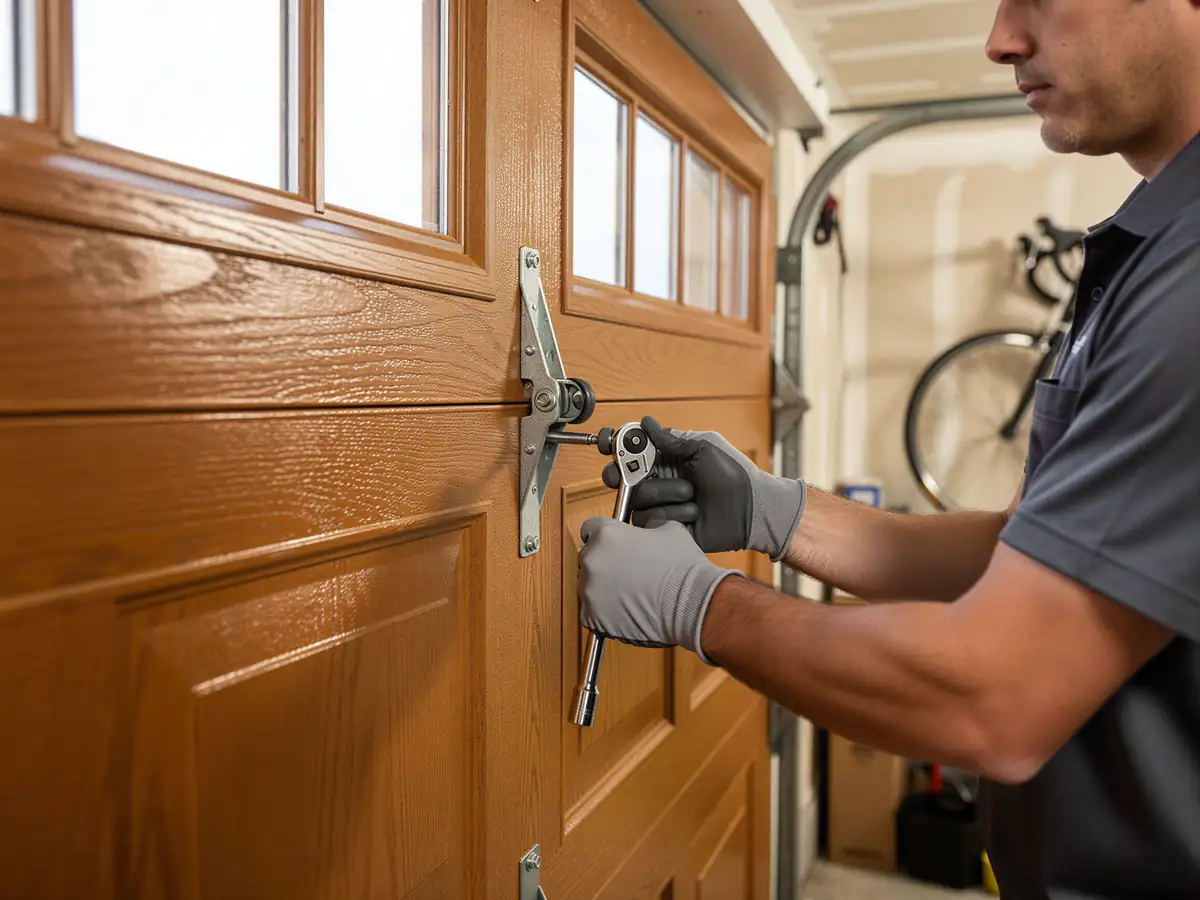
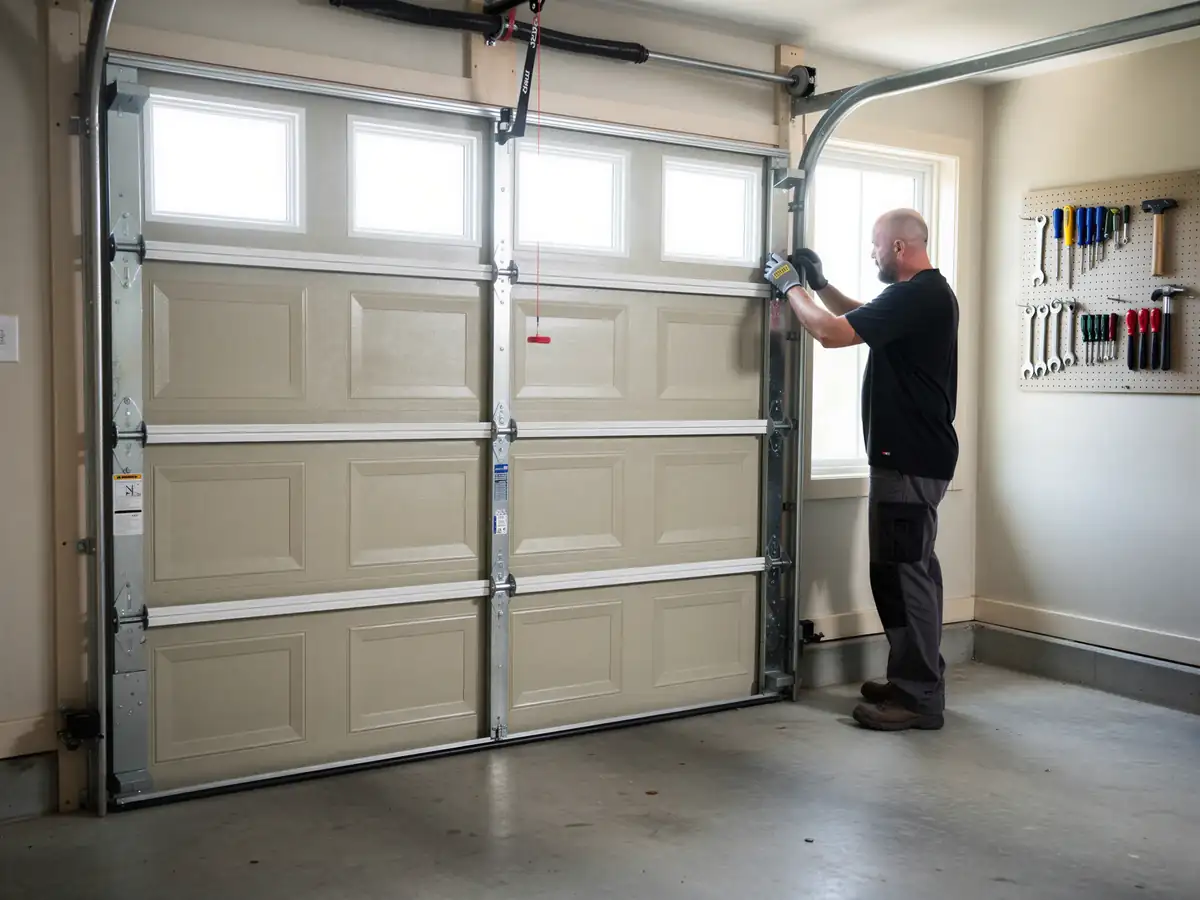
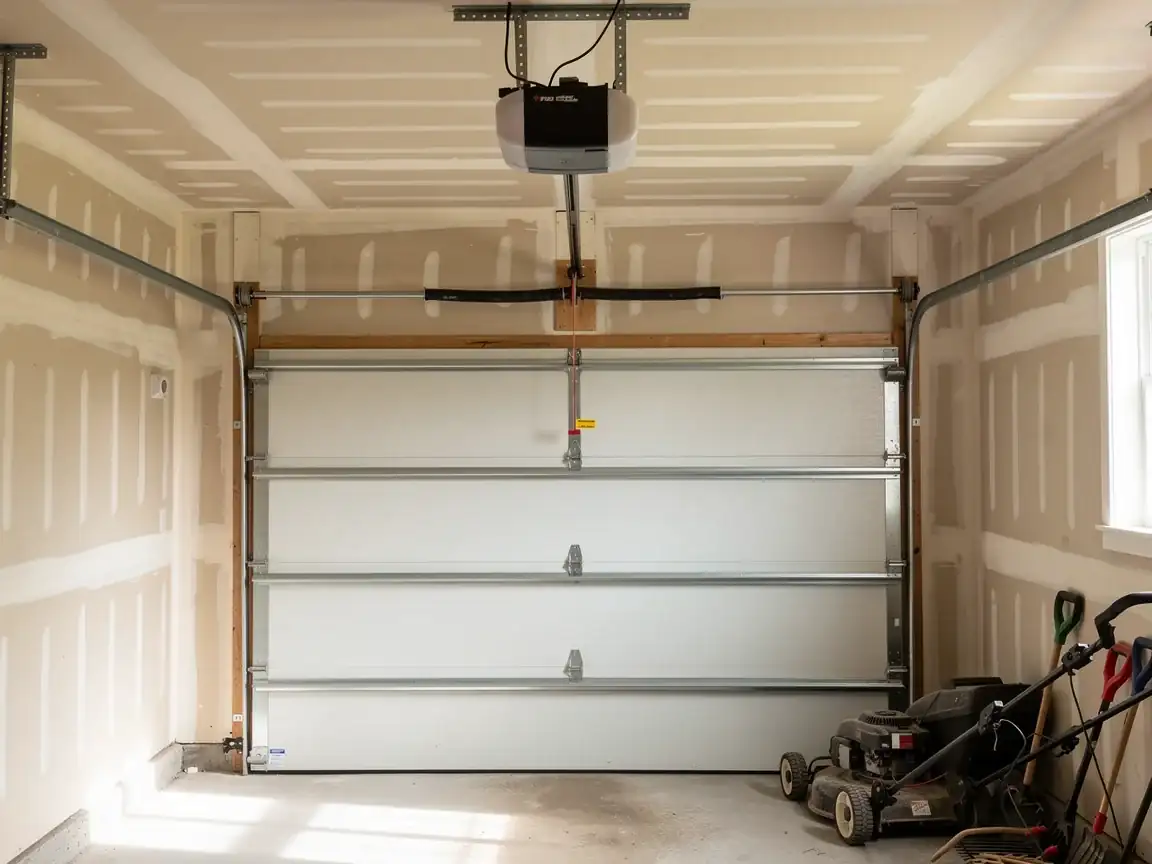
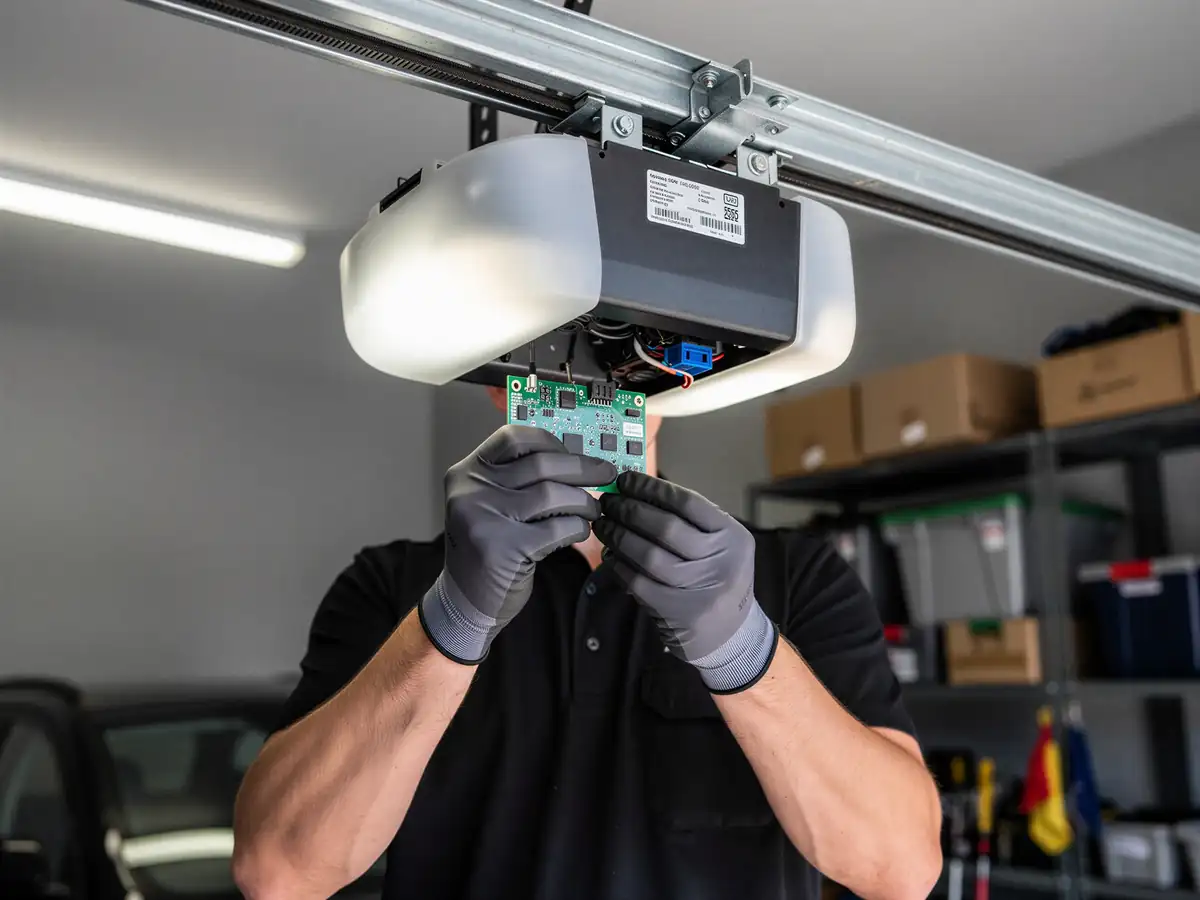
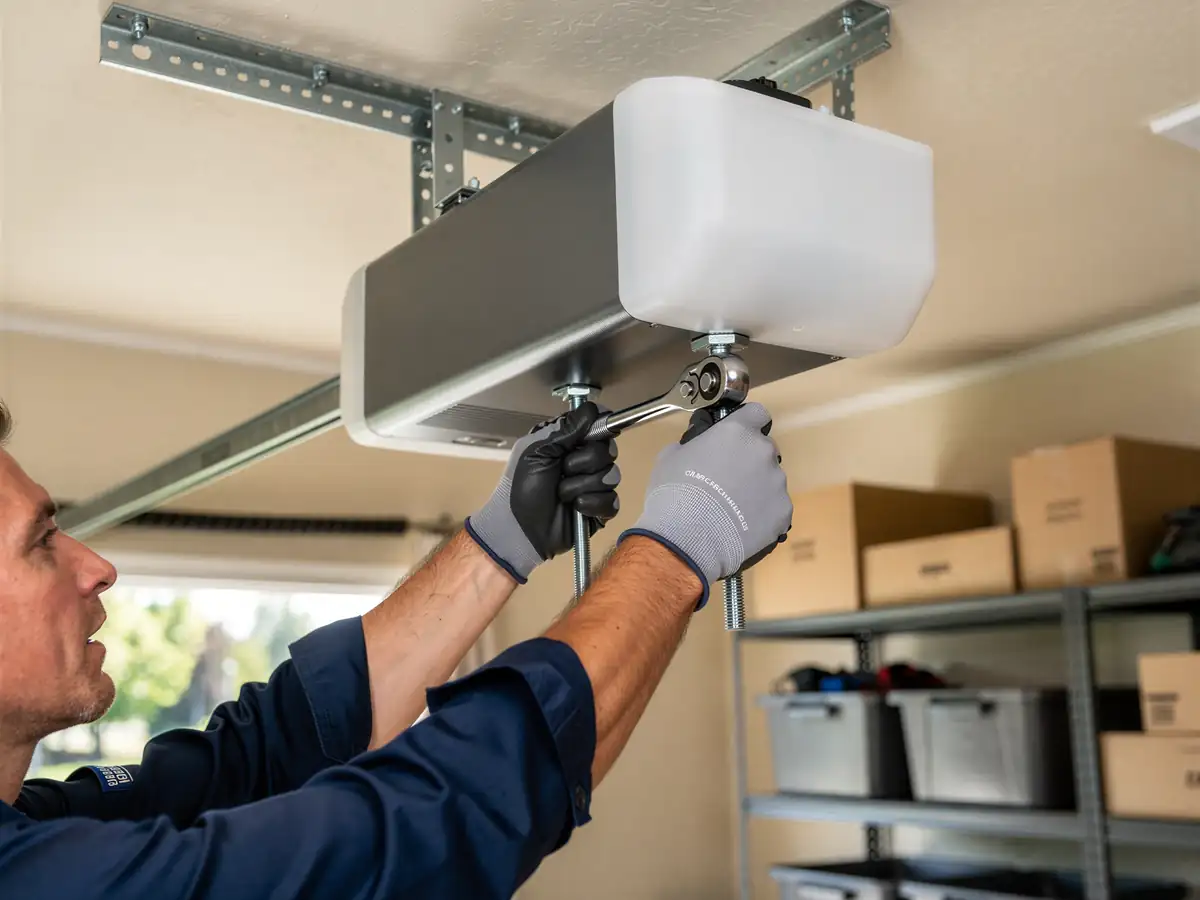
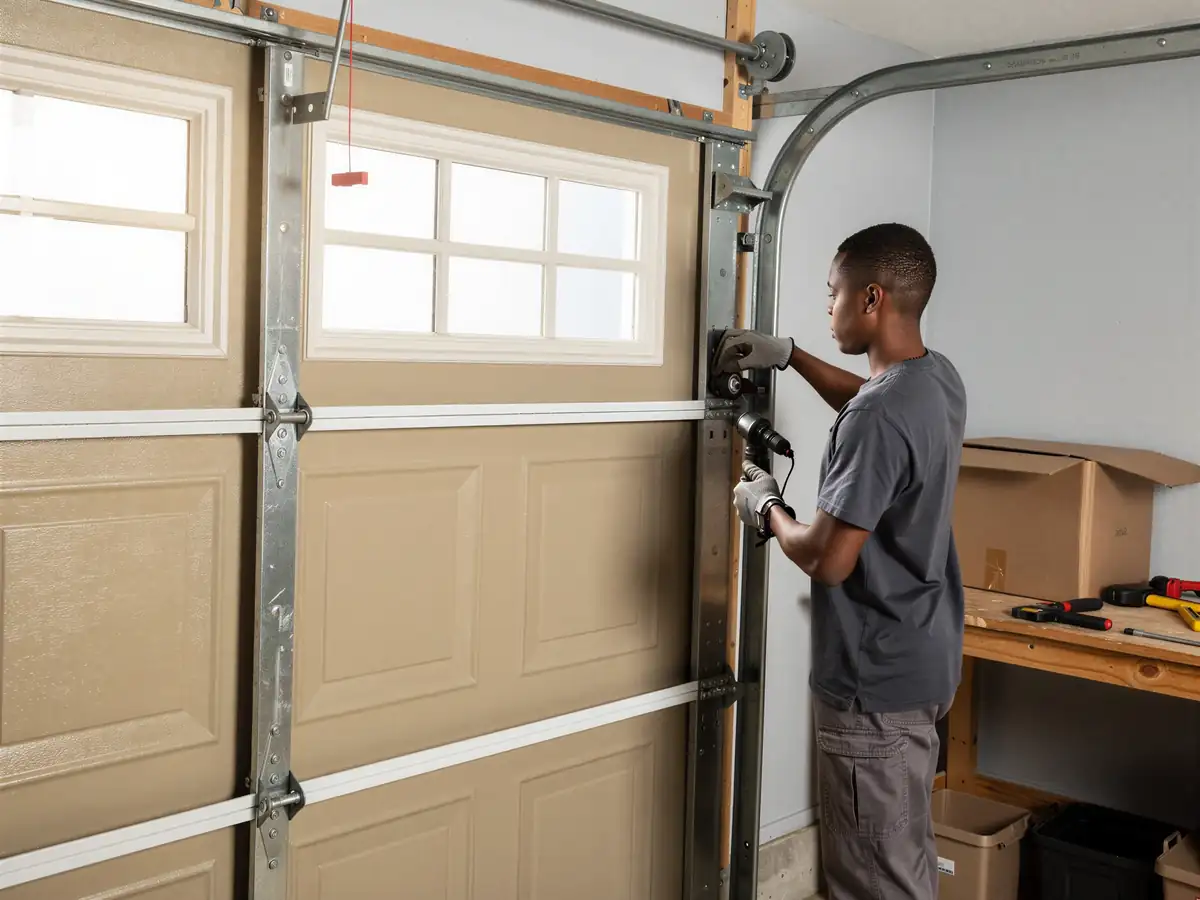
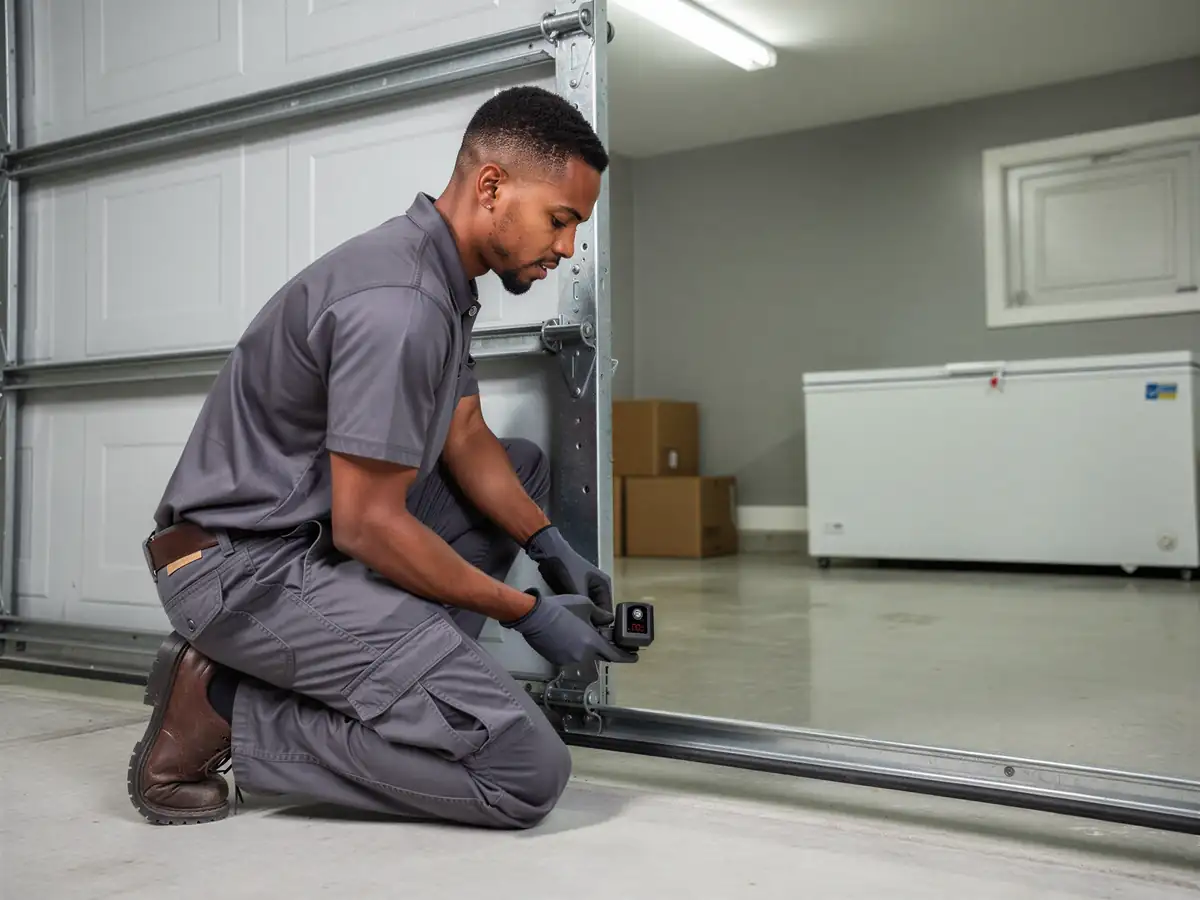
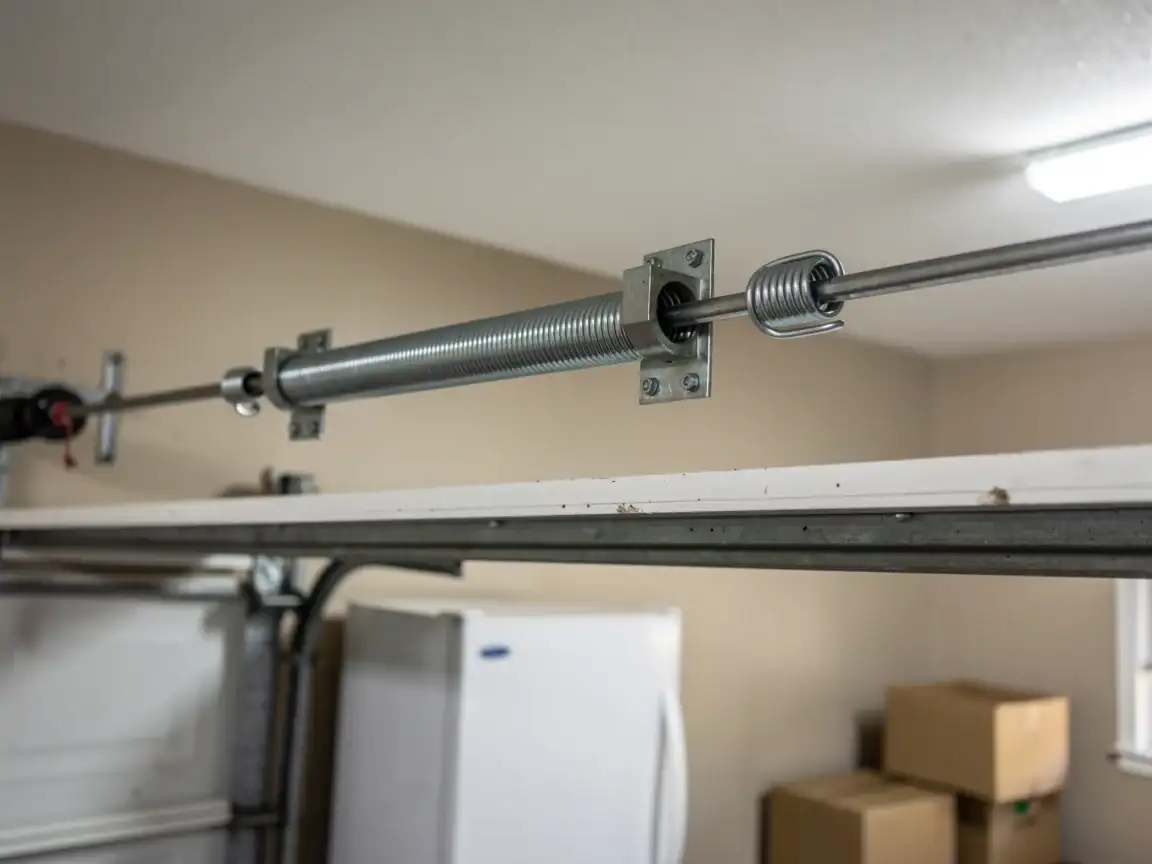
A garage door that won't move, or moves wrong, usually falls into a short list of patterns. The door is open a few inches and stuck there - that's almost always a broken torsion spring, and the door is now dangerous to lift by hand because the counterbalance is gone. The door reverses the second it touches the floor - a misaligned or dirty safety sensor, or a limit setting that's drifted. The opener runs but the door doesn't move - a snapped cable or a stripped gear inside the unit. Cables fraying at the bottom bracket, rollers that have worn their track groove into an hourglass shape, a track that's pulled away from the jamb - these show up on houses across this stretch of the coast, from Hermosa Beach through El Segundo and Lomita, because so much of the housing stock here shares the same build era. None of these are jobs to force. If the door is stuck part-open and heavy, leave it and call - a spring under tension that lets go while someone's hands are near it is how people get hurt. We log what we find before we touch the hardware, since half the diagnosis is knowing which part failed first.
Booking a Visit
Call and describe what the door is doing - stuck position, noise, whether the opener runs. That tells us what to bring. We cover Hermosa Beach and the surrounding service area out to roughly twenty miles, from El Segundo and Palos Verdes Estates nearby out through Signal Hill, Artesia, and Rossmoor further afield, so dispatch time depends on where in that range you are and what's already on the truck. We don't quote a repair over the phone sight unseen - springs, cables, and openers all have enough variation in size and mounting that a number given blind is usually wrong by the time we're standing in the garage. What we can tell you up front is whether your symptom sounds urgent enough to bump the schedule or whether it can wait for a normal appointment.
Why It Happens Here
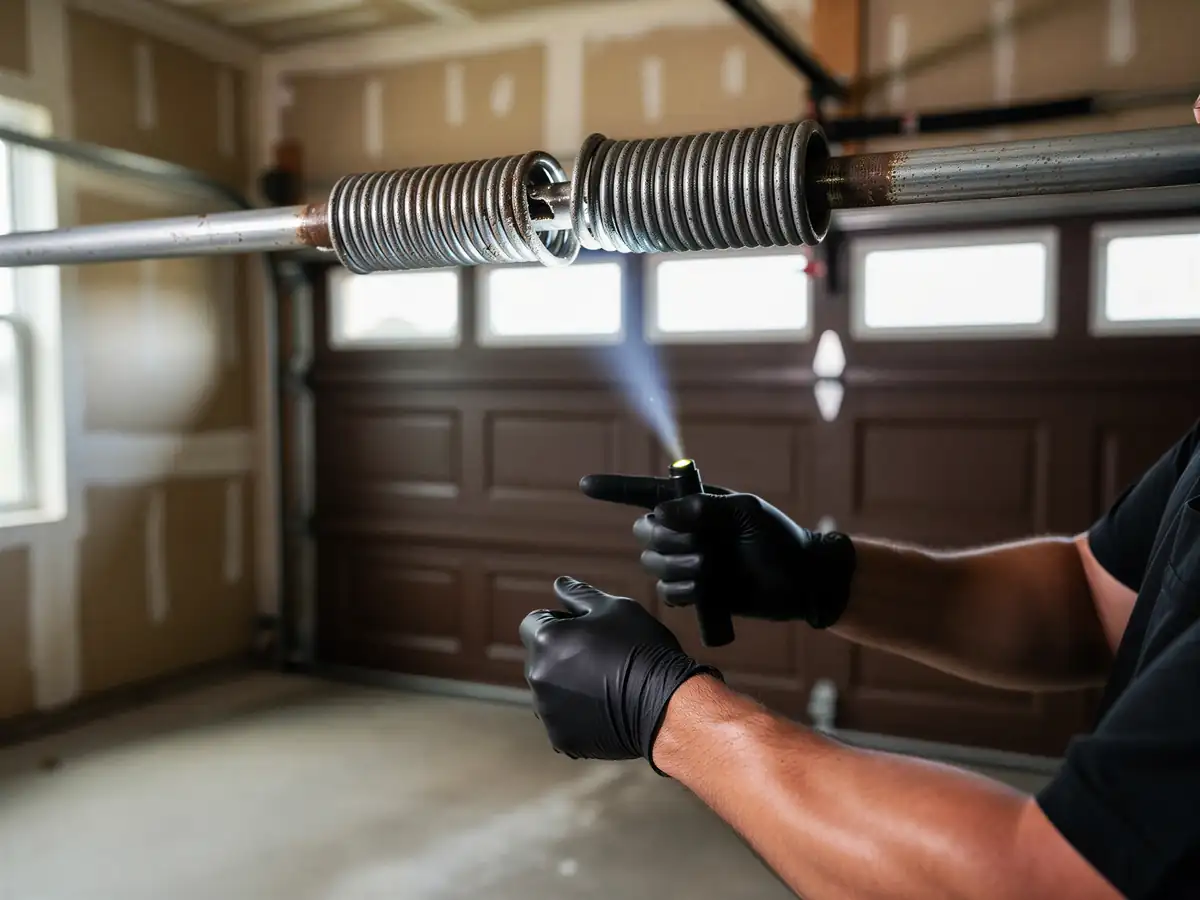
The median home across this service area was built in 1963, with most of the stock dating 1947 to 2012 and the bulk of it concentrated in 1960s and '70s construction. That matters for garage doors specifically: original torsion hardware from that era wasn't built for the cycle count a door sees sixty years later, and a lot of these garages still have the first-generation spring and bracket setup, just replaced piecemeal over the decades. The mild temperate climate along this part of the coast means we're not dealing with the deep freeze-thaw cracking or extreme heat warping that cause failures elsewhere - steel doesn't contract and expand here the way it does inland. What we see instead is slow fatigue: galvanized springs that have simply cycled past their rated life, rollers worn from decades of use rather than weather, and openers original to a 1960s build finally giving out. It's wear, not weather, driving most of the emergency calls in this area.