Where People Go Wrong
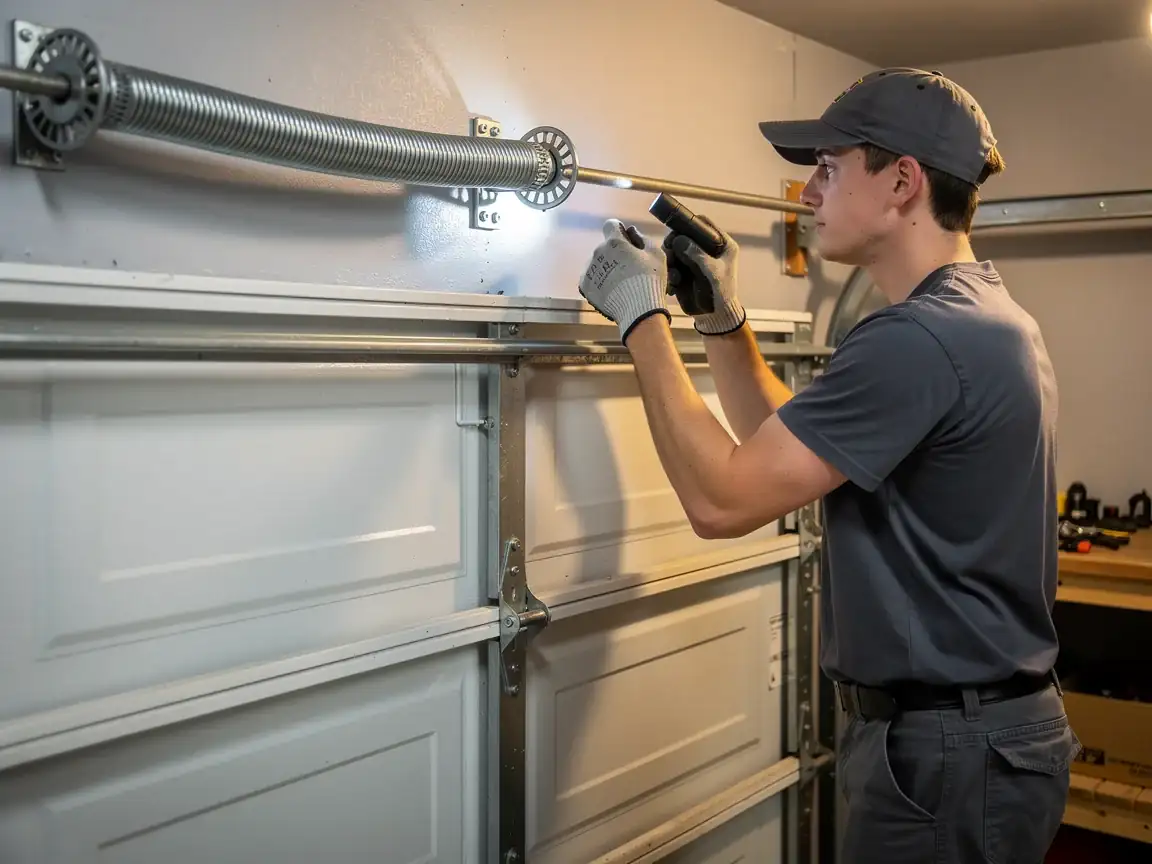
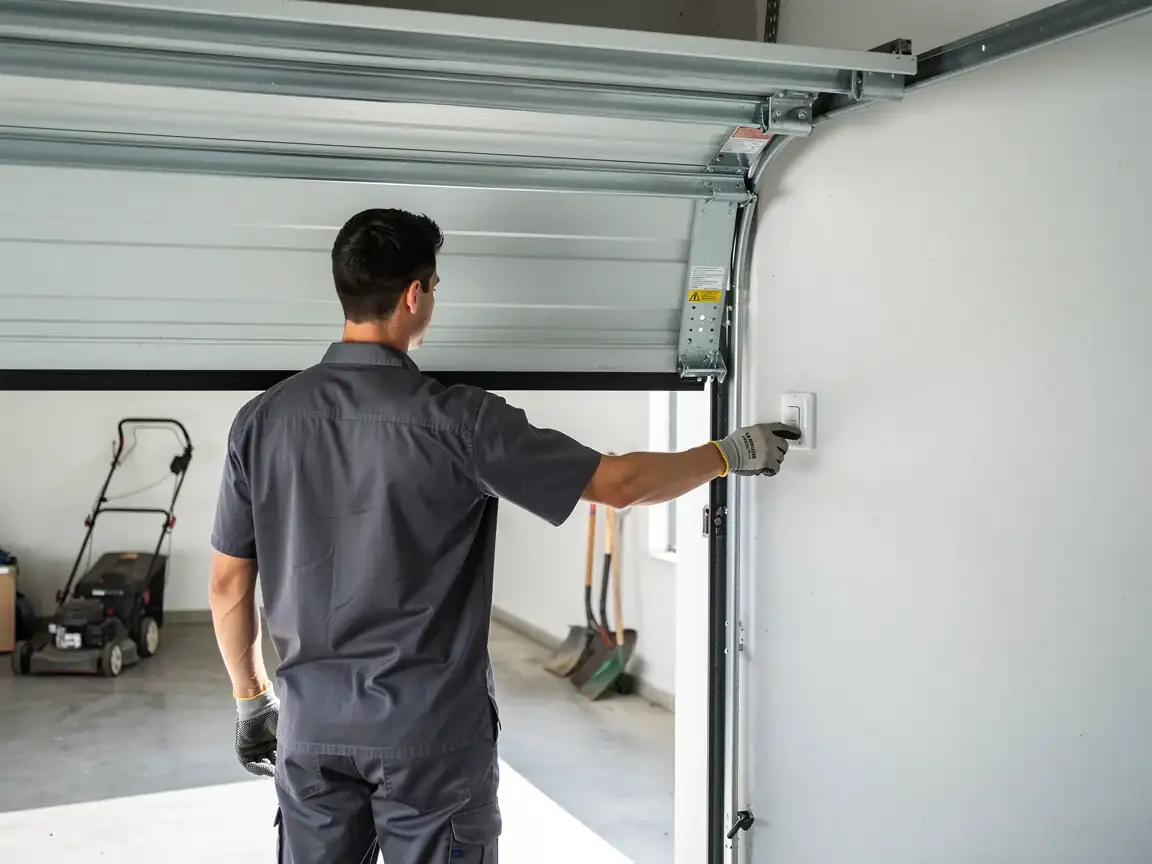
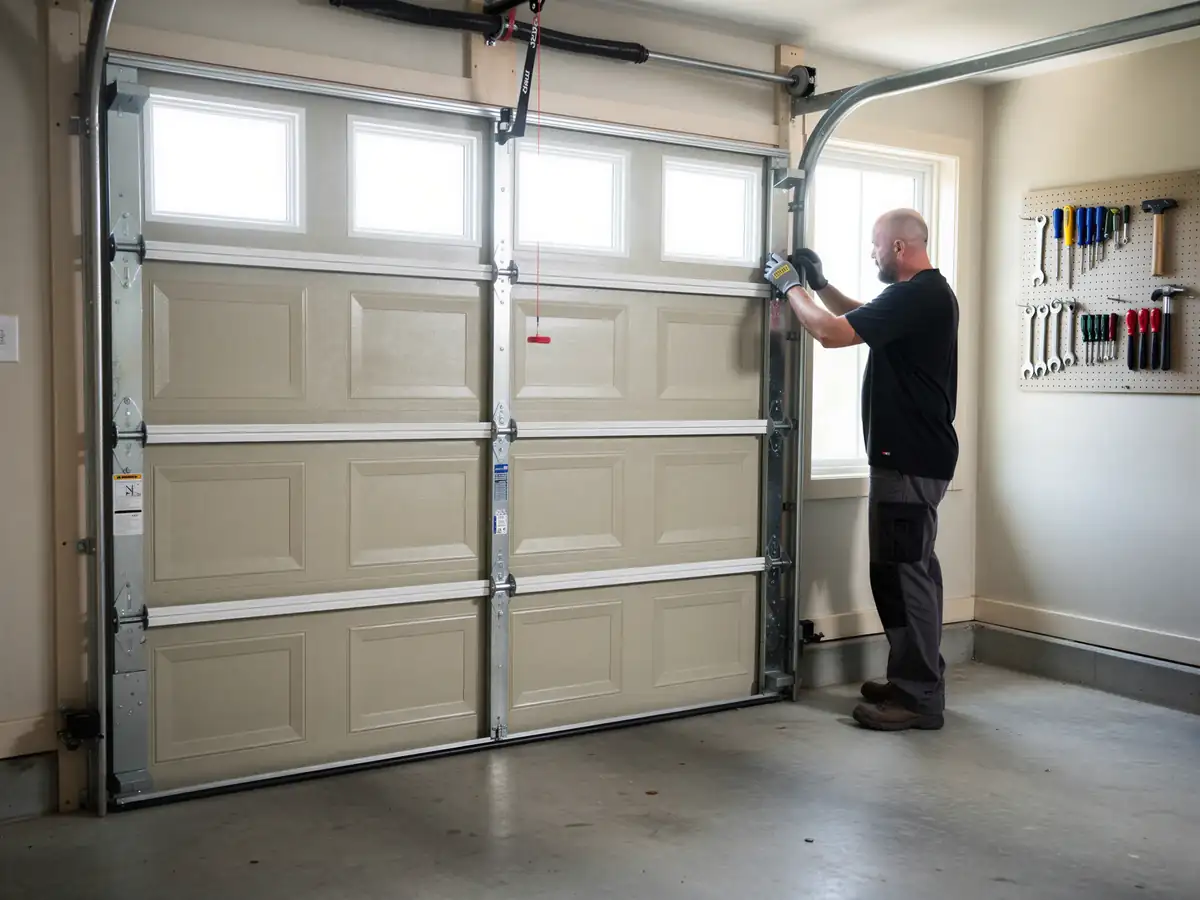
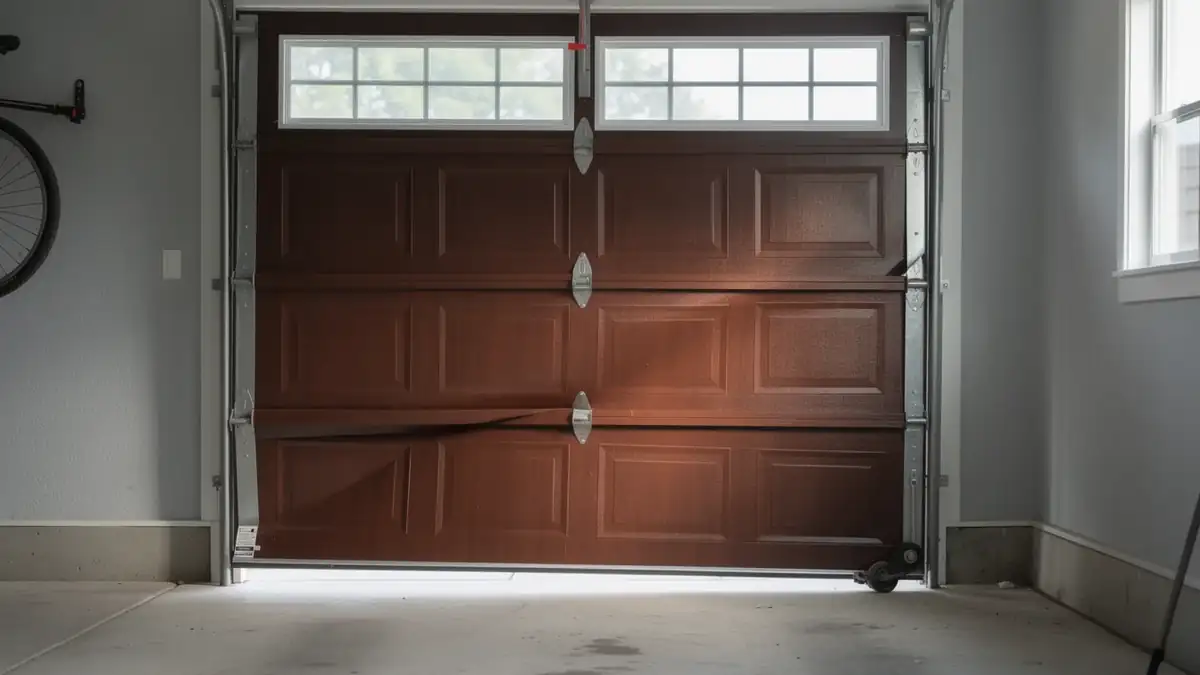
The first thing most owners do when a door jumps the rail is blame the weather, because that's the story you hear everywhere. In Hermosa Beach that story doesn't hold up. The area sits in a mild temperate band, so the metal track isn't expanding and contracting hard enough, season after season, to walk itself loose the way it would somewhere with real freeze-thaw cycles. What actually knocks a door off track here is simpler and less dramatic: bent track sections, brackets that have slowly worked loose over decades, and rollers that wore out years before anyone noticed. With housing in this area built between 1947 and 2012 and a median build year of 1963, a lot of track hardware on the road has been doing its job, unmaintained, for fifty-plus years. People troubleshoot for a storm that never caused the problem and miss the bracket that's been shifting a sixteenth of an inch a year since the Johnson administration. The other mistake is treating a mild off-track event as cosmetic - forcing the door back onto the rail by hand, running the opener again, and calling it fixed. A door that's come off track once has already told you a bracket or roller is failing. Running it again just bends the rail further and turns a $150 adjustment into a track replacement.
The Situation
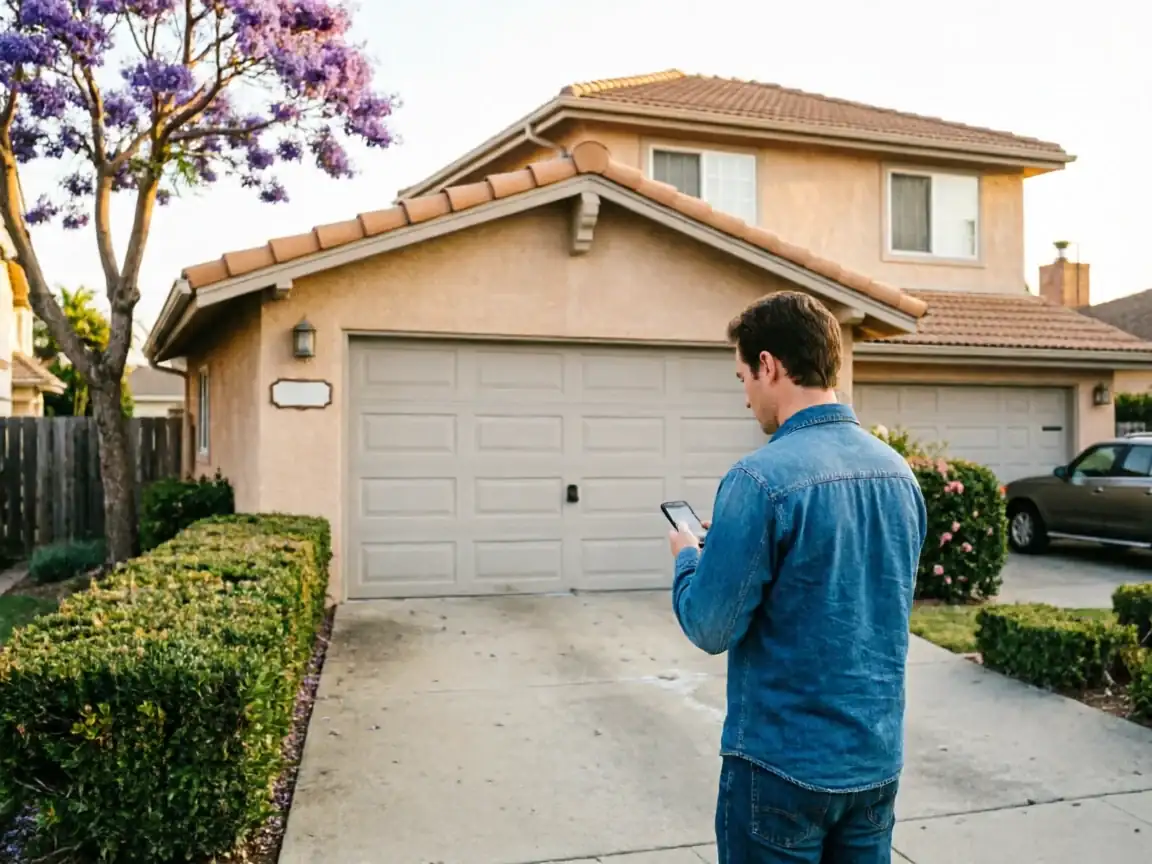
Hermosa Beach sits in a service area with roughly 86,713 households and 32,463 owner-occupied houses, with a median household income of $100,007. That income level matters for one practical reason: most owners here can afford to replace a track system outright rather than live with a door that keeps jumping rail, so when we talk about off-track doors, the real decision is usually repair-now versus replace-later, not whether the household can cover the bill. The housing stock across the twenty named areas near Hermosa Beach runs mostly 1960s-70s, which lines up with the overall 1947-2012 range and 1963 median build year for the broader area - nearby communities like El Segundo (3 miles), Palos Verdes Estates (7 miles) share a similar housing age profile. That means the track hardware most of us are looking at on a service call isn't new-construction aluminum track with sealed bearings - it's heavier gauge steel track from an era before plastic idler bearings were standard, mounted with lag bolts into jamb wood that's had sixty years to move.
What Local Conditions Do
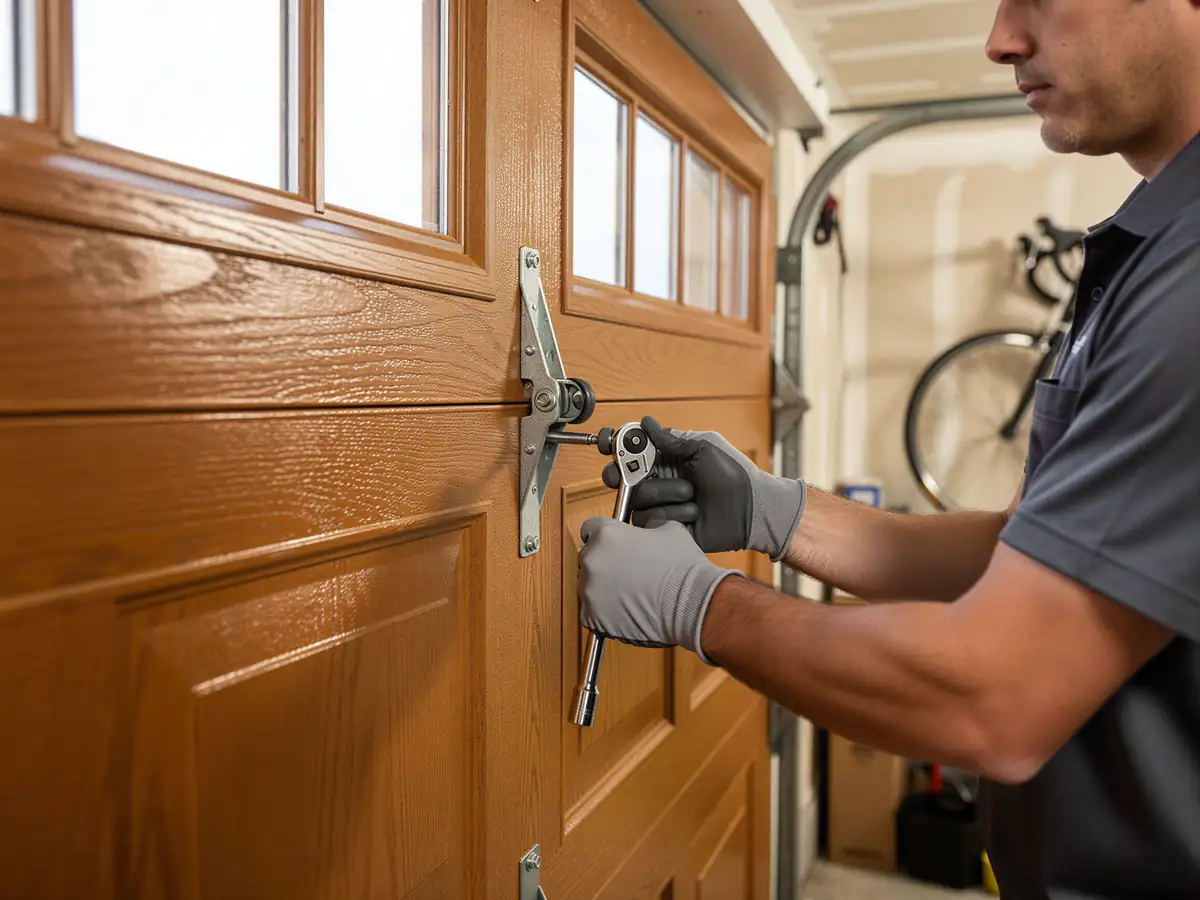
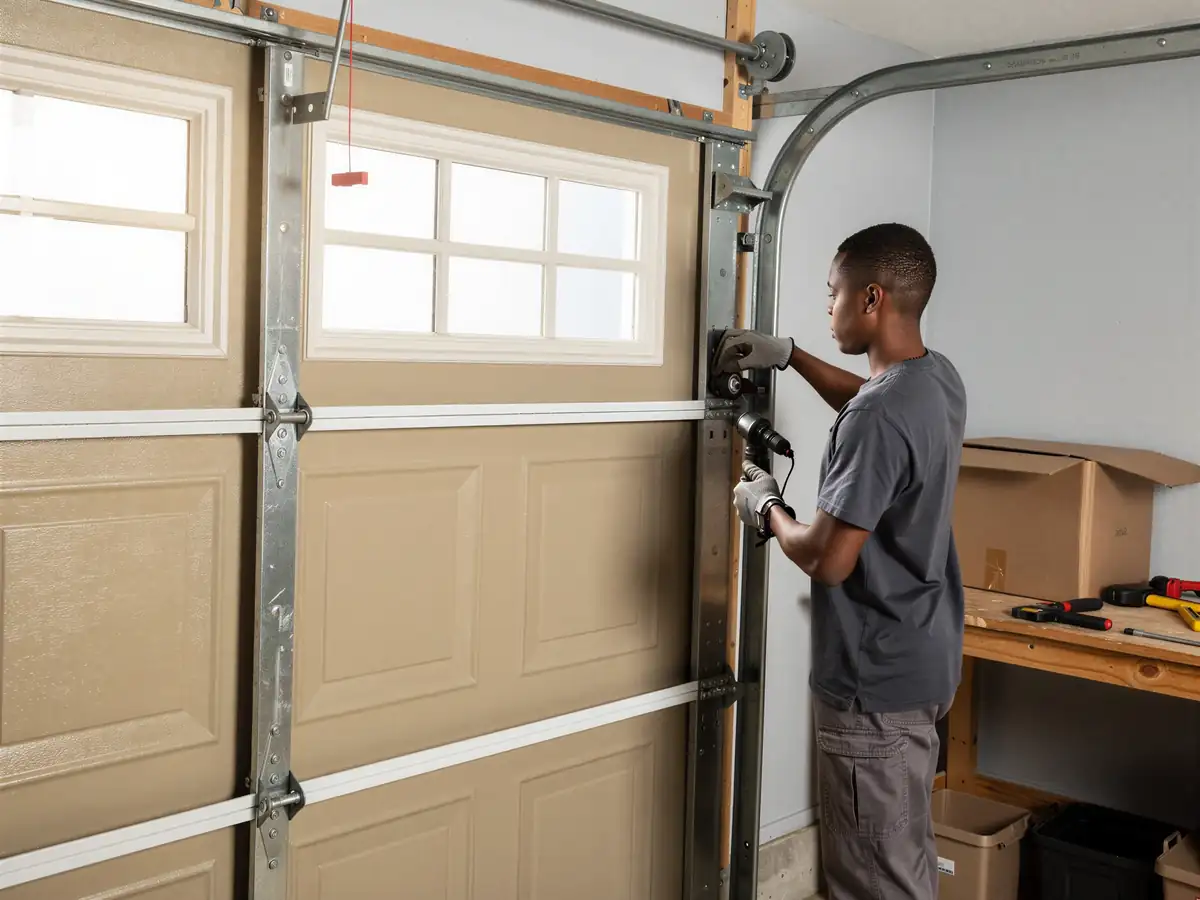
Put the two facts together - mild temperate climate, and housing built mostly 1947 to 2012 with a 1963 median - and the pattern on an off-track call in Hermosa Beach is pretty consistent. It's not weather fatigue. It's mechanical fatigue on older hardware that never got a hard seasonal trigger to force a checkup. A bracket lag-bolted into 1960s jamb wood loosens gradually over decades of normal use, not from a single freeze or heat event, and nobody notices until the roller finally walks far enough to pop the track. That's a different repair conversation than you'd have in a climate that batters doors twice a year - here, the fix is usually re-anchoring or replacing bracket and track hardware that's simply outlived its install, sometimes alongside a roller swap if the bearings are original. One limitation worth saying plainly: if the track itself is bent rather than just loose, straightening it rarely holds for long on steel this old - at that point replacement track is the honest call, even though it costs more than an adjustment.