What You Are Seeing
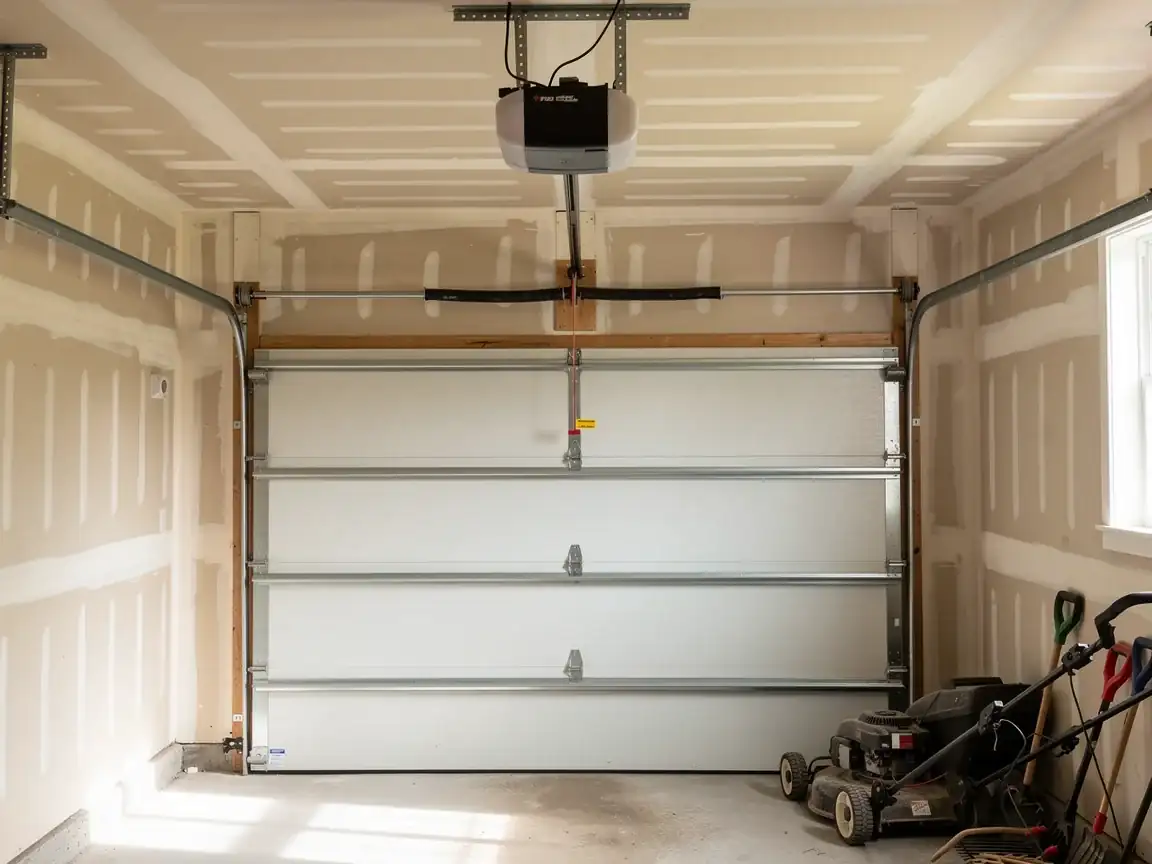
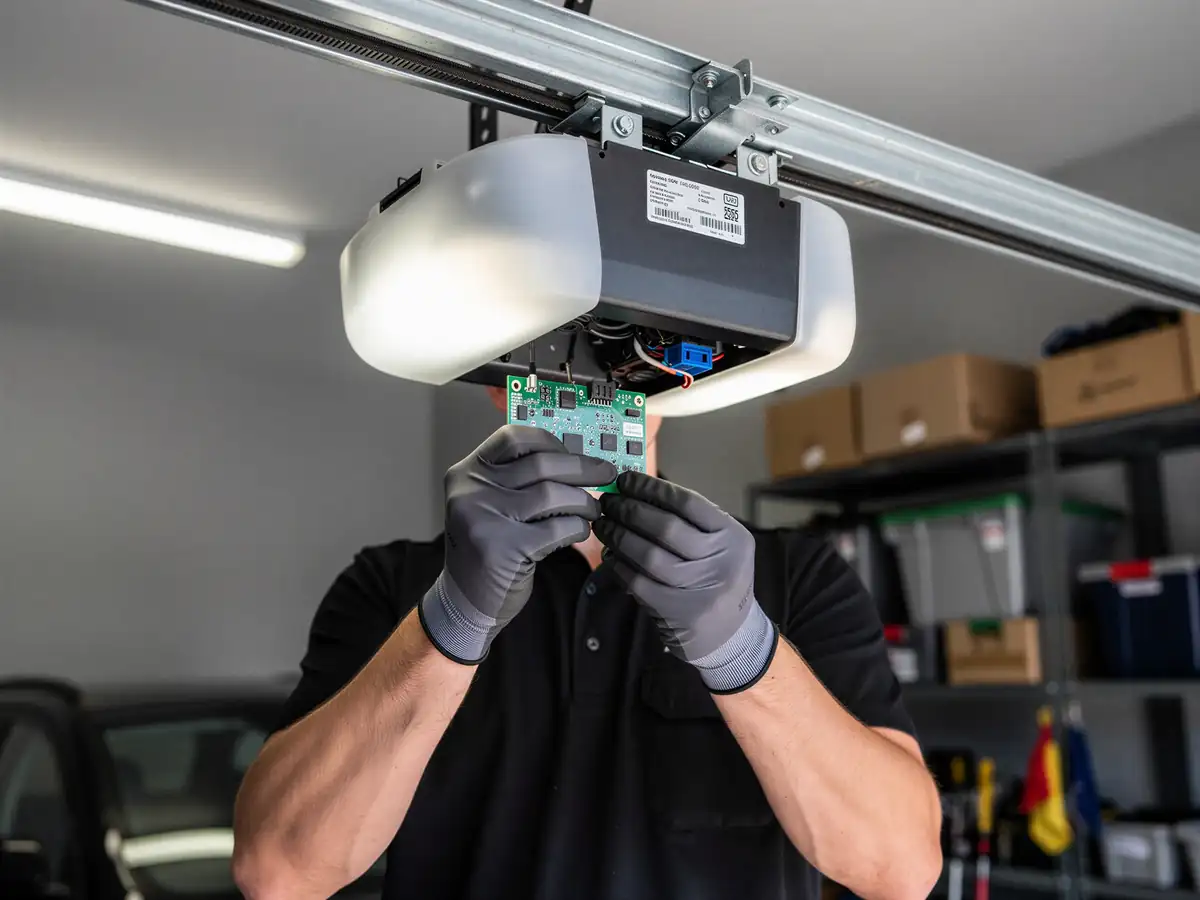
The opener stalls halfway up, reverses for no reason, or the remote works from the driveway but not from inside the house. Sometimes it's the chain drive grinding louder every month, or the logic board flashing a code nobody can read. On an older house the opener itself might be original to a 1960s build, long past any reasonable service life, bolted to framing that was never meant to carry a modern belt-drive unit.
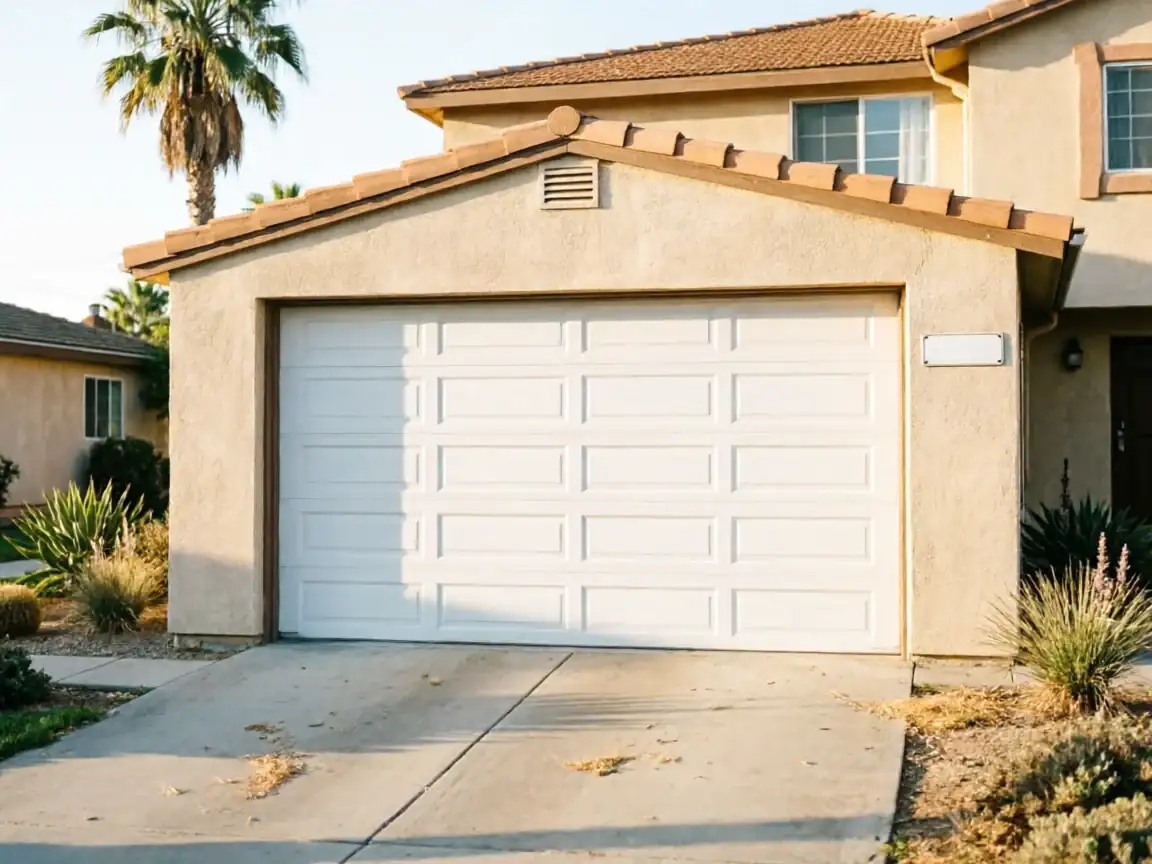
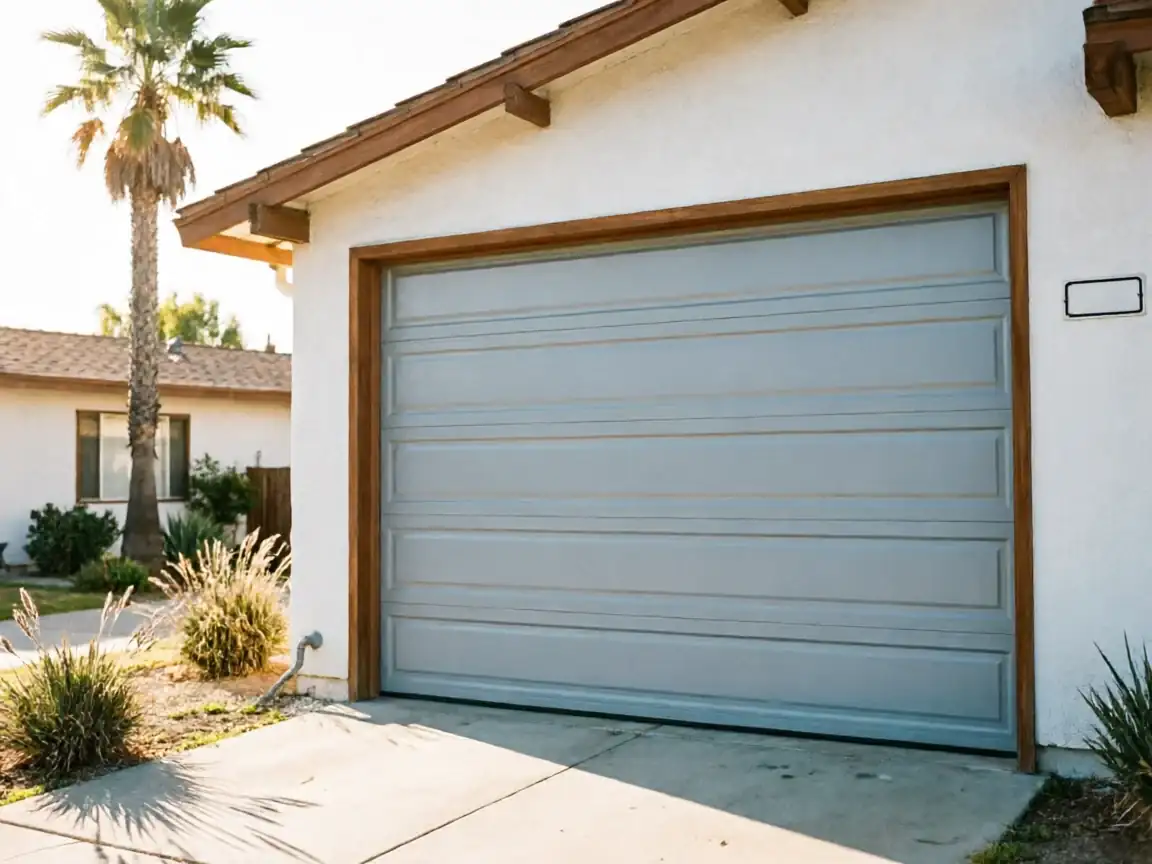
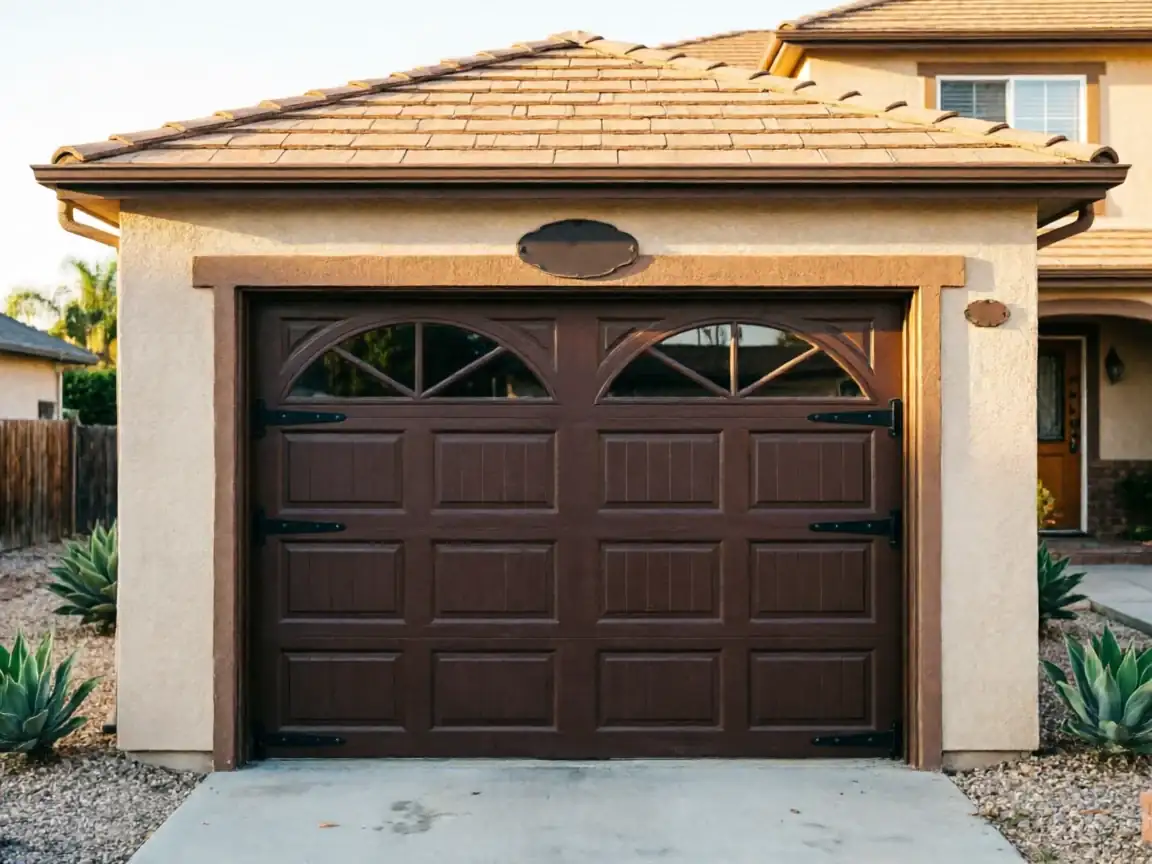
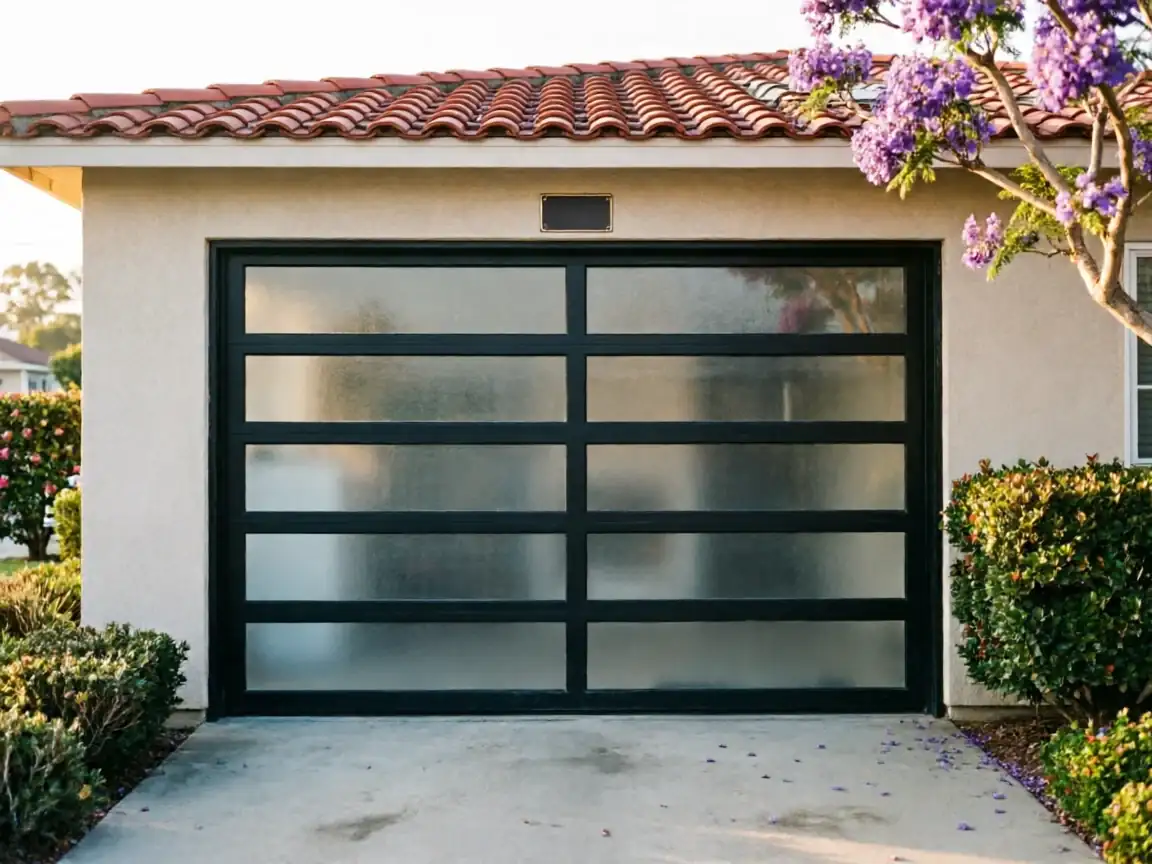
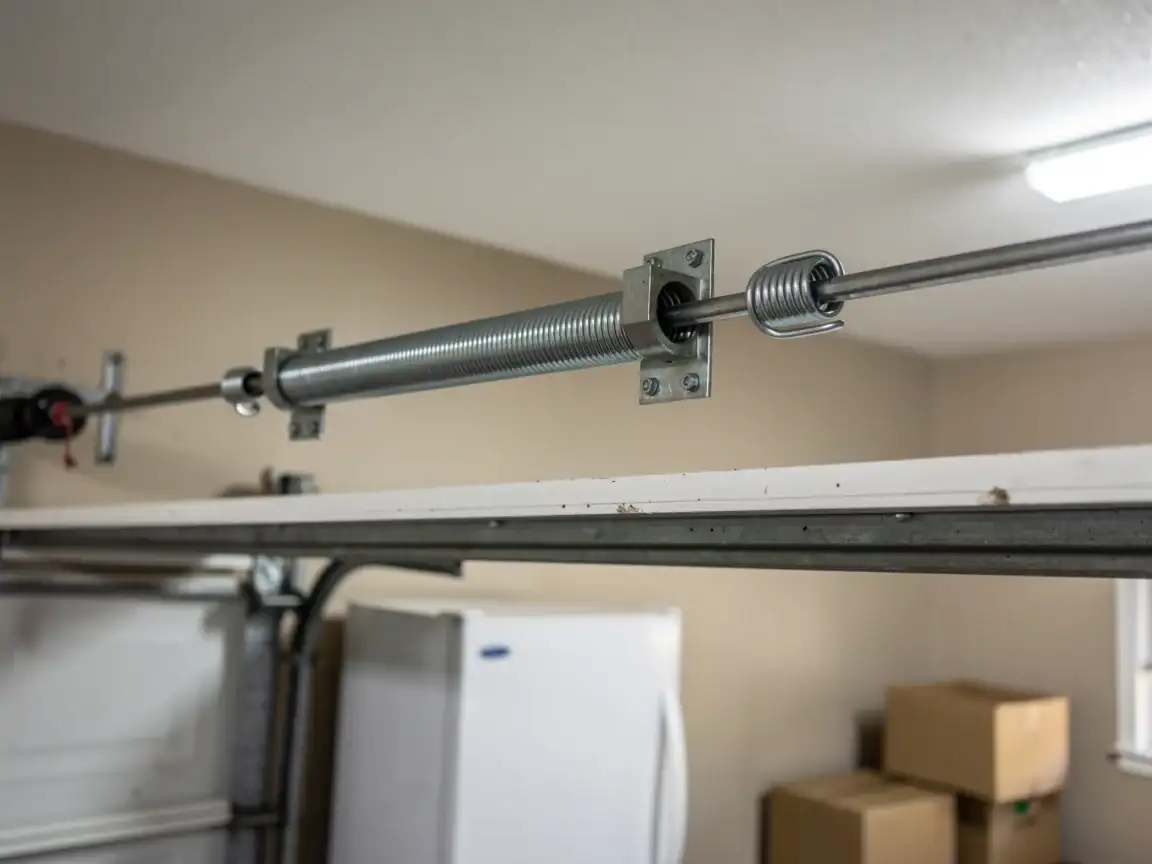
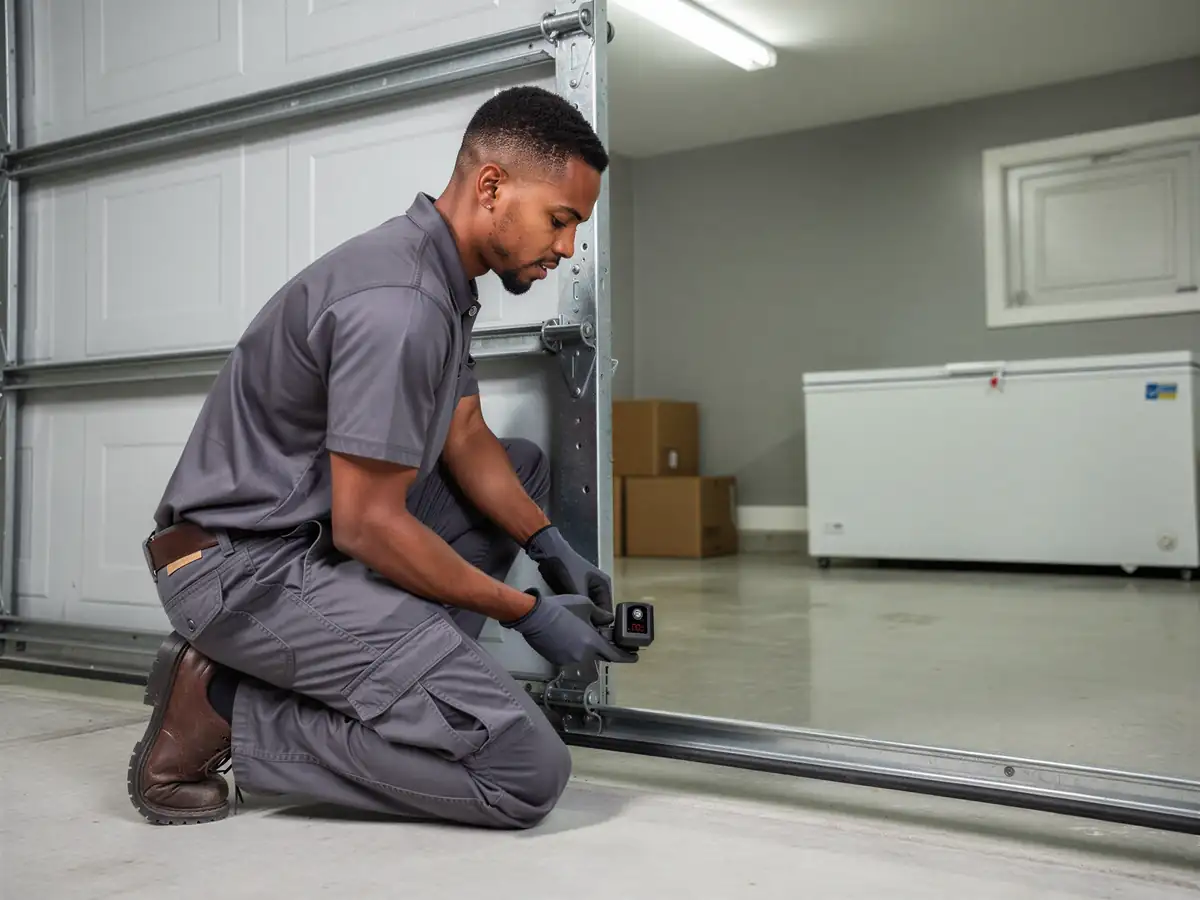
A lot of what we get called out for in Hermosa Beach isn't a dead opener at all - it's a mismatch. Someone installed a generic big-box unit on a door and track from a different decade, and the travel limits never sit right. Housing stock here runs from 1947 up through 2012, with a lot of it dating to the 1960s and 70s, which means openers get swapped onto hardware that predates the unit by forty years more often than you'd think. The fix isn't always a new opener. Sometimes it's getting the existing one matched correctly to the track, spring tension, and door weight it's actually working against.
The DIY Question
A lot of homeowners can swap a remote battery or reset a keypad code themselves
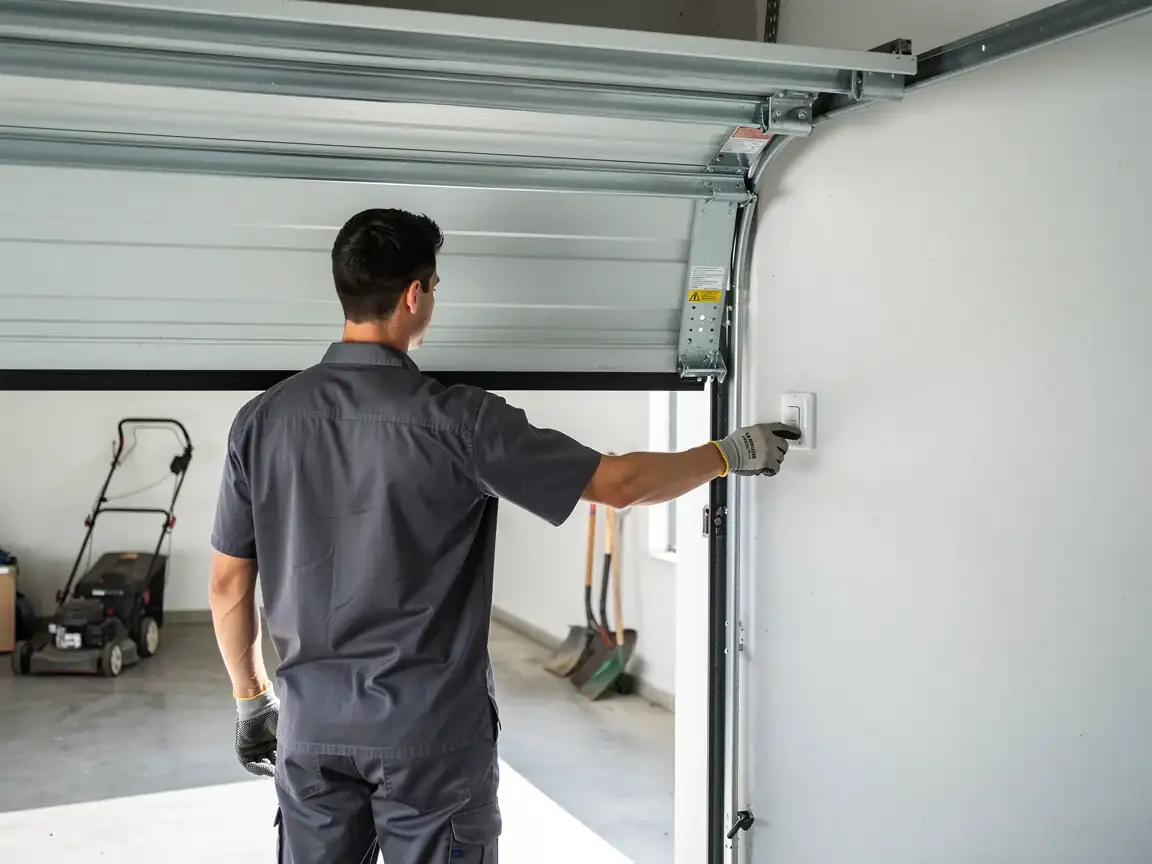
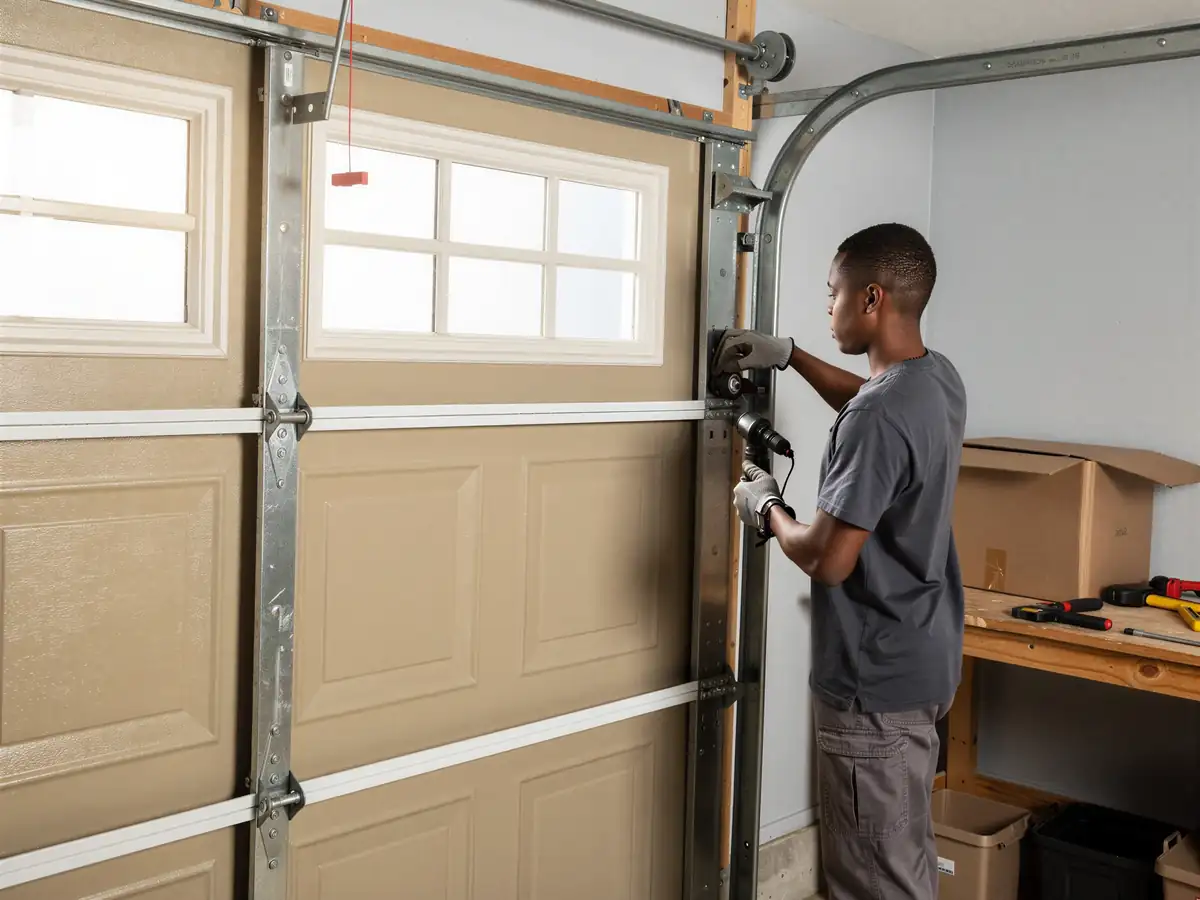
And there's no reason to call anyone for that. Where it gets risky is the install itself - setting travel limits, force settings, and the safety reversal sensors on a belt or chain drive unit. Get the force setting wrong and the door either won't trip a sensor when it should, or it fights the track every cycle and burns out the motor in a year.
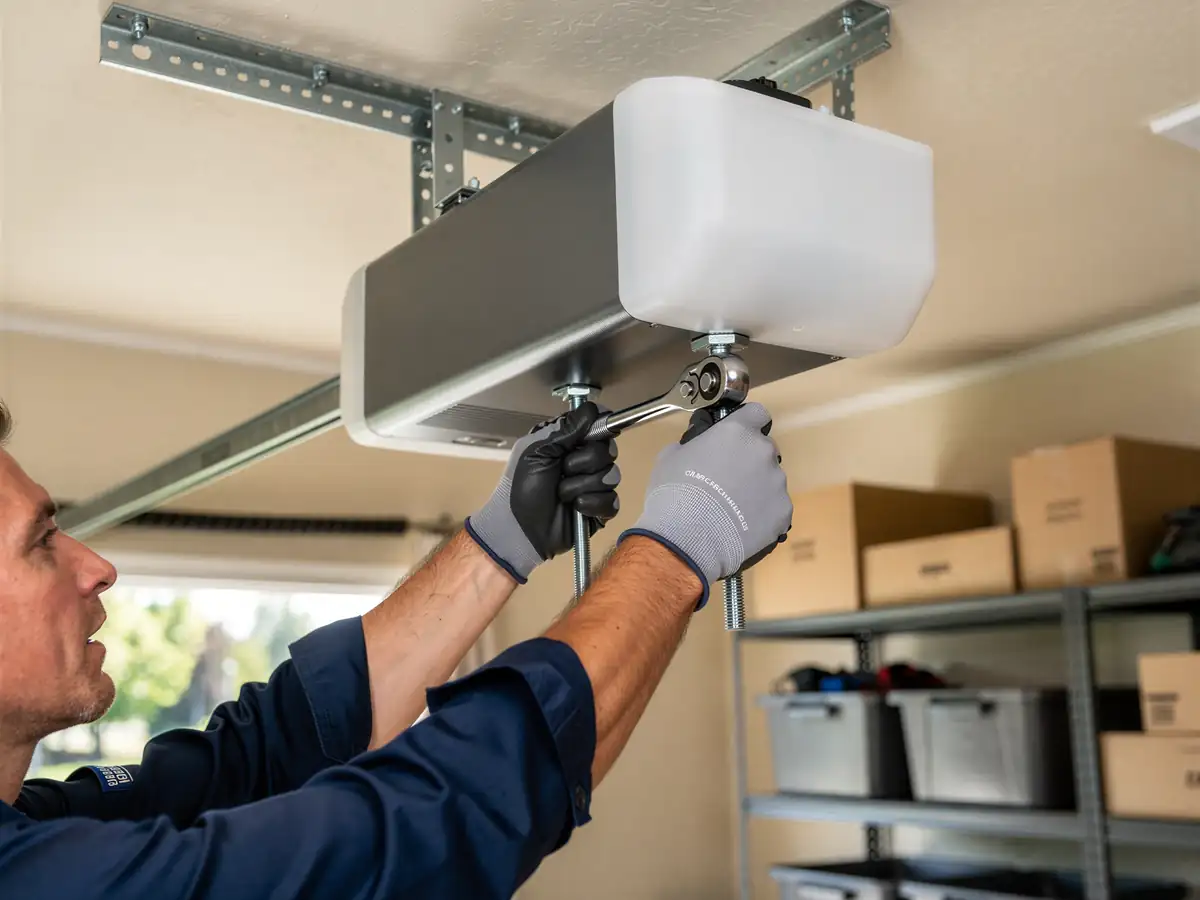
The other piece people underestimate is mounting
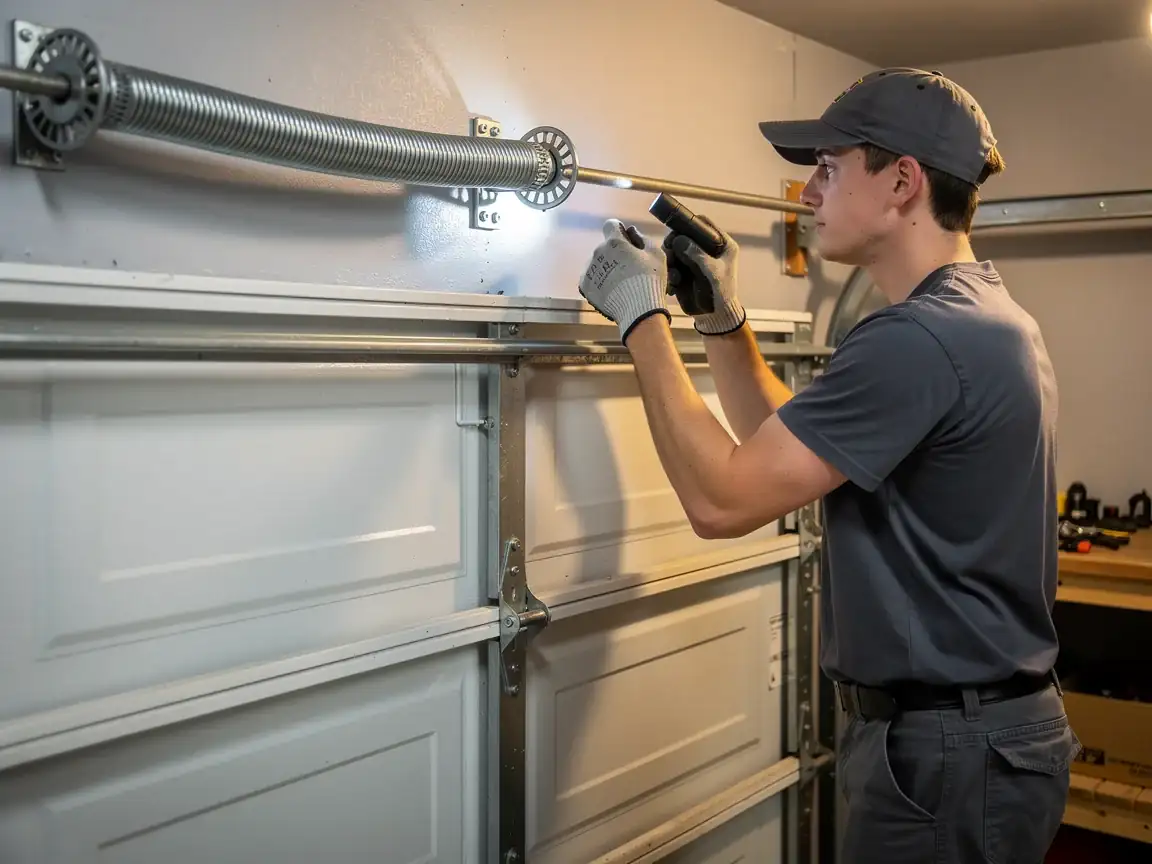
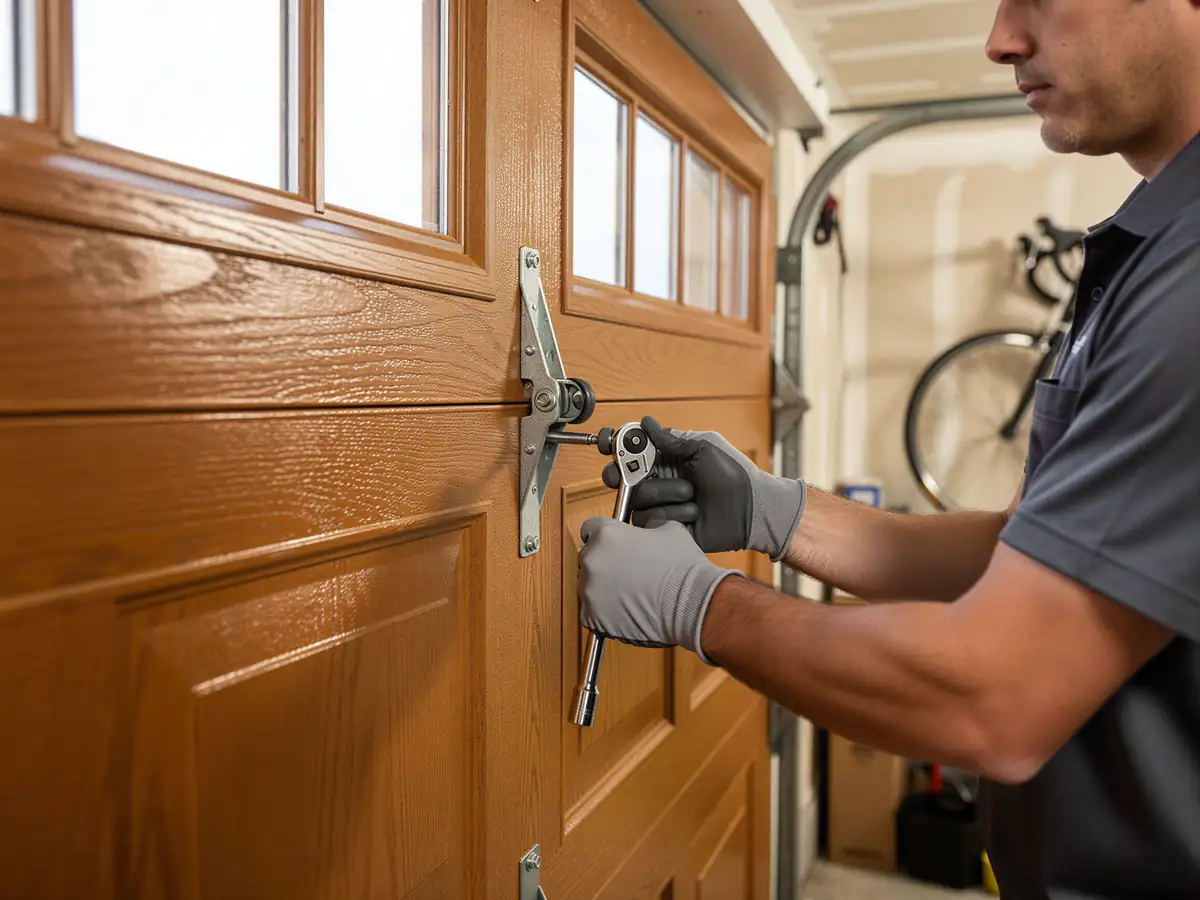
A header bracket that isn't anchored into real framing will work fine for a few months, then start pulling loose under repeated torque - and on a lot of the older housing stock here, that framing isn't where a generic install guide assumes it is. If you're comfortable with a drill and a level and you've done this before, a straightforward swap on a newer door is within reach. If the door is original to the house or the opening has ever been reinforced or modified, we'd rather you call first than find out mid-install that the bracket location doesn't match what's in the box.
Booking a Visit
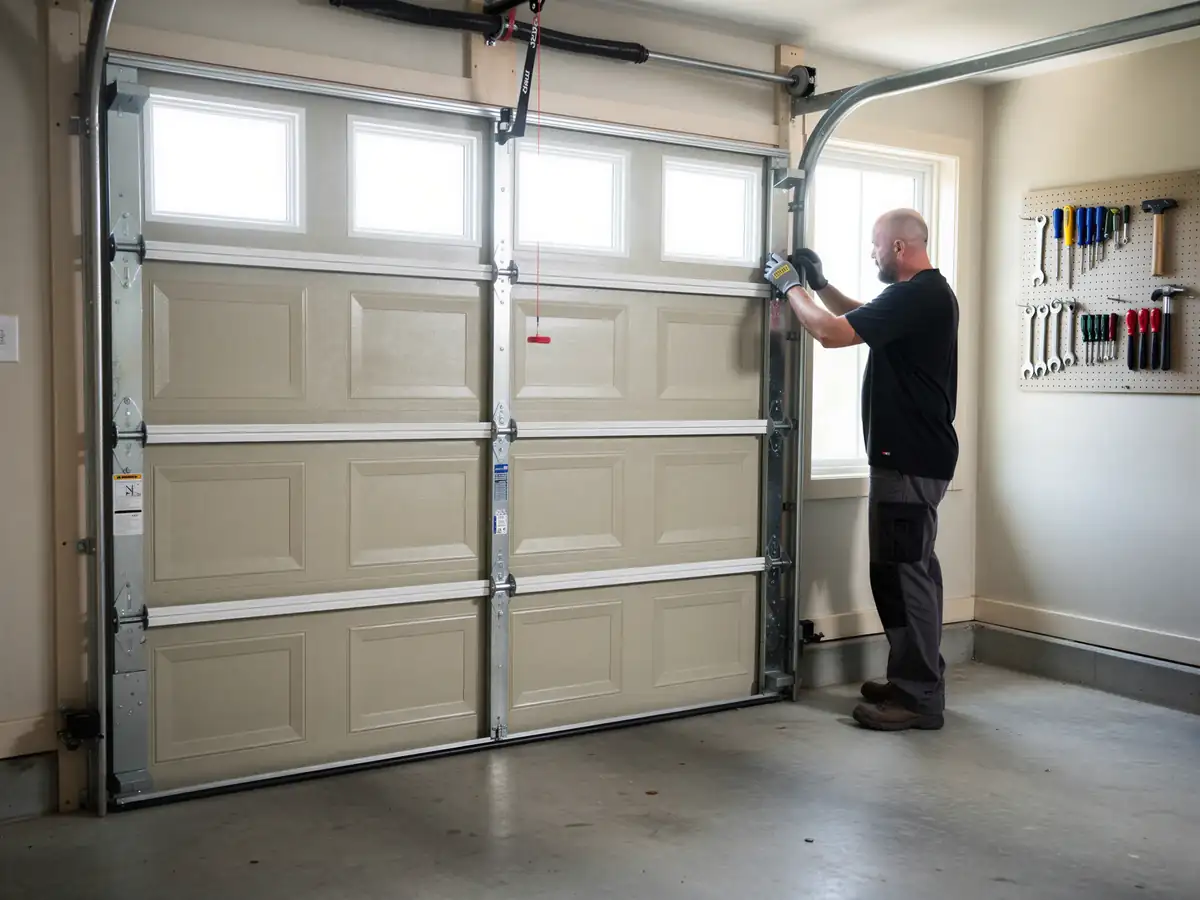
We come out, look at the door and track that's already there, and tell you straight whether the opener you're asking about will work with it or whether something in the hardware needs attention first. That's a judgment call that's hard to make over the phone, since two doors that look the same from the street can have completely different spring and track setups depending on when the house was built.
One limitation worth saying up front: some opener models carry manufacturer lead times we don't control, so if you need a specific brand or a smart-home-integrated unit, ask about availability before you lock in a date - we'd rather tell you now than have you waiting on a part. For anything else, we schedule the visit, confirm what's actually going on the wall, and do the install in one trip.
Why It Happens Here
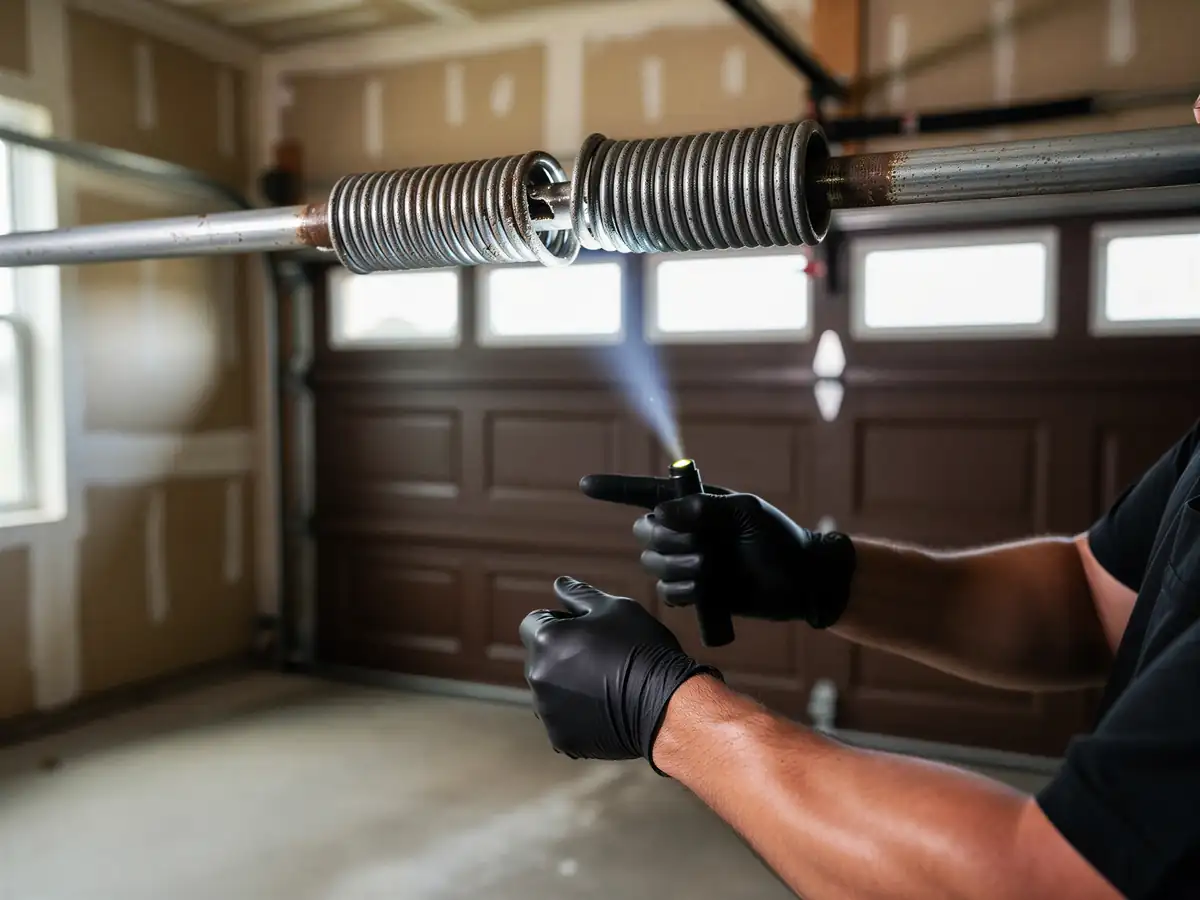
The mild temperate climate along this part of the coast doesn't put the swings in temperature that crack openers or warp tracks the way inland heat does, but it brings its own problem: steady salt-carrying air that corrodes exposed metal gradually, year after year, on logic boards, chain tracks, and the little screws holding sensor brackets in place. An opener that would run another decade somewhere drier starts showing corrosion-related failures sooner here.
Combine that with a housing stock built mostly in the 1960s and 70s, median year 1963, and you get openers that were already due for replacement on age alone, now failing faster because of what the air does to them. Across the service area - 86,713 households, with 32,463 of those in owner-occupied houses - that's a lot of garages built to a standard from before modern opener safety codes existed, which is also why a straight swap sometimes needs a bracket or track adjustment most people don't expect.