
What That Means for Doors
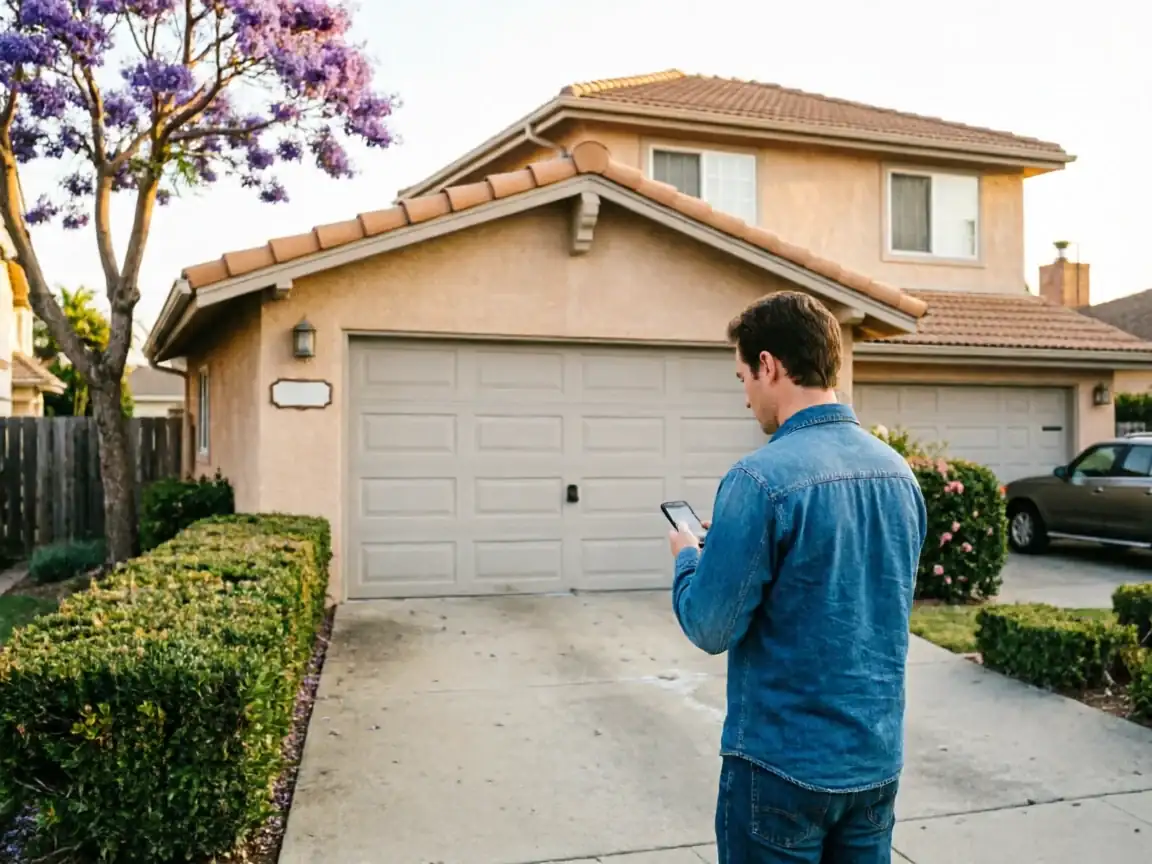
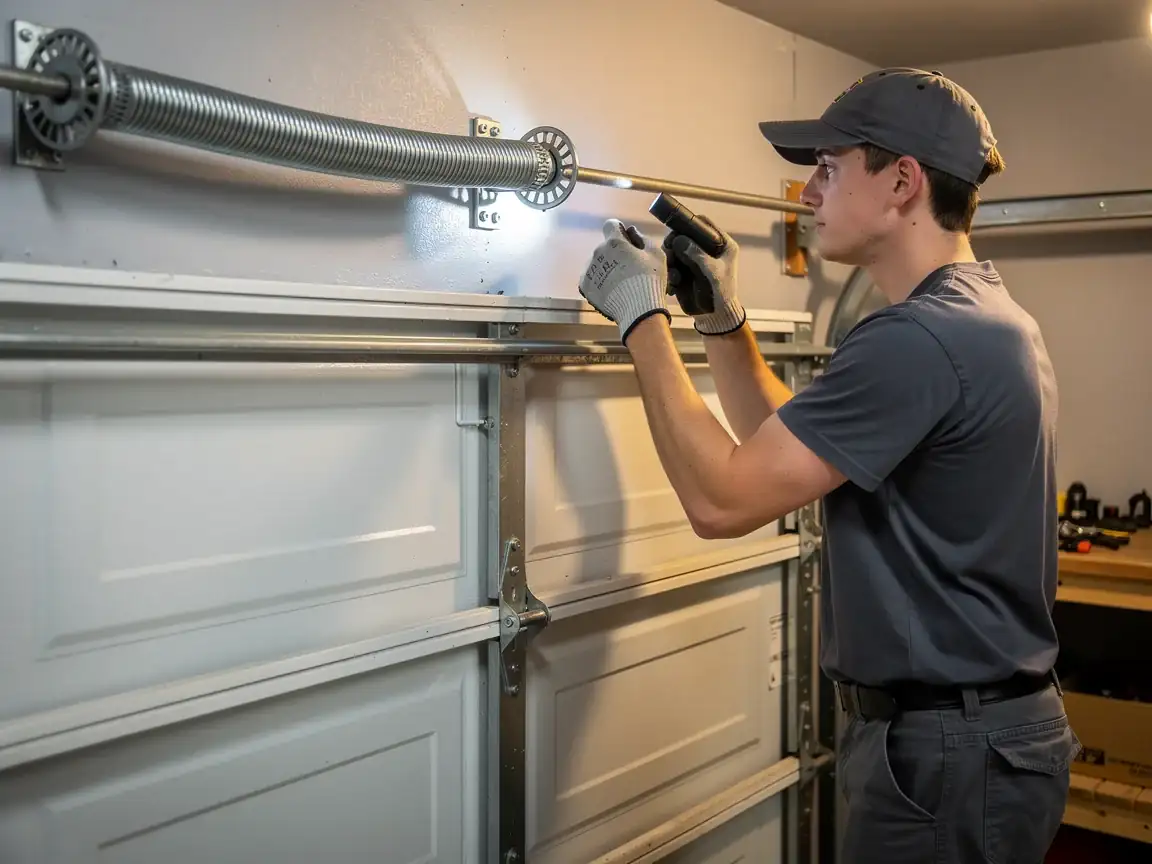
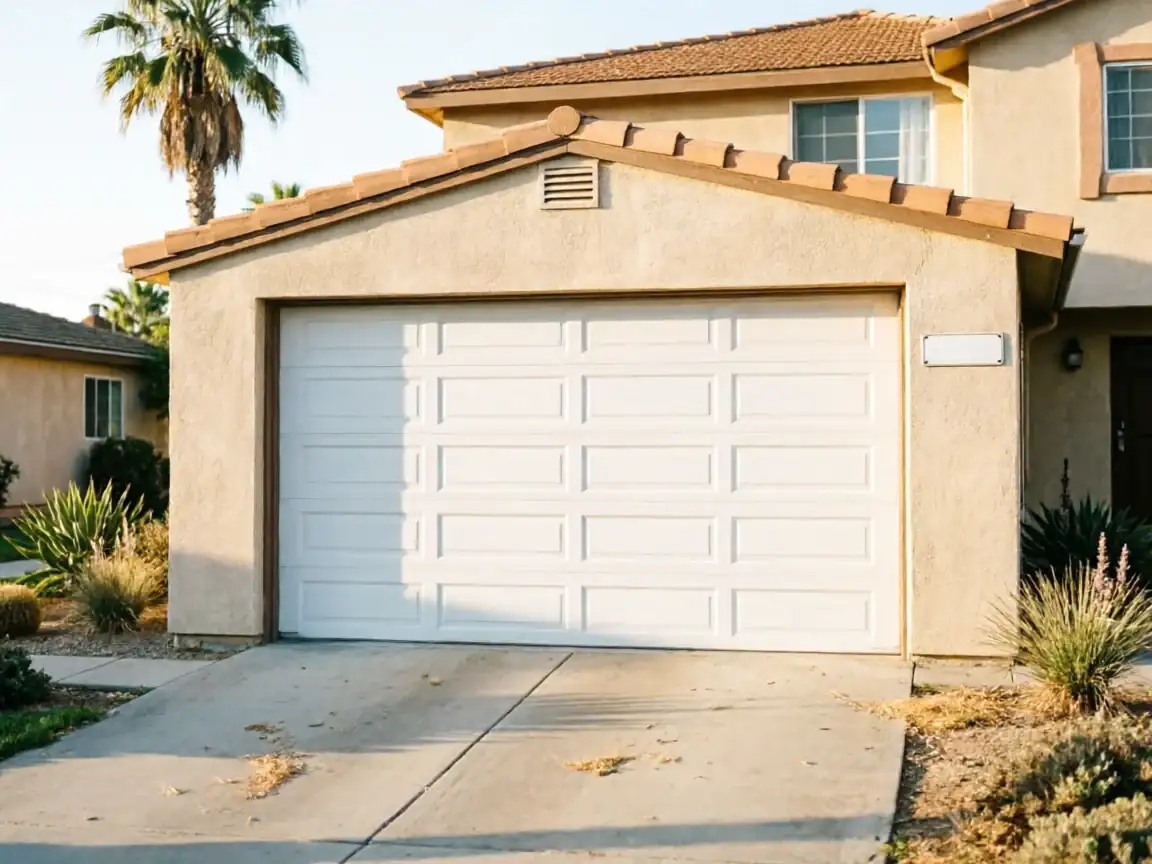
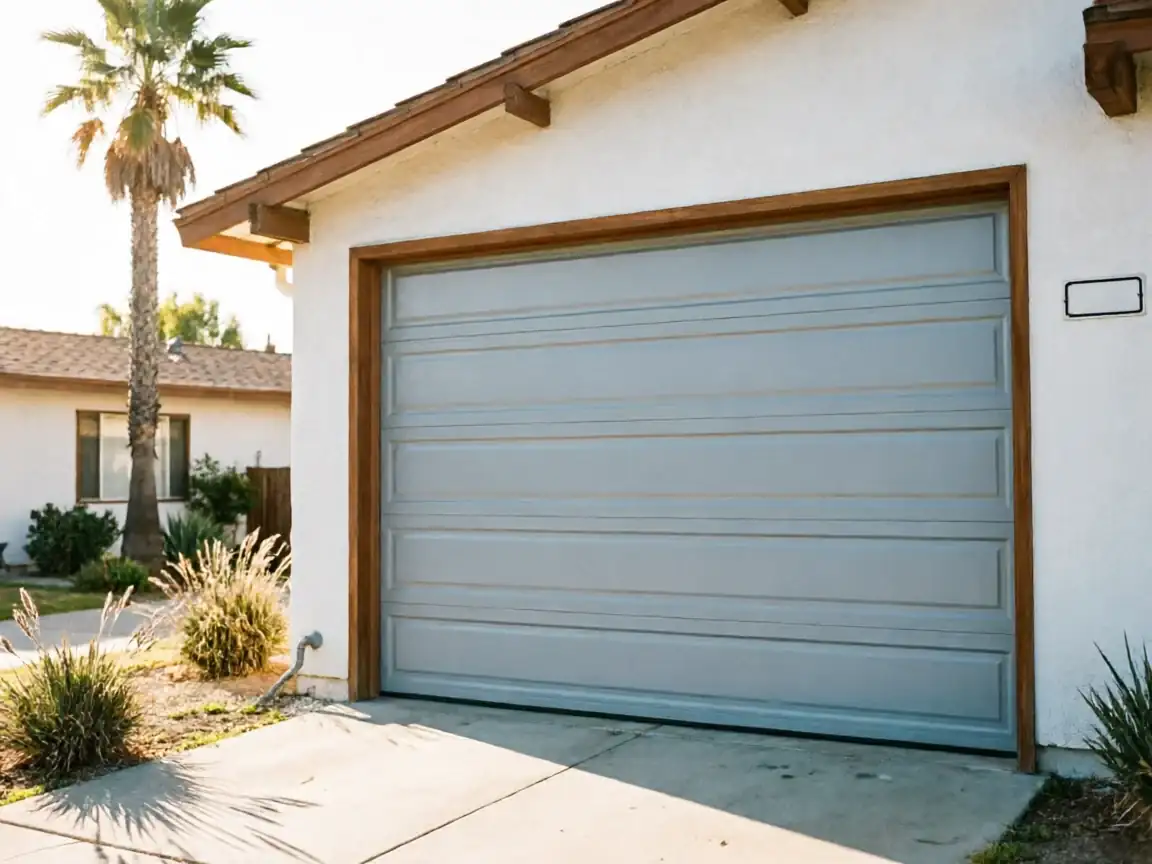
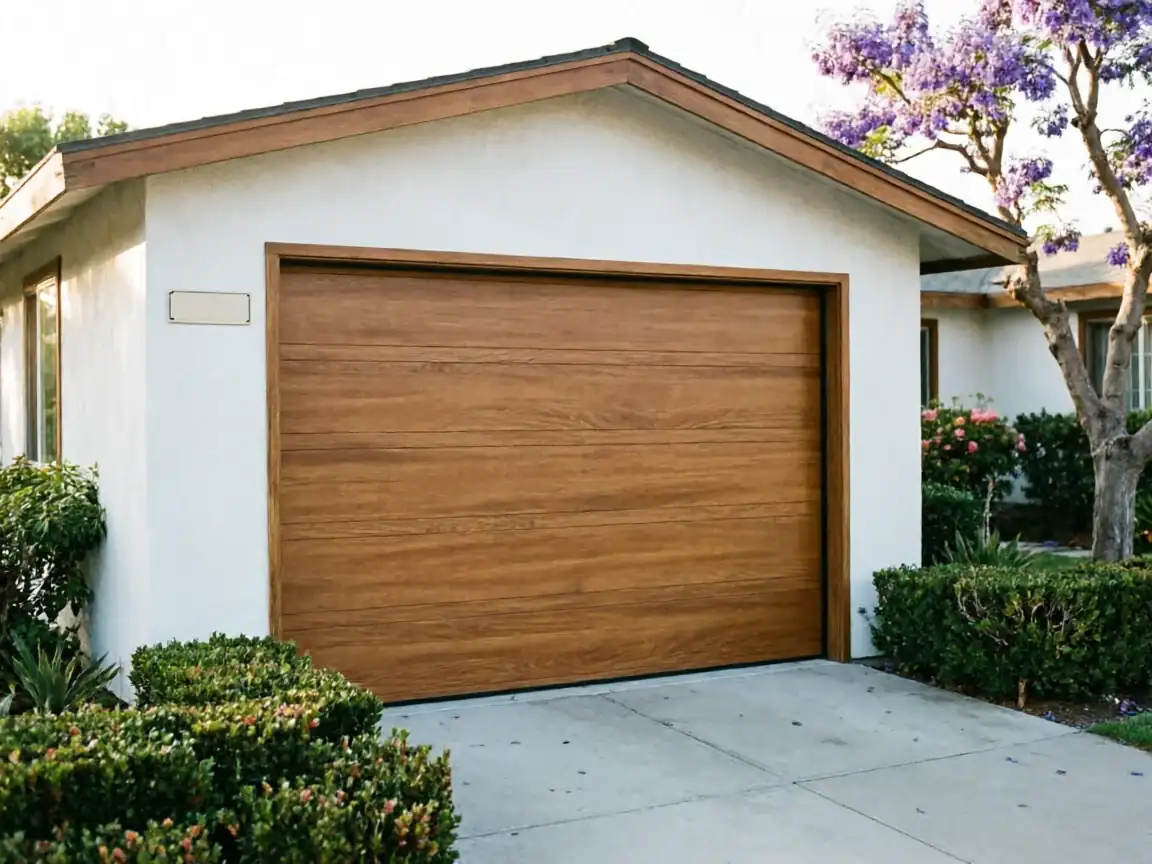
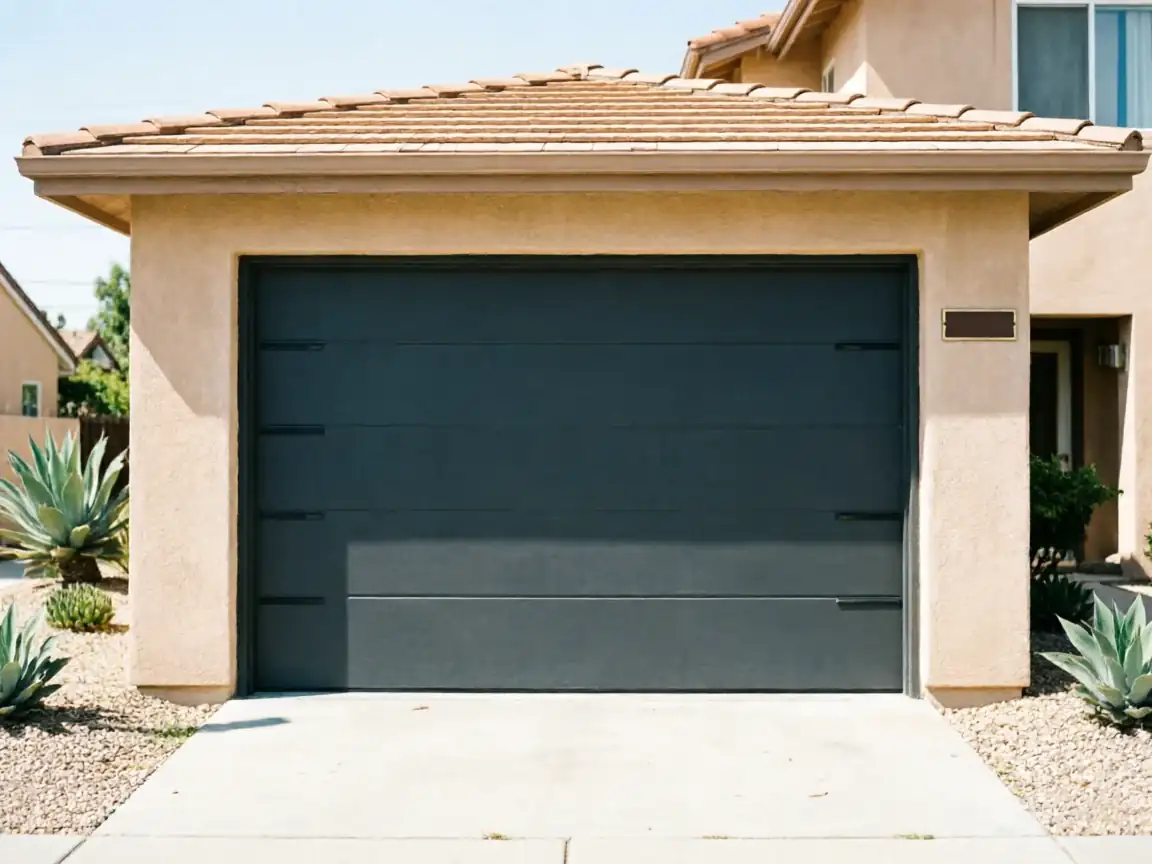
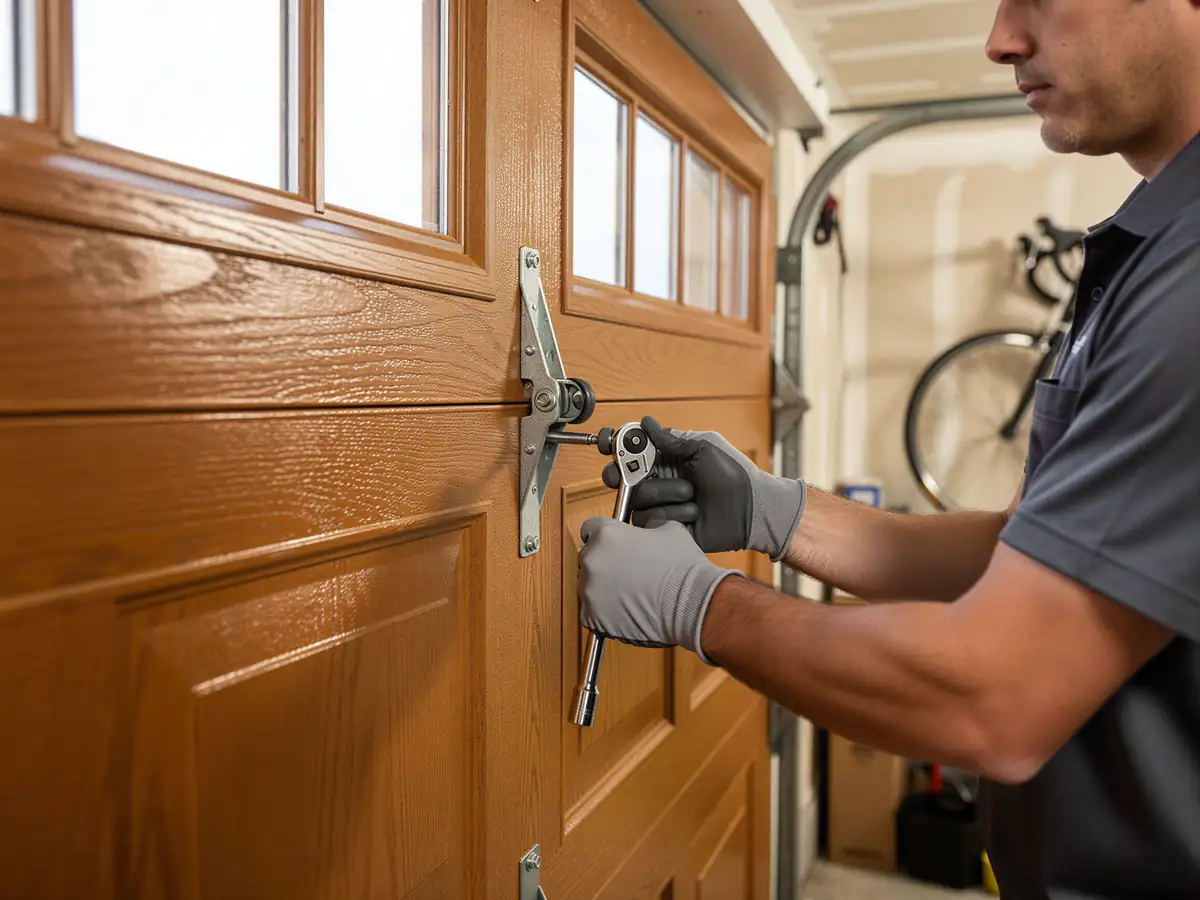
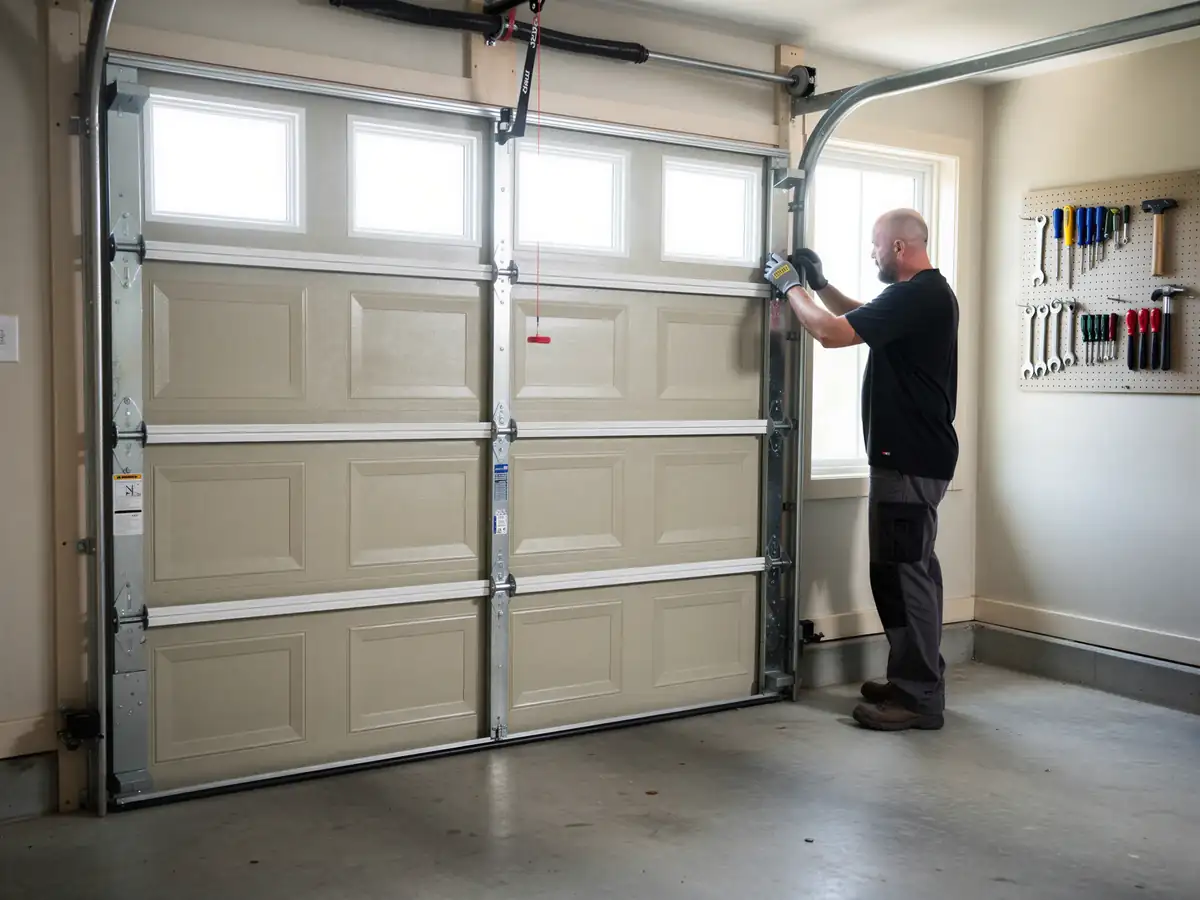
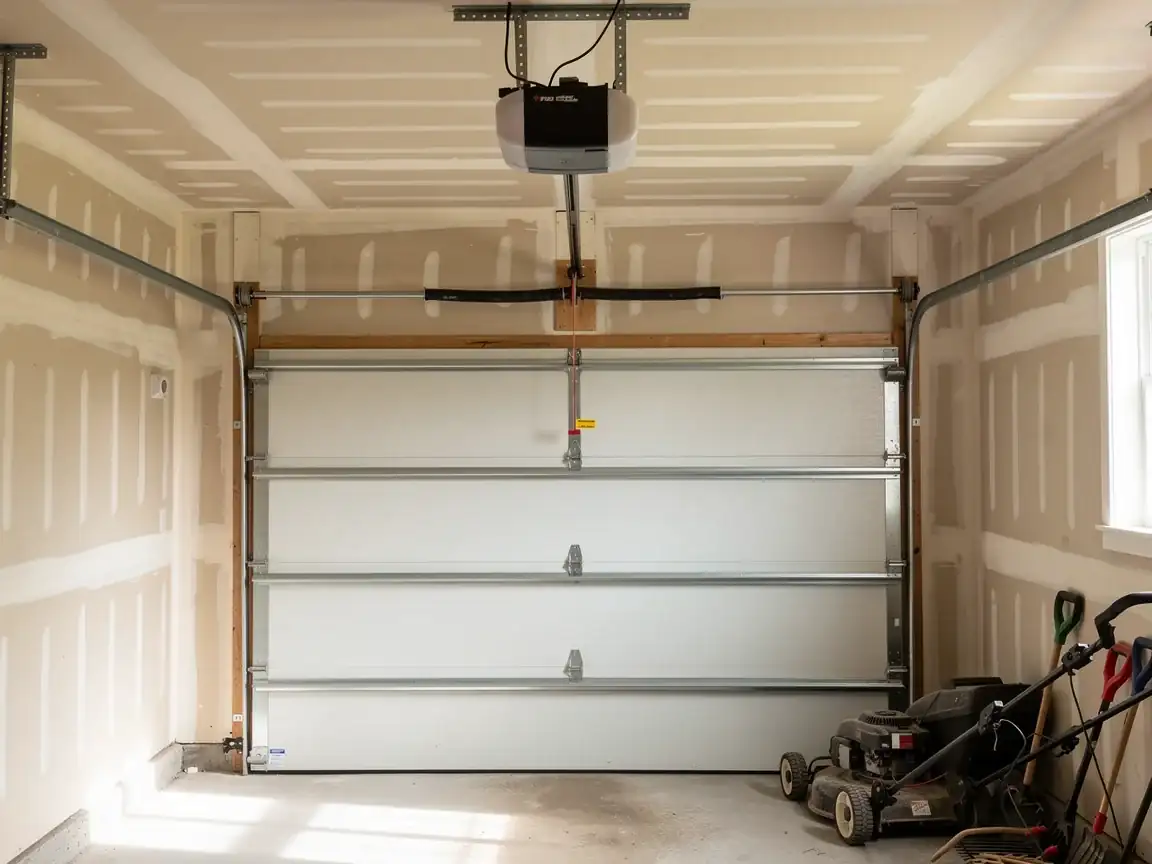
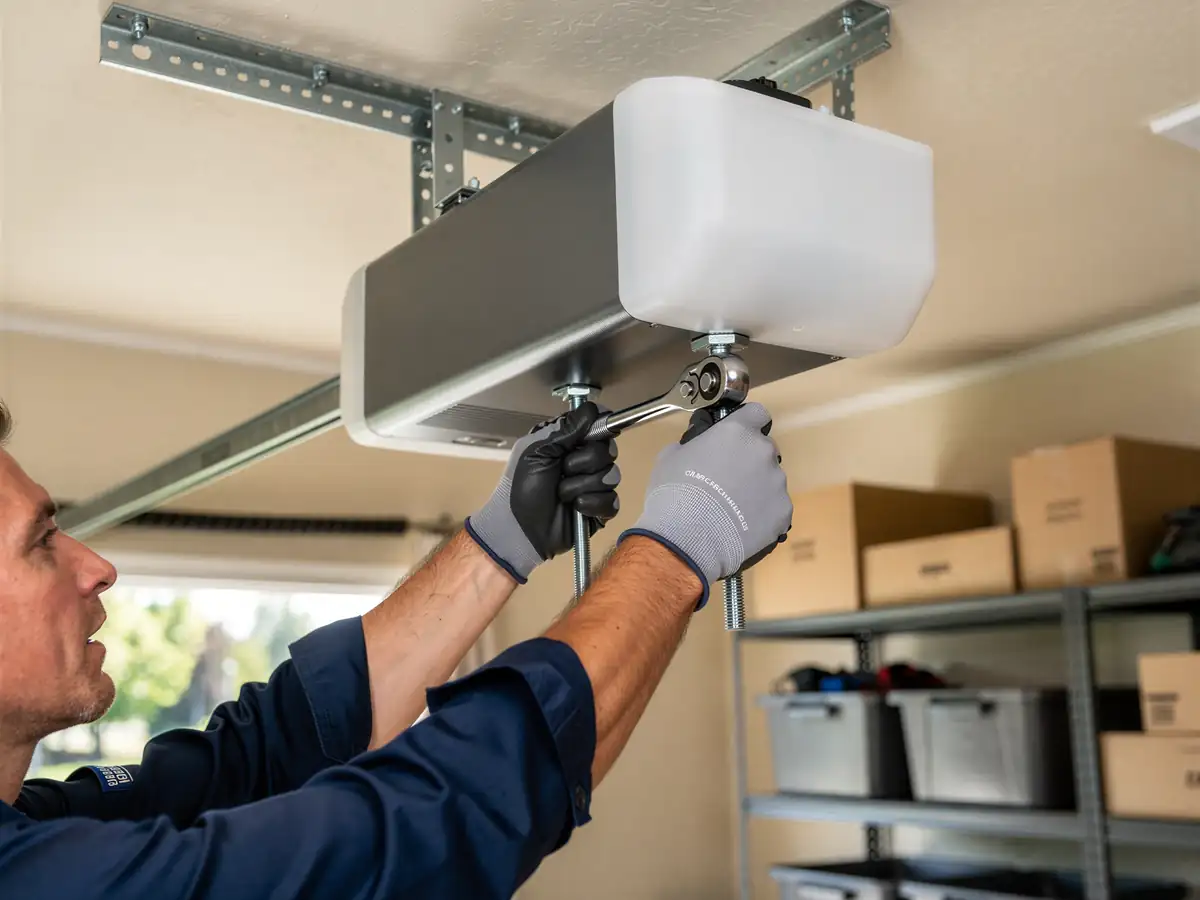
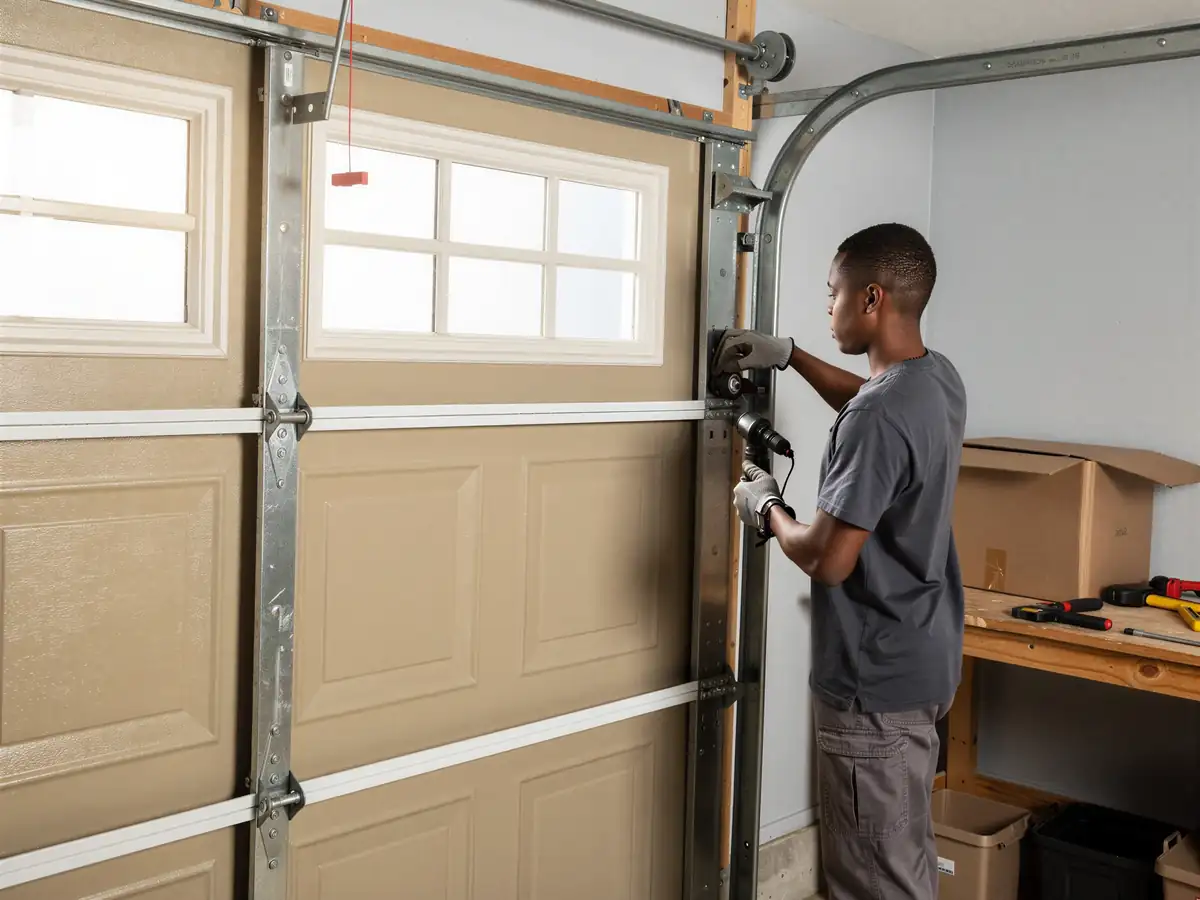
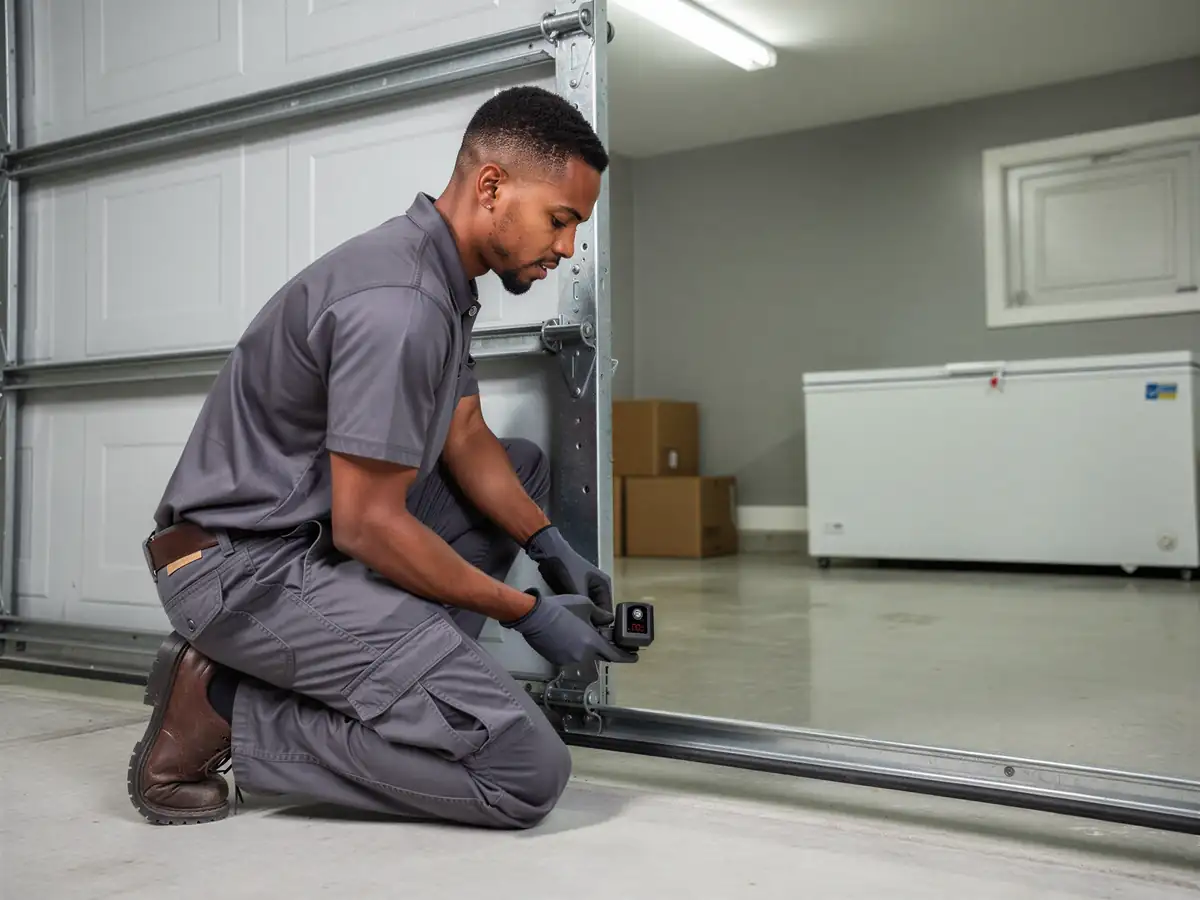
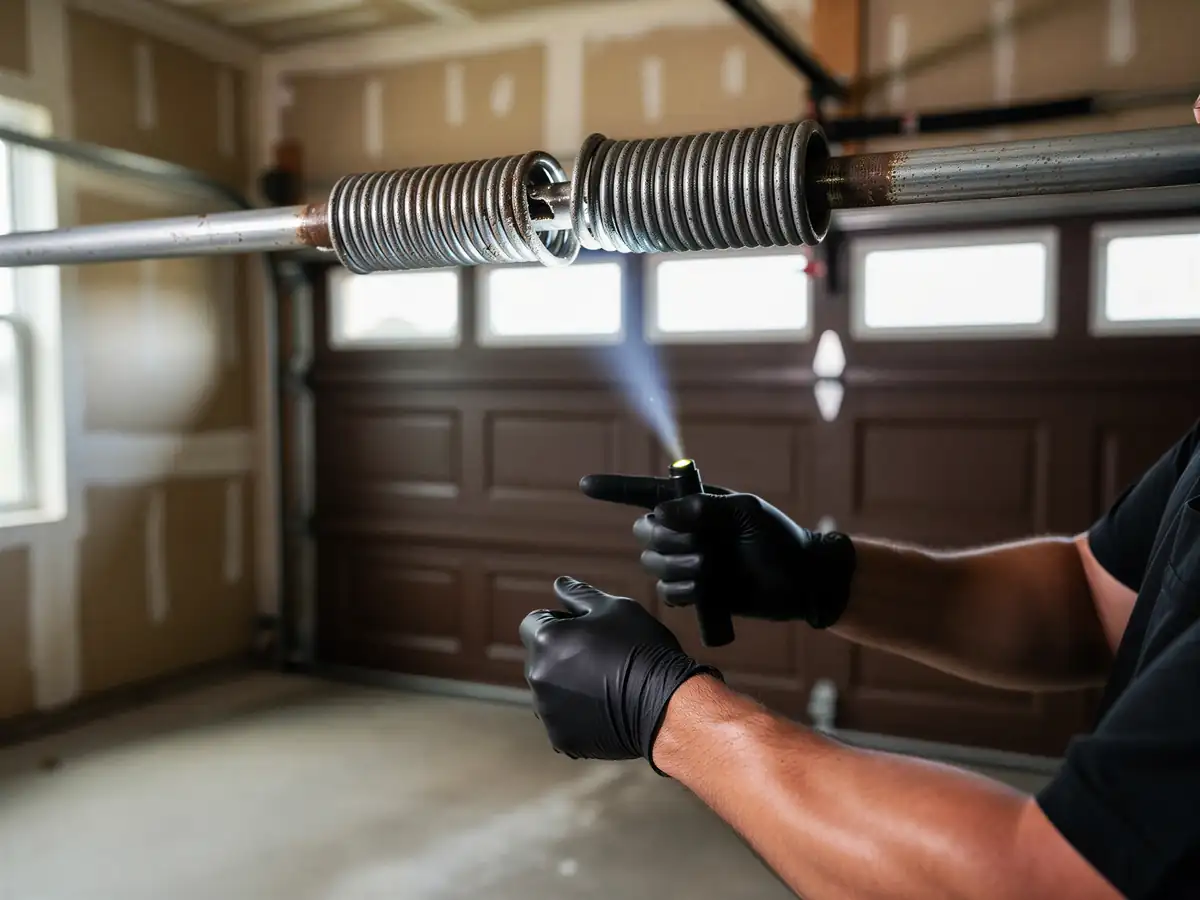
The median home in Palos Verdes Estates was built around 1963, which puts most garage doors here on older torsion hardware - steel doors with heavier panels, sometimes still on the original spring and drum setup. That's different from a lot of the newer stock elsewhere in the service area, and it changes what actually breaks. On a house this age, the common call isn't a worn weatherstrip or a sensor out of alignment. It's a torsion spring that's done 10,000-plus cycles and finally lets go, or a cable that's frayed at the drum from decades of the same wear pattern. We bring stock sized for both older torsion setups and newer extension-spring doors, because on a street like this you genuinely don't know which you'll find until the door's open.
Older vs Newer Streets
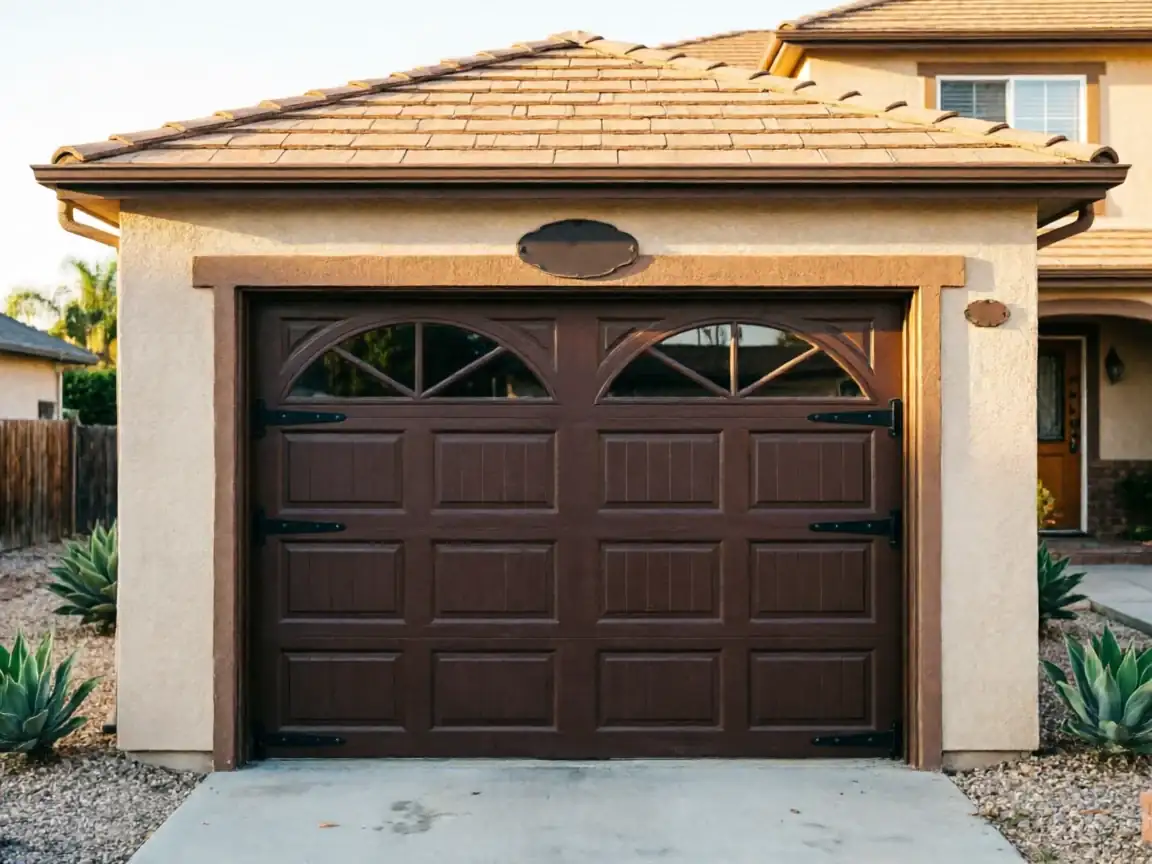
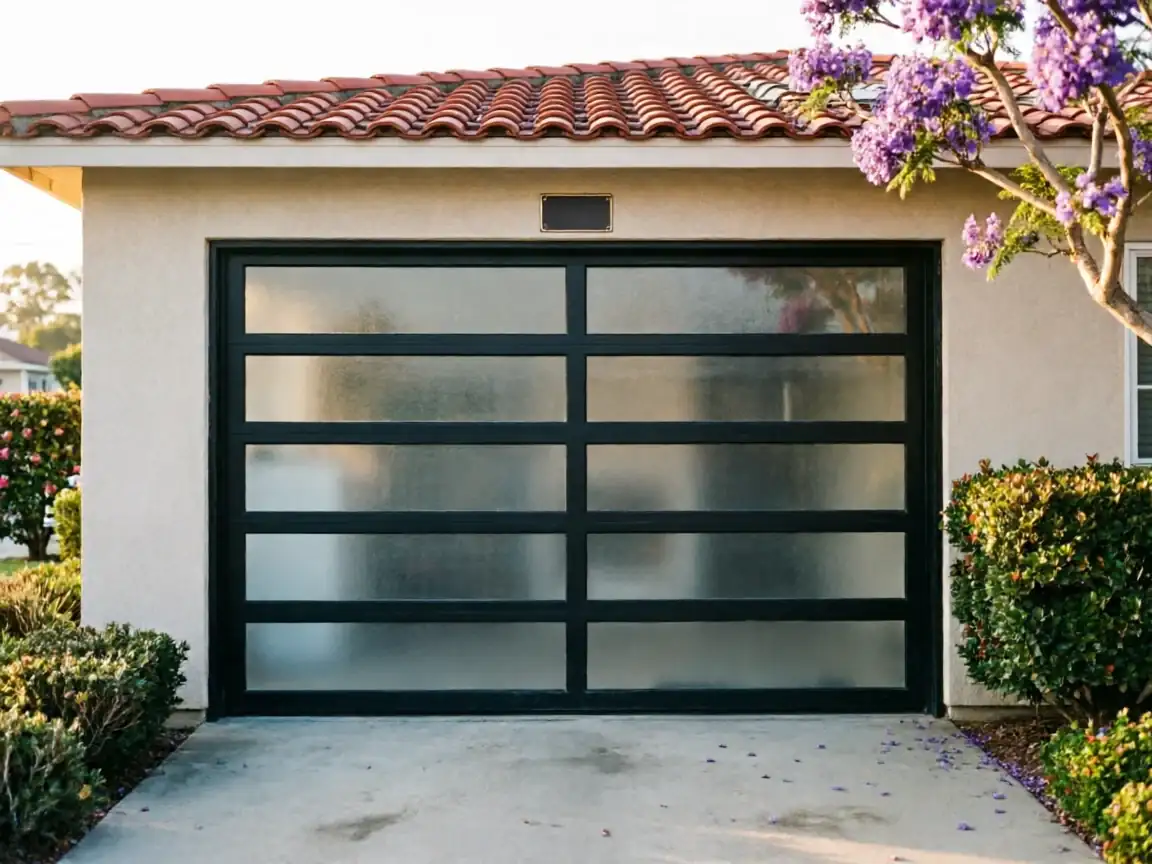
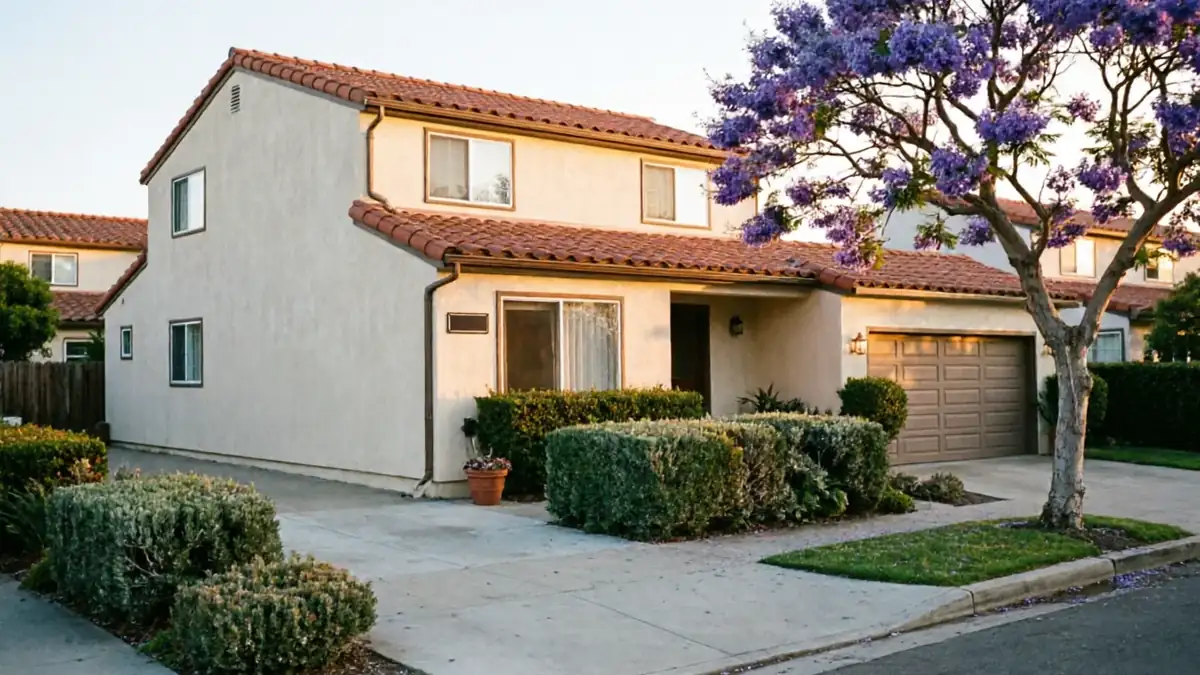
Not every block here is identical. Some streets were built earlier and carry doors with hardware that's harder to source - odd-width torsion springs, older-style end bearing plates, track hung with brackets you don't see on anything built after the 1970s. Other streets saw later infill or remodels, and those doors are newer, lighter, and closer to what you'd find on a house built in the 2000s elsewhere in the service area. The honest limitation: on the oldest original doors, if a part is genuinely obsolete, we're not going to pretend a repair makes sense just to avoid saying
Placeholder
x