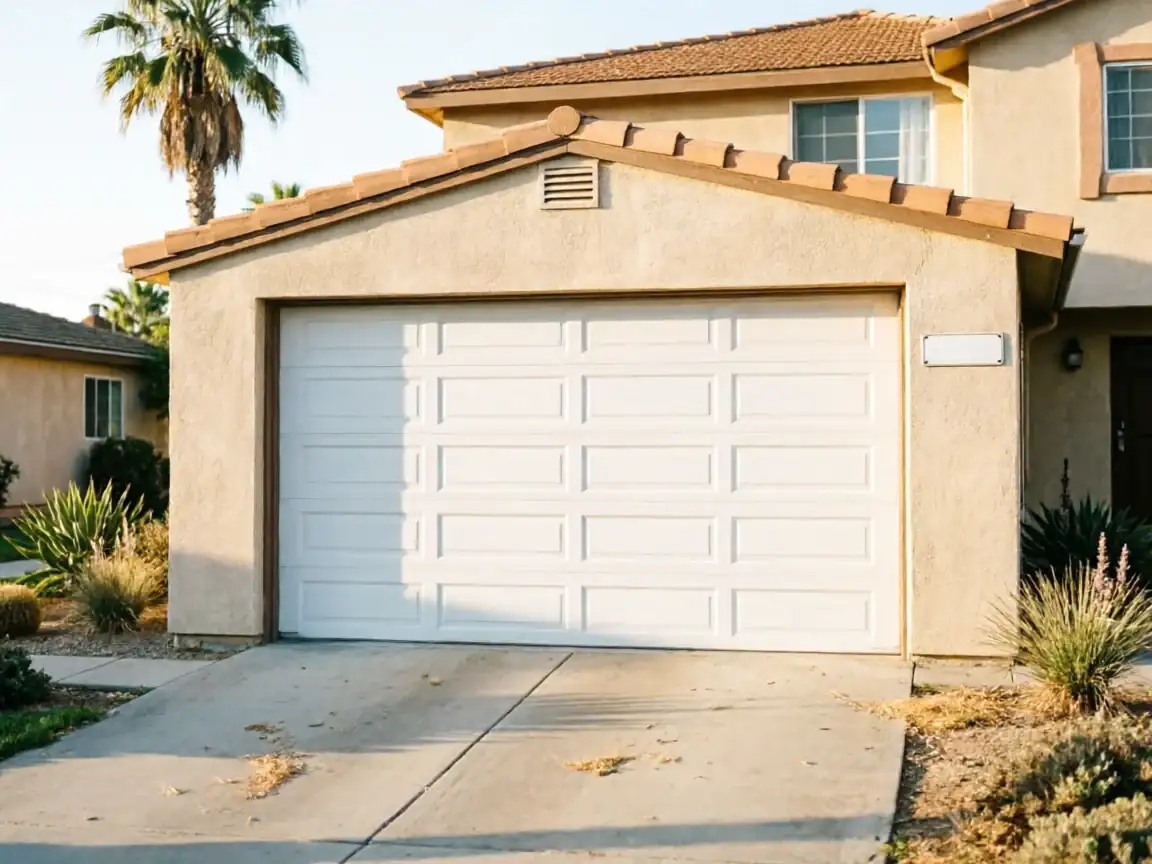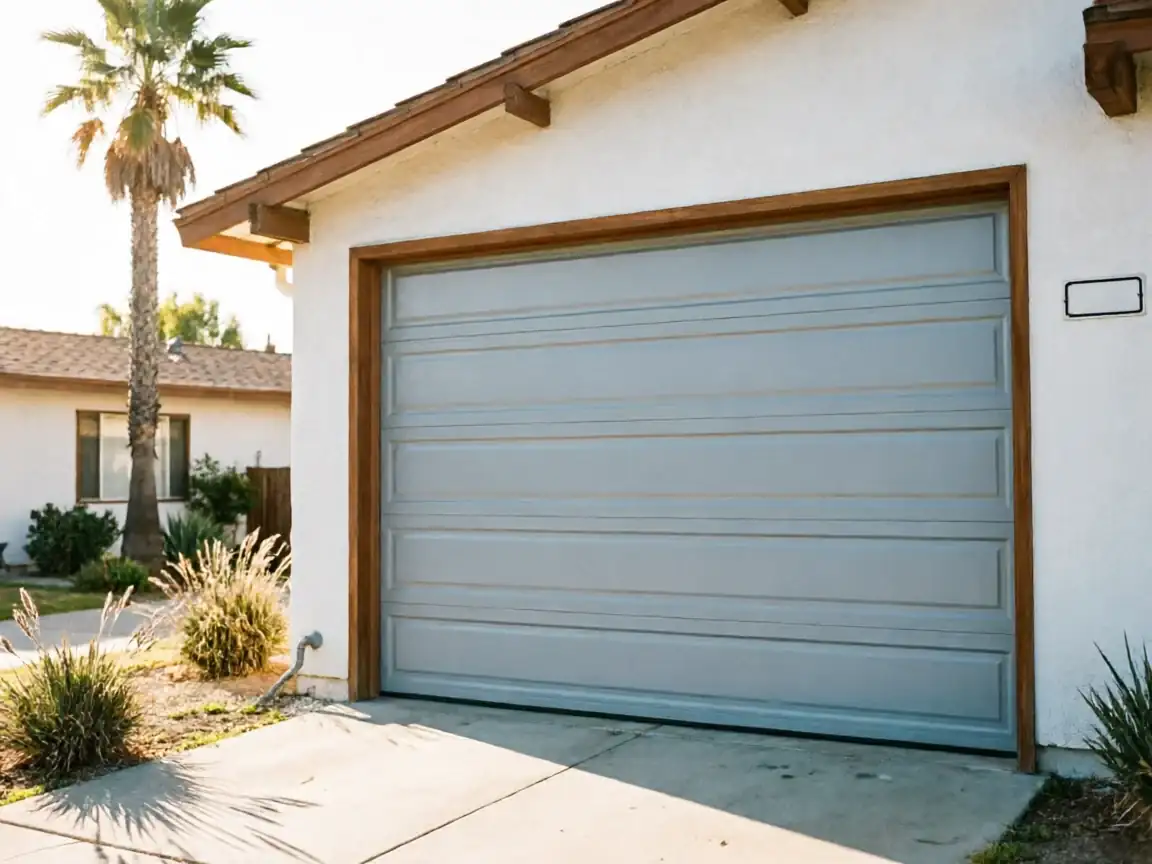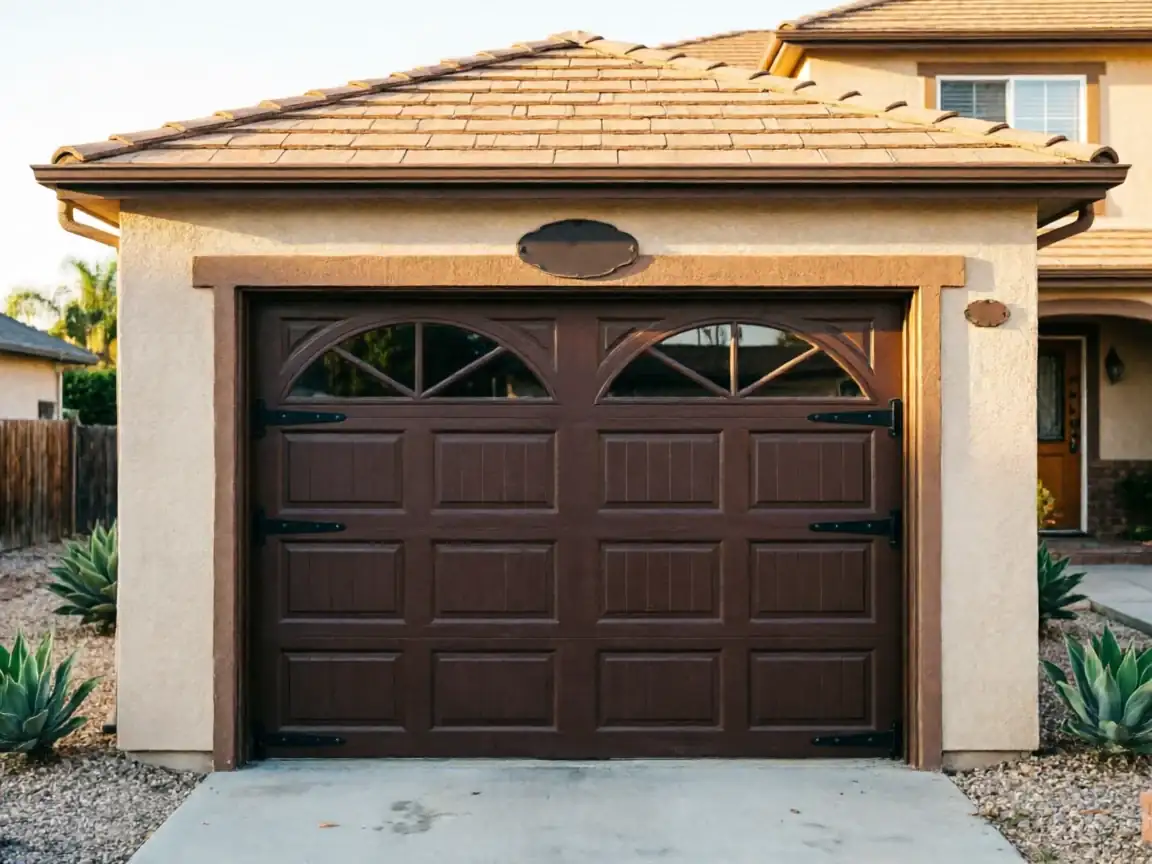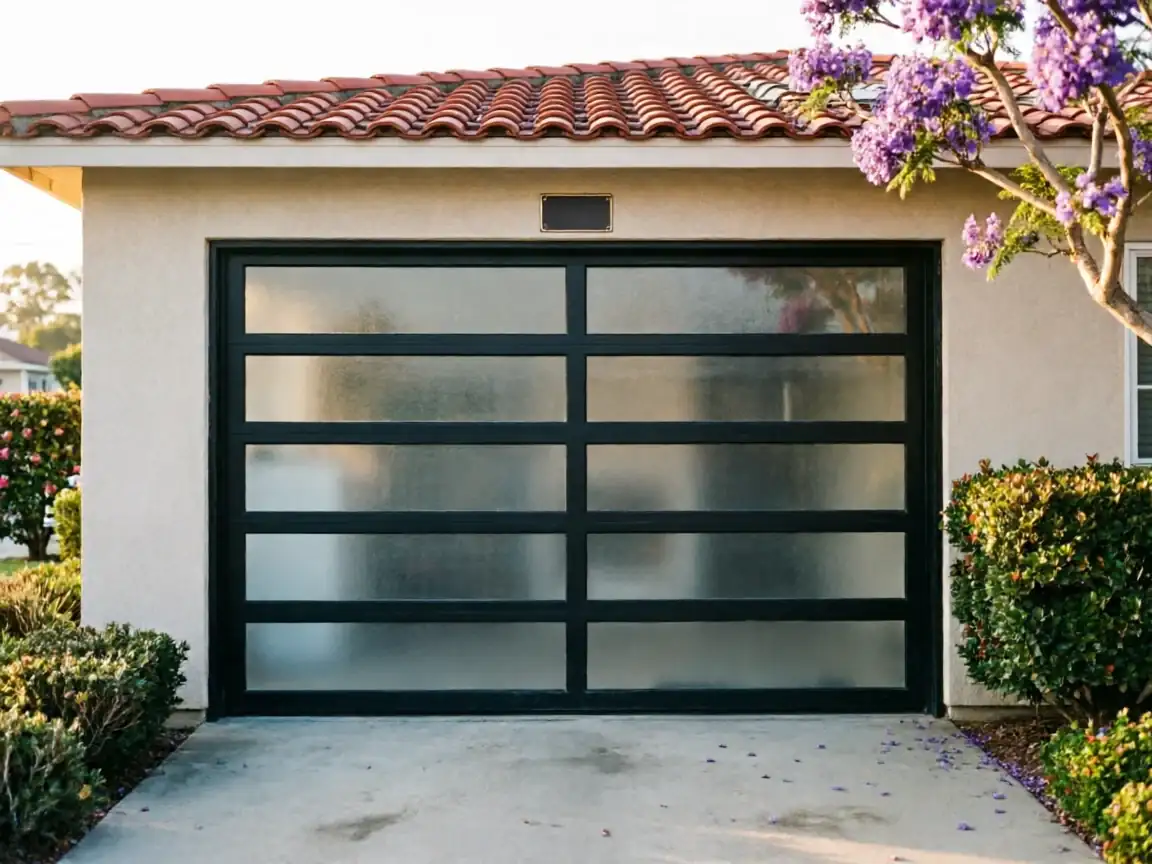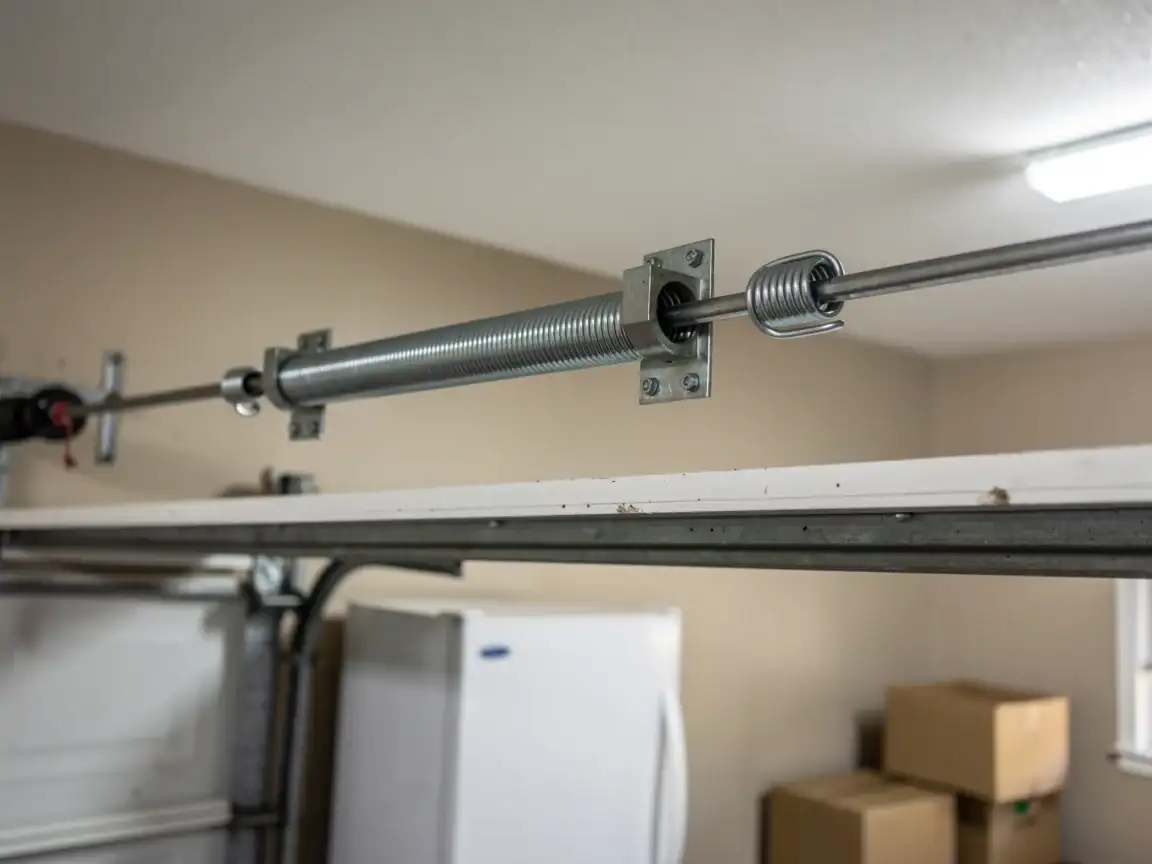
What You Are Seeing
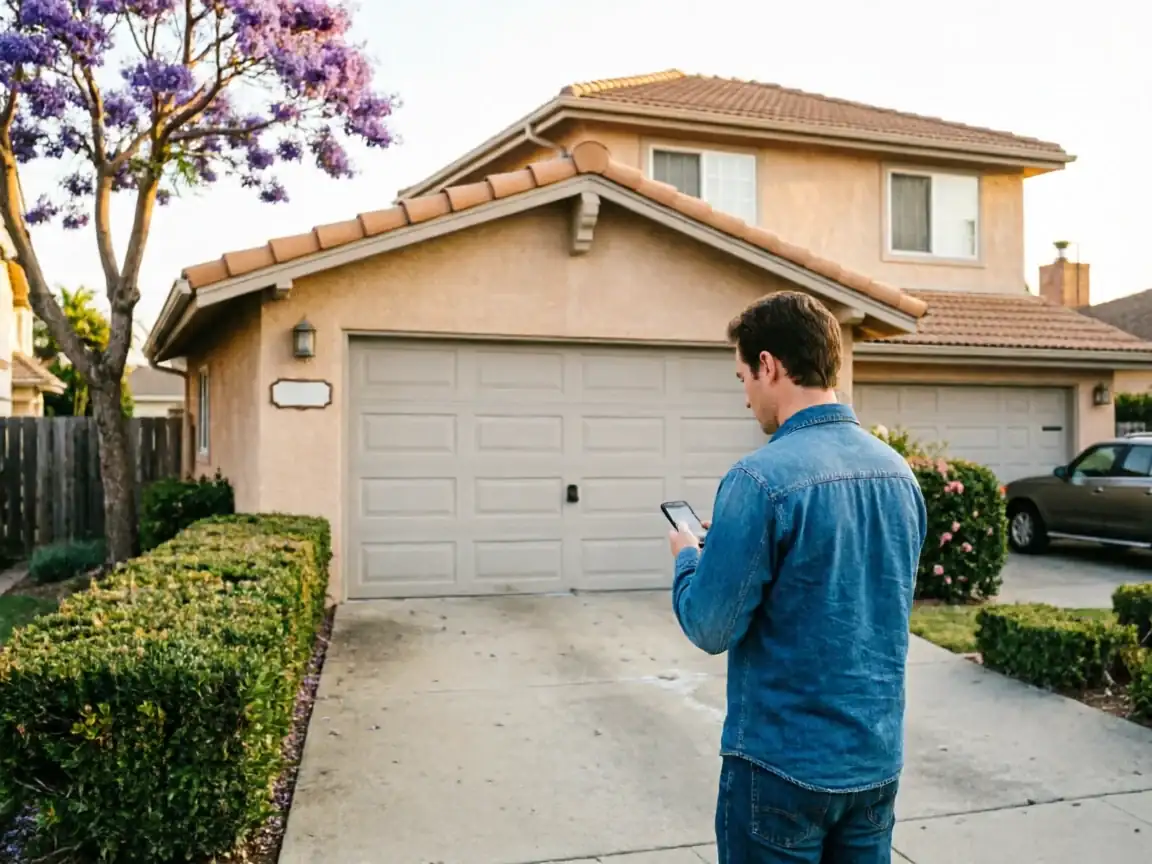
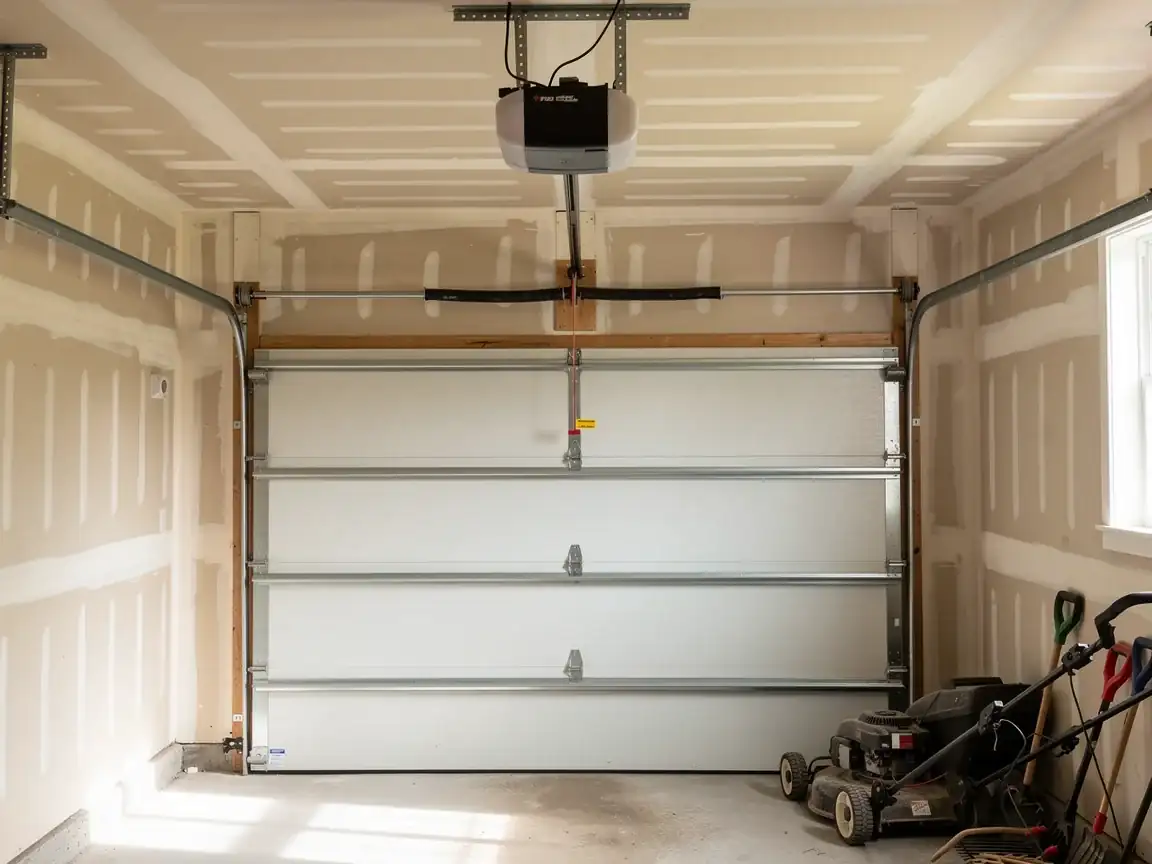
If your door is dragging, grinding on the way up, or the opener strains and then catches, you're looking at wear, not a fluke. Most of the housing stock in this part of the South Bay went up between 1947 and 2012, with a median build year around 1963, and a lot of it clusters in that 1960s-70s band that runs across the twenty-some communities between here and the harbor. That means original torsion springs, steel tracks, and rollers that have had five, six decades to cycle. Rollers glaze over and stop turning smoothly. Hinges stretch out their bolt holes. Cable ends fray at the drum where nobody ever looks.
You'll usually notice it as noise first - a thunk at the same spot every time, or a shudder partway up the track. Sometimes it's slower: the door just gets heavier to lift by hand, which tells you the spring is losing tension before it actually lets go. None of this is dramatic until the day it is, and a spring that snaps on a loaded torsion bar is not a job to improvise. The honest version: by the time you can hear the problem, the fix is usually smaller than people fear, but waiting past that point moves it into the expensive column fast.
The DIY Question
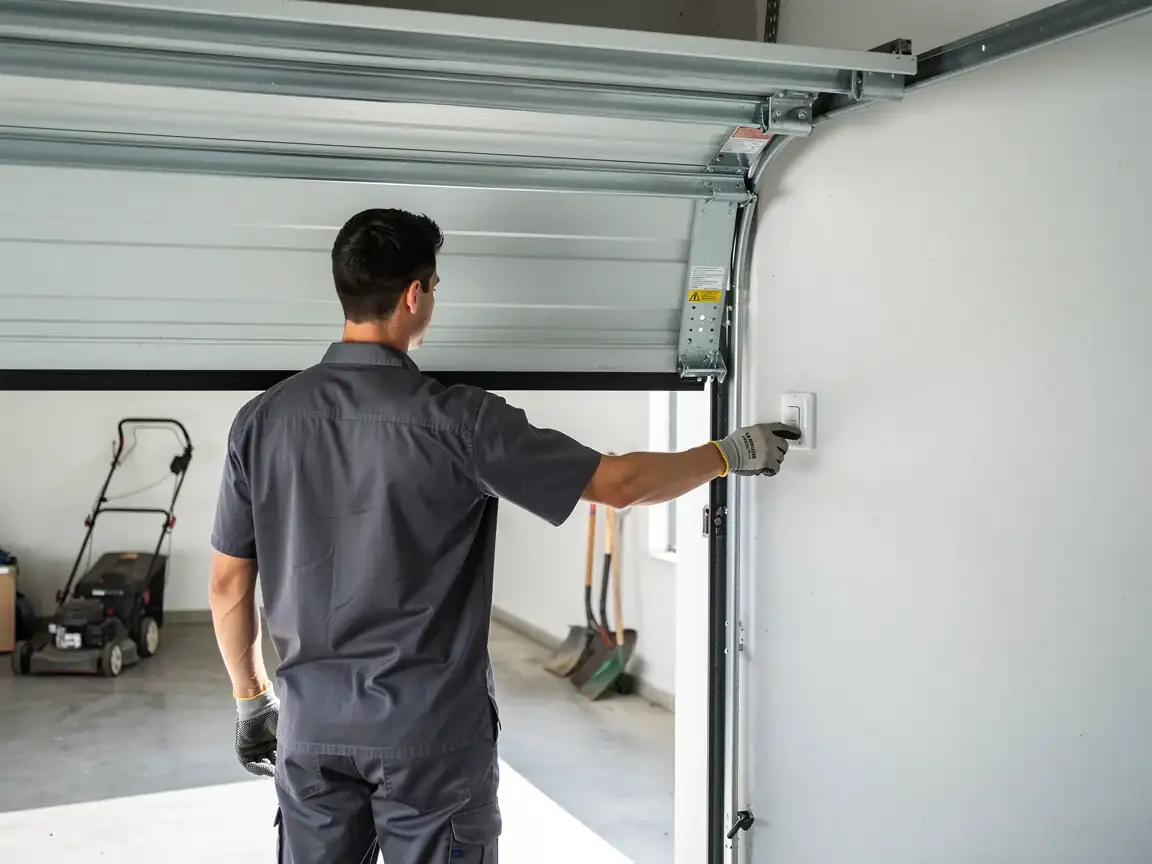
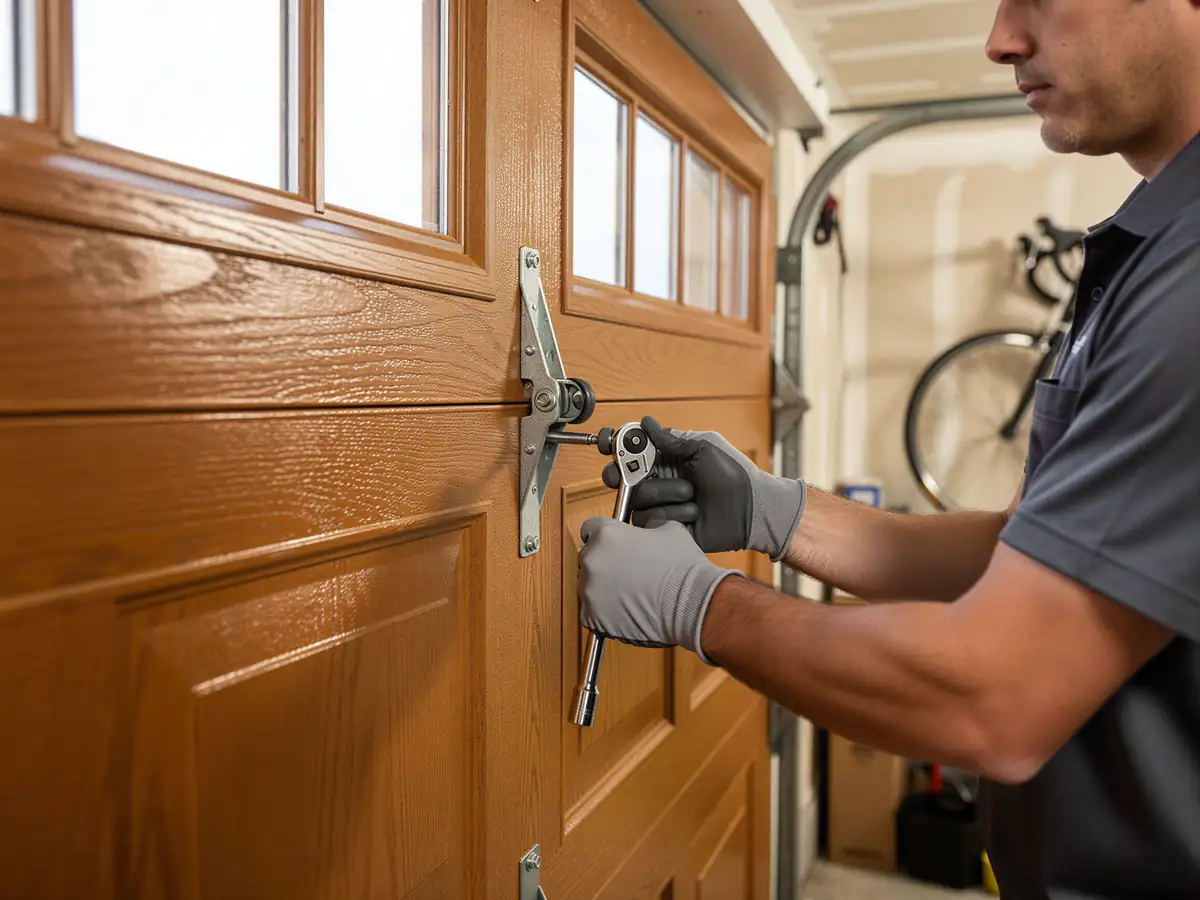
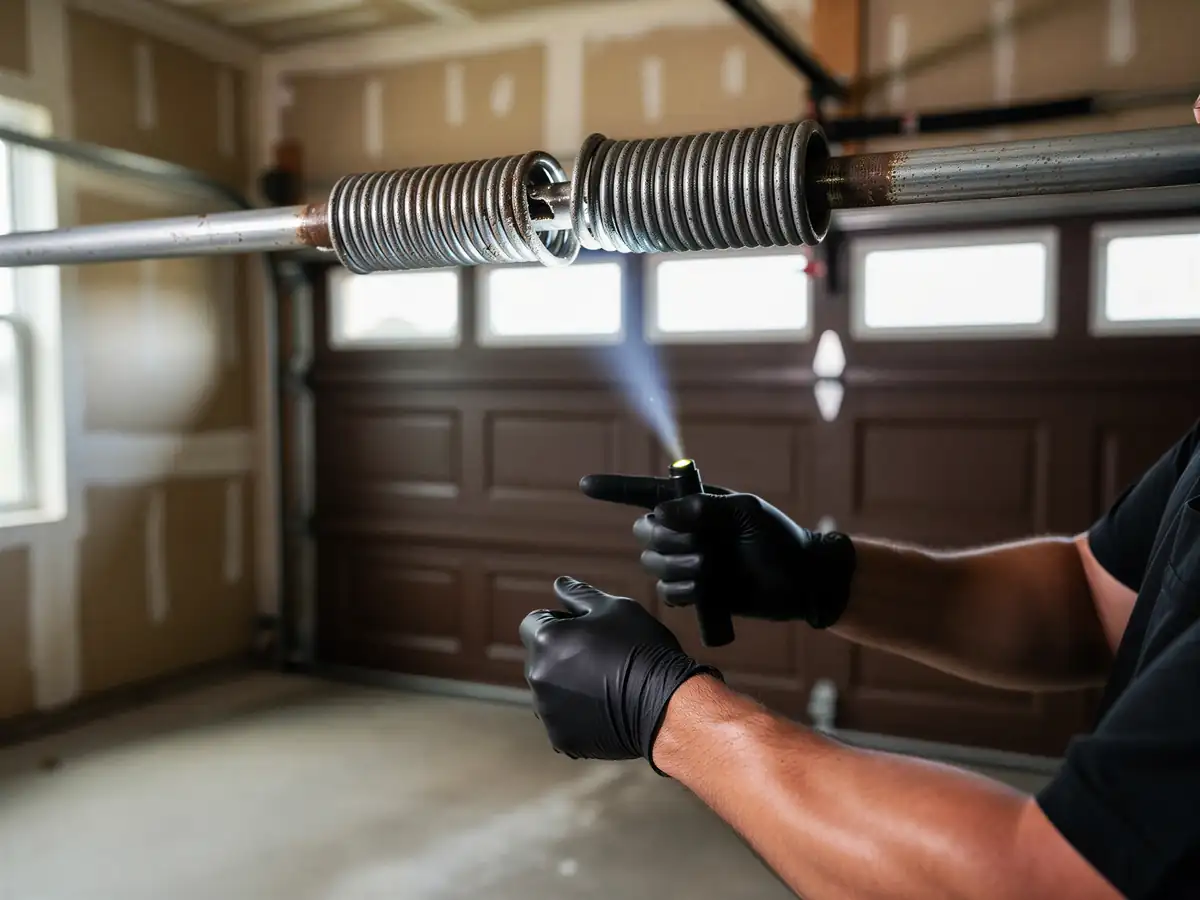
Lubricating hinges and rollers, vacuuming out the track, and checking that the door reverses when it hits an obstruction
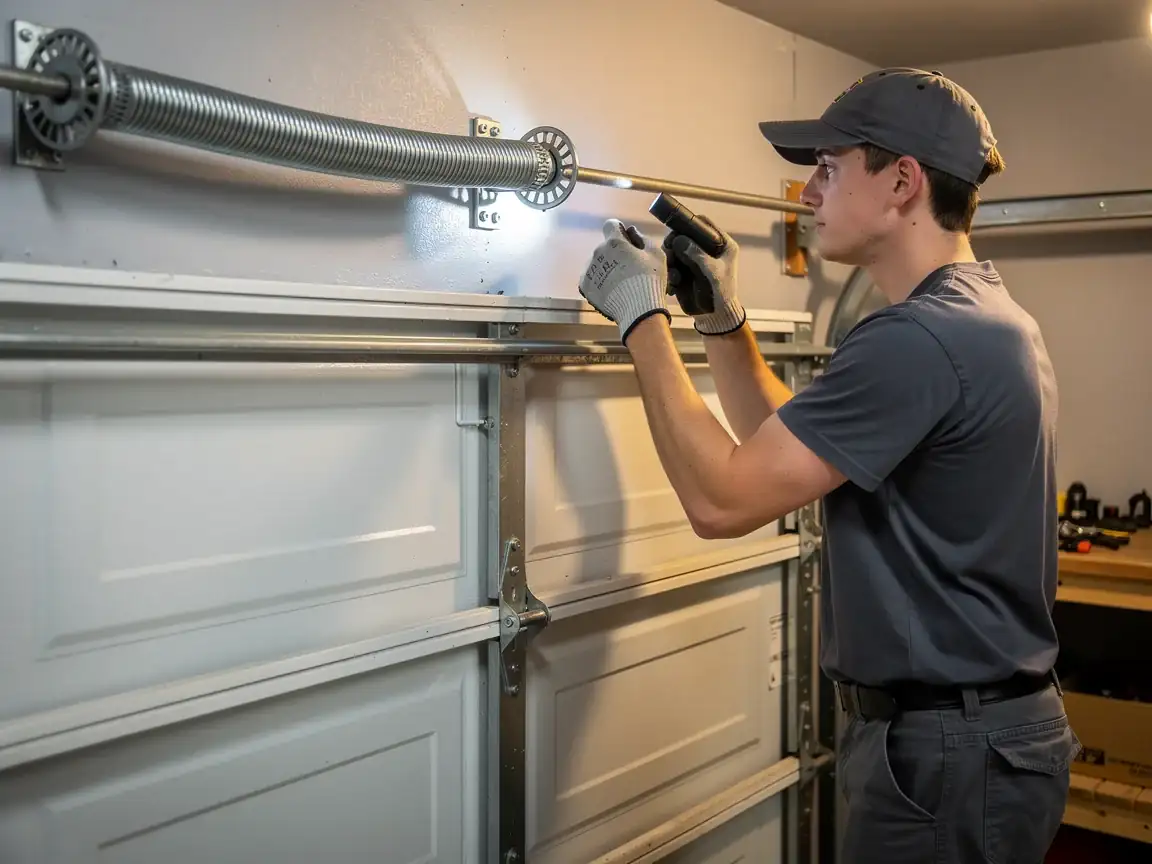
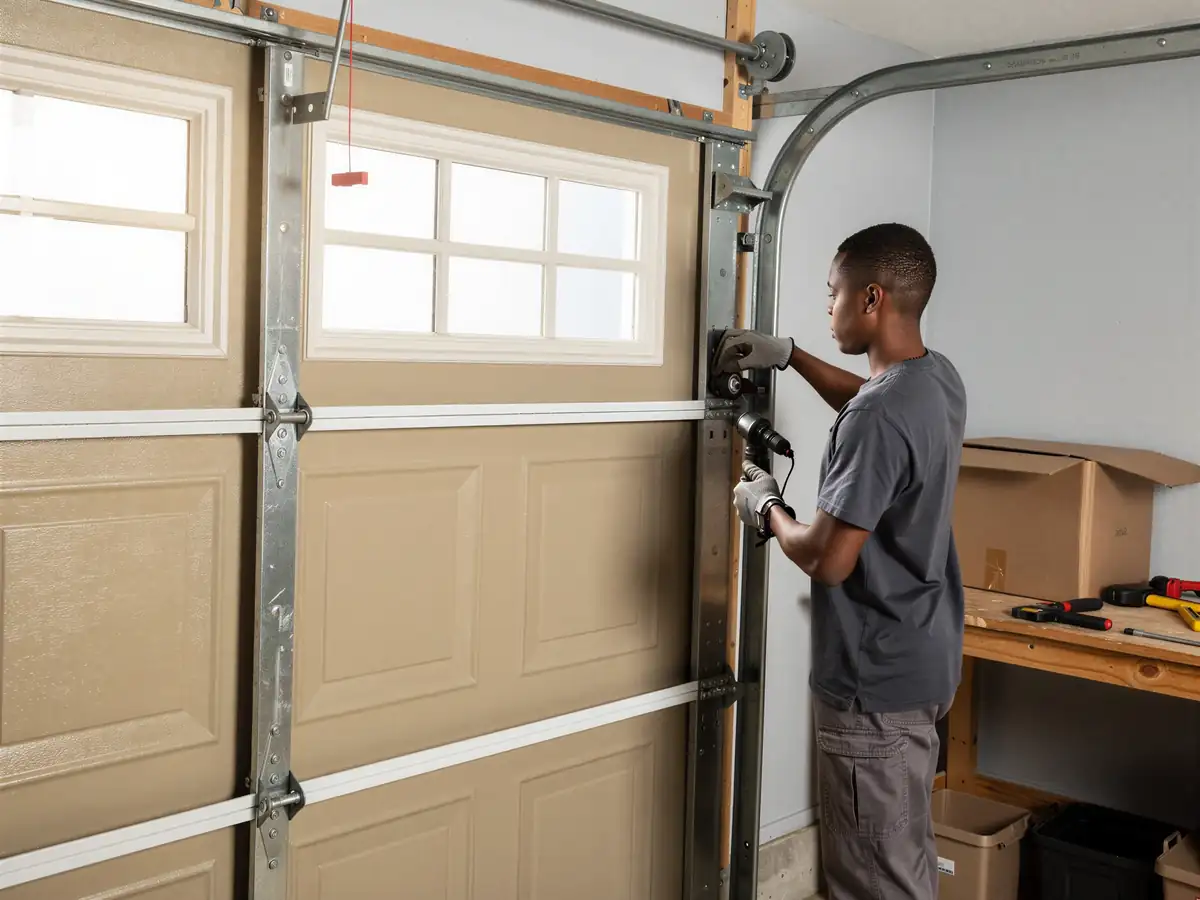
All of that is fair game for a homeowner with a ladder and twenty minutes. What isn't: anything involving the torsion spring itself, the cable drums, or adjusting the opener's force settings past what the manual tells you. Torsion springs hold enough stored energy to break a wrist or worse, and on the older systems still common in houses from the 1960s and 70s, the hardware holding that spring in place has had decades to fatigue in ways you can't see from the floor.
The climate here helps you some
This is a mild temperate band, so you're not fighting the freeze-thaw cycling that cracks seals and warps wood doors in colder parts of the country. That buys older hardware a longer working life than it would get elsewhere, but it doesn't make the spring itself any safer to touch. If the door is more than a few years past its last real service and you're hearing new noise, that's the point to call rather than keep oiling it and hoping.
Booking a Visit
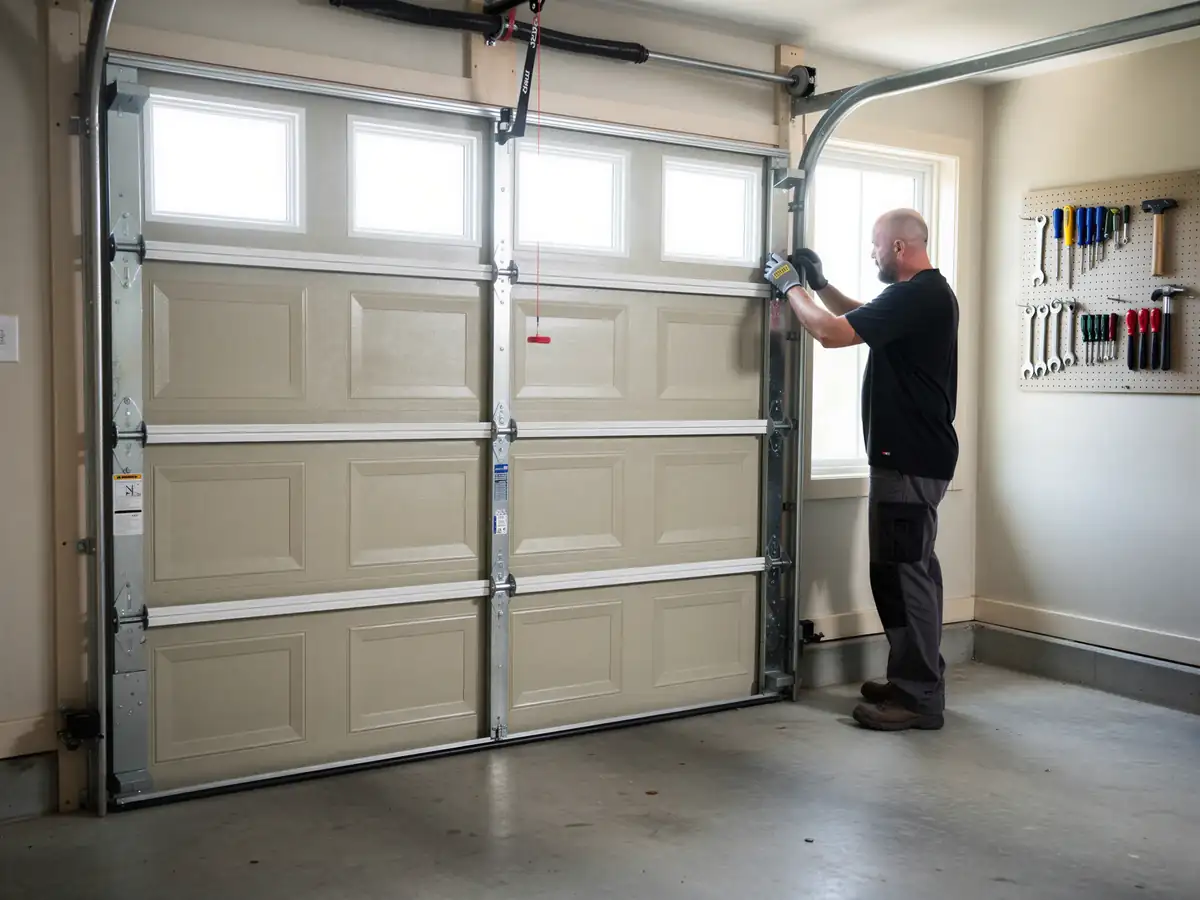
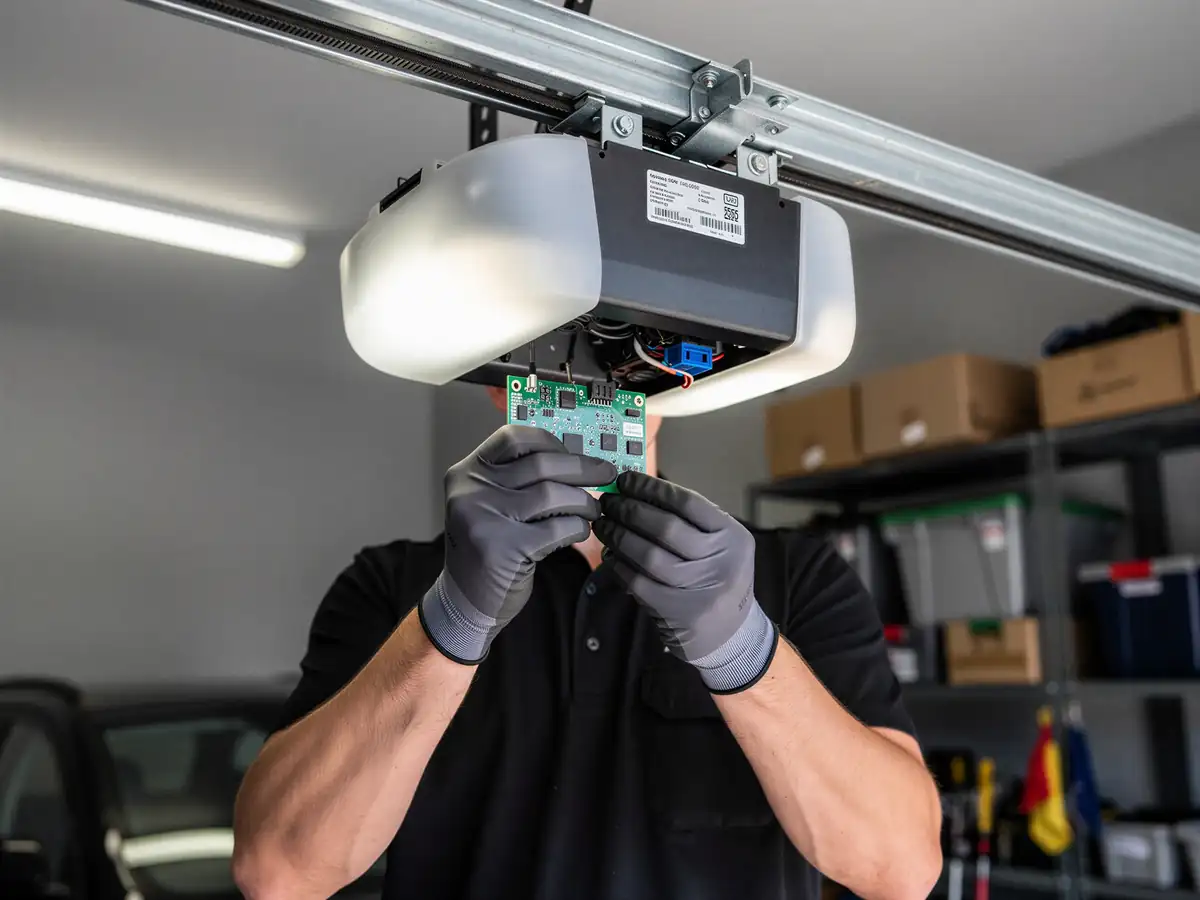
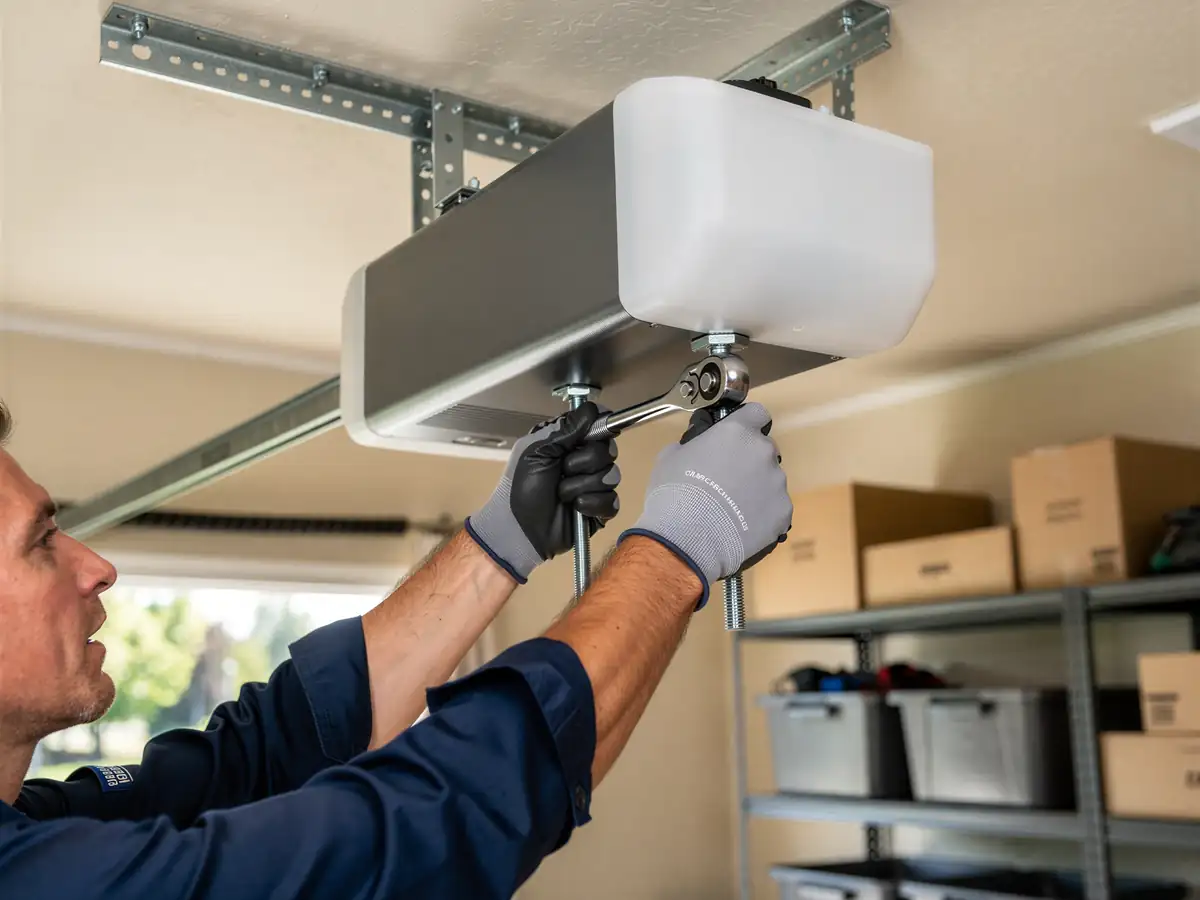
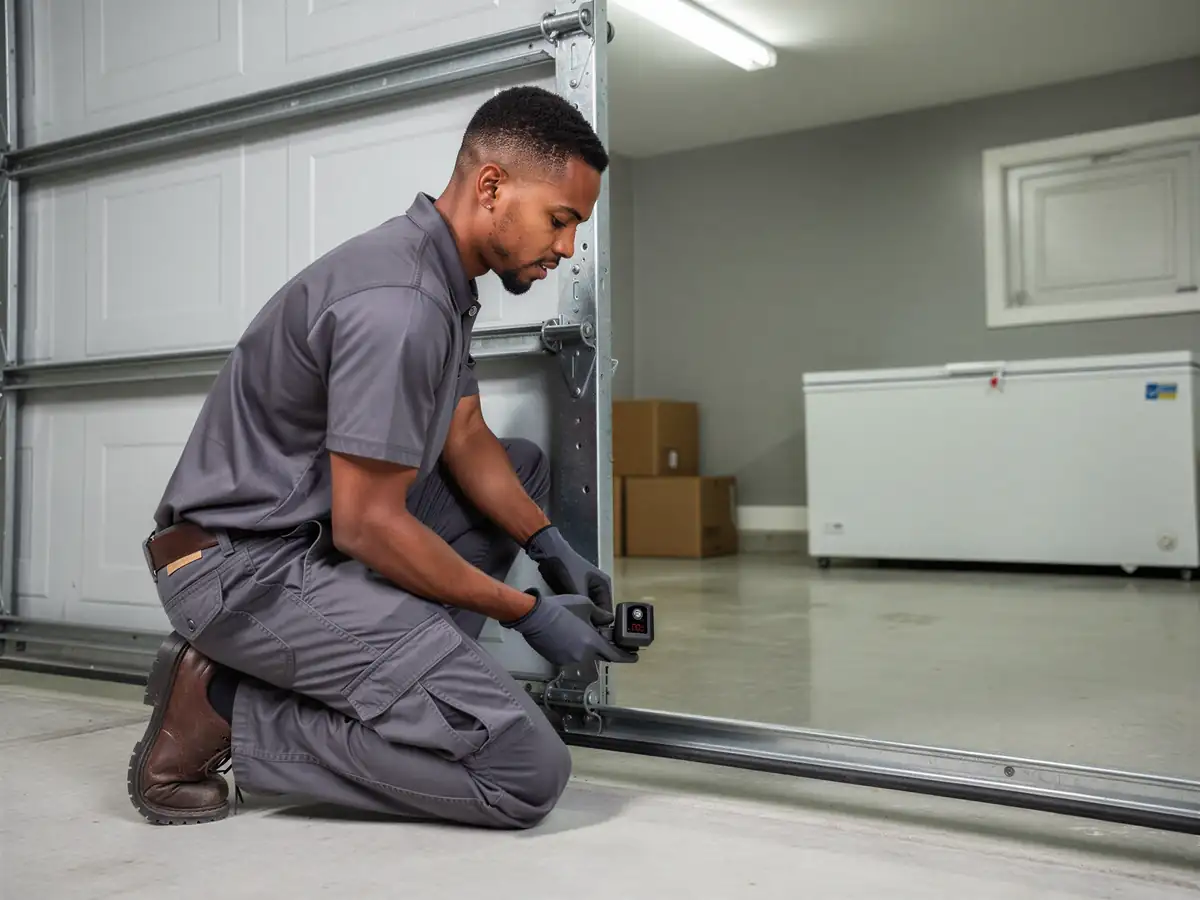
A maintenance visit covers the stuff that actually prevents a breakdown: spring tension check, cable and drum inspection, roller and hinge condition, track alignment, opener force and travel limits, and the safety reversal test. On a door that's original to a house built in that 1960s-70s window, we're also checking for hardware that's simply reached the end of its service life rather than failed outright - a spring that's close to going, a bearing plate that's worn oval instead of round.
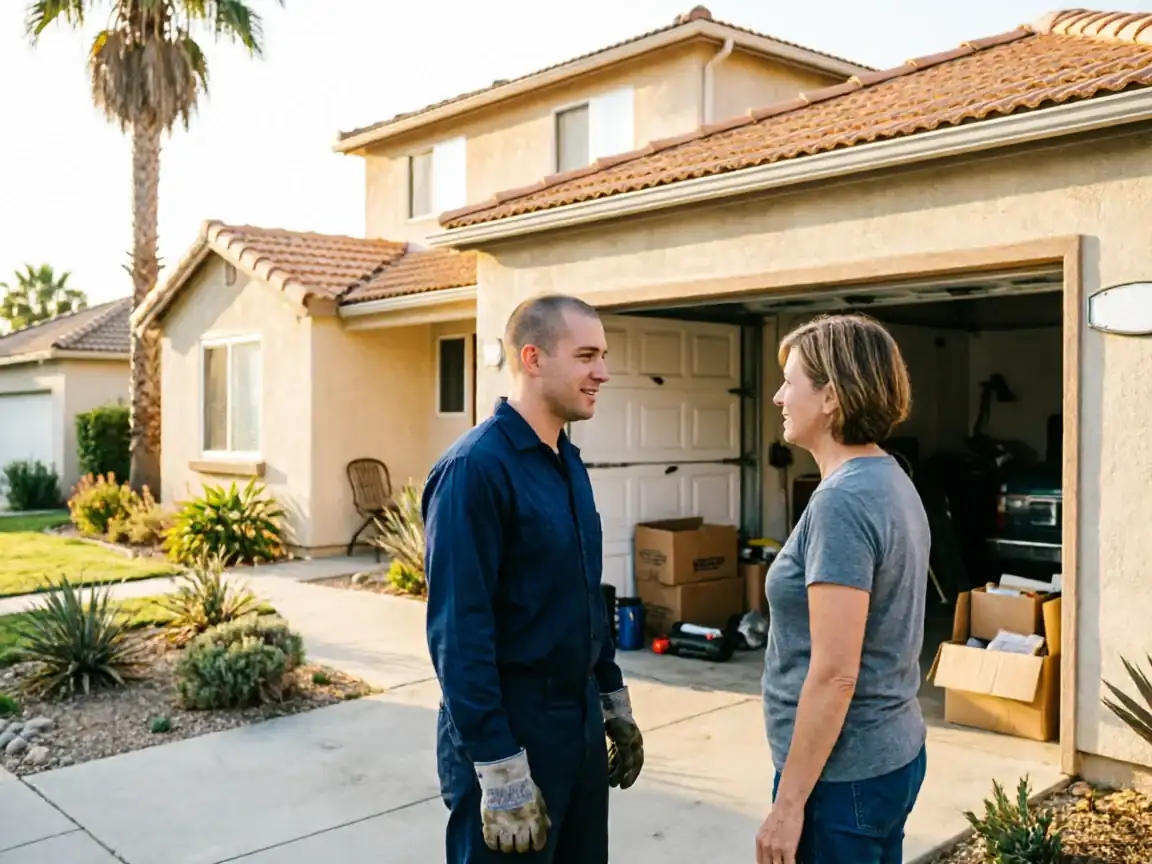
We work across the service area, which runs from El Segundo close by out through Palos Verdes Estates, Lomita, Rolling Hills Estates, and the inland communities further out. Scheduling a maintenance visit is straightforward - call to get on the books, and if something looks like it needs more than routine service when we're there, we'll tell you plainly rather than running up the invoice on a Saturday afternoon visit.
Why It Happens Here
Two things line up in this area that explain why maintenance calls look different here than in a newer subdivision. First, the age of the housing: median build year 1963, with most of the twenty-plus communities in this service area carrying that same 1960s-70s stock. That's sixty years of cycles on hardware that was never meant to run maintenance-free that long. Second, the climate band is mild temperate - no hard freezes, no deep snow load on the door - which is kind to the steel and the seals but does nothing to stop ordinary mechanical fatigue. Springs lose temper from cycling, not cold. Rollers wear from use, not weather.
So the pattern we see is slow failure rather than sudden storm damage: a spring that's been carrying a load since the Johnson administration, a track that's slightly out of plumb because the house settled decades ago, an opener that's the third one installed on original hardware that was never upgraded alongside it. None of that shows up on an inspection sticker. It shows up as noise, then drag, then a door that won't open one morning. Regular maintenance is mostly about catching it at the noise stage.