Where People Go Wrong
Most of what we see starts with someone applying advice meant for a different climate. Hermosa Beach sits in a mild temperate band - no hard freezes, no snow load, no deep winter to brace for. So owners skip the maintenance that actually matters here and instead worry about things that aren't a local problem, like cold-stiffened springs or ice-jammed tracks. That's not what's breaking doors in this service area.
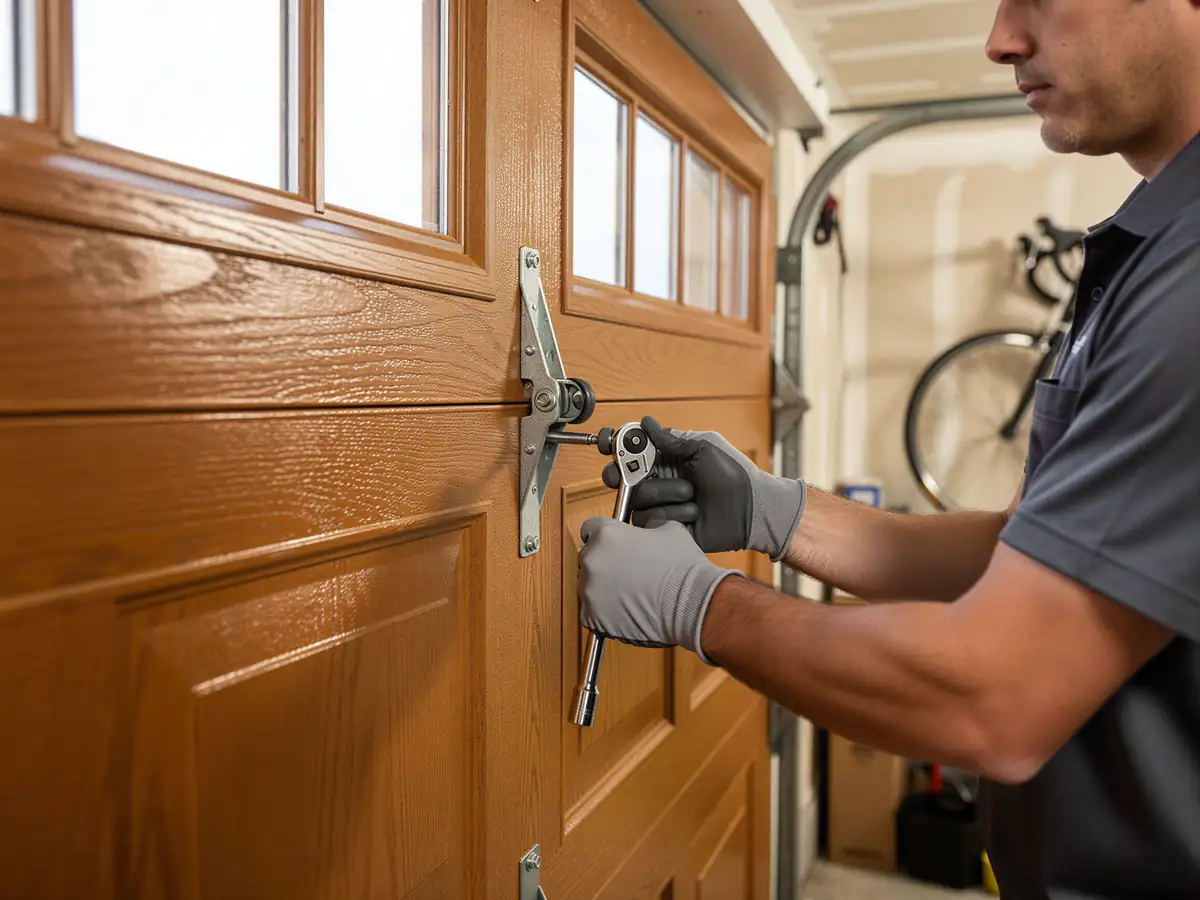
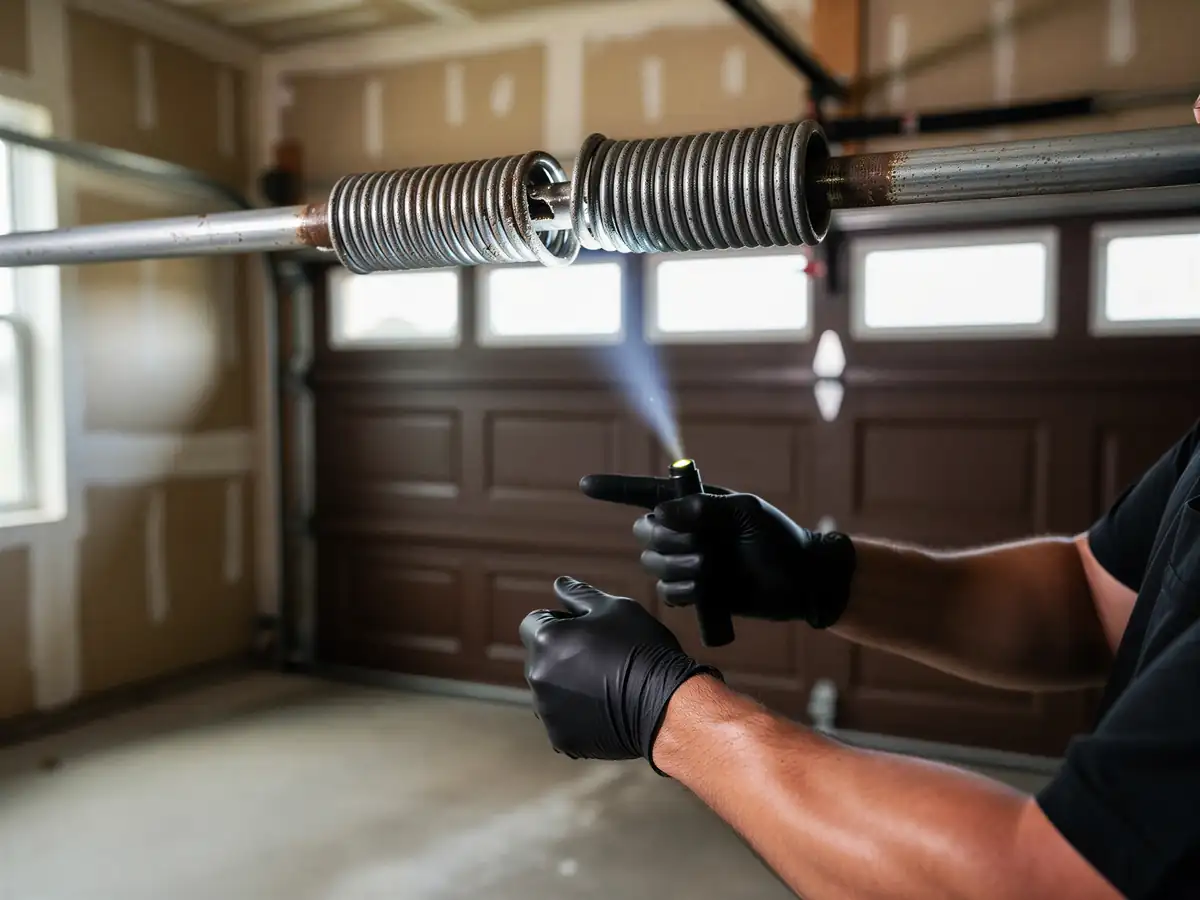
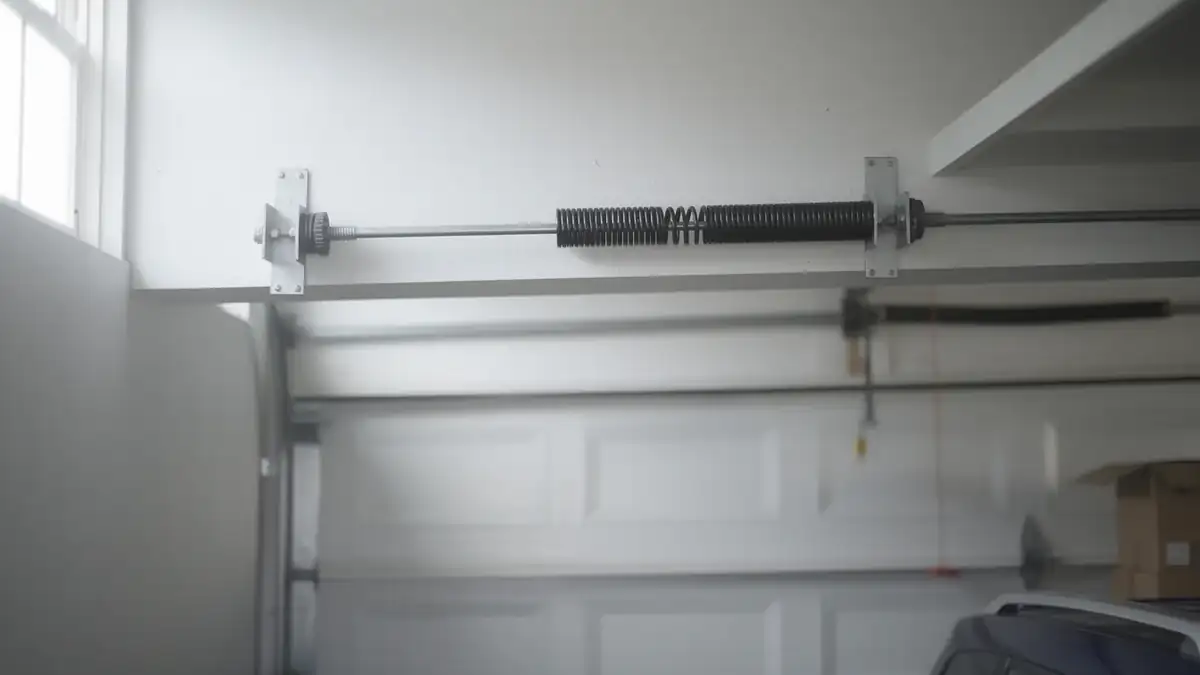
The bigger issue is corrosion nobody's watching for. Homes in this part of the South Bay were built across a long stretch, 1947 through 2012, with the median landing around 1963. That means a lot of original hardware - galvanized tracks, exposed spring coils, steel rollers - has been sitting in salt-carried air for decades without anyone treating it like a coastal material problem. People wax the car. Almost nobody wipes down the track.
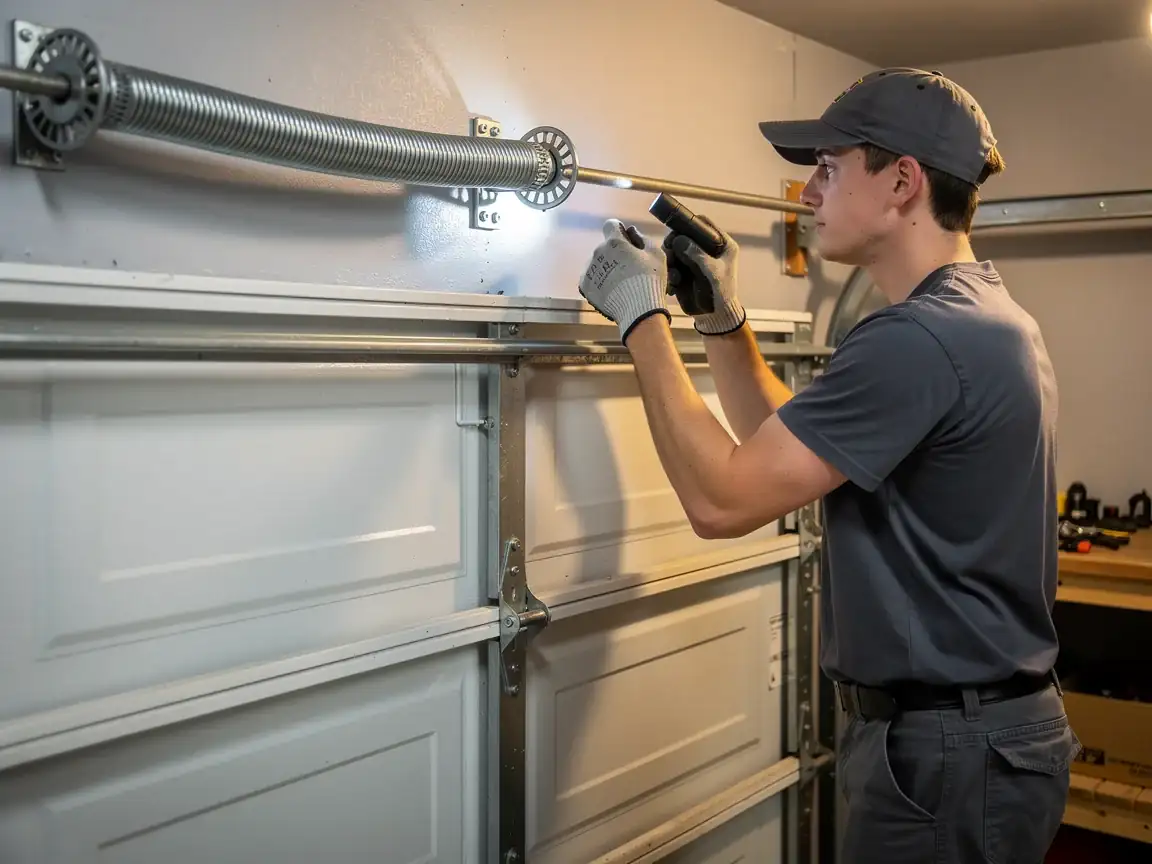
The other mistake is waiting for total failure before calling anyone. A torsion spring with surface rust doesn't announce itself with a bang the first time - it gets noisy, then it gets slow, then one day it snaps under full tension. By the time it's loud, the hardware around it has usually been absorbing that same air for years.
Season by Season
There isn't a hard winter-to-summer swing here the way inland towns get it
And that's worth saying plainly: a mild temperate climate means you're not managing freeze-thaw cycles on your door. What you are managing is a steadier, quieter kind of wear that doesn't take a season off.
Marine air doesn't really let up near the coast
Areas within a few miles, toward El Segundo and Marina del Rey, deal with the same year-round moisture exposure. Tracks and springs on houses closer to that side of the service area tend to show pitting and surface rust earlier than identical hardware a few miles inland. It's not a seasonal spike, it's a constant low-grade drip of exposure that adds up over the life of the door.
The closest thing to a seasonal pattern is track alignment drift
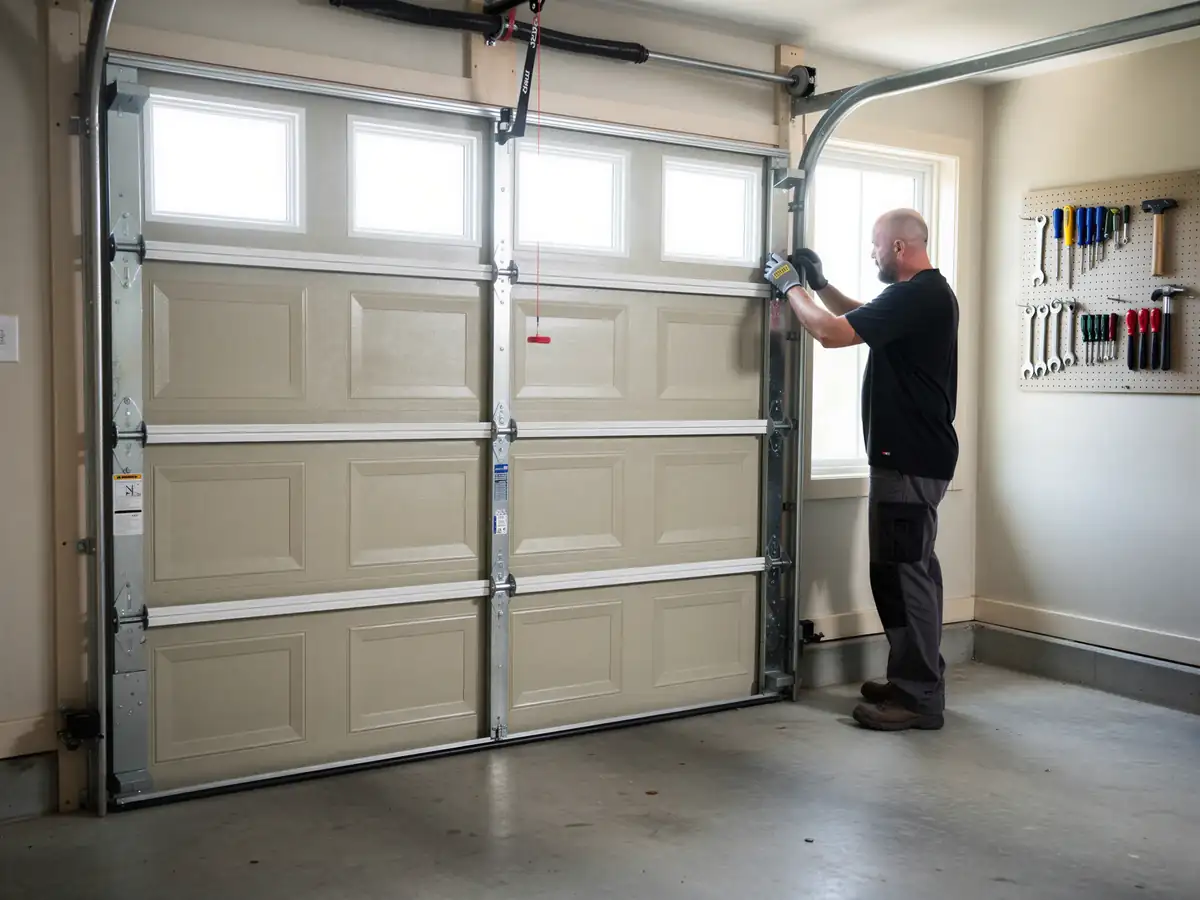
Which shows up more in homes built on original 1960s-era framing where the garage structure has settled slightly over sixty-plus years. That's a geometry problem, not a weather problem, and it's worth checking even outside of any particular season.
The Situation
This service area covers 86,713 households, of which 32,463 are owner-occupied houses - the kind of housing stock where a garage door is original equipment, not an upgrade someone added later. Median household income across the area sits at $100,007, which tends to mean homeowners who'll fix a door rather than patch it twice and hope.
The housing itself spans 1947 to 2012, but the center of gravity is 1960s and 70s construction across the twenty-some named communities in this part of the South Bay. A door that age has usually been replaced once already, sometimes twice, but the original opening, track mounts, and header are often still the 1960s build. That matters when a replacement door doesn't quite match an opening that was never perfectly square to begin with.
Honest limitation: if your opener or spring setup predates the door itself, matching new hardware to an old header sometimes takes more adjustment than a straight swap, and we'll tell you that before we quote the job, not after.
What Local Conditions Do
Put the climate and the housing stock together and you get a specific failure pattern, not a generic one. Mild temperate weather means the springs aren't fatigued by thermal cycling the way they would be somewhere with real winters - but the same lack of extreme dryness means moisture stays in the air near-constantly, and that's what works on exposed steel over time.
On a 1960s-era house, that's fifty-plus years of track hardware sitting in coastal humidity. Surface rust on rollers and hinges is common even on doors that otherwise still run fine, and it's often the first sign something needs attention before a spring or cable actually lets go.
If you're closer to the coastal edge of this service area - within a few miles of El Segundo or Marina del Rey - expect that corrosion timeline to run faster than it would eight to ten miles inland toward Rolling Hills Estates or Ladera Heights. Same climate band overall, different exposure at the margins. That's the kind of detail worth factoring into when you schedule a hardware check, not just when something finally fails.