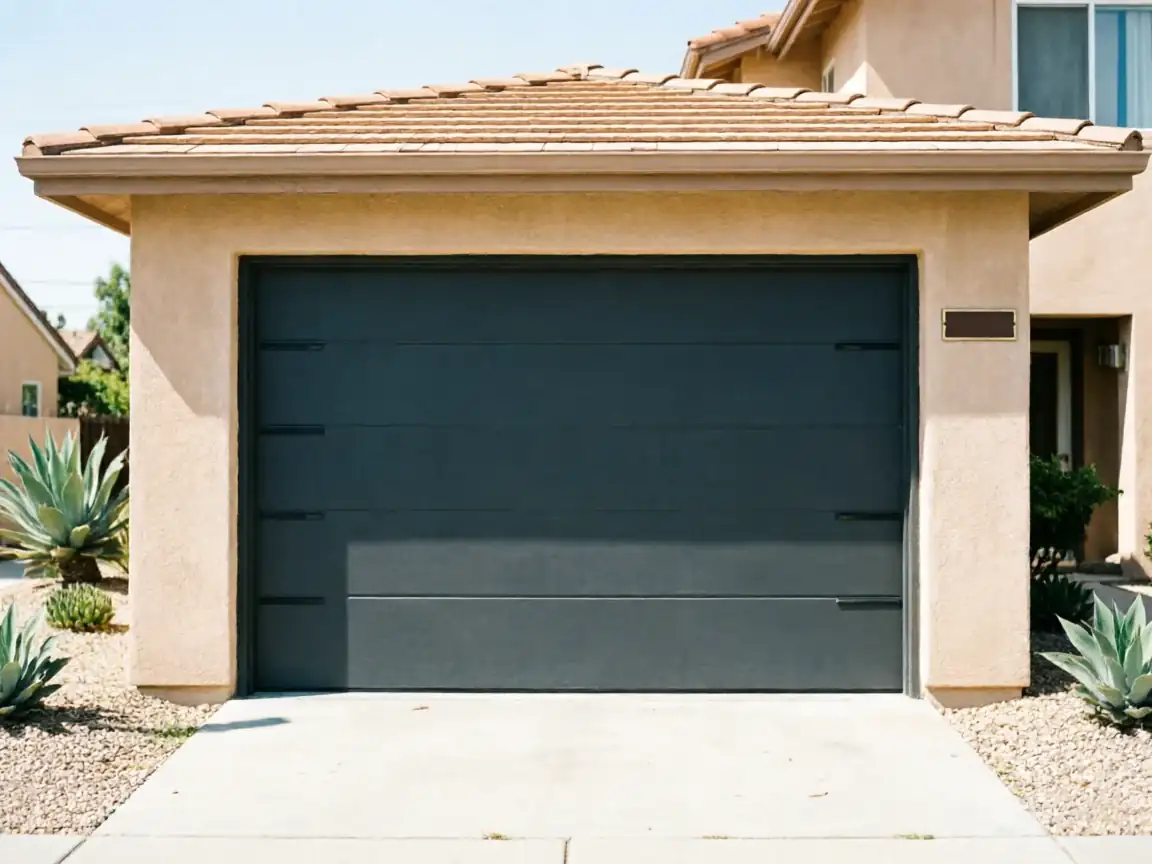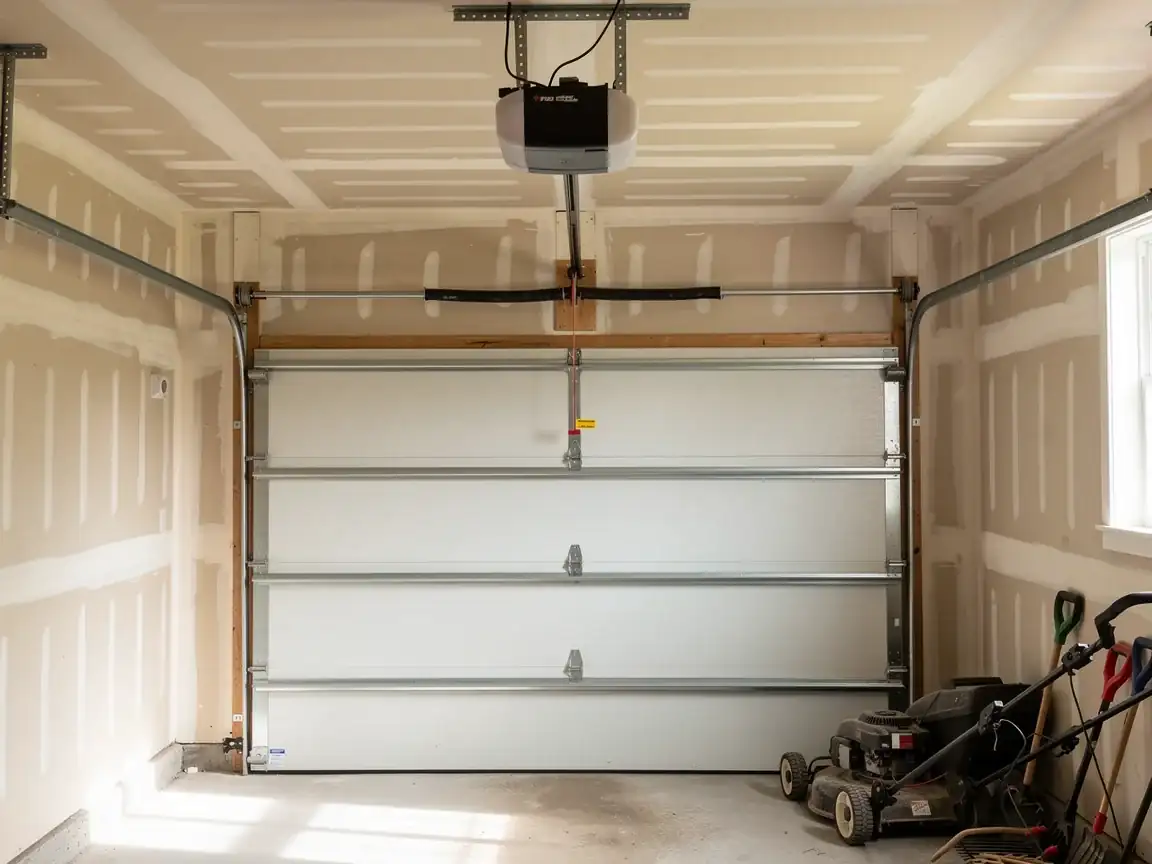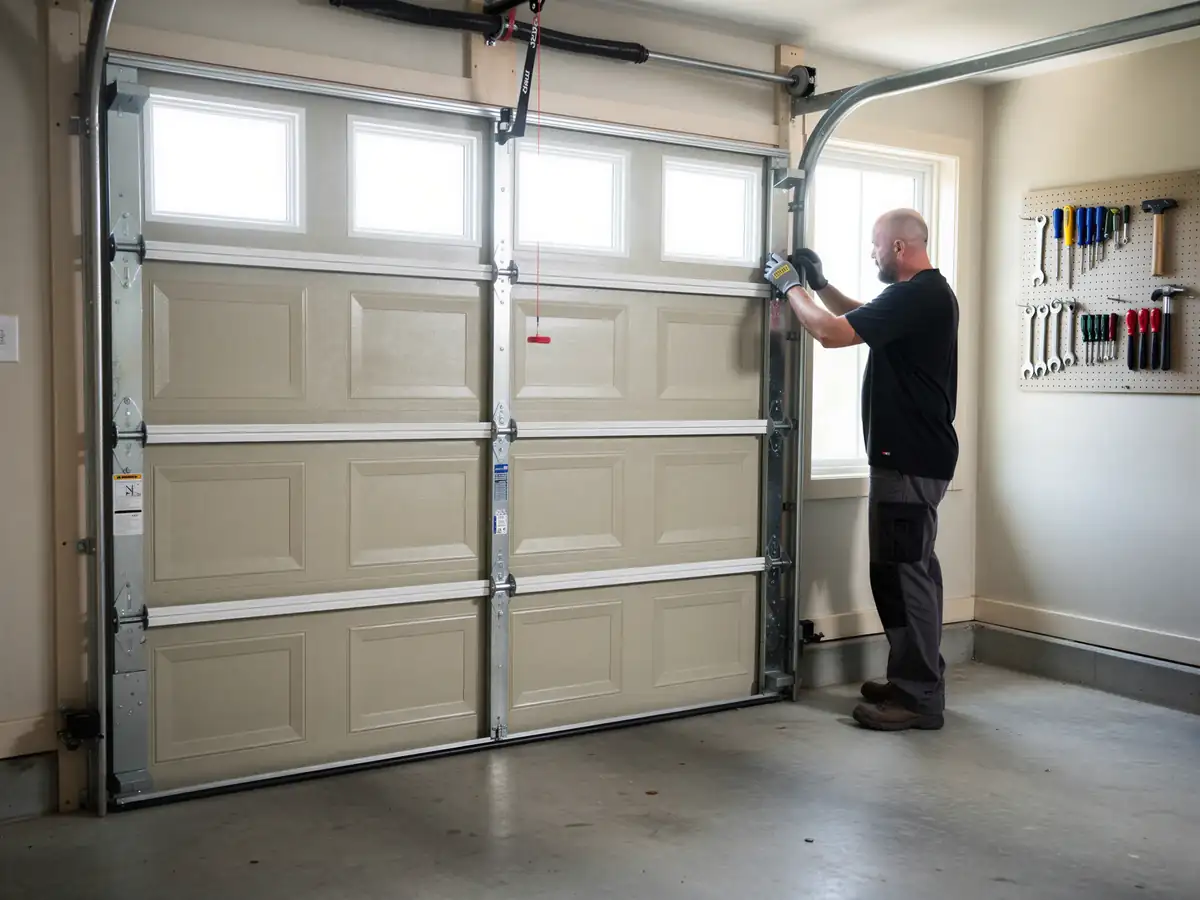
What You Are Seeing
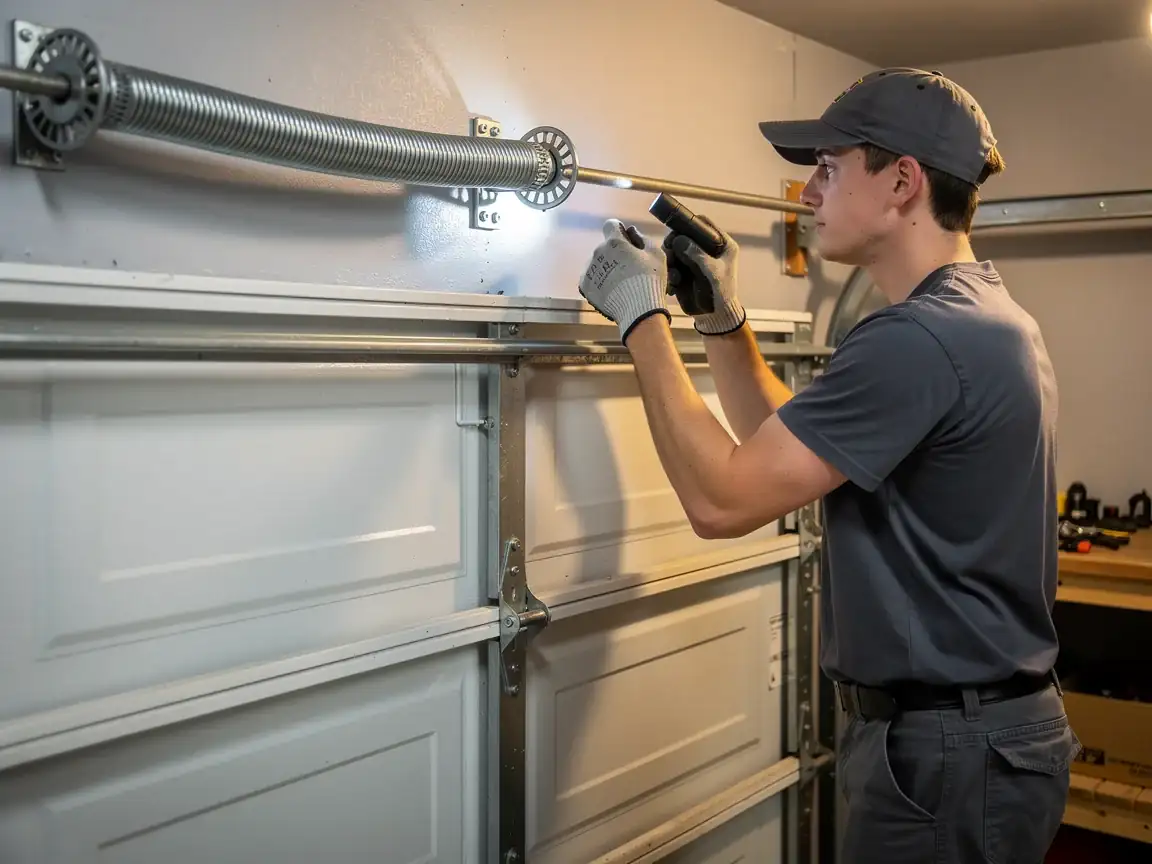
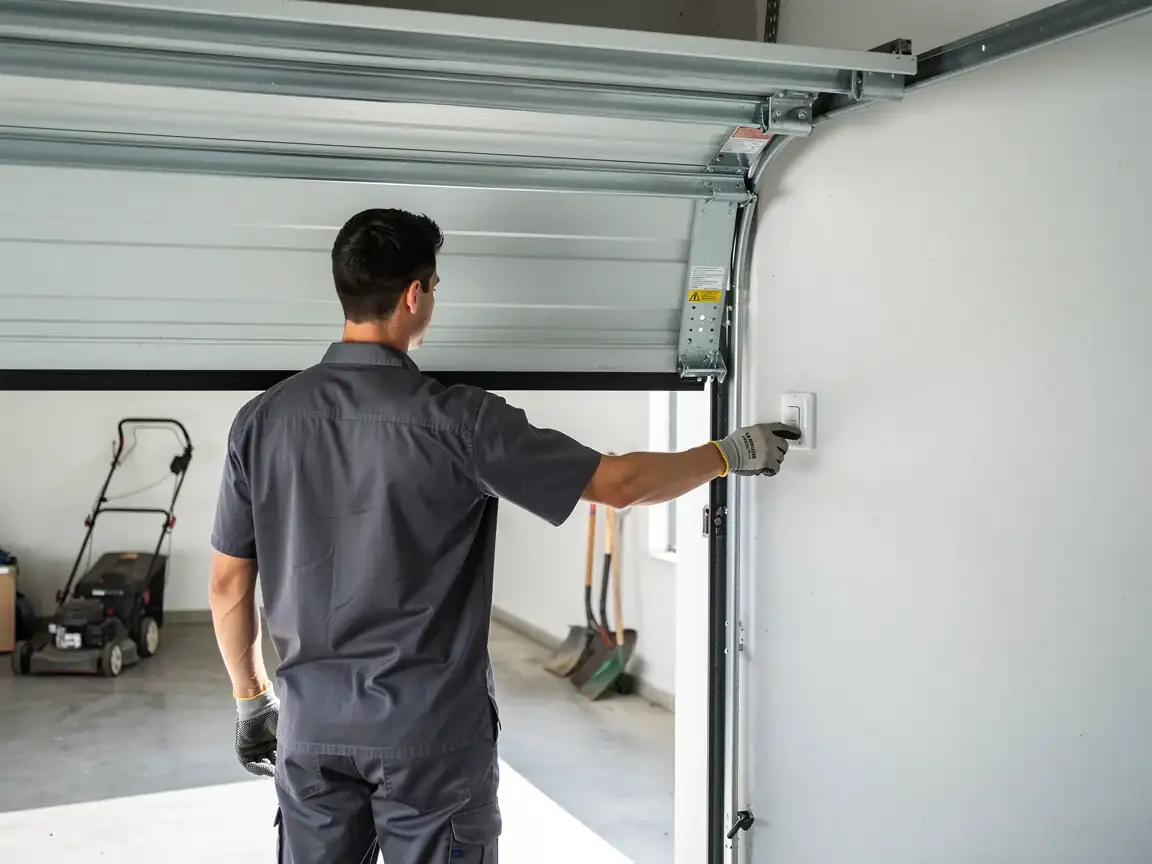
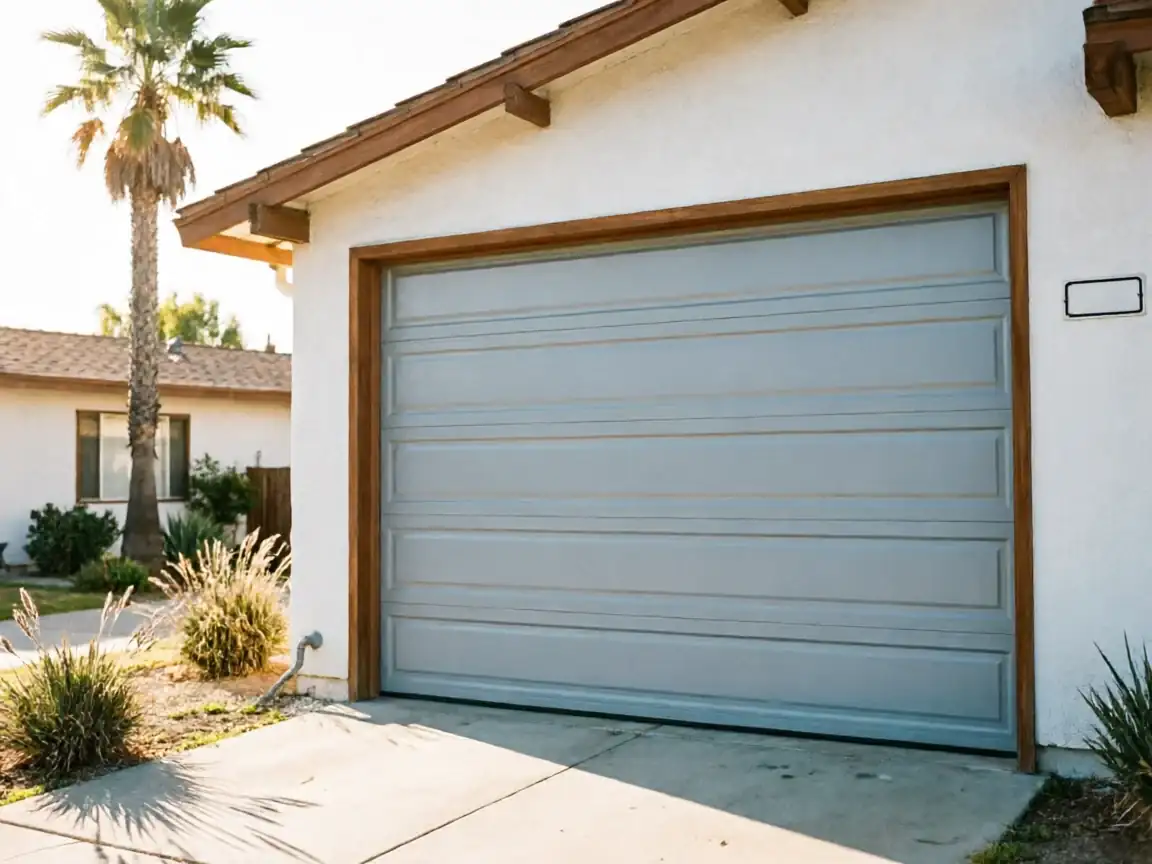
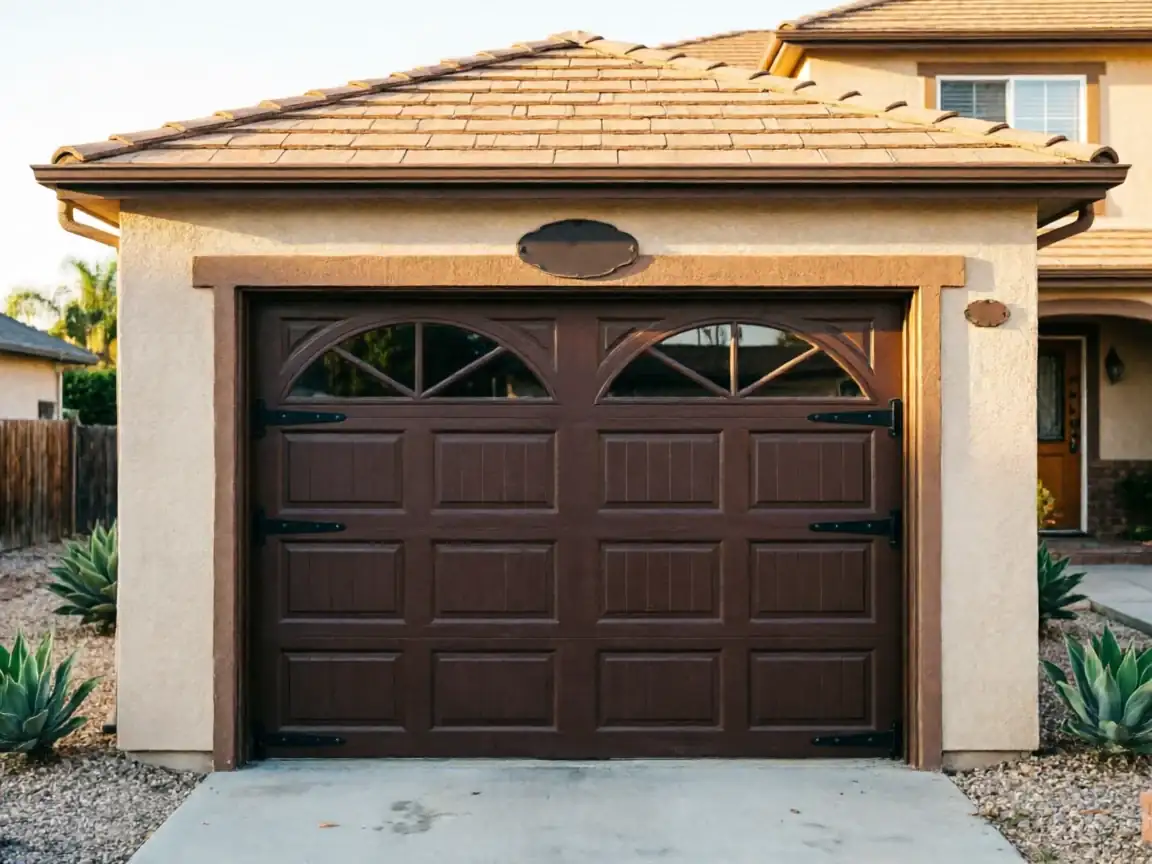
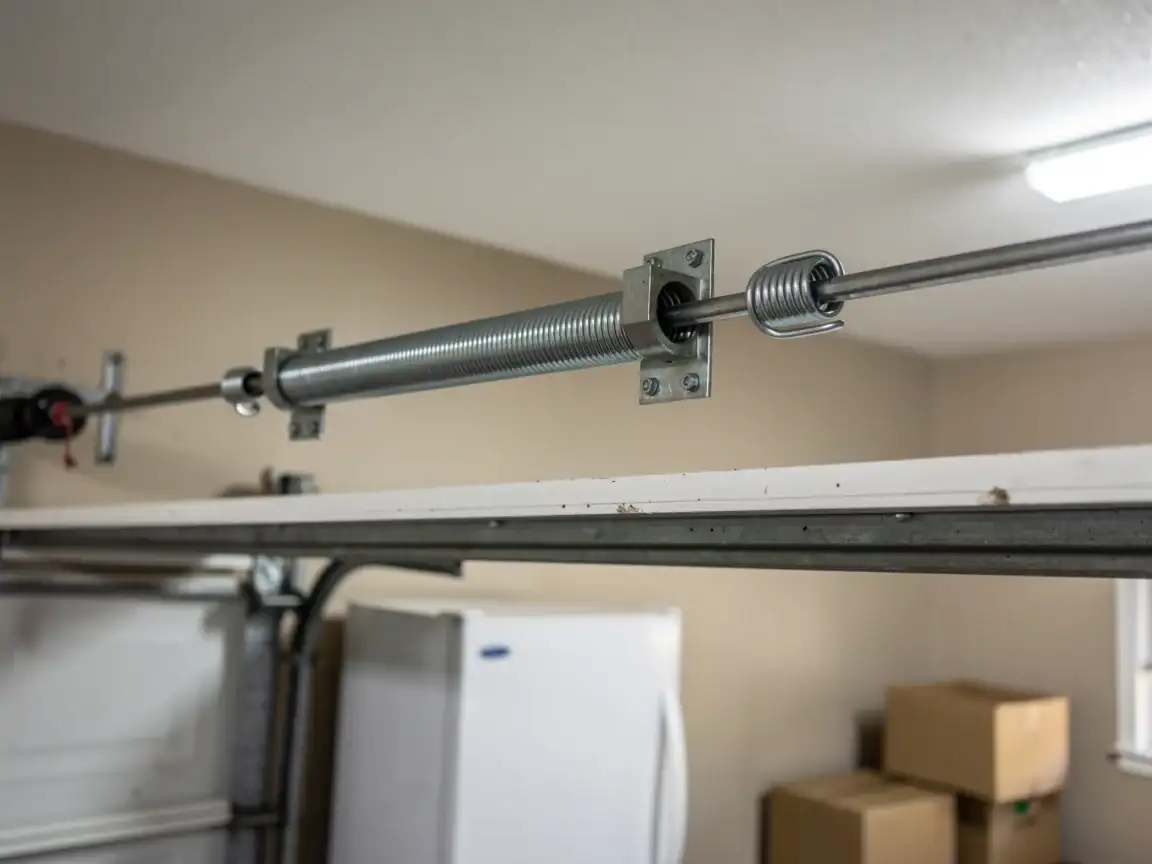
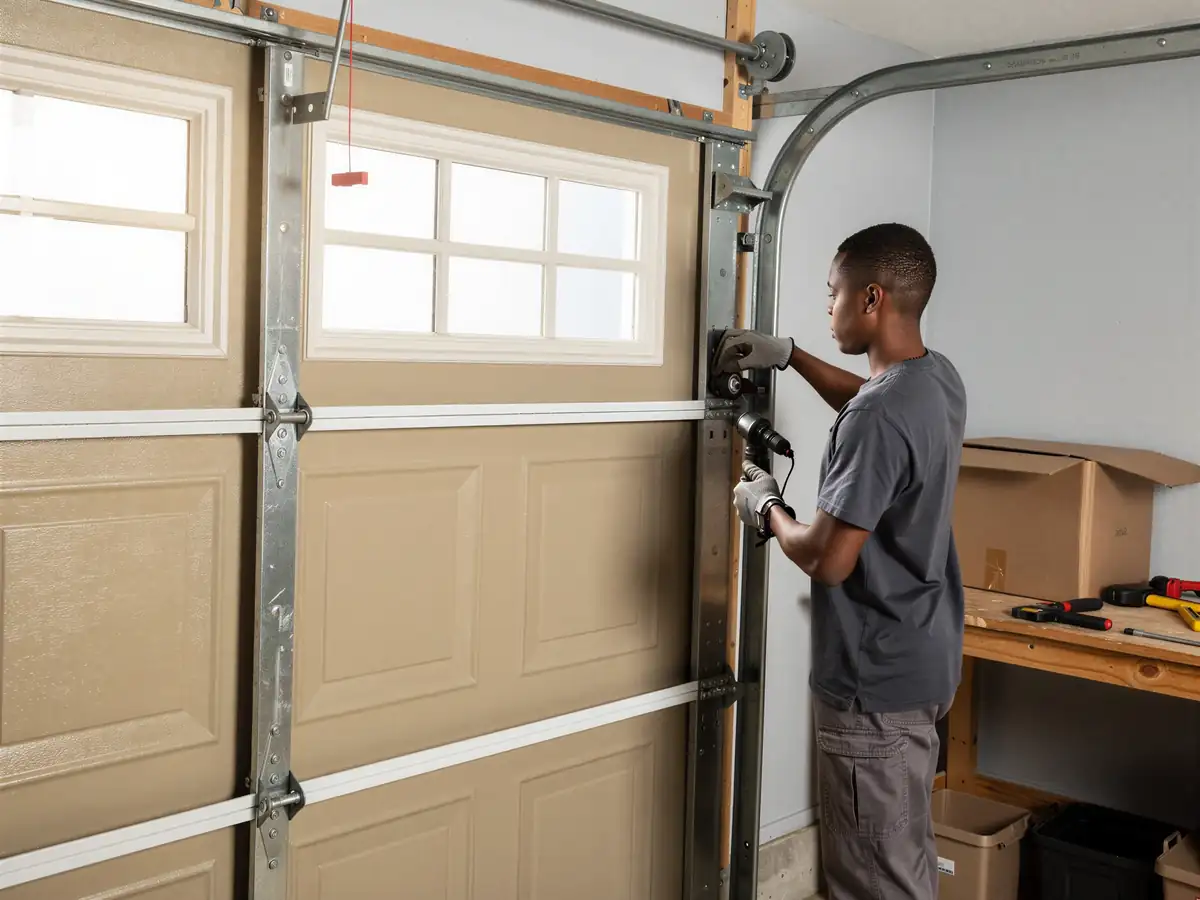
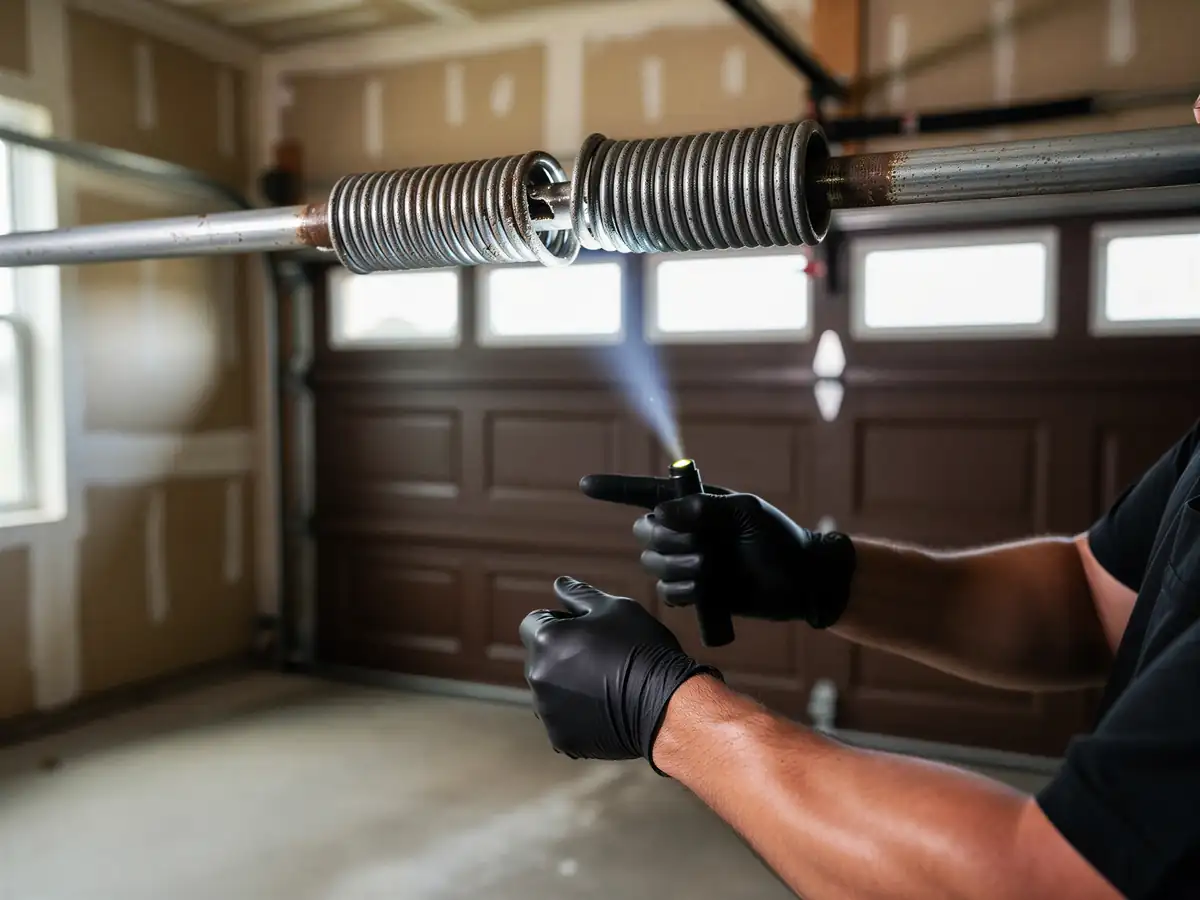
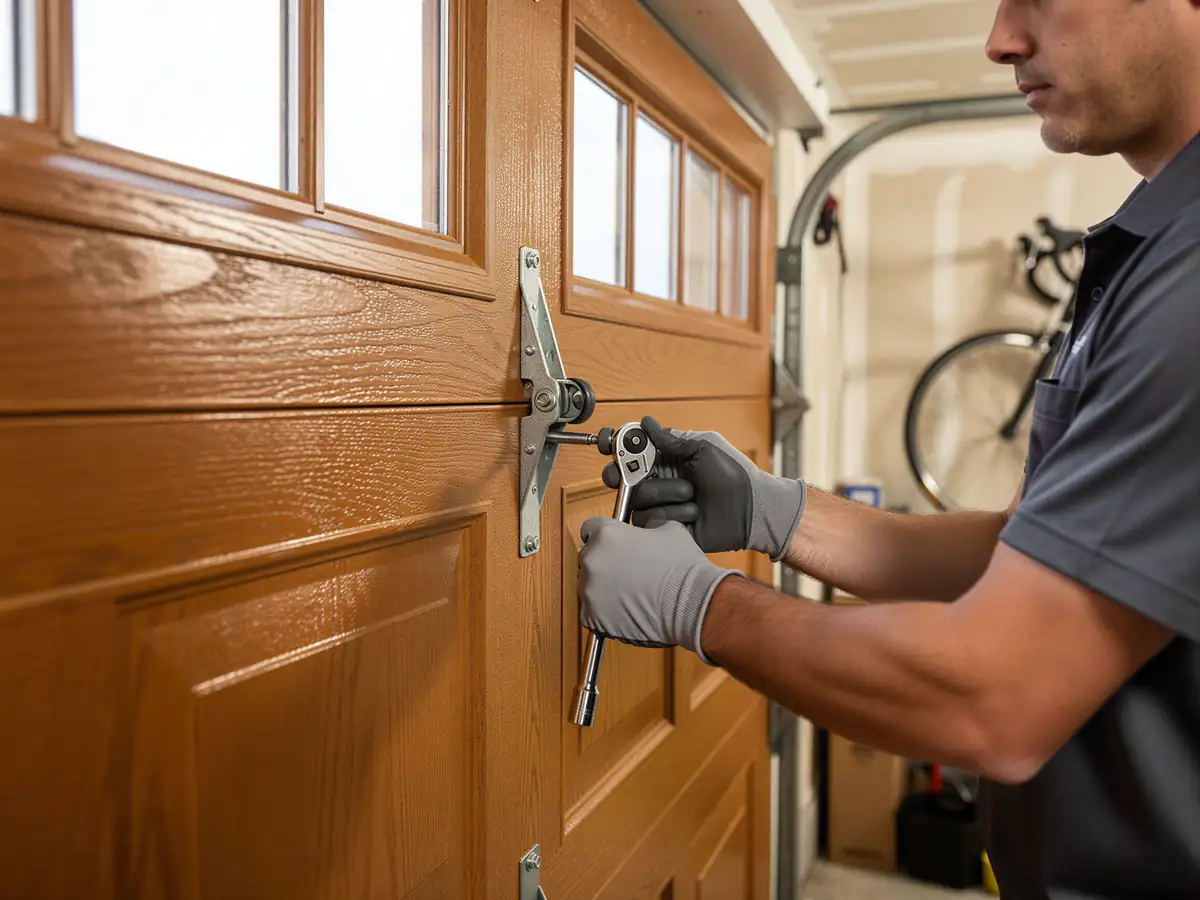
If your door is sticking halfway up, slamming down the last foot, or the opener strains and reverses before it latches, you're looking at a worn or broken torsion spring, a bent track, or hinges that have finally given out on cables that have never been swapped. Hermosa Beach's housing stock runs from 1947 up through 2012, with a median build year of 1963, so a lot of what we open up still has the original side-mounted torsion hardware from a 1960s or '70s build - not the center-mount setups you'd find in a newer tract. That matters because parts for that older hardware aren't something every supply house carries off the shelf. A door that groans on the way up usually means the spring is near the end of its life, not that the opener is failing. A door that drops fast means a cable or spring has already let go, and that's not a wait-and-see situation - it's a call-today situation, because a loaded door with no spring tension can come down on a car or a hand.
Booking a Visit
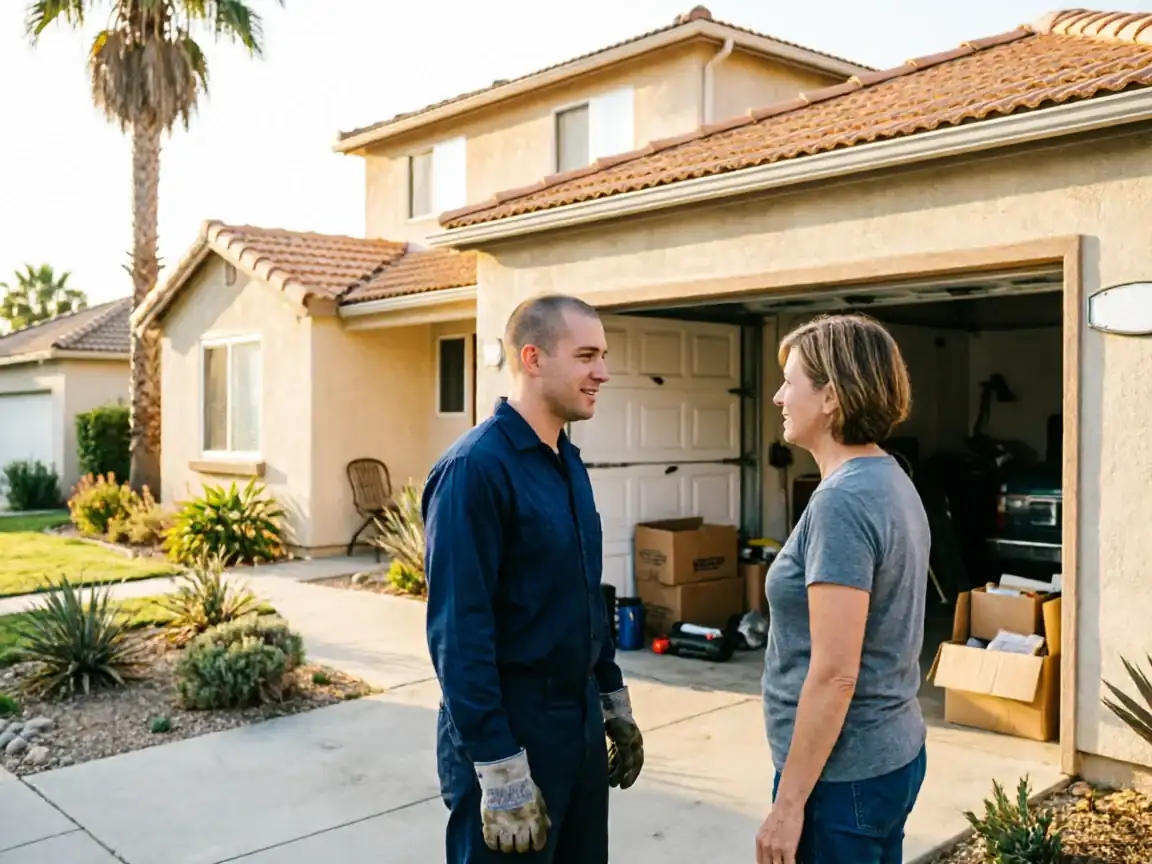
Call or use the site to get a tech out to look at the door in person - spring tension, cable wear, and track alignment aren't things we can diagnose accurately over the phone. We'll ask what the door is doing (slow, loud, stuck, off-track) and roughly how old the house or the door is, since that tells us whether we're likely dealing with original hardware from the 1960s-70s stock that's common through Hermosa Beach or a more recent replacement door. Bring the make of the opener if you know it; it saves a trip back to the truck. We don't carry every spring size for every vintage door on the truck at all times, so on an older or unusual setup there's sometimes a short wait on a part - we'll tell you straight if that's the case rather than quote a same-day fix we can't back up.
Why It Happens Here
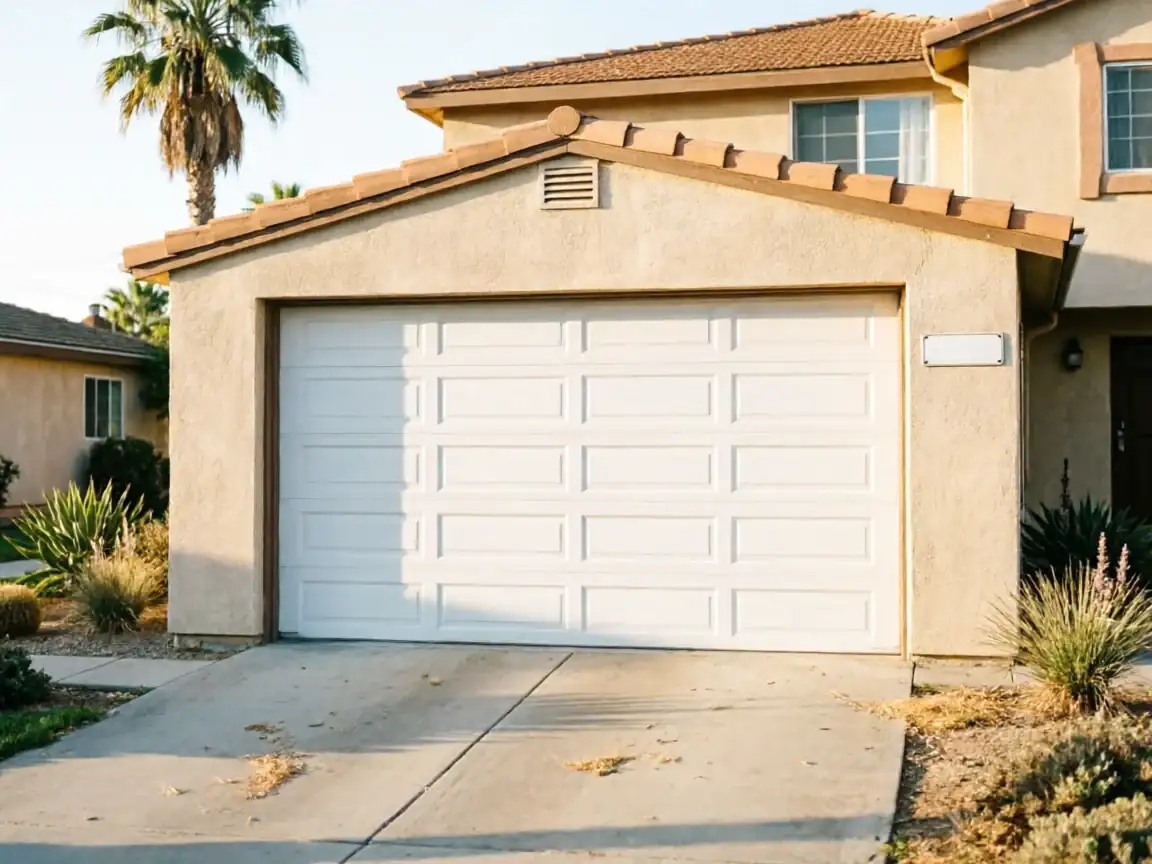
The mild temperate climate along this stretch of the coast is actually kind to garage doors compared to places with hard freezes or heavy humidity swings - you don't get the metal contraction and expansion that cracks welds inland. What does wear things down here is age and salt-laden air working slowly on exposed hardware, plus decades of daily use on original springs and cables that were never built to last the full life of the house. With median construction at 1963 and most homes in the area dating to the 1960s and '70s, we see a steady pattern: springs rated for maybe 10,000 cycles that have quietly passed 15,000, hinges worn oval instead of round, and tracks bent from small bumps that got ignored for years. It's not dramatic failure, it's slow fatigue catching up all at once.