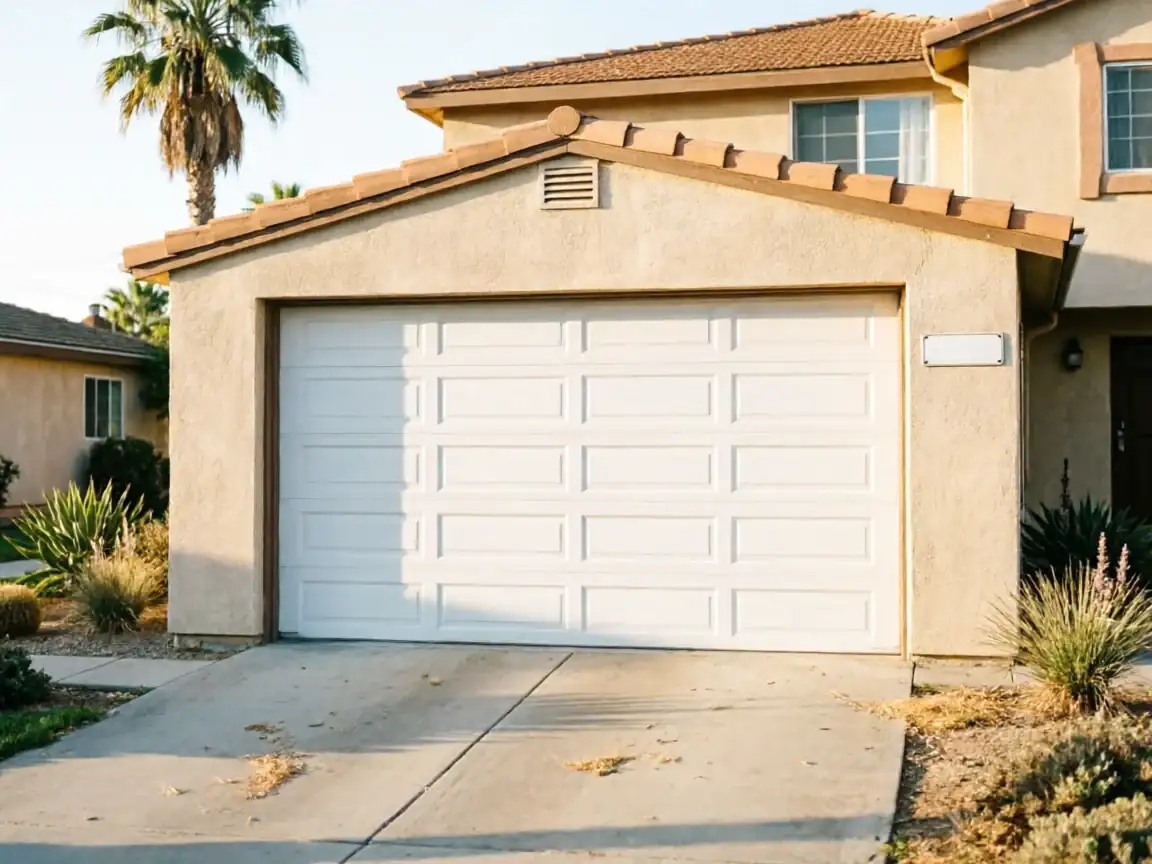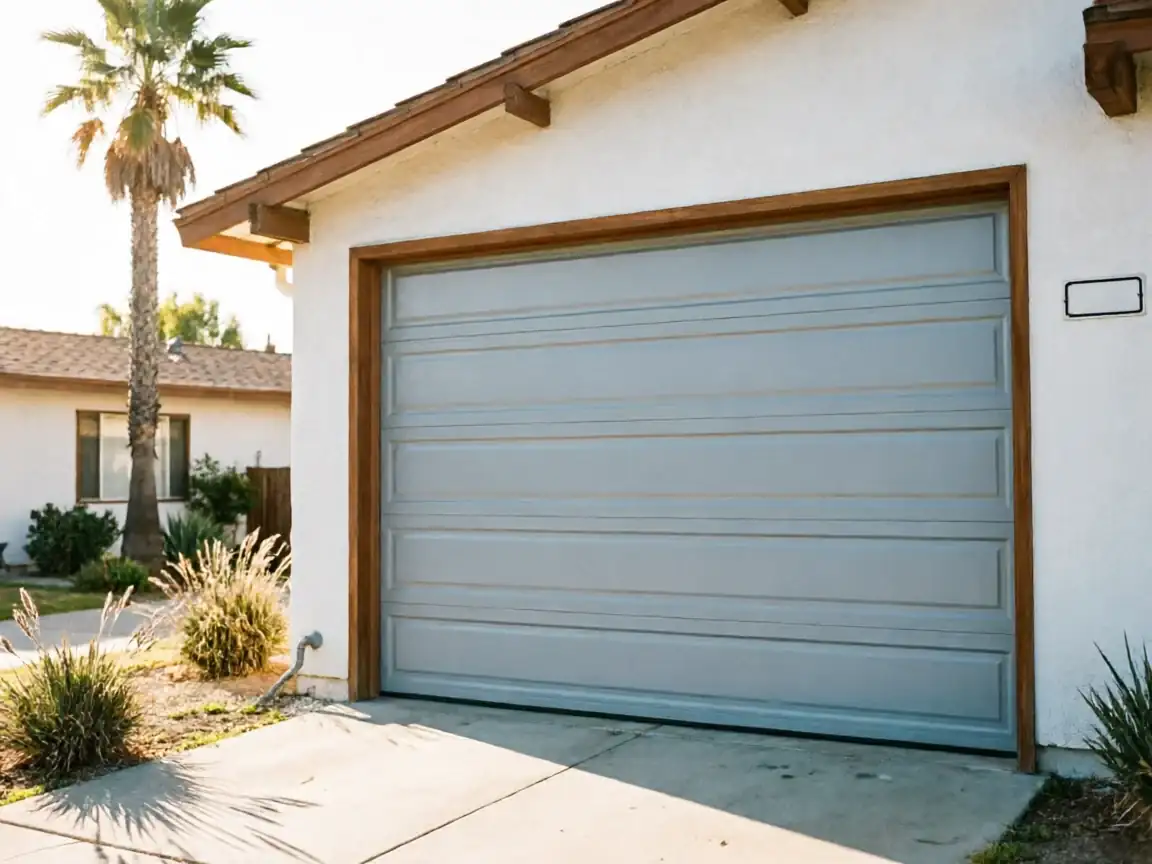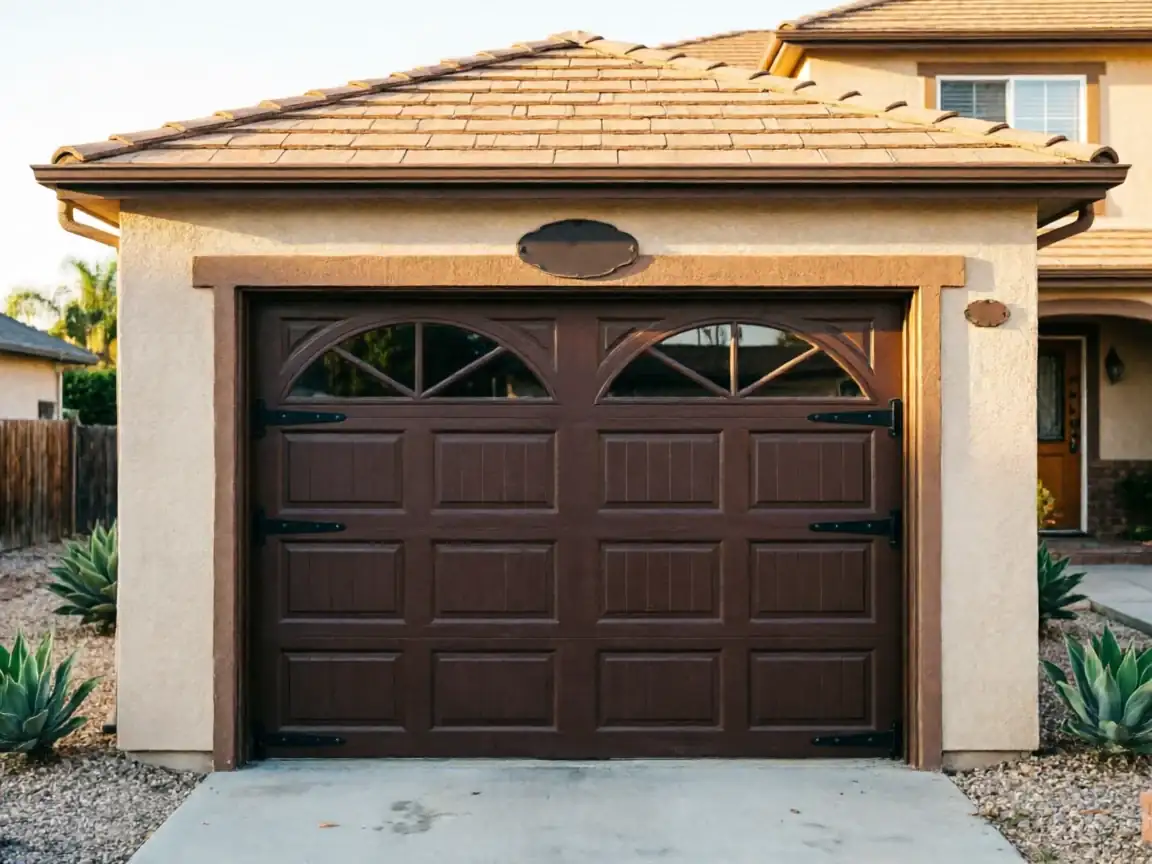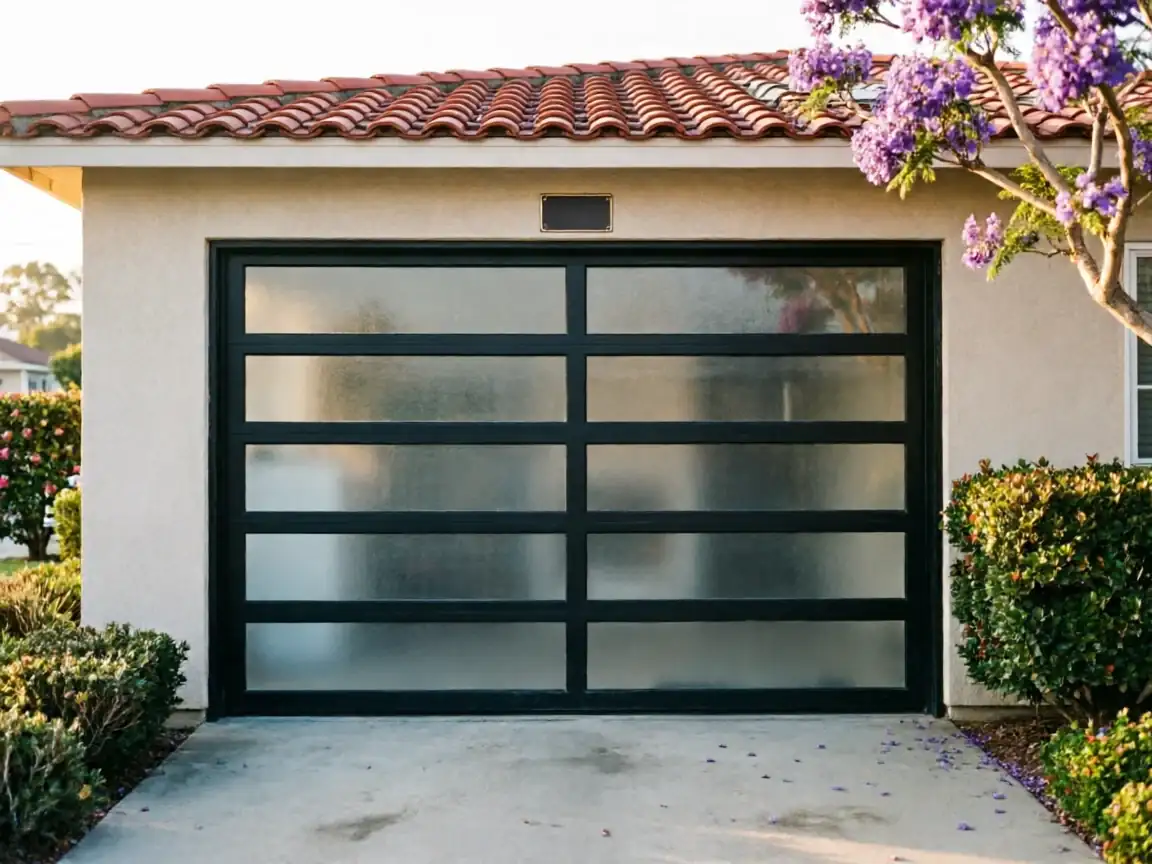
What You Are Seeing
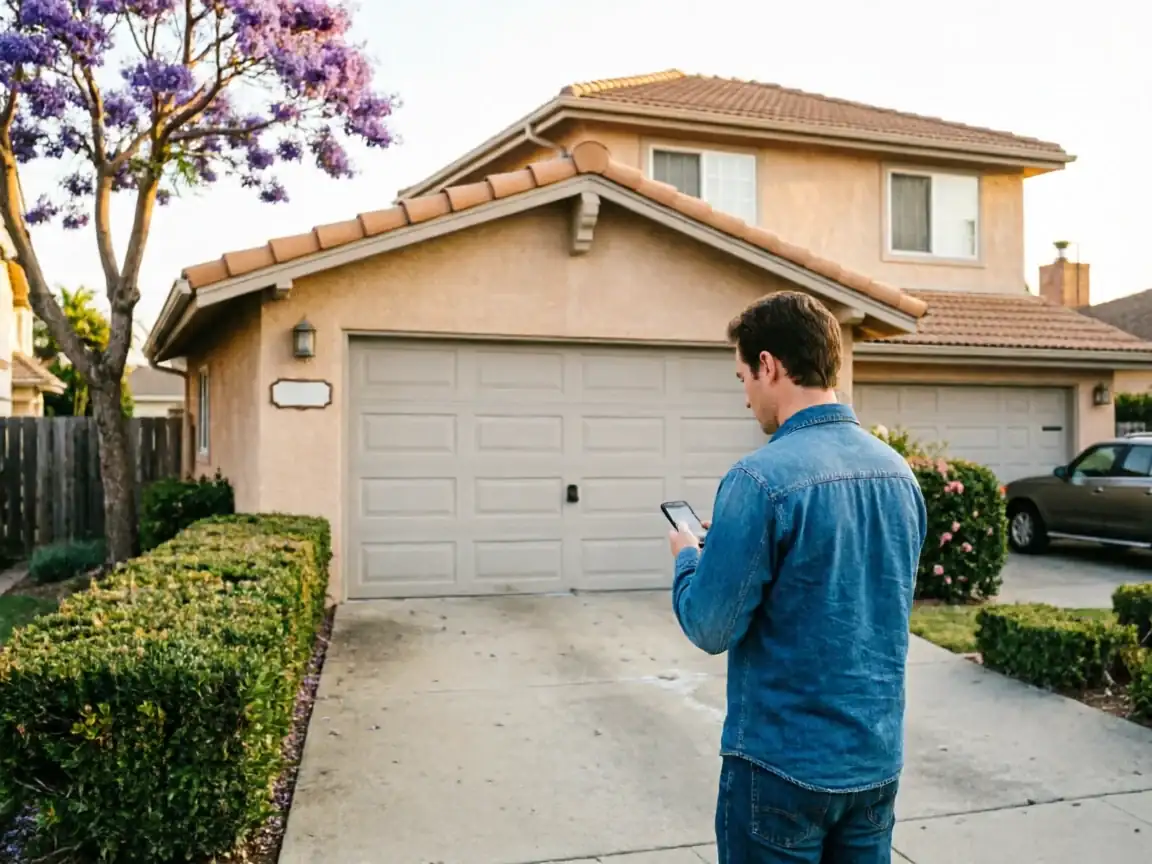
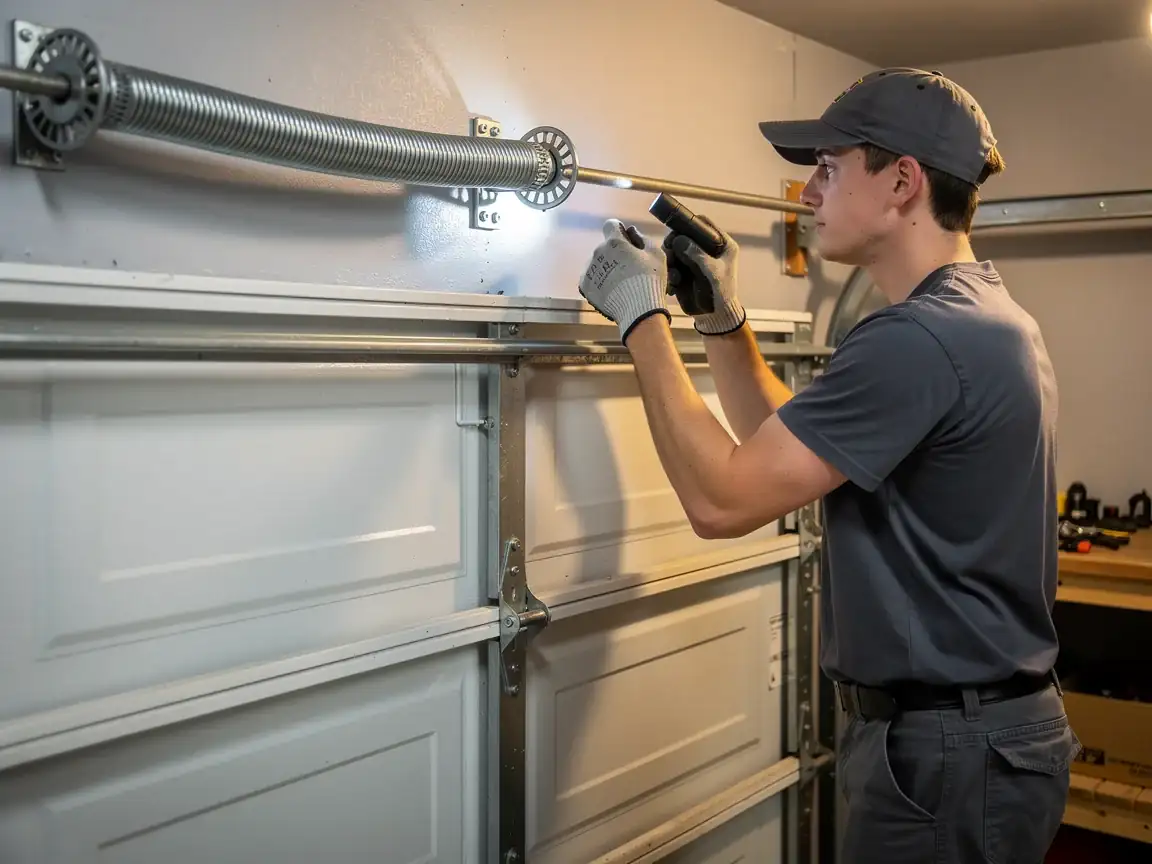
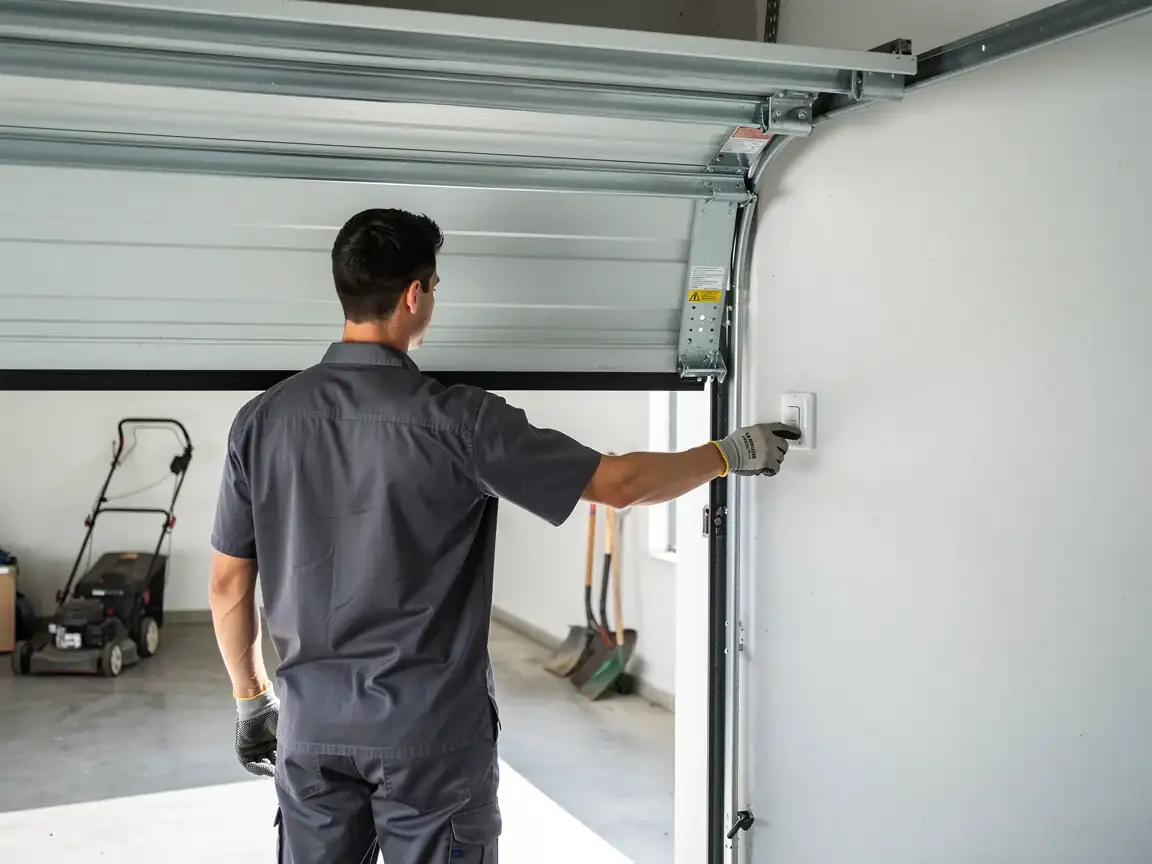
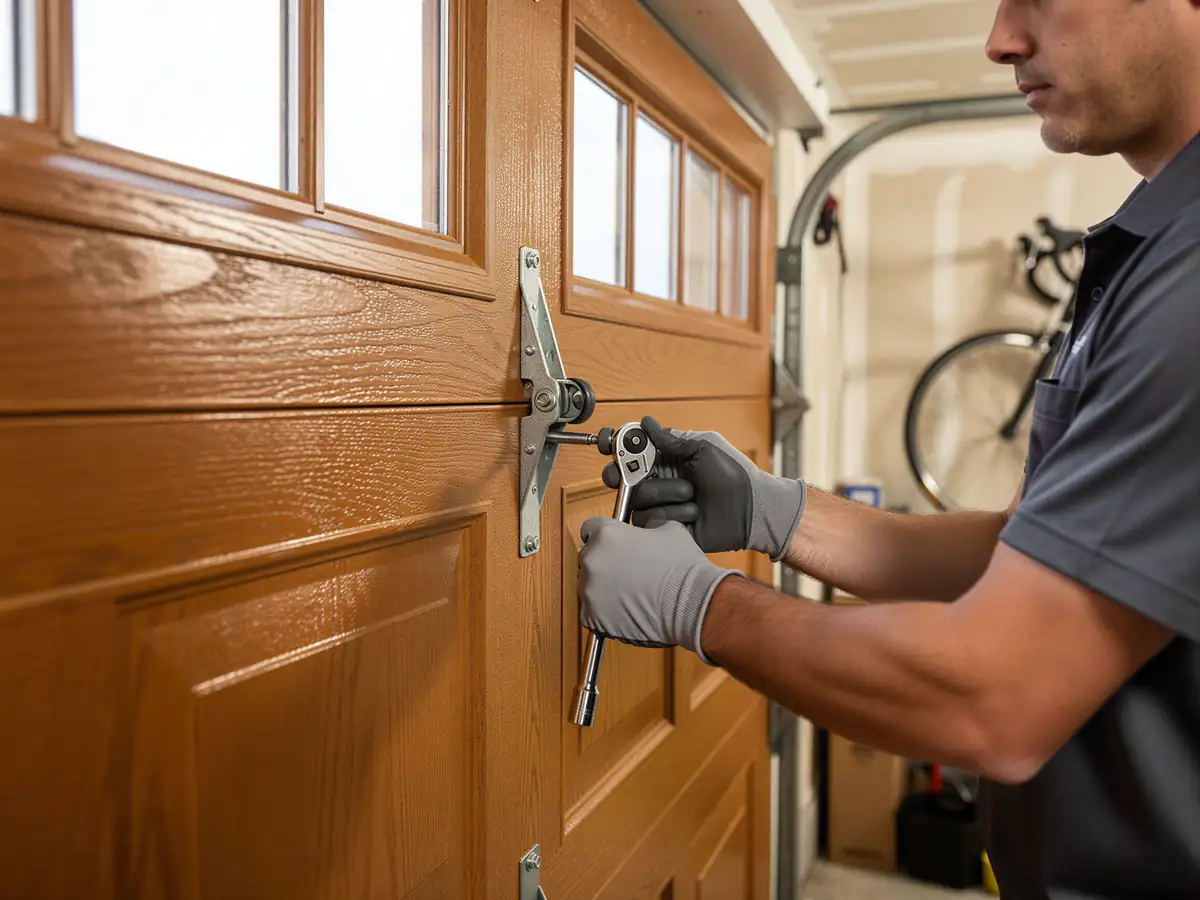
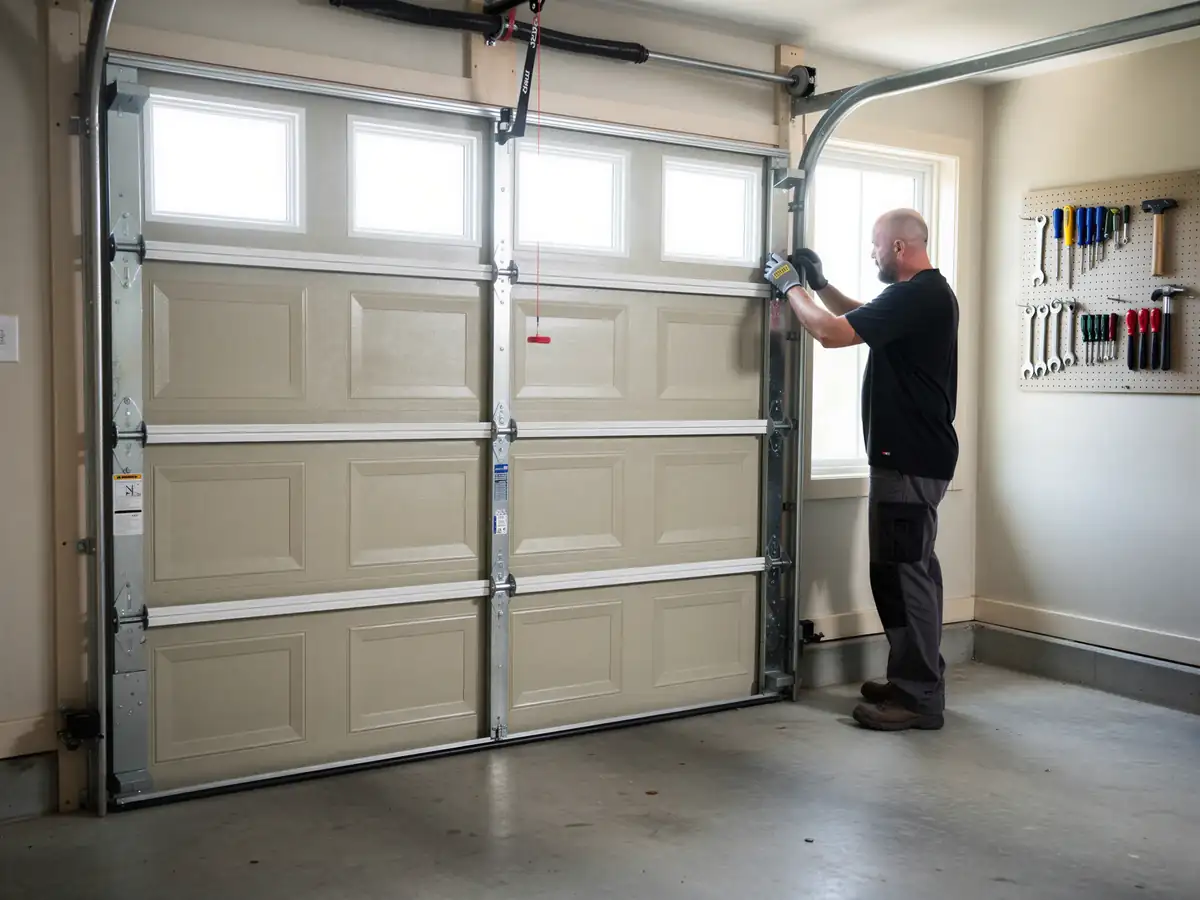
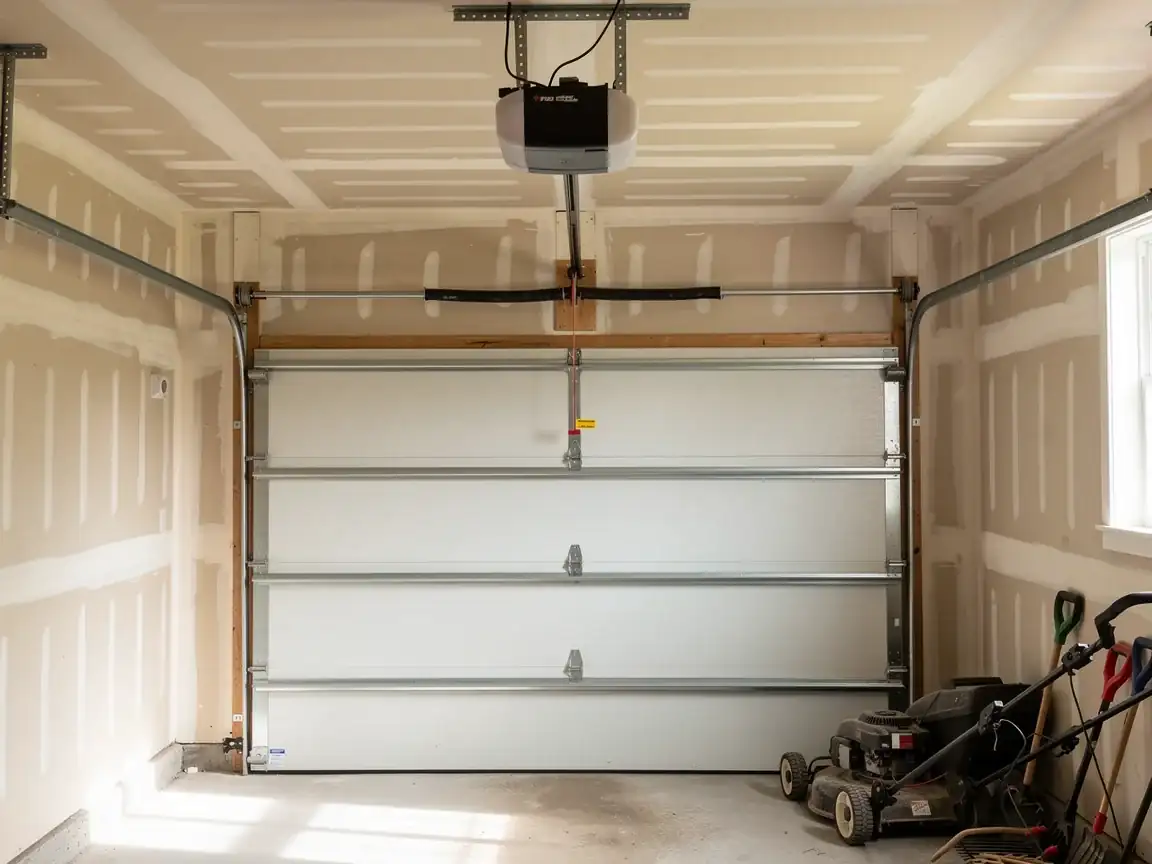
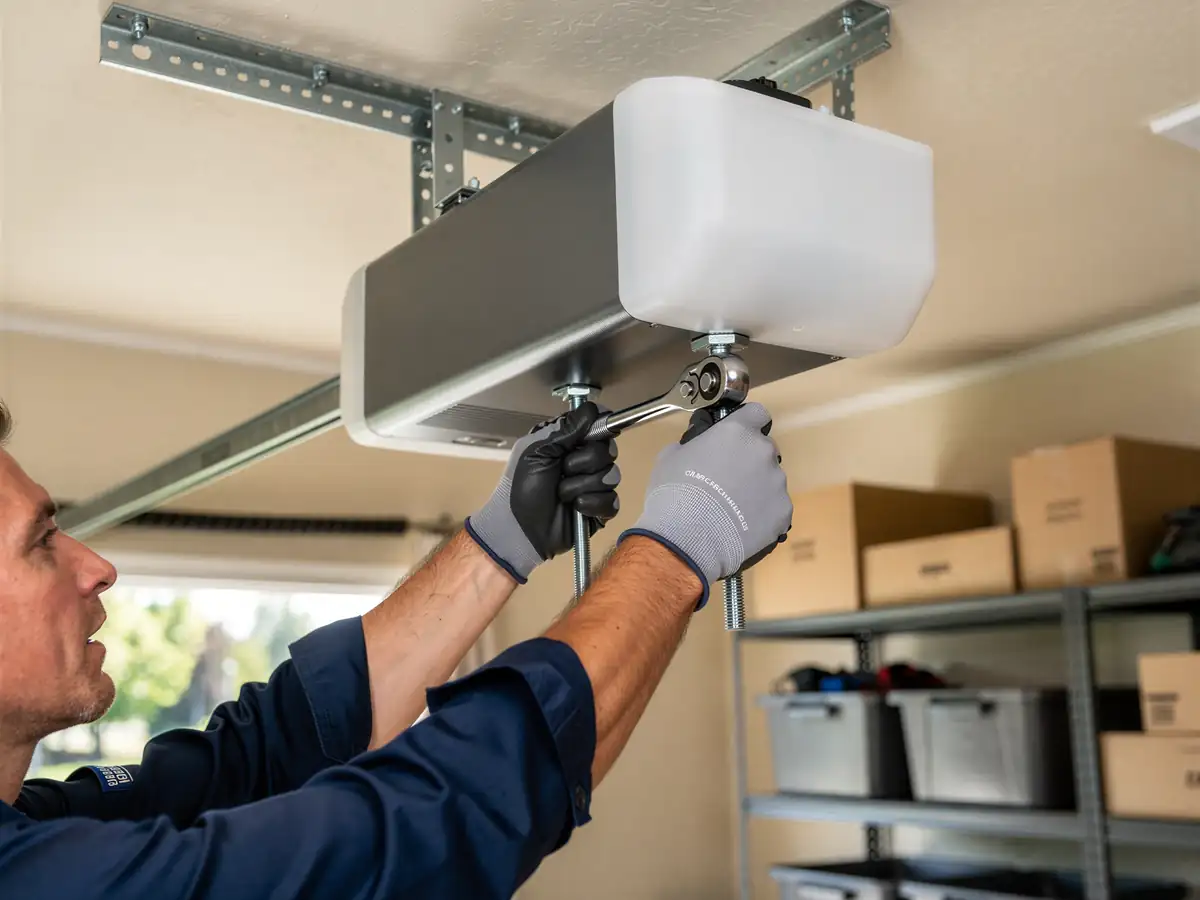
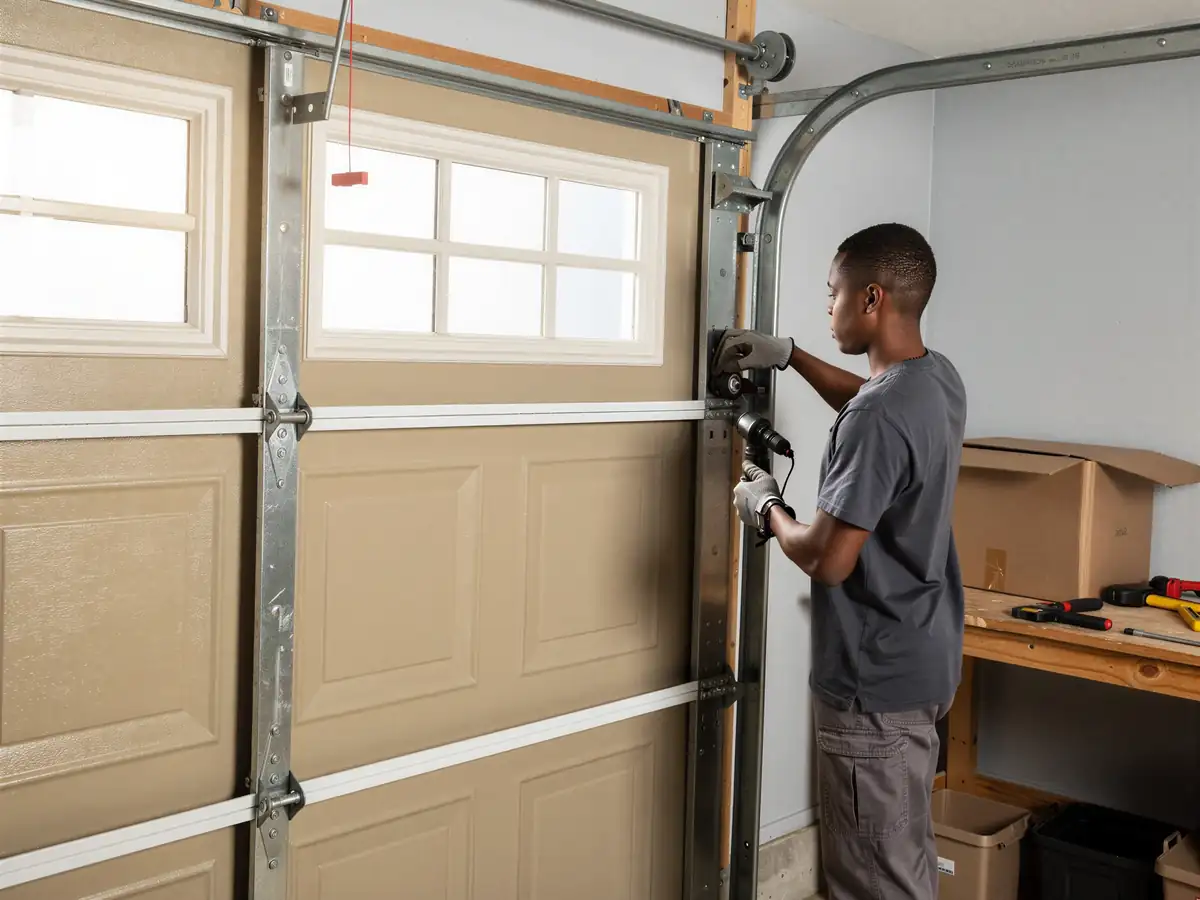
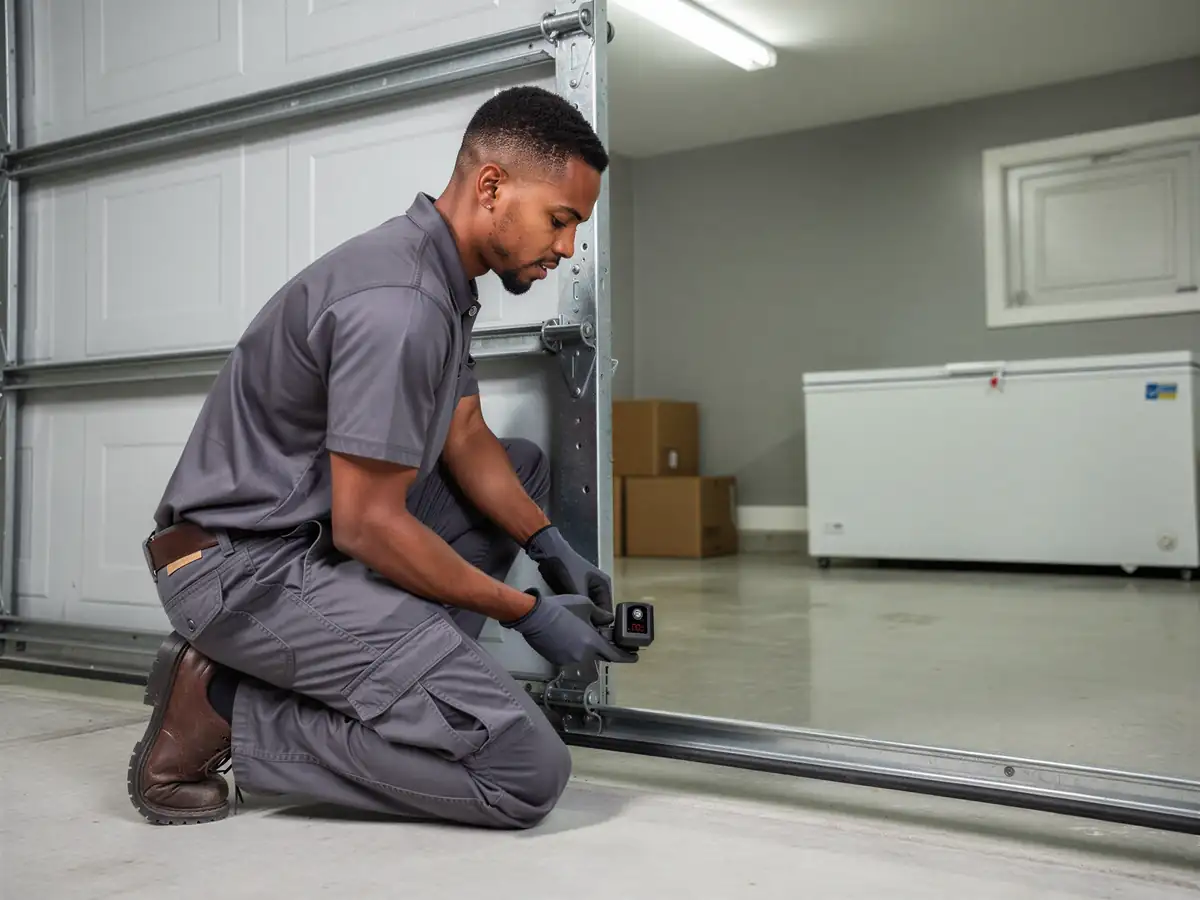
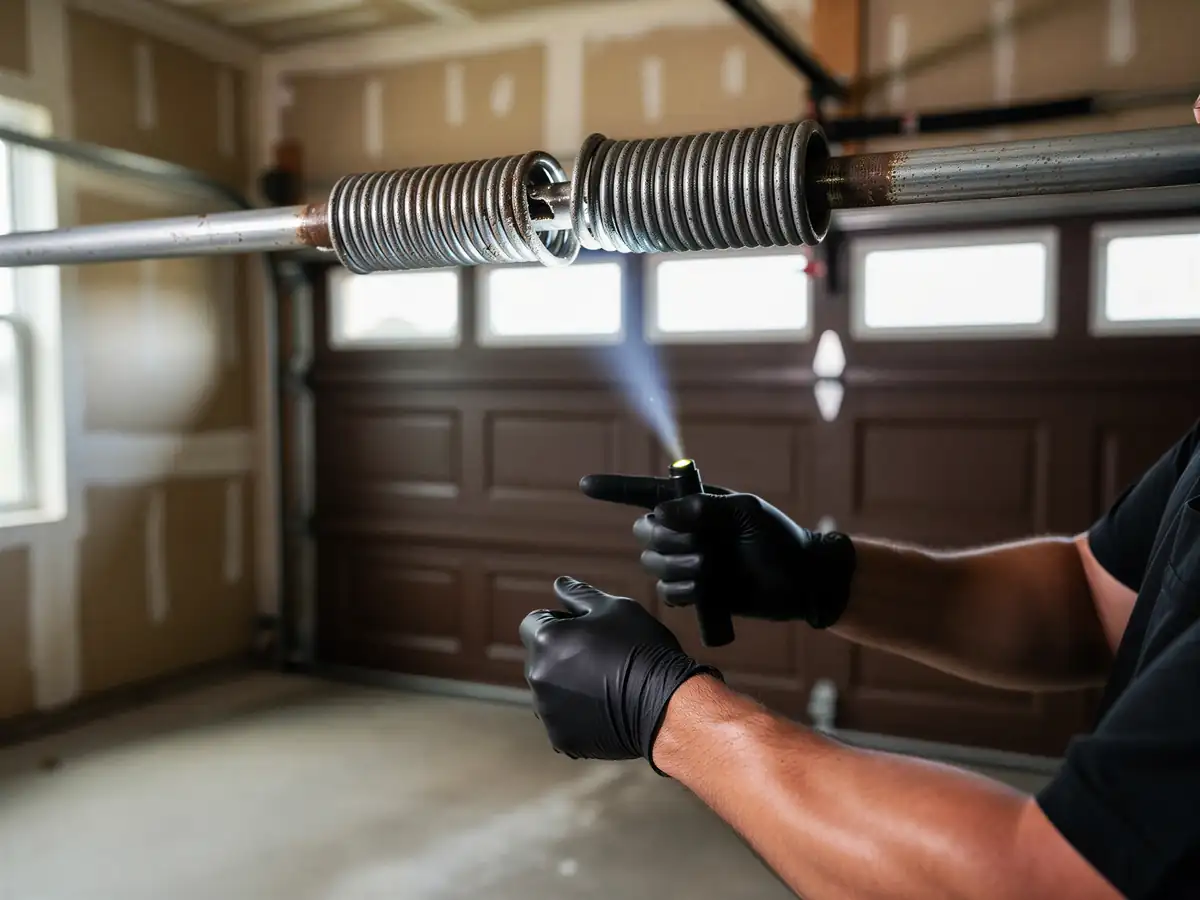
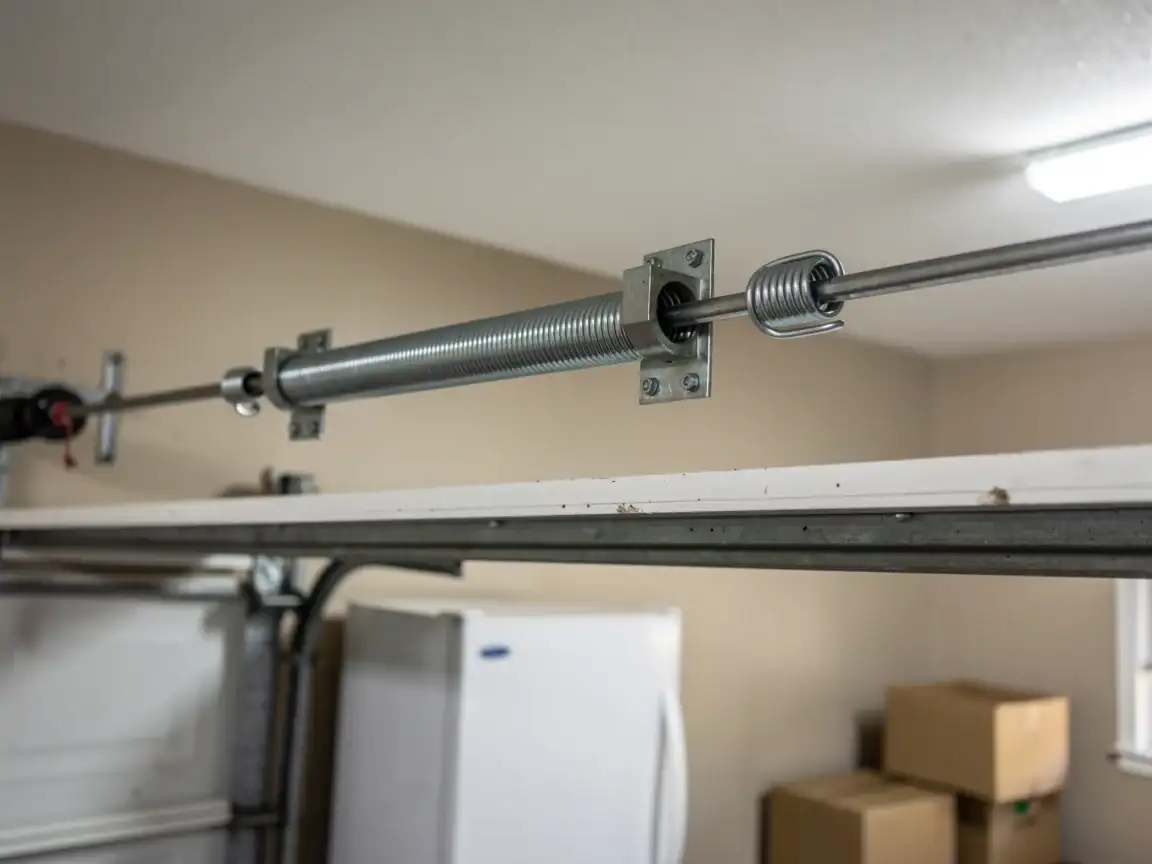
A door that won't close all the way, a loud bang when it opens, a remote that works some mornings and not others, a panel that sags on one side. These are the calls we get most from Hermosa Beach. None of it is mysterious once you look at the hardware. Most homes in this area were built between 1947 and 2012, with the typical house dating to 1963, so a lot of what's installed is original torsion springs, steel rollers, and lift cable that's been cycling for fifty or sixty years. Springs are rated for a number of cycles, not a number of years, and a door that's opened twice a day for six decades has used up a spring rated for ten or fifteen years of that use several times over. Tracks bend from a car bumper tap and nobody notices until the door starts binding. Cable frays where it wraps the drum. None of this is dramatic until the day it is - a spring lets go, or a cable snaps under tension, and the door drops. If your door is noisy, slow, or uneven, that's usually the hardware telling you it's near the end, not a sign something was installed wrong.
Booking a Visit
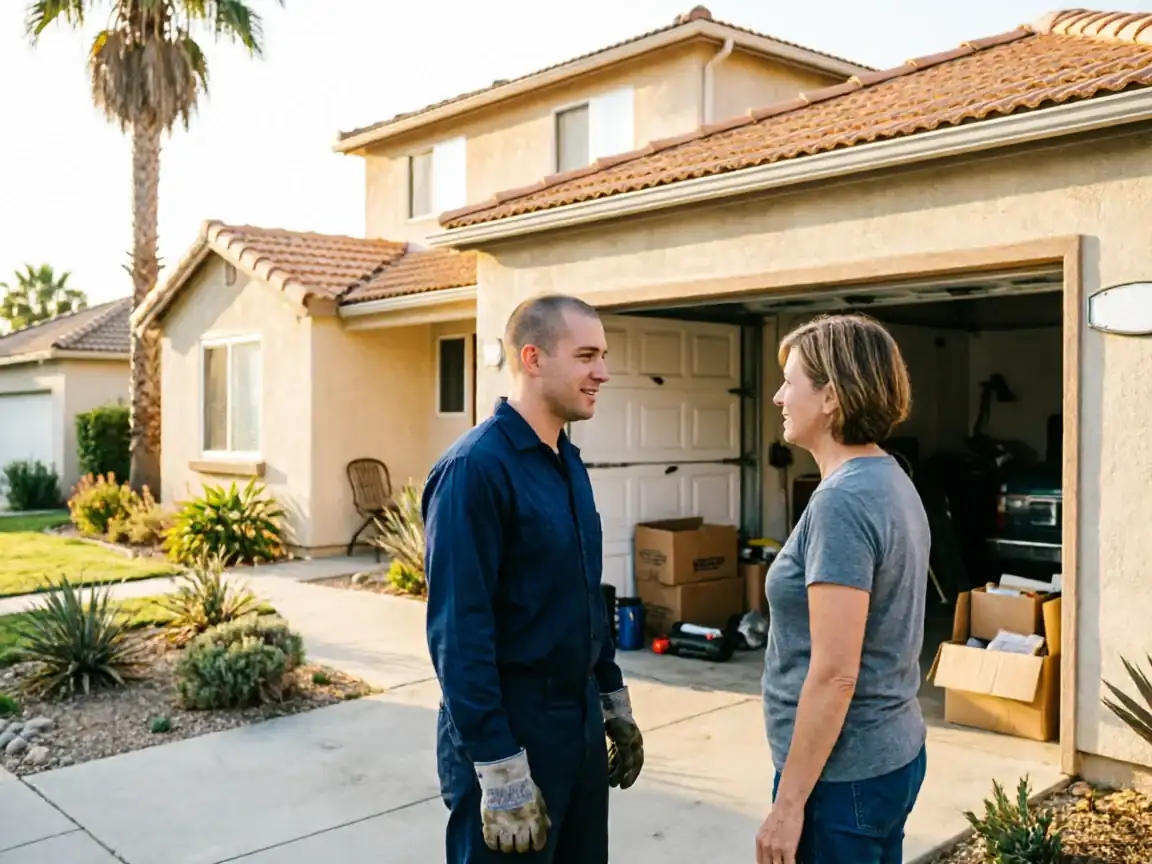
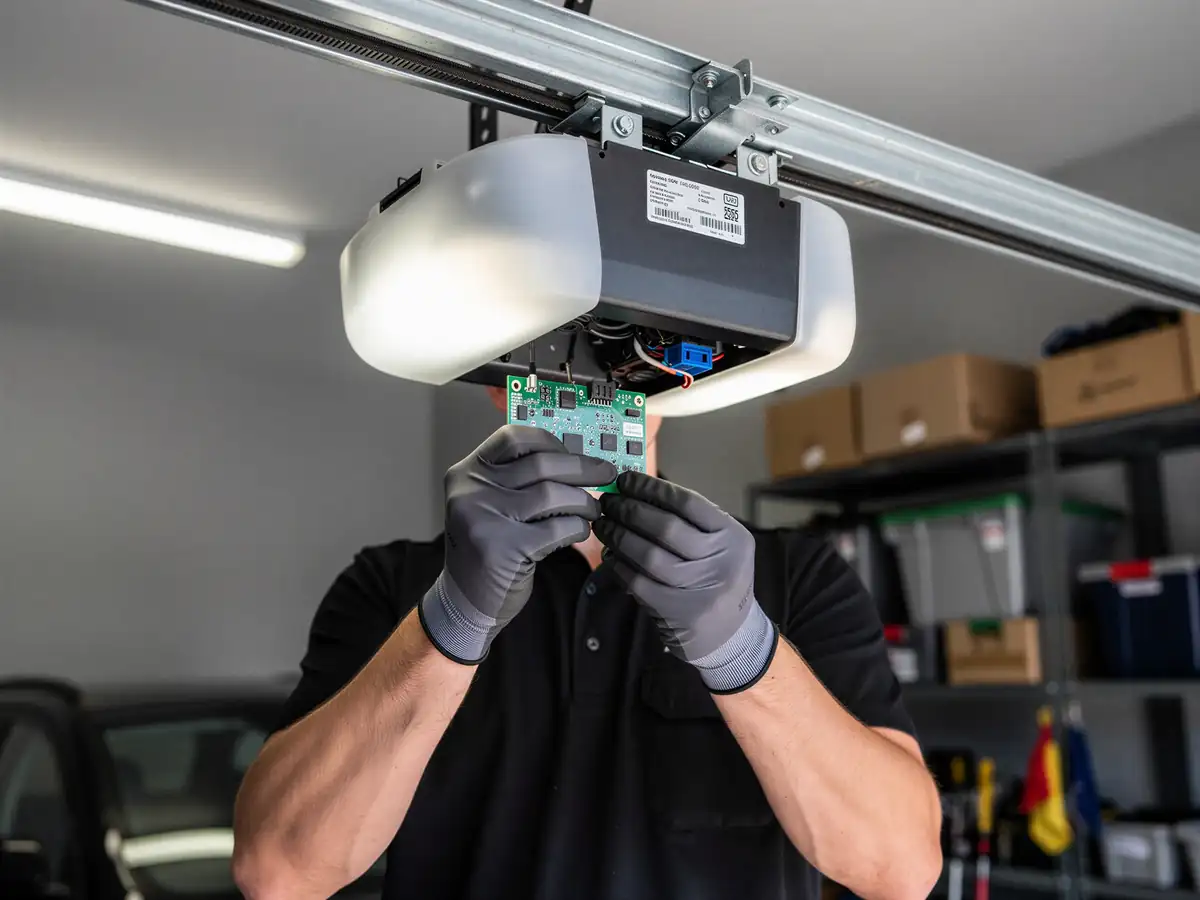
We work out of Hermosa Beach and cover the surrounding area, including El Segundo three miles out just two miles east, and farther stops like Palos Verdes Estates, Lomita, and Rolling Hills Estates. Across the service area there are roughly 86,713 households and 32,463 owner-occupied houses, and with a median household income around $100,007, most jobs we get called for are repairs - spring swaps, roller and cable replacement, track alignment - rather than full door replacement. When you call, tell us what the door is doing: grinding noise, won't open, stuck halfway, remote dead. That narrows down what we bring on the truck before we even pull up. You can also reach us through the site at /.
Why It Happens Here
Hermosa Beach sits in a mild temperate climate band, so your door isn't fighting frost heave or triple-digit heat swings the way it would inland. That's actually part of the story: without extreme weather cycling the metal, most of what fails here fails from plain mechanical fatigue, not weather damage. A spring doesn't crack from cold, it just runs out of cycles. Across the 20 named areas in this part of the county, the dominant housing stock dates to the 1960s and 70s, which lines up with the 1963 median build year locally. That means a large share of doors in use today are original installs or first-generation replacements, now well past the point where springs, rollers, and cable drums were designed to last. It's less about anything being installed badly and more about math: a door built for a 10,000-cycle spring, used daily for fifty-plus years, has long since burned through that rating. That's the pattern we see on repeat calls in this area, and it's why a