What That Means for Doors
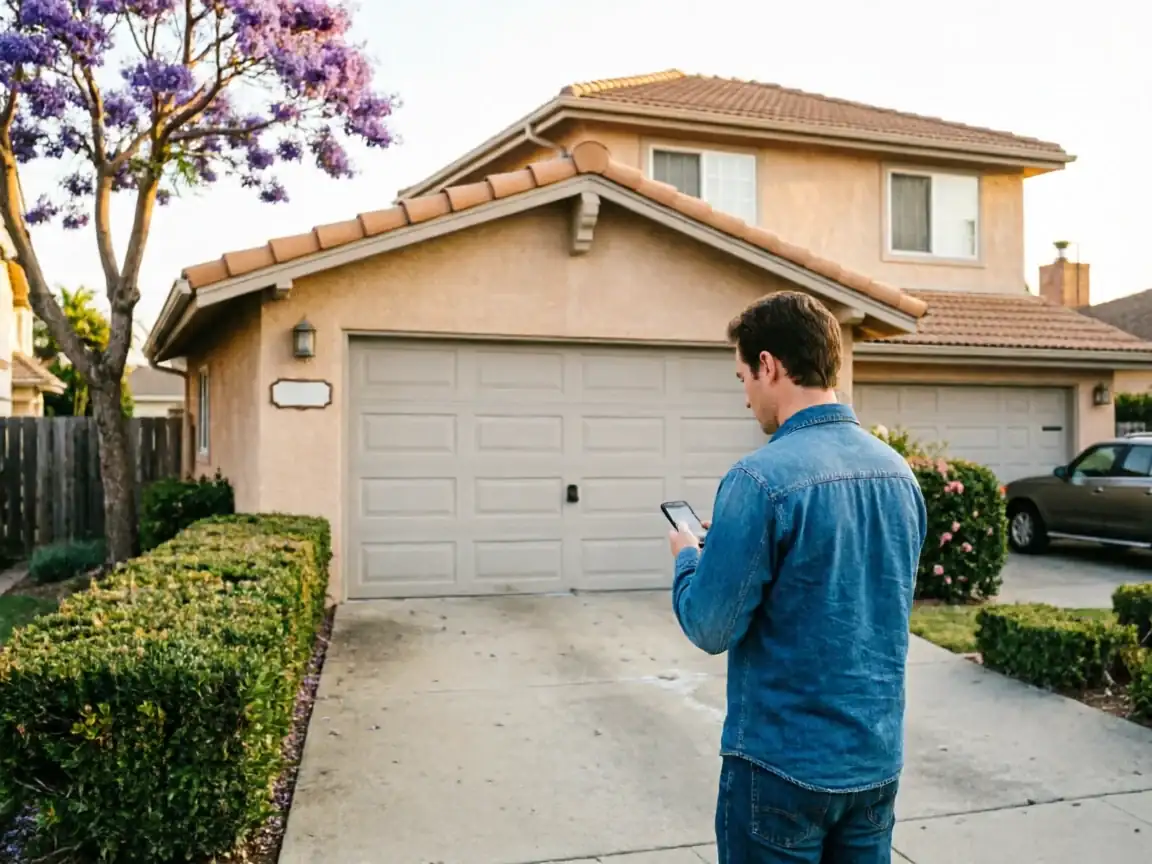
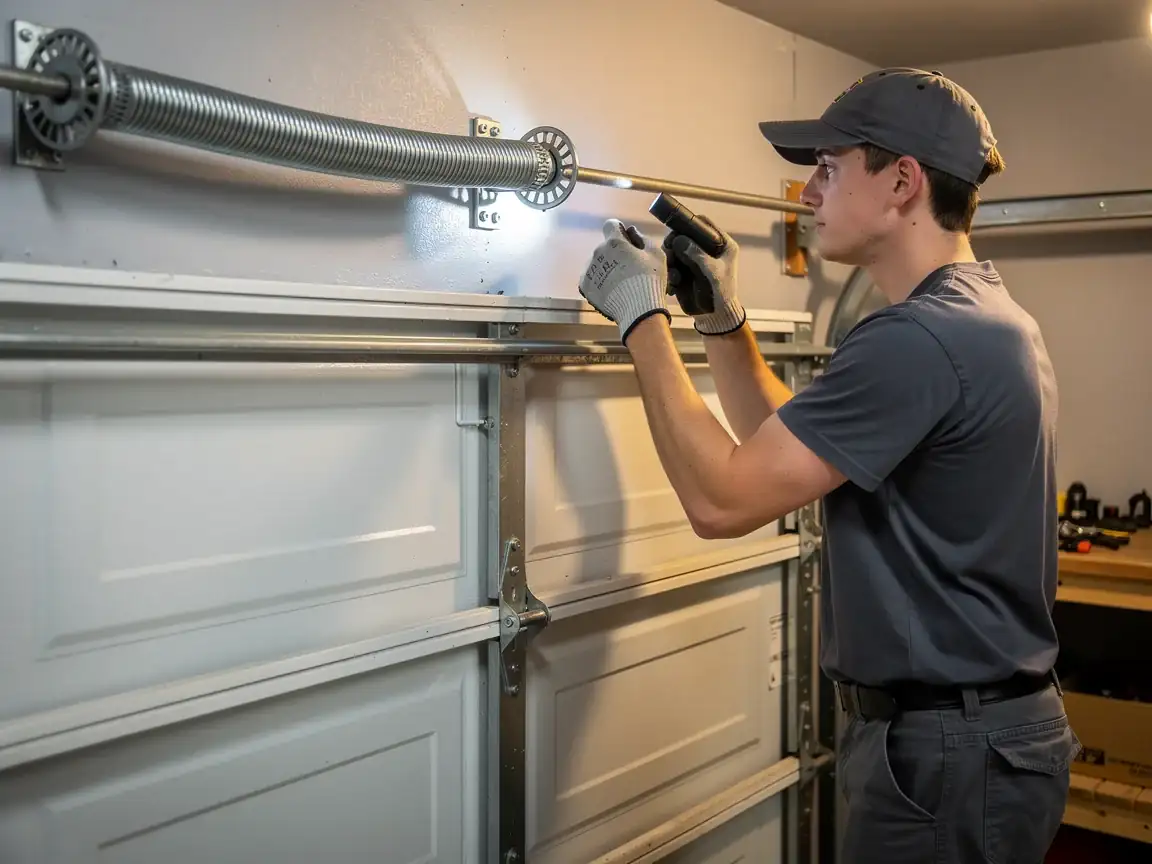
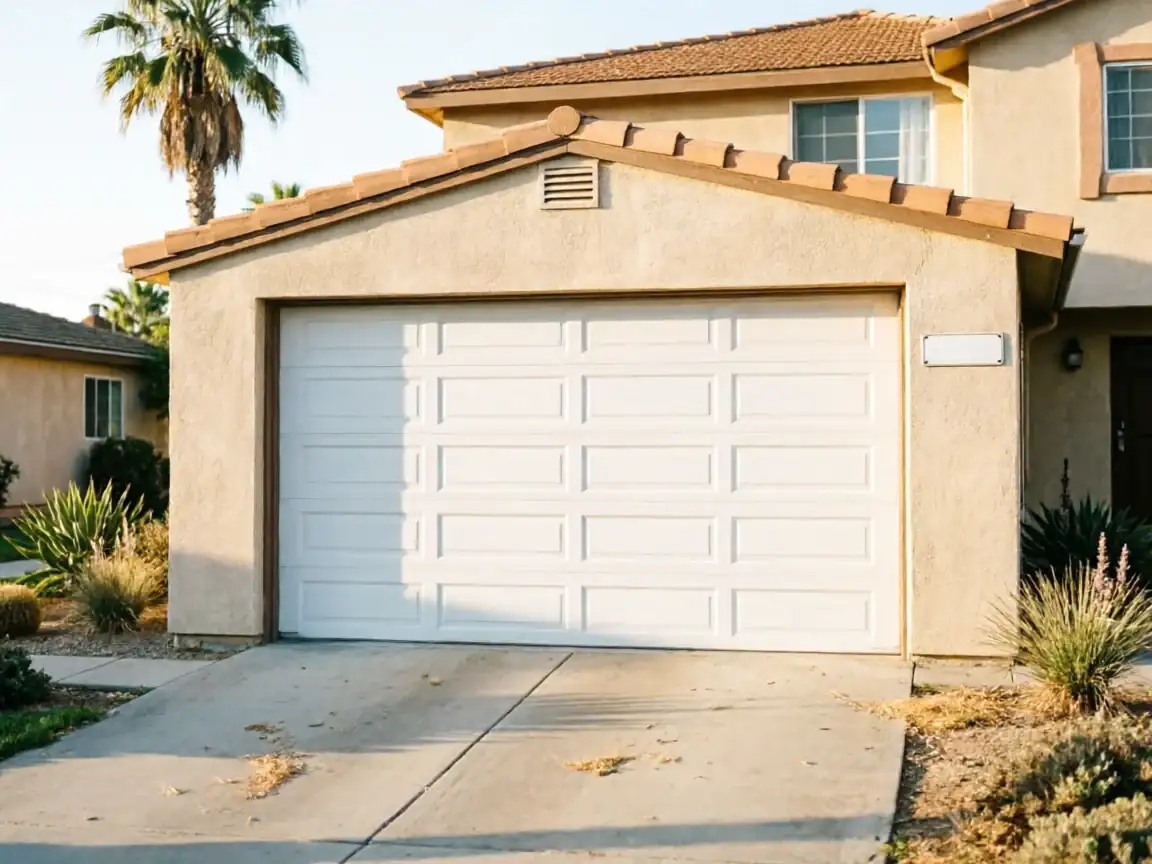
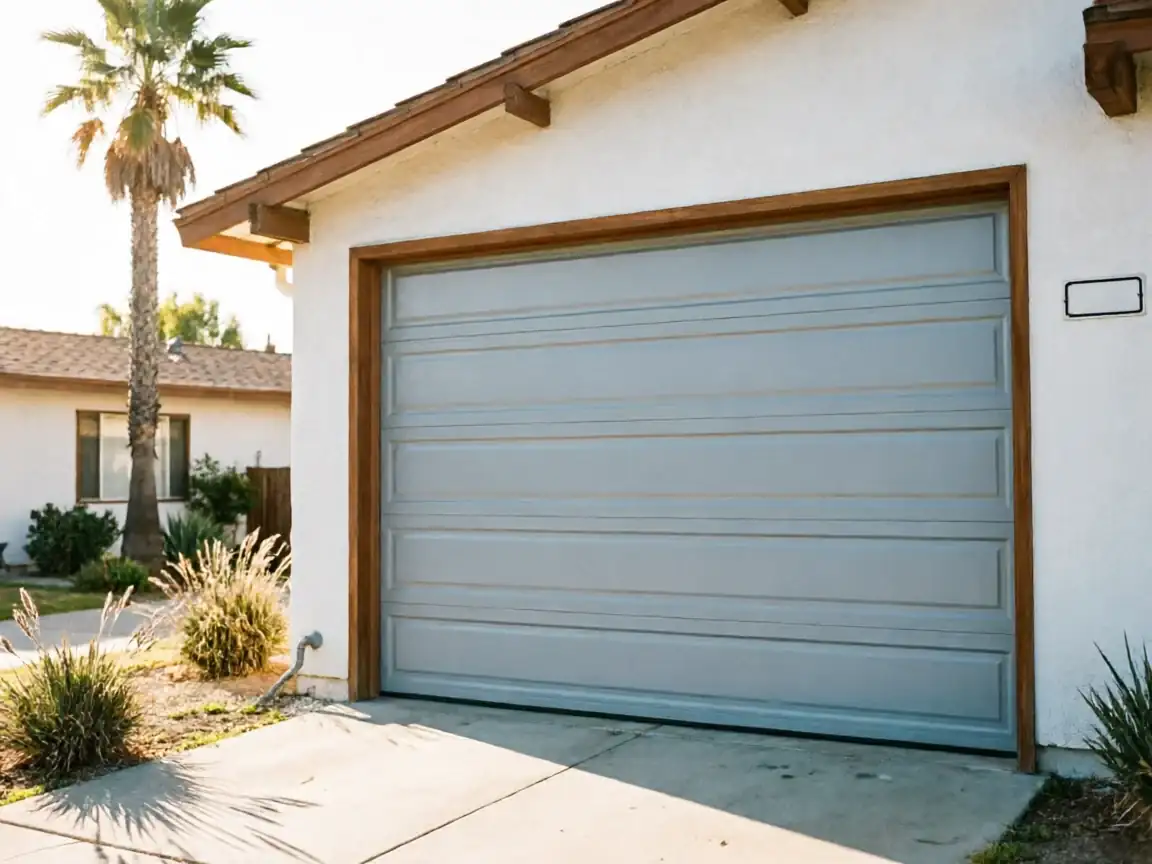
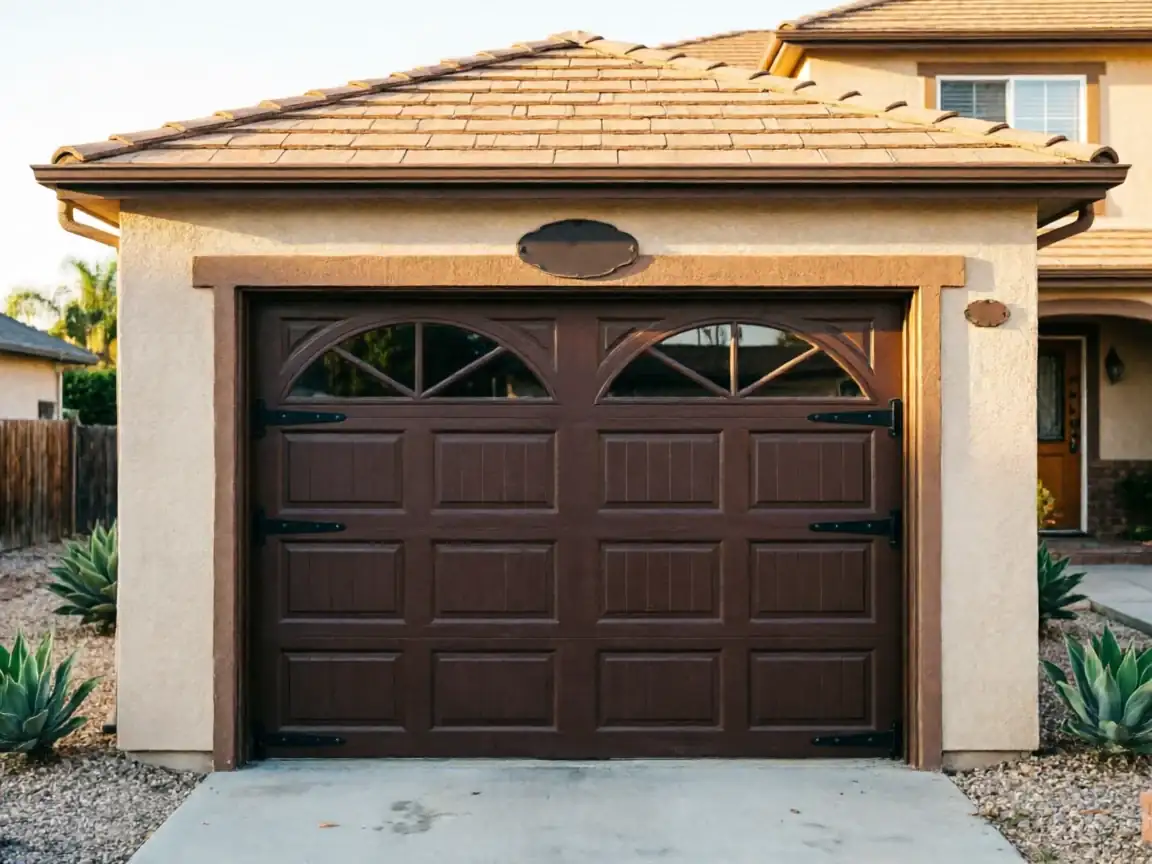
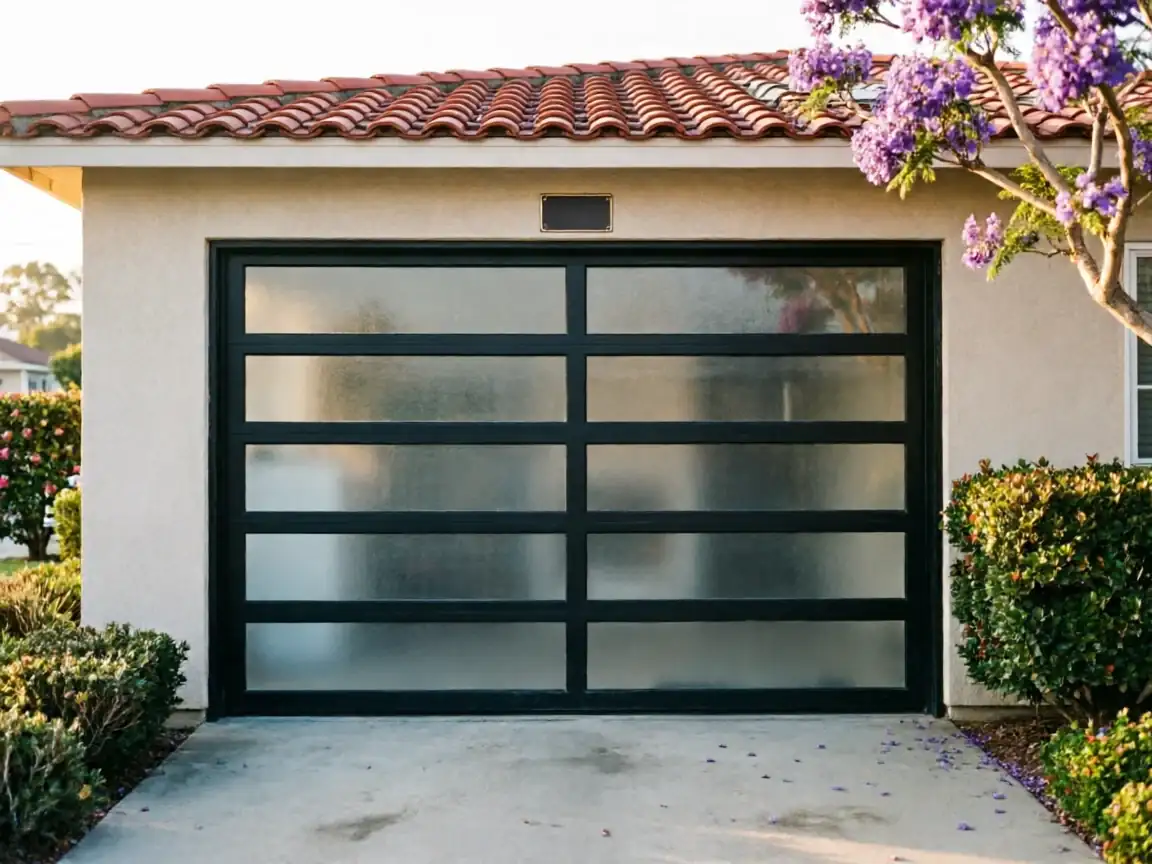
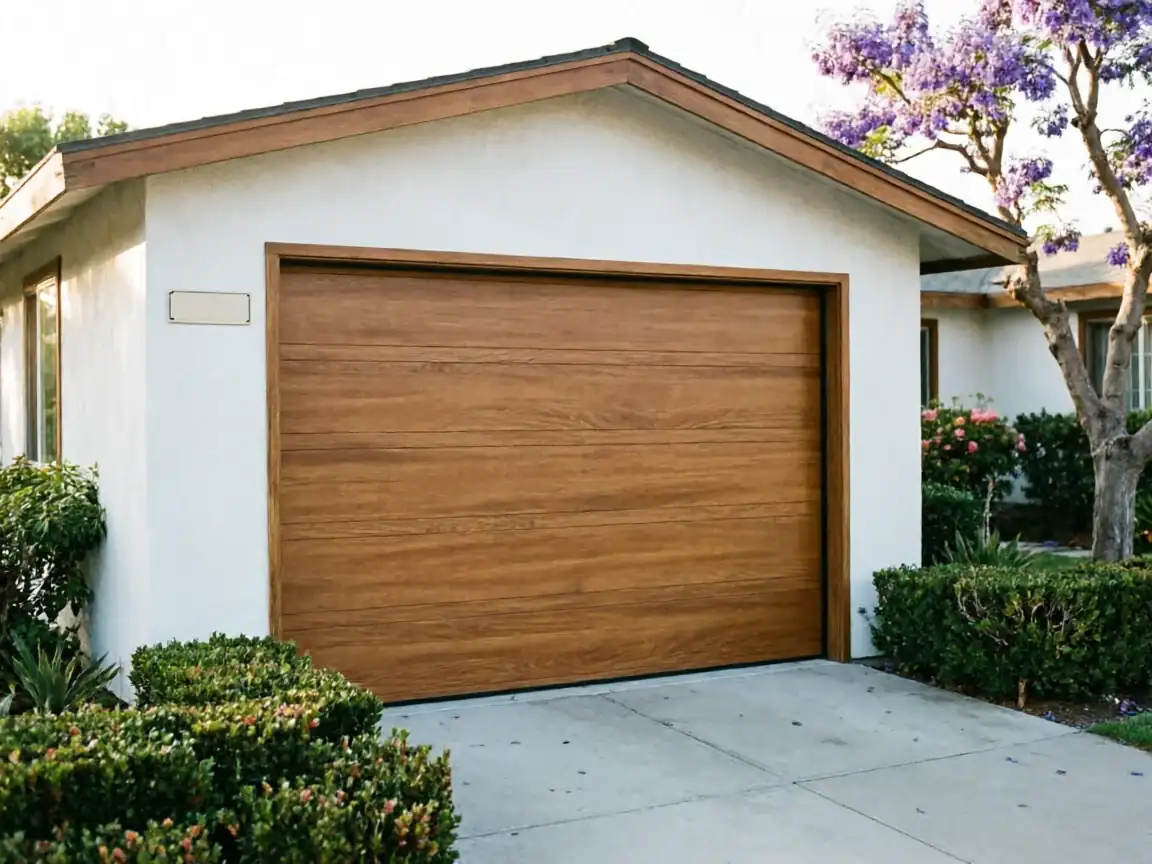
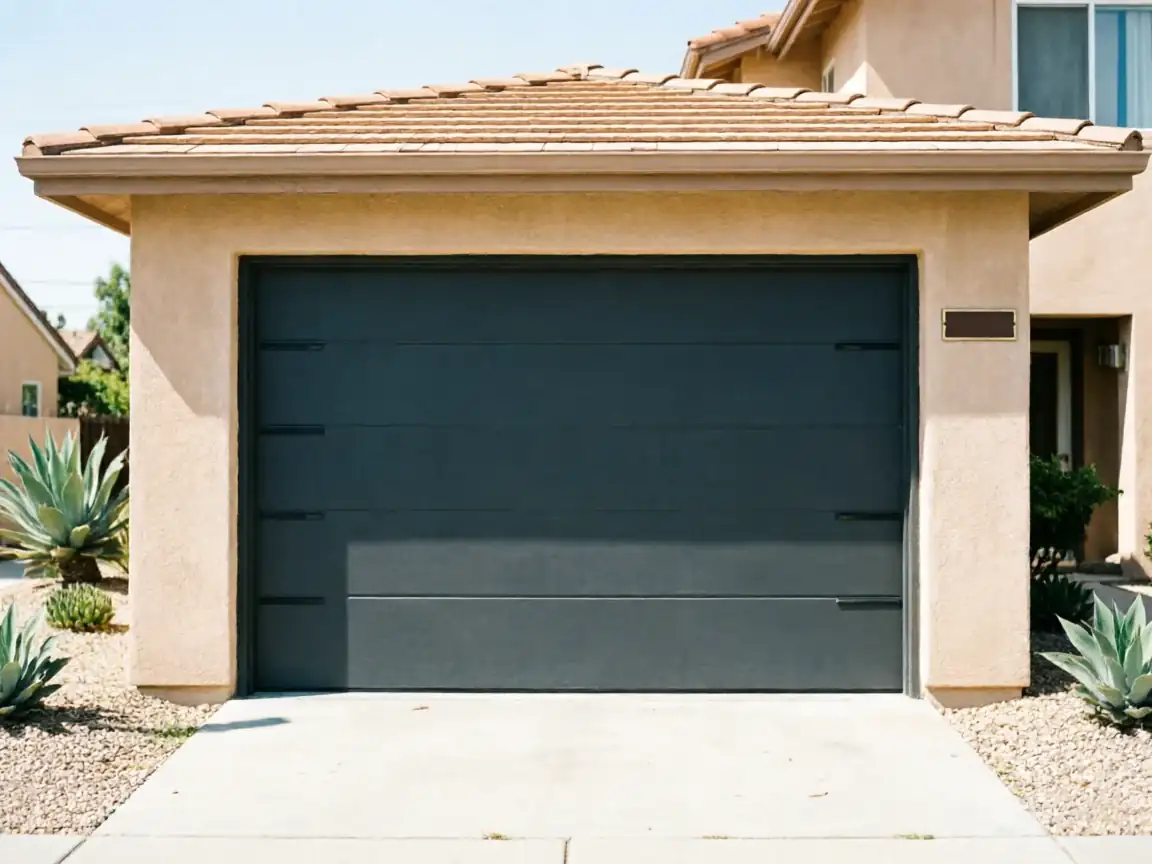
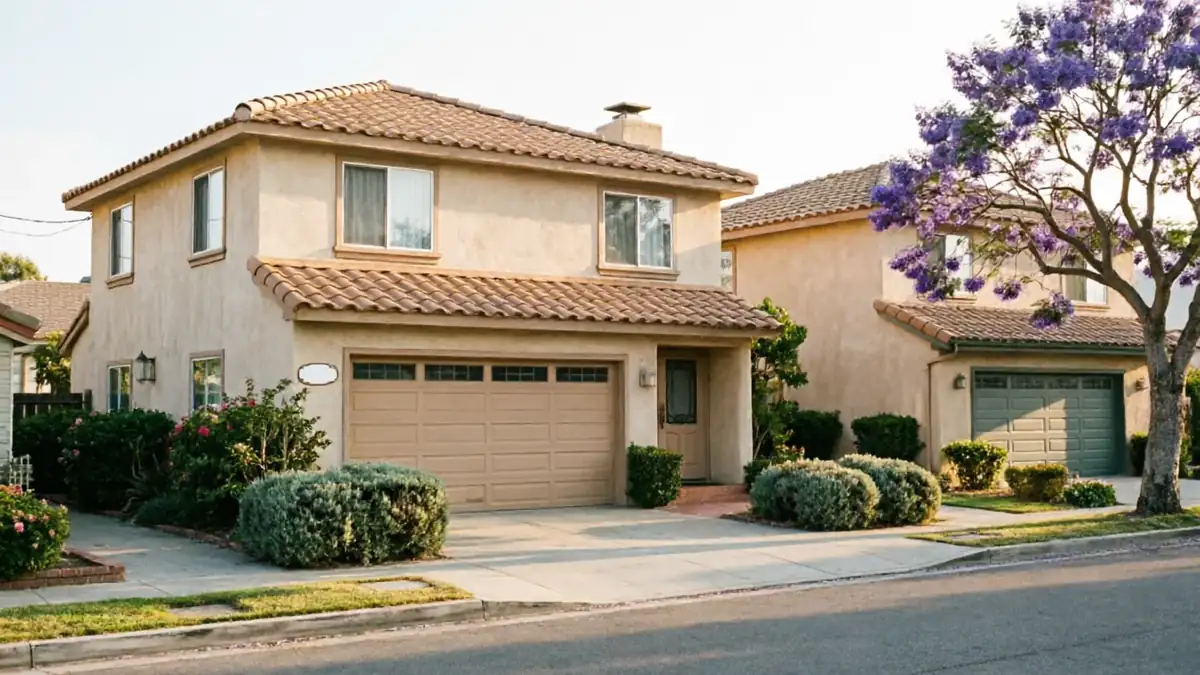
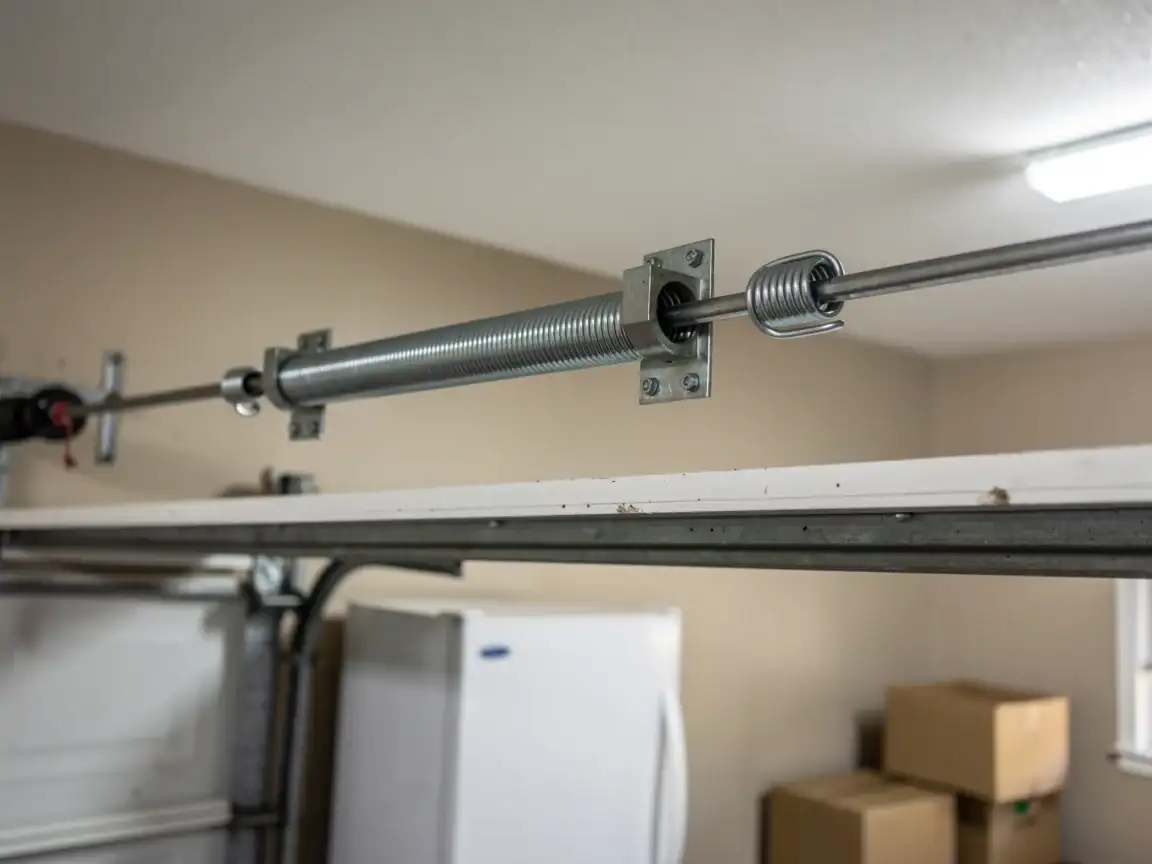
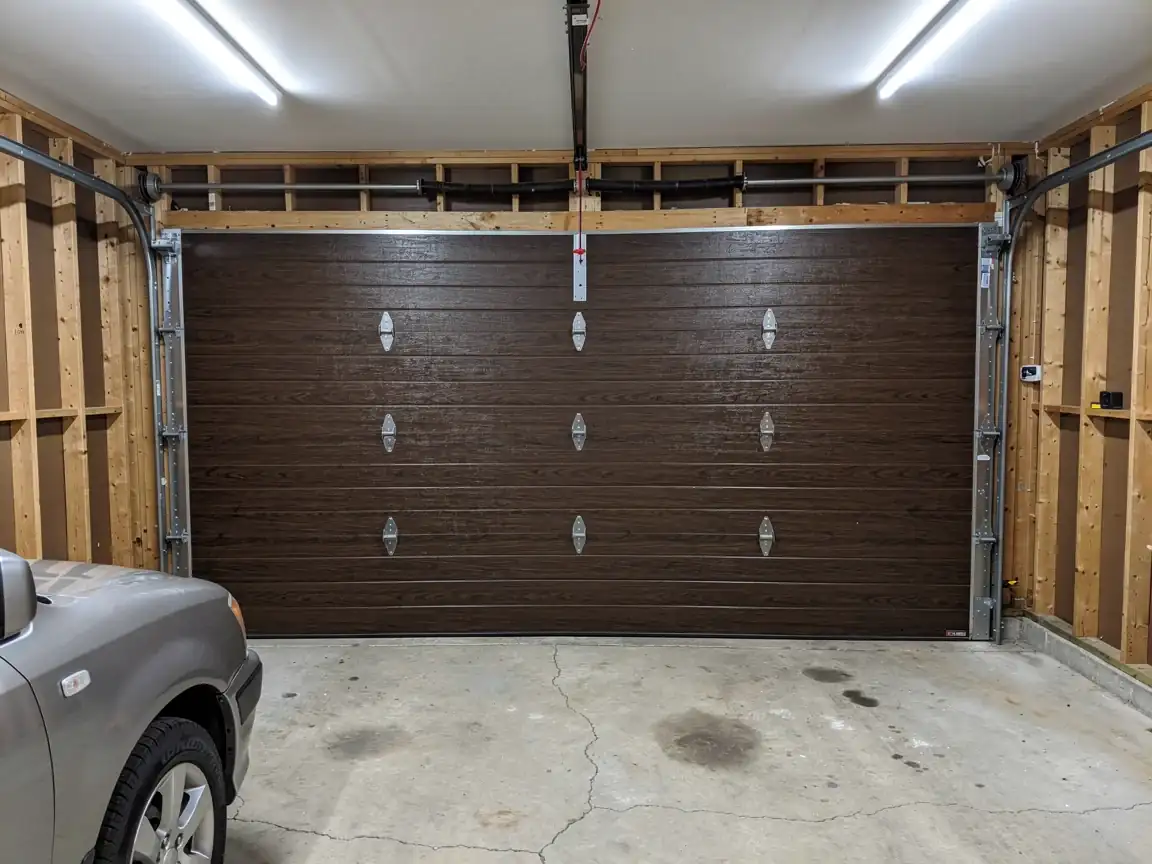
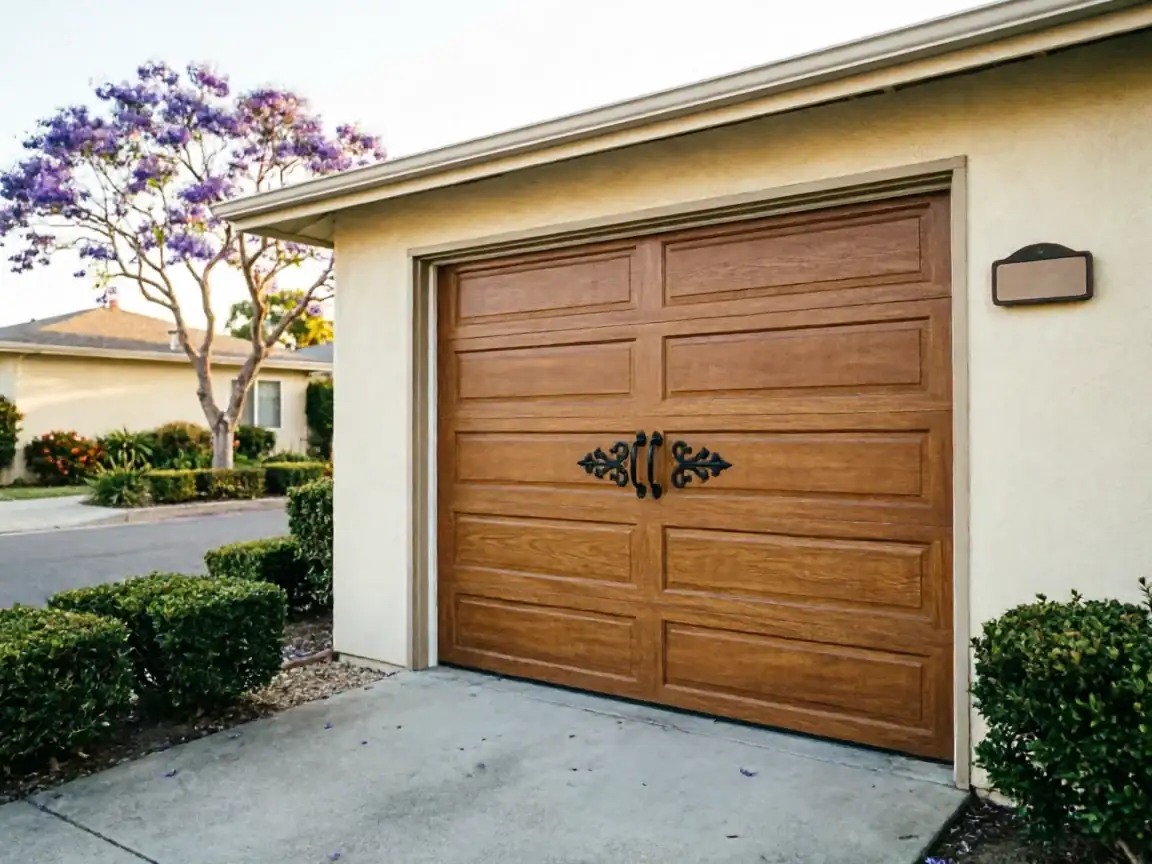
Topanga's housing stock centers on 1971, which puts most garage doors and the hardware behind them a decade or more newer than what you'd find on older streets closer to the coast. That matters because a 1971 door was likely built for an extension-spring setup or an early torsion conversion, not the heavier insulated panel sections that came later. If your door is original to the house, you're looking at single-layer steel or wood panels, lighter-gauge track, and openers that have probably already been swapped out once or twice since the Carter administration. The failure points on a door this age are usually the spring (if it's never been replaced, it's overdue) and the rollers, which on a 50-year timeline have long outlived their rated cycles. A newer door on the same street tells a different story - different alignment issues, different opener logic boards, different parts. We don't guess which one you have before we see it, but knowing the era narrows it fast.
Older vs Newer Streets
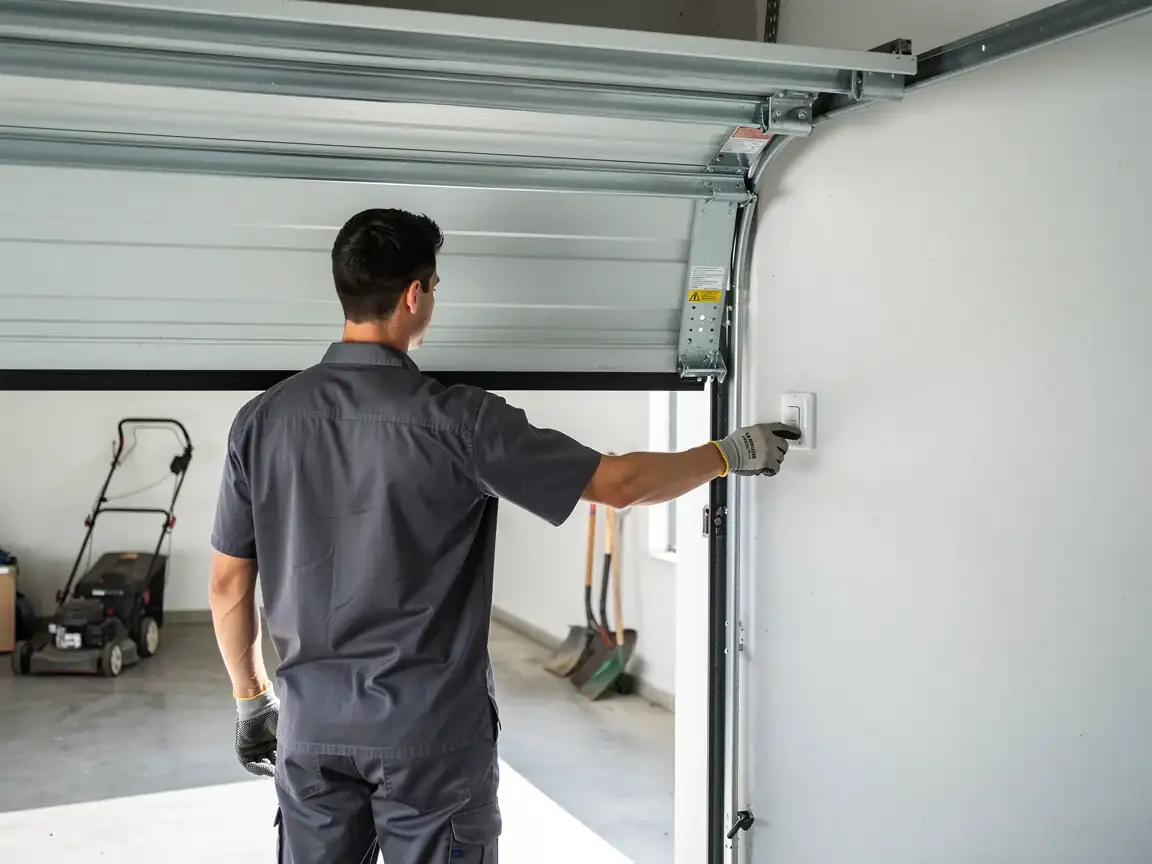
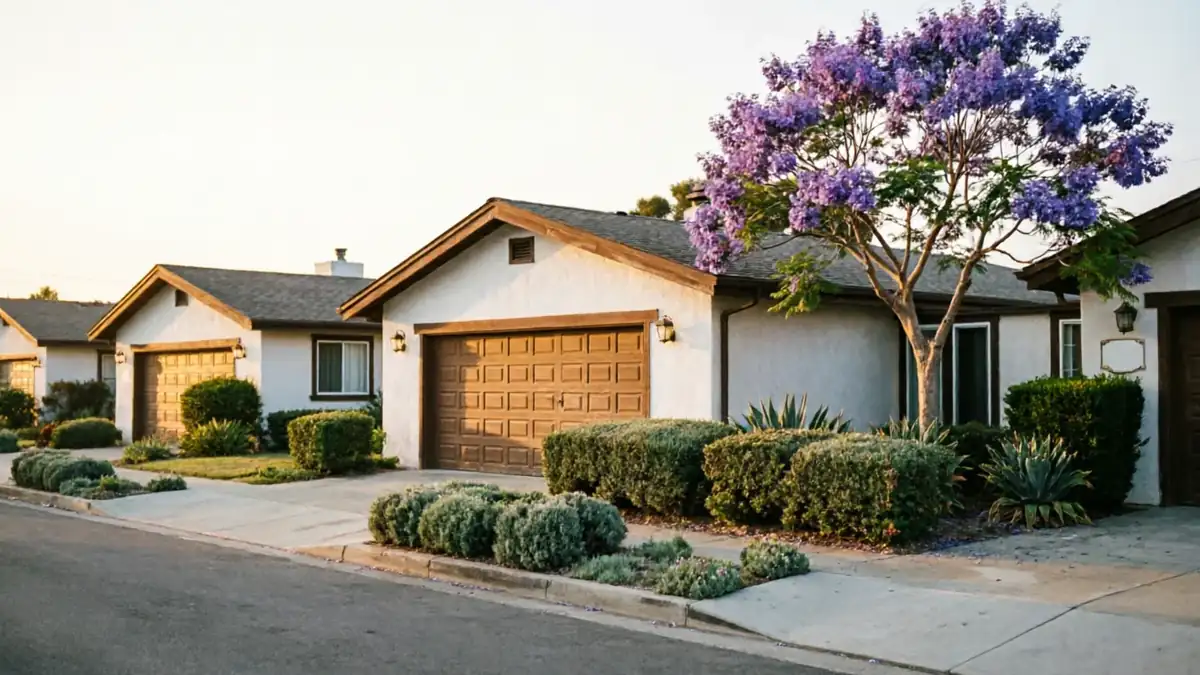
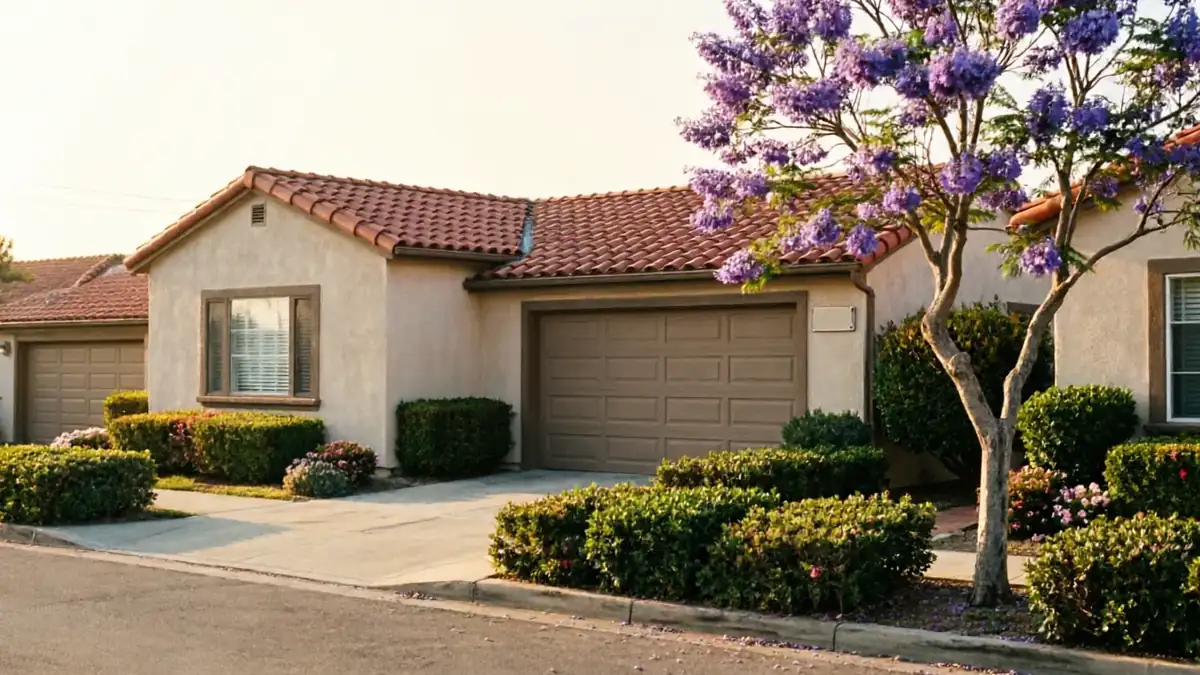
Not every block in Topanga was built in the same stretch. Streets that went up earlier tend to still carry the original torsion or extension spring setup, sometimes with the older-style side-mounted hardware that newer parts don't always match without an adapter bracket. Streets built later, closer to or after 1971, are more likely to have the torsion spring mounted over the header the way it's done now, which makes a straight swap easier and usually cheaper. The tell is often the opener: a chain-drive unit bolted to a garage with visibly aged paint and manual locks on the door usually means older hardware underneath, while a quieter belt-drive opener on a door with foam-backed panels usually means it's already been replaced once. We check both when we're out there - what's original and what's been swapped - before we quote anything, because replacing one part to match hardware that's already mismatched is a bad use of your money.
The Drive Over
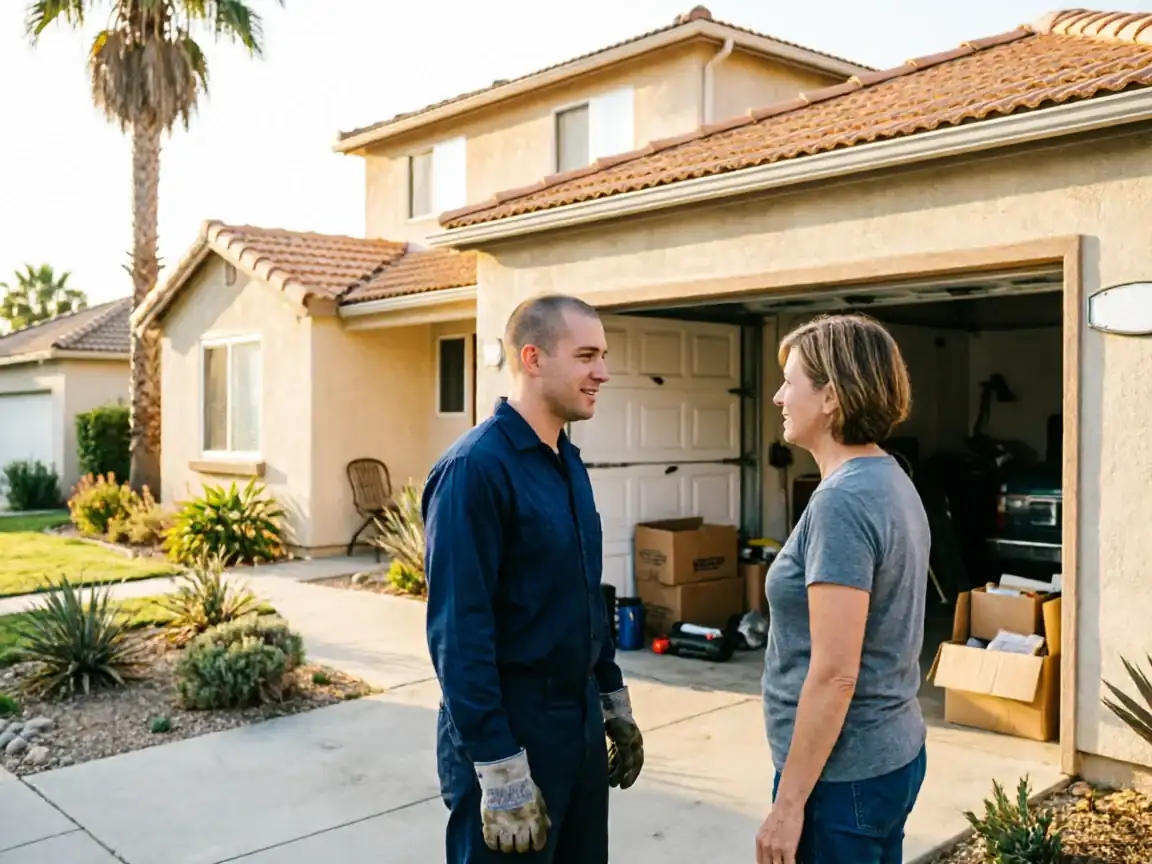
We come out to Topanga from Hermosa Beach, which is about 19 miles. That's not a trip we make on a whim, so we schedule the visit to get it right the first time - which means asking what's wrong with the door before we head out, and if it sounds like a part we'd need to special-order, saying so up front rather than making two trips. We don't keep a depot or inventory sitting in Topanga; what's on the truck is what's on the truck. For most spring, roller, and opener jobs that's enough. For an odd-sized panel or a legacy wood door nobody makes parts for anymore, we'll tell you that before we drive out, not after.