Where People Go Wrong
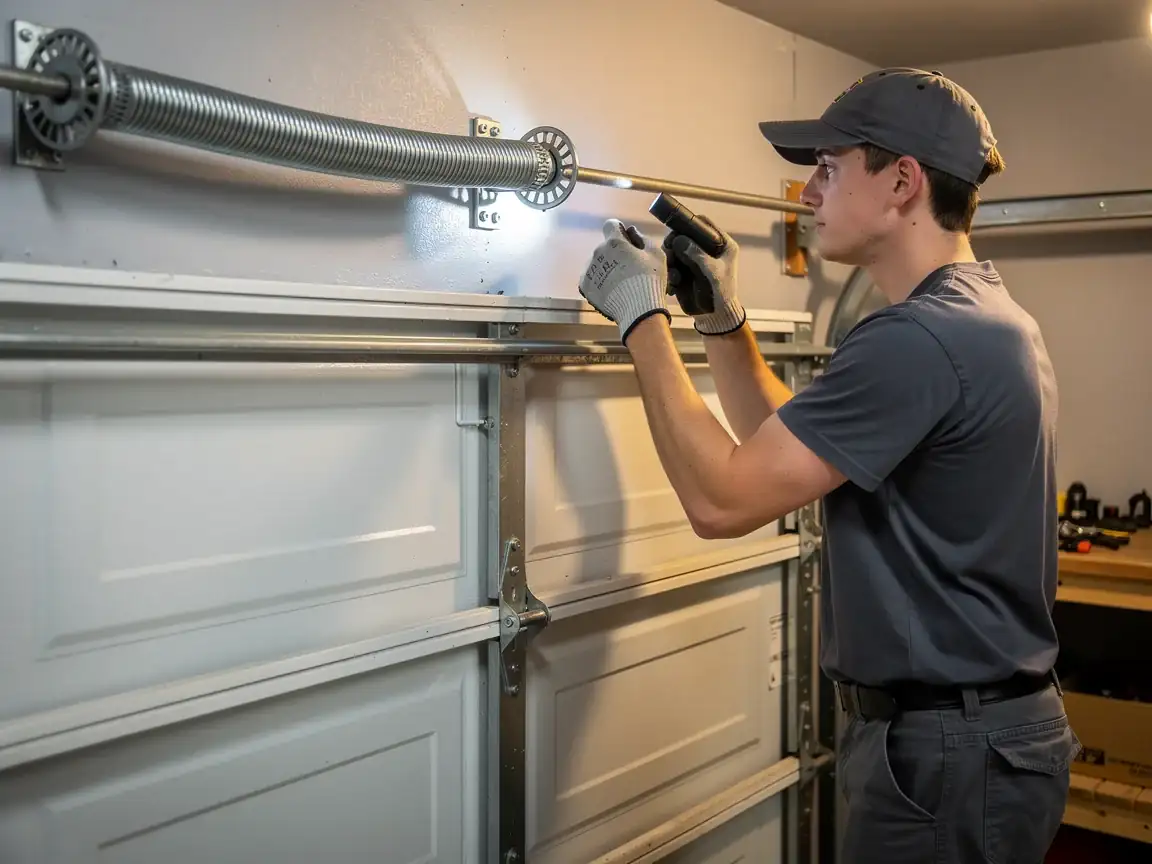
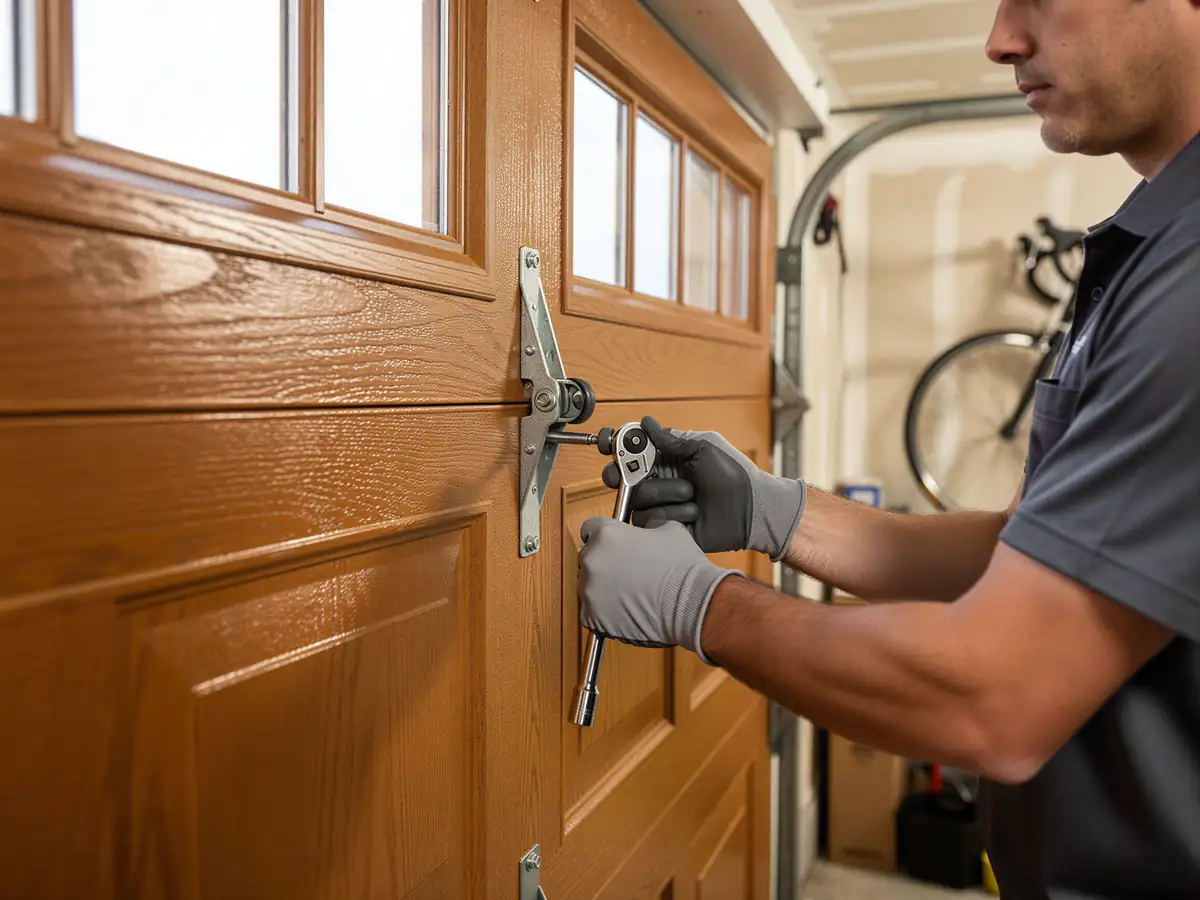
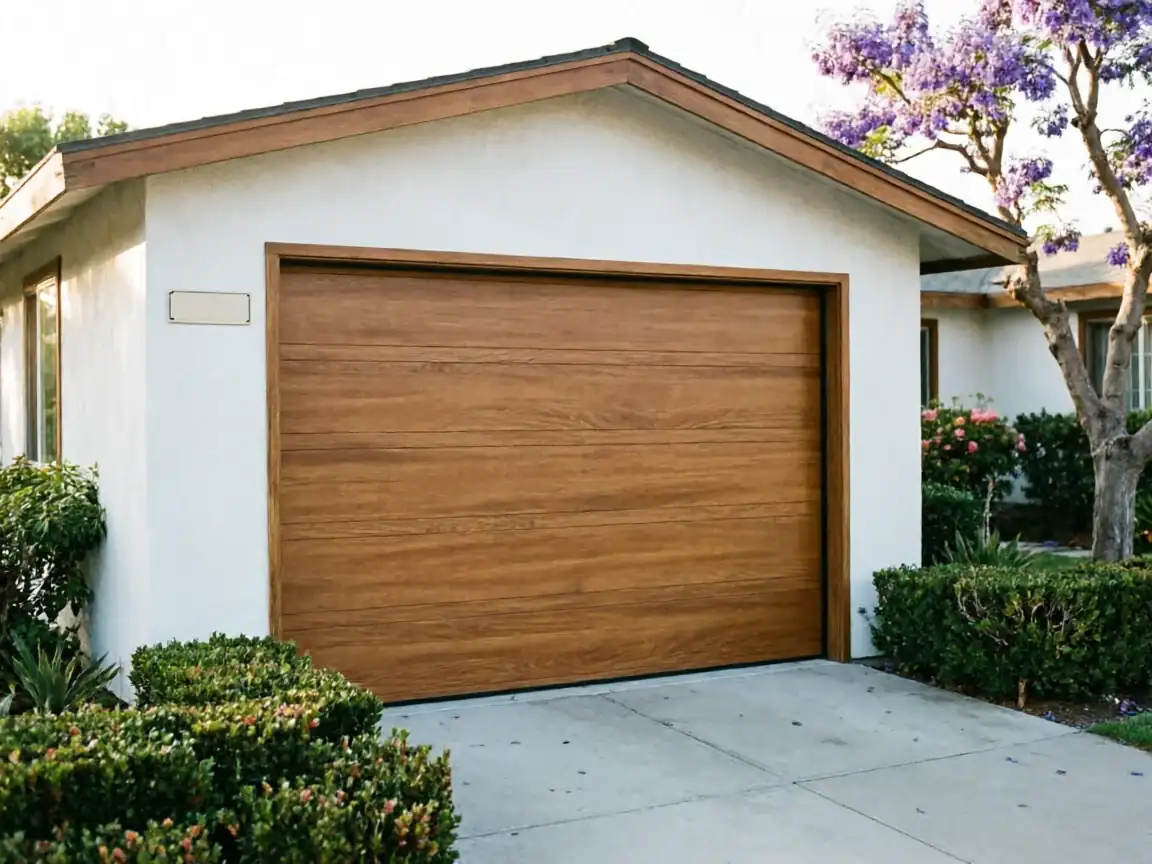
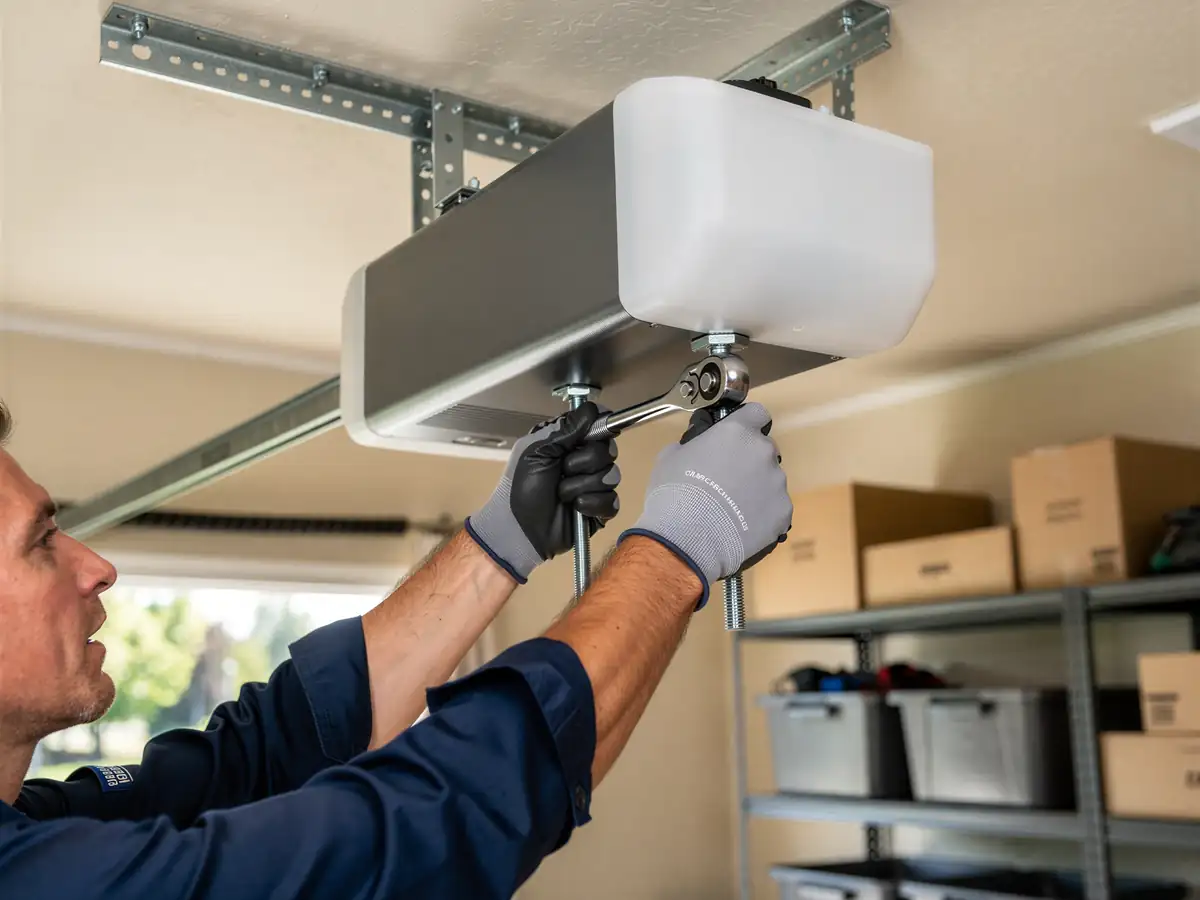
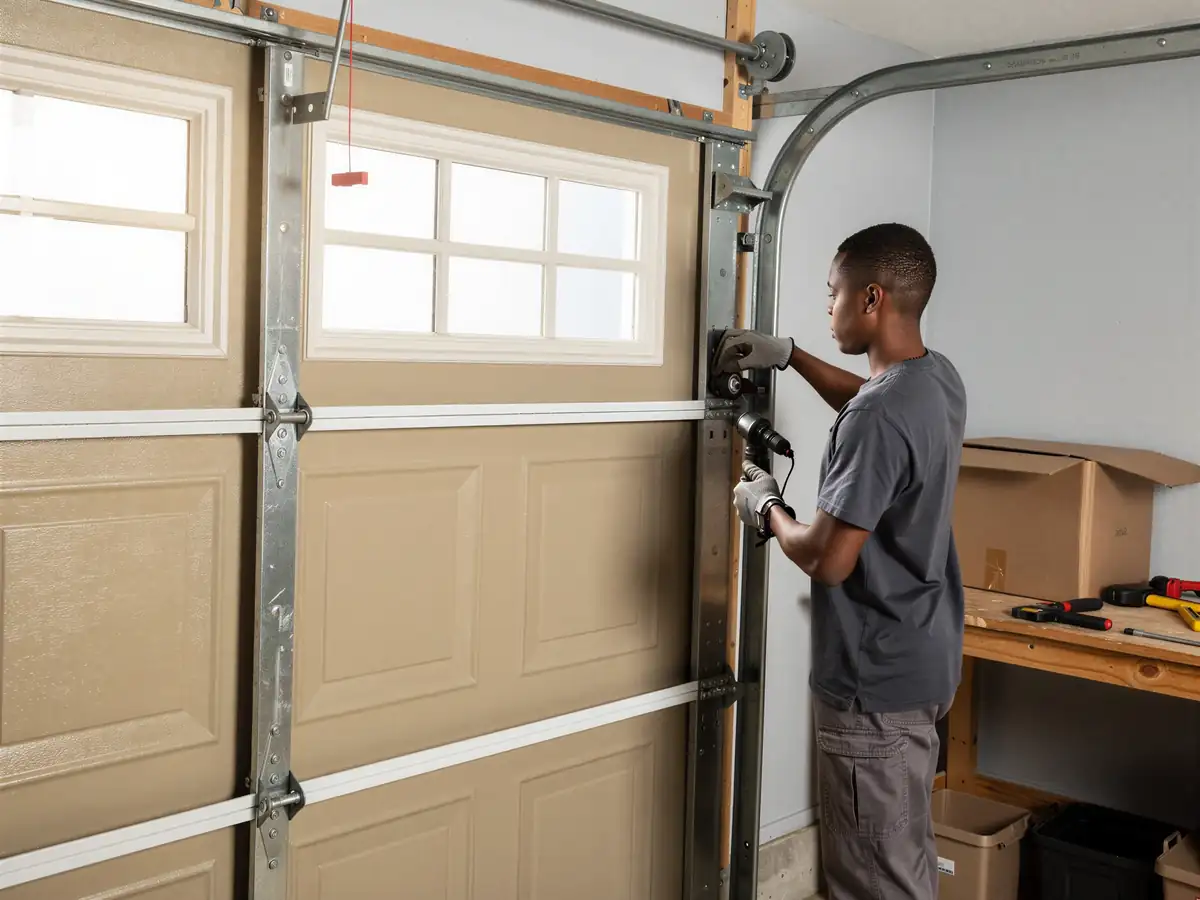
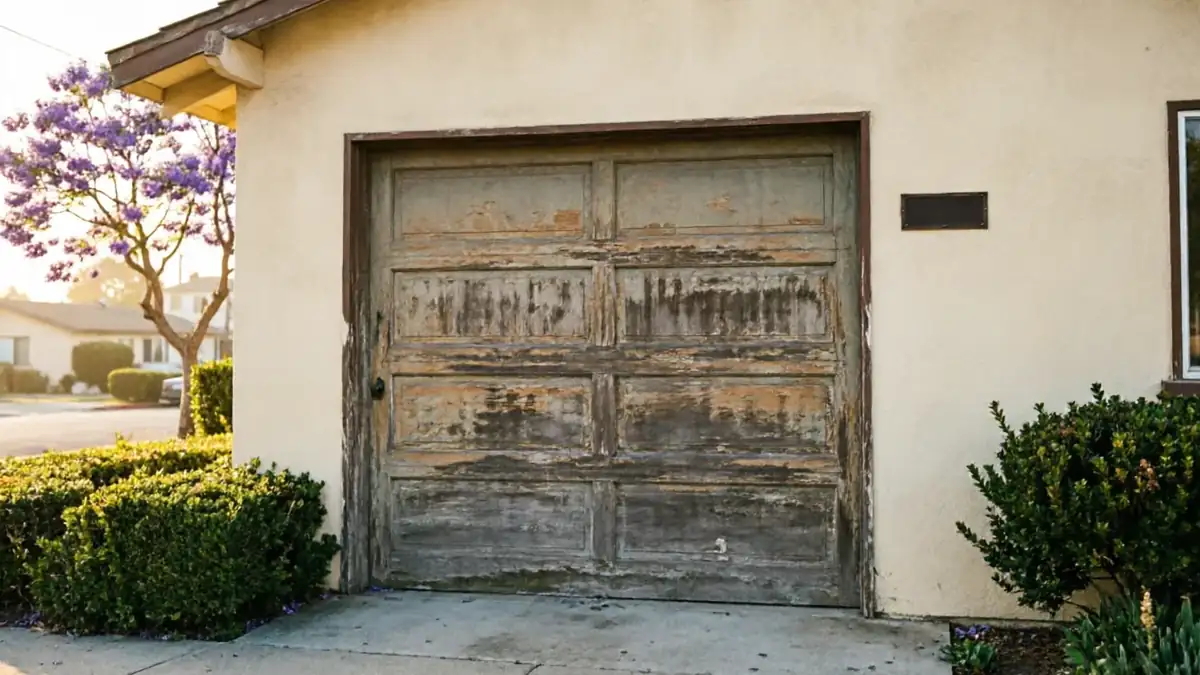
The mistake we see most in this part of the South Bay is treating a 1960s door like it's the same animal as a door built in 2015. It isn't. Housing across this service area runs from 1947 to 2012, with the median landing around 1963, and most of what's actually on the ground is 1960s-70s stock. That means a lot of original hardware: single-layer steel sections, older roller tracks, torsion springs sized for assemblies that were never retrofitted for insulation. People call wanting a quick fix on a door that's structurally fine but mechanically tired, and other times people want to replace a door that only needed a spring and a tune-up. Both calls go sideways if nobody looks at the actual age of the panel versus the age of the opener versus the age of the track. They're often not the same vintage - a door gets a new opener bolted onto 1960s track more often than you'd think. The fix depends on which part failed, not on a blanket rule about how old is too old.
The Situation
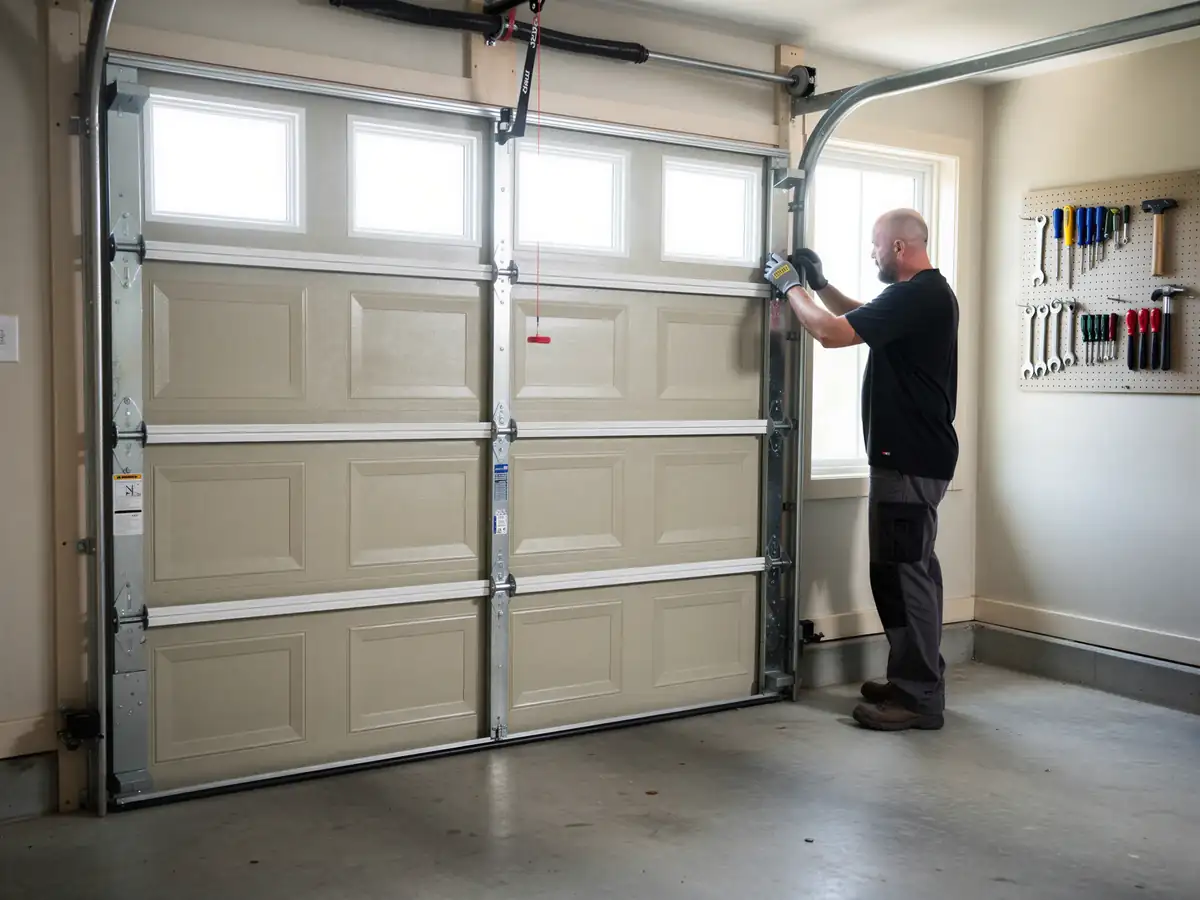
Household income across the service area sits at a median of $100,007, and most owners here are weighing a repair bill against a replacement bill with real numbers in mind, not just gut feel. On a door that traces back to that 1963 median build year, the math usually comes down to this: if the spring, cable, or opener failed but the panel sections are straight and the track is square, fixing it almost always makes sense. If the panel itself is dented, delaminating, or the track has been bent and straightened more than once, you're paying labor twice - once now, once again in a year or two. We don't push replacement on a door that still has life in it. We also won't talk you into a third repair on a frame that's had two.
What Local Conditions Do
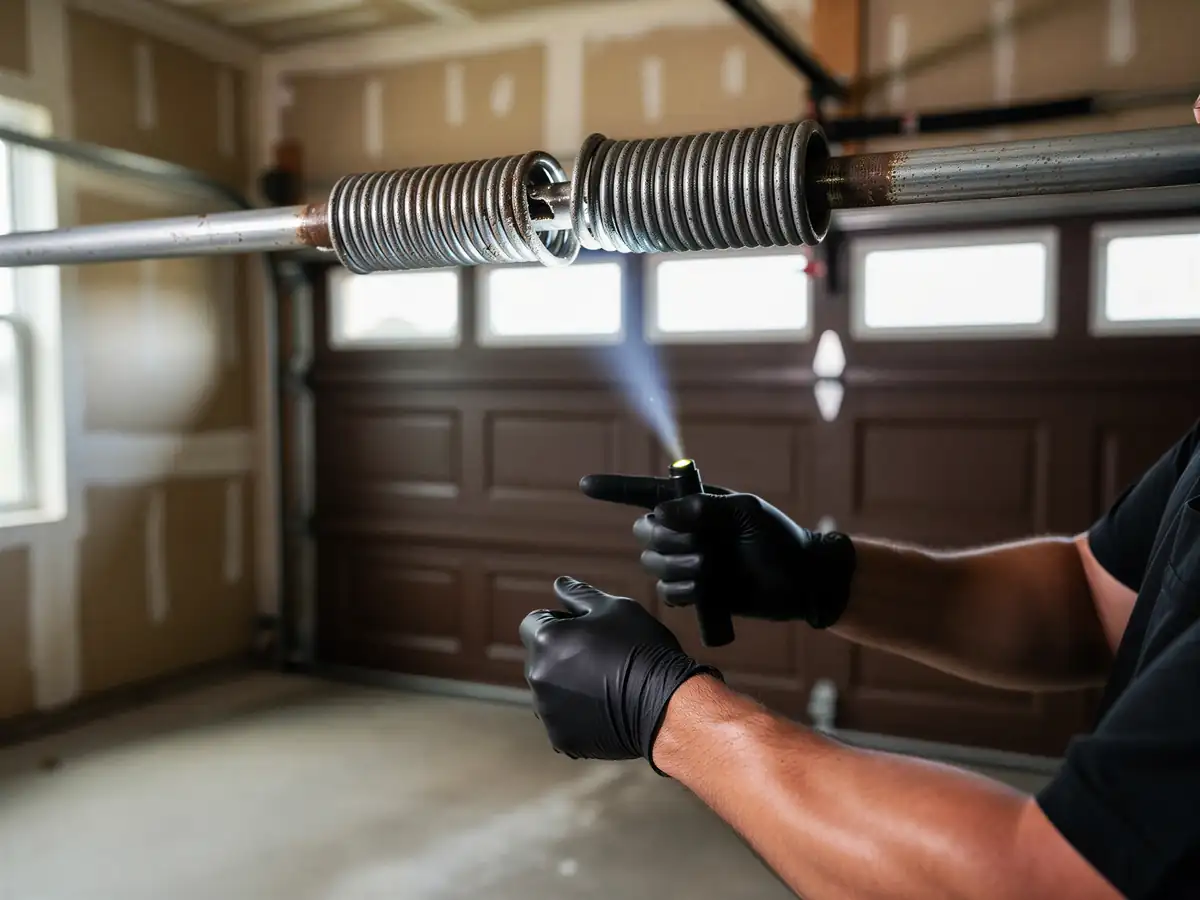
The mild coastal climate means the garage door itself rarely fails from heat or cold the way it would somewhere with real seasonal swing. What it does instead is let corrosion work quietly on hardware for decades without anything dramatic forcing a repair call. Combine that with the age profile here - built between 1947 and 2012, median 1963, bulk of it 1960s-70s - and you get a specific failure pattern: springs and cables that outlast their rated cycles because nothing stressed them hard, right up until they don't. Honest limitation: we can tell you what's worth fixing once we've seen the actual hardware, but we can't quote a repair over the phone on a door we haven't opened up. Too much variation house to house, even within the same few blocks and the same build decade, to guess.