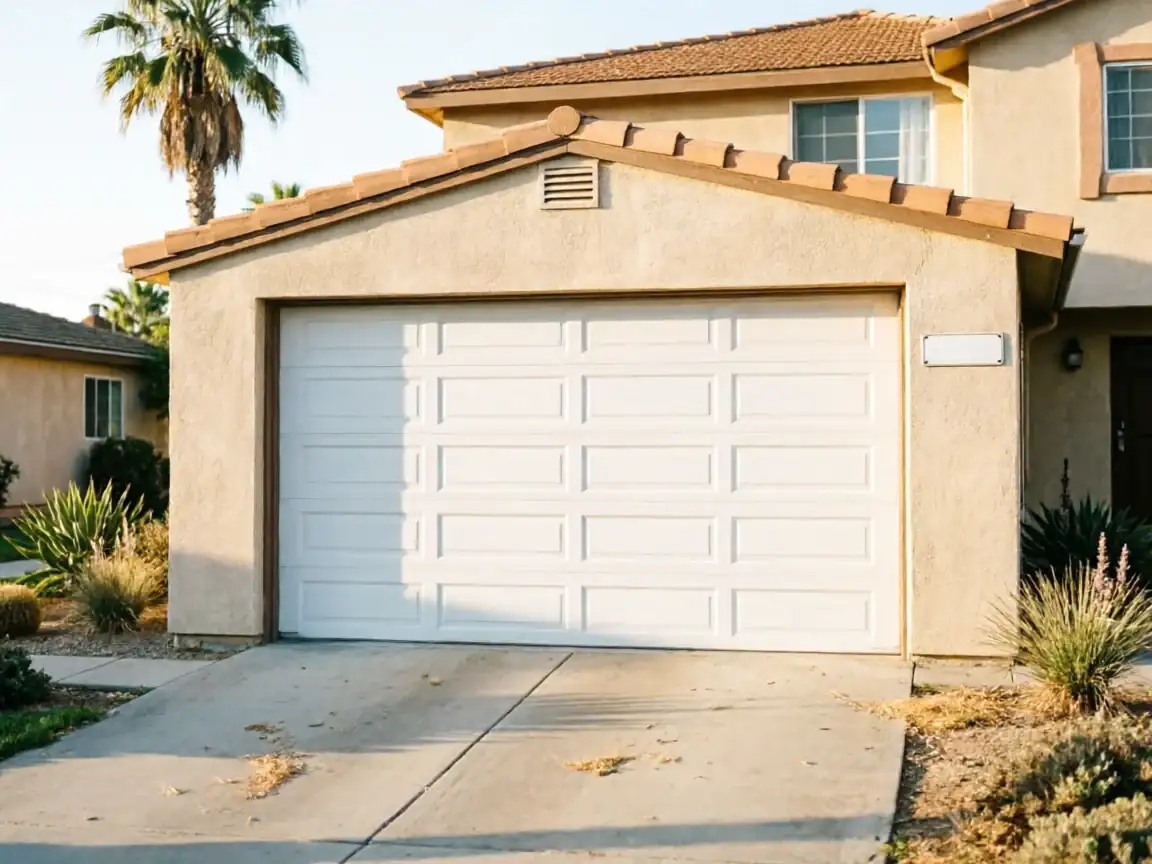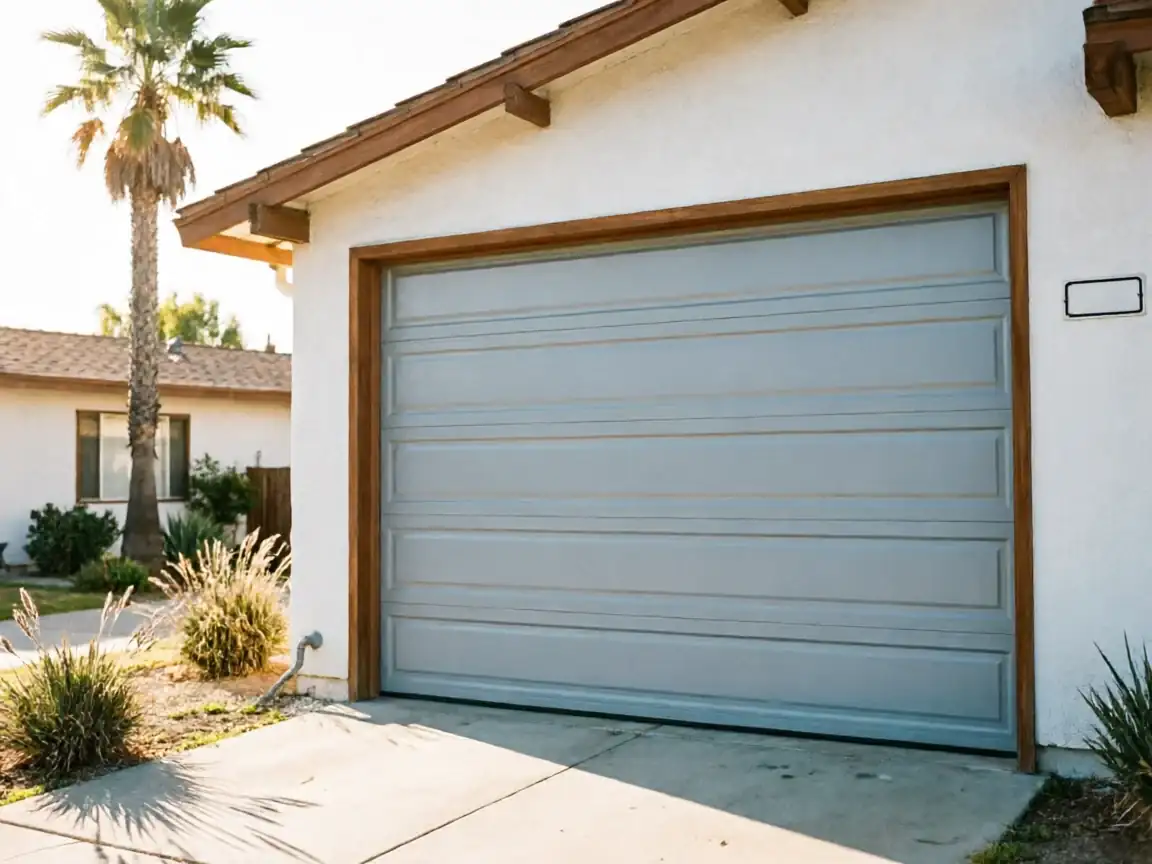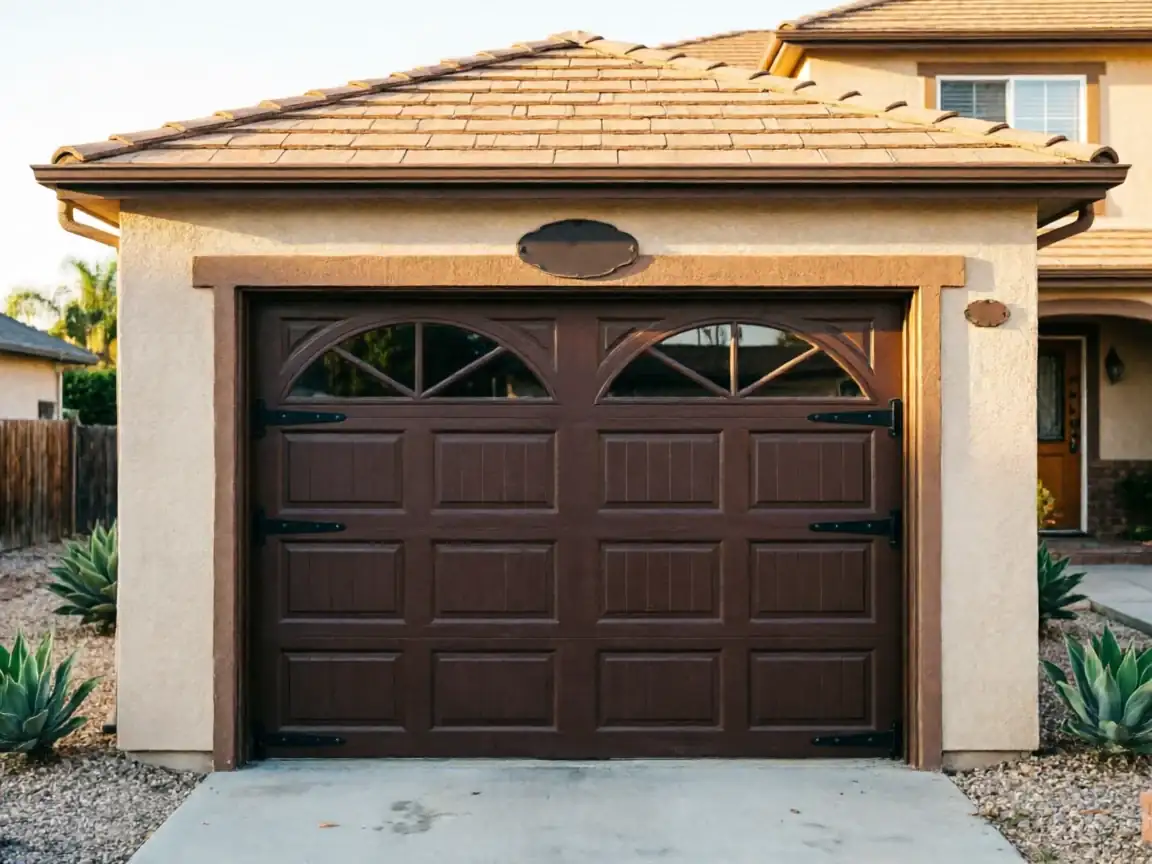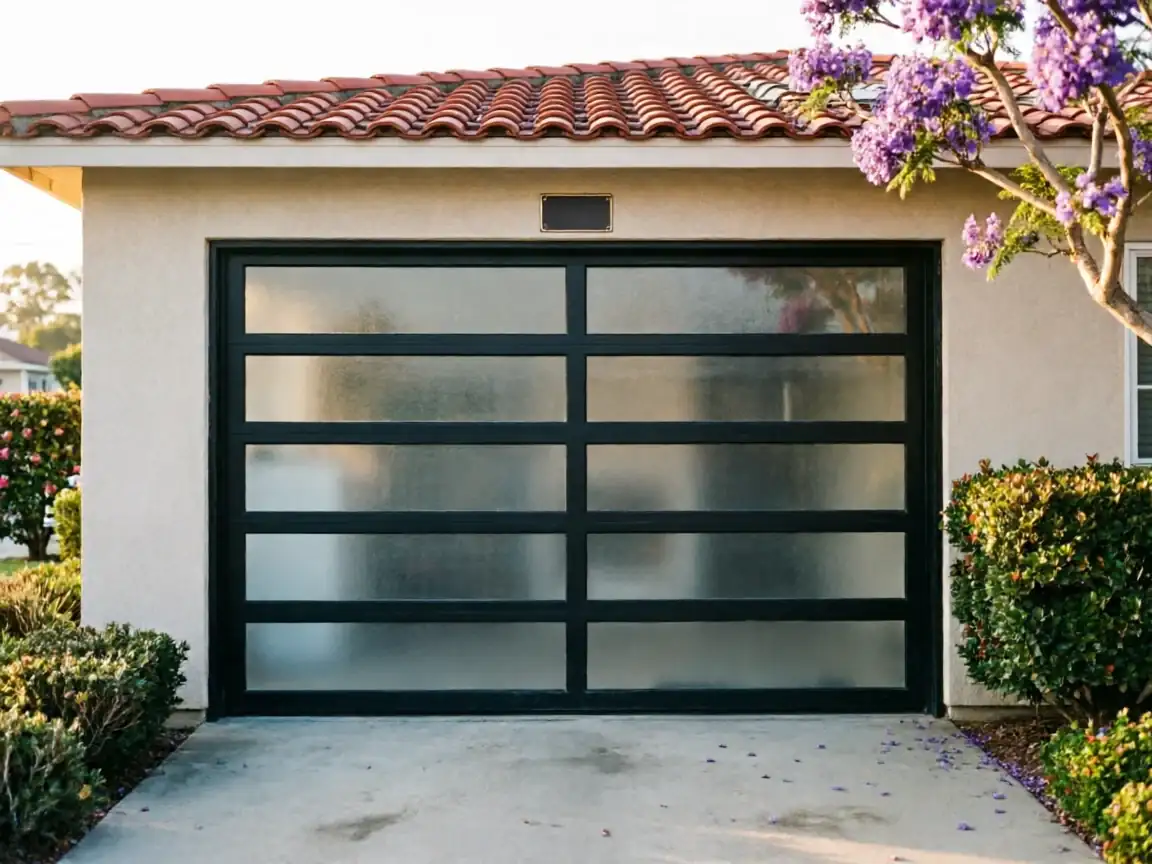
What You Are Seeing
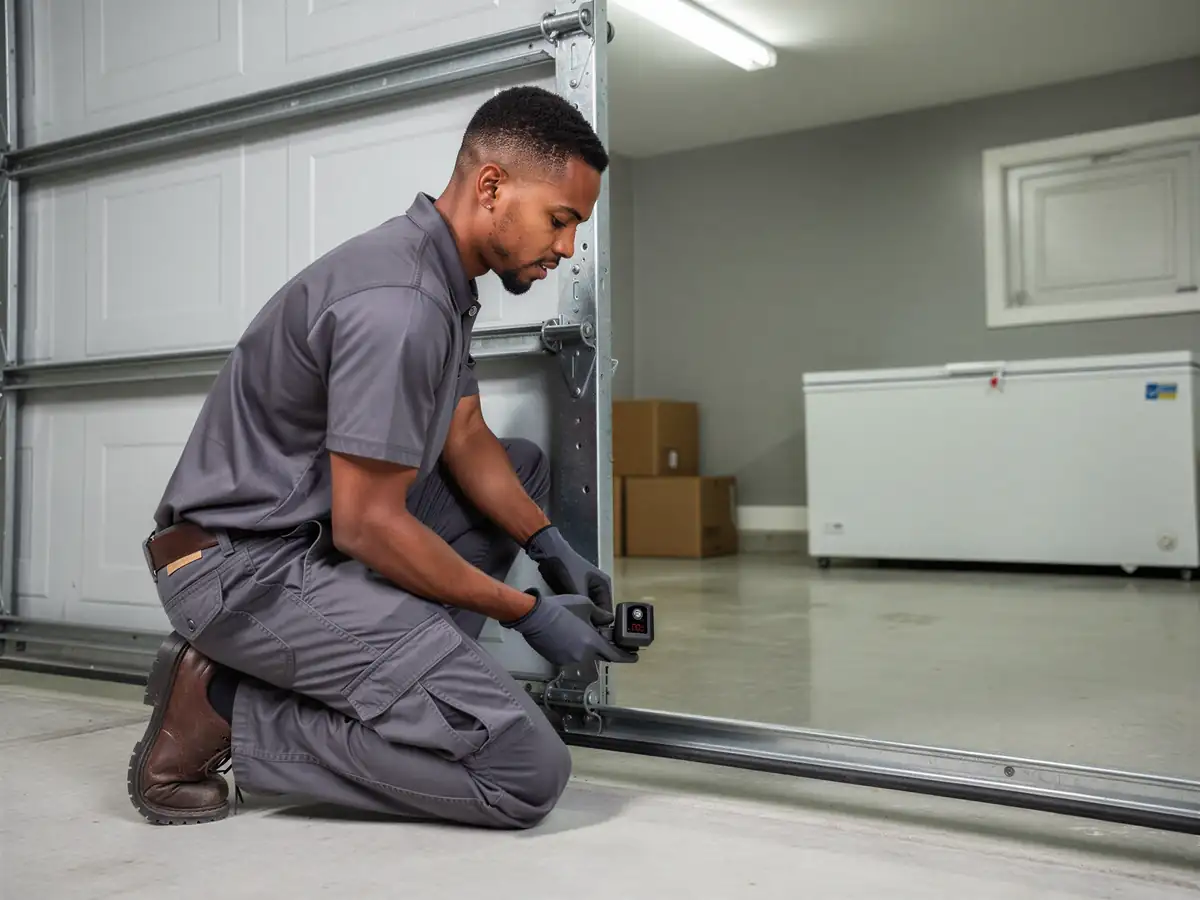
A door off track usually shows up one of two ways: the panel sits crooked in the opening, tilted at one corner, or it's jammed halfway and won't move in either direction. Sometimes you'll hear a bang before it happens - a roller popping out of the track, or a cable going slack. Other times it's gradual, a door that's been rubbing against the track edge for weeks before it finally jumps.
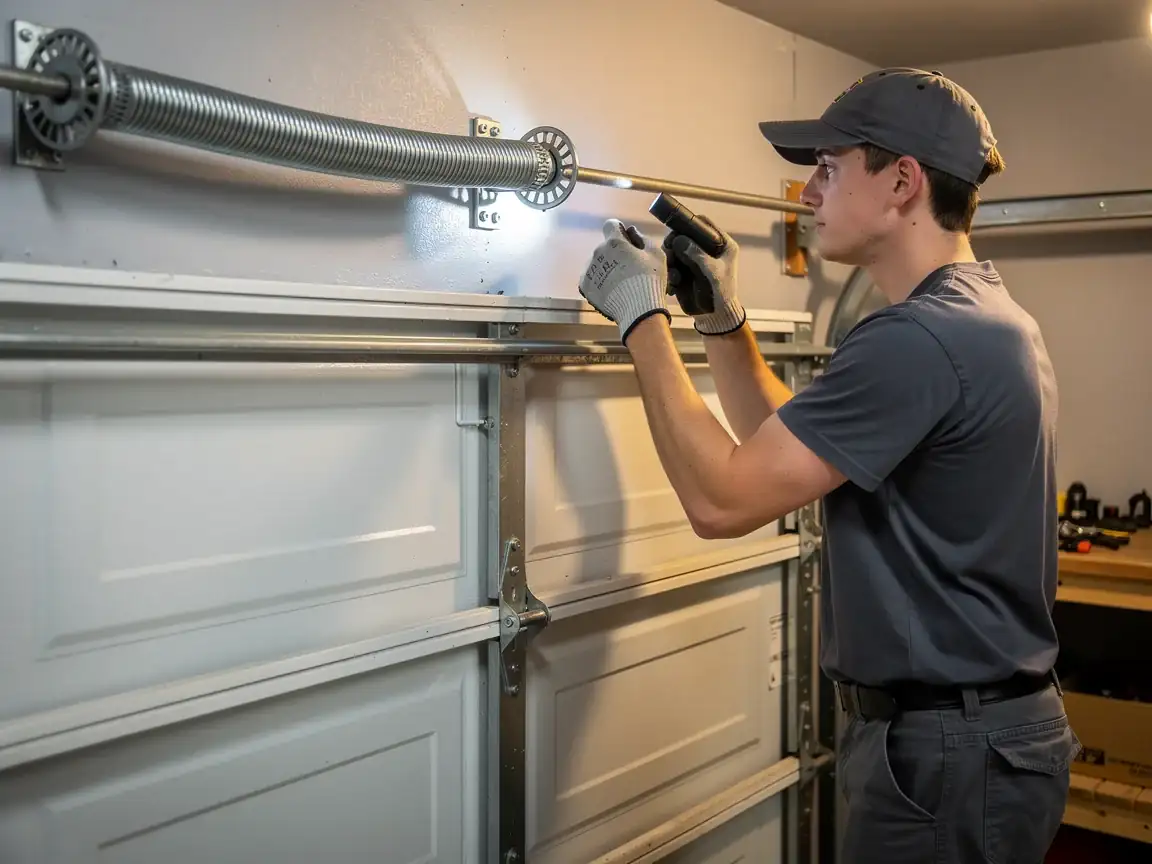
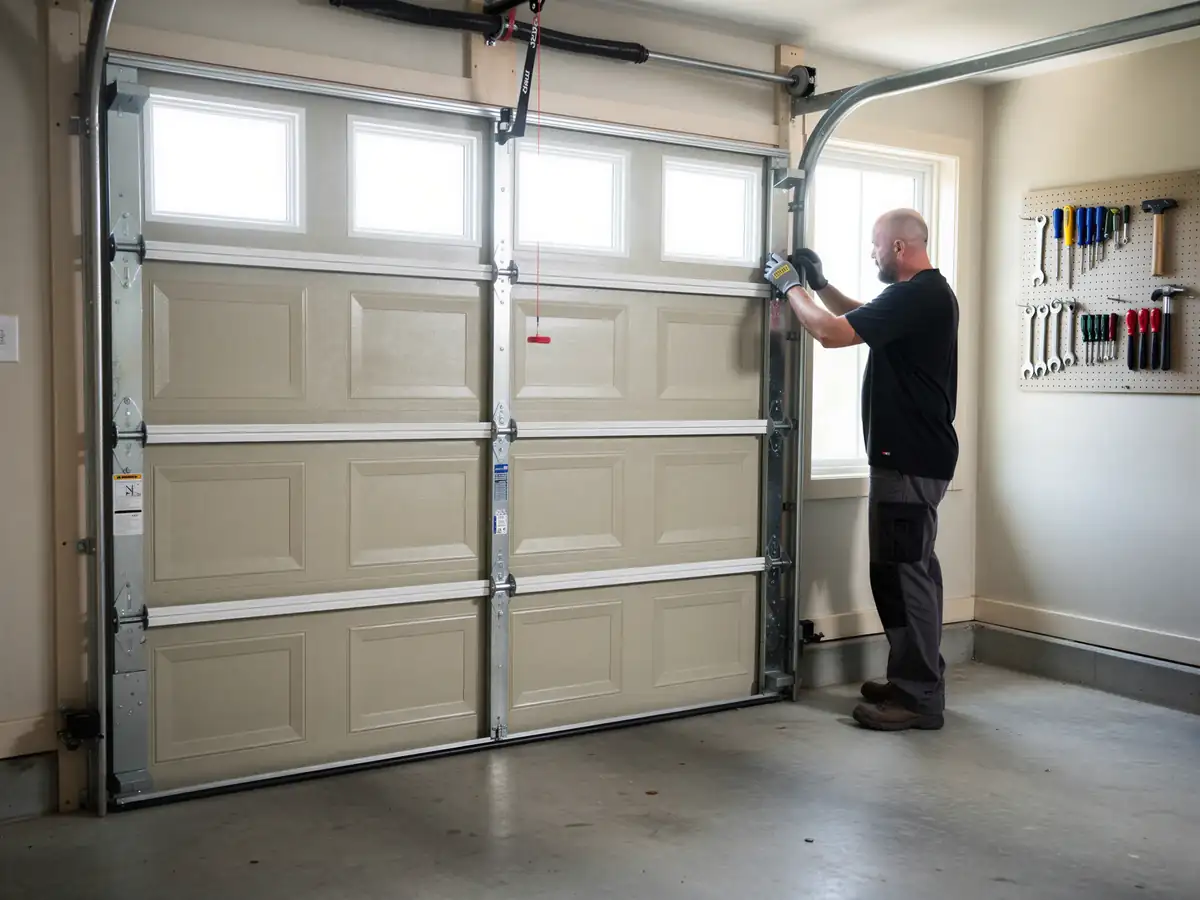
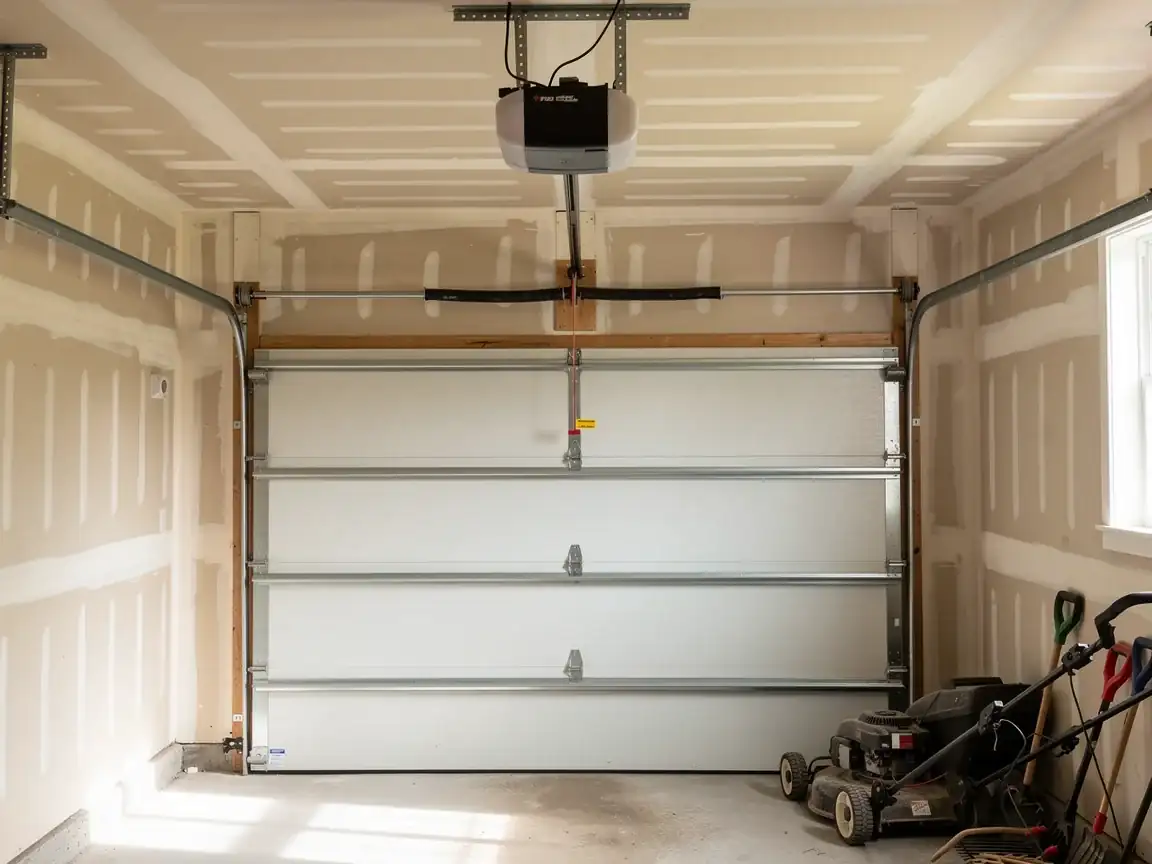
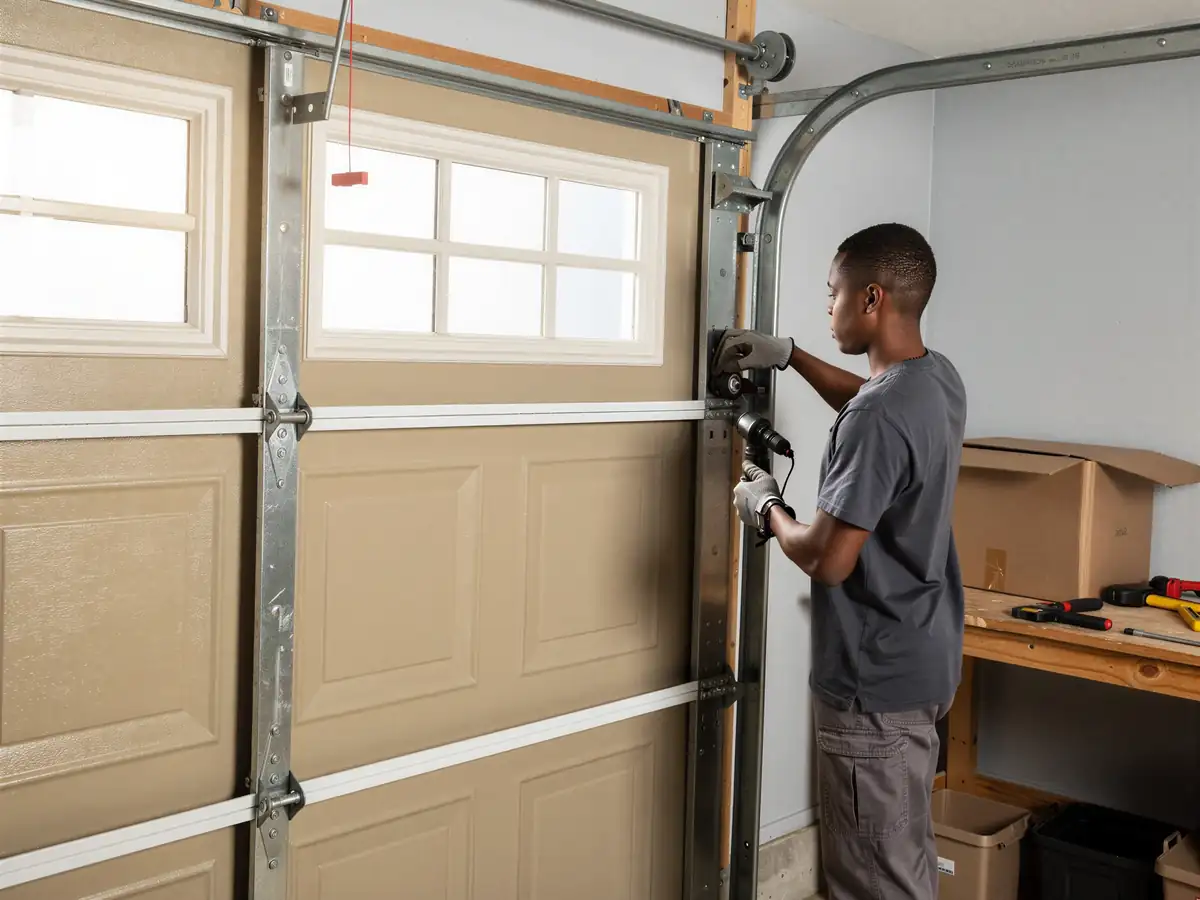
Look at the tracks themselves. If you see a gap between the roller and the track rail, or the track is visibly bent or pulled away from the wall bracket, that's your off-track door. On a lot of houses in this area the tracks are original to the garage, which means the metal has had decades to loosen at the mounting points, bend slightly from repeated stress, or just wear at the roller channel until a roller can pop free on a hard stop or start.
A door that's off track is not a door you keep using. Forcing the opener to run it can bend the track further, snap a cable, or pull the section apart at the hinge. Pull the release cord so the opener disengages, and leave the door where it is until someone looks at it.
The DIY Question
You can push a roller back into a track yourself if the track isn't bent and the door is a single panel sitting slightly crooked
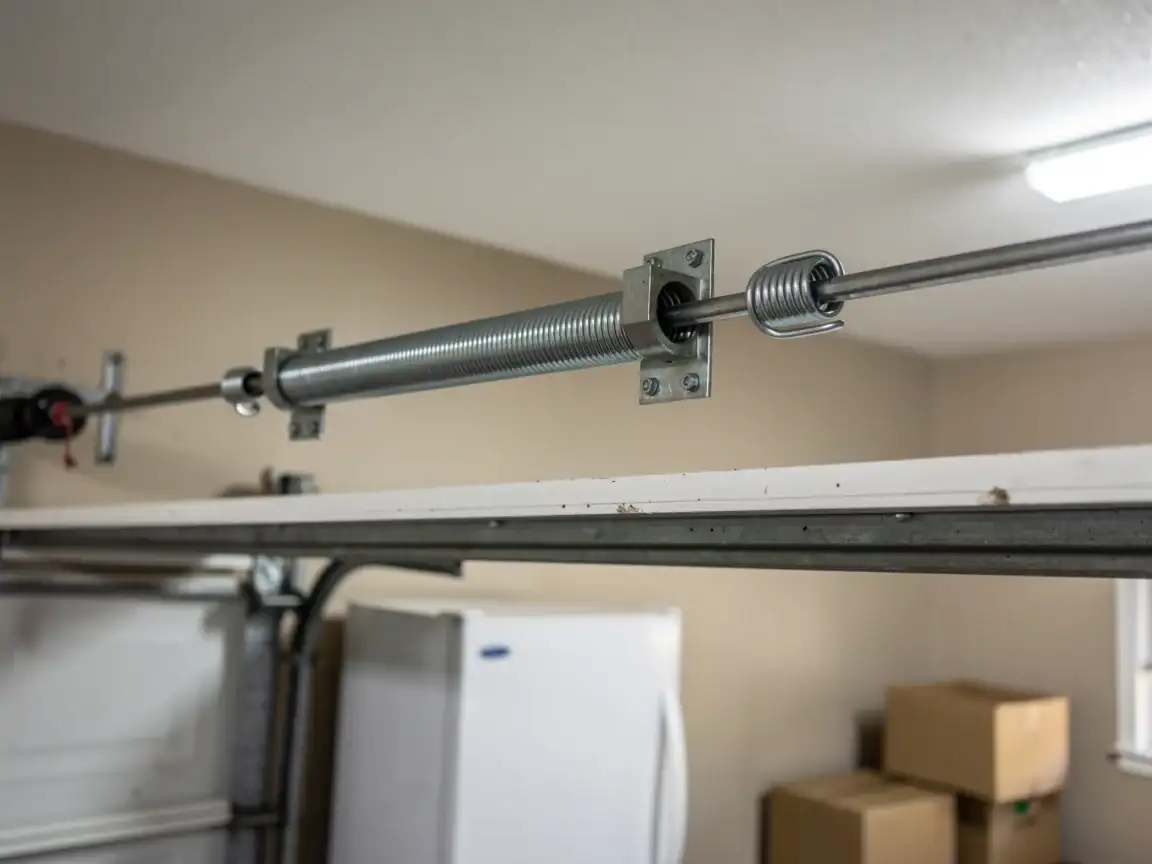
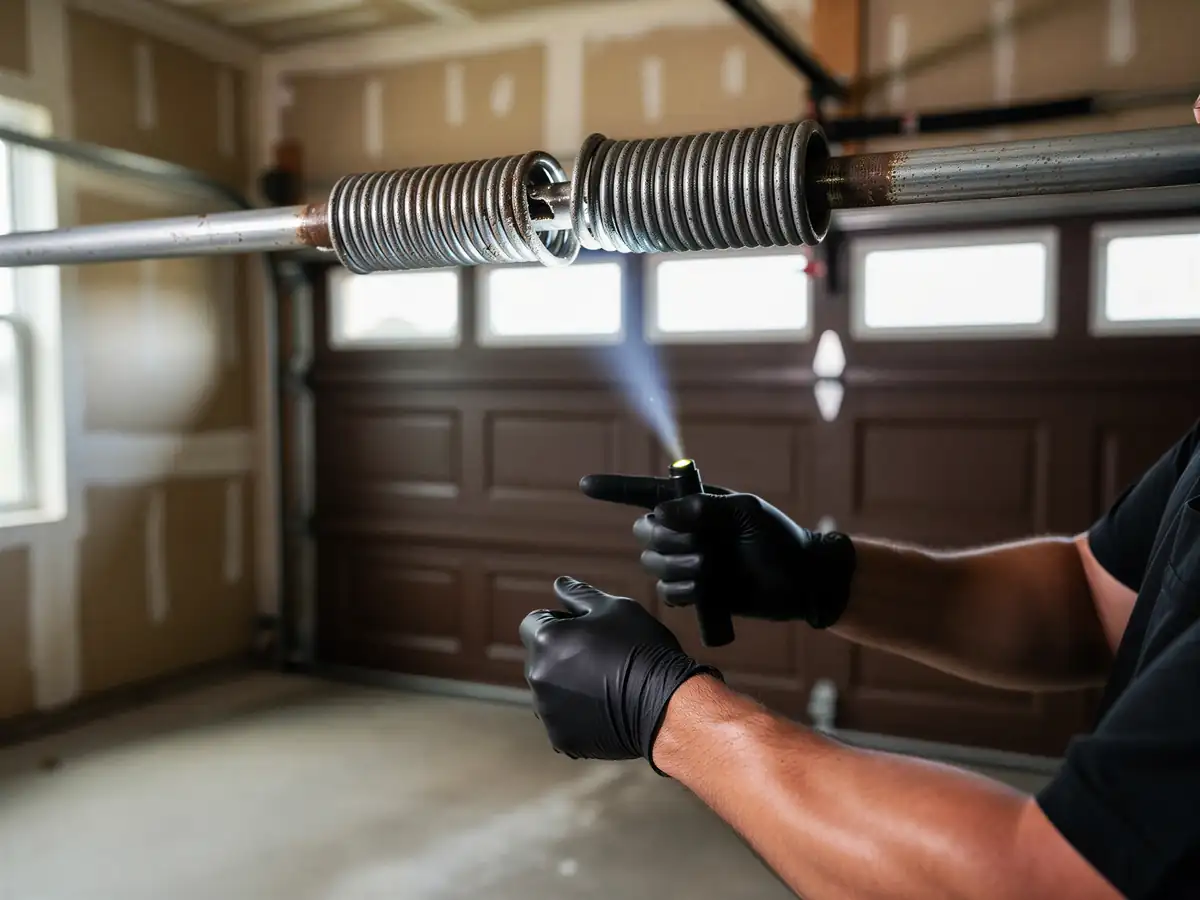
That's a real possibility and we won't pretend otherwise. What you can't safely do alone is handle a door under spring tension that's come off track on both sides, or a track that's pulled loose from the wall. Torsion springs store enough force to break a finger or worse, and a door that drops while you're working under it doesn't give you a second chance.
Our honest limitation
If the track is bent more than slightly, we're not bending it back into shape. Bent track gets replaced, not straightened, because a repaired bend fails again under load, usually sooner than you'd think. That's a parts call, not a labor call, and we'll tell you that on the spot rather than charge you twice.
If you're not sure which situation you're in, that's fine - that's what the visit is for
Don't force the door, don't run the opener, and don't try to muscle a double door back into alignment by yourself.
Booking a Visit
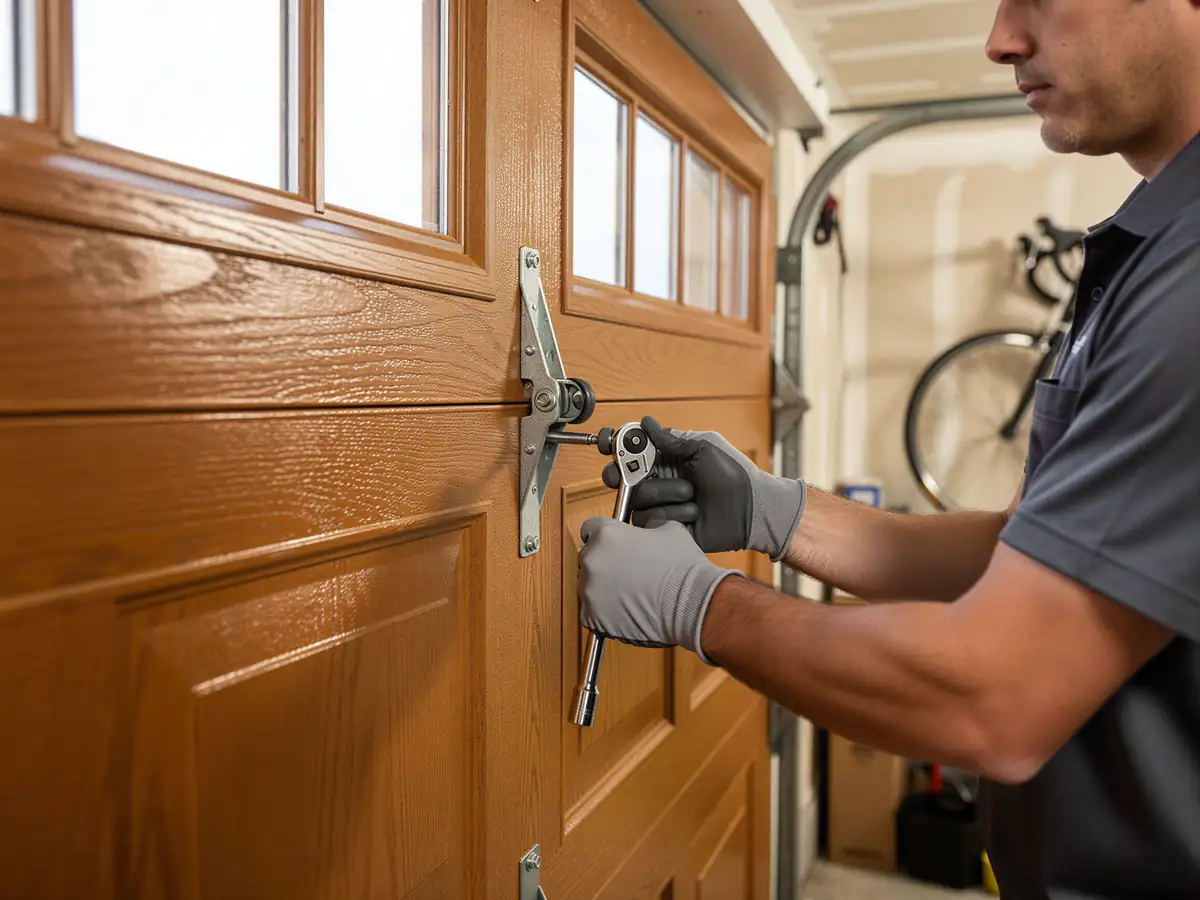
We come out, look at the track, the rollers, the cables, and the mounting hardware, and tell you straight whether this is a bracket tightening or a track swap. On houses built in the 1960s and 70s - which is most of what's around Hermosa Beach - we're also checking the jamb and header, since wood that's moved slightly over fifty-plus years can throw a track out of square even when the track itself is fine.
We don't quote a fix over the phone without seeing the door, because an off-track door can be a $40 roller swap or a full track-and-hardware job, and guessing wrong either scares you off or leaves you underpriced. Call, describe what you're seeing - crooked, jammed, banging - and we'll get a truck out to look at it.
Find us at /.
Why It Happens Here
Housing in this service area was mostly built between 1947 and 2012, with a median year of 1963, and most of the stock across the 20 or so named communities we work in dates to the 1960s and 70s. Garages from that era were built to the standards of the time - lighter gauge track, fewer mounting points per section - and fifty-plus years later those original tracks are often still in place, just loosened or slightly bent from decades of use.
The climate here is mild temperate, so we don't get the freeze-thaw cycling that cracks concrete footings or warps wood framing the way colder regions do. That's a point in this area's favor - it's not weather tearing tracks loose. It's age and use: thousands of open-close cycles on hardware that was never meant to run this long without a hardware refresh, plus houses where the original bracket screws have worked loose in jamb wood that's shifted slightly over the decades.
With median household income in this service area over $100,000 and a high share of owner-occupied houses, a lot of these doors also got upgraded openers or insulated panels at some point without the track and rollers being brought up to match - a newer, heavier door running on fifty-year-old track is a common setup for a roller to let go.