Where People Go Wrong
Most calls we get start the same way: a door that's getting louder, or an opener that hesitates before it commits to closing. Homeowners usually guess the opener motor is dying. Most of the time it isn't. The spring, the rollers, or the track alignment wear out long before the motor does, especially on houses built in the 1960s and 70s, which describes a lot of this area's housing stock. A door installed when the house went up has had five, six decades for hardware to loosen, rust at the fasteners, or simply fall out of the tolerances it was set to originally.
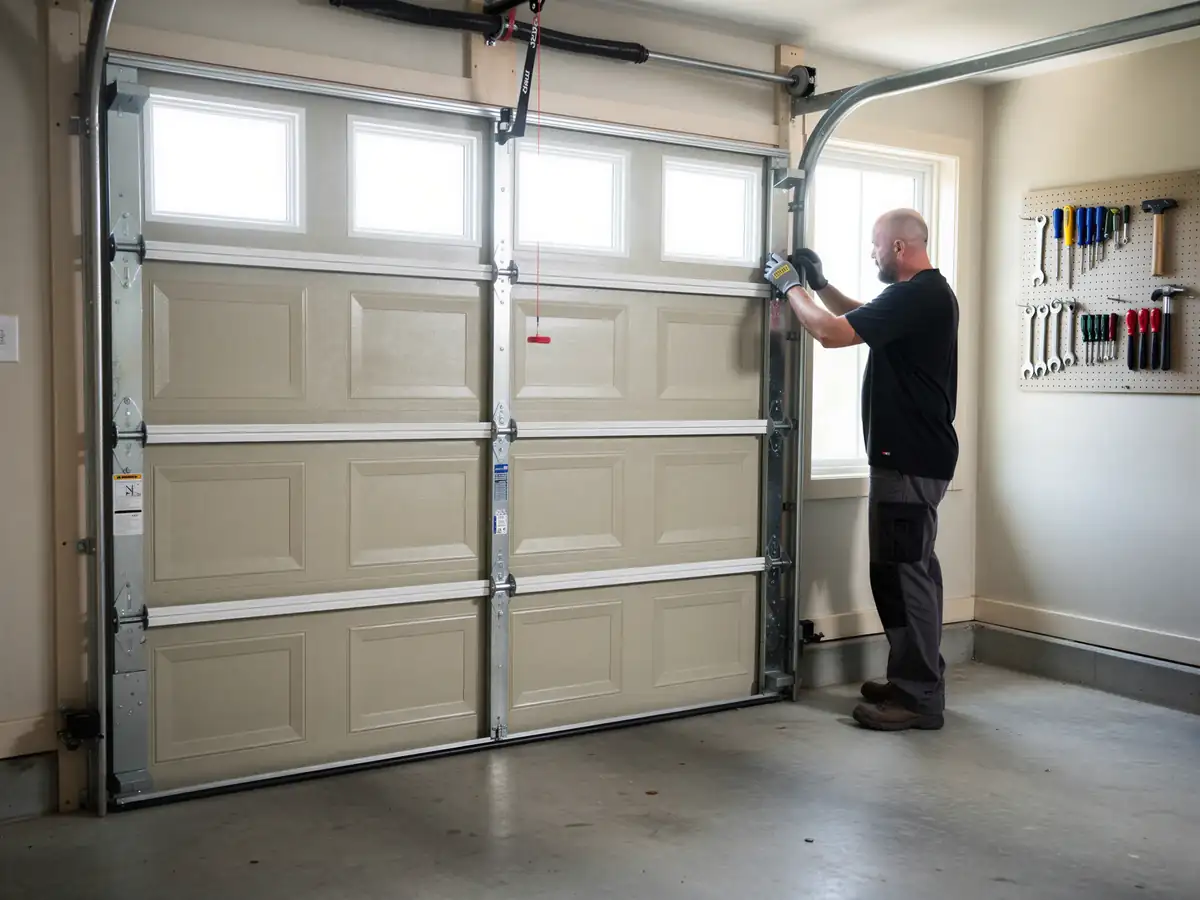
The mistake is treating the opener as the patient when the door itself is the problem. We check the balance first - disconnect the opener, lift the door by hand, see where it wants to sit. If it won't hold itself halfway up, the spring is doing less work than it should, and no amount of opener tuning fixes that. We also look at whether the track brackets are still tight to the framing, because houses from this era often have the original lumber behind them, and fasteners back out over time. A service call that skips the hand-lift test and jumps straight to opener diagnostics is skipping the part that actually tells you what's wrong.
Season by Season
Hermosa Beach sits in a mild temperate band
So we're not dealing with the freeze-thaw cycles that crack concrete slabs inland or the extreme humidity swings that warp wood panels in other climates. That's good news for the doors themselves - less expansion and contraction stress on panels and tracks year-round. But mild doesn't mean nothing happens.
Salt-laden coastal air works steadily on exposed hardware
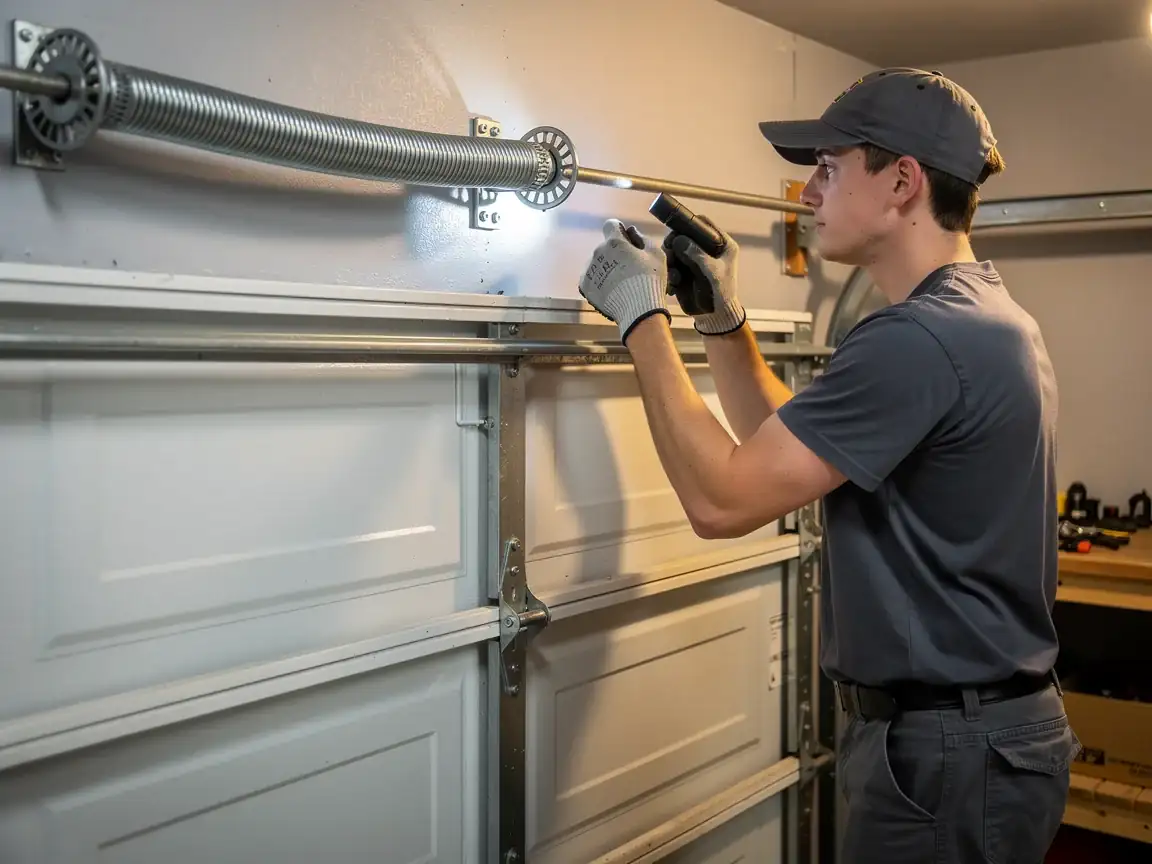
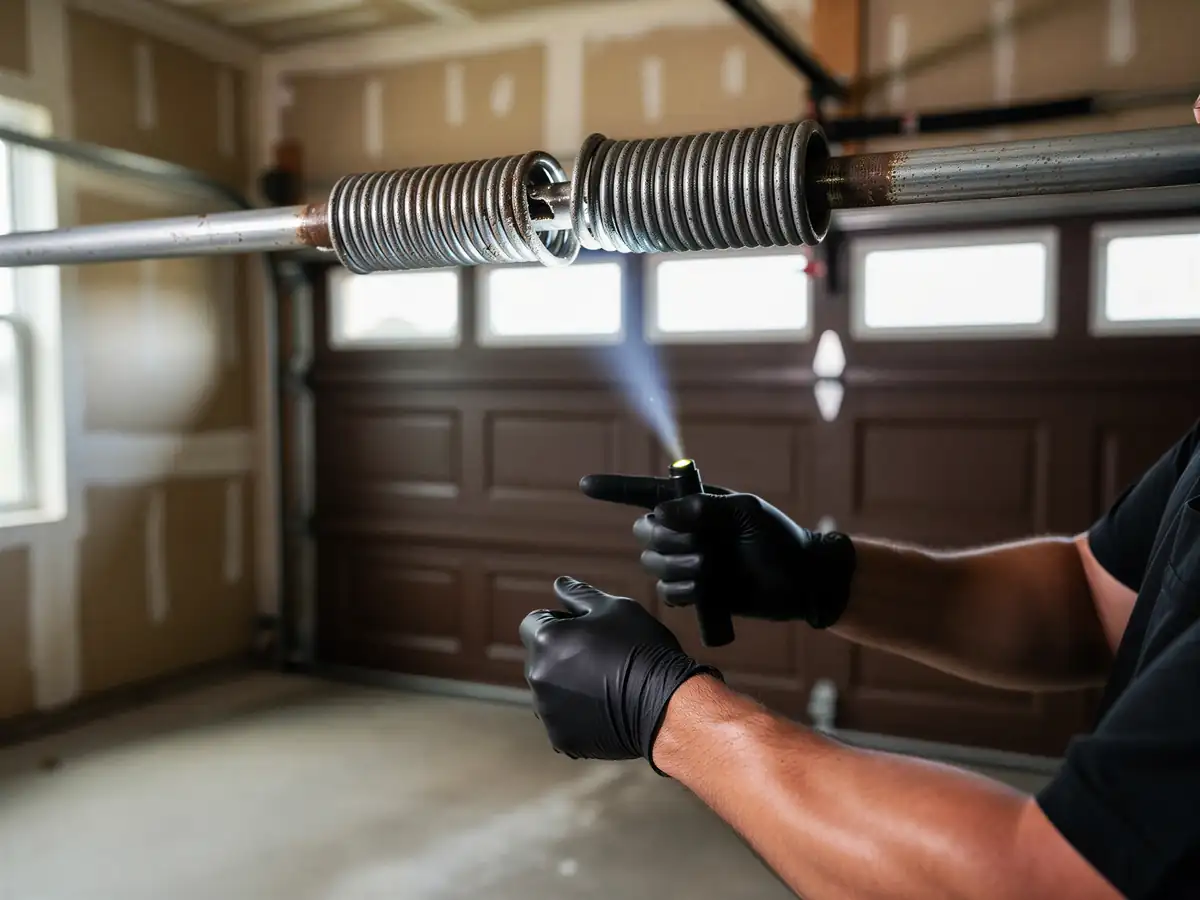
Hinges, springs, and track bolts corrode faster near the coast than they would further inland, even without dramatic weather. We see this most on older doors where the original hardware was never upgraded to a coated or stainless option. A service call in this area should always include a close look at hinge pins and spring coils for surface rust, because that's the failure mode that shows up here, not cracked panels from frost.
There isn't a dramatic seasonal spike in call volume the way you'd see somewhere with real winters
It's more of a slow, steady wear pattern tied to the salt air and to how many years a given door has been fighting it. That's part of why we don't push hard seasonal maintenance packages - the honest answer is that most doors here need attention on their own schedule, not the calendar's.
The Situation
The service area runs through roughly 20 named communities, and across them the housing is mostly 1960s to 70s construction, with some homes dating back to 1947. That age range matters for garage doors specifically because it predates a lot of hardware standards homeowners assume are universal - torsion spring sizing, track gauge, even opener mounting points have all changed since then. A door that looks original on a 1960s build often has hardware nobody stocks on the truck as a default part.
Median household income across the service area sits around $100,000, which tends to mean homeowners are choosing between a proper repair and a full replacement rather than deferring both. We see that choice come up constantly on doors from this era: the panel is salvageable but the spring system is original and undersized for a safe retrofit, or the opener is newer but bolted to track that's past straightening.
El Segundo sits about three miles up the coast from here is roughly two miles east - close enough that we see the same housing-era patterns repeat across that stretch, which is part of why we can speak to it with some confidence rather than guessing.
What Local Conditions Do
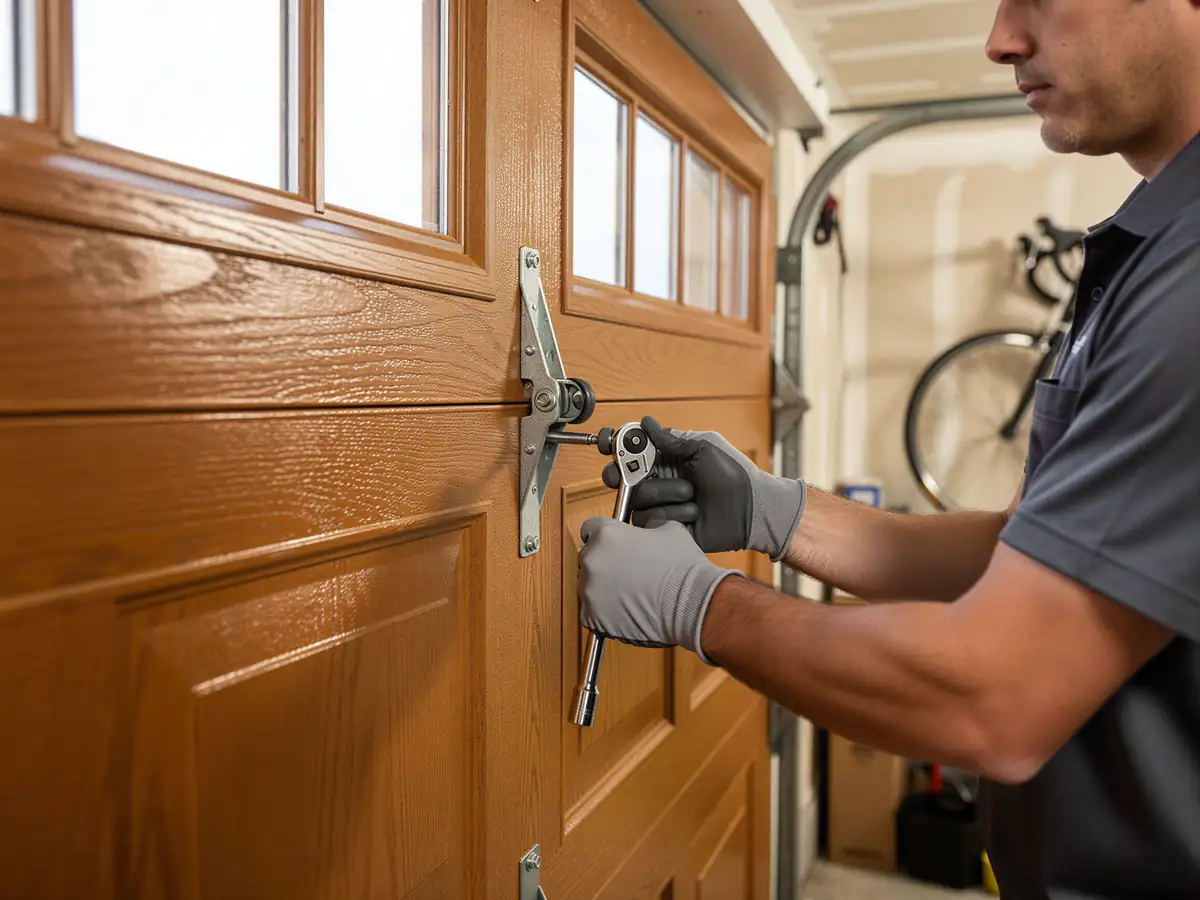
A service call here isn't just a once-over. It's a check against the specific ways this area's houses and climate wear a door down. We start with the spring - torsion or extension, condition of the coils, any rust pitting from salt air. Then the track, checking plumb and checking the brackets are still seated in framing that in some cases is pushing sixty or seventy years old. Rollers get a visual and a hand-spin test; on older steel rollers in coastal homes, pitting shows up as grinding noise long before the roller fails outright.
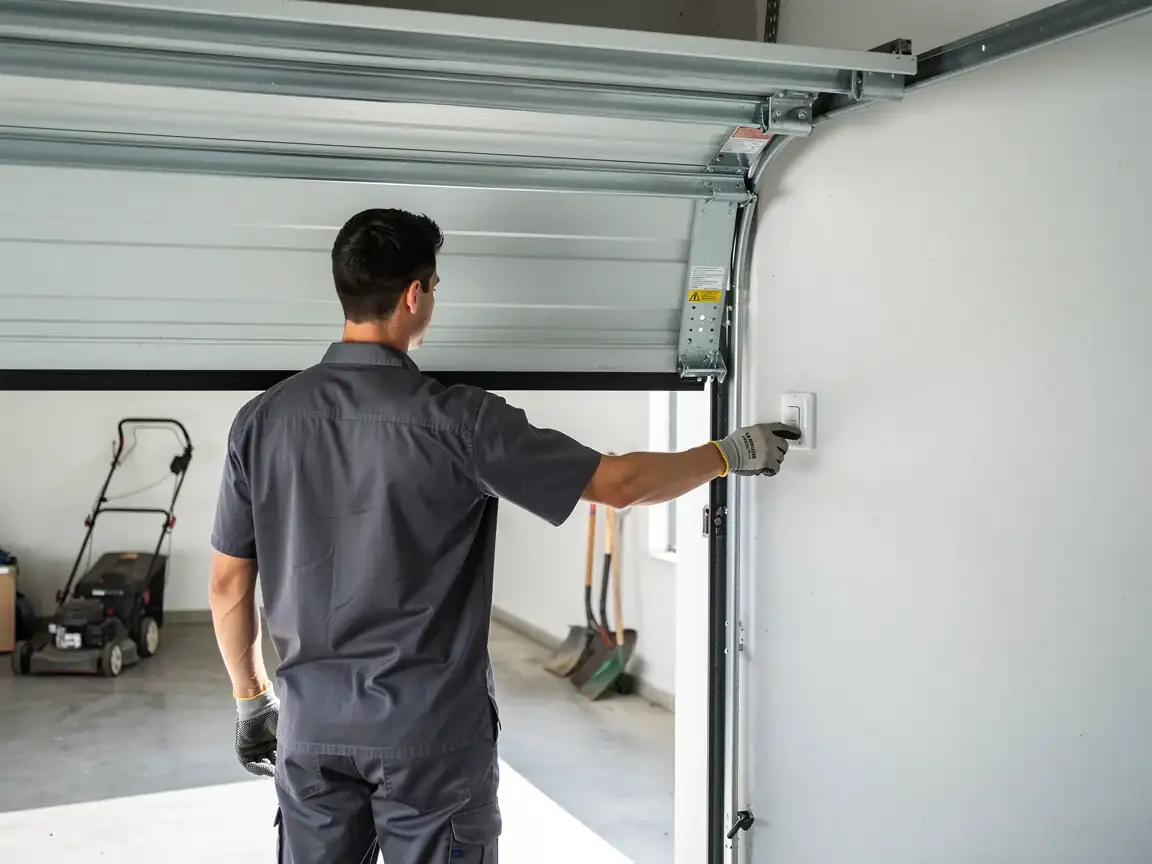
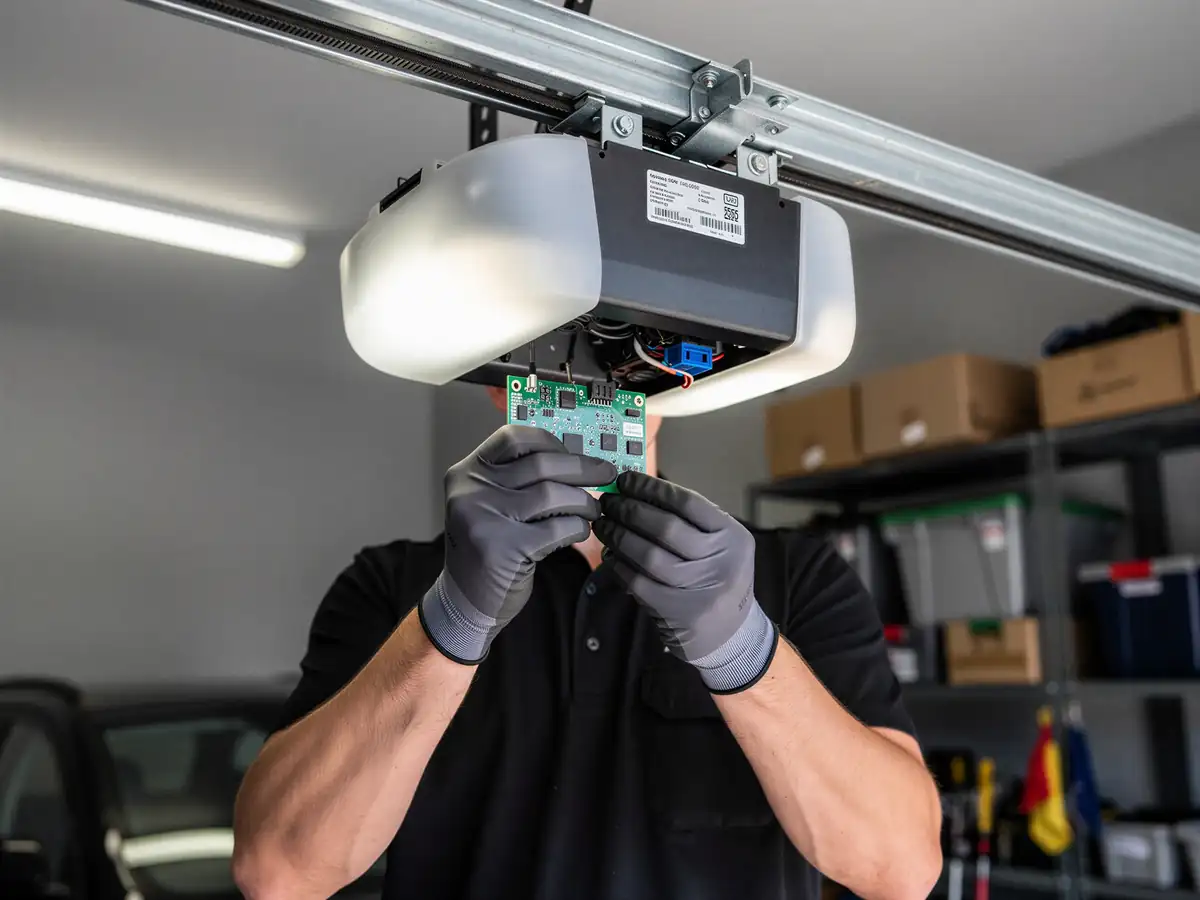
We also check the opener's force settings and safety reversal, since a door that's drifted out of balance puts more strain on the opener than it was built for, and that strain shows up as nuisance reversals or slow travel.
Here's the limitation worth saying plainly: if the spring is original to a 1960s installation, we don't try to match it with a modern equivalent off a general parts chart. Spring sizing on houses this old sometimes needs to be measured and ordered specifically, which can mean a short wait rather than a same-day fix. That's not us padding the job - it's the honest state of parts availability for hardware this age.