What That Means for Doors
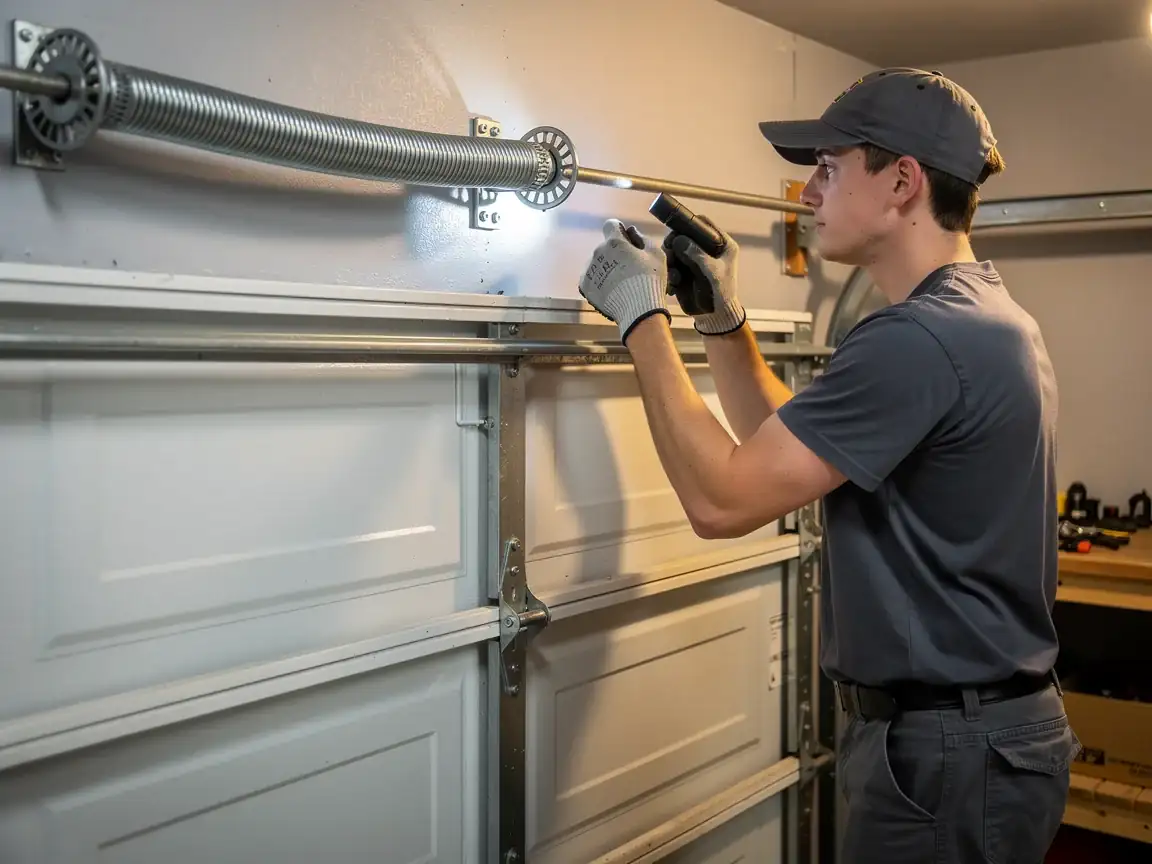
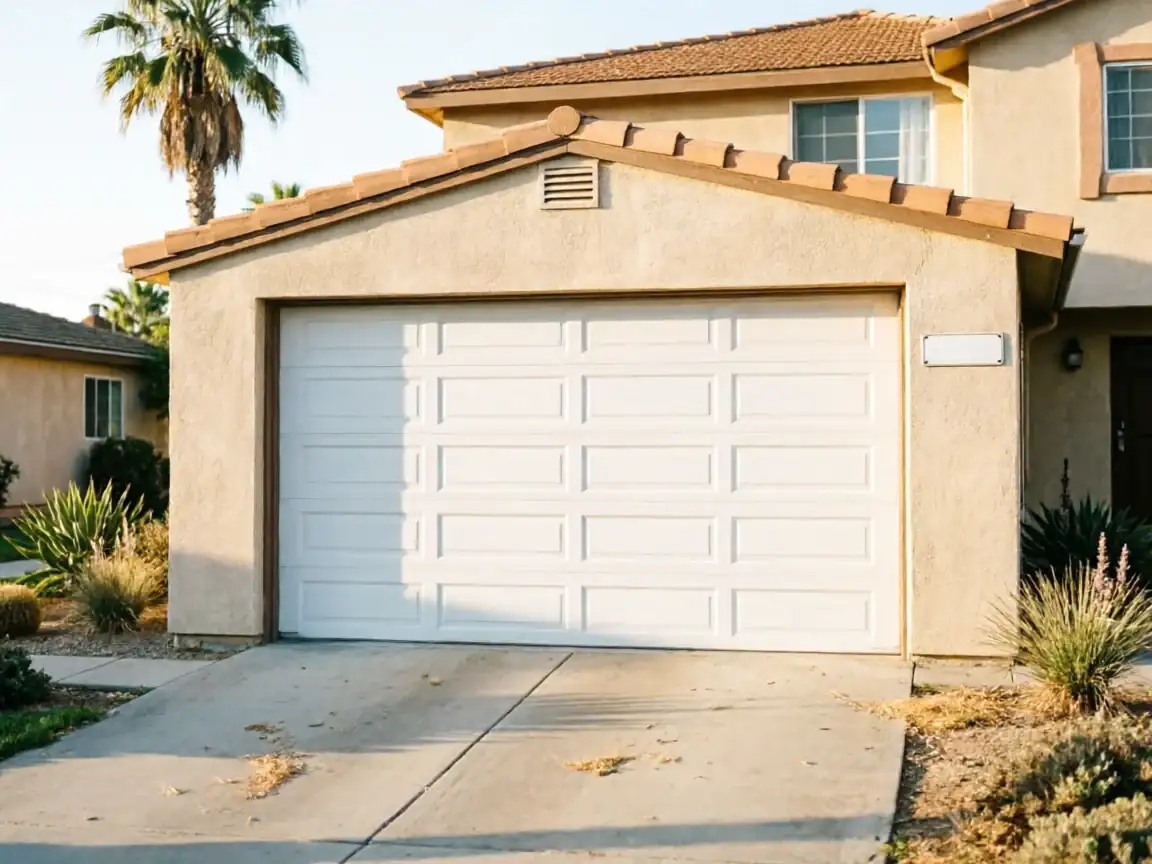
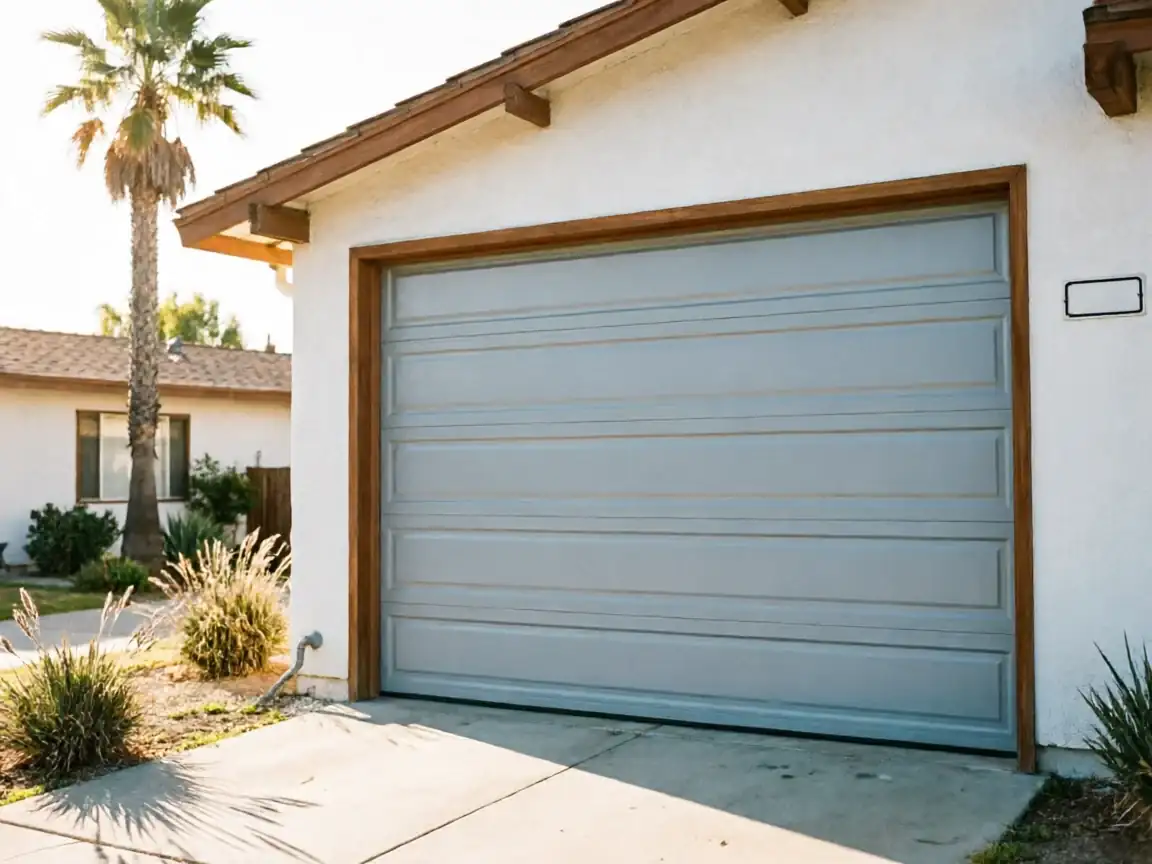
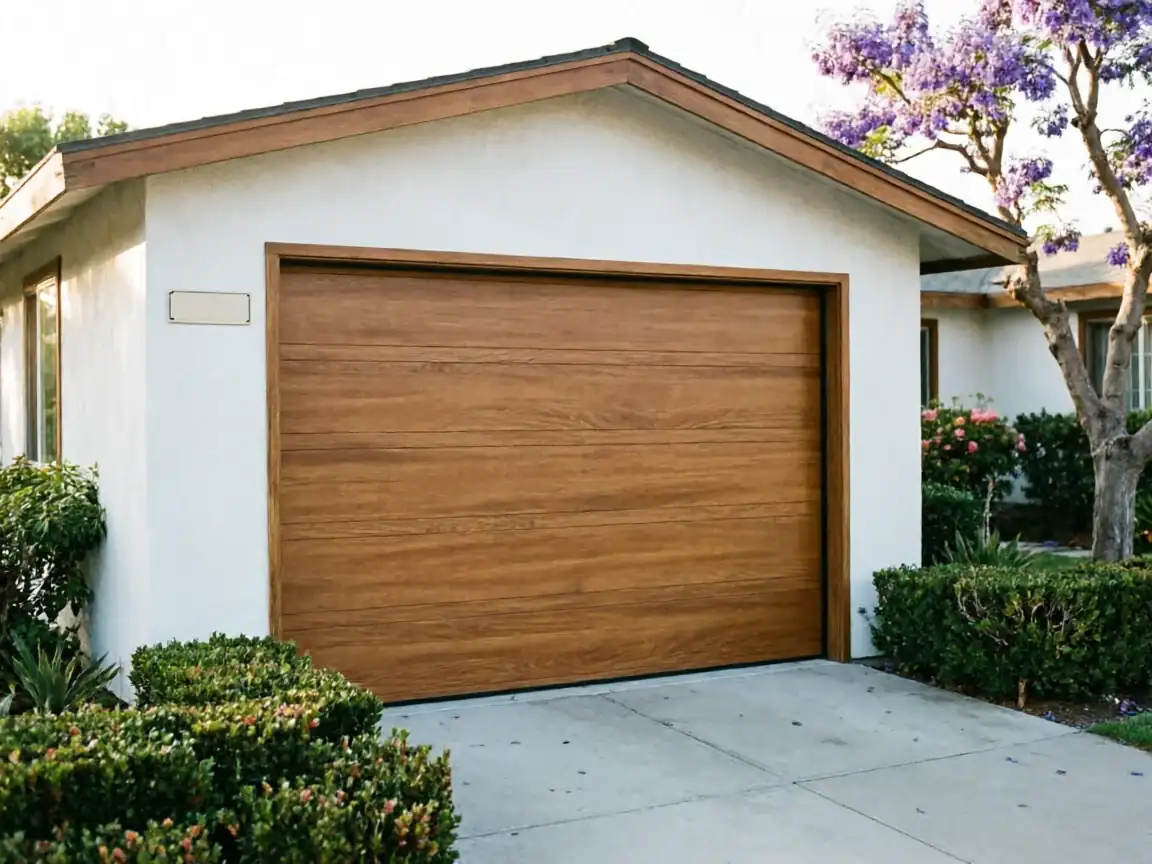
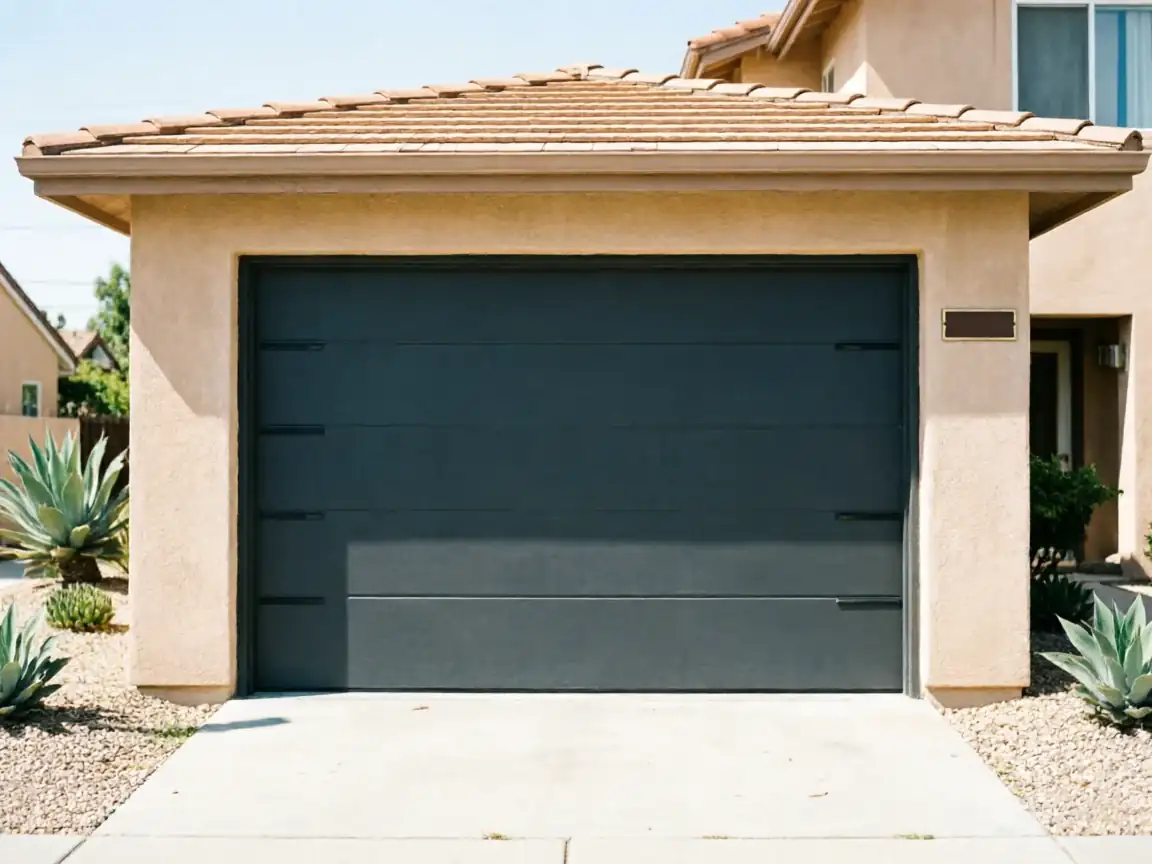
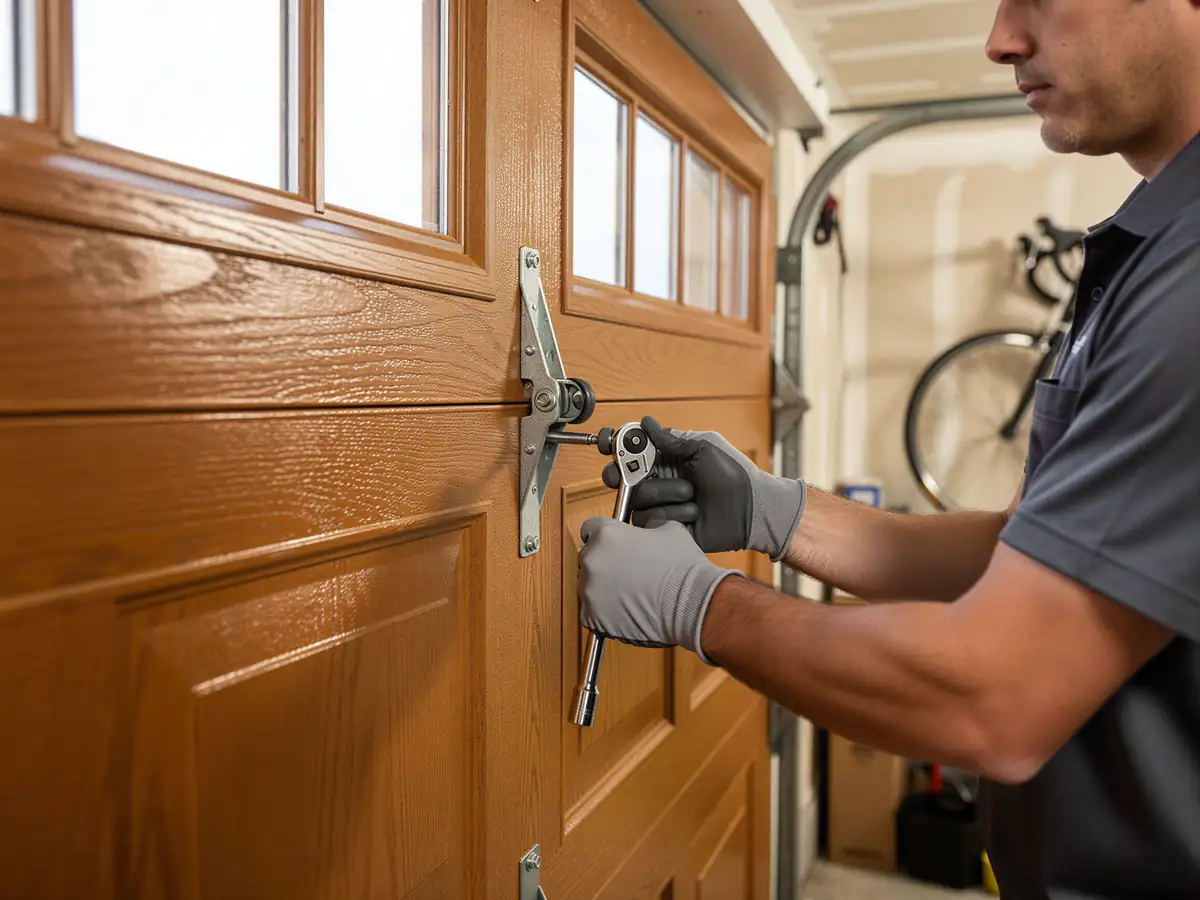
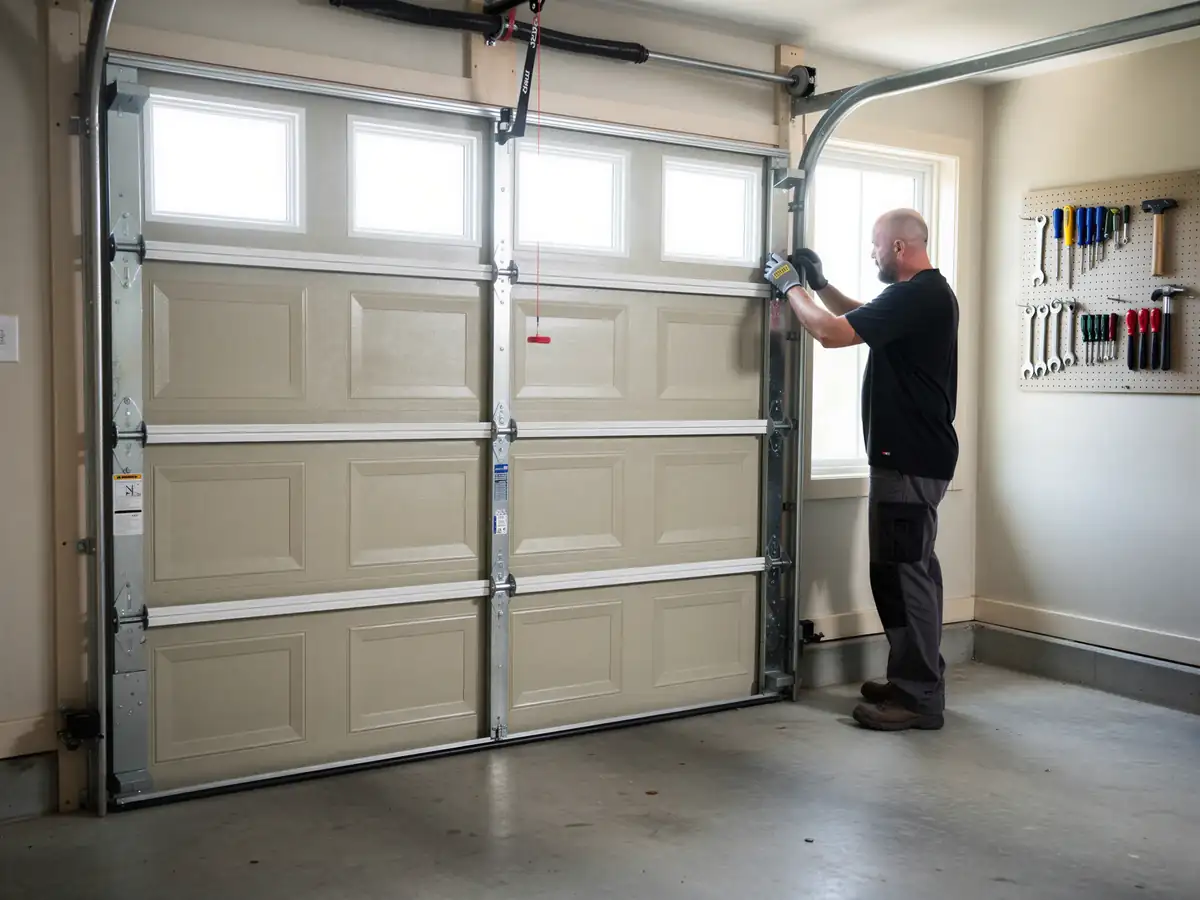
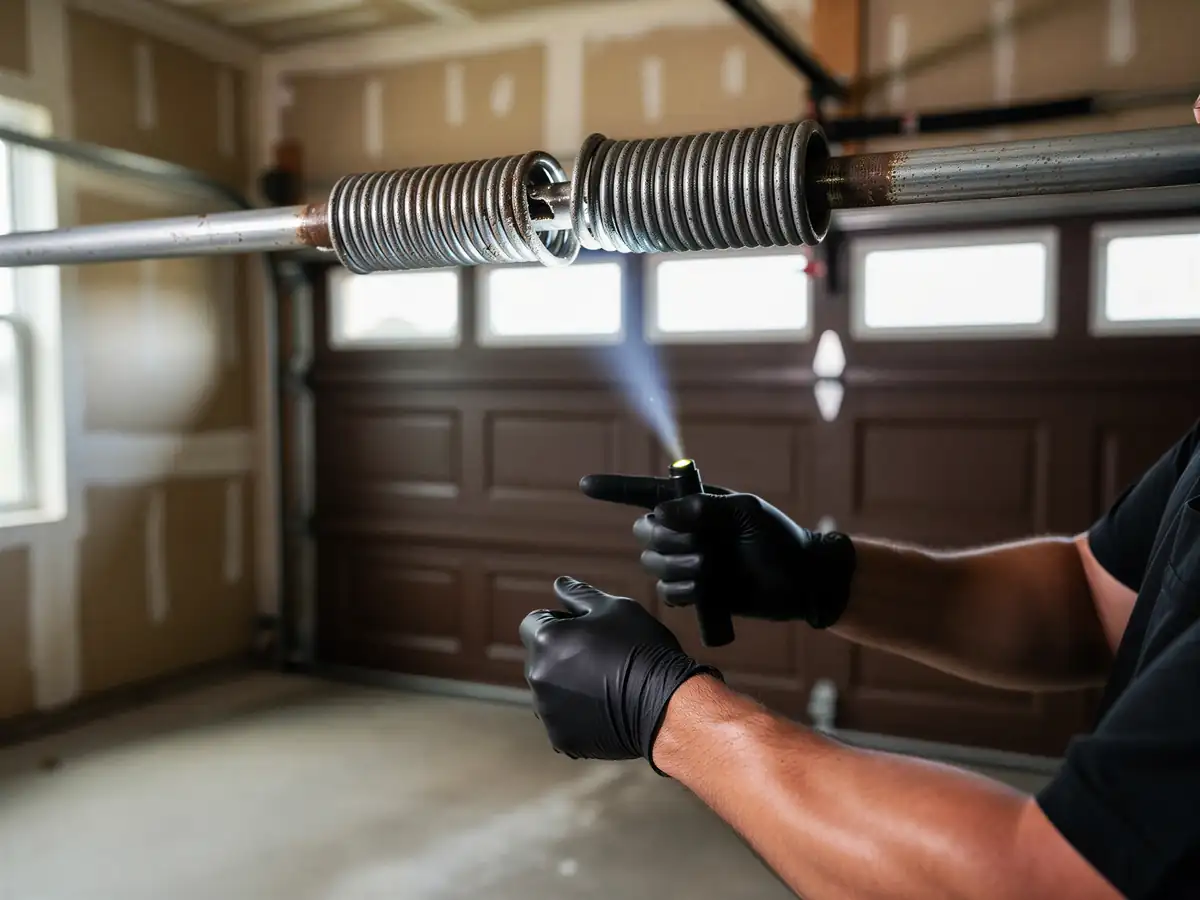
Artesia's median house dates to 1965, which puts most garage doors in that first wave of steel sectional doors built right after the one-piece wood slab era faded out. If your door is original or close to it, you're likely running a torsion spring sized for a lighter door than what's on the track now, since steel panels replaced wood over the decades without anyone swapping the spring to match. That mismatch shows up as a door that's heavy to lift by hand or an opener straining on every cycle. The other common complaint from this era is worn rollers in tracks that were never widened for newer, bulkier opener carriages. None of this is exotic - it's the same wear pattern you'd expect from a door pushing sixty years, and parts for it still exist. We just don't guess at spring weight on a house this age. We pull the door, check the cable drums, and size the spring to what's actually hanging there now, not what the builder specified in 1965.
Older vs Newer Streets
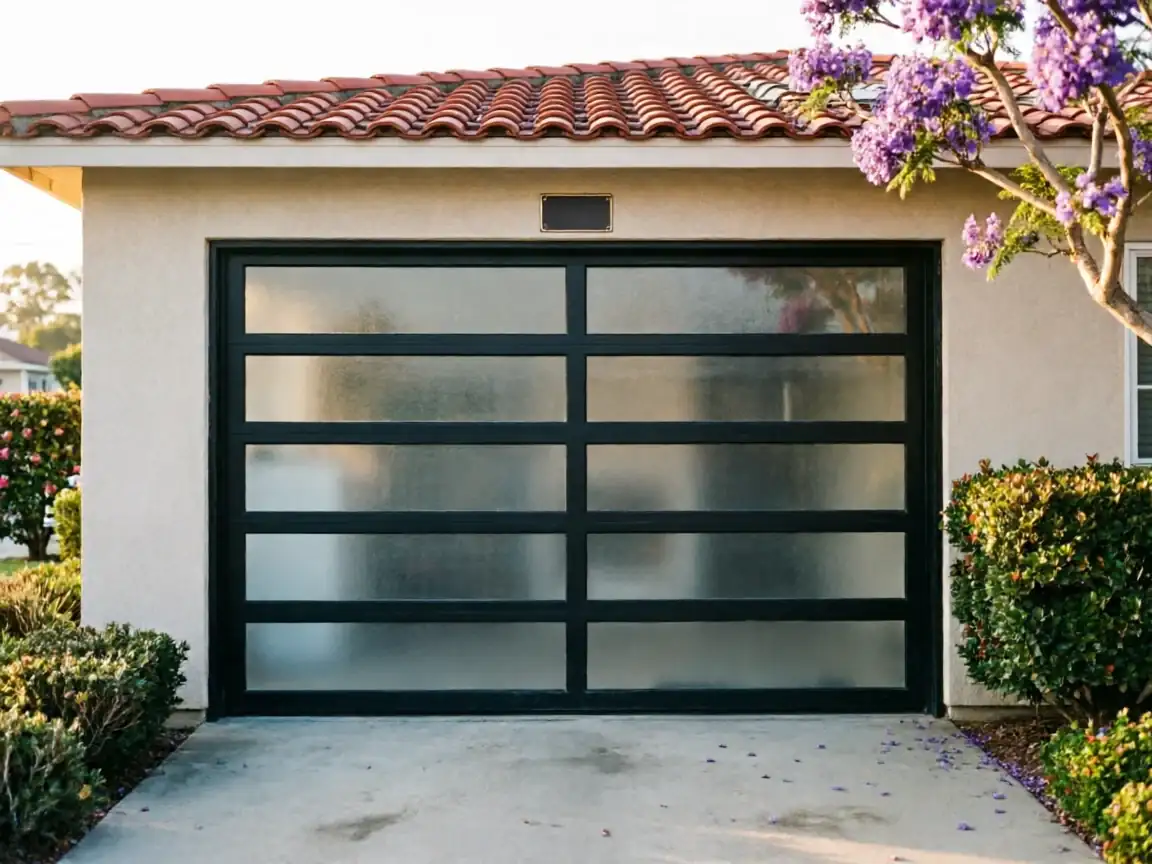
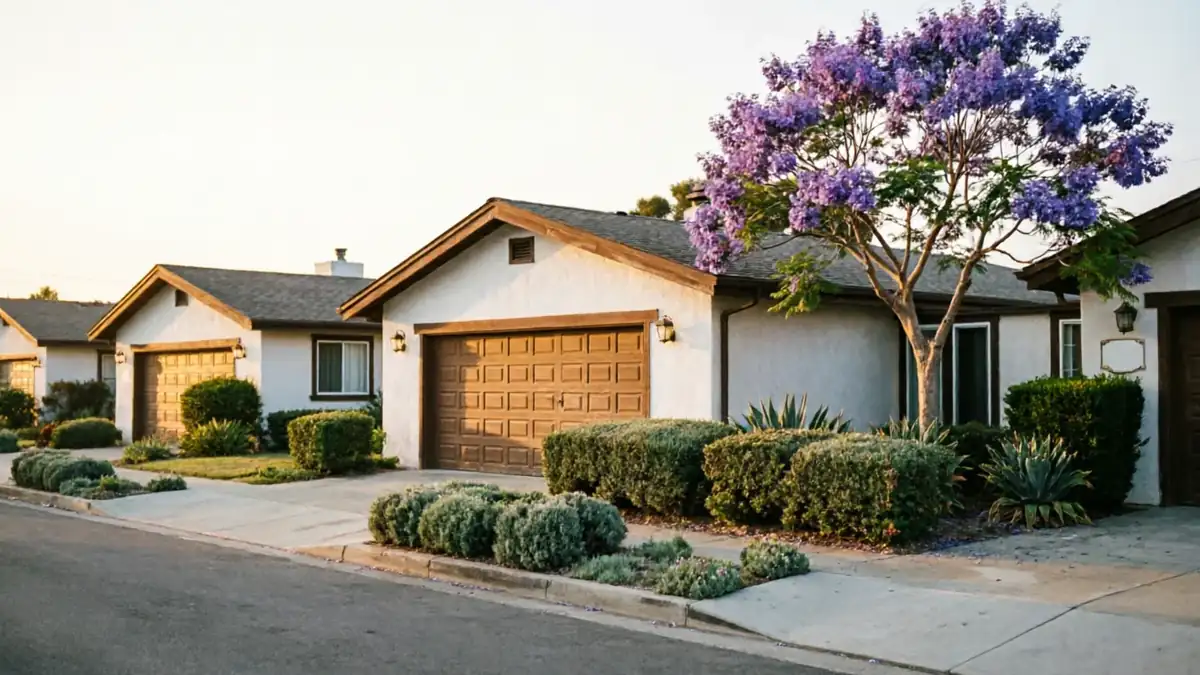
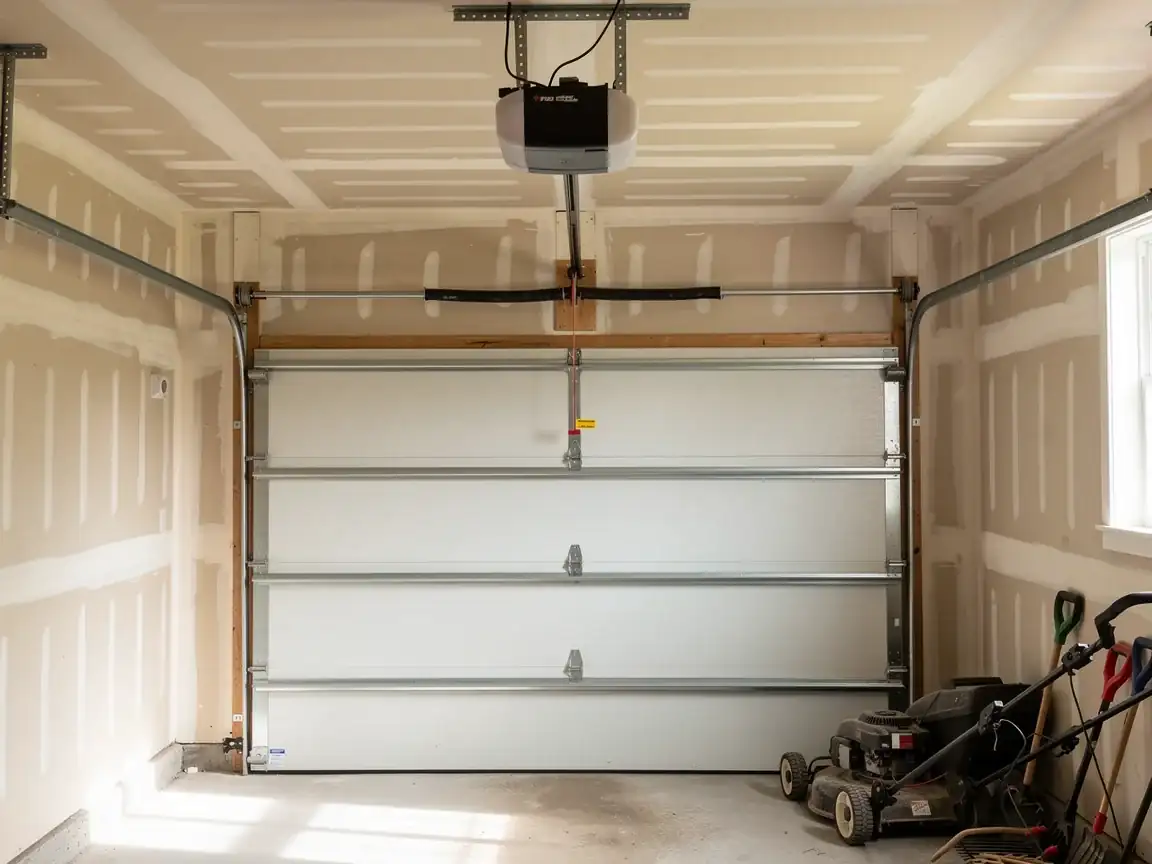
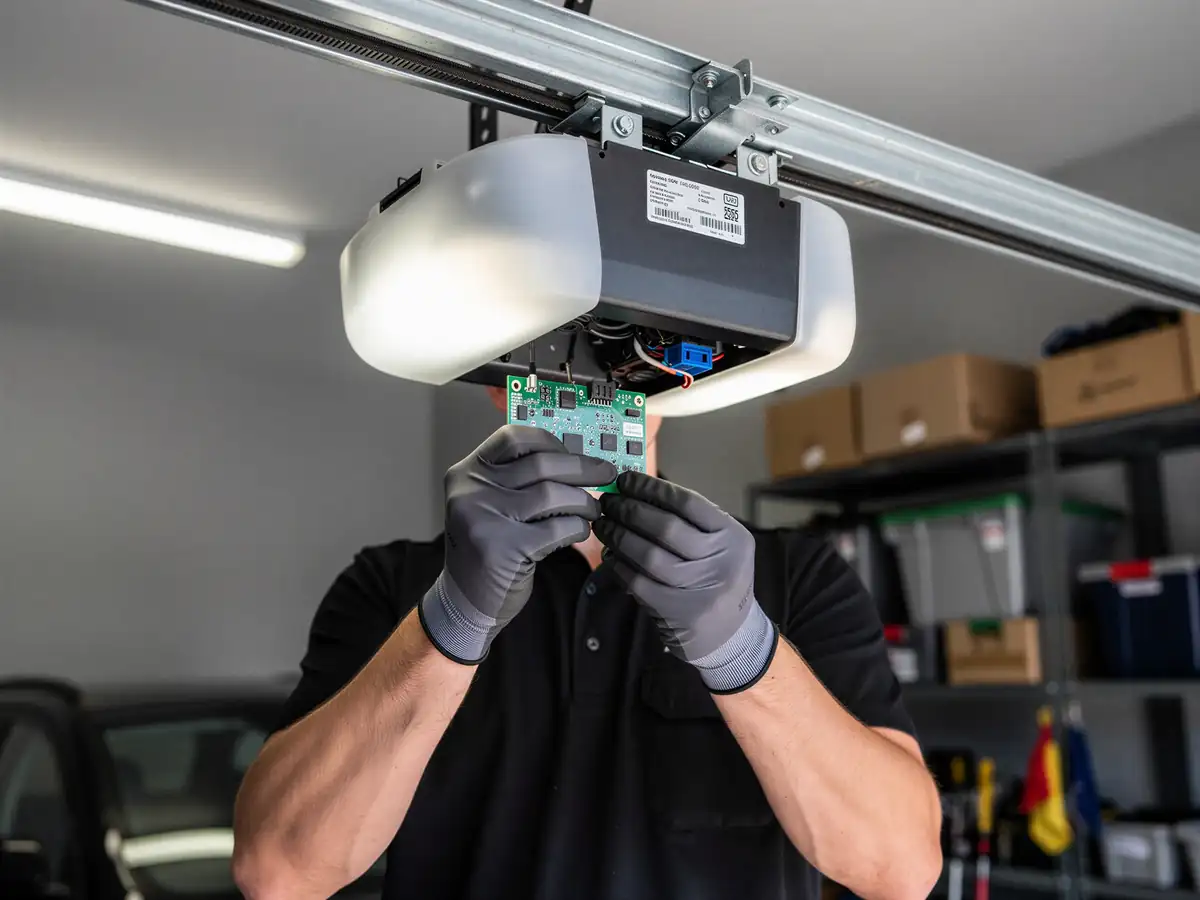
Even within a town built mostly in one era, you'll find a mix. Streets closer to the original tract layout still carry the 1960s torsion hardware and steel doors with narrower track clearance - these are the jobs where we spend more time matching spring wind to the actual door weight before we touch anything else. Newer infill or a remodeled property might have a door and opener installed in the last decade or two, which means a different failure pattern entirely: circuit boards, sensor alignment, belt wear instead of chain stretch. We don't assume either - a quick look at the track gauge and the spring cone tells us which generation of hardware we're dealing with before we open the truck.
The Drive Over
Artesia is about 19 miles from our shop in Hermosa Beach. We don't keep a depot out here and we're not going to pretend otherwise - this is a drive we make when a job is booked, not a neighborhood we're parked in. That distance means we're not the call for a same-minute emergency; it means we're the call when you want the job done right and you can work with a scheduled visit instead of a knock on the door in twenty minutes. If a door's come off track and it's just blocking the car, not the driveway, most owners can wait the drive out fine.