Stocked Parts
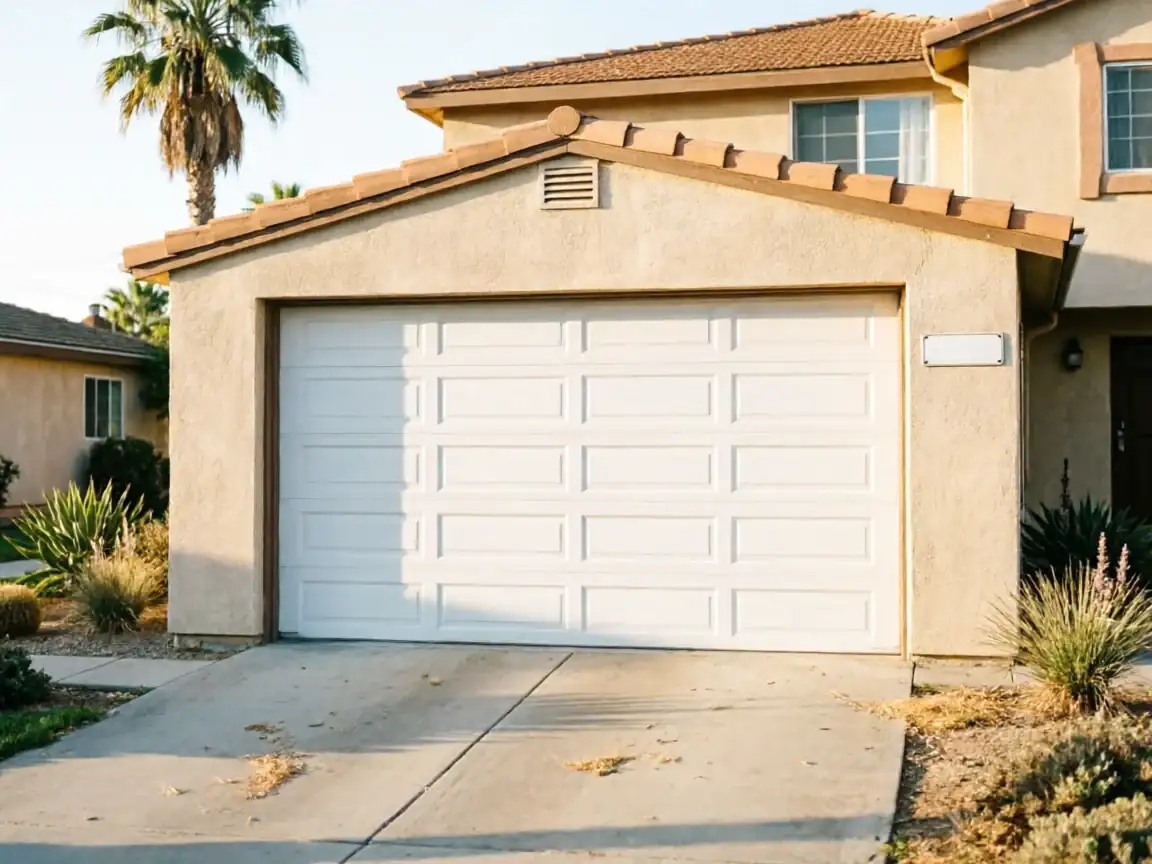
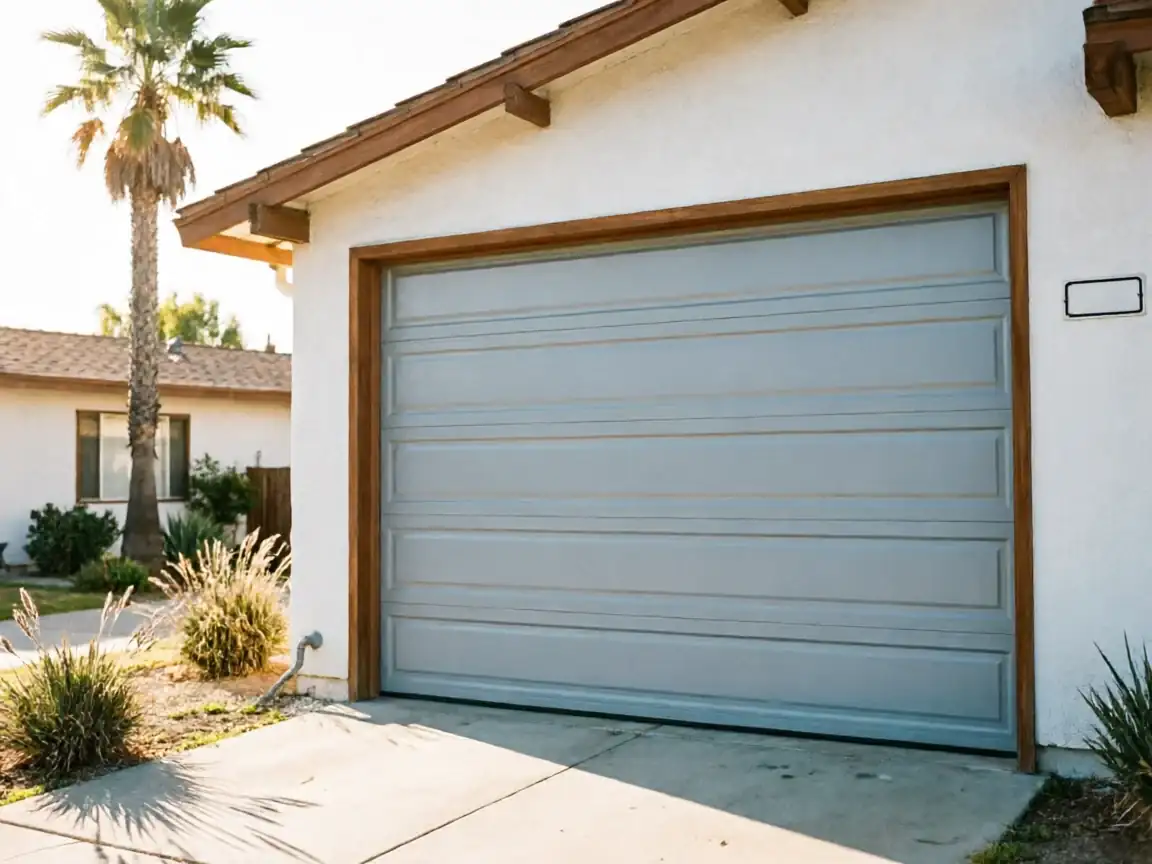
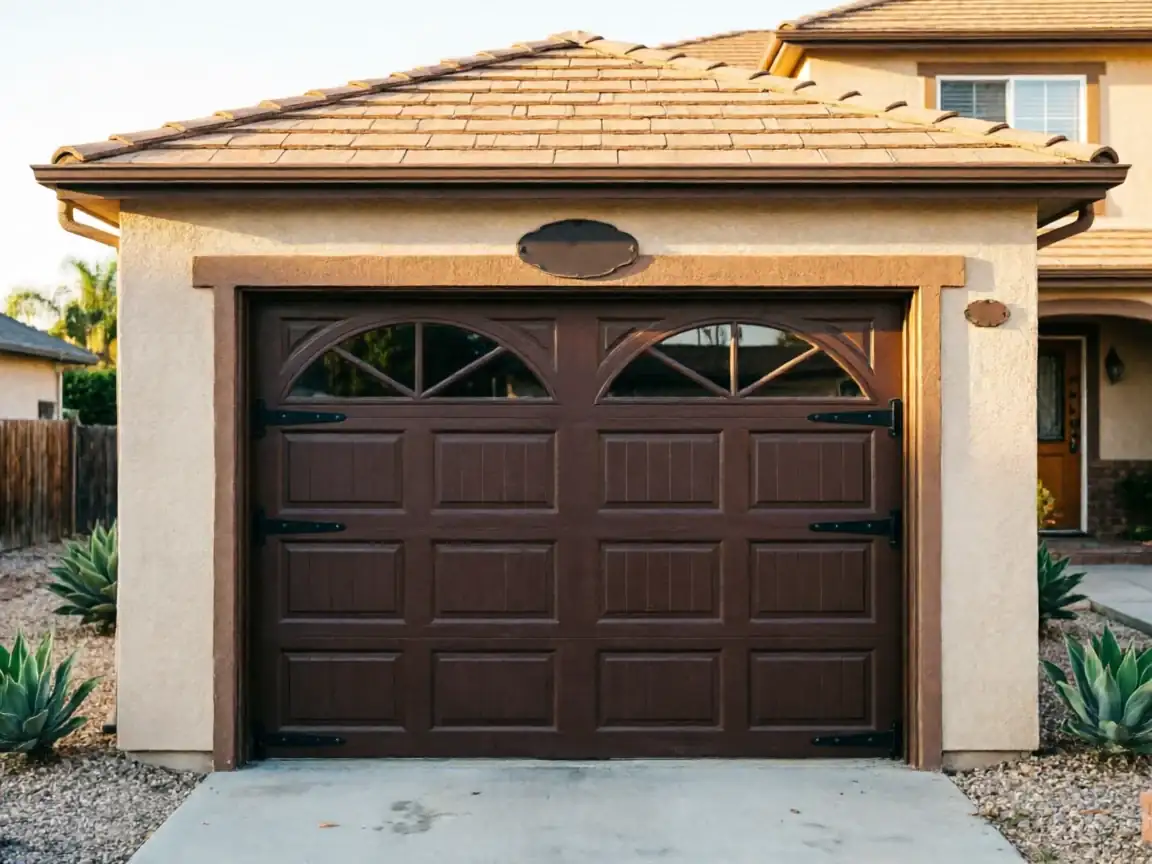
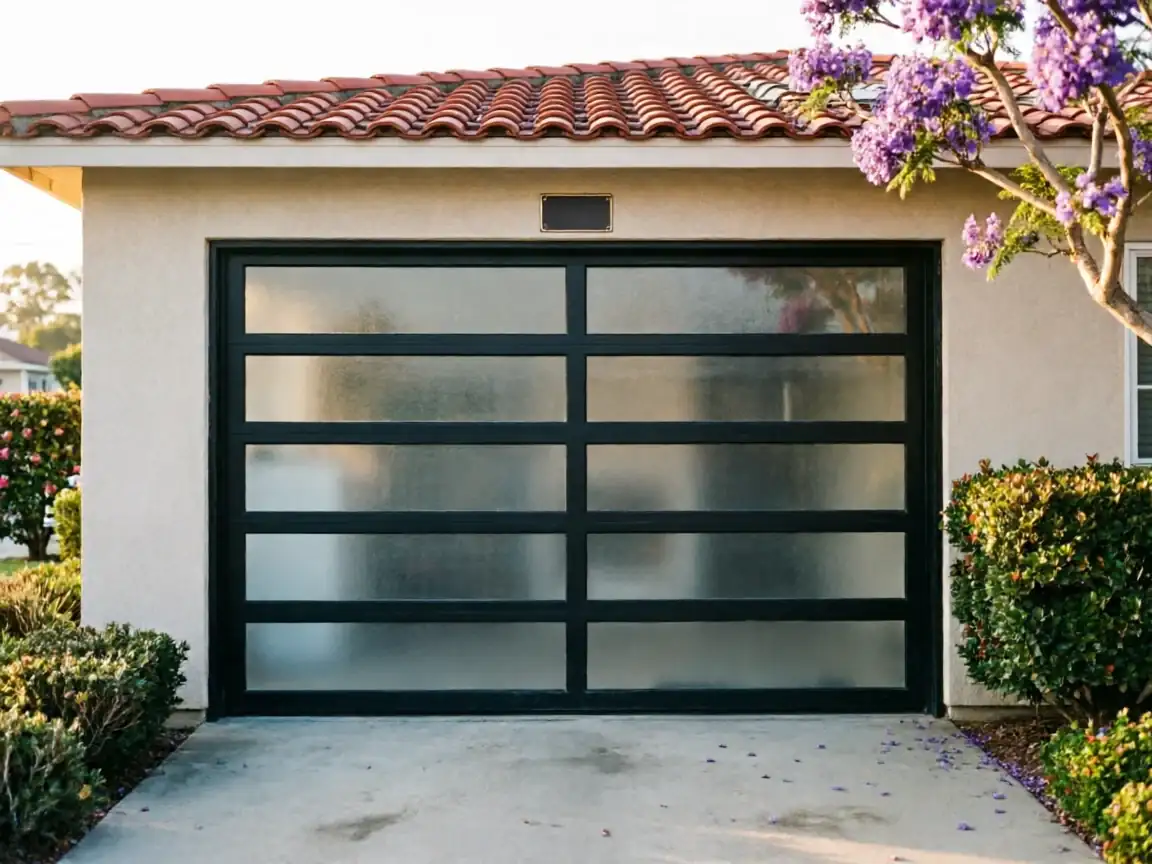
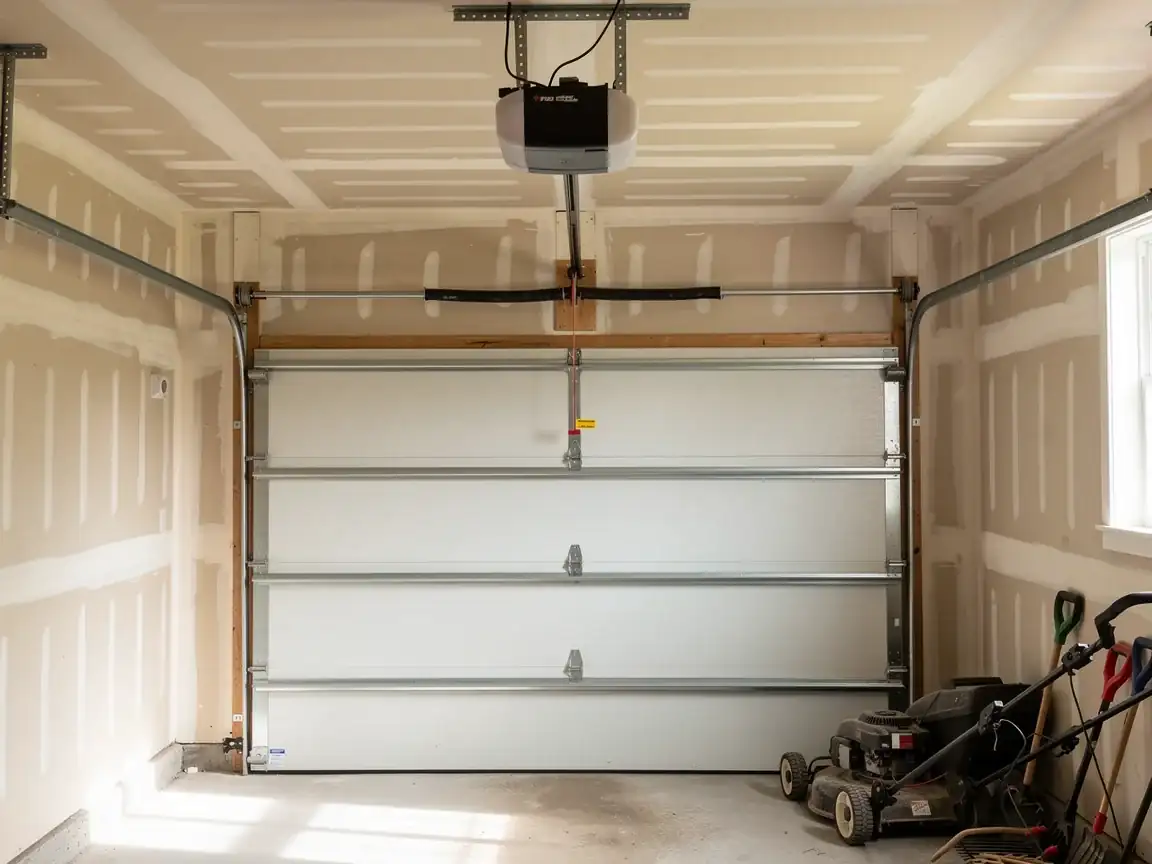
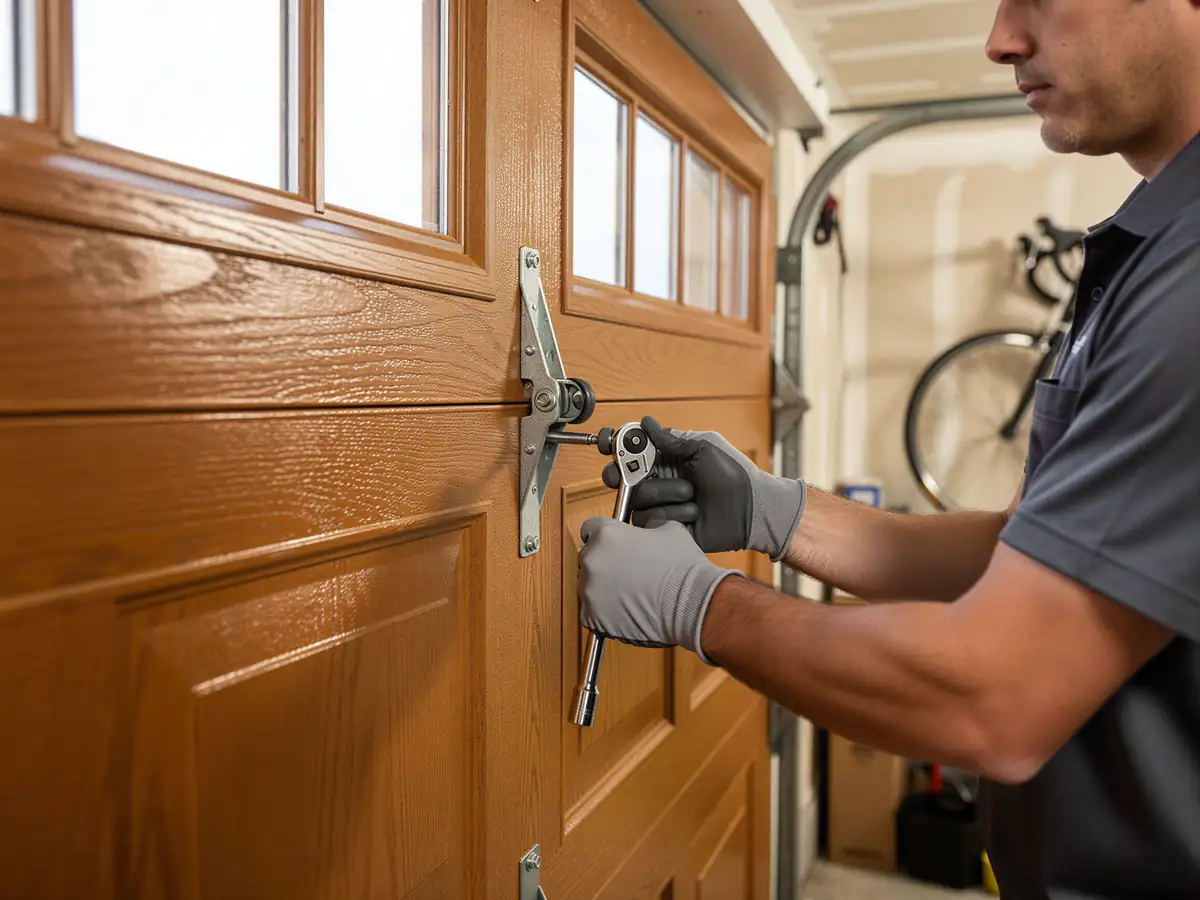
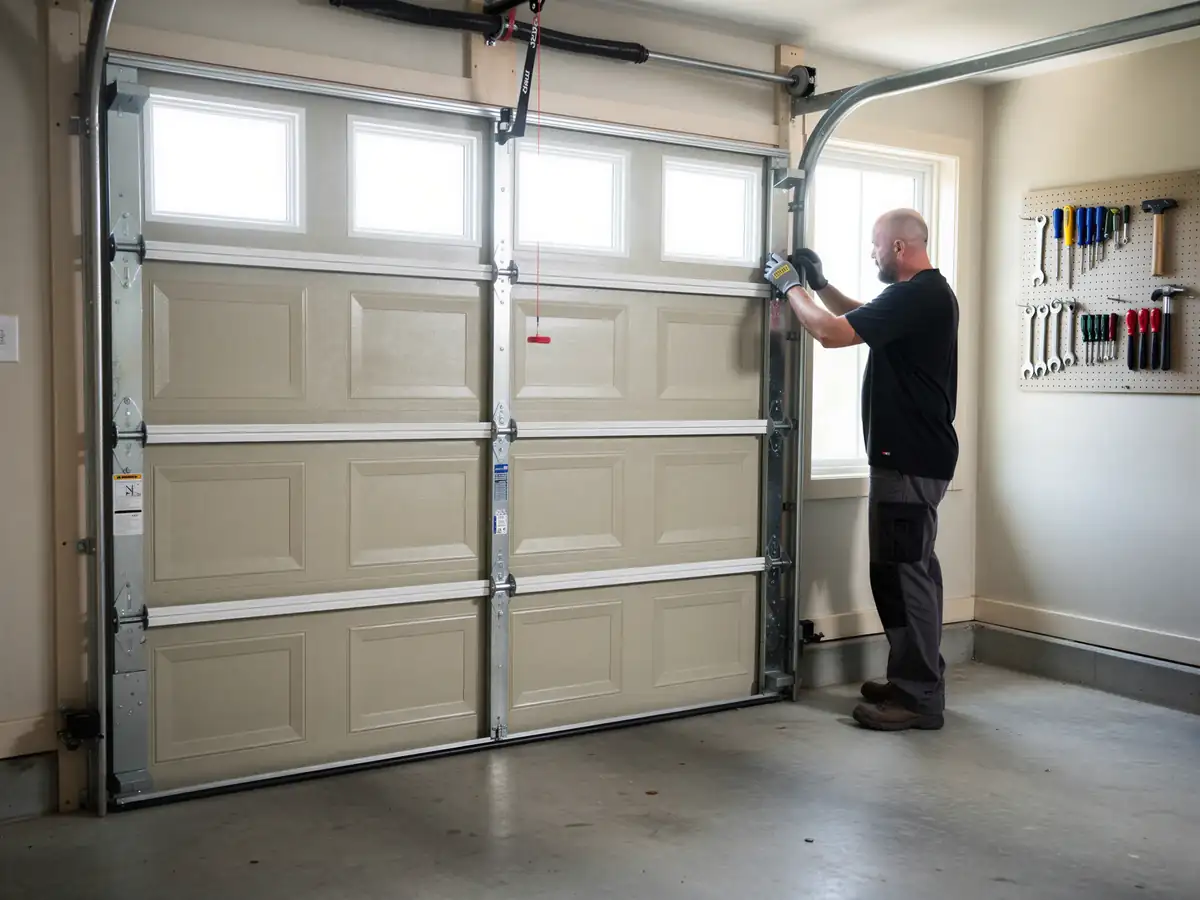
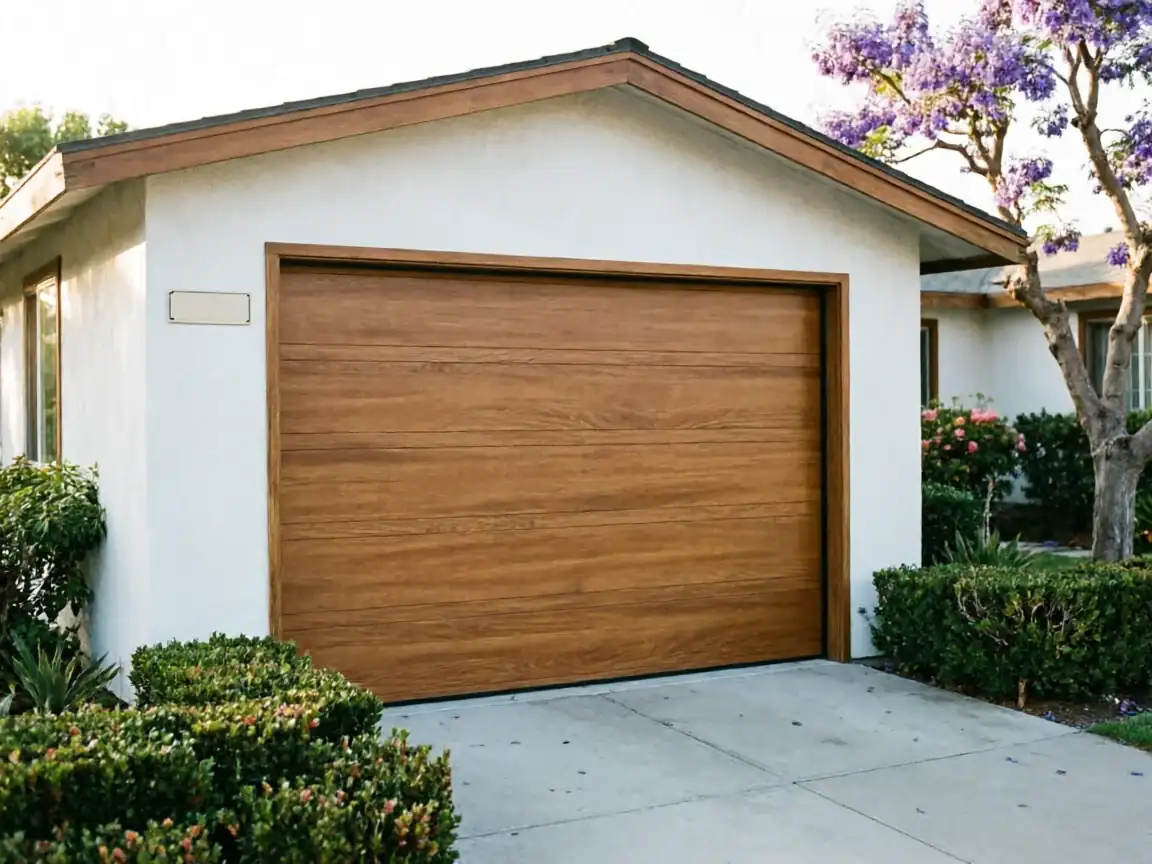
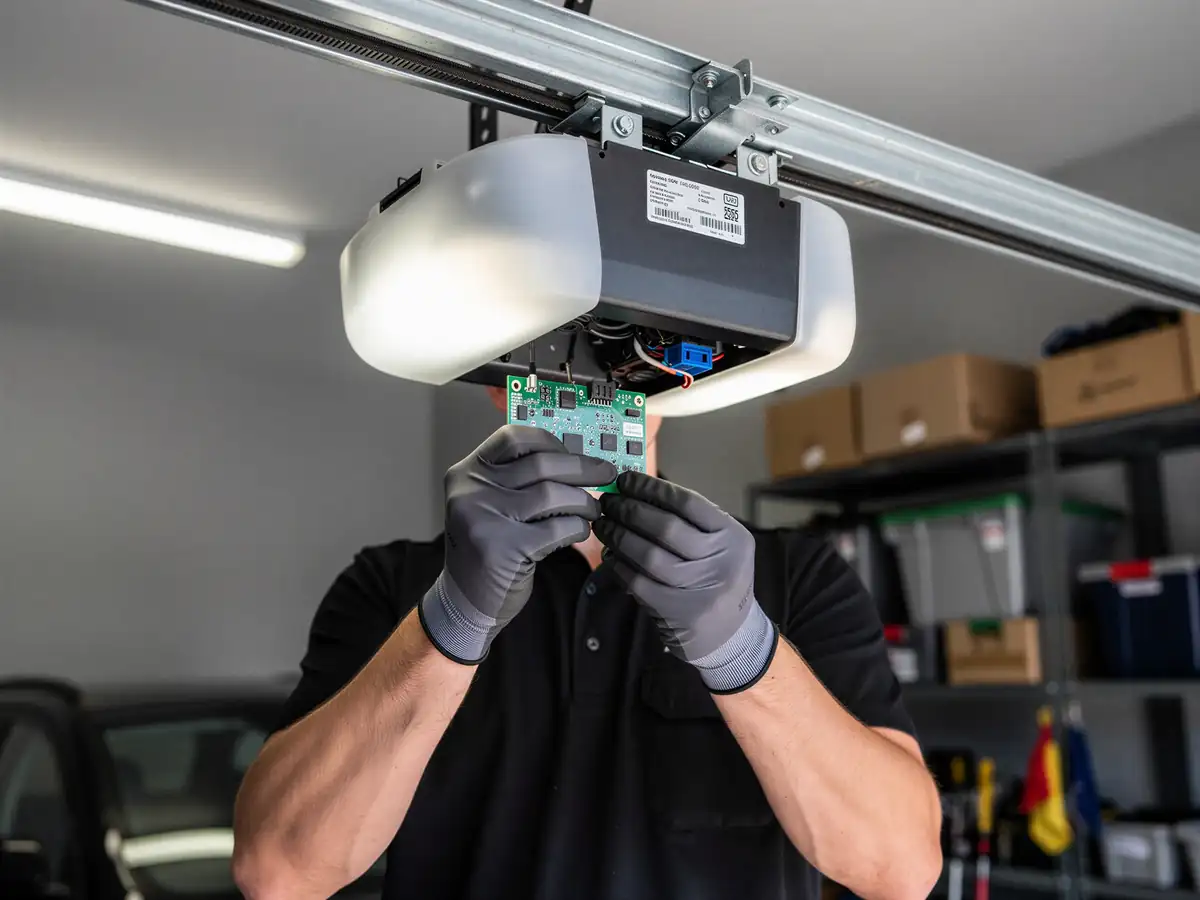
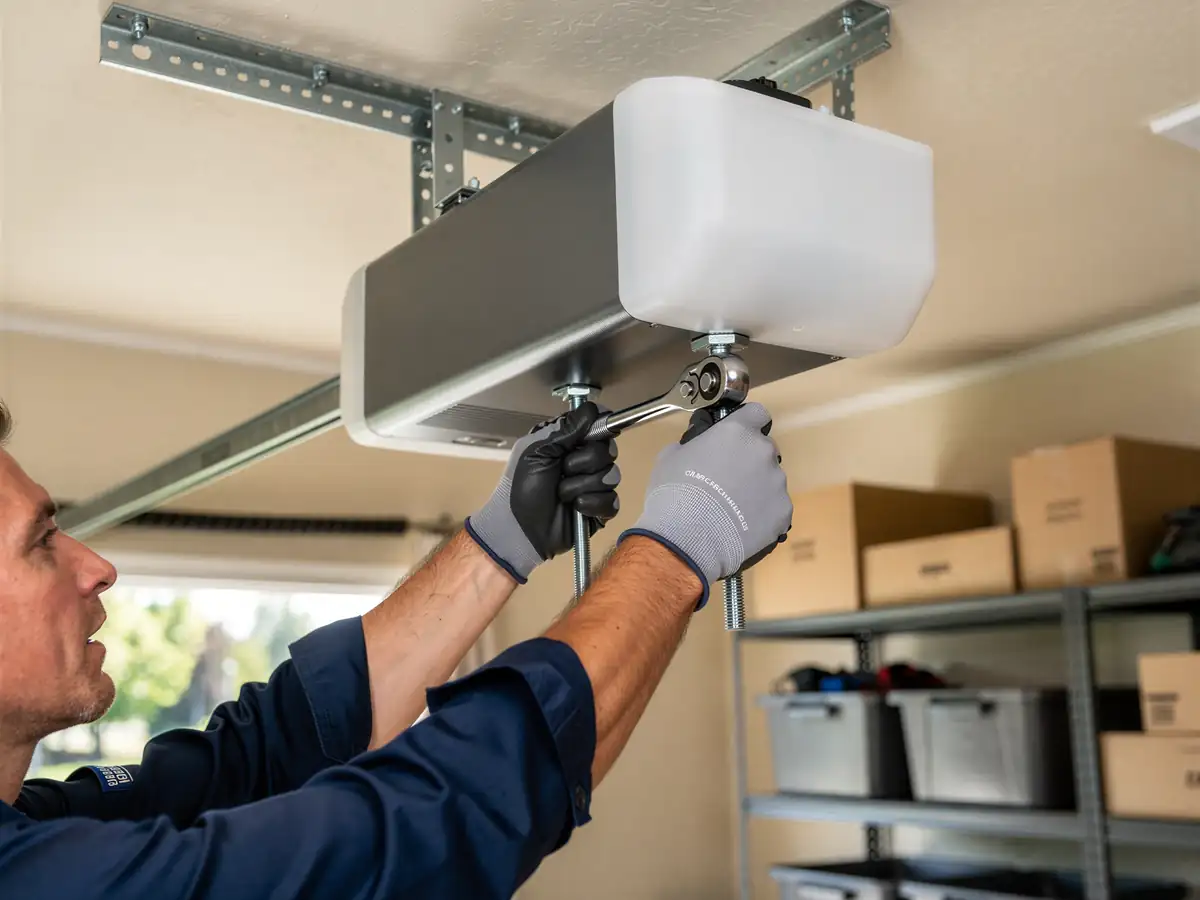
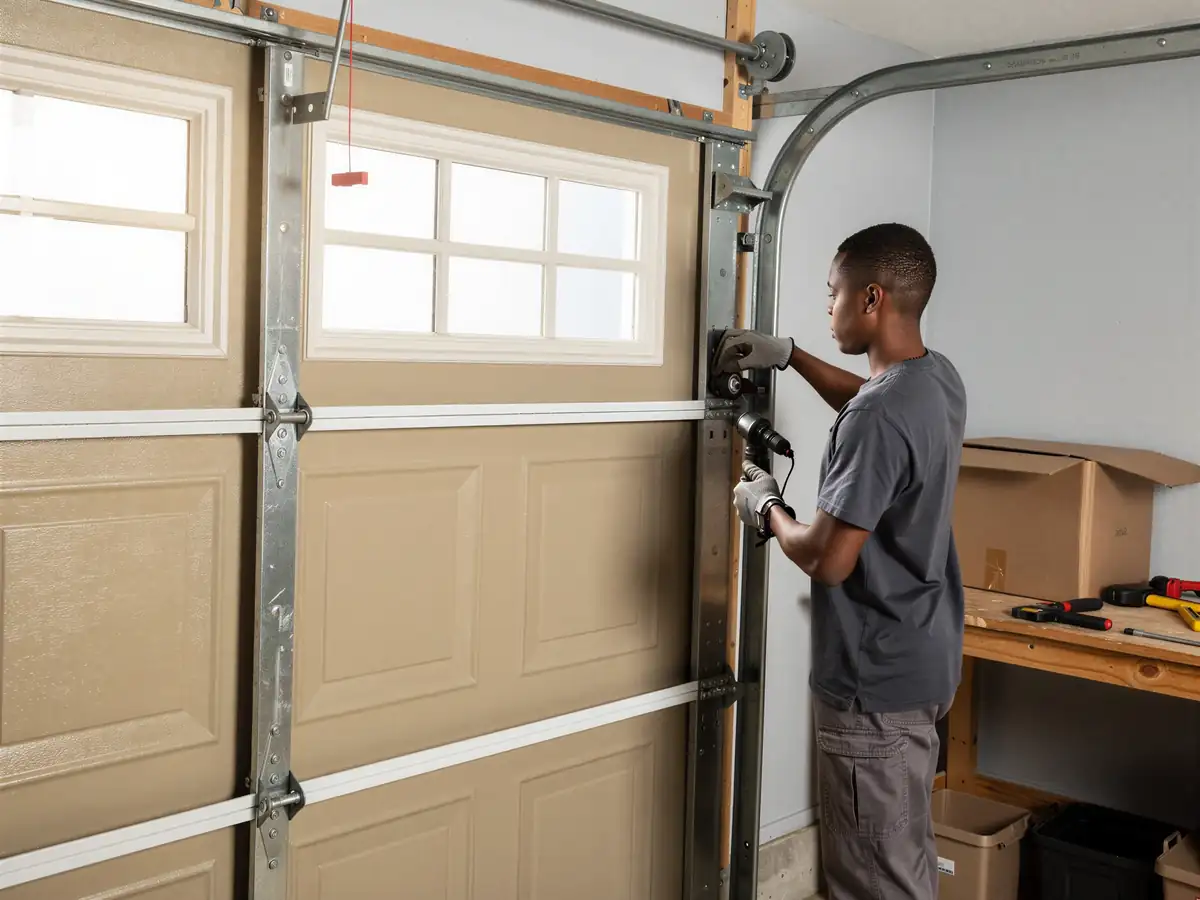
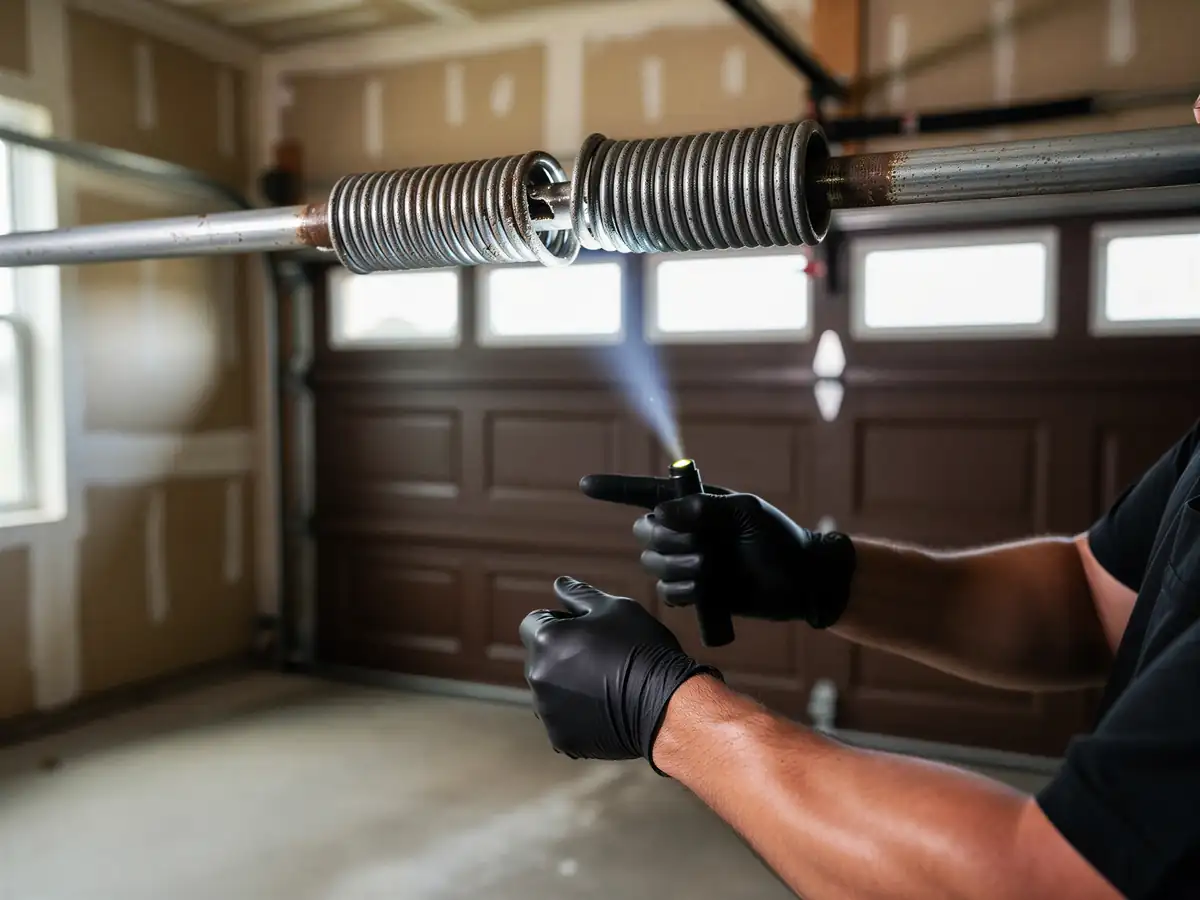
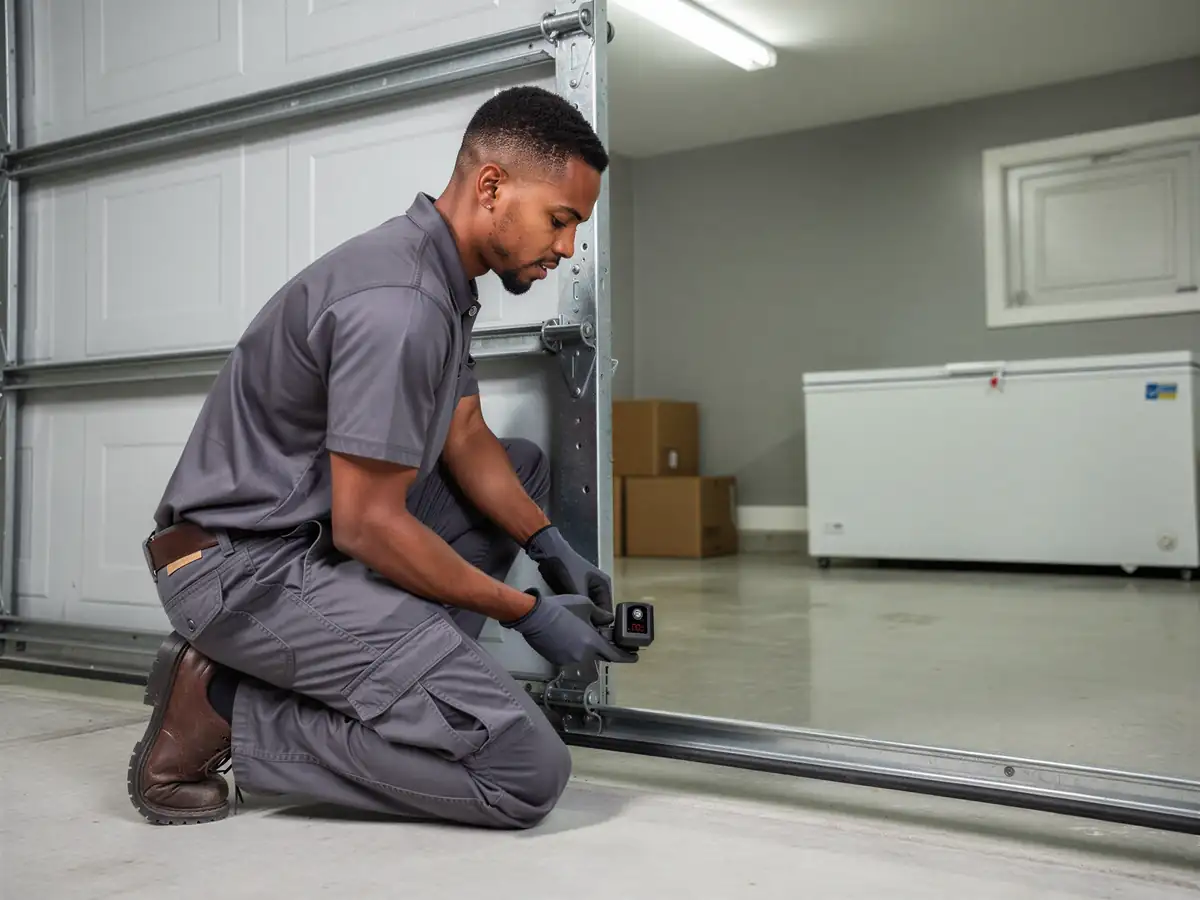
Topanga's houses mostly date to around 1971, a few years newer than the 1963 median across the wider area we cover, and newer than a lot of the 1960s stock in the other twenty areas on our list. That matters for what's on the truck. Doors from this window are usually steel sectional panels on torsion springs rather than the older one-piece doors we see on earlier builds, so the springs, end bearing plates, and nylon rollers we stock are sized for that generation of hardware. We carry standard torsion springs rated for typical double and single door weights from this era, plus galvanized lift cable and the sealed rollers that replace the open-bearing originals. What we don't carry on the truck is anything custom - if a door was modified from the factory spec or uses a spring size outside the common range, that part gets special-ordered and the visit becomes a two-trip job. We'd rather tell you that upfront than pretend every job wraps in one stop.We check this on arrival before quoting work, since guessing at spring size from the driveway leads to the wrong part showing up.
Where This Job Goes Sideways
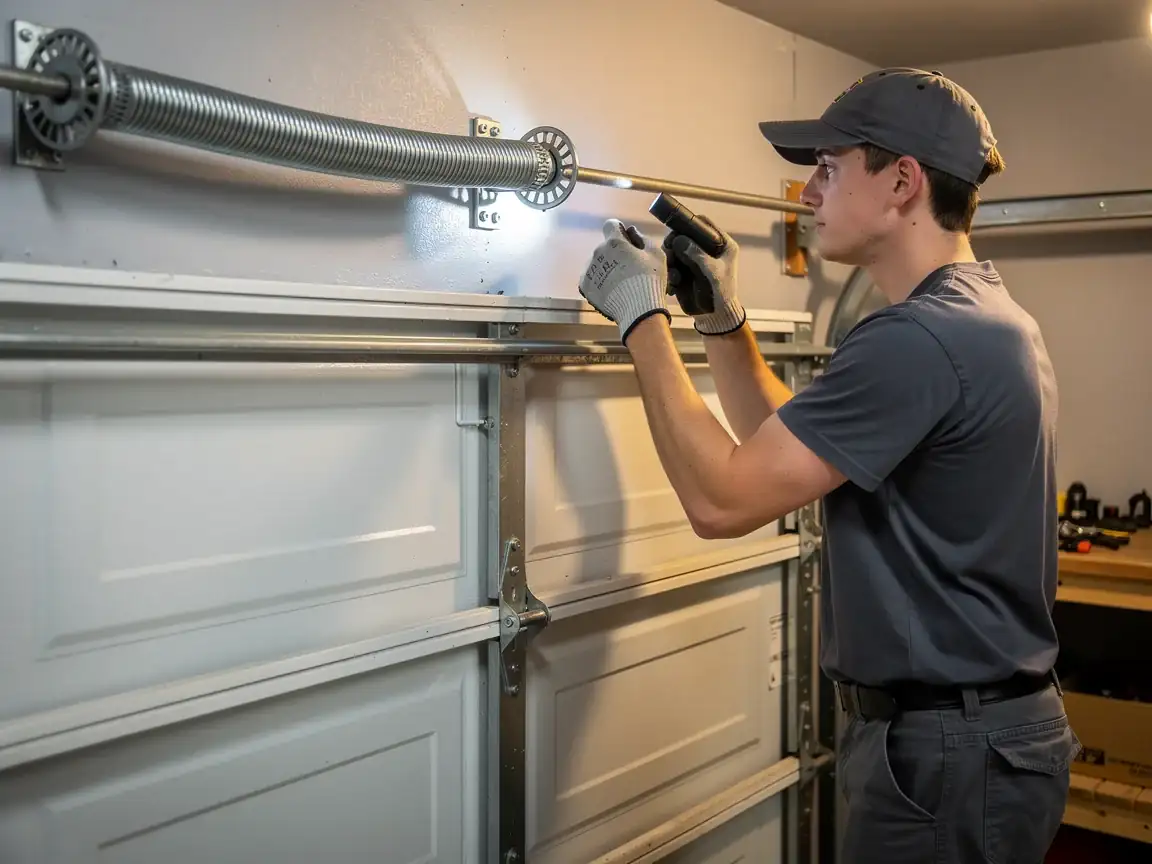
A door built in 1971 has had roughly fifty years of open-and-close cycles, and the failure point is almost always the torsion spring or the cable that's been quietly fraying behind it. The mild temperate climate band this area sits in means we're not fighting the rust and swelling that coastal salt air or freeze-thaw cycles cause elsewhere - but mild weather doesn't stop metal fatigue. A spring rated for ten thousand cycles doesn't care what the thermometer says. Where it goes sideways is when a homeowner hears a loud bang, assumes the opener is broken, and keeps running the door on a snapped spring using the opener's brute force - which then burns out the opener's gears and sometimes bends the track. The other way it goes sideways: a door that's been painted over multiple times since 1971 has hinges and rollers nobody has lubricated in years, and dry metal grinding on dry metal wears a groove into the track faster than normal cycling ever would.
Why It Happens Here
With about 3,098 households in Topanga, this isn't an area where our truck is already parked on a block two or three times a week the way it might be in a denser part of the territory. Most of the houses here are part of that 1960s-70s building wave across the broader area, and 1971 puts Topanga's homes squarely in that window - old enough that original hardware is at or past its service life, new enough that the doors are still steel sectional panels rather than the heavier one-piece wood doors from the 1950s. The fault pattern we see tends to be springs that have simply logged their cycle count, cables starting to fray at the drum, and rollers original to the house that have gone from steel wheel bearings to a dry, grinding slide. None of that is weather-driven in a mild climate like this one - it's straight mechanical wear from age, which means the fix is mechanical too: the right-sized replacement part, not a sealant or a weatherstrip.
Booking a Visit
We run this job out of Hermosa Beach, and Topanga is about 19 miles out - the longest run on our regular coverage list, past closer stops like El Segundo or Palos Verdes Estates. That distance means we schedule these visits rather than treat them as a same-day drop-in, so it helps to book ahead rather than call expecting someone on-site within the hour. If your door is already stuck shut or a spring has snapped, that's a different call than routine maintenance - see our Topanga garage door repair page for that. For the broader rundown of what a maintenance visit covers across our whole service area, the Hermosa Beach maintenance page has the general service details; this page is specifically about what we find on Topanga's 1971-era housing stock.