Booking a Visit
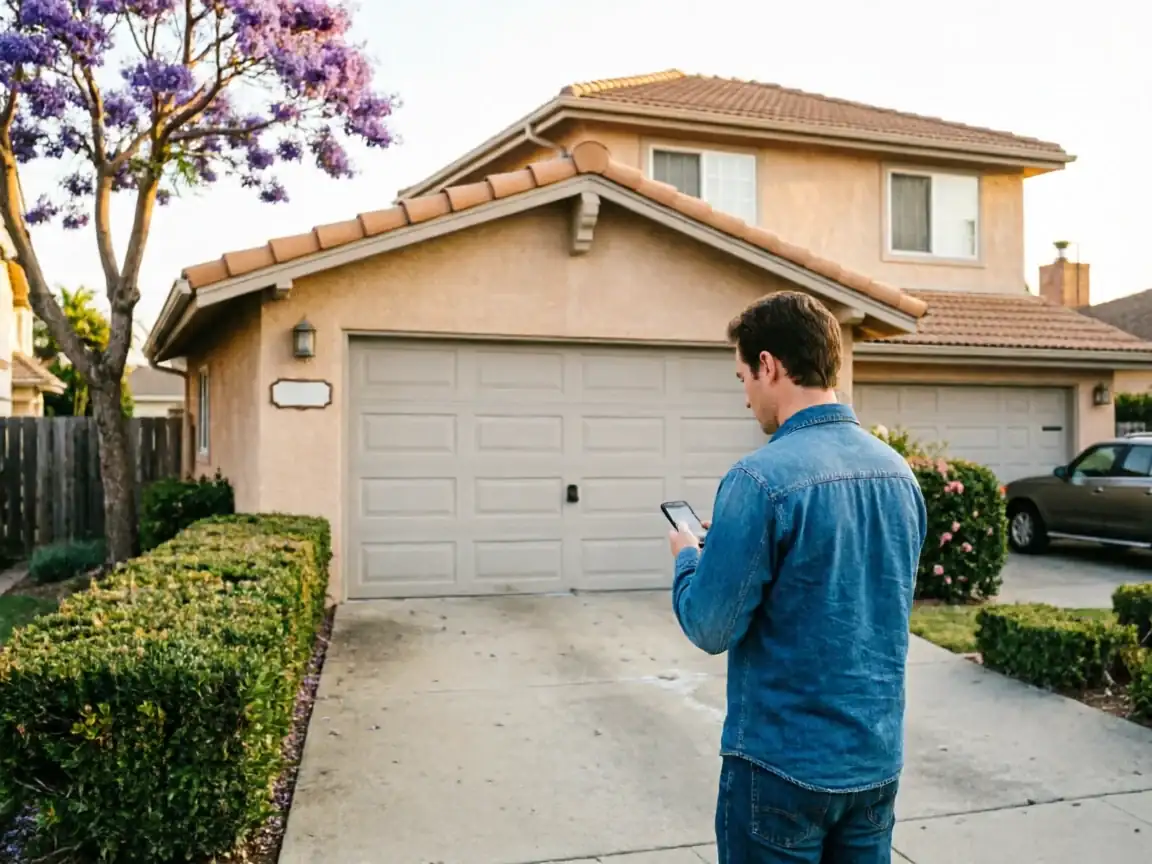
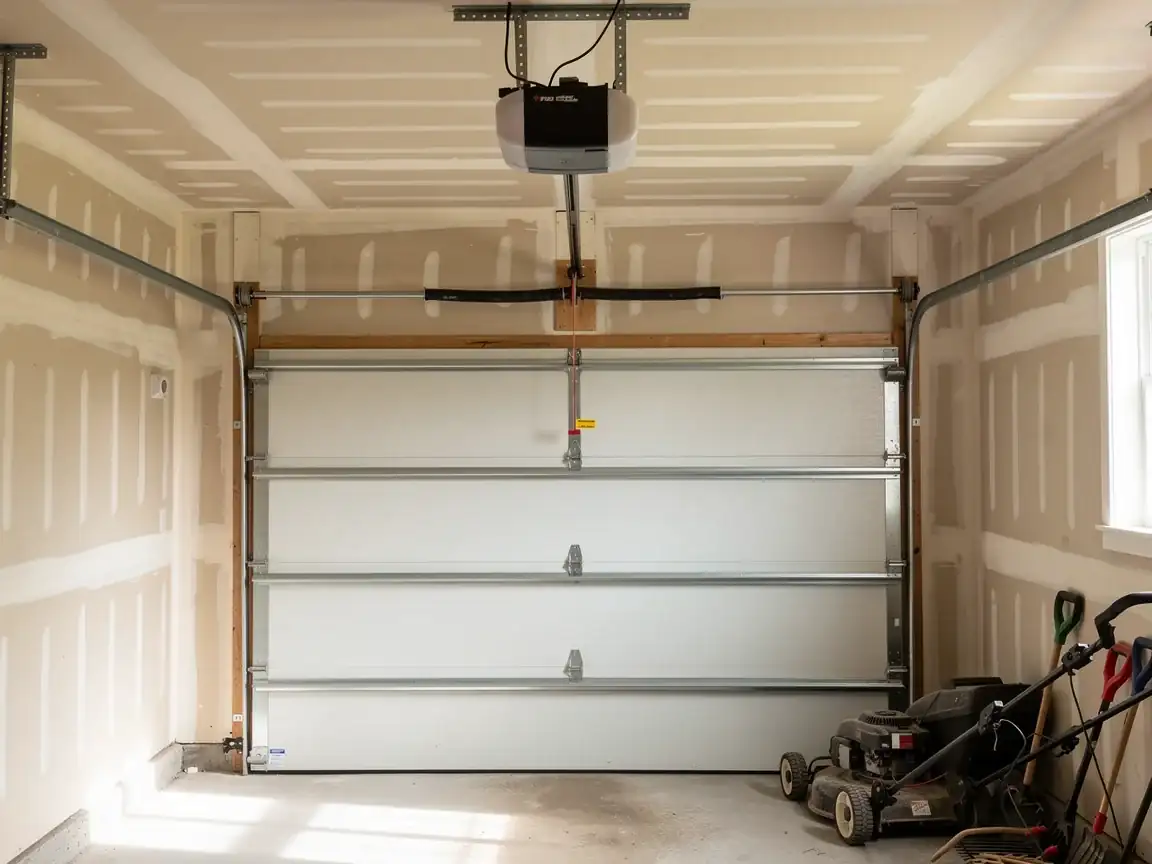
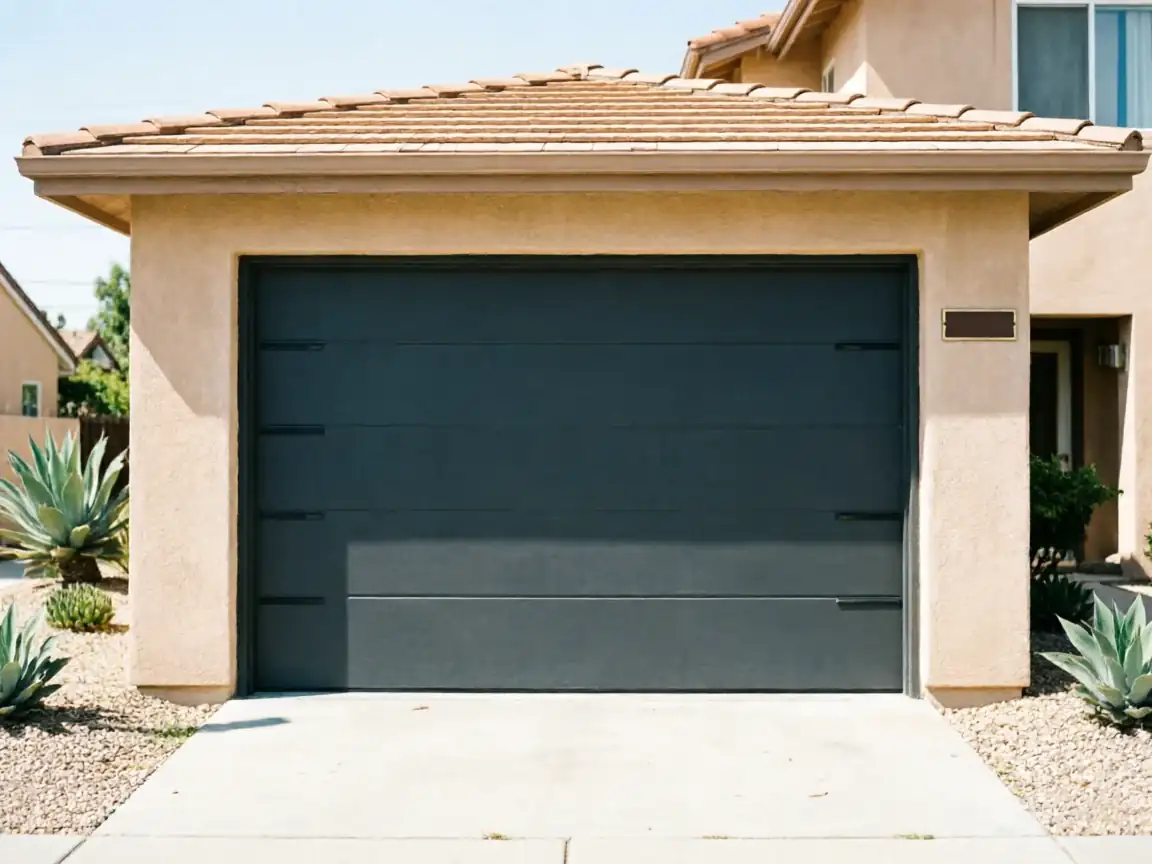
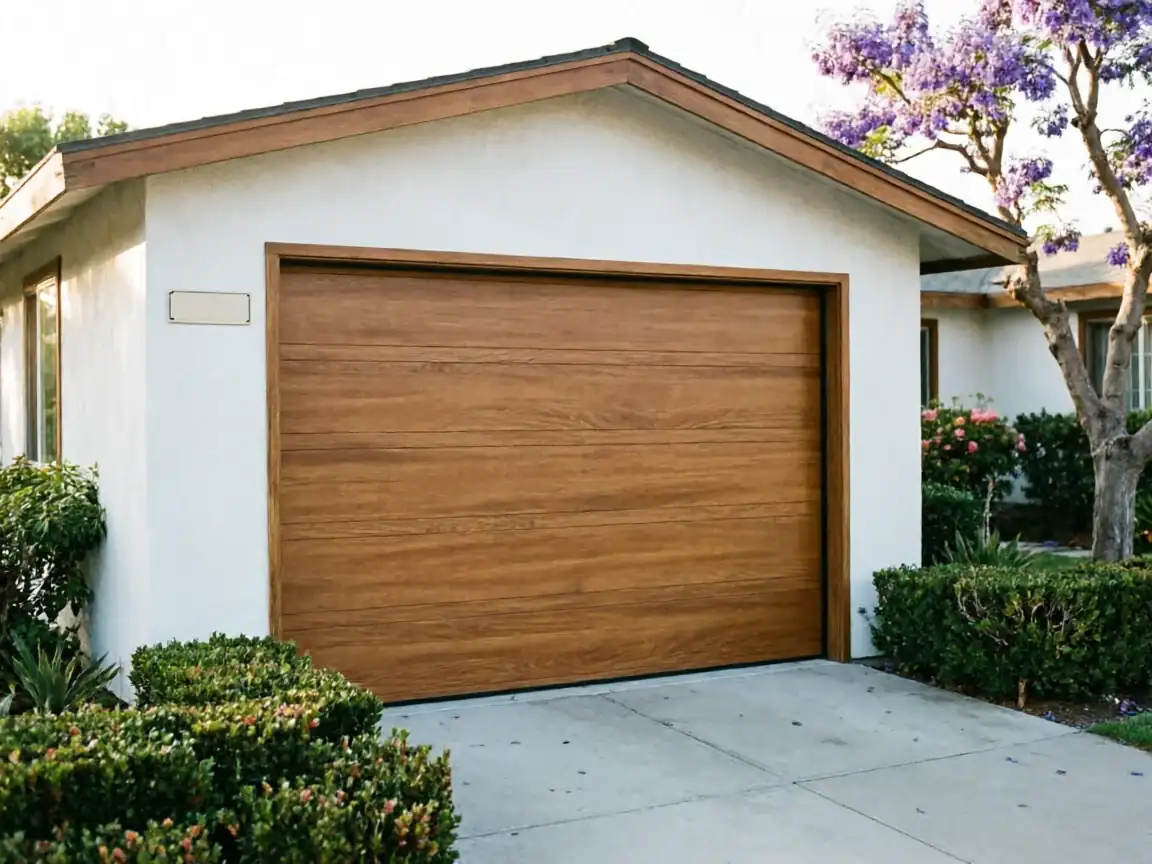
We're based in Hermosa Beach, about 7 miles down the coast, and we run trucks out to Palos Verdes Estates on scheduled visits rather than keeping a depot in the hills. When you call, tell us the door's rough age if you know it - most houses up here went up around 1963, and that one detail changes what we load on the truck before we leave. A 1963 door isn't hardware-compatible with what's sold today, so knowing the vintage ahead of time means we don't make a second trip for a part. We don't do walk-ins here; every job is a drive, so we ask for a window rather than a fixed clock-in time. If you're not sure what you have, a photo of the door from the driveway and one of the spring area is enough for us to guess right before we're on the road.
What It Costs
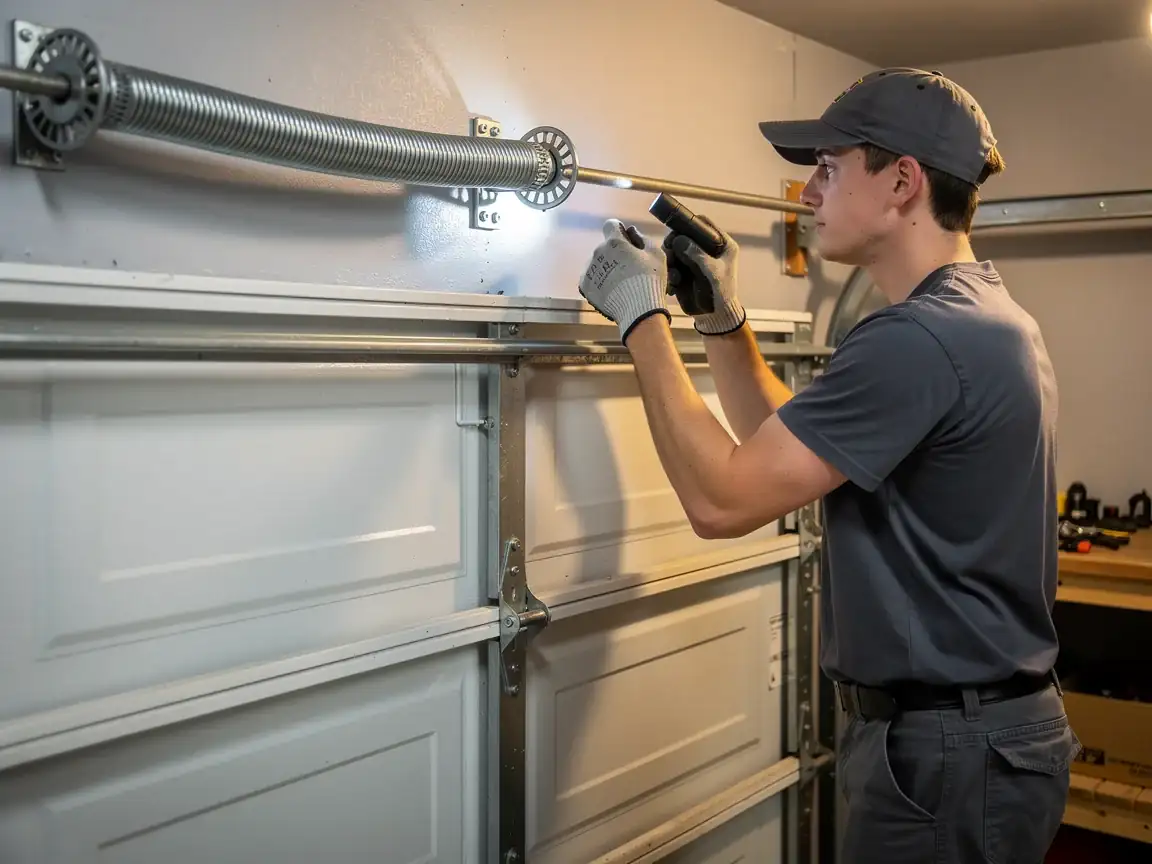
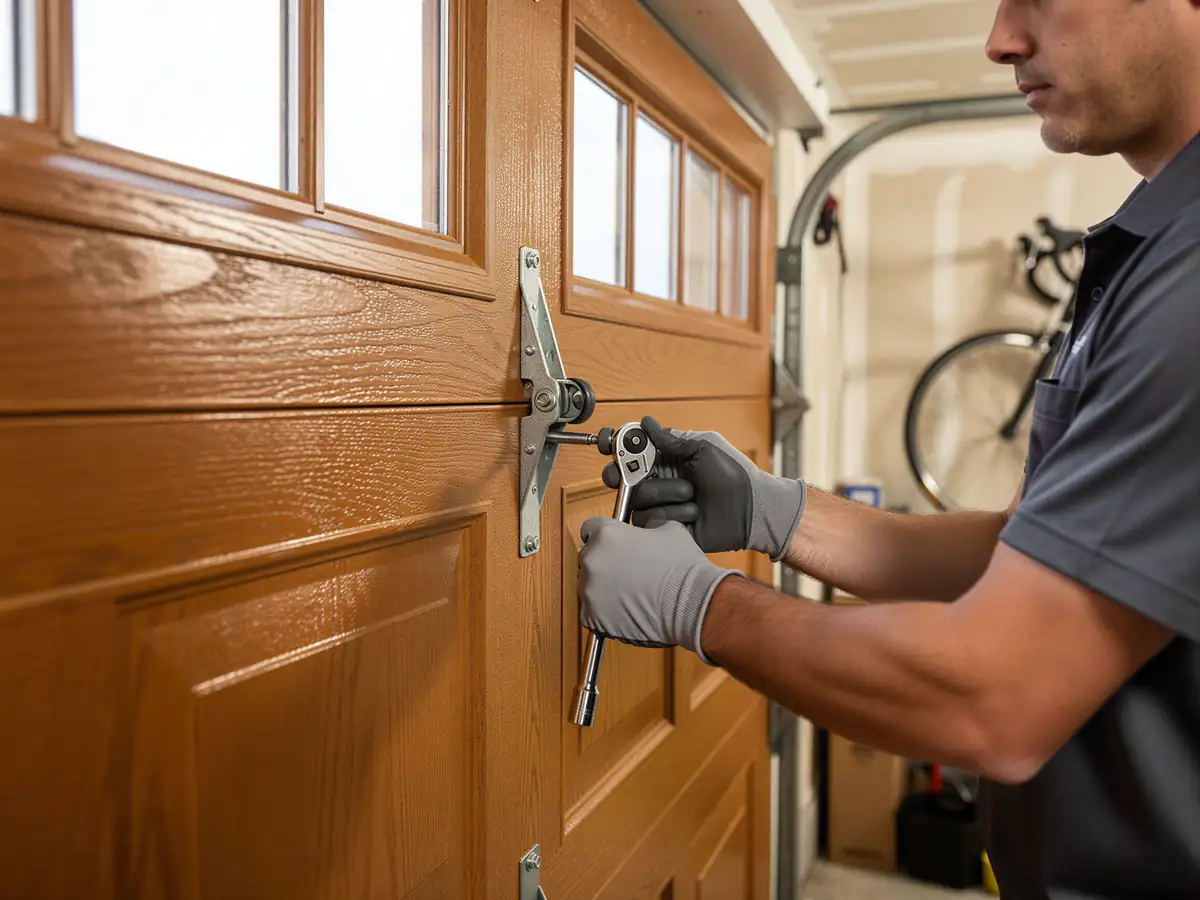
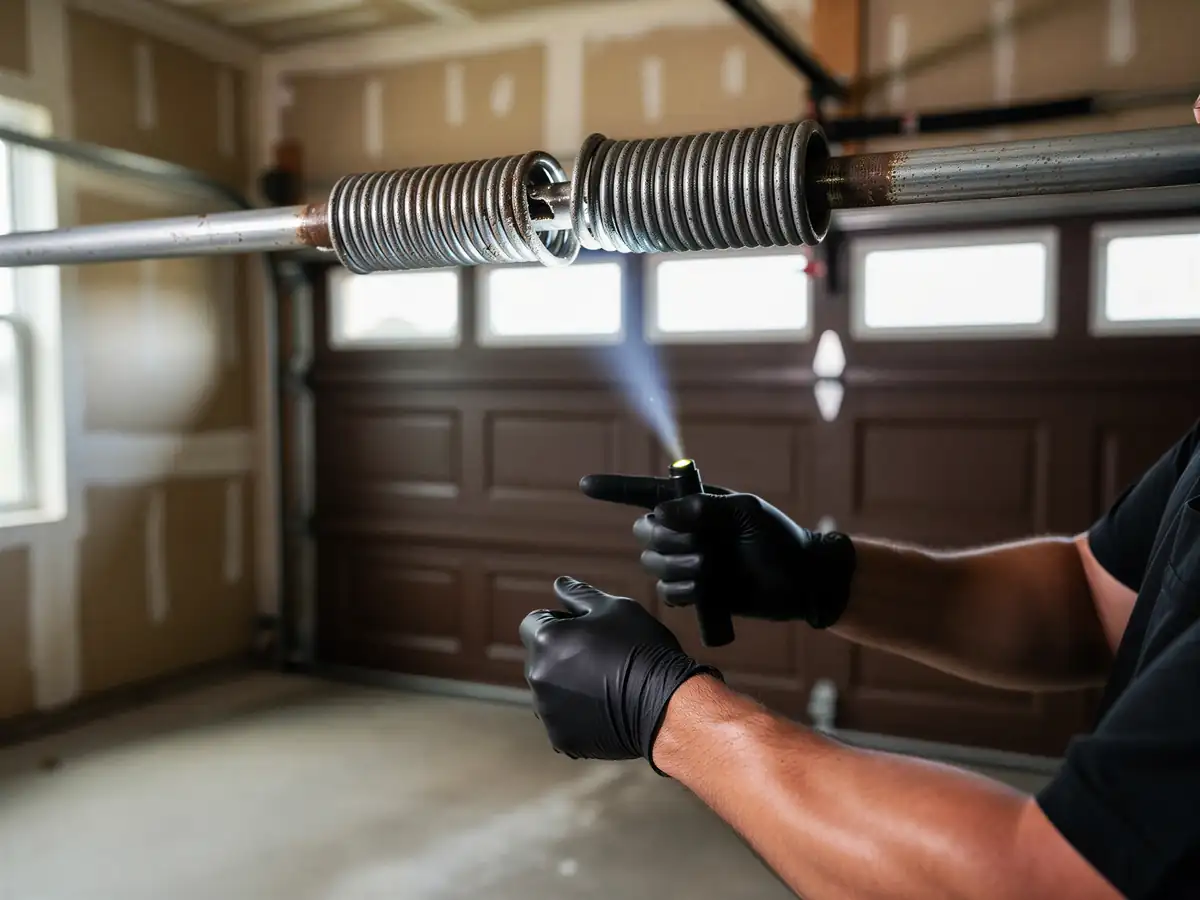
We don't publish a flat number for Palos Verdes Estates because the age spread in the housing here is wide - some streets are mid-60s, a few run newer - and a wood panel door costs more in spring and hardware than a lightweight steel one. What we can say: a torsion spring swap on an original heavy wood door runs more in parts than the same job on a 1990s steel door, because the springs are wound heavier and the drums are often a discontinued size we have to special-order. That ordering lag is the one honest limitation here - if your door needs a part we don't stock on the truck, you're looking at a return trip, not a same-day finish. We'll tell you on-site whether that's the case before we start, not after.
Why It Happens Here
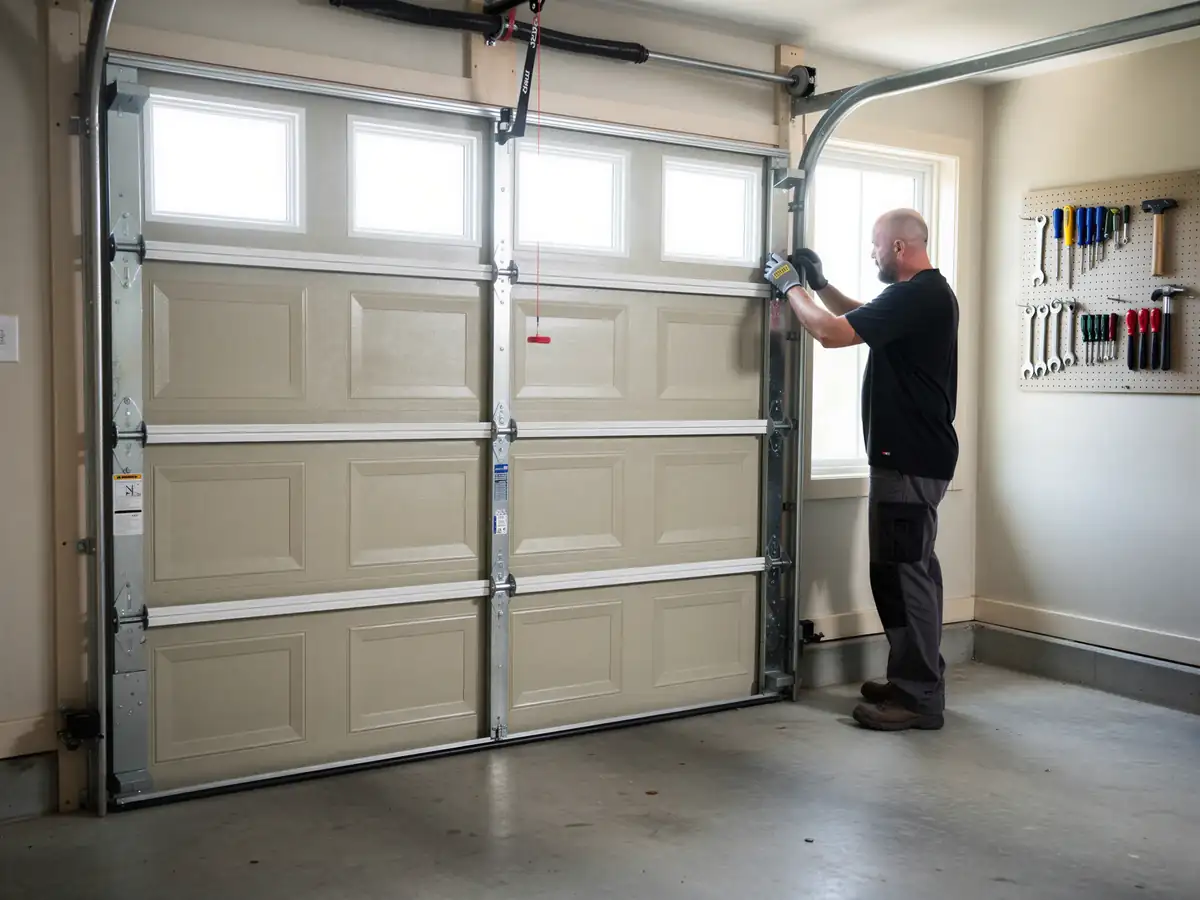
The mild coastal climate up this stretch doesn't crack panels or warp track the way freeze-thaw towns do, so when a door here fails, it's almost always wear and age catching up with original hardware rather than weather damage. A door installed when the house was built in the early 1960s has had six decades of cable flex and spring cycles with no climate stress to speed that along - it just runs out of cycles on its own schedule. With roughly 5,032 households in the area and most of the original housing stock still standing, we see a steady run of these original-door failures rather than storm-driven spikes. It's a slower, steadier kind of wear than inland towns deal with, which is part of why original hardware here tends to last long enough that homeowners are often surprised when it finally goes.