Booking a Visit
We run this job out of Hermosa Beach, about 7 miles from Palos Verdes Estates, so when you call we're already figuring the drive time into the visit, not tacking it on after. There's no branch or depot sitting in Palos Verdes Estates itself - the truck comes from Hermosa Beach every time, which is worth knowing up front so you're not picturing a crew around the corner.
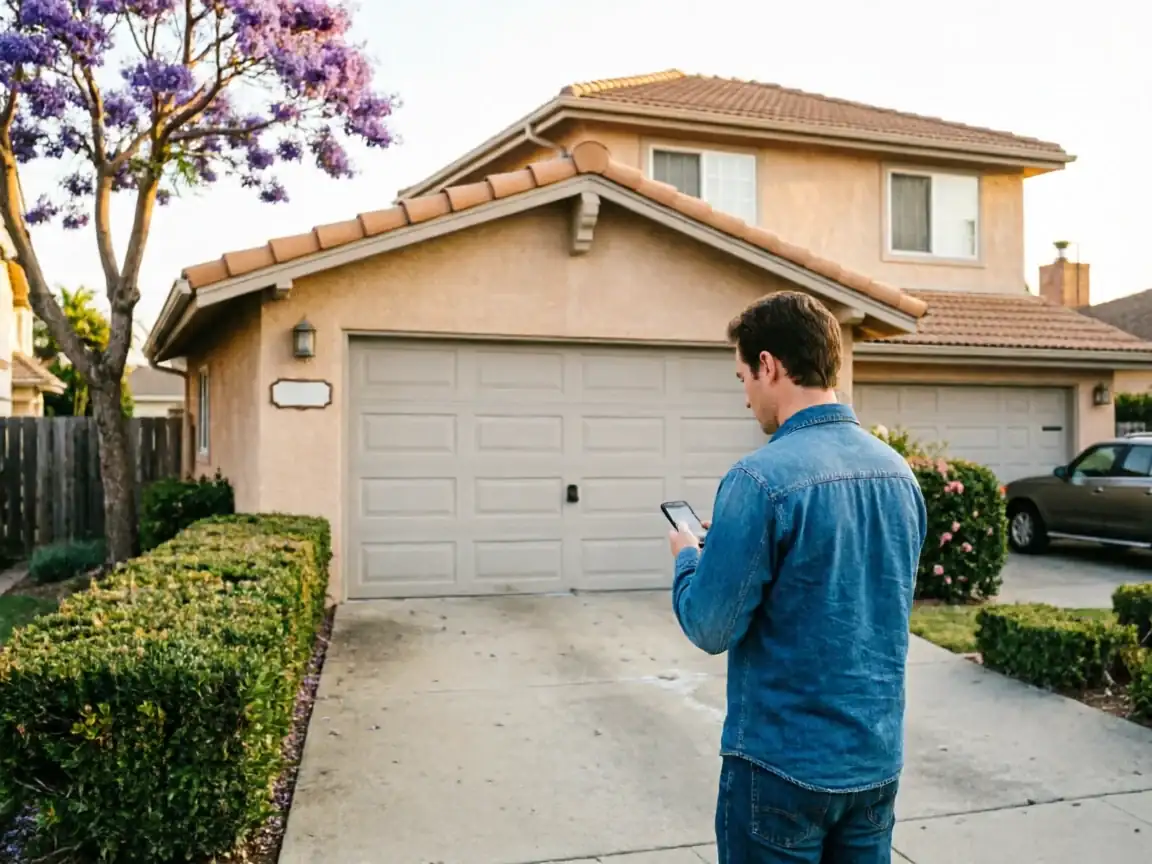
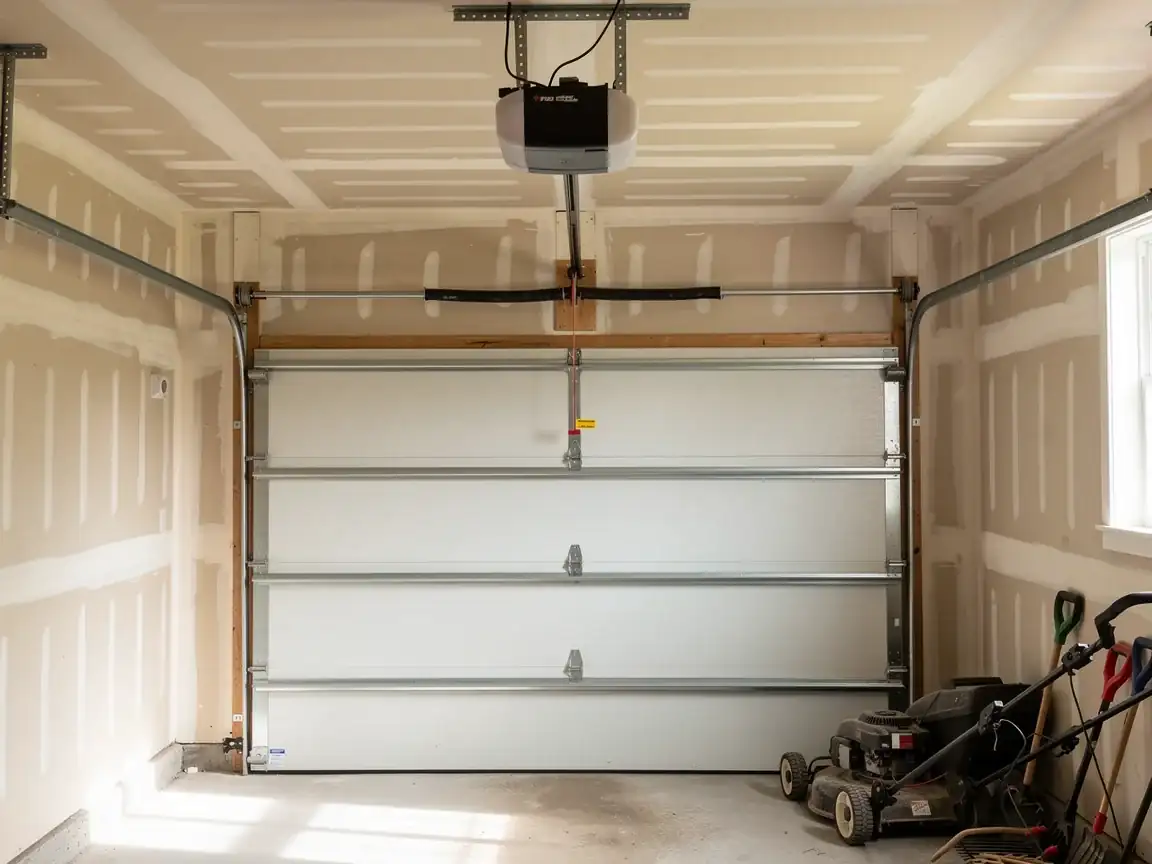
When you call, tell us the opener brand if you can read it off the unit, whether it's chain, belt, or screw drive, and whether the door moves at all or just hums. That's usually enough for us to guess what's wrong before we're in the garage, and it lets us bring the right gear kit, logic board, or sensor set on the first trip instead of a second one. If the unit predates the belt-drive retrofits we see a lot of in this suburb, say so - it changes what we load on the truck.
How We Fix It
Most of the calls we get from this suburb split into two buckets
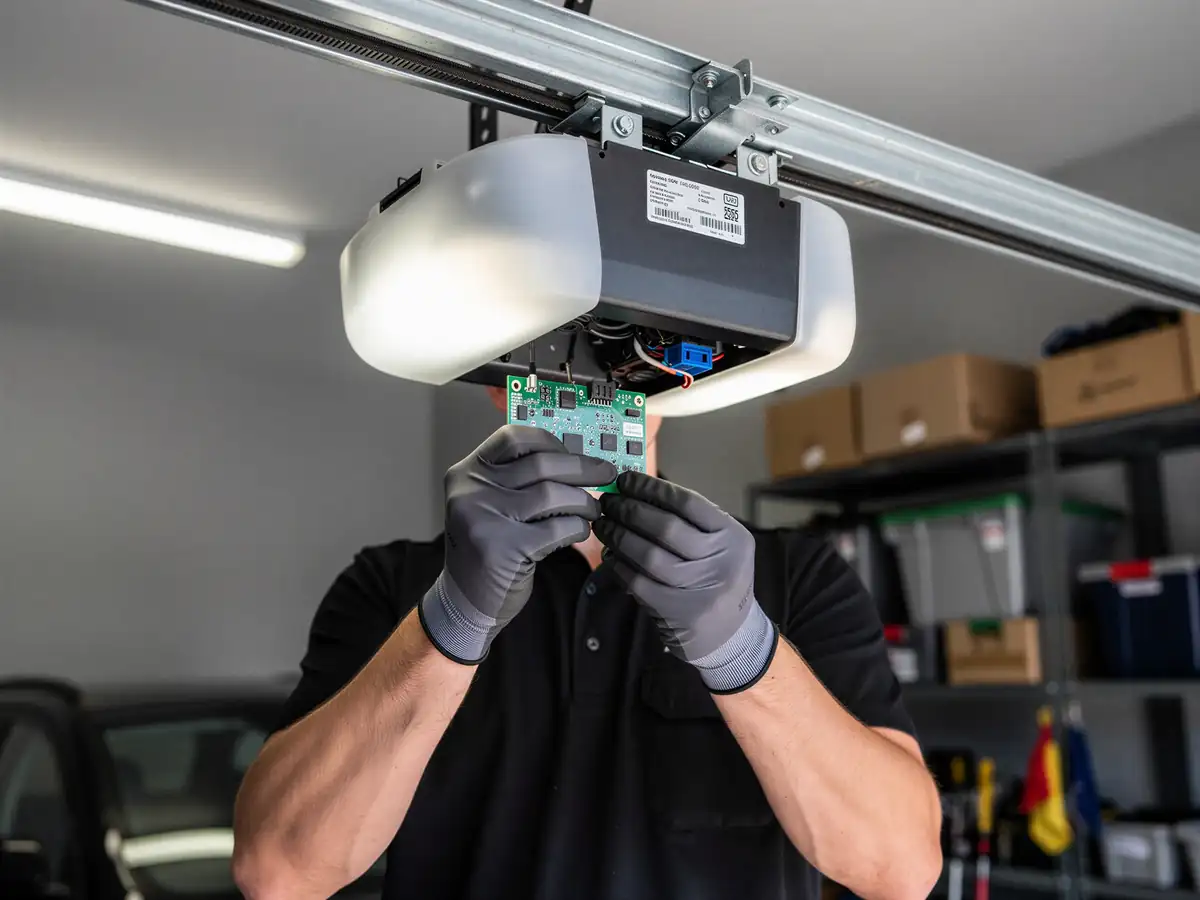
A stripped drive gear on an older chain unit, or a dead logic board on a opener that's been quietly failing for a season before it finally quits. Given that the median home here was built in 1963, a lot of these garages are on their second or third opener since the house went up, and the bracket, the header, and the wiring run are all older than the unit bolted to them.
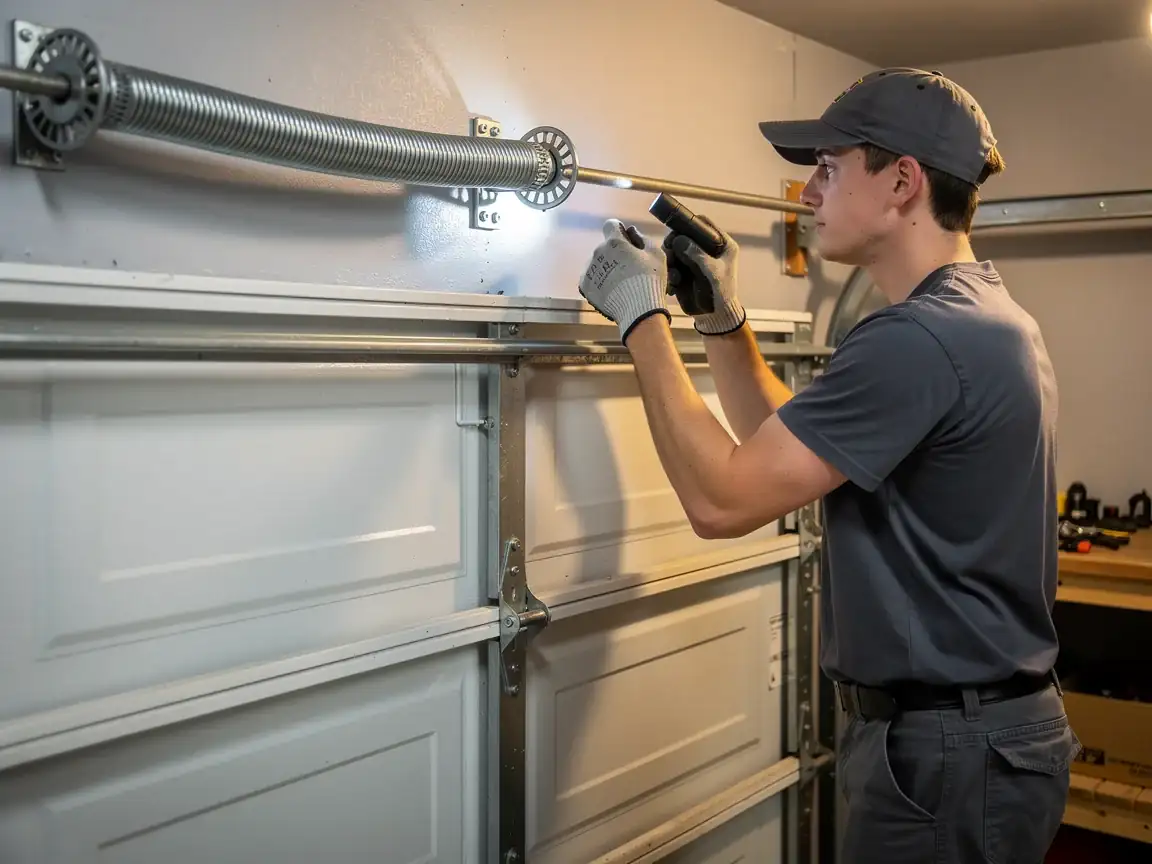
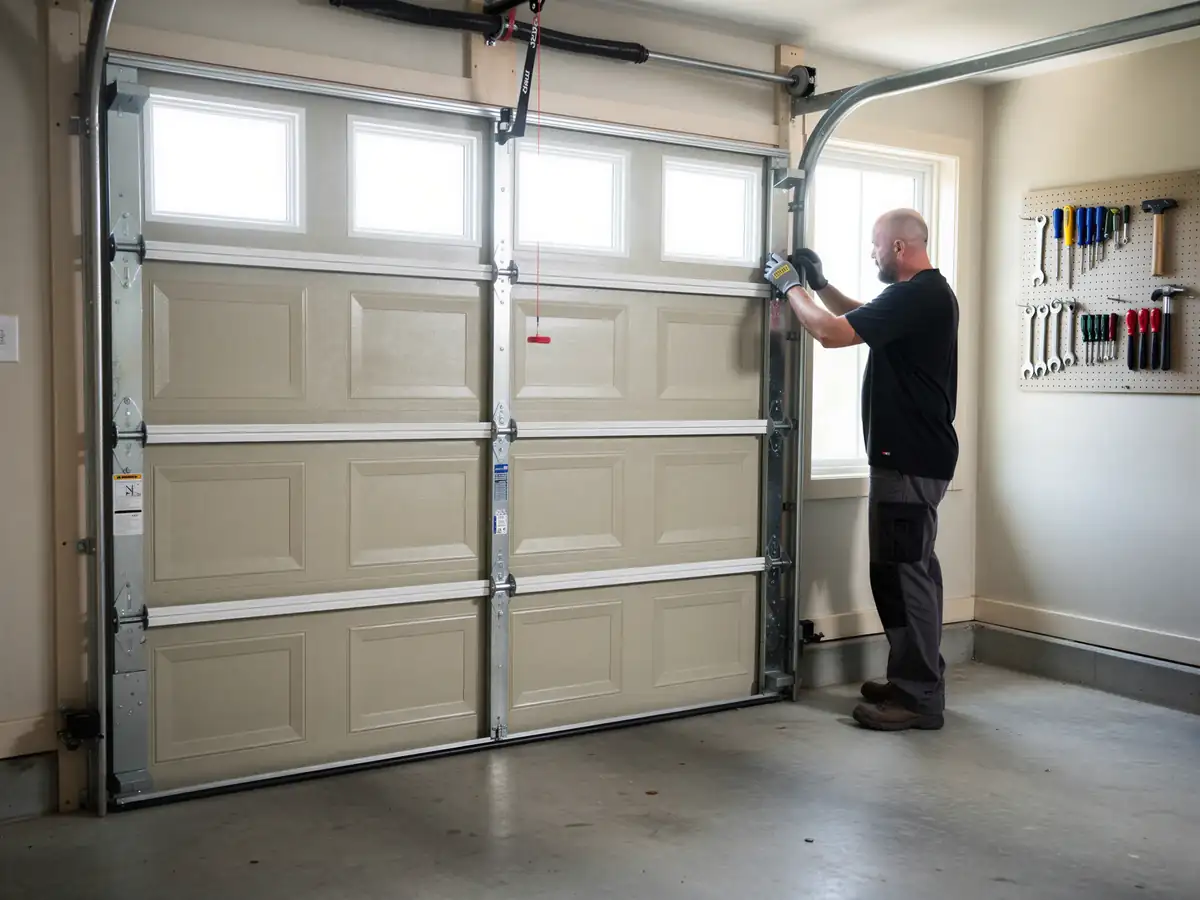
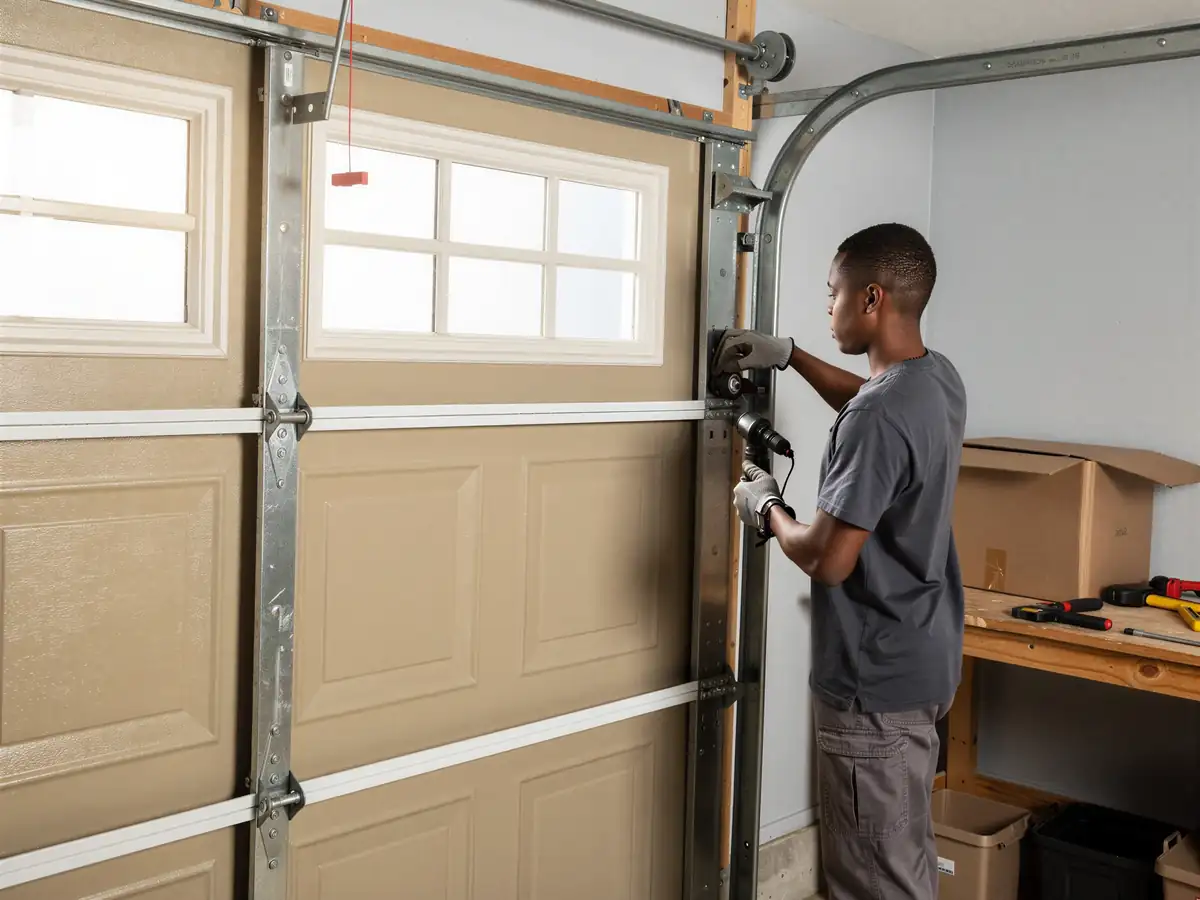
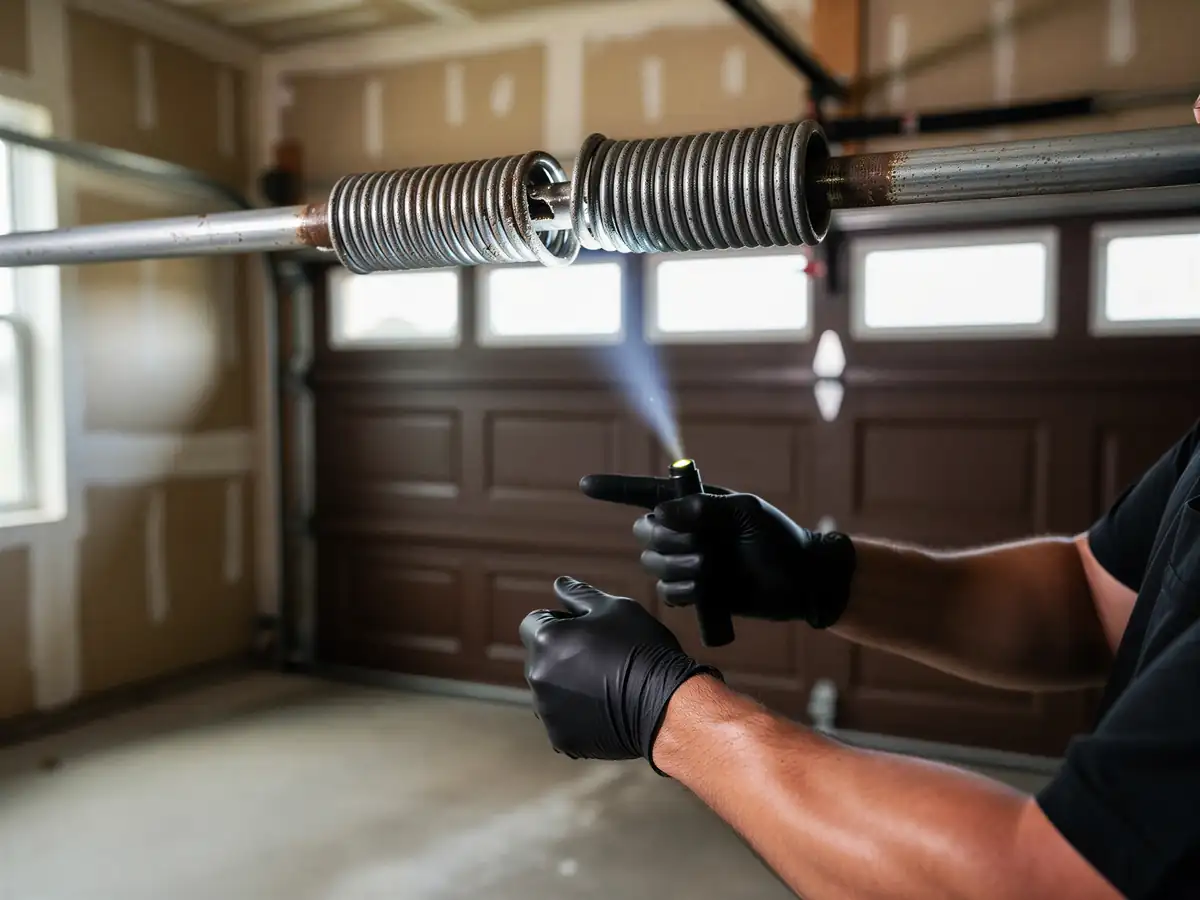
We start by running the door manually off the rail to confirm the opener is the actual fault and not a spring or track problem wearing a mask
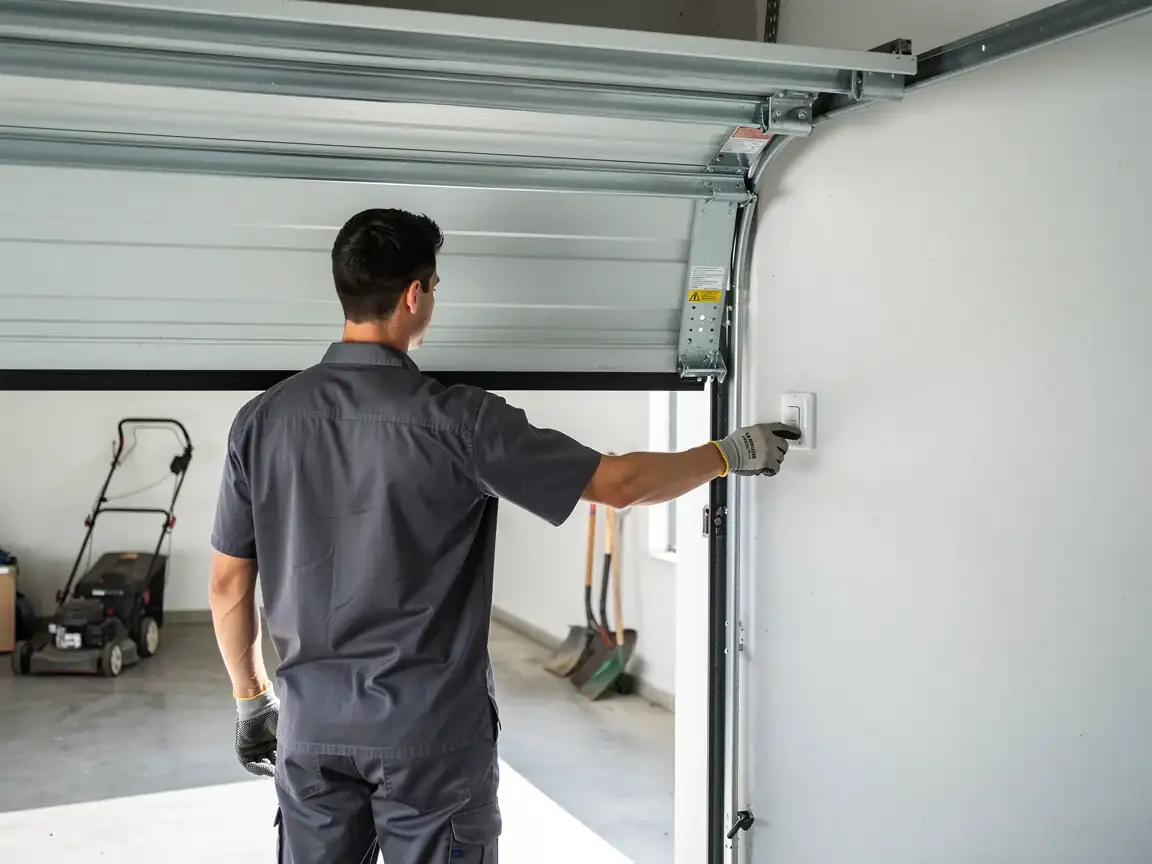
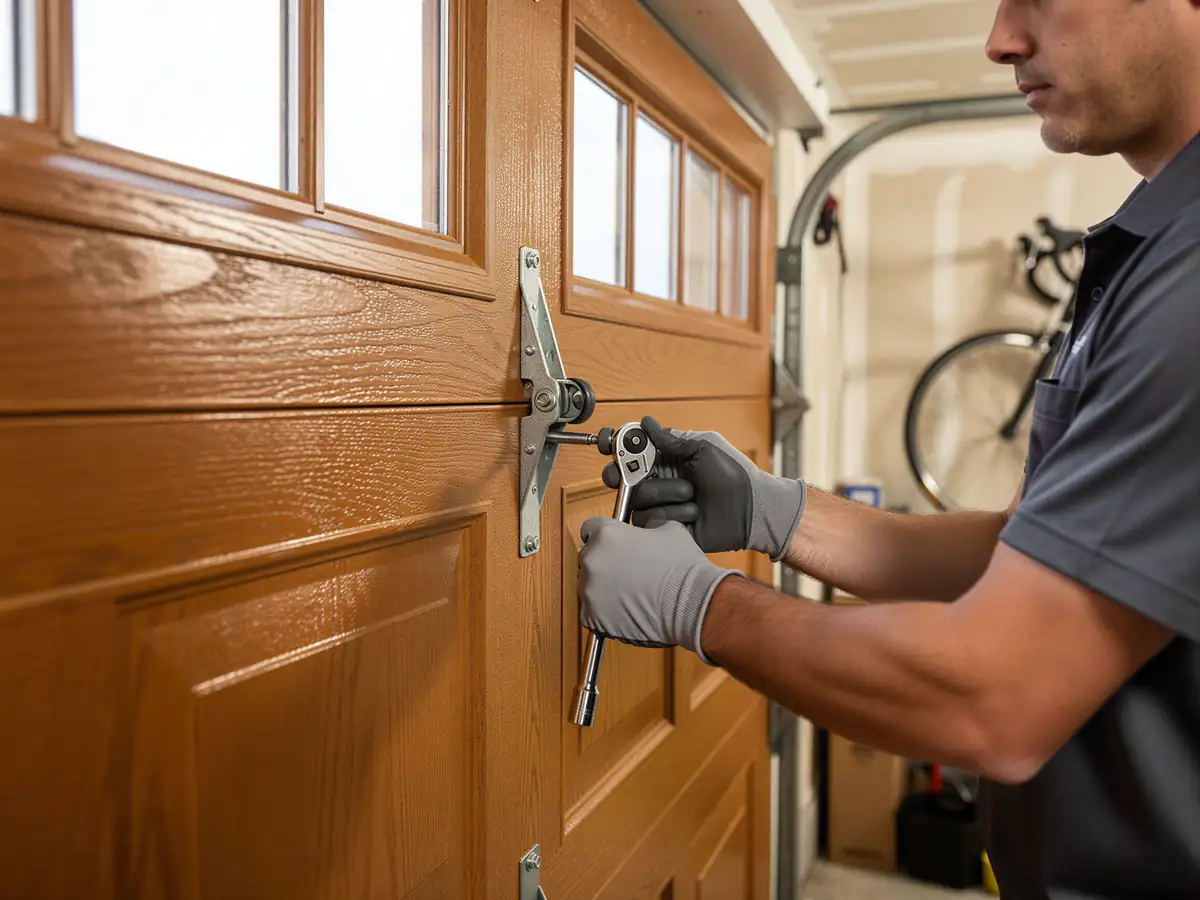
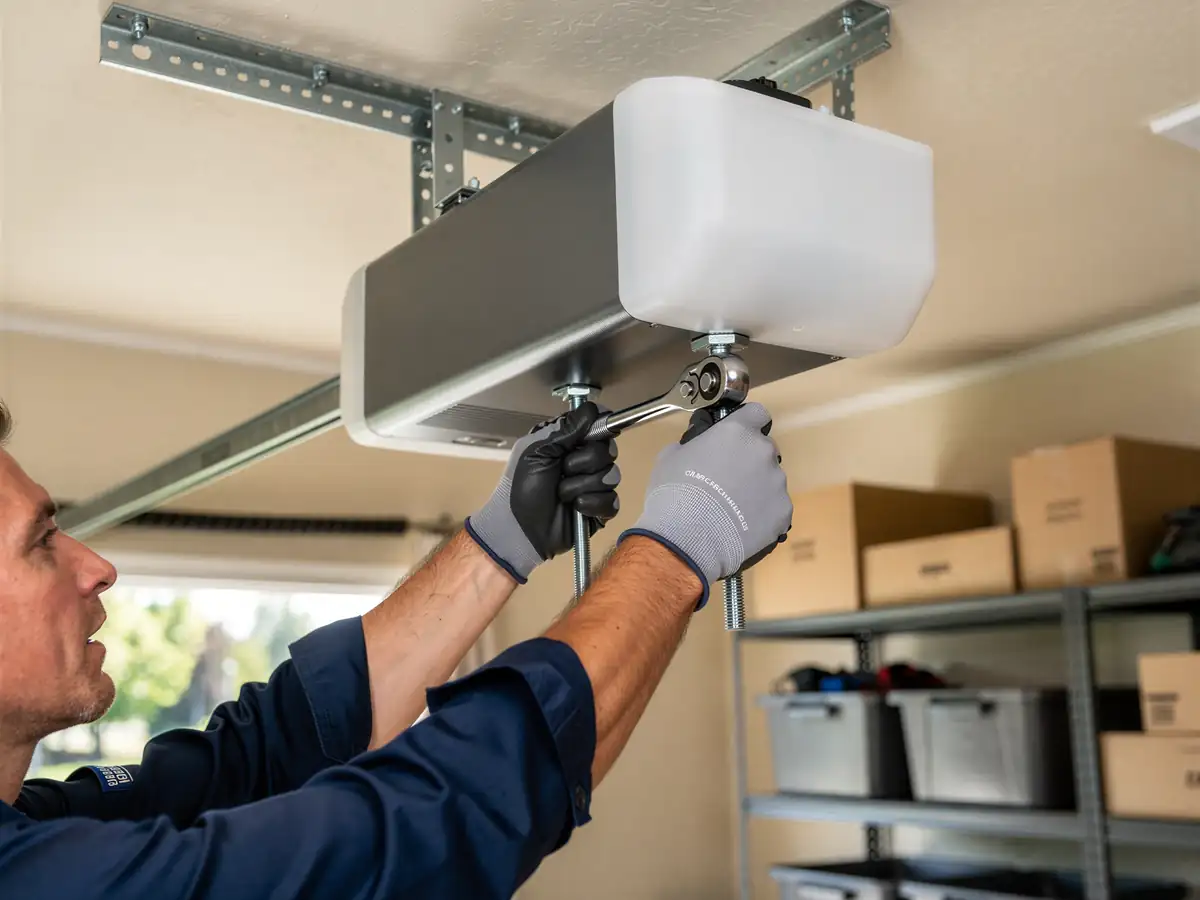
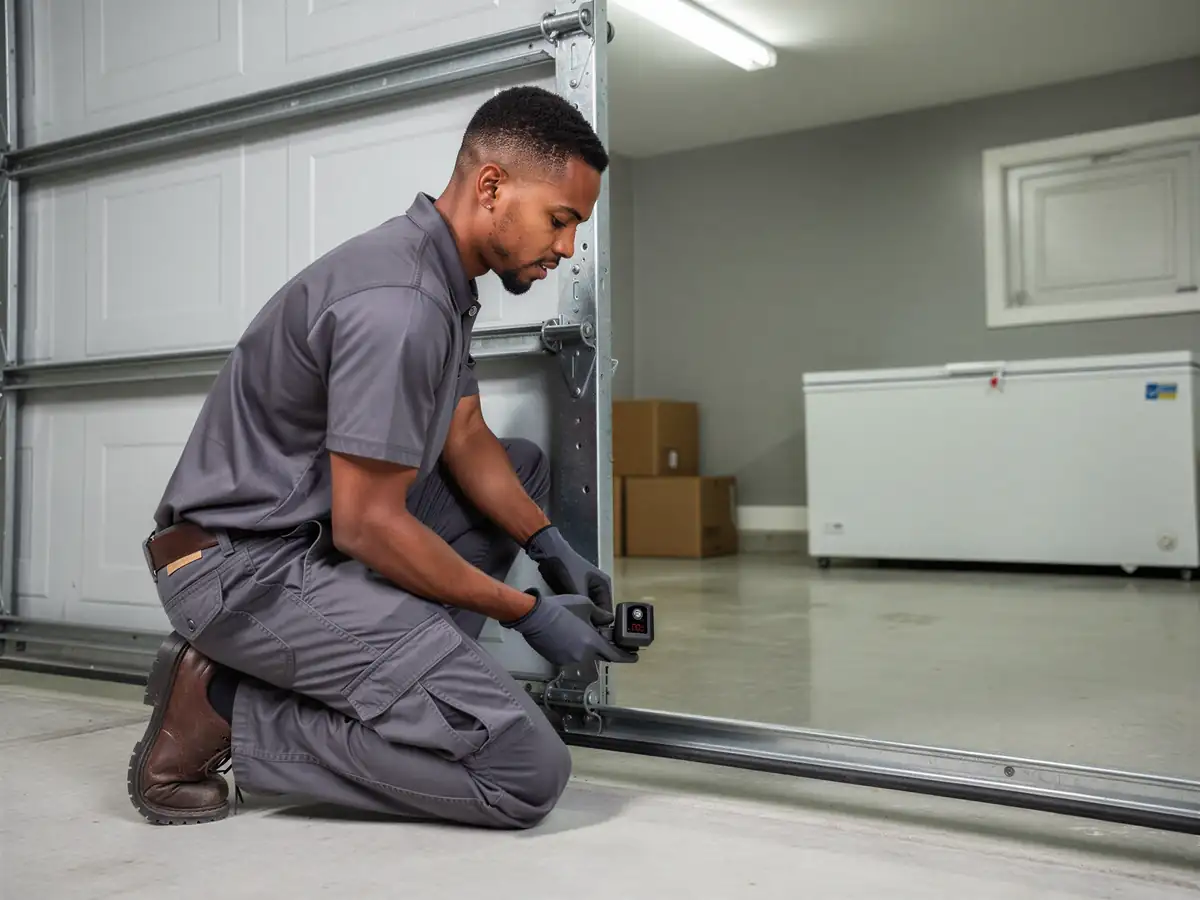
From there, a stripped nylon gear gets swapped for a new one rather than a whole motor, if the housing and shaft are still sound. A dead board gets replaced, not rewired - we don't patch logic boards. Safety sensors that have drifted out of alignment get reset and tested with the door under load, not just a quick point-and-check. If the opener is a belt-drive unit installed more recently, the fix is usually a sensor or a limit switch, not the drive itself, which is a quicker job.
What It Costs
We don't have a published price list for this page, and quoting a number without seeing the unit and the door it's mounted on would be a guess dressed up as a fact. What we can tell you is what drives the cost: whether the fix is a gear and sprocket kit versus a full logic board, whether the opener is old enough that parts need to be sourced rather than pulled off the truck, and whether the door itself needs attention at the same visit - a tired spring or a bent track will outlast the opener you just paid to fix.
One honest limitation: if the unit is old enough that the manufacturer no longer makes the board or gear kit, repair stops being the cheaper option even if it's technically possible. At that point we'll say so rather than string together a patch job that fails again in six months. Given the income levels we see in Palos Verdes Estates, most homeowners here opt for replacement with a belt-drive, battery-backup unit once a board goes, rather than hunting down an obsolete part.
Why It Happens Here
The housing stock in this stretch runs from 1947 to 2012 with a median build year of 1963, and most of it falls into that 1960s-70s wave that's common across the twenty communities we cover. That means the openers we're pulling out of garages here aren't original - they're the second or third generation on the same bracket, and a lot of them are older chain-drive units nobody services anymore because the gear kits are discontinued.
Palos Verdes Estates runs a median household income of $247,500, well above the $100,007 median across the wider service area, and it shows up in the work: more of these garages already have belt-drive openers with battery backup installed as upgrades, so the faults we find skew toward sensor drift and board age rather than the stripped gears we see more often on original chain units elsewhere. The mild coastal climate band here means we're not chasing heat-swollen housings or freeze-cracked plastic - the wear is mechanical, from age and use, not weather.