Booking a Visit
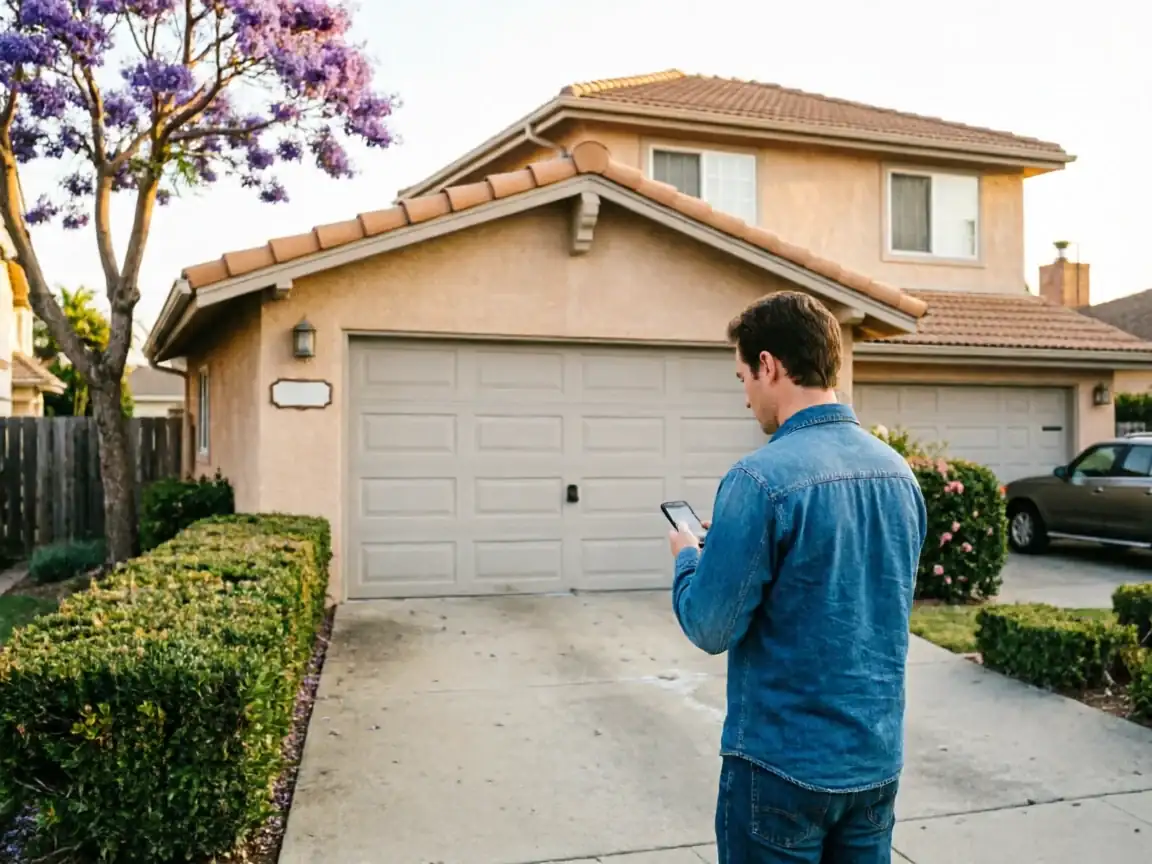
We're 7 miles out of Palos Verdes Estates, running from our Hermosa Beach shop rather than a local branch, so we build the drive into the appointment instead of pretending it isn't there. When you call to book a new install, we ask for the rough age of the house and a photo of the current door and track before we come out - most homes here date to around 1963, and that one detail tells us a lot about what we'll find behind the trim before we ever measure anything.
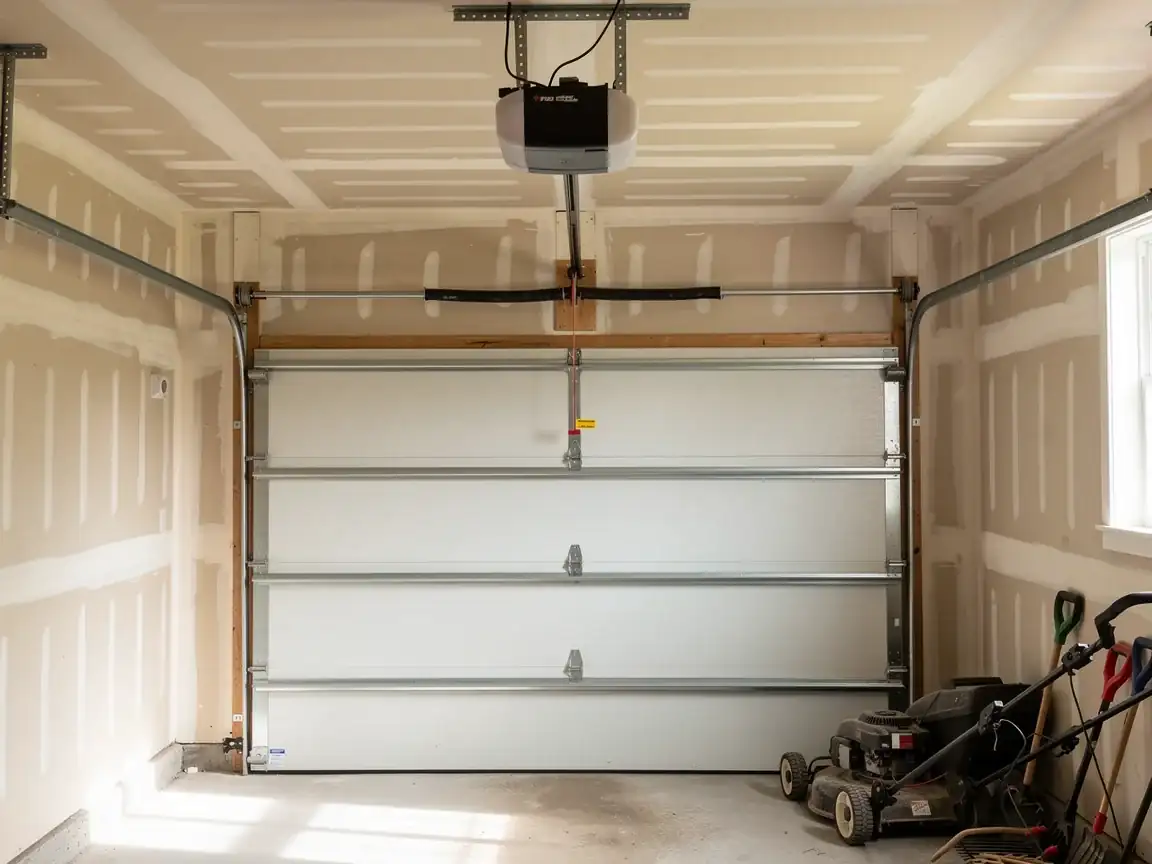
A measuring visit comes first. Openings framed in the early 1960s don't always match today's standard 16-foot double or 9-foot single, and we'd rather catch that on the first trip than show up with a door that needs trimming on site. We'll also look at the header and track mounts, since original framing sometimes needs a bracket swap to take a current opener safely.
One limitation worth saying plainly: because we're coming from Hermosa Beach, we can't offer a same-day emergency swap on install day the way a local shop might. We schedule the measuring visit and the install separately so the door you get is actually the one that fits.
If your door still opens but is sticking, binding, or off-track rather than ready for full replacement, that's a repair call, not an install - see our repair page for that side of the work.
How We Fix It
"Fix" here means replacing what the house was built with
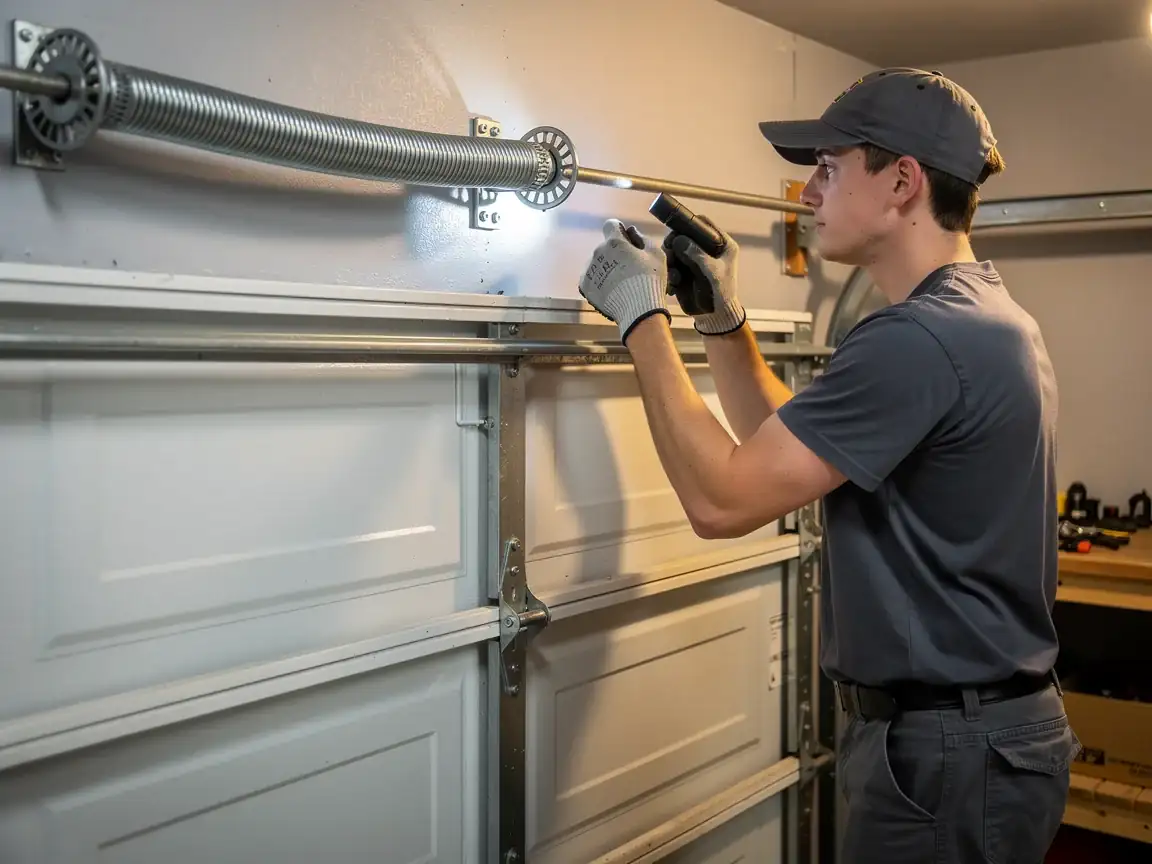
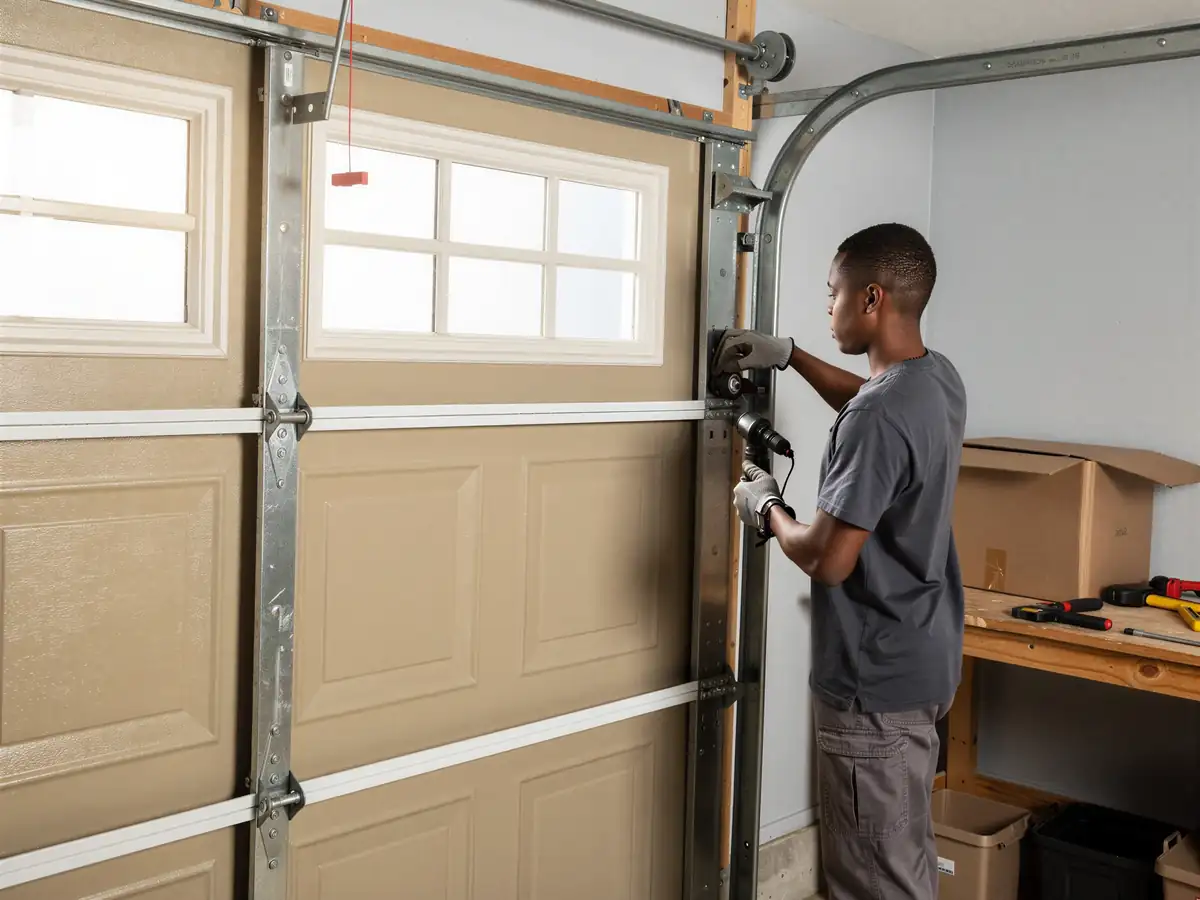
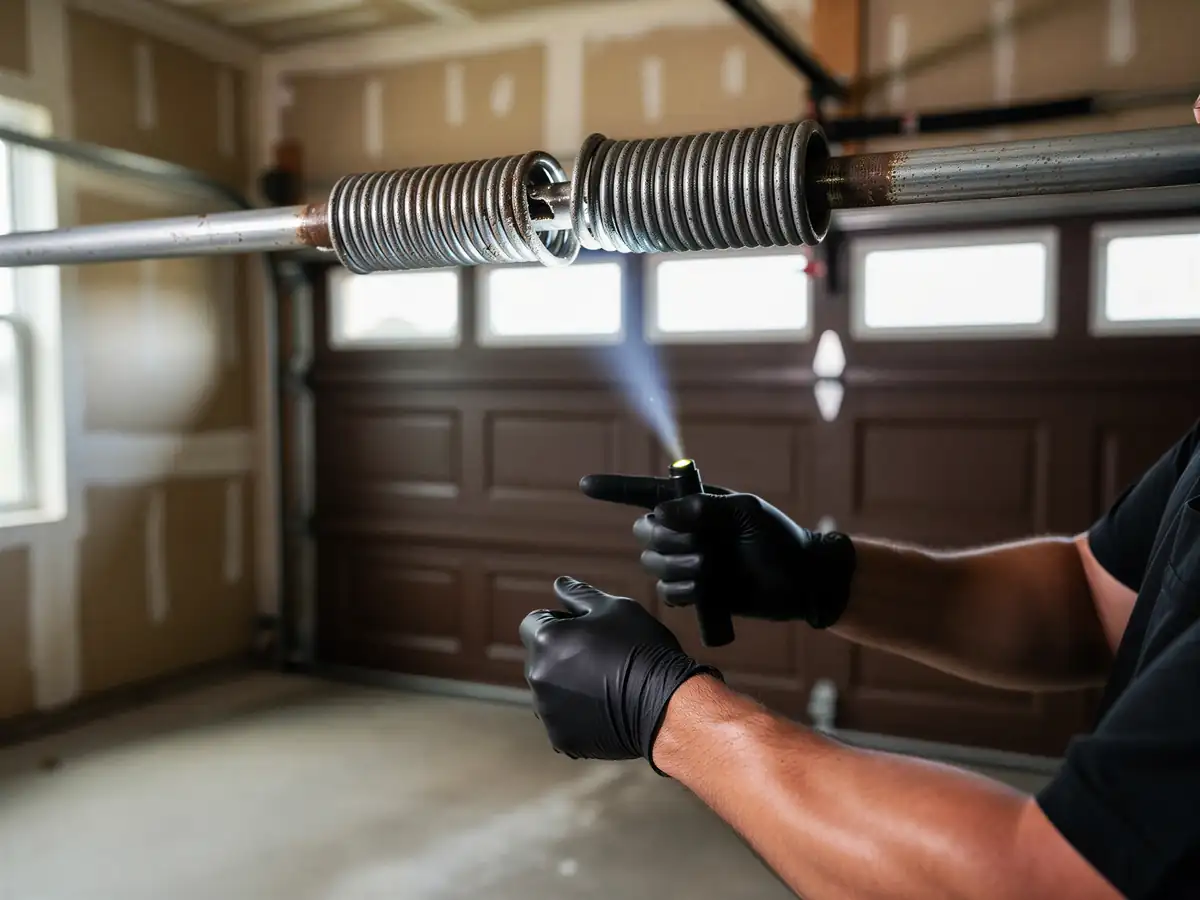
A home put up around 1963 typically shipped with a one-piece wood or fiberglass-faced door riding on extension springs mounted along the horizontal track, not the torsion-bar setup that's been standard for decades now. When we pull one of these doors, we're usually also pulling old track brackets that were never meant to carry a heavier insulated steel panel.
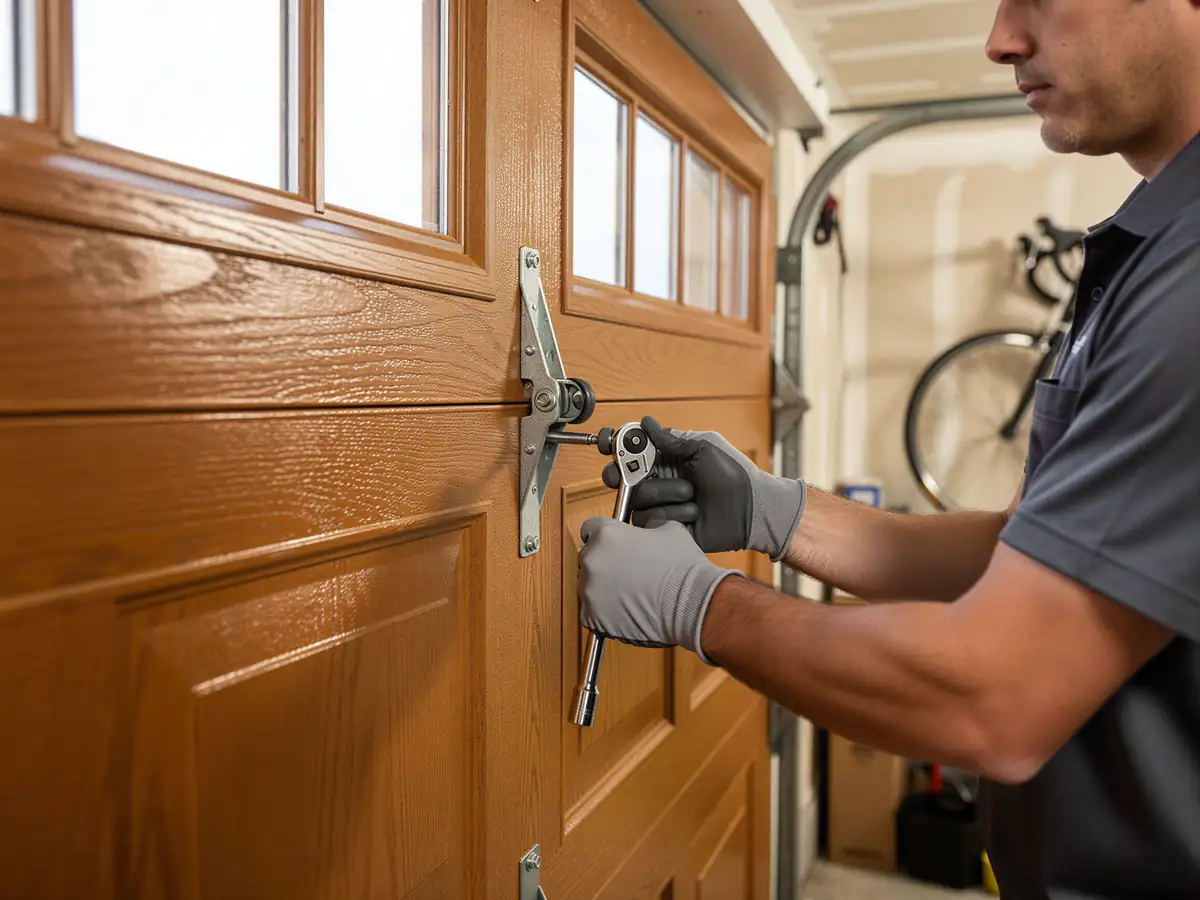
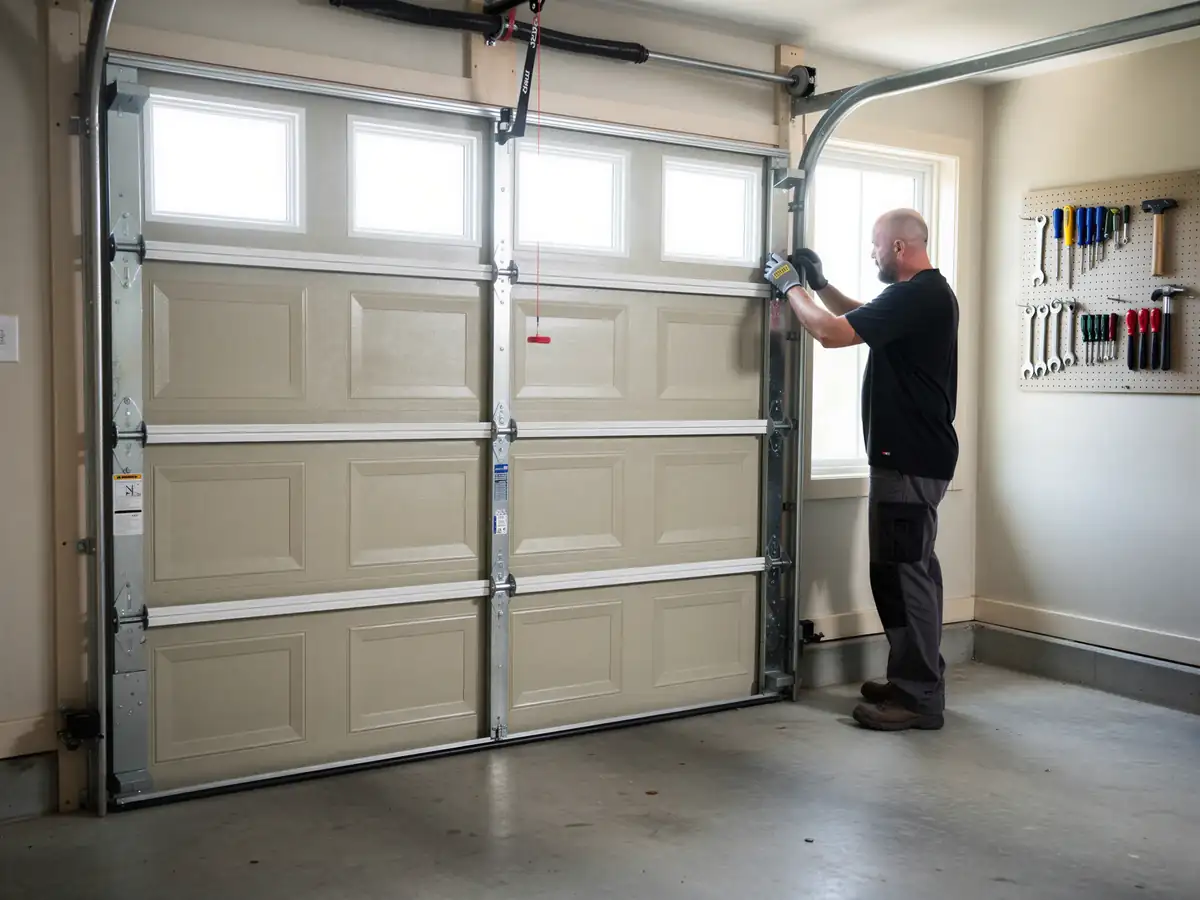
The install itself starts with removing the old door and hardware down to the jamb
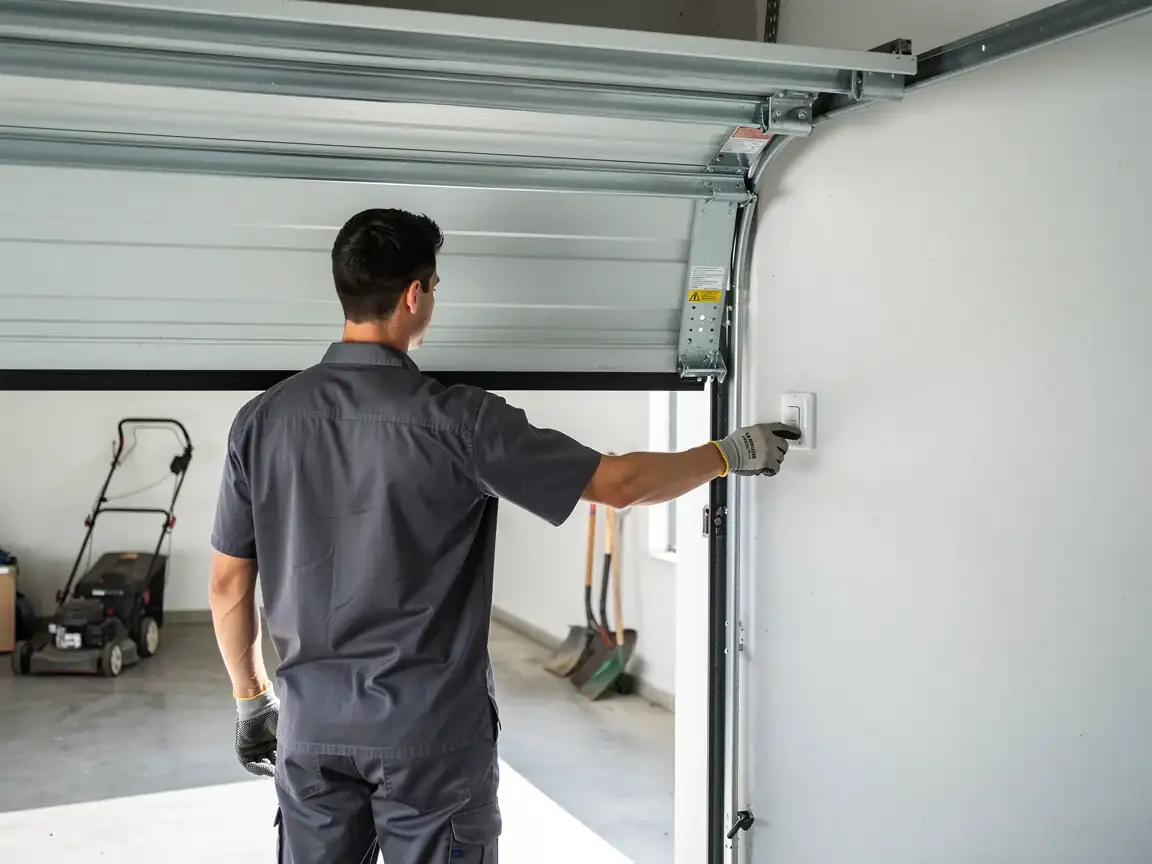
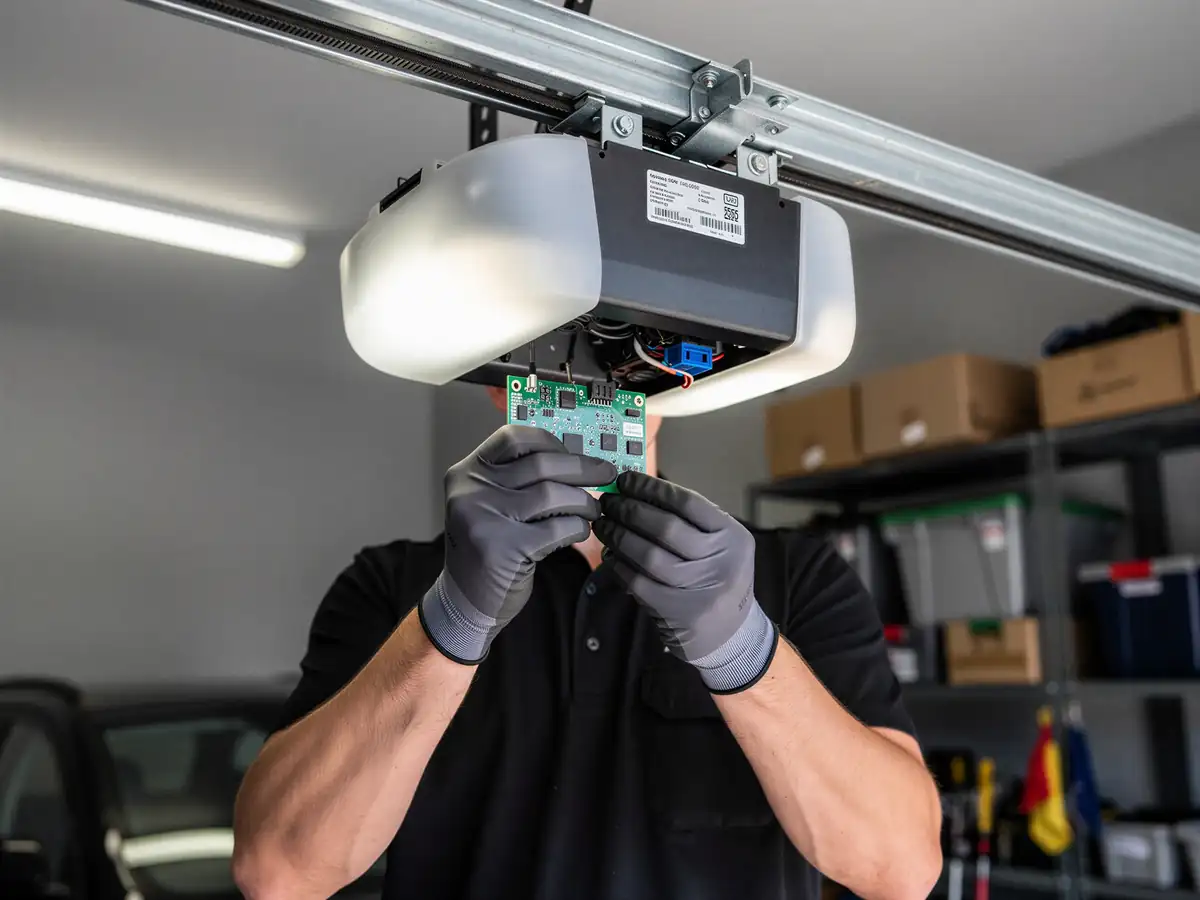
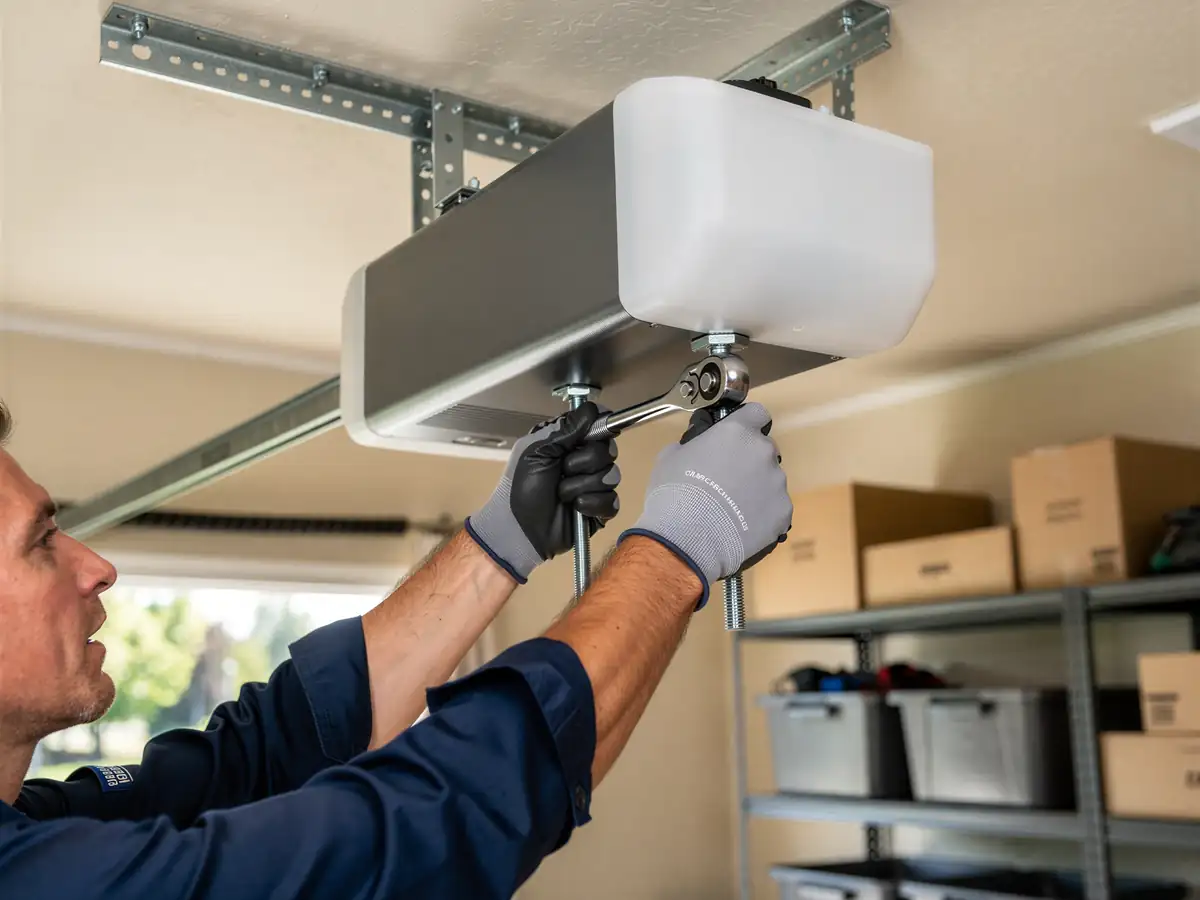
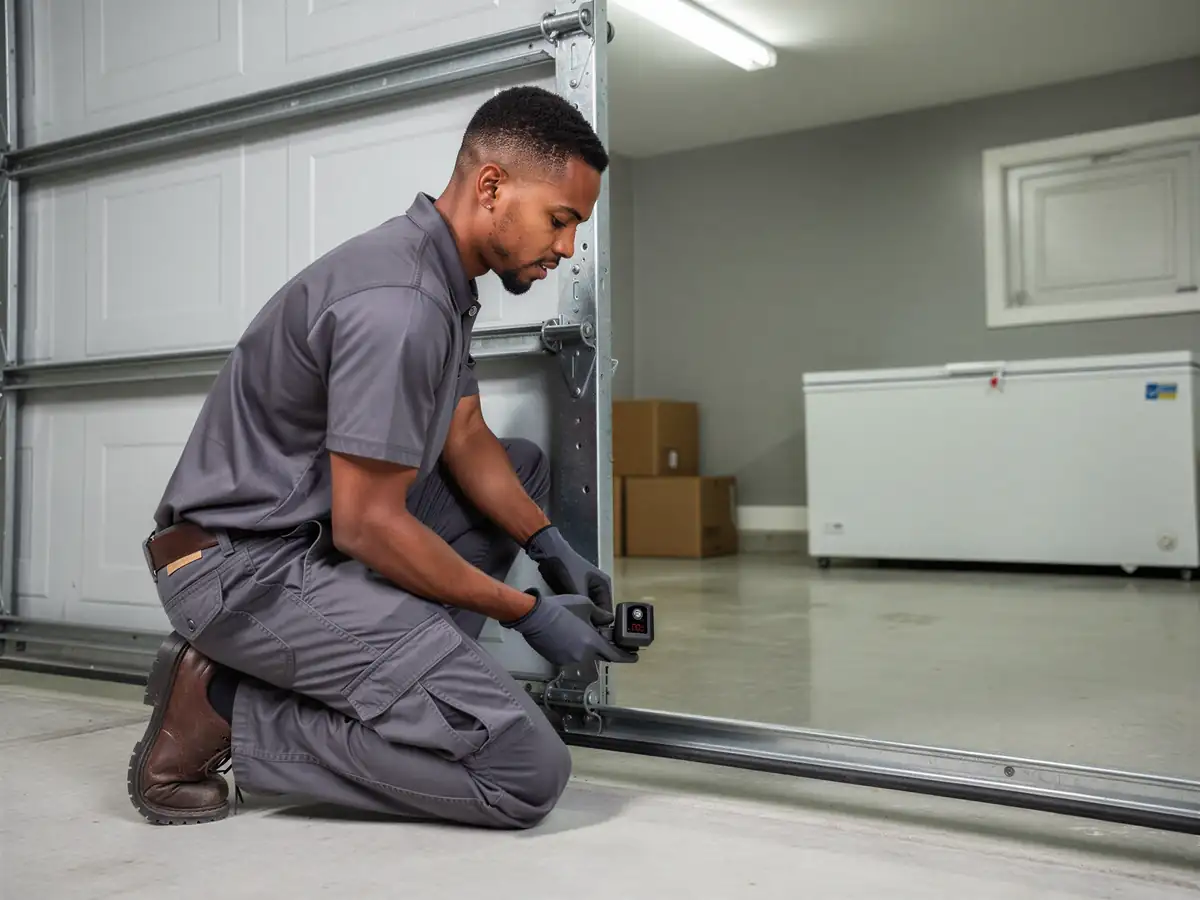
Checking the header for rot or movement, and confirming the opening is square - it often isn't, after sixty-plus years of settling. We then set new track, torsion hardware sized to the new door's weight, and the panel itself, before programming the opener to match.
We don't try to reuse 1960s-era track or springs on a new door even when they look sound
The spring rates and drum sizes were calculated for a lighter original panel, and running a modern insulated steel door on them is how you get a door that slams down or an opener that strains. That's the one call where replacing more than the customer expected is the right answer, not an upsell.
What It Costs
We don't post a flat price here because door weight, track length, and the condition of the opening all move the number, and guessing at your specific job before we've measured it would be worse than useless. What we can tell you is what tends to drive the choice in this area specifically.
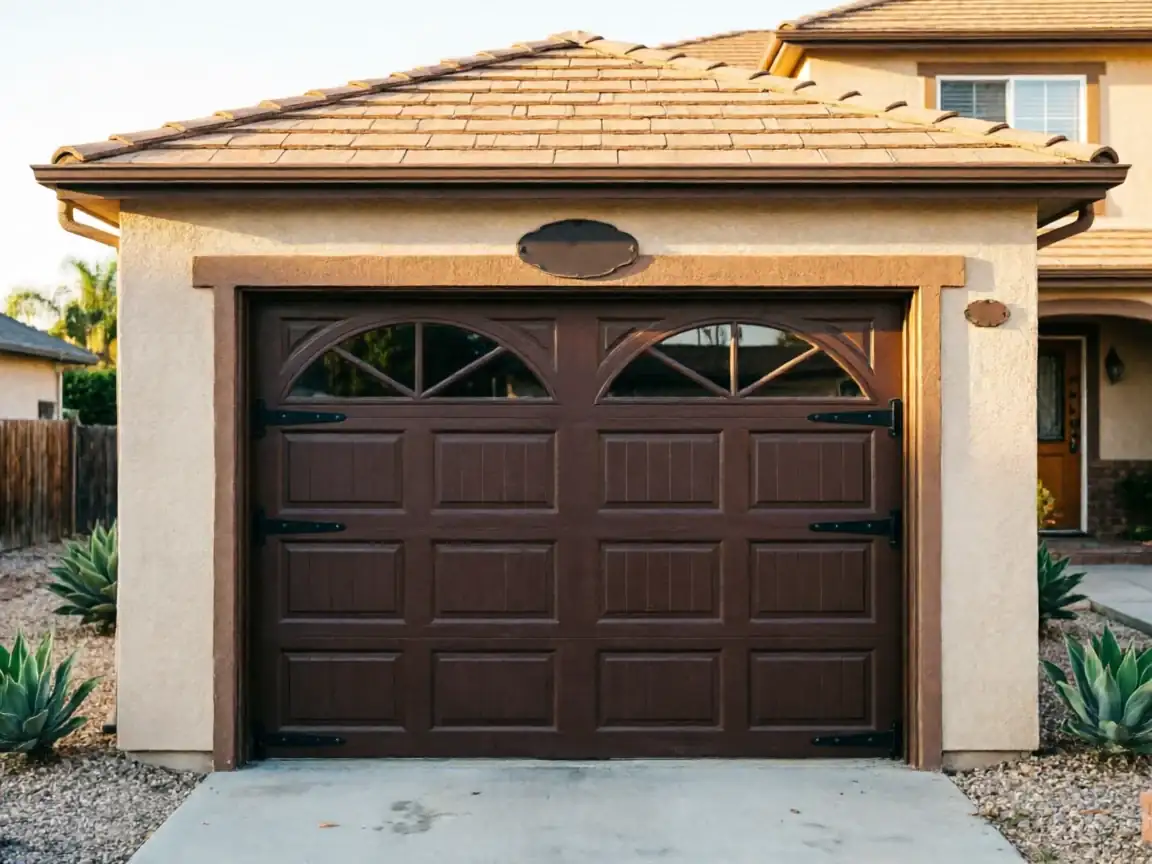
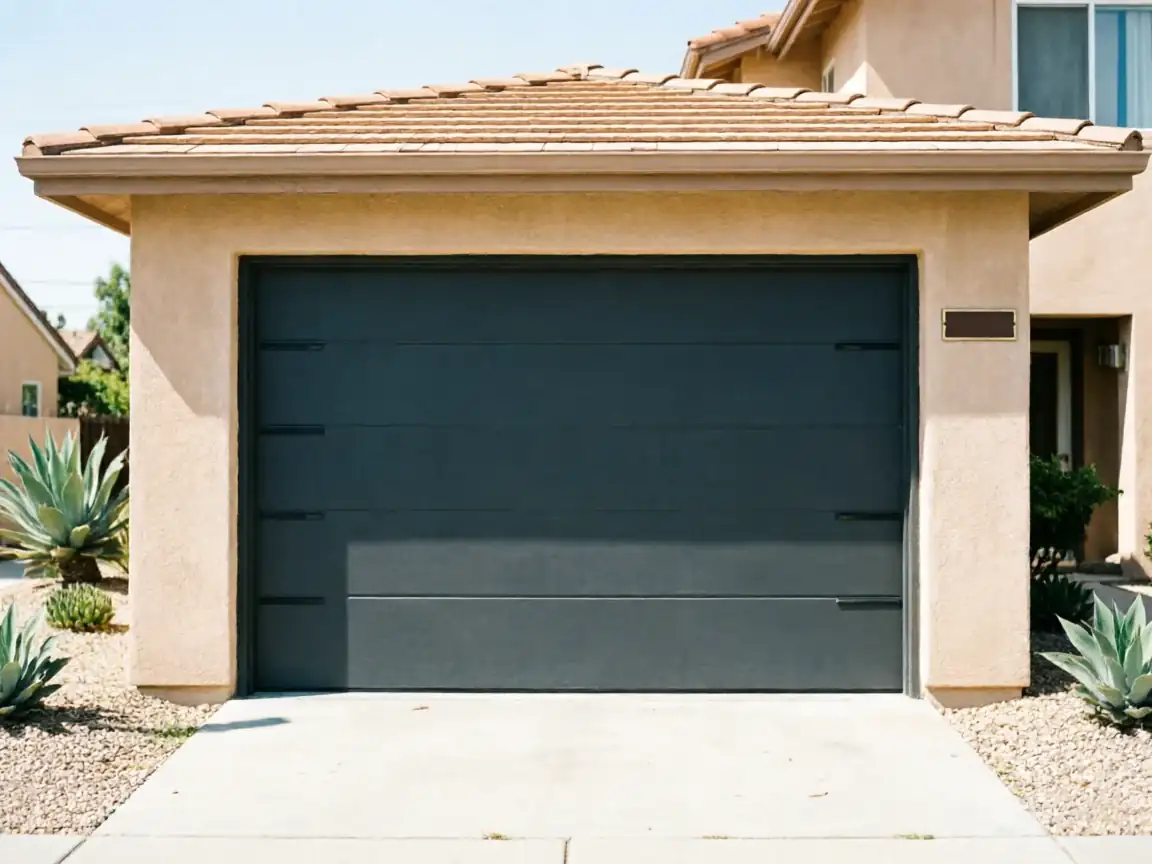
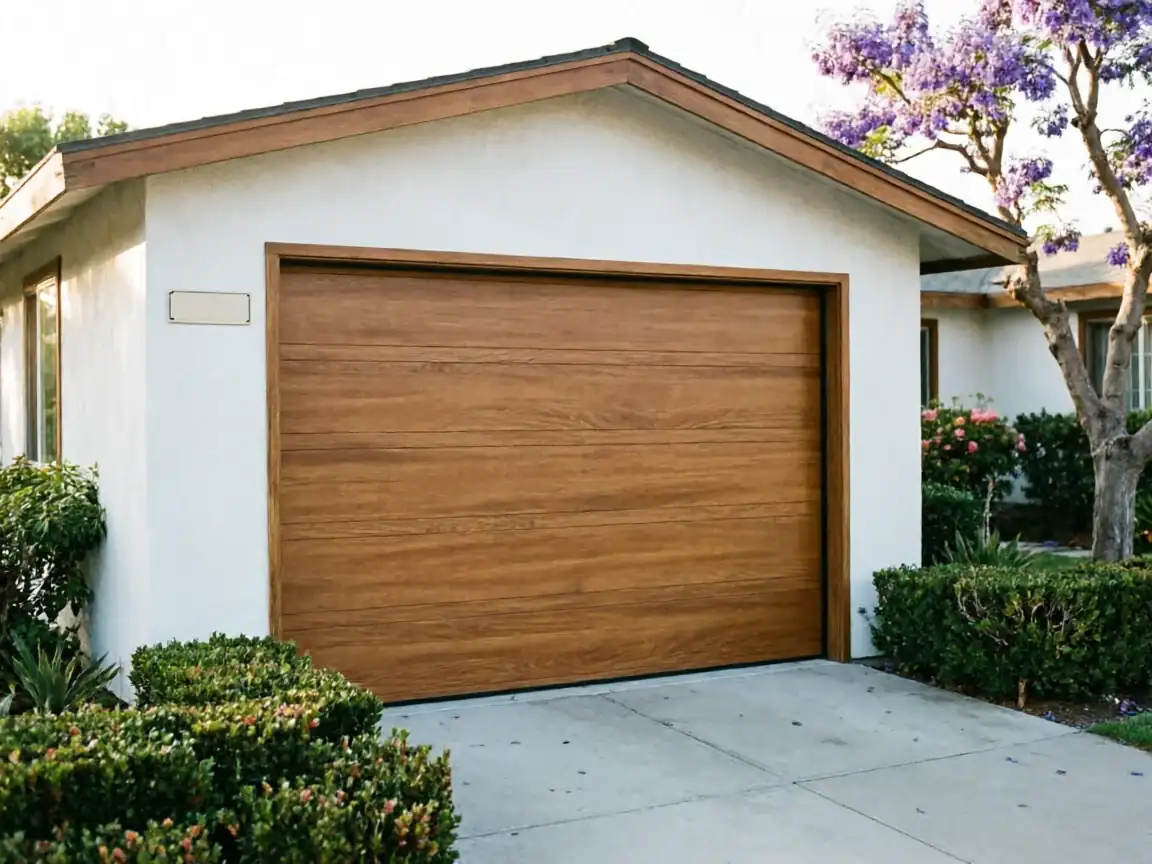
Median household income in Palos Verdes Estates runs around $247,500, well above the wider service area's $100,007, and it shows in what owners typically pick: insulated steel doors with a wood-look overlay, or solid wood doors built to order, rather than the plain builder-grade steel panel that's the common default elsewhere. Custom wood and higher-end insulated steel both cost more up front and take longer to order than a stock panel.
The honest tradeoff: a custom or wood-faced door usually means a longer lead time before install day, since it's not something we keep stocked on the truck. If you need the opening functional sooner, a standard insulated steel door in a stock size is the faster path, and we'll say so rather than sell you into a wait you didn't ask for.
Why It Happens Here
The reason new-install calls look different in Palos Verdes Estates than in a newer tract comes down to one number: median year built of 1963, consistent with the service area's broader 1960s-70s housing stock. Garage openings from that era were framed for lighter doors and simpler spring systems, and sixty years of minor settling has often left the opening a little out of square - something you don't find in a house built to current code.
Climate isn't the driver here the way it is in freeze-thaw regions; the mild temperate band across the service area means we're not fighting ice damming or frost-heaved slabs. The failure mode is mechanical and generational, not weather-driven: original hardware aging out, openings sized for doors nobody makes anymore, and brackets that were adequate for a 1960s panel but undersized for what's sold today.
With only about 5,032 households in Palos Verdes Estates itself, it's a small enough footprint that there's no separate branch here - which is also why the measuring visit matters more than it would in a newer subdivision where every opening is the same size off the shelf.