Where This Job Goes Sideways
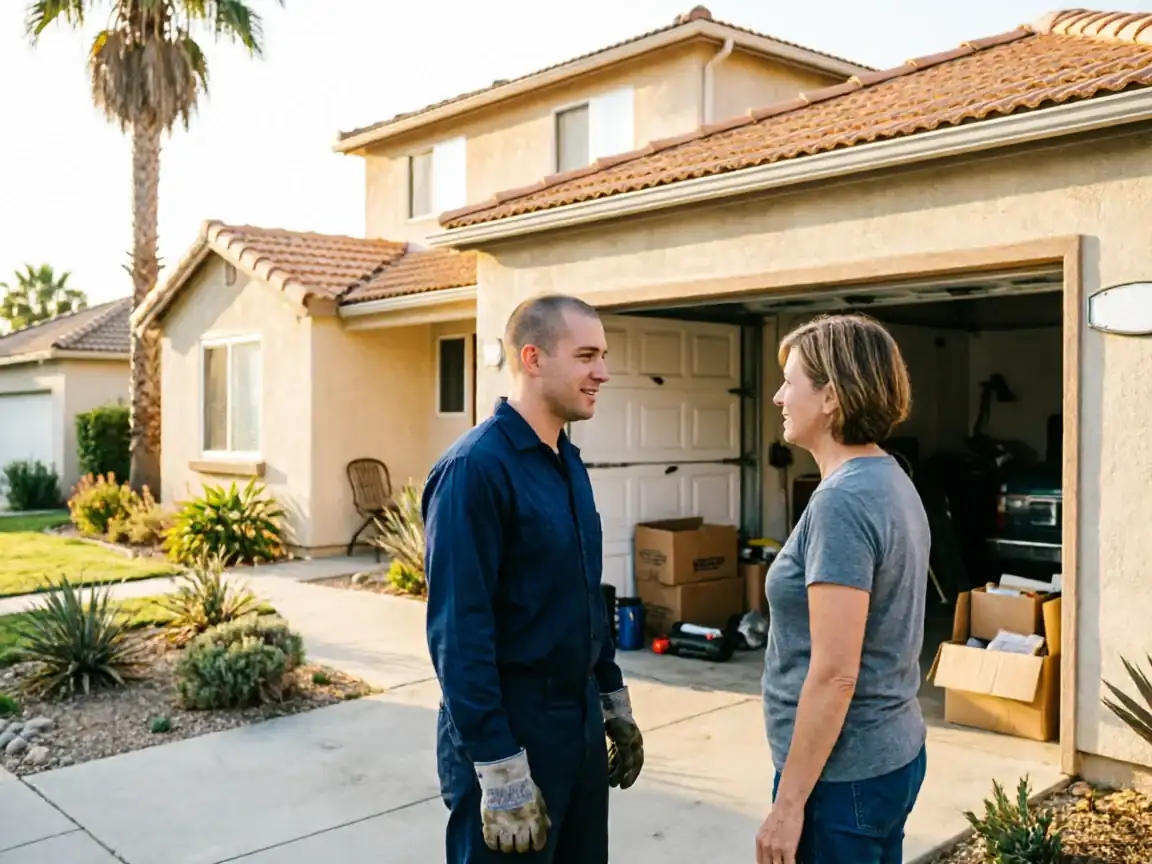
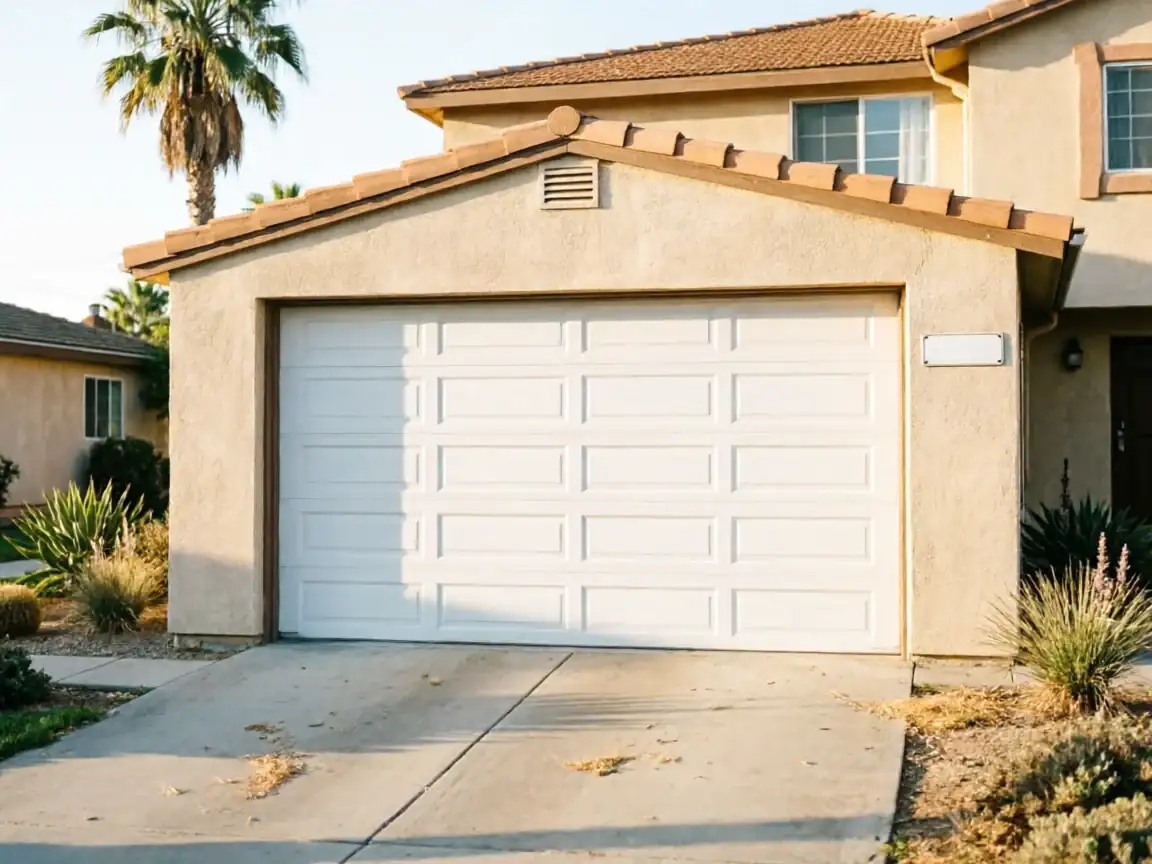
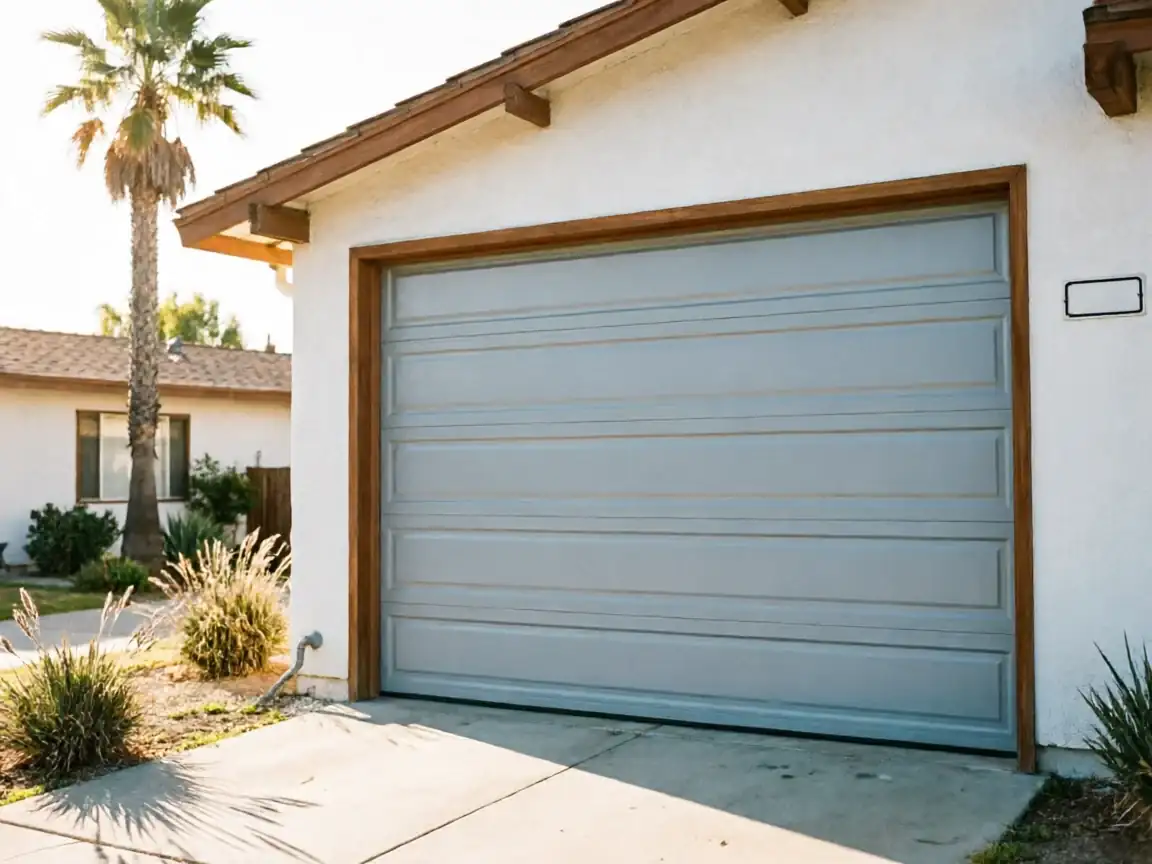
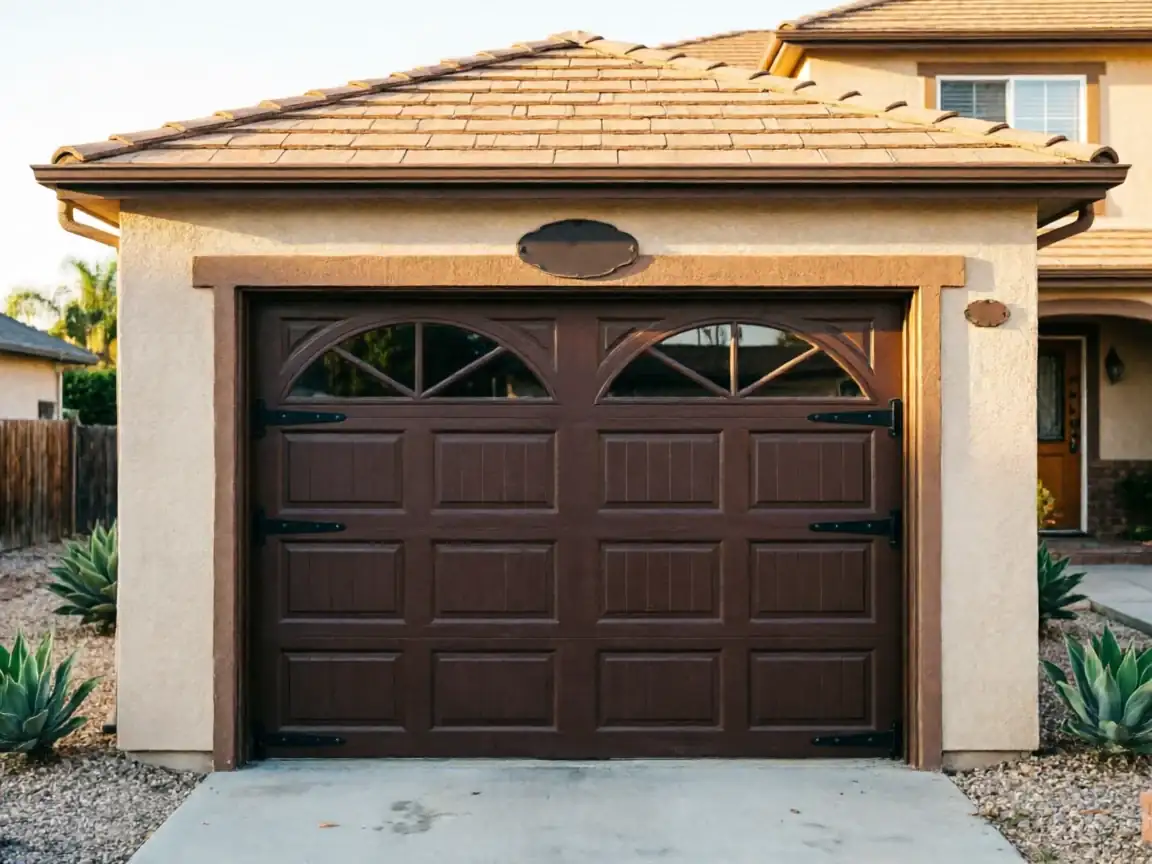
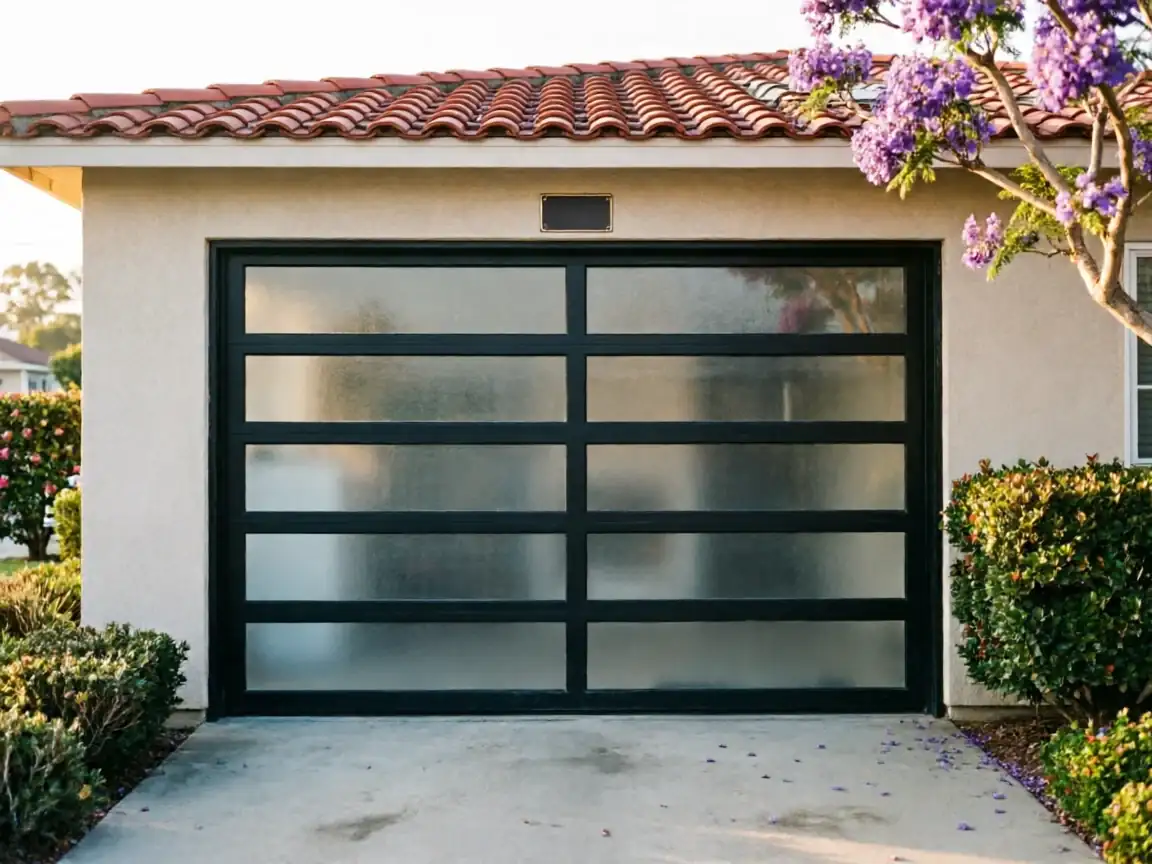
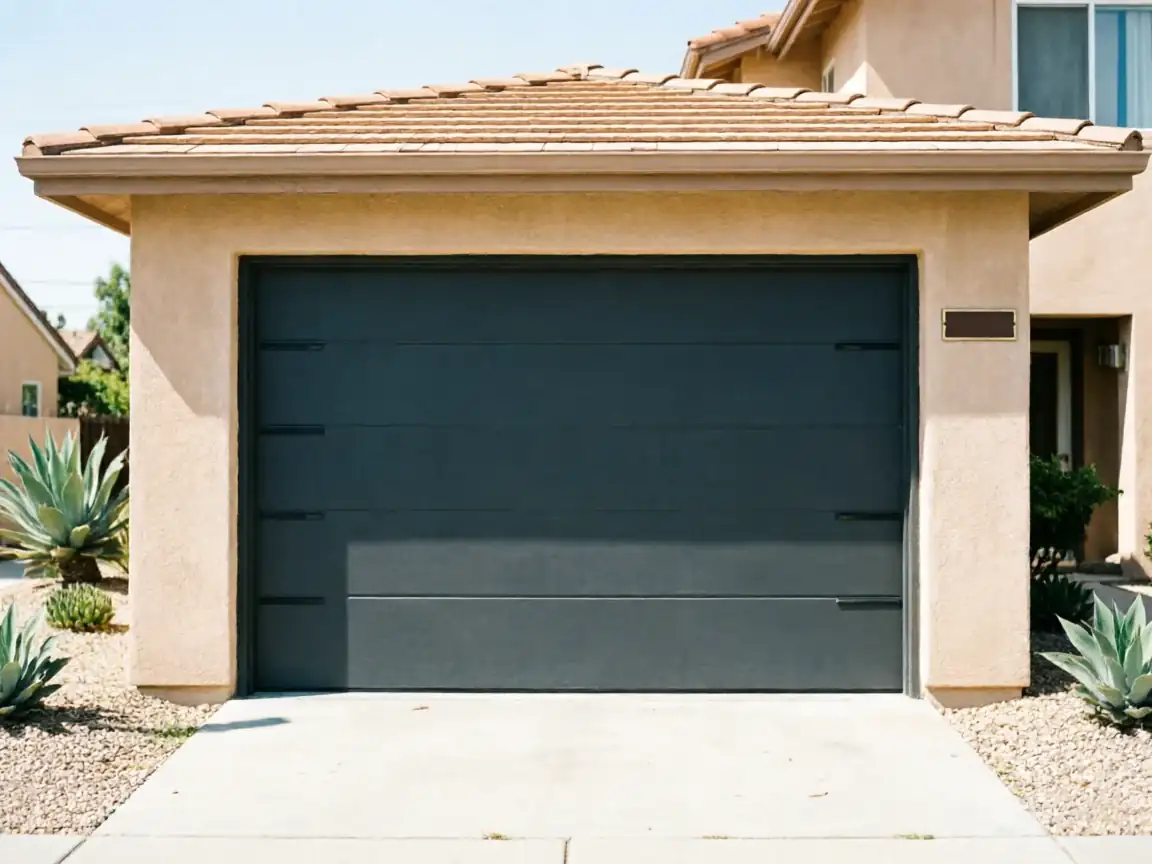
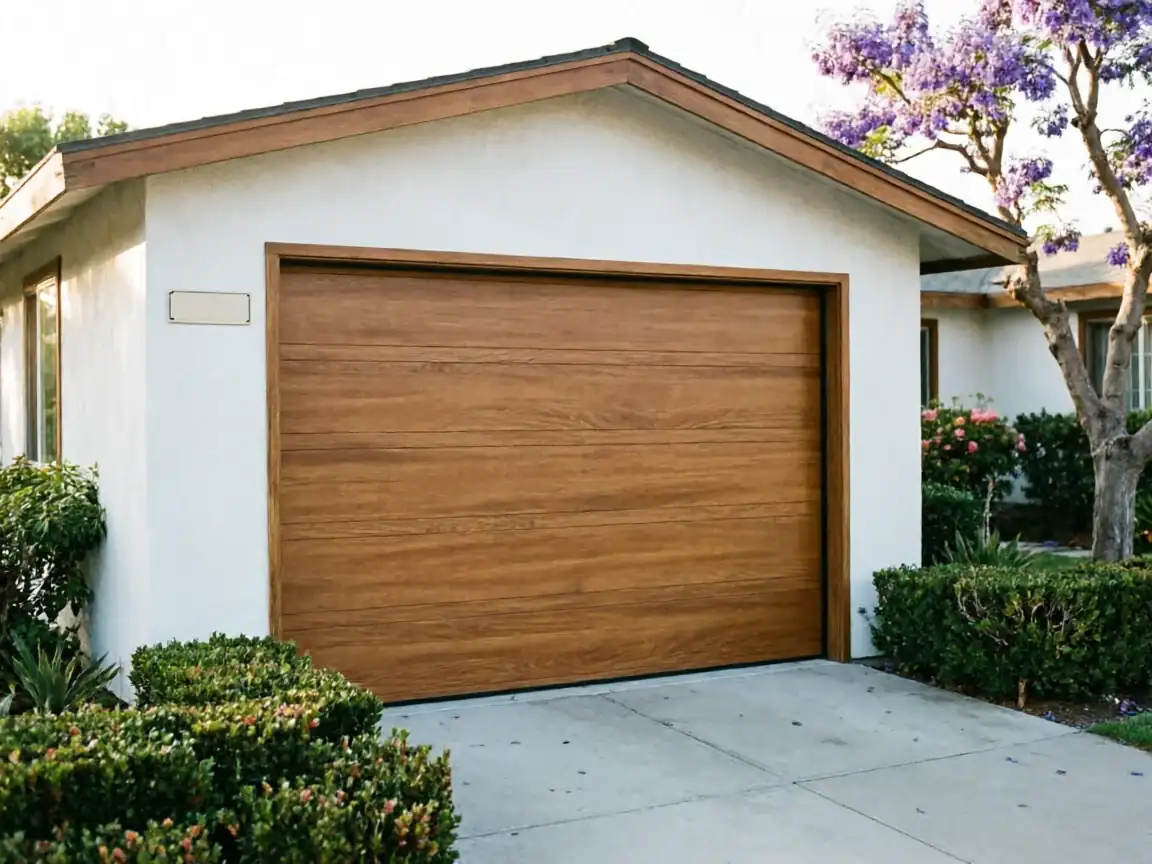
Houses out here went up mostly around 1970, later than a lot of the flatland tracts closer to the coast, and that shows in the doors. On the bigger lots up in Rolling Hills Estates you see wider openings than you'd find in a 1950s subdivision - two-car doors stretched to accommodate longer driveways and three-car garages tucked under the house. A lot of them are solid wood or wood-composite panel doors, heavier than the steel sandwich doors that came standard a decade later, and that extra weight is exactly what tears up torsion springs and center bearings faster than a lighter door would. When one of these doors lets go, it doesn't creak to a stop - it drops, and a door that size dropping on a bent track or a frayed cable is not a weekend project. That's the job we see out here more than anywhere else we cover.
How We Fix It
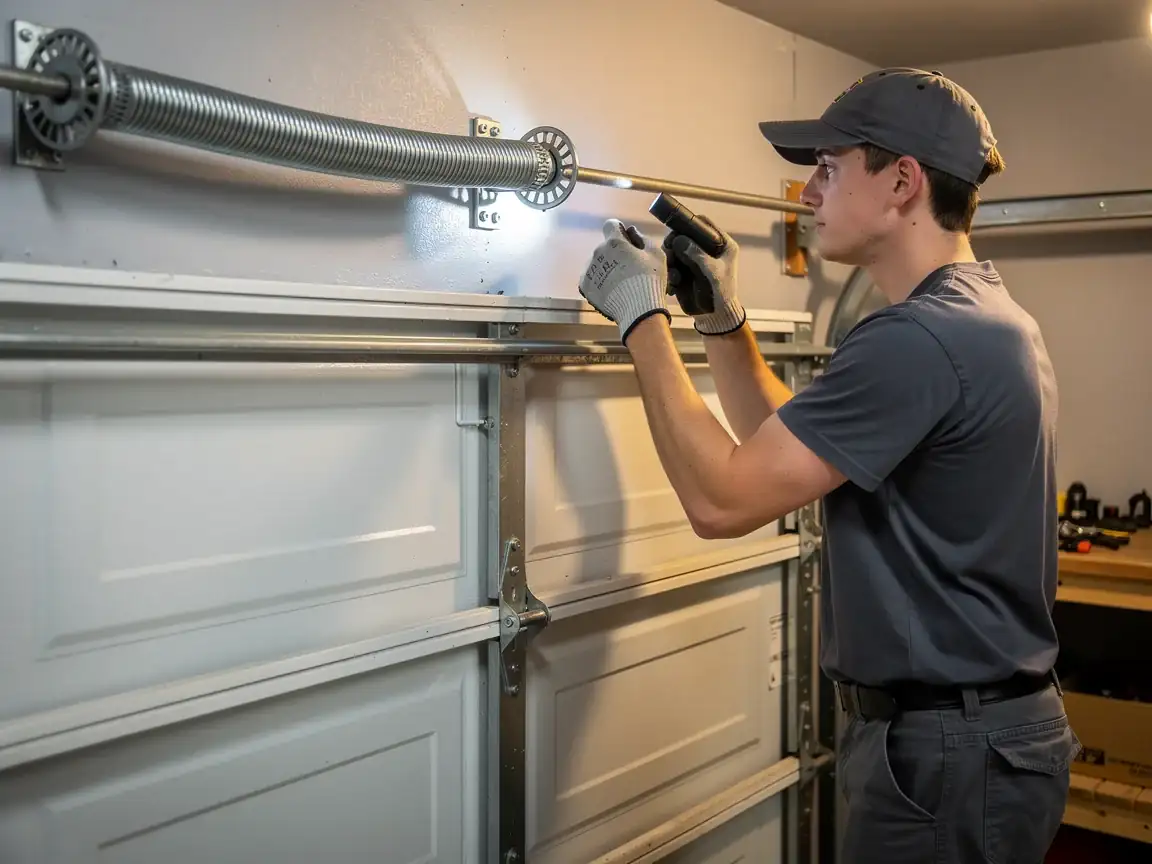
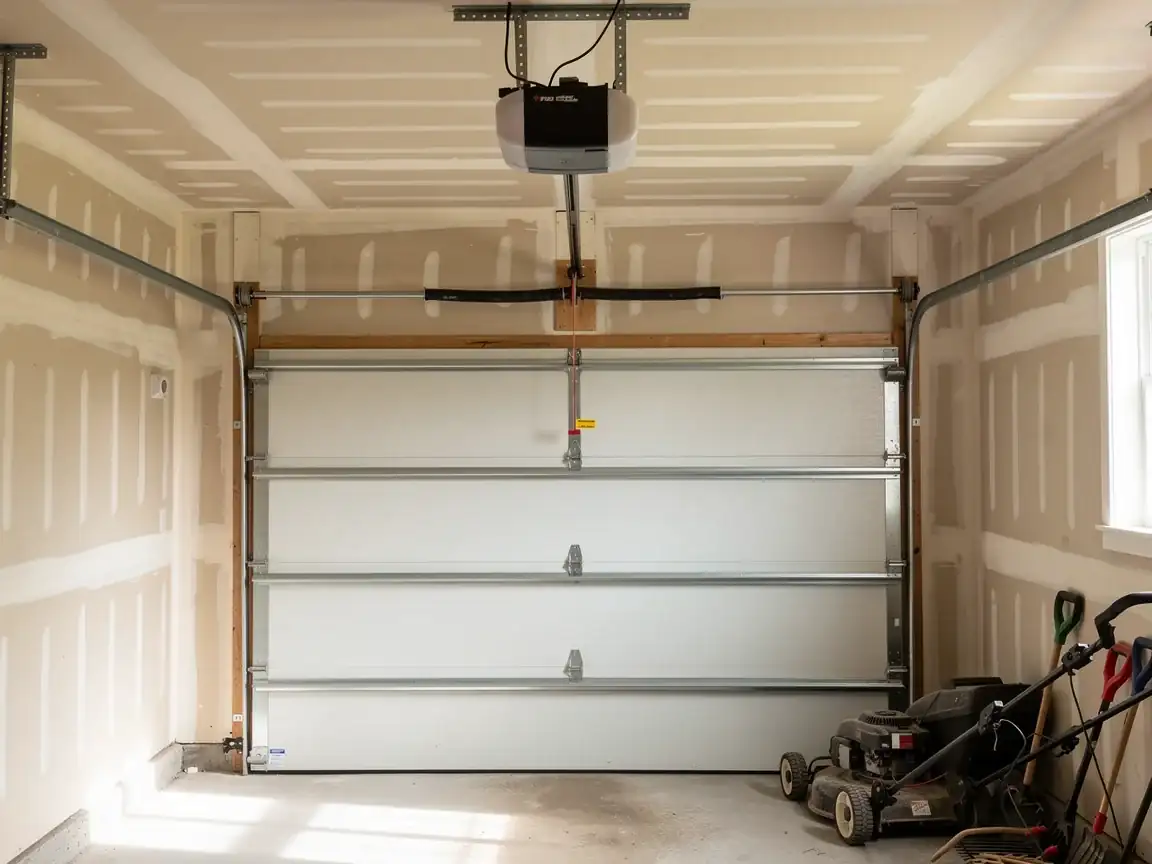
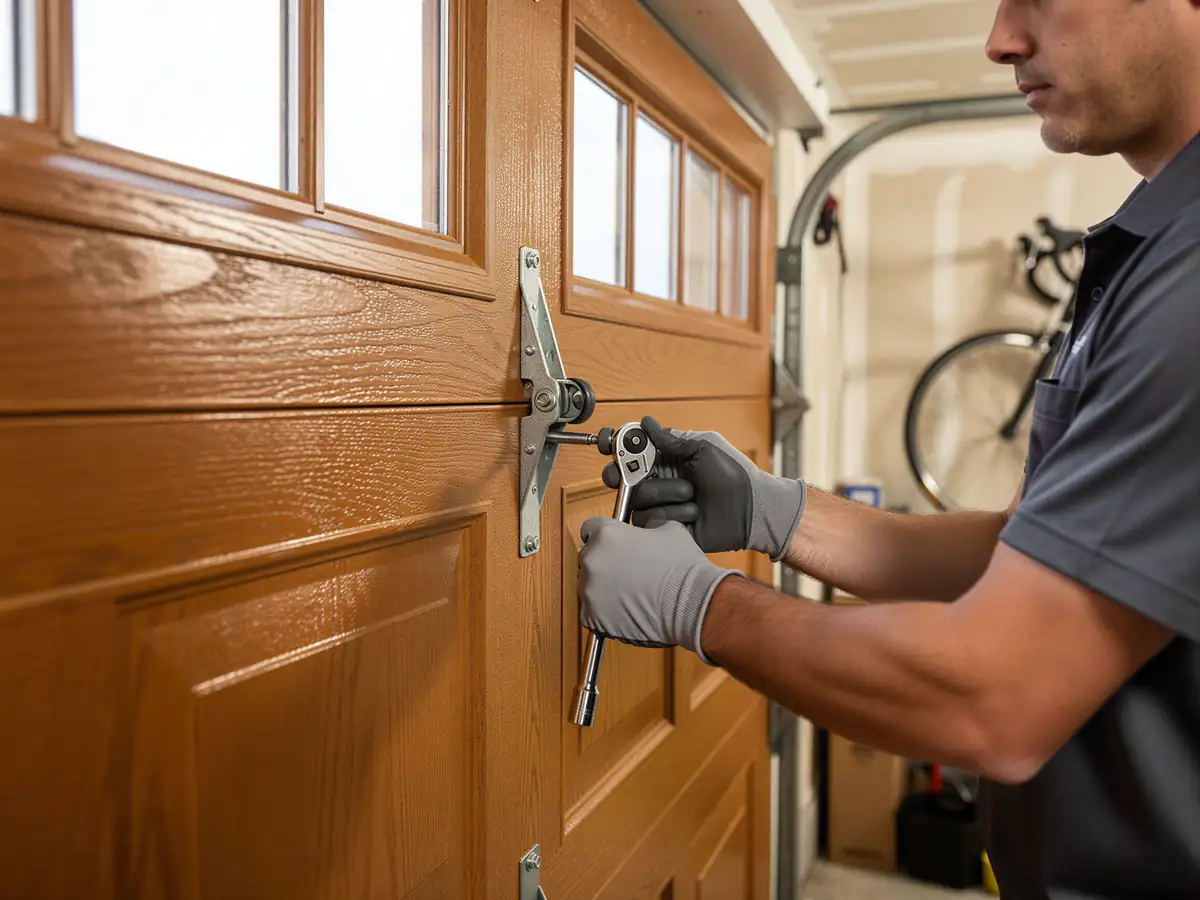
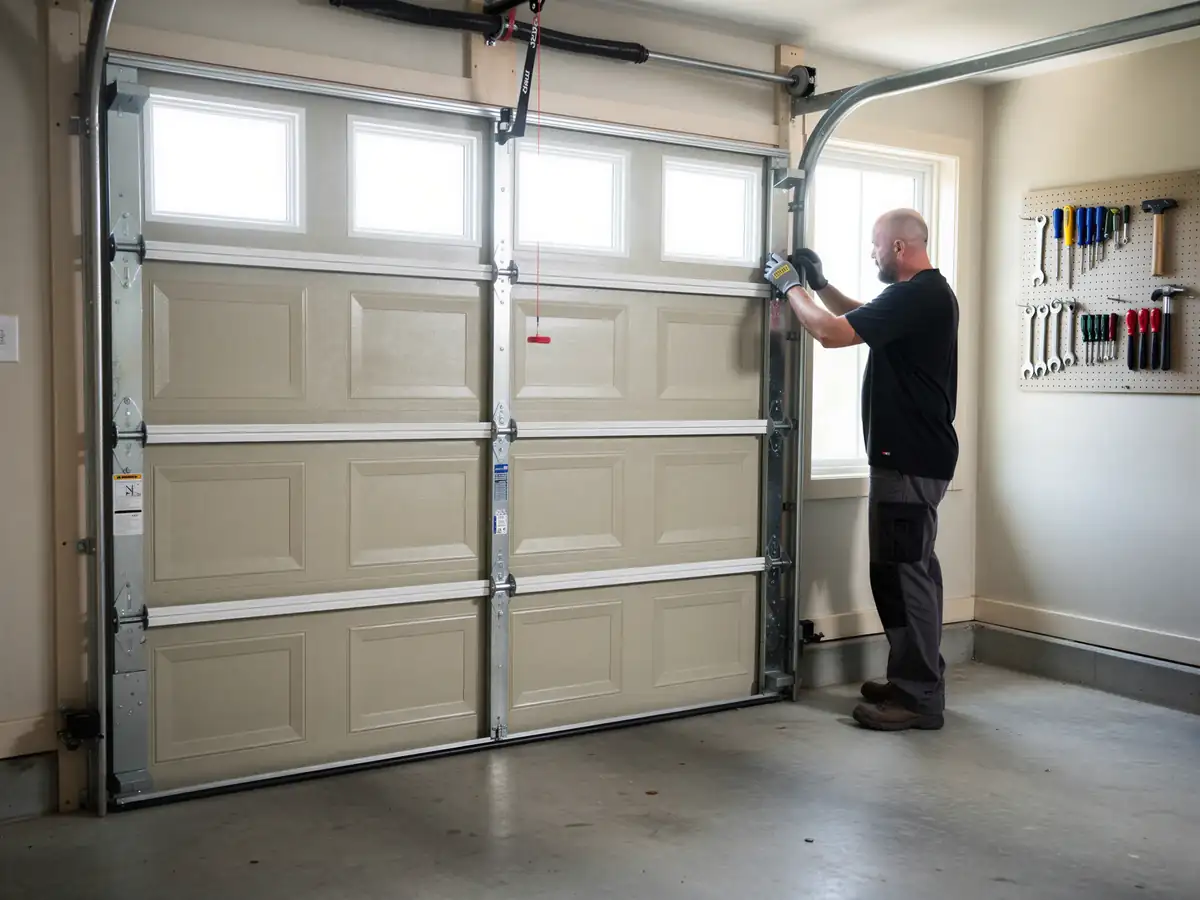
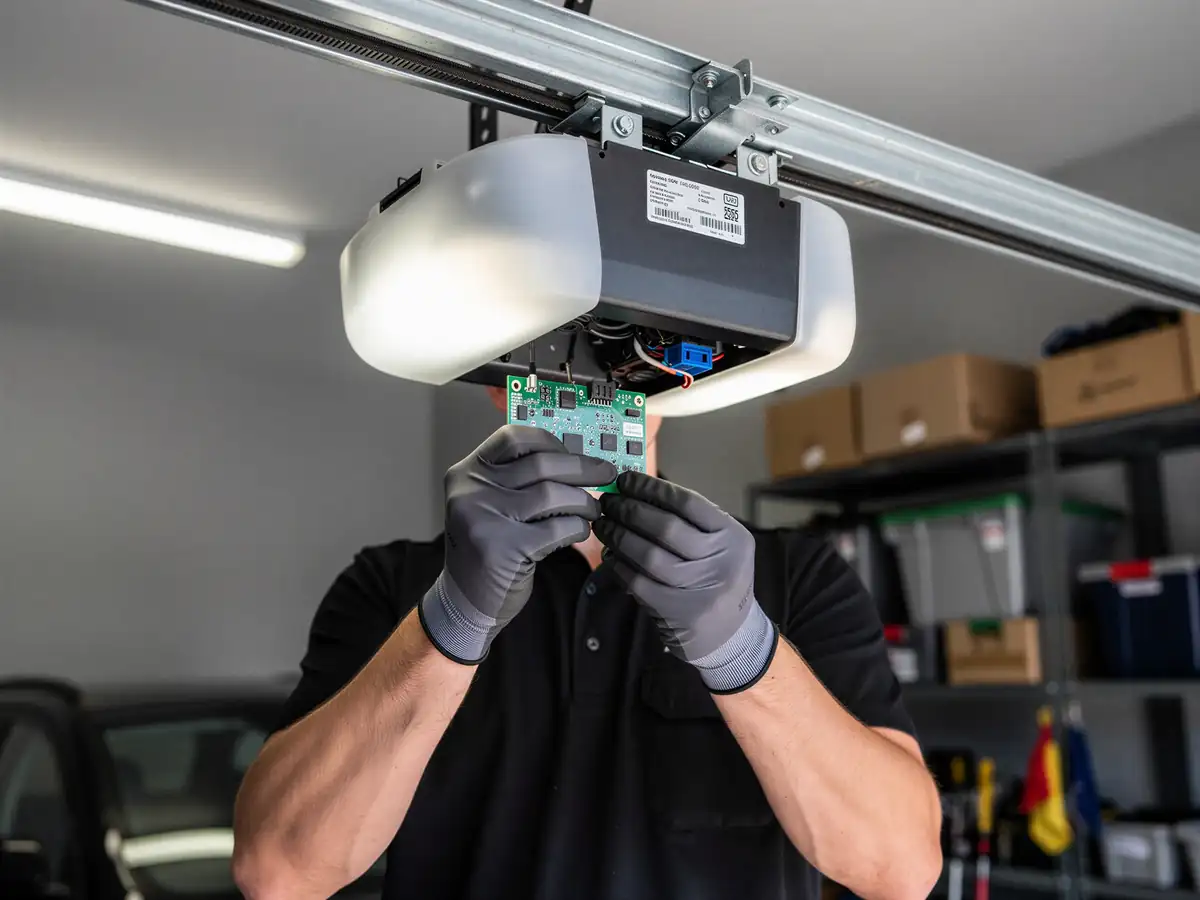
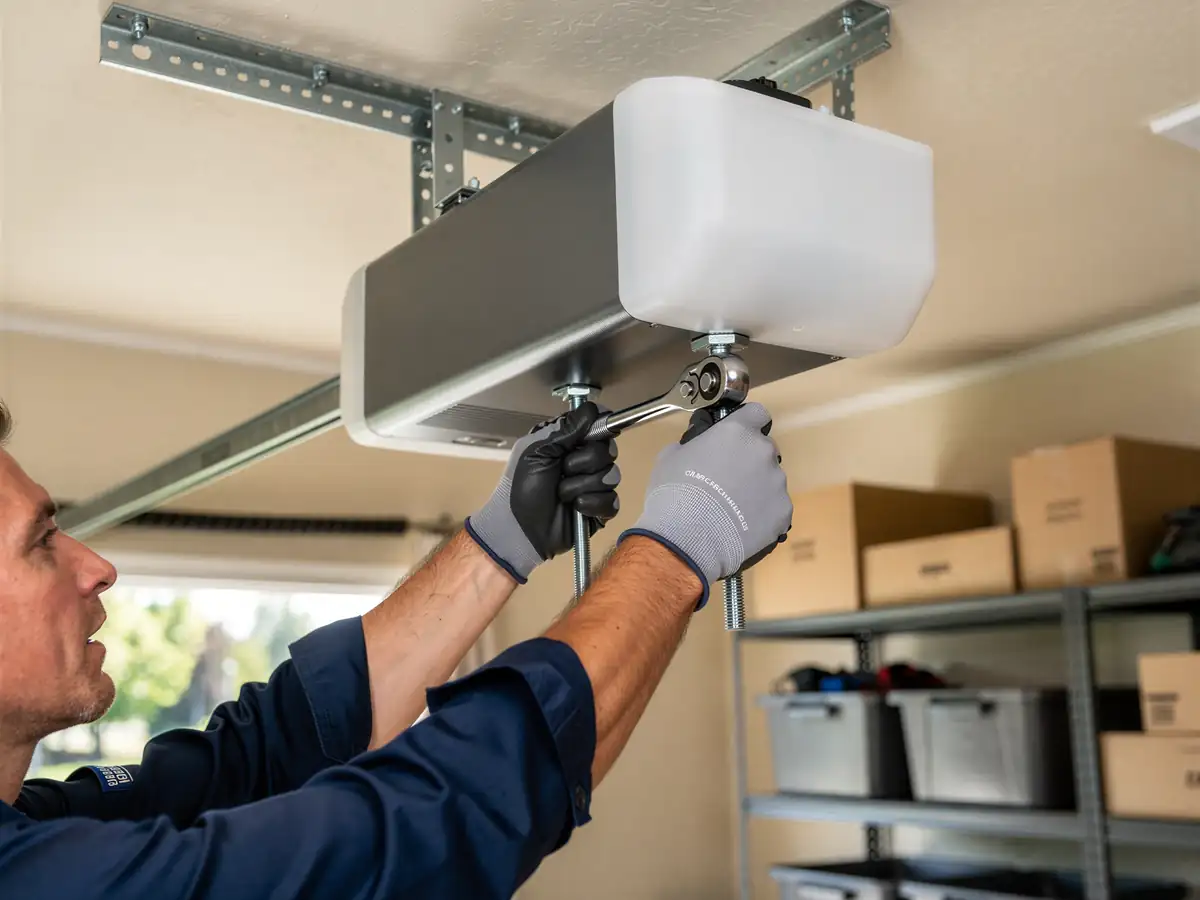
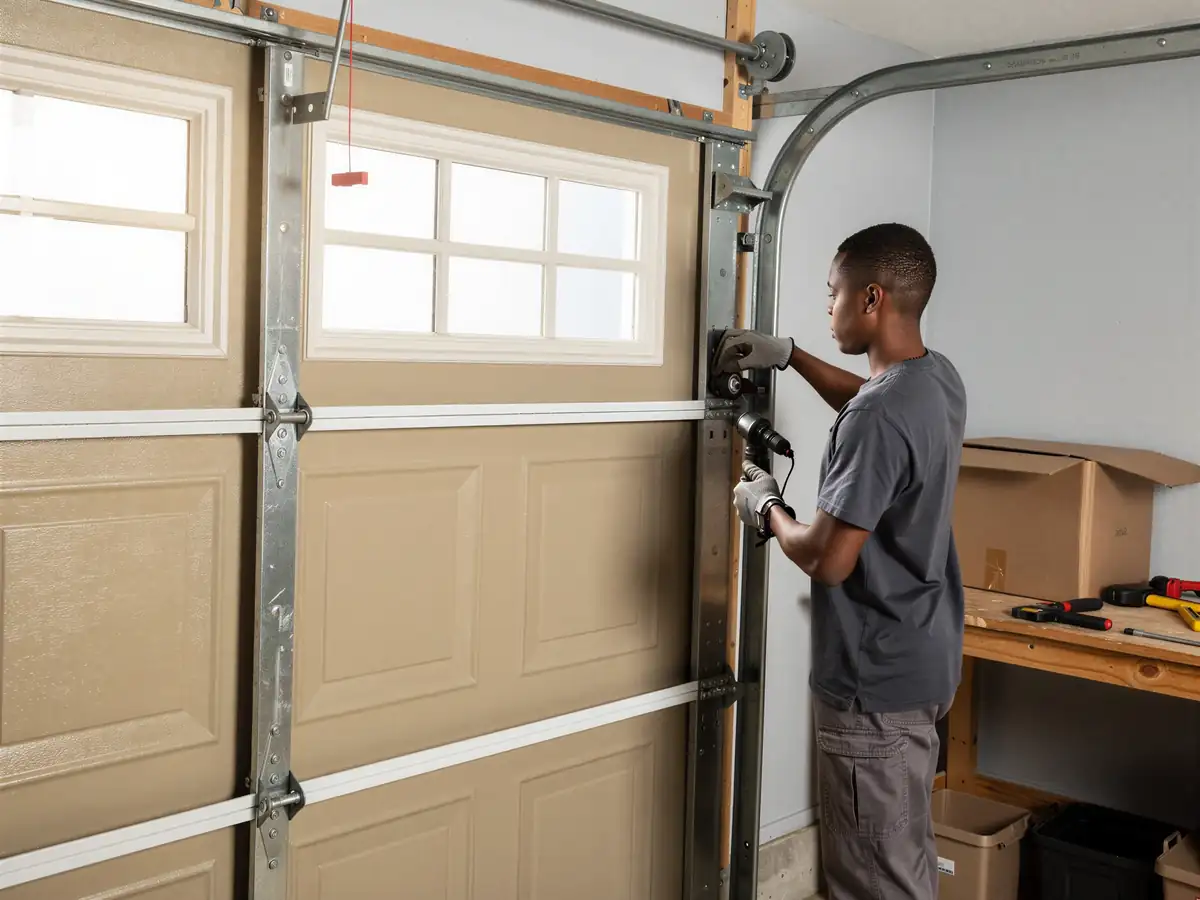
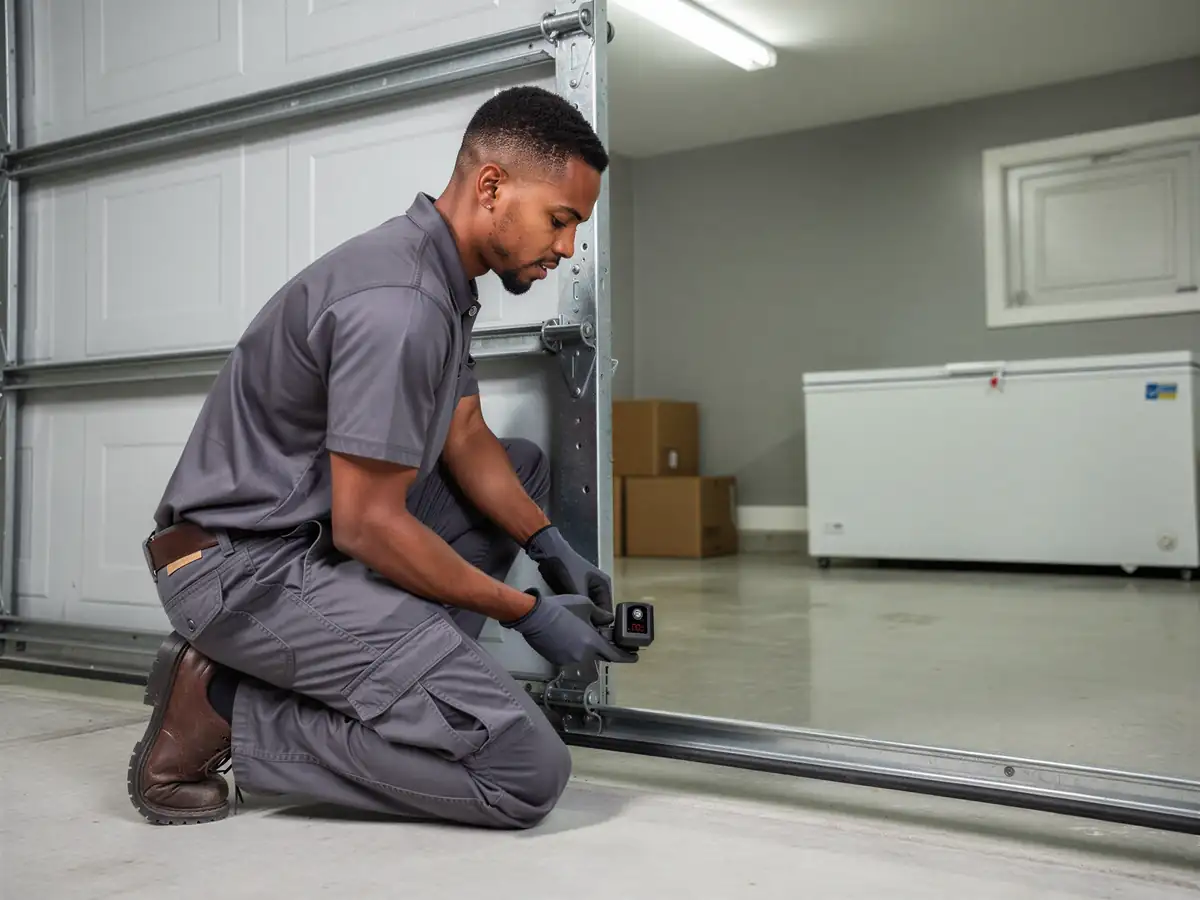
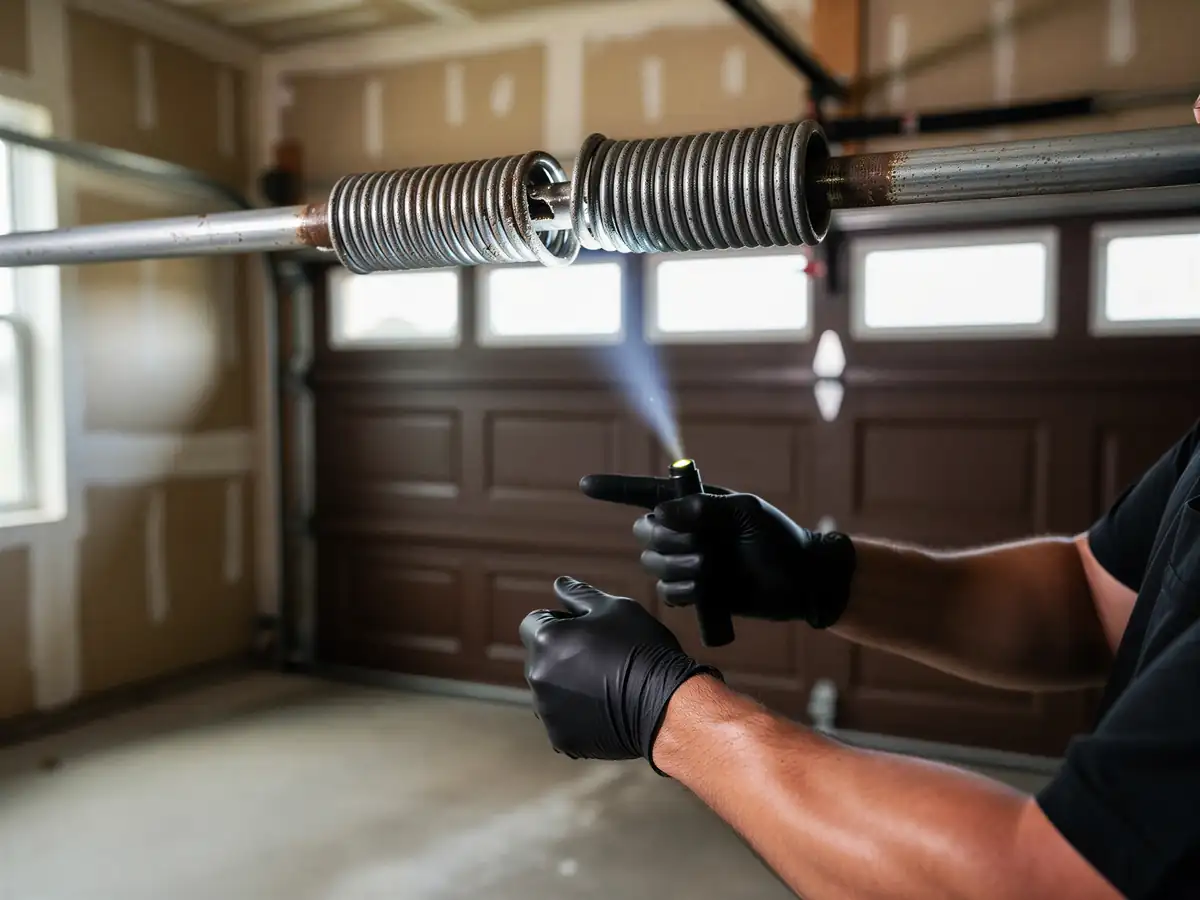
We diagnose on site before we touch anything - spring, cable, track, opener, or the wood hardware itself, because treating the wrong one wastes your money and our trip. Torsion springs get replaced in matched pairs, not patched one at a time; a mismatched pair just shifts the strain to the newer spring and you're back to square one in months. On the wood-panel doors, if the issue is hardware pulled loose from aged wood, we reset or replace the mounting points rather than just retightening screws into stripped holes, because that fix doesn't hold. One honest limit: if a wood panel door's structure has gone soft at the hinge points, repair stops being worth it, and we'll tell you that instead of billing for a patch that won't last the year.
Time on the Job
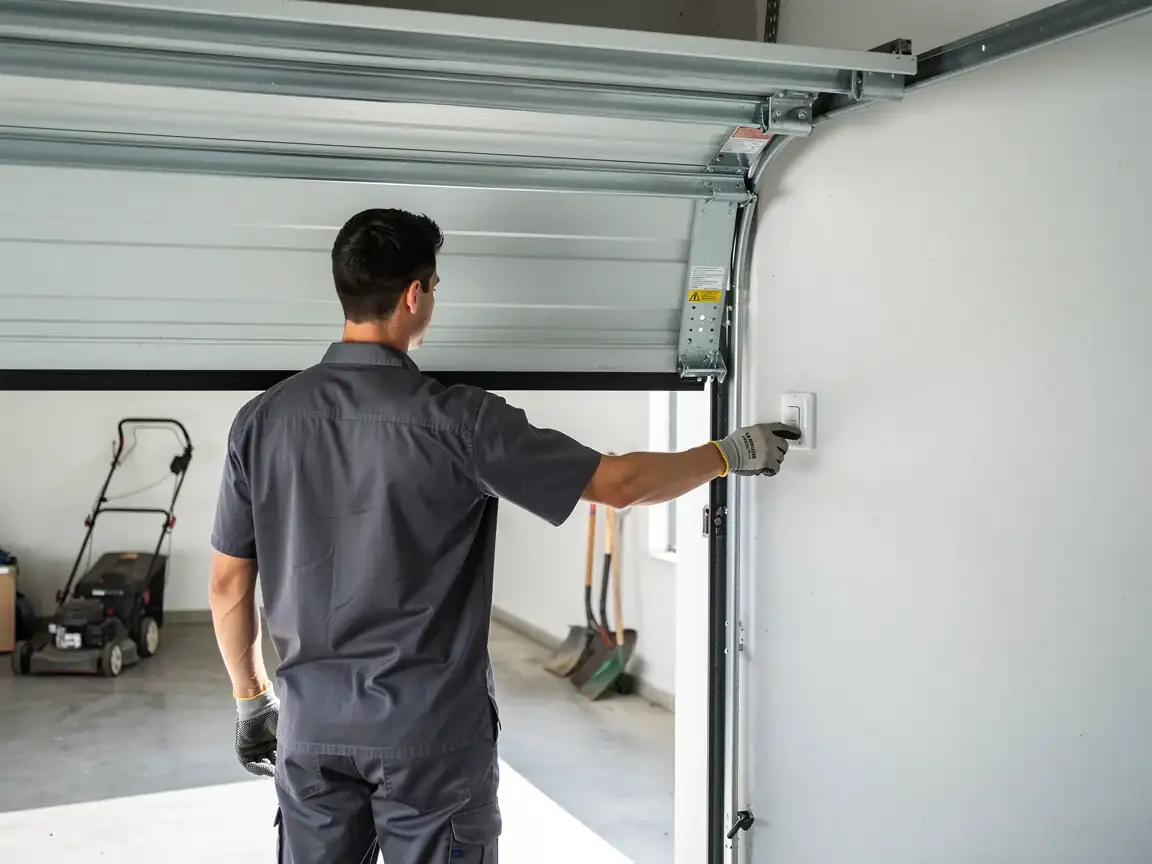
We come out of Hermosa Beach, about 8 miles down, so the drive itself isn't the bottleneck - most of the time on site goes to the actual repair, not getting here. A standard torsion spring swap is usually the fastest part of the visit. Jobs involving wood panel hardware or an opener-to-hardware mismatch take longer because we're often sourcing or adjusting mounting hardware that doesn't come off a generic shelf. We'd rather tell you a job will run long than rush a heavier door back into service before it's actually safe to operate.