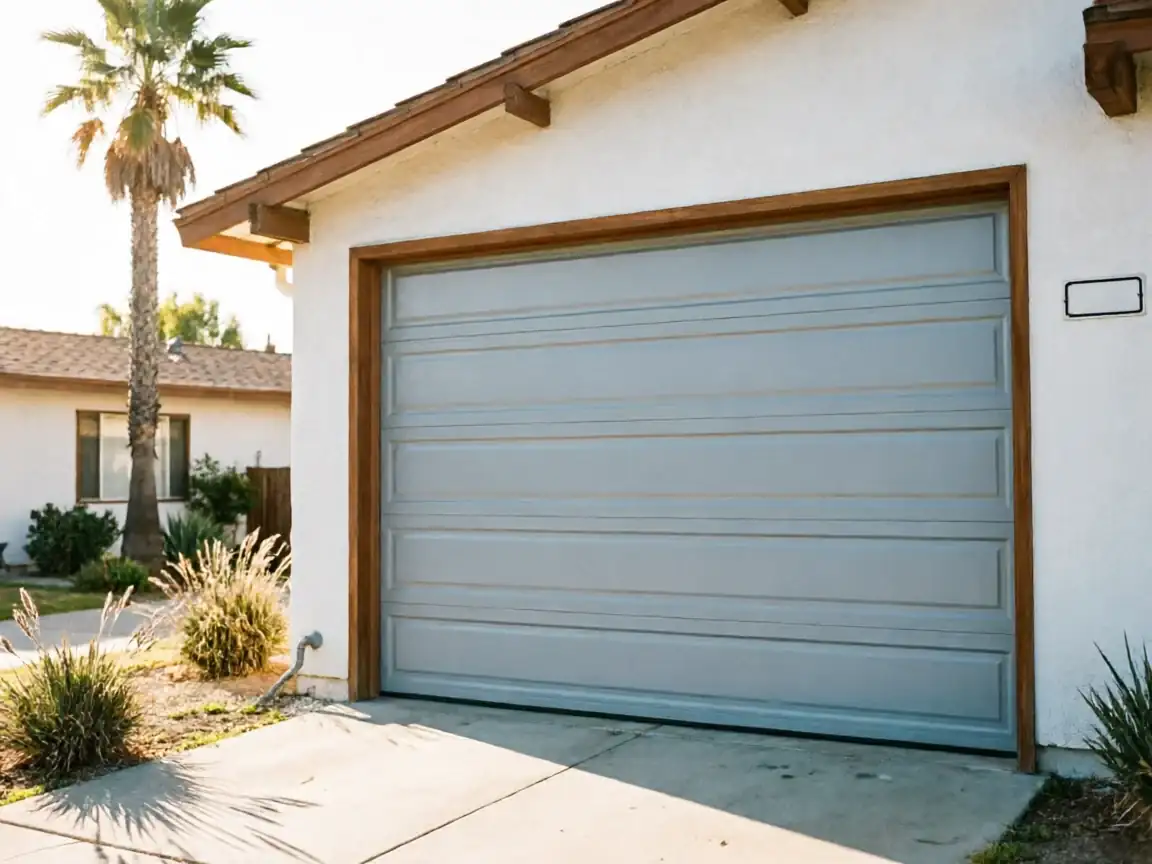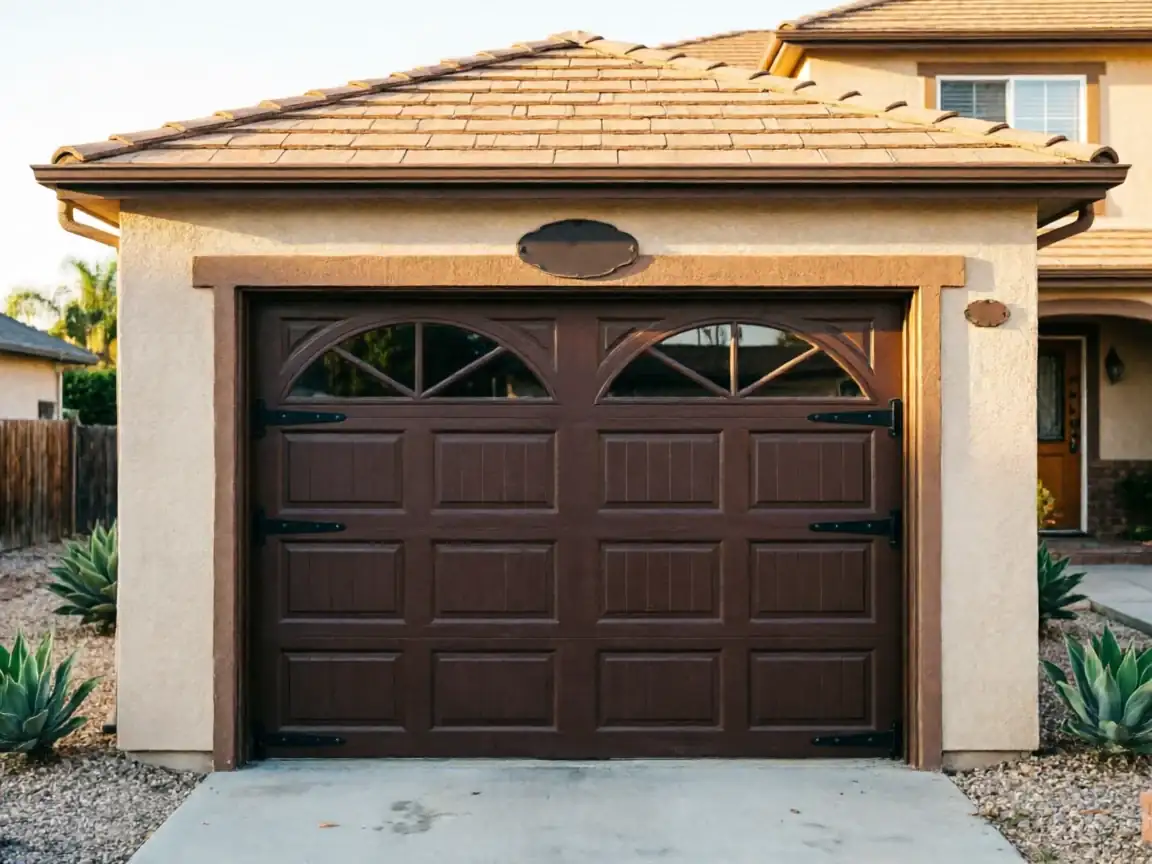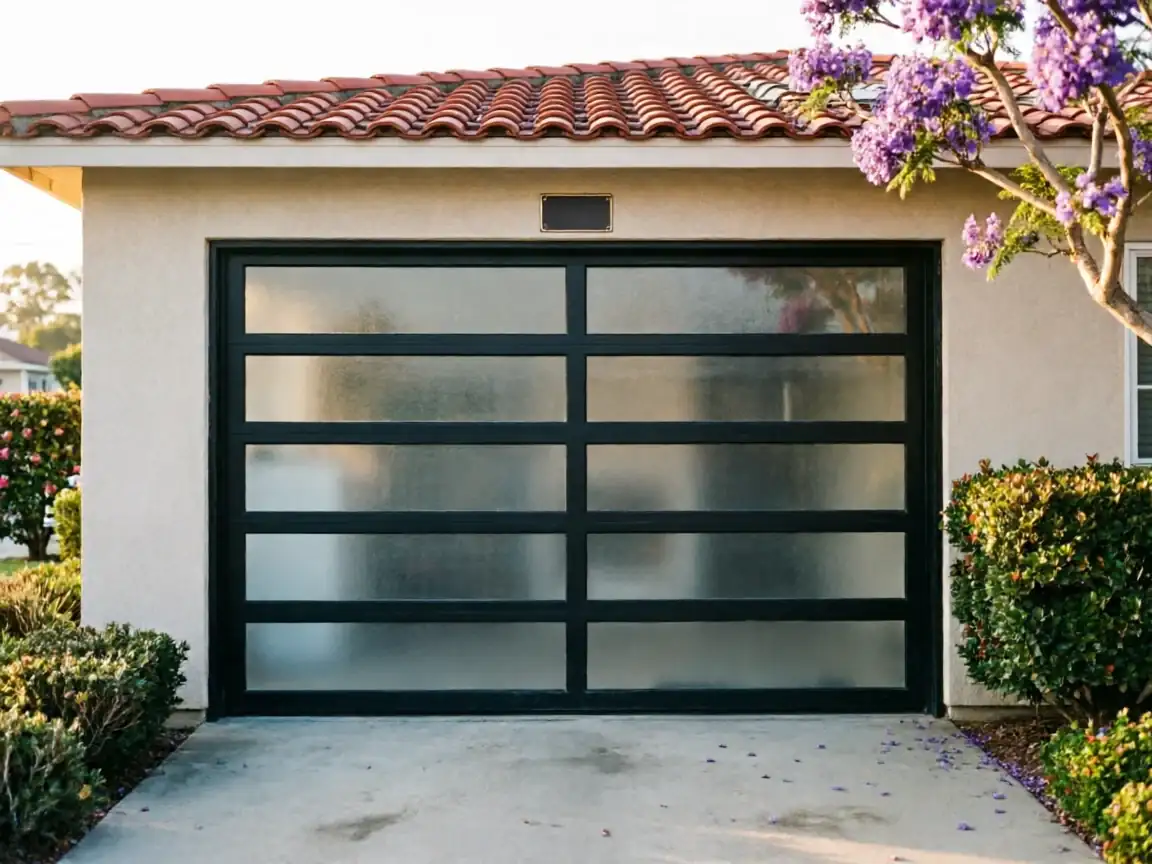
Where This Job Goes Sideways
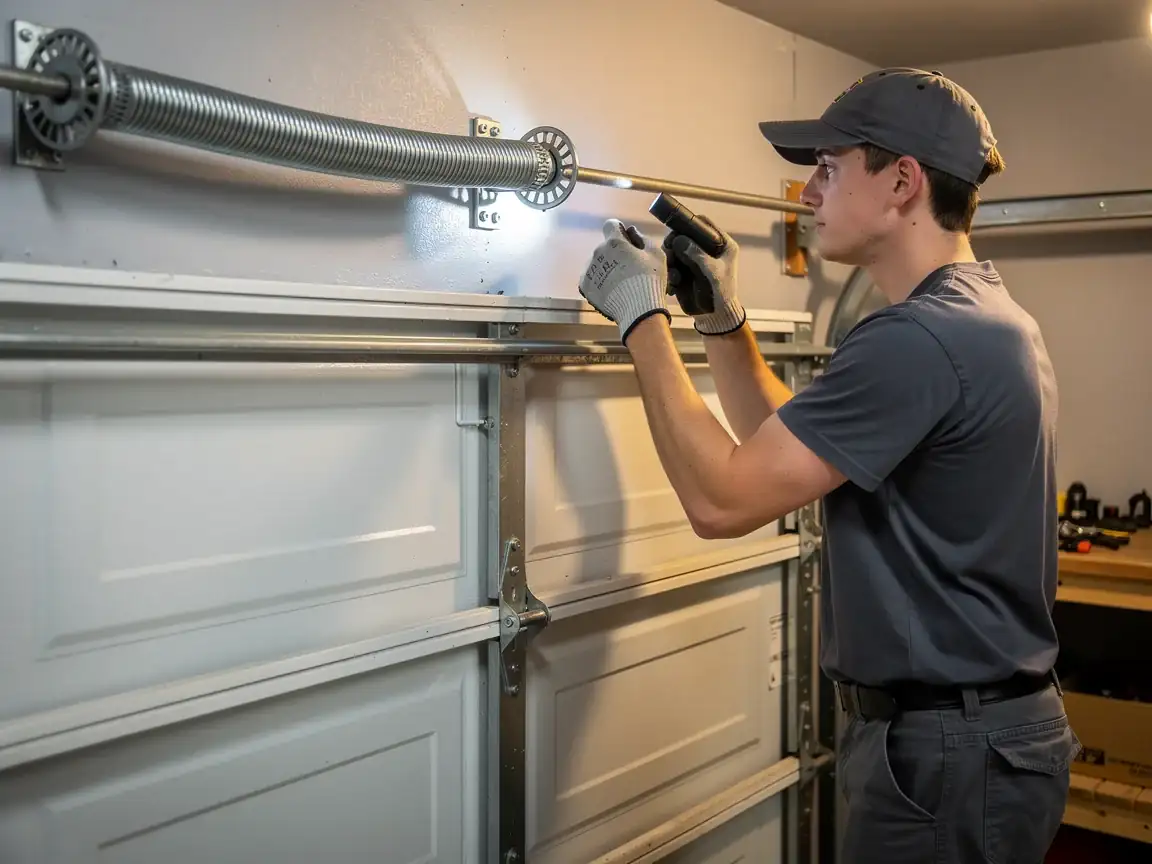
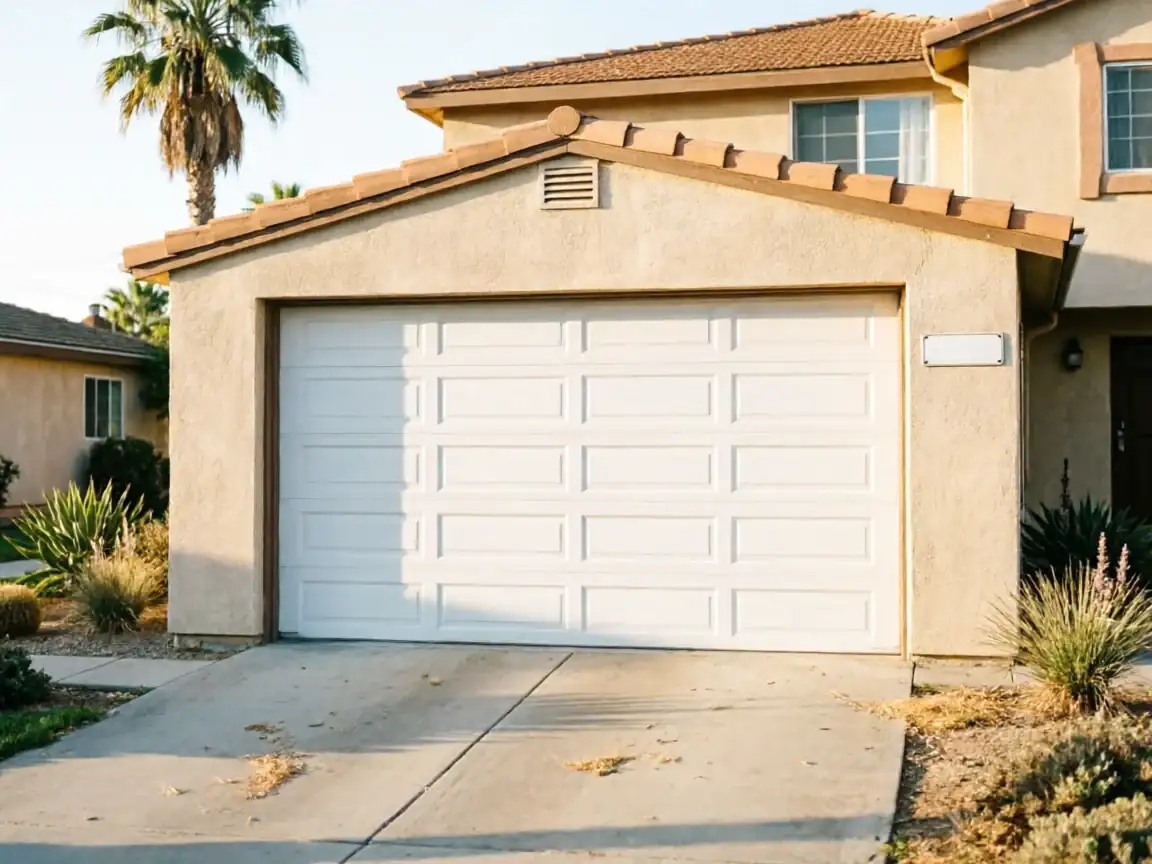
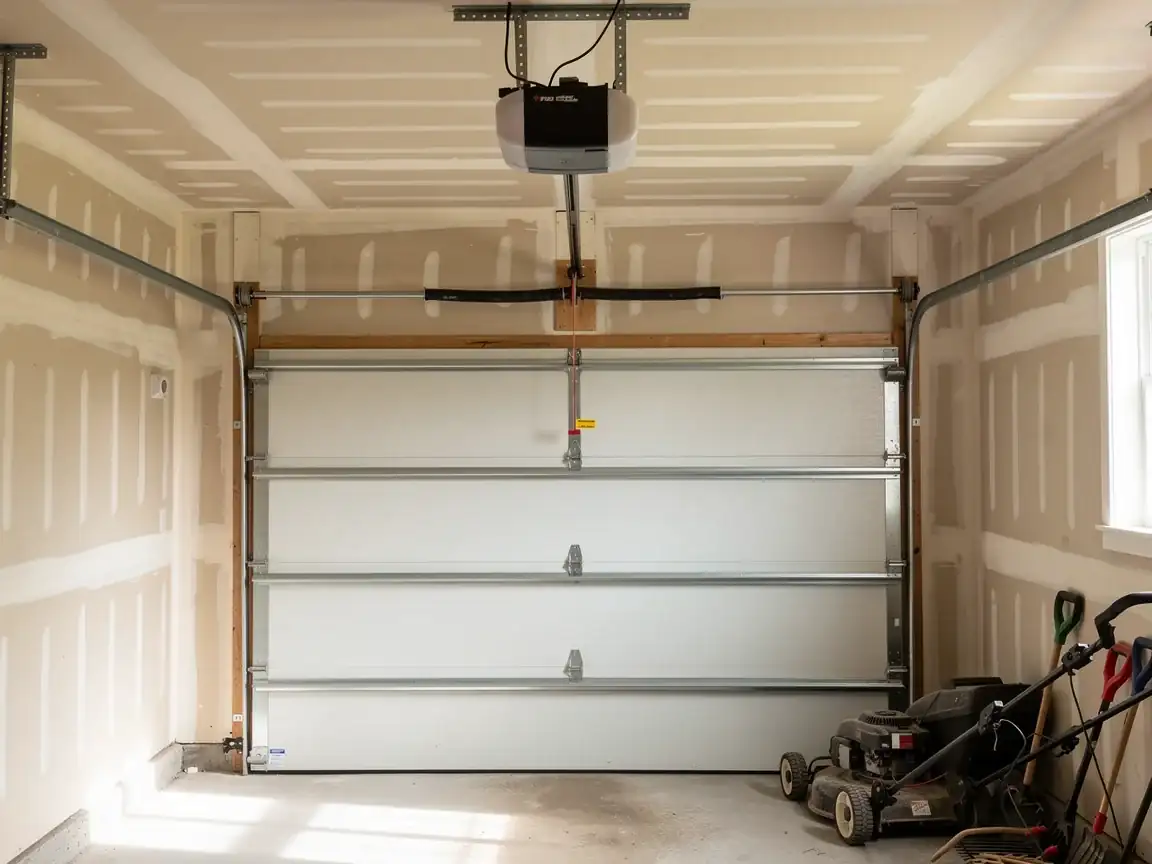
The call we get most from Rolling Hills Estates isn't a dead opener, it's a door that's gotten heavy to lift by hand before anyone noticed the opener was struggling too. Houses up here mostly went up around 1970, which puts this neighborhood a few years newer than the 1963 median for the wider service area we cover. That gap matters more than it sounds like. A house built in 1970 usually got a door sized for the lighter wood or early steel panels of that era, hung on extension springs mounted along the horizontal track rather than the torsion bar over the header that became standard later.
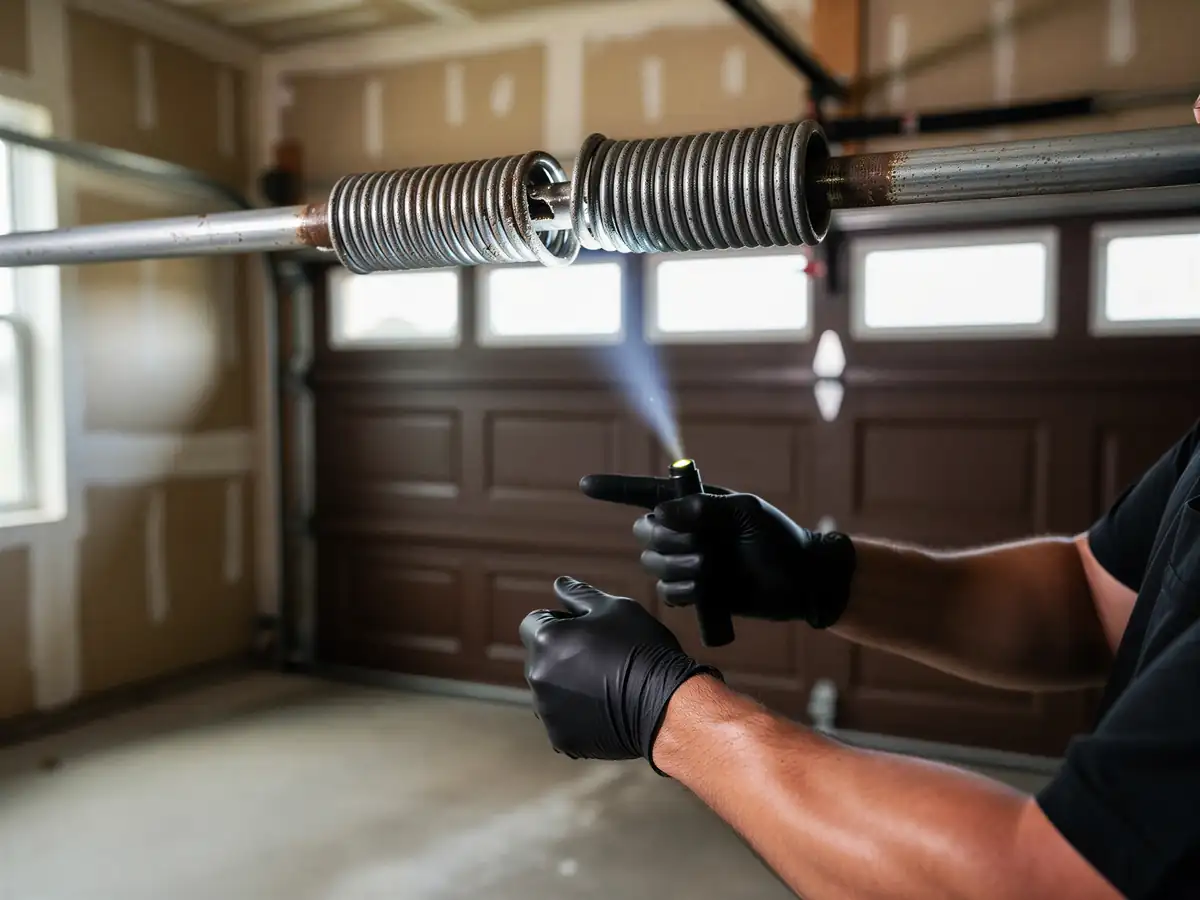
Extension springs on a 50-plus-year-old door don't fail quietly. The cable frays, the spring stretches past its taper, and the door either won't stay up or slams down when the opener's travel limit is off by a hair. We see this pattern across the 1960s-70s stock that makes up most of this part of the service area, but it shows up a bit later on Rolling Hills Estates jobs than on older streets closer to the coast, simply because the houses are a few years younger.
What You Are Seeing
If your door is sagging at the corners when it's down
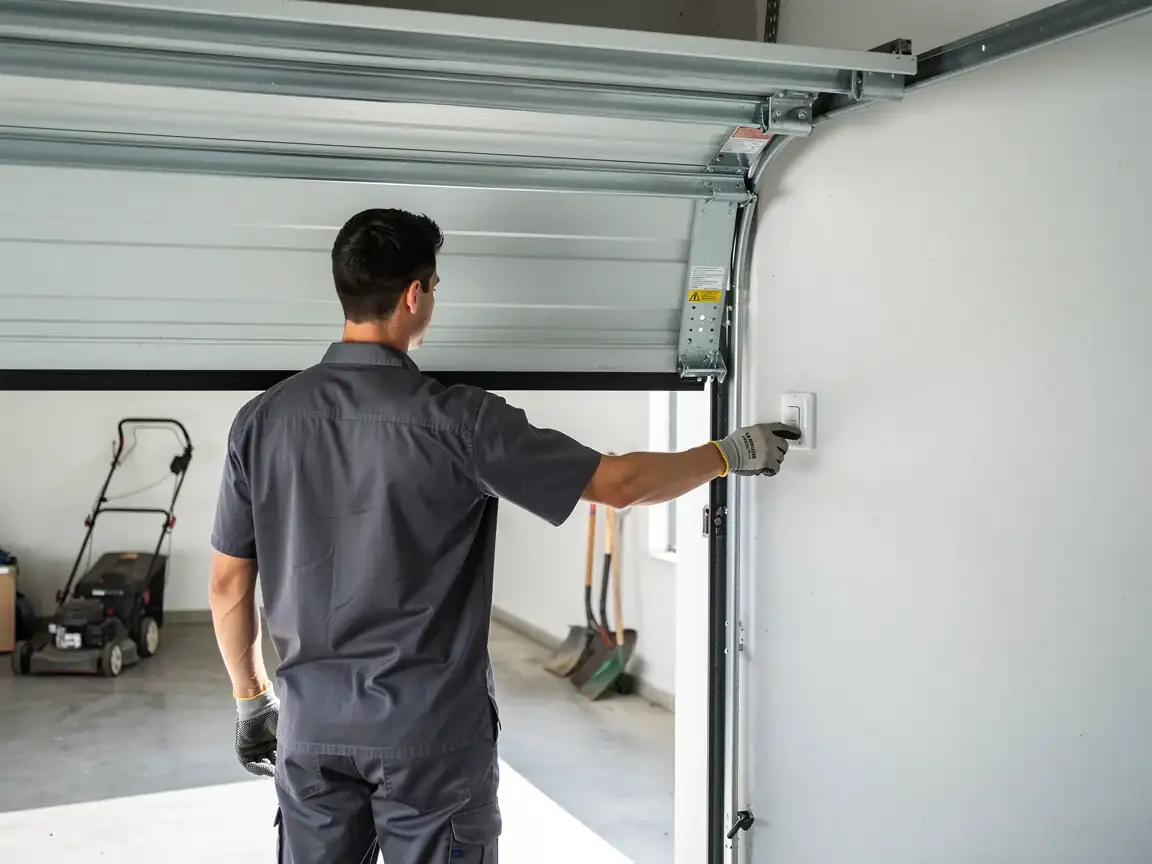
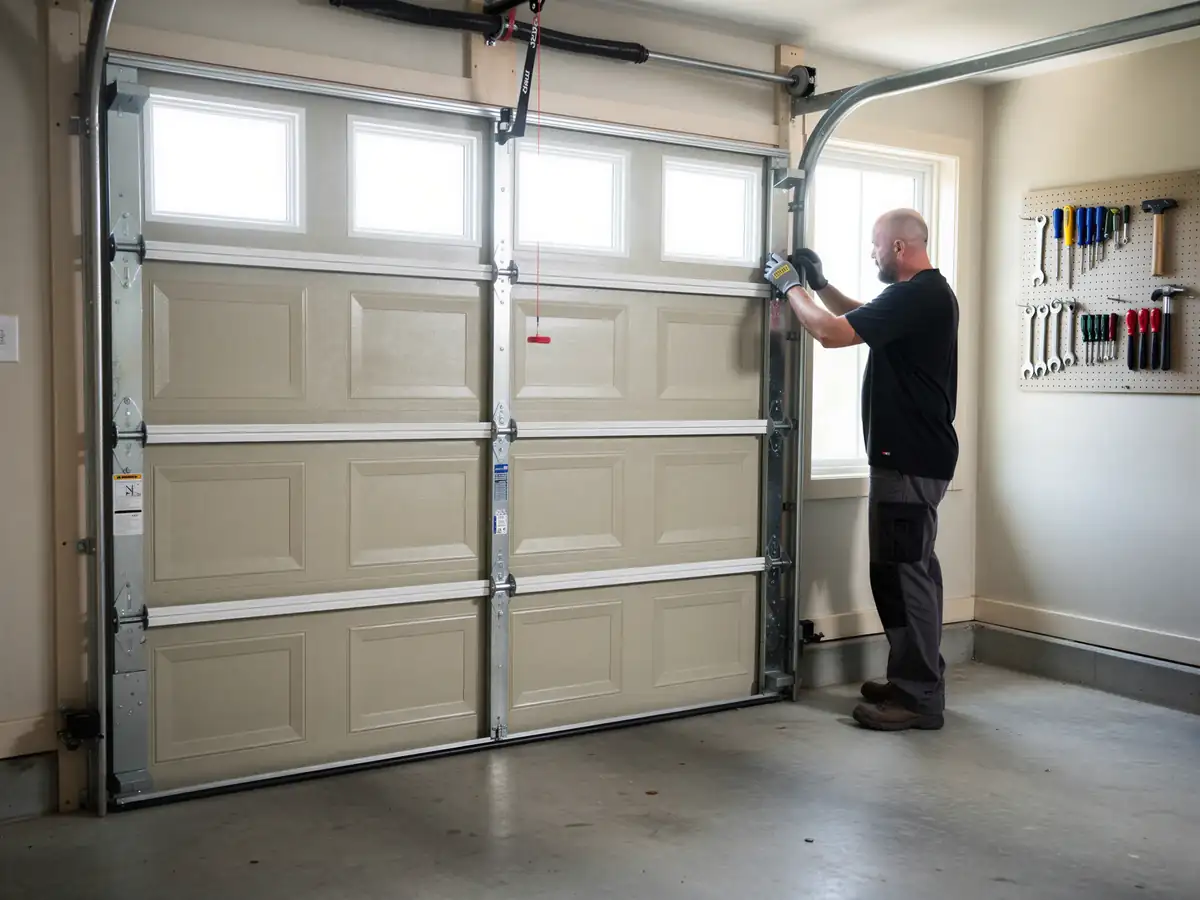
Or one side drops half a second before the other when it's going up, that's usually a stretched or mismatched extension spring, not the opener. If the door is hard to budge with the opener disconnected, same story - the springs aren't carrying their share of the weight anymore. On the newer end of the 1970 stock, we also find early steel sectional doors where the roller tracks have never been re-set since install, so the door binds on one side before it even reaches the spring problem.
The mild temperate climate out here doesn't stress hardware the way freeze-thaw cycles do elsewhere
So when a spring or cable gives out on a 50-year-old door, it's almost always plain fatigue, not weather damage. That's actually good news for diagnosis - we're rarely chasing rust-through or warped wood panels from moisture. It's metal that's simply done more open-close cycles than it was built for.
How We Fix It
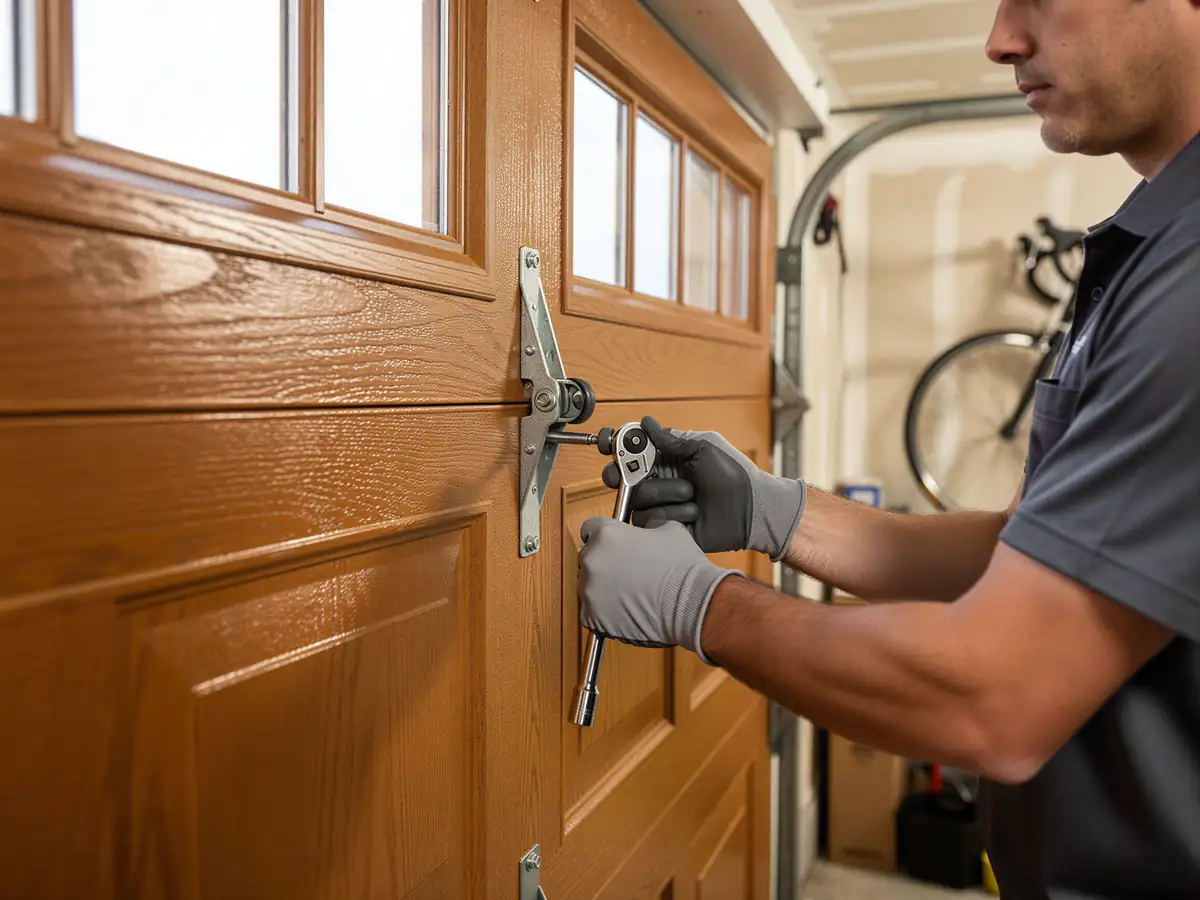
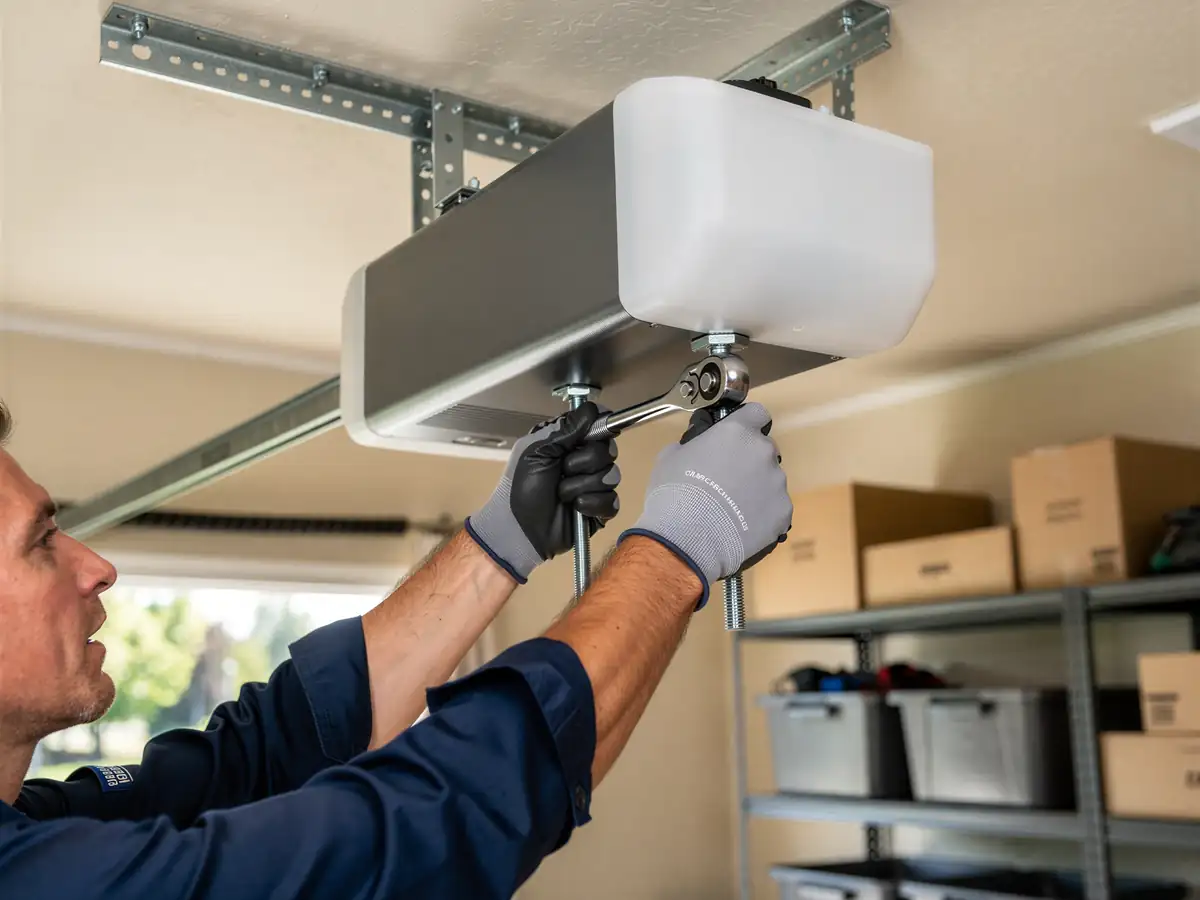
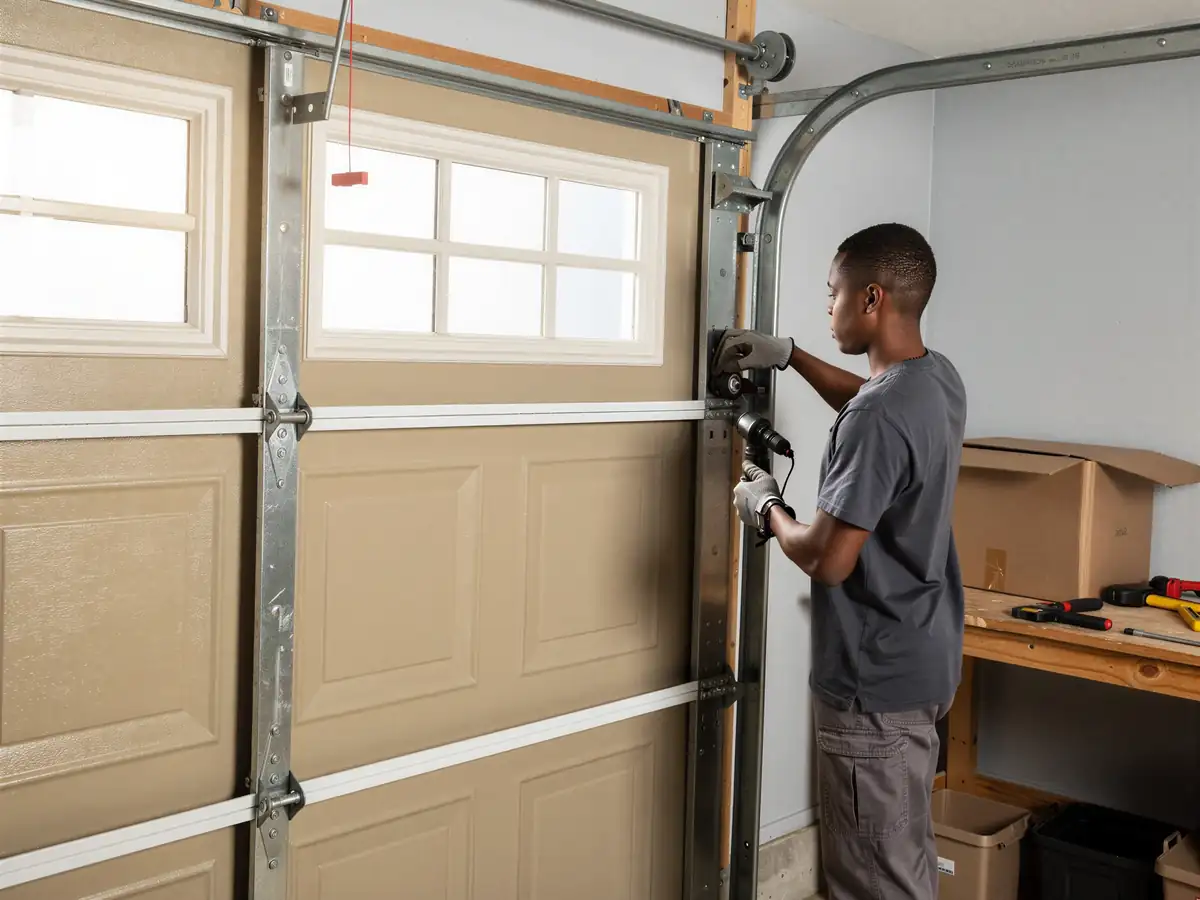
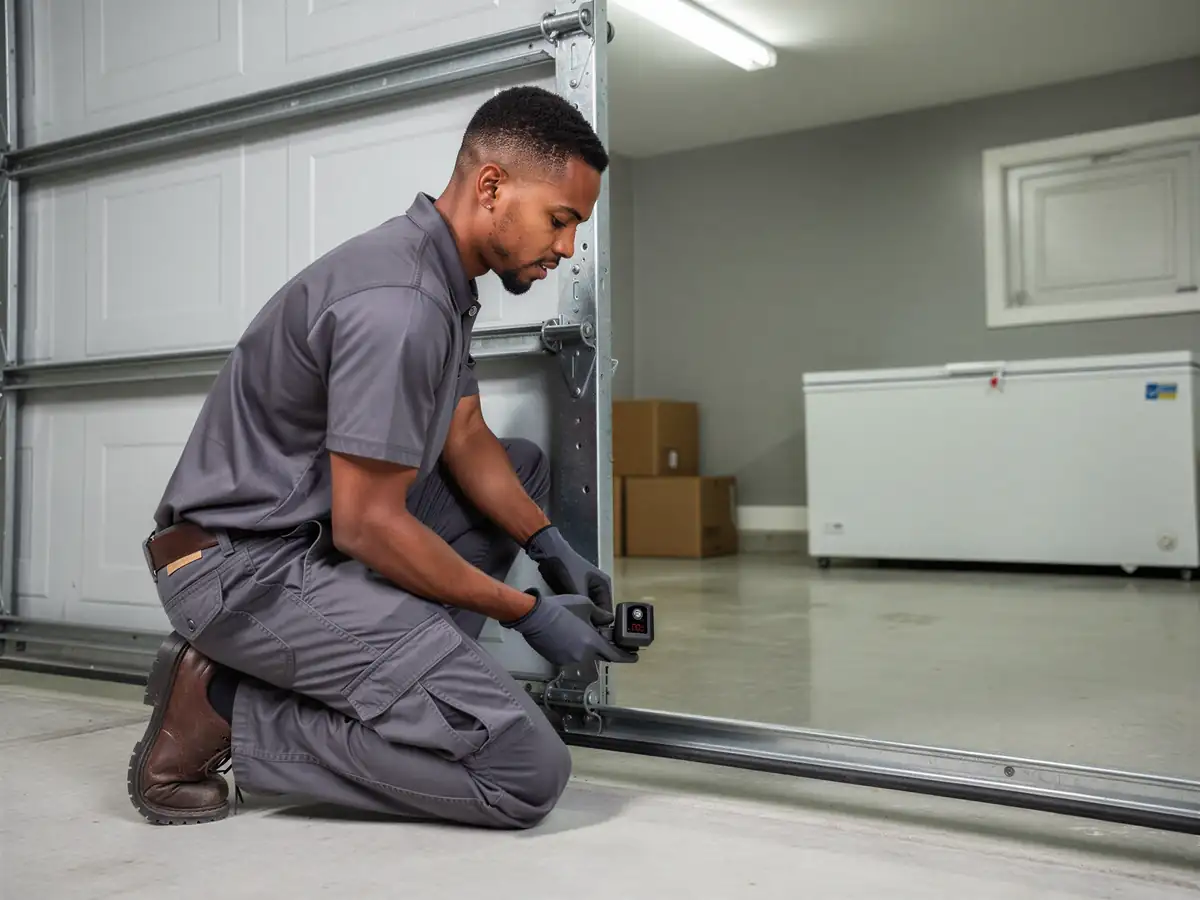
On extension-spring doors from this era we replace both springs as a pair even if only one has failed, because the surviving one is almost always close behind. We re-cable at the same time rather than reuse the old cable on new springs - it's a small part and not worth a second truck trip over. For the early steel sectional doors with binding tracks, we re-square the track to the jamb and check roller wear before touching the opener, since a misaligned track will chew through a new opener's gears just as fast as the old one.
One honest limit here: if the door panels themselves are original 1970 steel and badly rusted or dented beyond the hardware, we'll tell you straight that patching springs and track on a panel that's failing on its own isn't money well spent, and we'll talk replacement instead of pretending a repair will hold.
Time on the Job
A straightforward spring and cable job on one of these doors is usually finished within a couple hours once we're on site and have the right spring size confirmed - extension spring lengths on 1970-era doors aren't always what the current parts counter stocks by default, so we bring options rather than guess. Track realignment adds time if the rollers also need swapping, which they often do at this age.
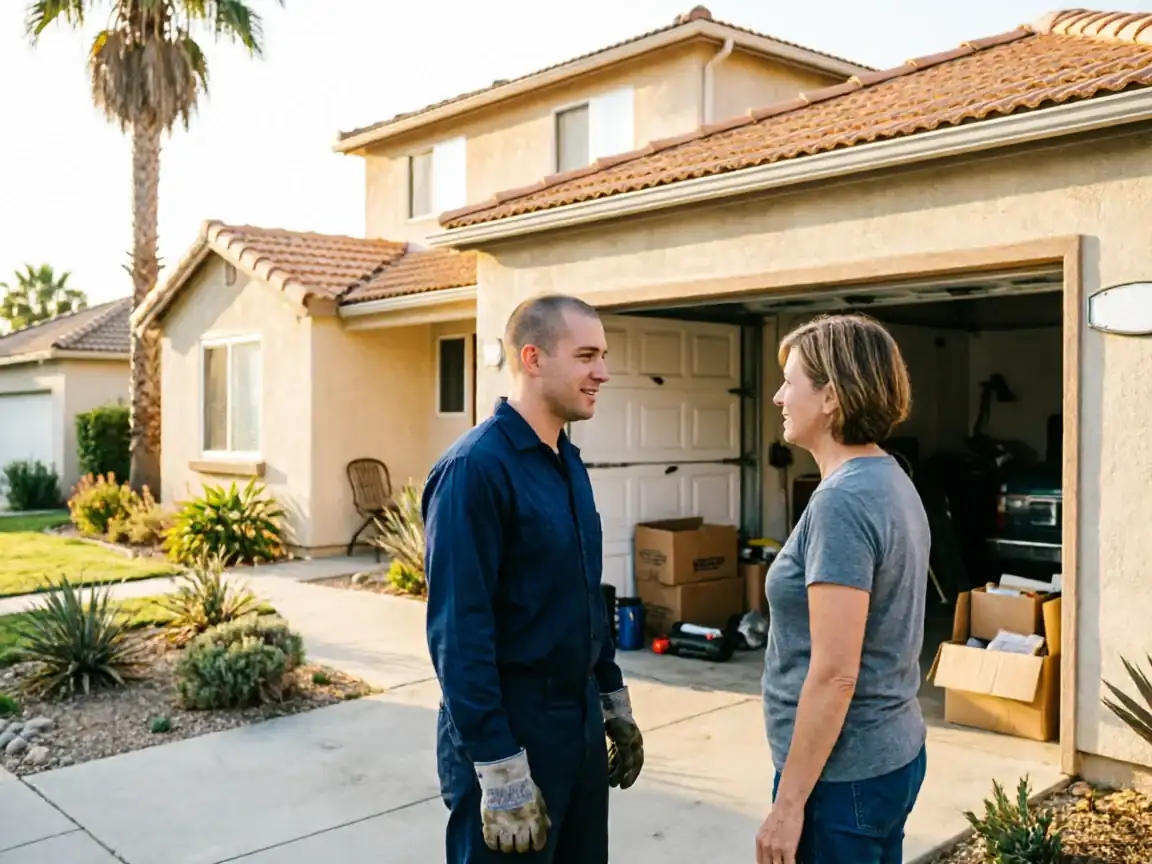
We travel out from Hermosa Beach for every Rolling Hills Estates call - it's about 8 miles each way, one of the longer drives on our service map, so we schedule these as a block rather than a quick add-on between closer jobs. That's not a complaint, just the reason we ask for a bit of lead time when you call.