Where This Job Goes Sideways
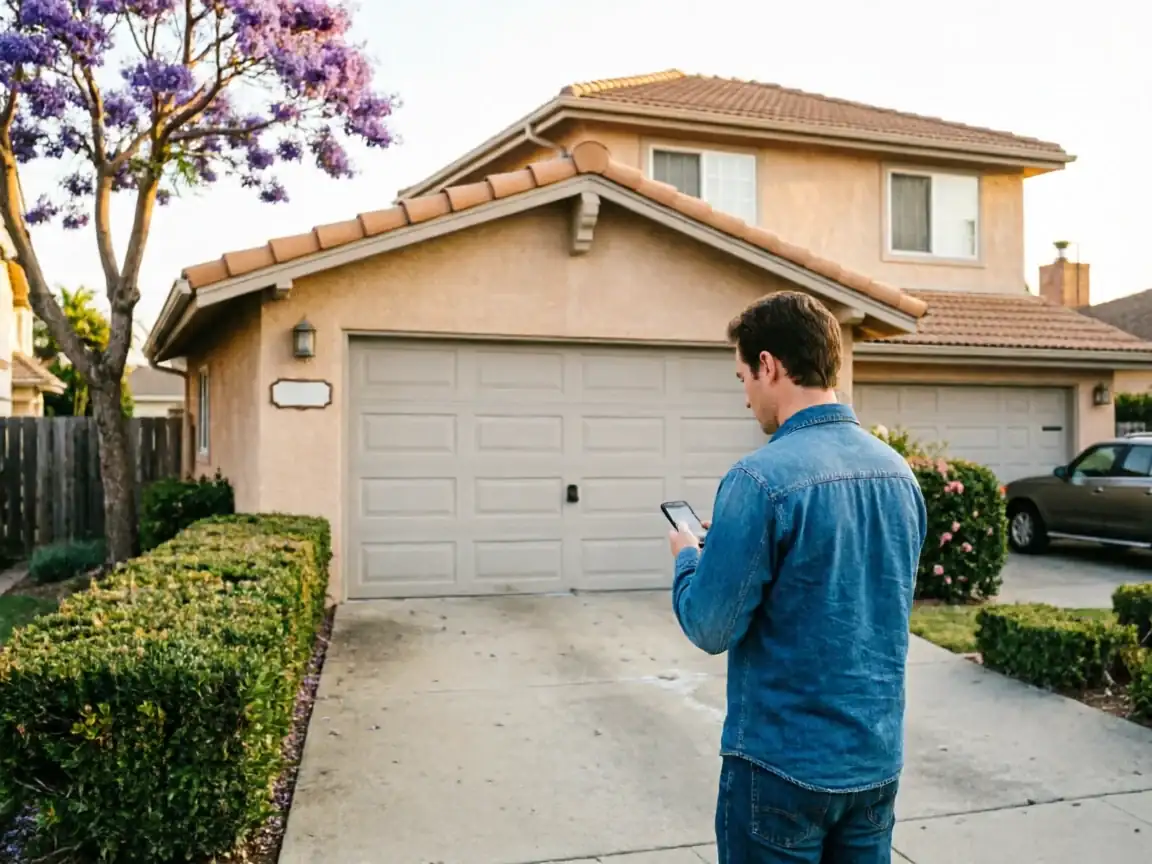
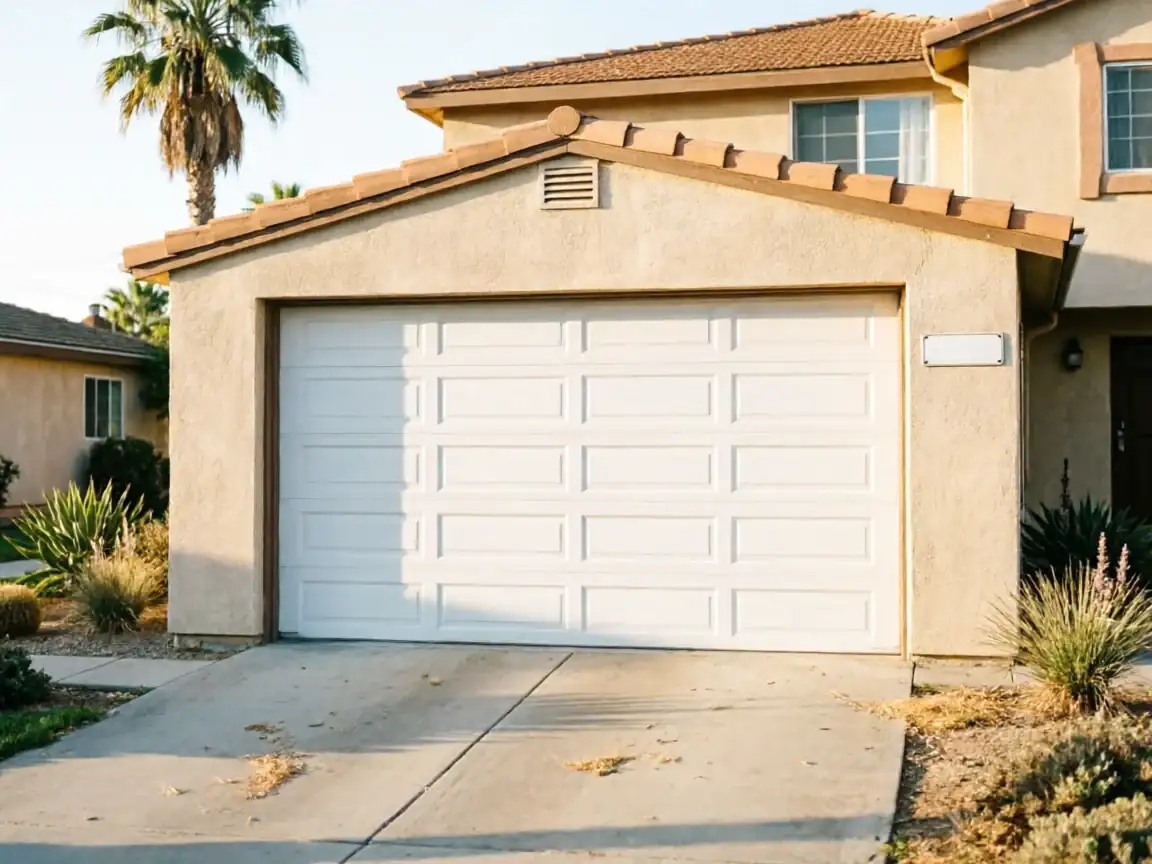
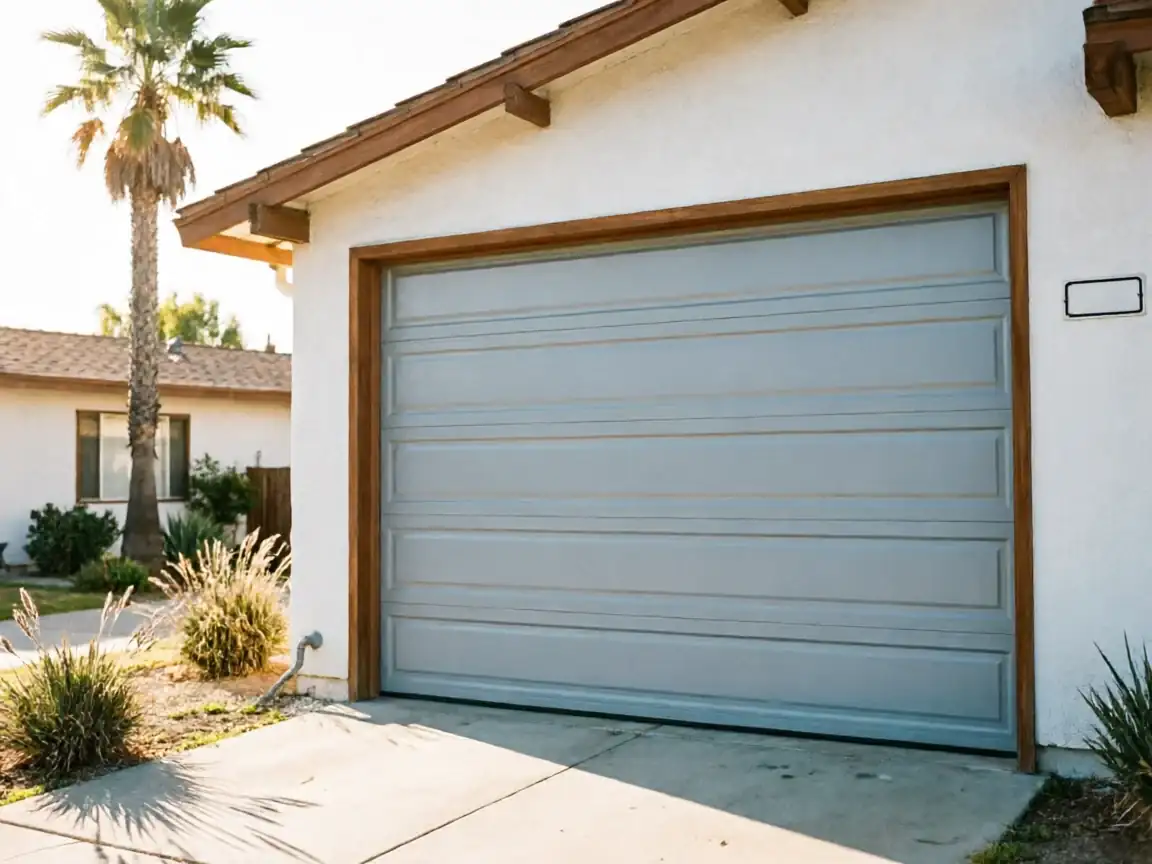
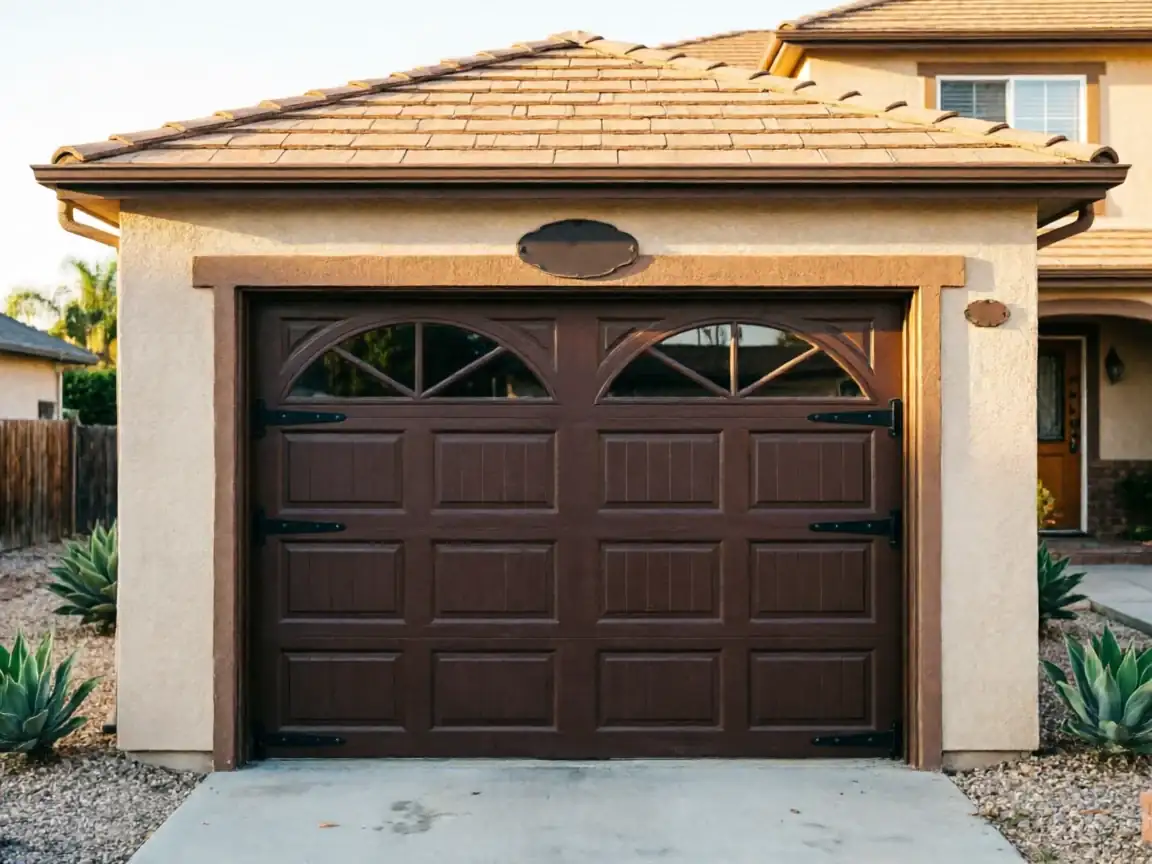
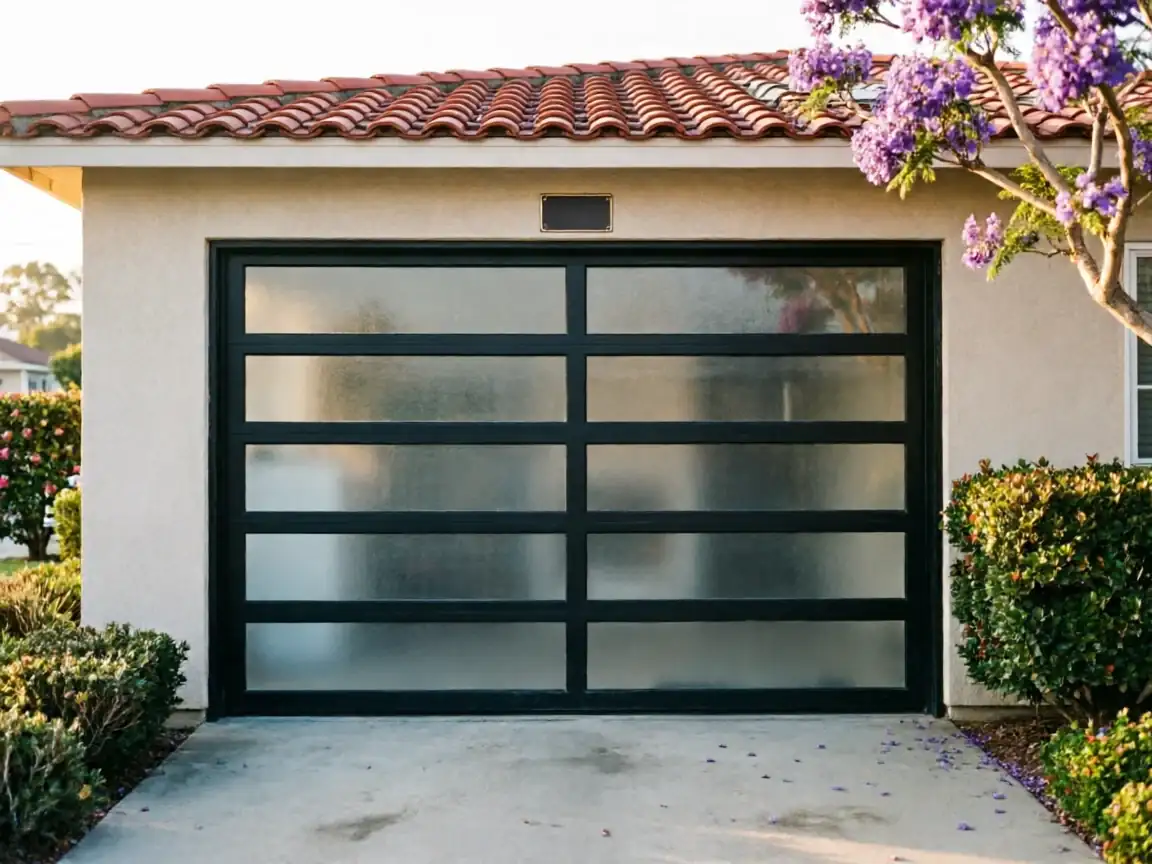
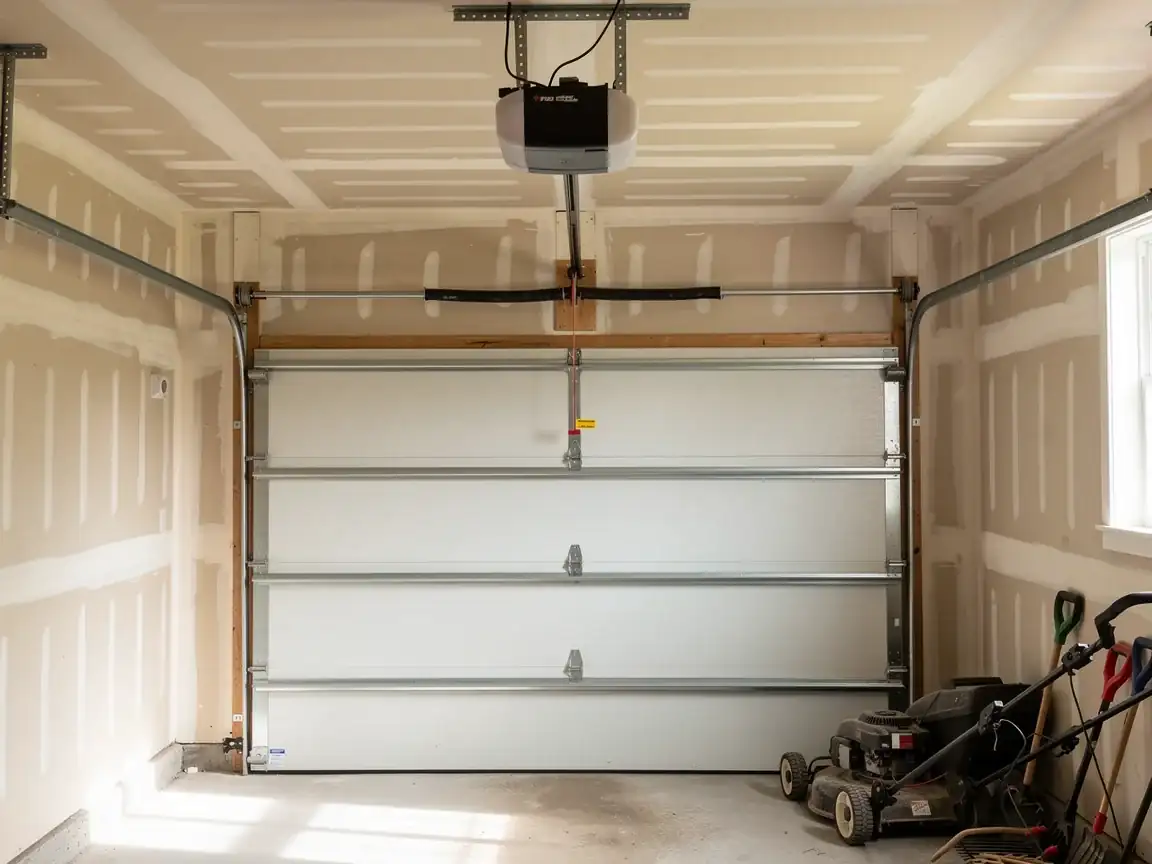
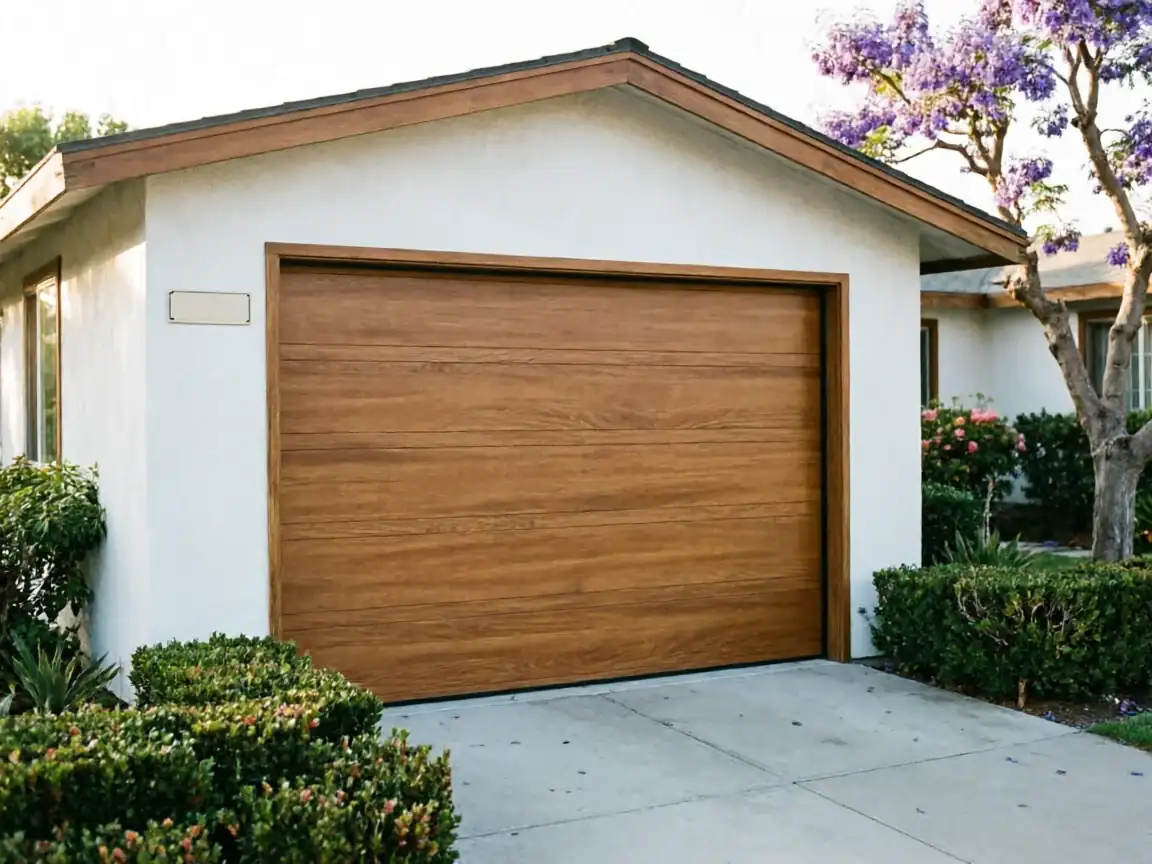
Most houses in Rolling Hills Estates were built around 1970, which puts this neighborhood squarely in the stretch of construction that gave Southern California its extension-spring doors and early chain-drive openers. That's a different animal from the torsion-spring, steel-panel setups you see on houses built in the 2000s. A lot of these original systems have been swapped out over fifty-some years, but the tracks, the jamb brackets, and sometimes the header framing are still from the original build. That matters when a technician shows up to service a door: hardware from 1970 doesn't always match hardware sold today, and a lift-and-tighten approach that works fine on a newer door can strip an old jamb bracket that's held up for five decades. We've worked on this era of door across the wider South Bay, and the failure point is almost always the same - someone replaced the opener or the springs at some point but left the original track and brackets in place, and nobody checked whether the two generations of parts actually fit together cleanly.
How We Fix It
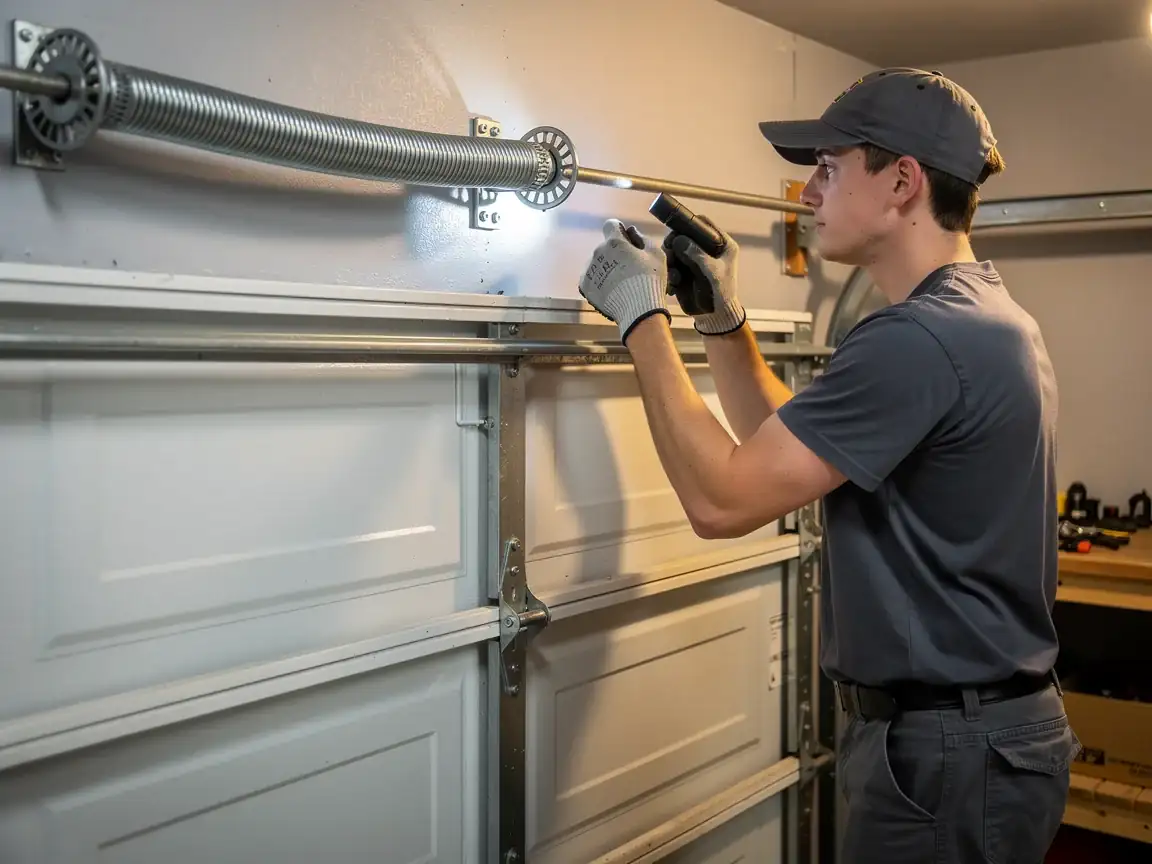
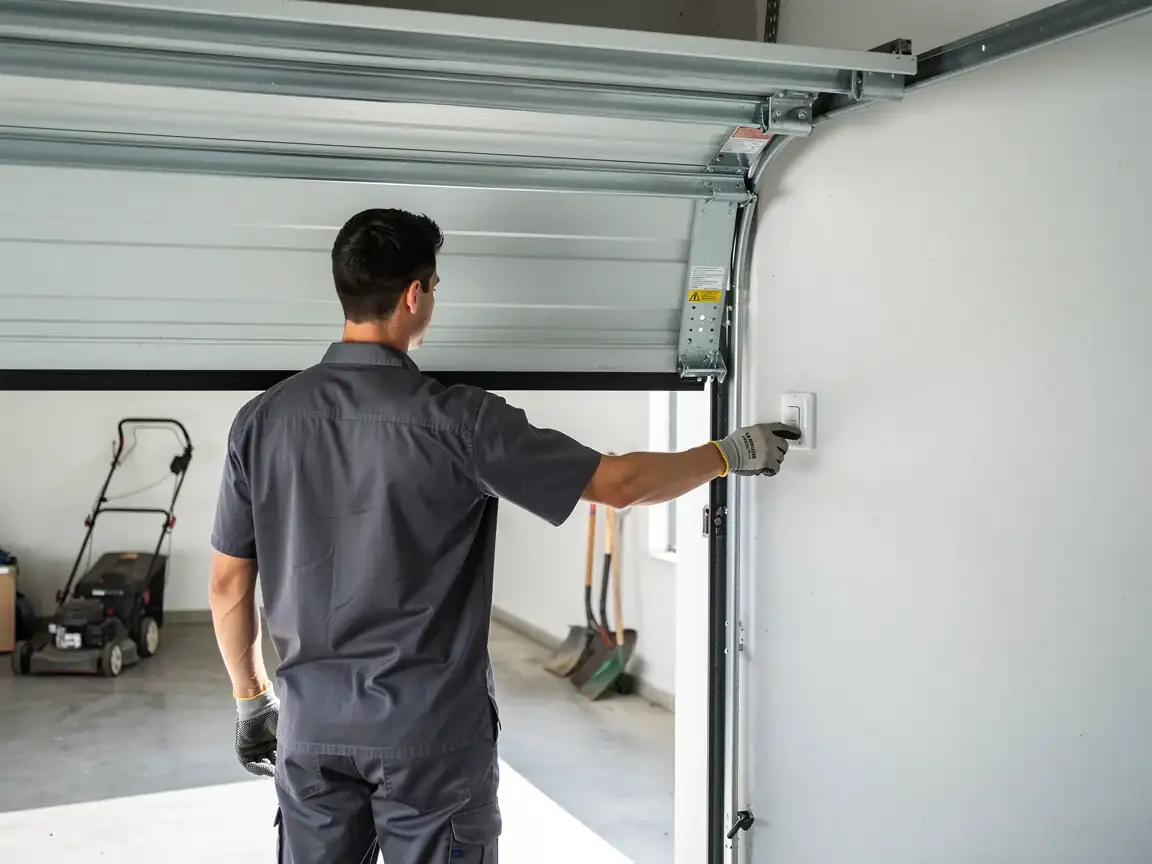
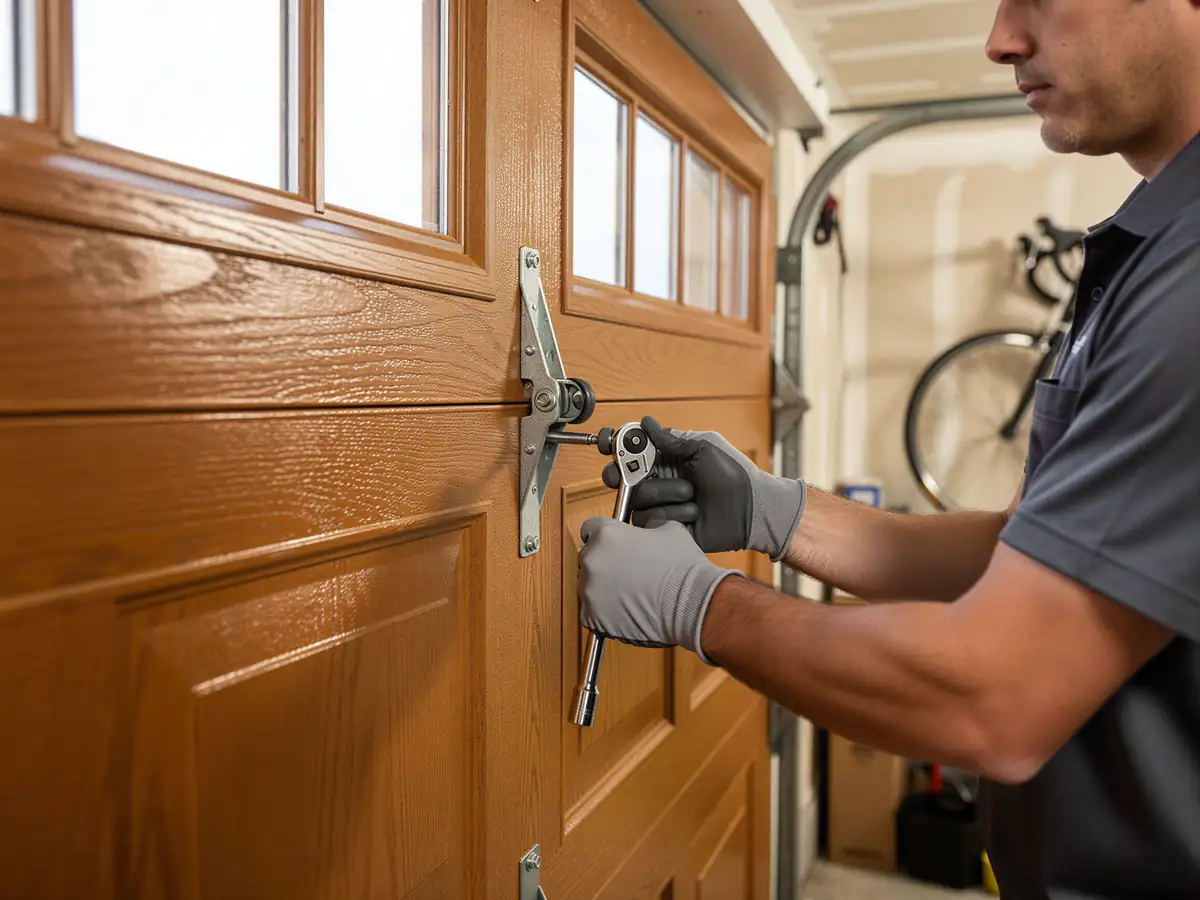
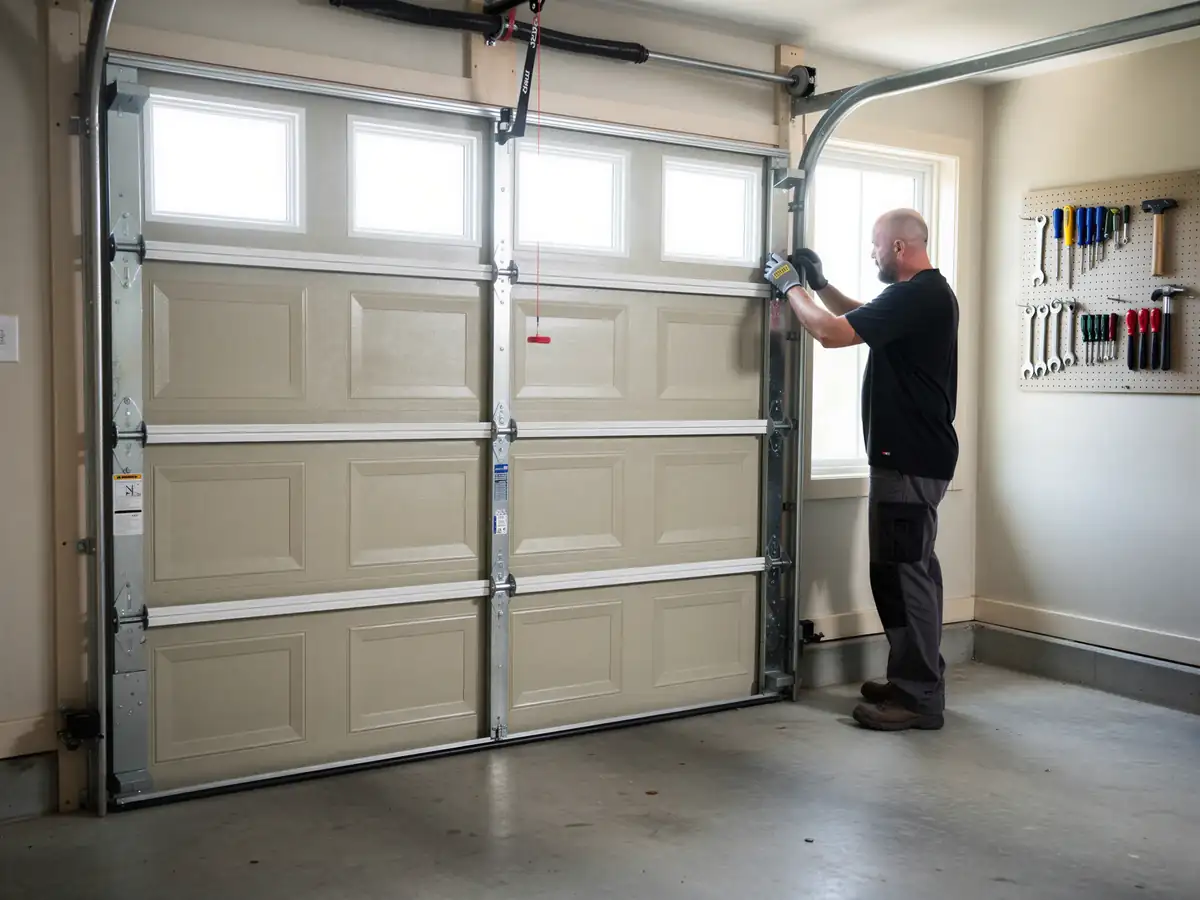
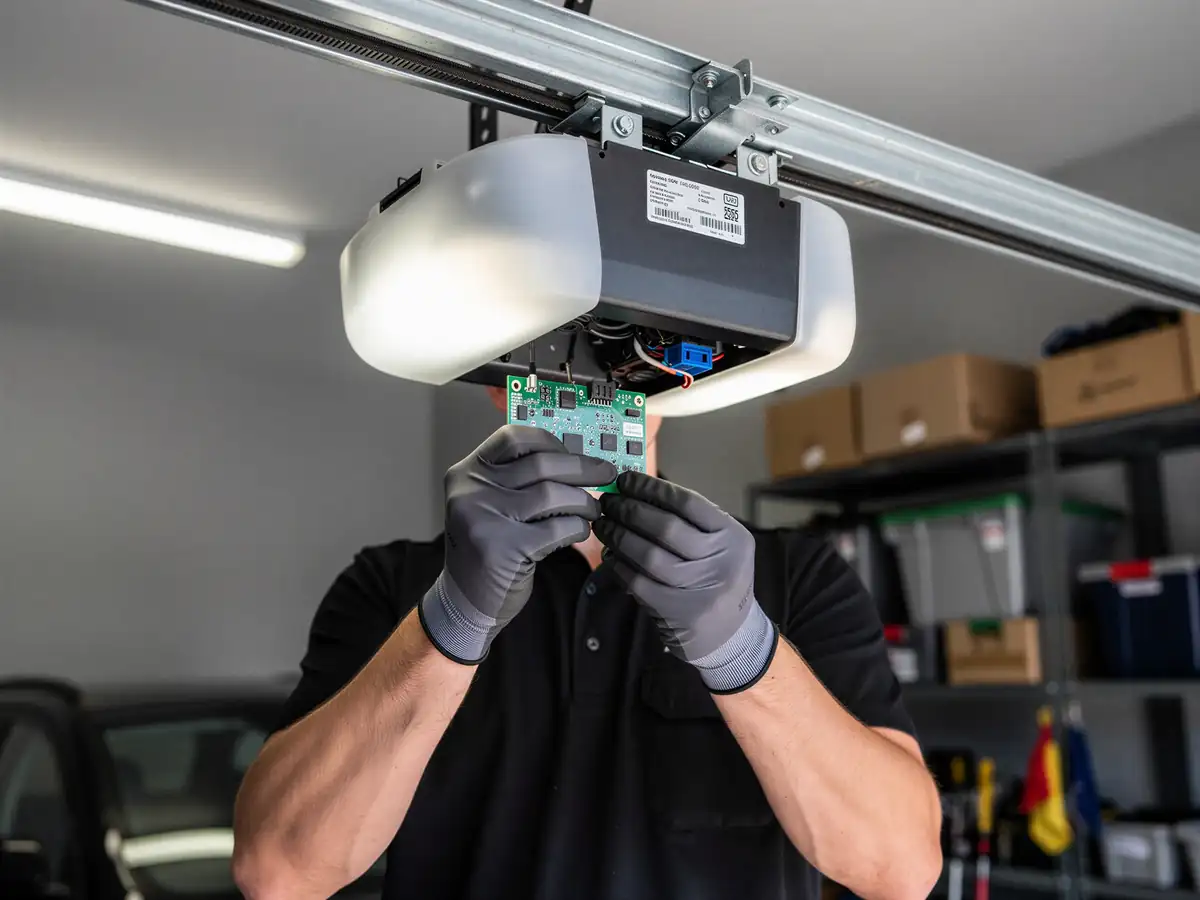
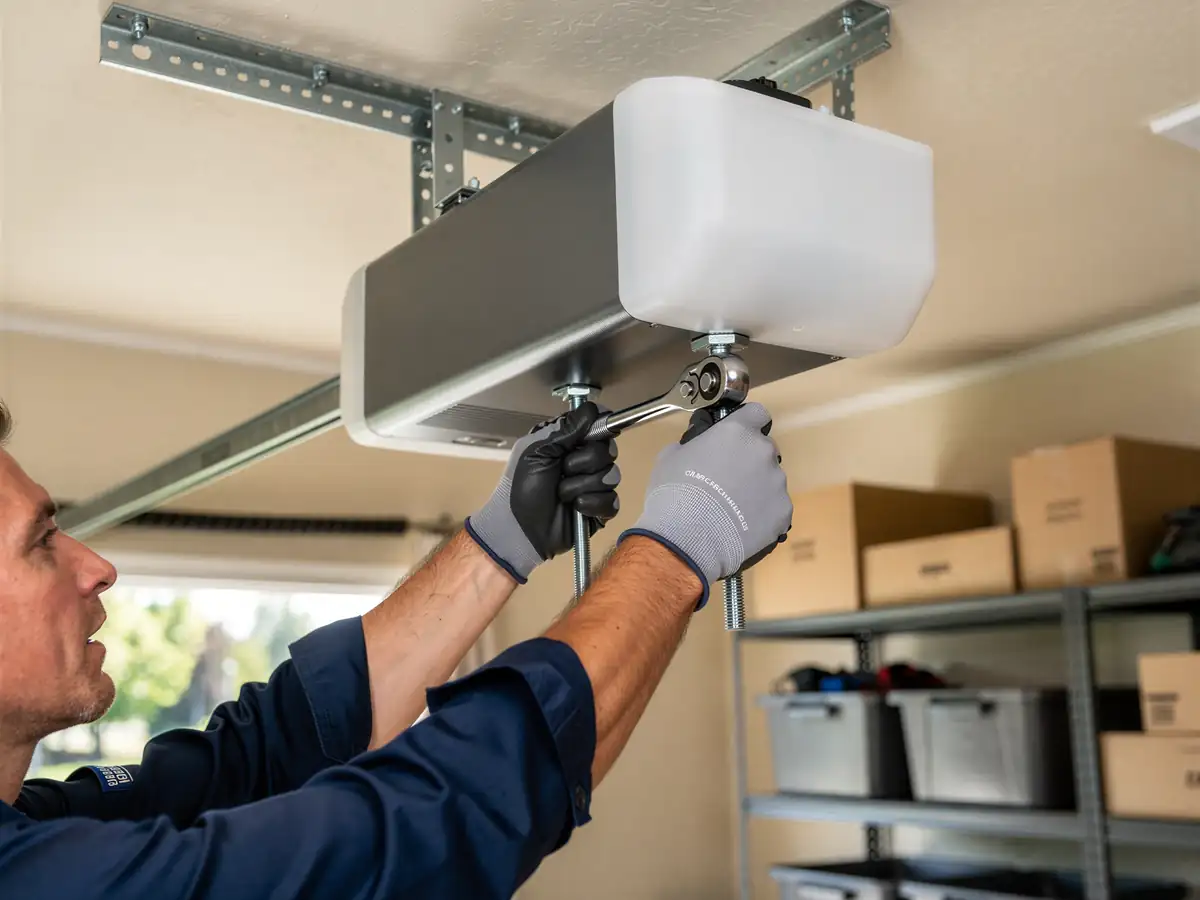
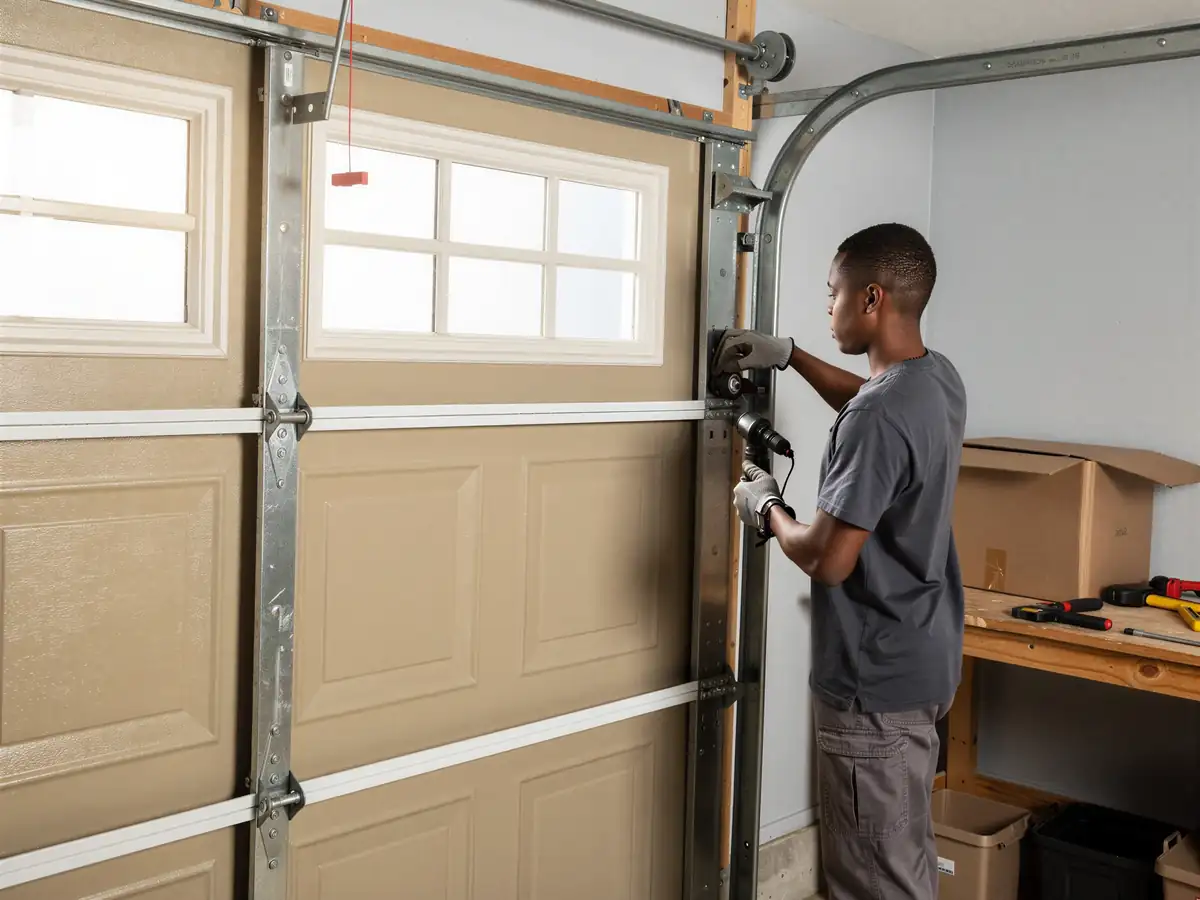
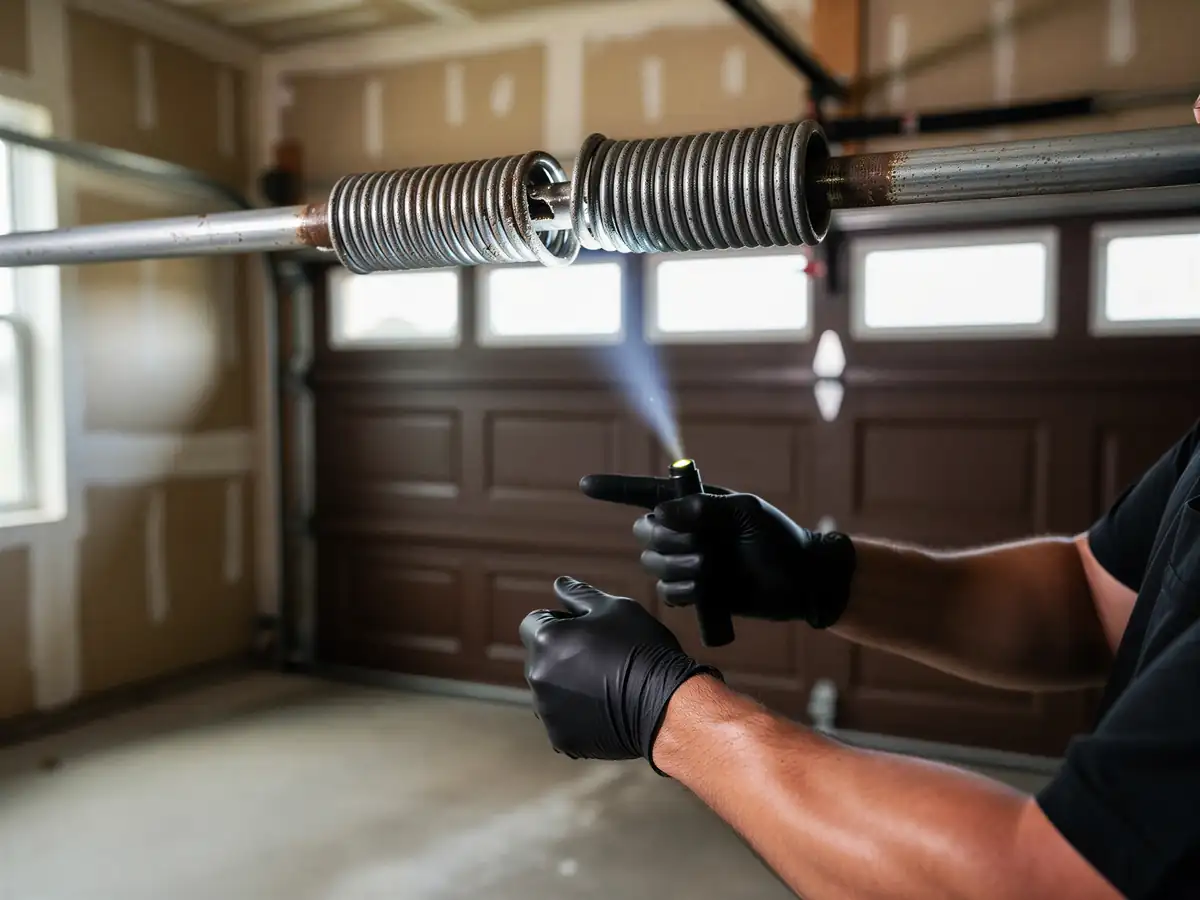
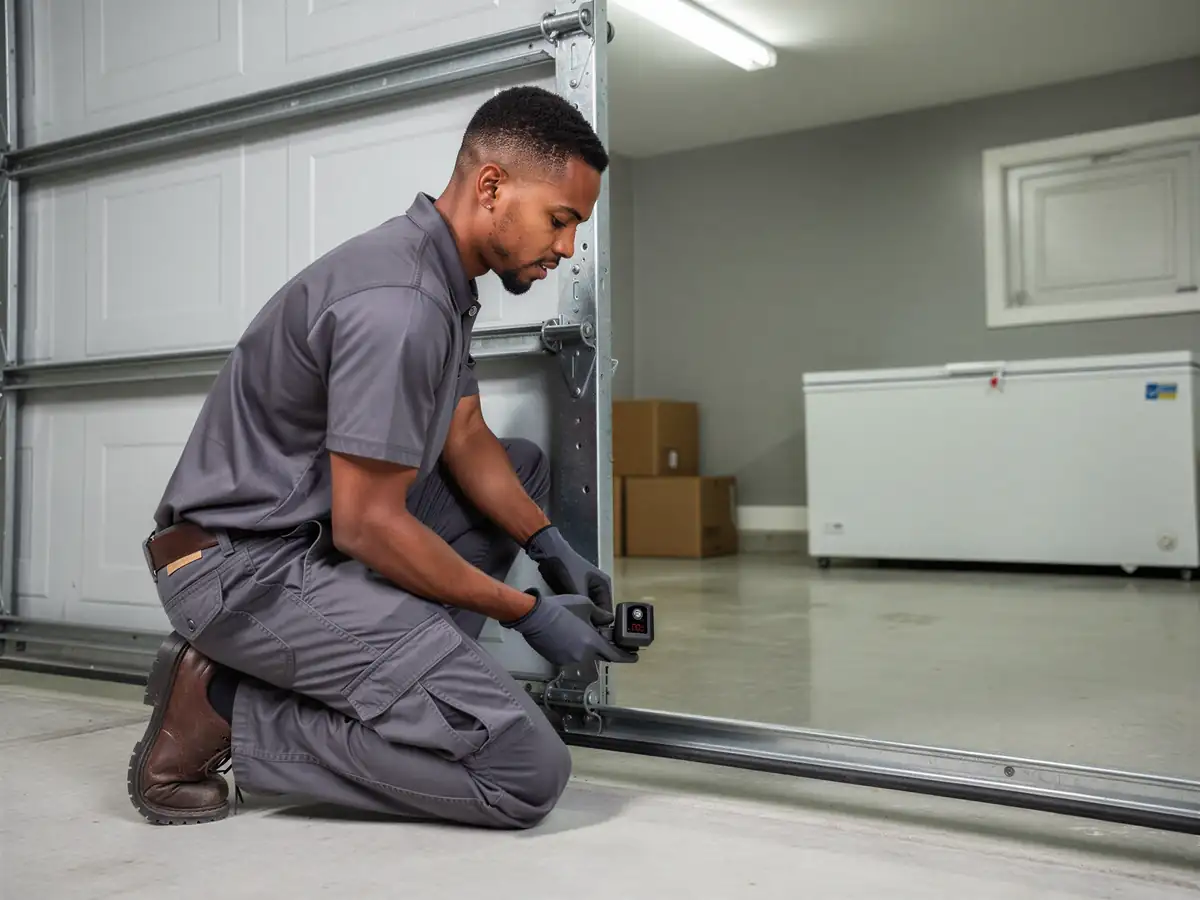
Maintenance on a door this age starts with a close look at the track-to-bracket fit before we touch springs or rollers, because that's where mismatched generations of hardware show up. We re-tension or replace worn rollers, check cable wear at the drum, and lubricate the hinges and track the way the door was designed to be lubricated rather than just spraying everything down. If the opener has been upgraded since the original build, we check that its lift capacity and force settings actually match the door it's lifting - a common mismatch on older houses where the opener was swapped but nobody adjusted for the door's actual weight. One honest limit: if the original jamb brackets are cracked or the header wood has rotted, that's a carpentry repair, not a maintenance visit, and we'll tell you that up front rather than torque hardware onto wood that won't hold it.
Time on the Job
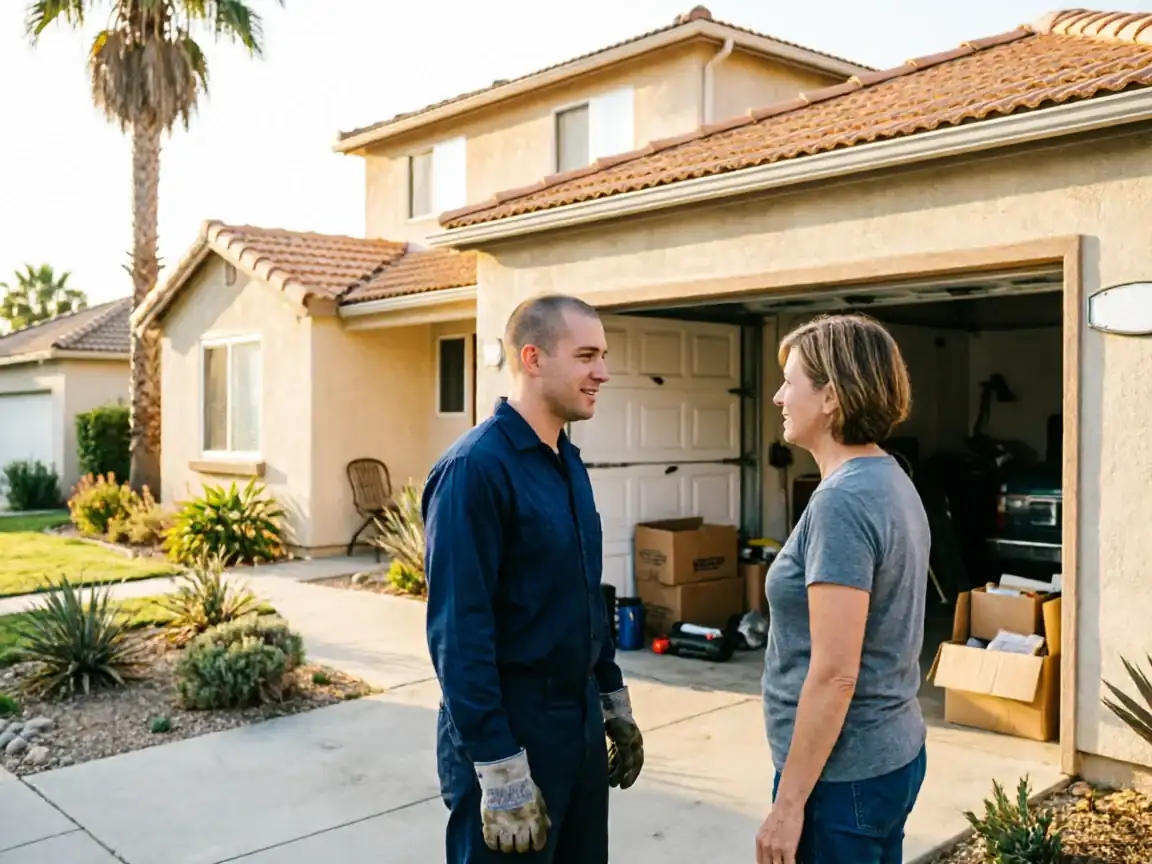
A standard maintenance visit on a door this age runs longer than it would on a newer build, mostly because of the inspection step - we're checking hardware generations against each other, not just greasing a track. We travel to Rolling Hills Estates from our Hermosa Beach shop, about 8 miles out, so we schedule the visit as a full appointment rather than a quick stop between other jobs. If we find something beyond maintenance - a cracked jamb bracket, a spring that's about to go - we'll say so on site and give you the option to handle it that day or schedule it separately.