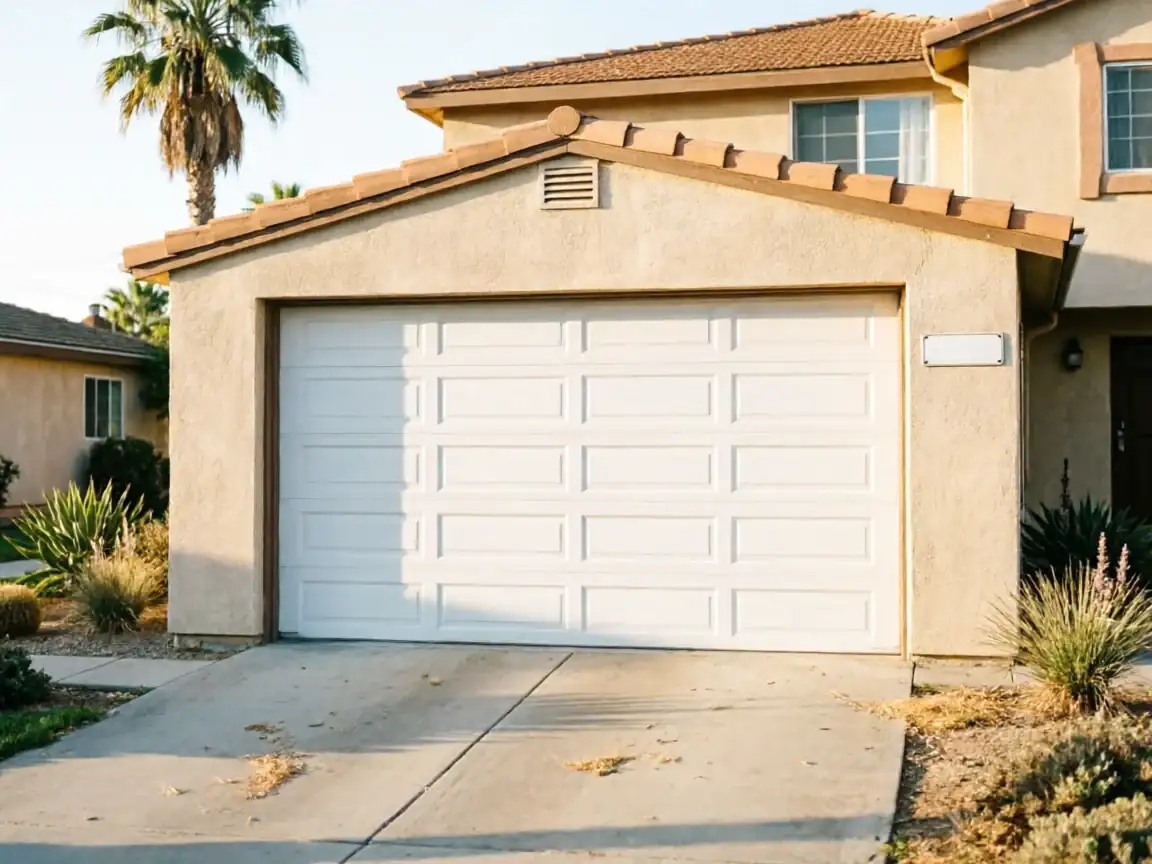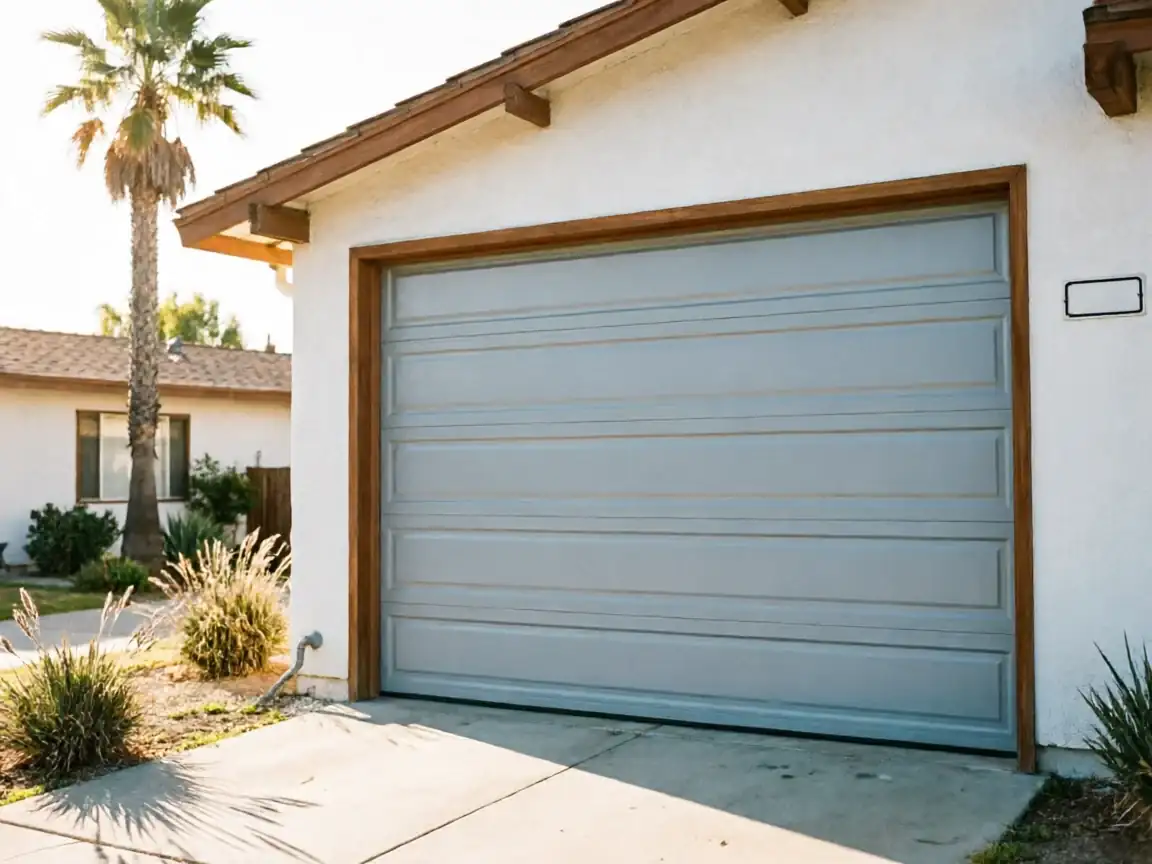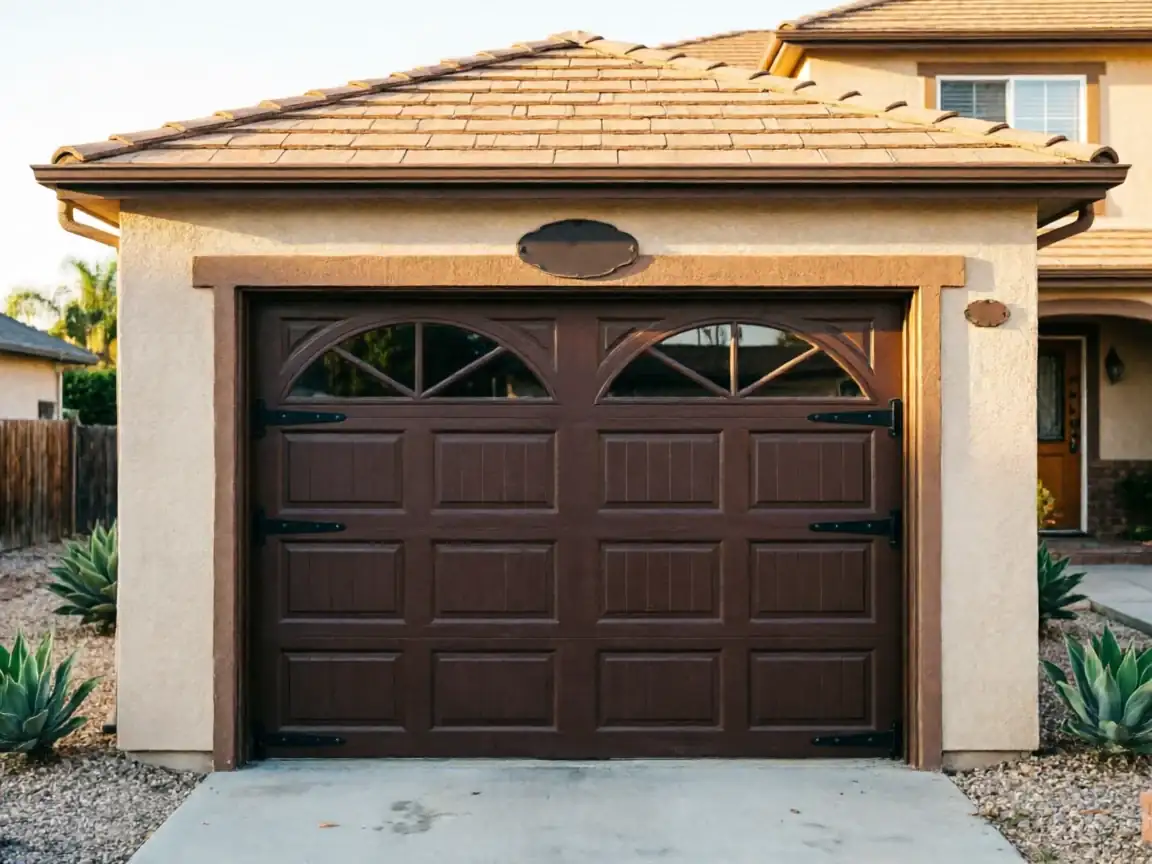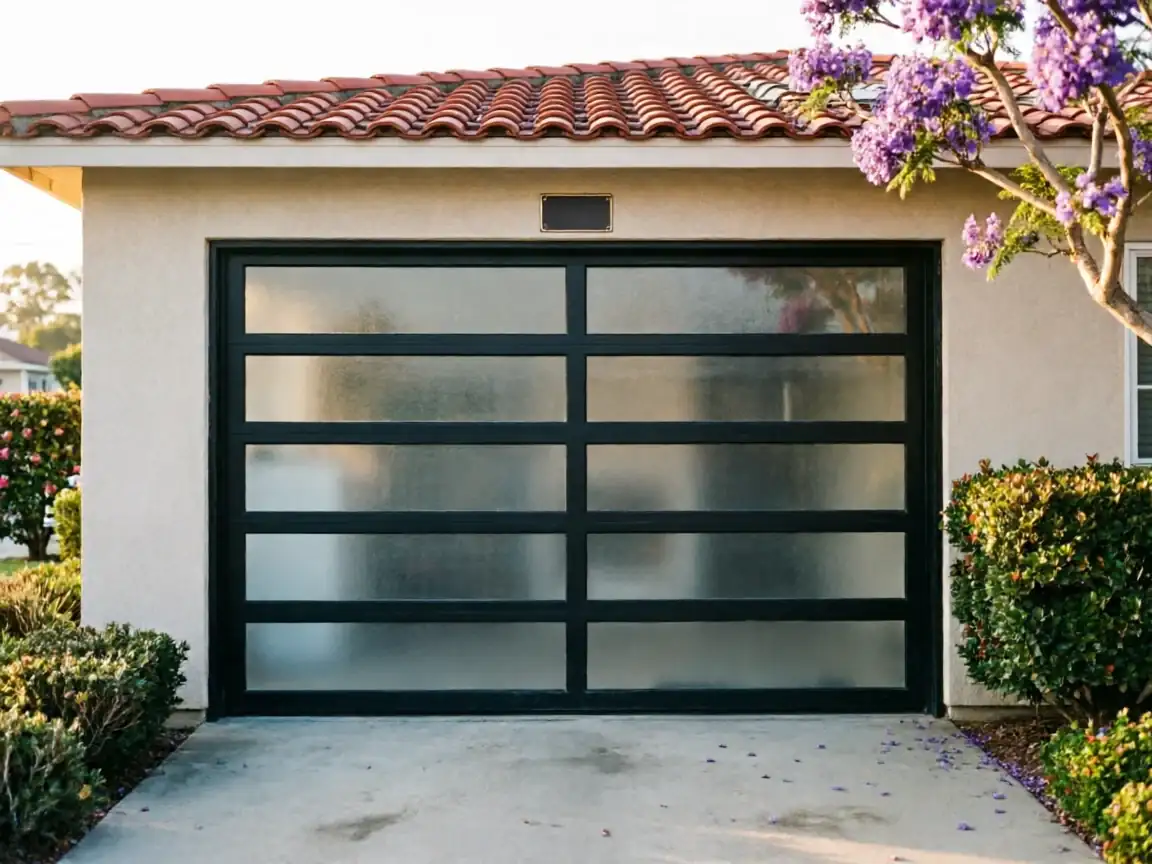
Time on the Job
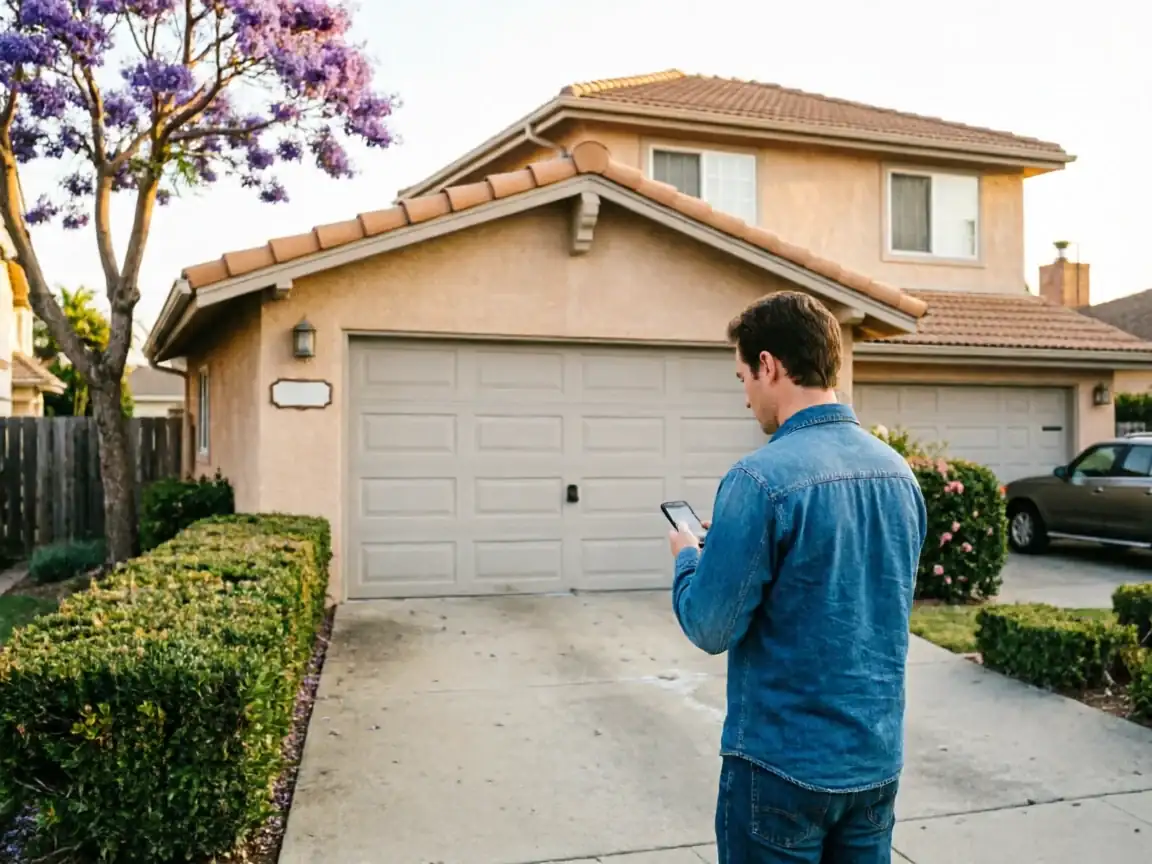
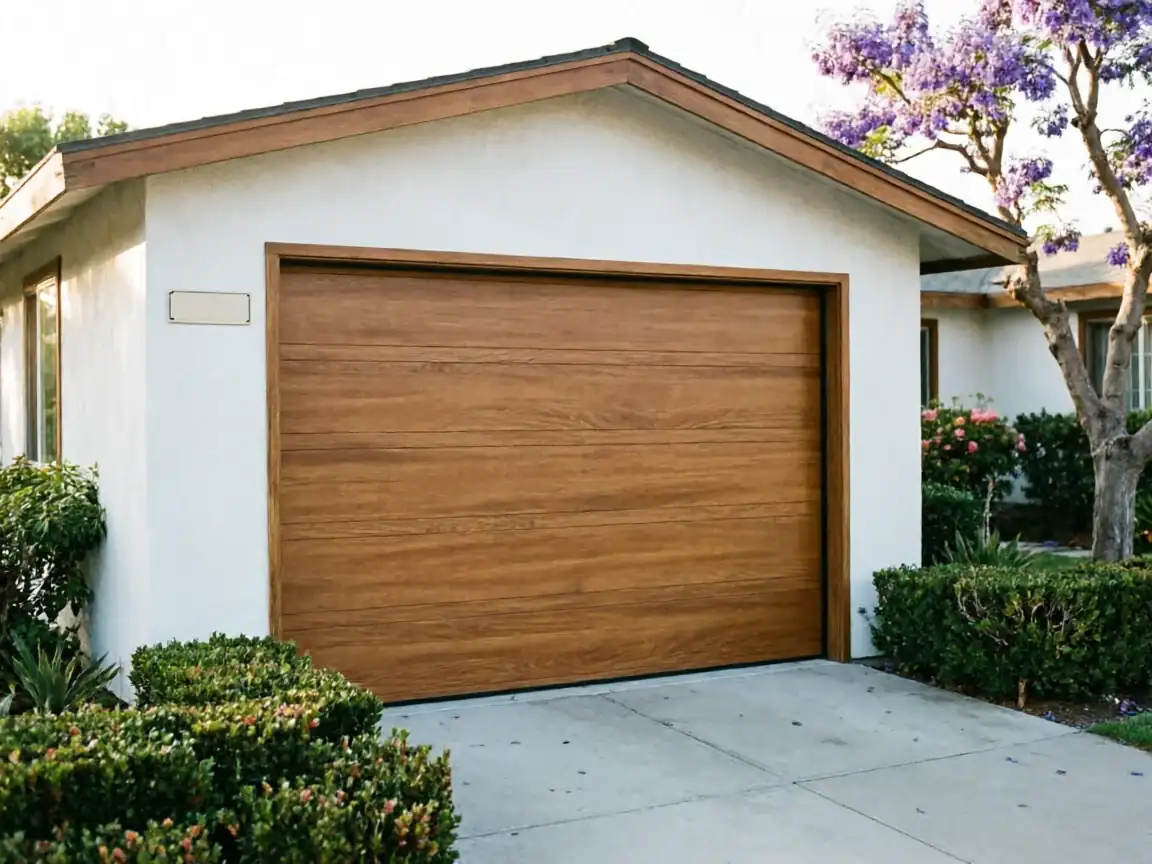
View Park-Windsor Hills is a compact place, somewhere around 4,943 households, and that size shapes the kind of calls we get. It's not a sprawling grid with twenty different builders' tract styles mixed together. It's a tighter run of houses going back to the same era, which means the doors failing on any given week tend to look alike: same spring gauge, same bracket pattern, same wear points.
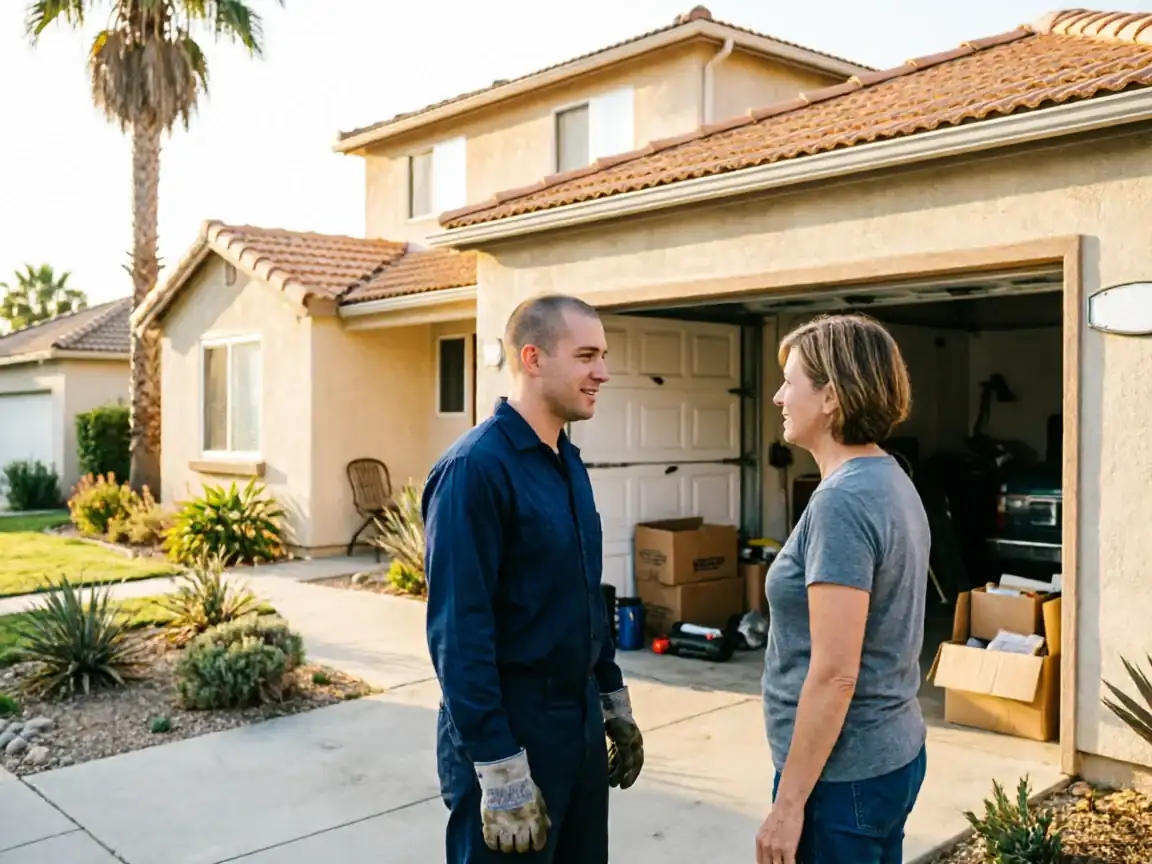
We come out from Hermosa Beach, about 9 miles south, so a call here isn't a quick trip around the corner - it's a planned drive, and we treat it that way rather than squeezing it in as an afterthought. When a torsion spring snaps on a Tuesday morning and the car's trapped inside, we'd rather tell you honestly what the drive looks like than promise a number we can't back up.
Most of what comes up here isn't exotic. It's springs that have finally given out after decades of cycles, cables that have frayed past the point of trusting them, and openers original to houses that have never been touched since the day they went in.
What You Are Seeing
The median home in View Park-Windsor Hills went up around 1947
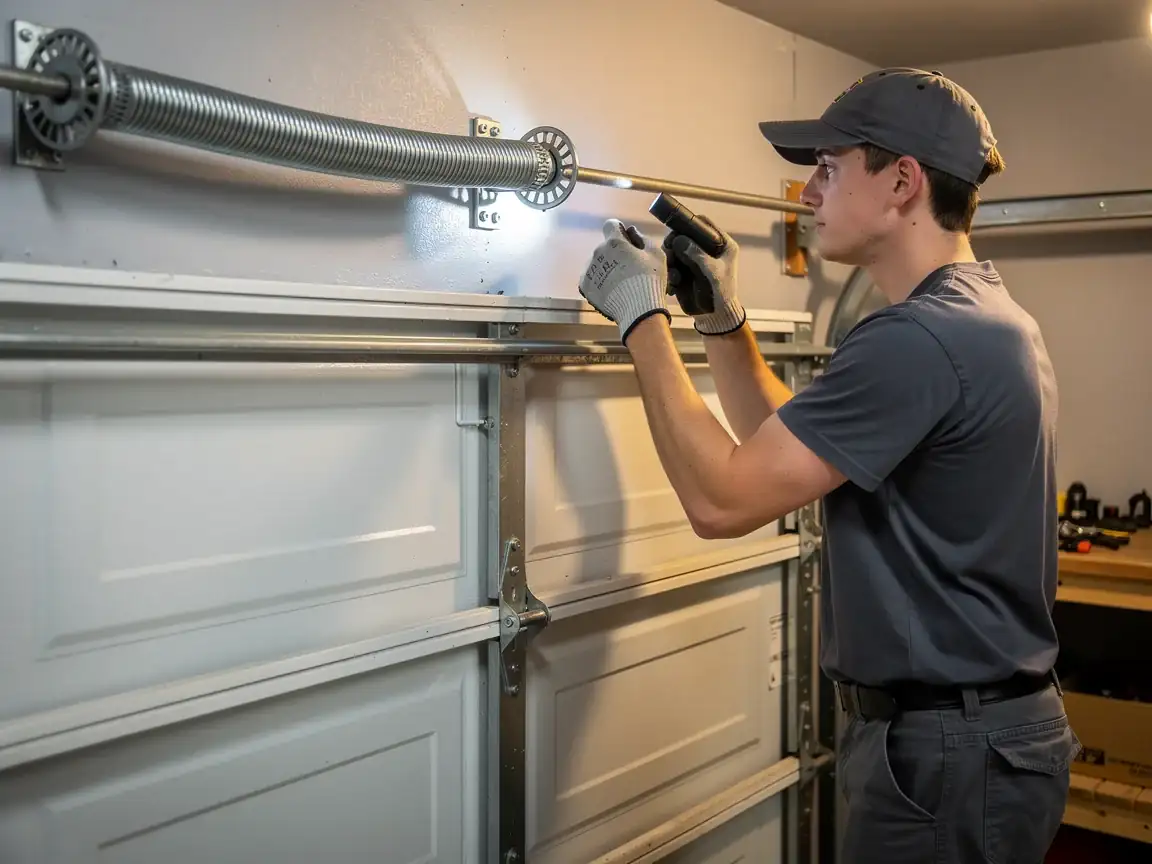
That's a good fifteen years older than the 1963 median across the rest of our service area, and it matters for the hardware bolted to your garage. A lot of these houses never got upgraded past their original torsion setup - single spring, older-style end bearing plates, sometimes a track profile that nobody stamps the same way anymore.
When a spring on one of these doors breaks, it rarely breaks clean
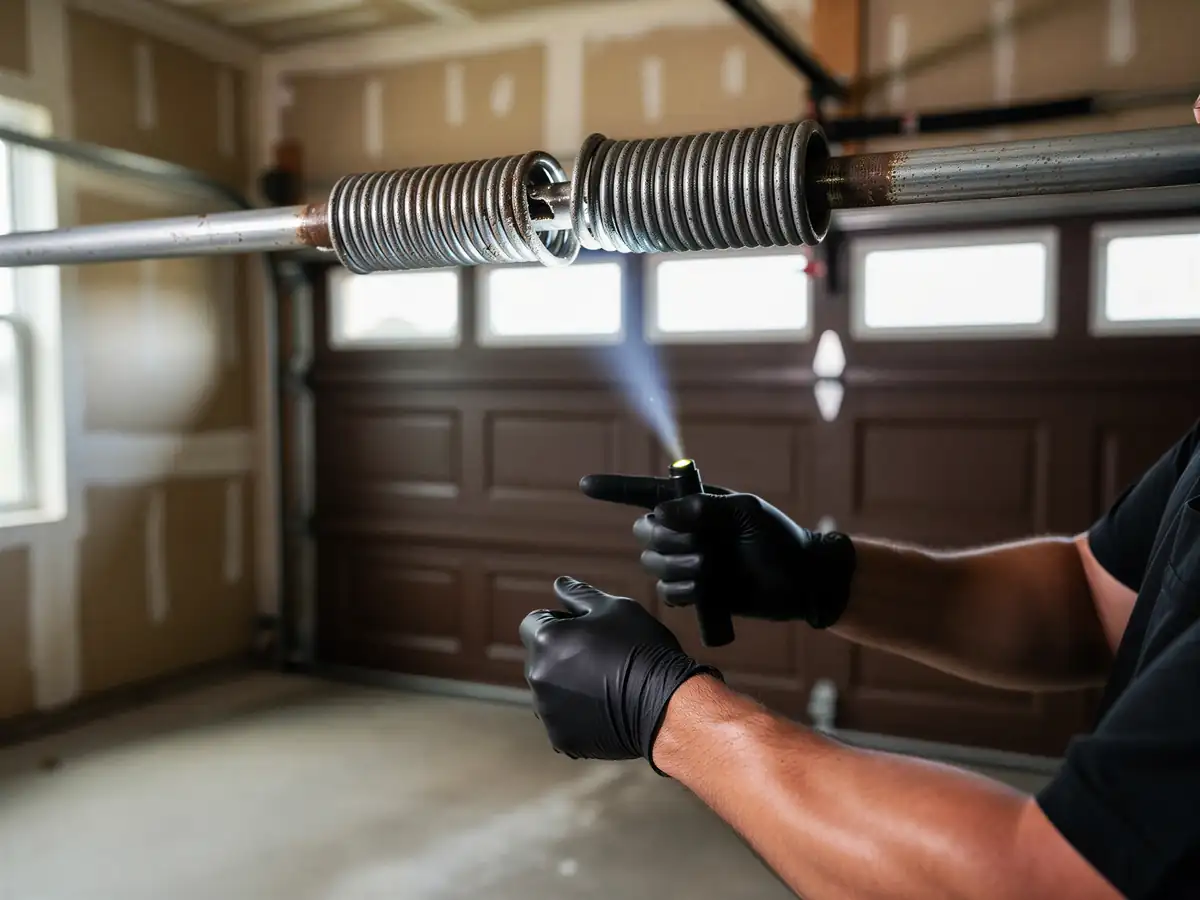
The cable usually comes with it, because thirty-plus years of rust and flex have already weakened it past the point of surviving a sudden load shift. You'll see the door hanging crooked, stuck a few inches up, or refusing to budge at all - the opener strains, trips its own safety reverse, and gives up.
Mild coastal temperatures here mean we're not fighting the kind of seasonal expansion and contraction that cracks panels or warps wood doors in harsher climates
That's one thing working in your favor. What's working against you is age, plain and simple - the original hardware was built for a house, not for seventy-plus years of daily use.
What It Costs
We don't have a fixed price list to hand you for this area, and we're not going to invent one. What we can tell you is that household income here runs higher than the broader service area - $120,604 median against $100,007 across the wider territory - and in practice that shows up in which repairs people choose. More owners here opt to replace a worn spring system outright with better-grade hardware instead of patching the original parts one more time.
That's a judgment call, not a rule. Some original torsion setups from 1947 are still solid enough that a straight spring swap is the right move and the cheaper one. Others have been limping along on bent track and a tired opener motor for so long that putting more money into patching makes no sense.
We'll look at the actual door in front of us before we say which bucket yours falls into. Anyone quoting you a number sight unseen for a house this old is guessing.
How We Fix It
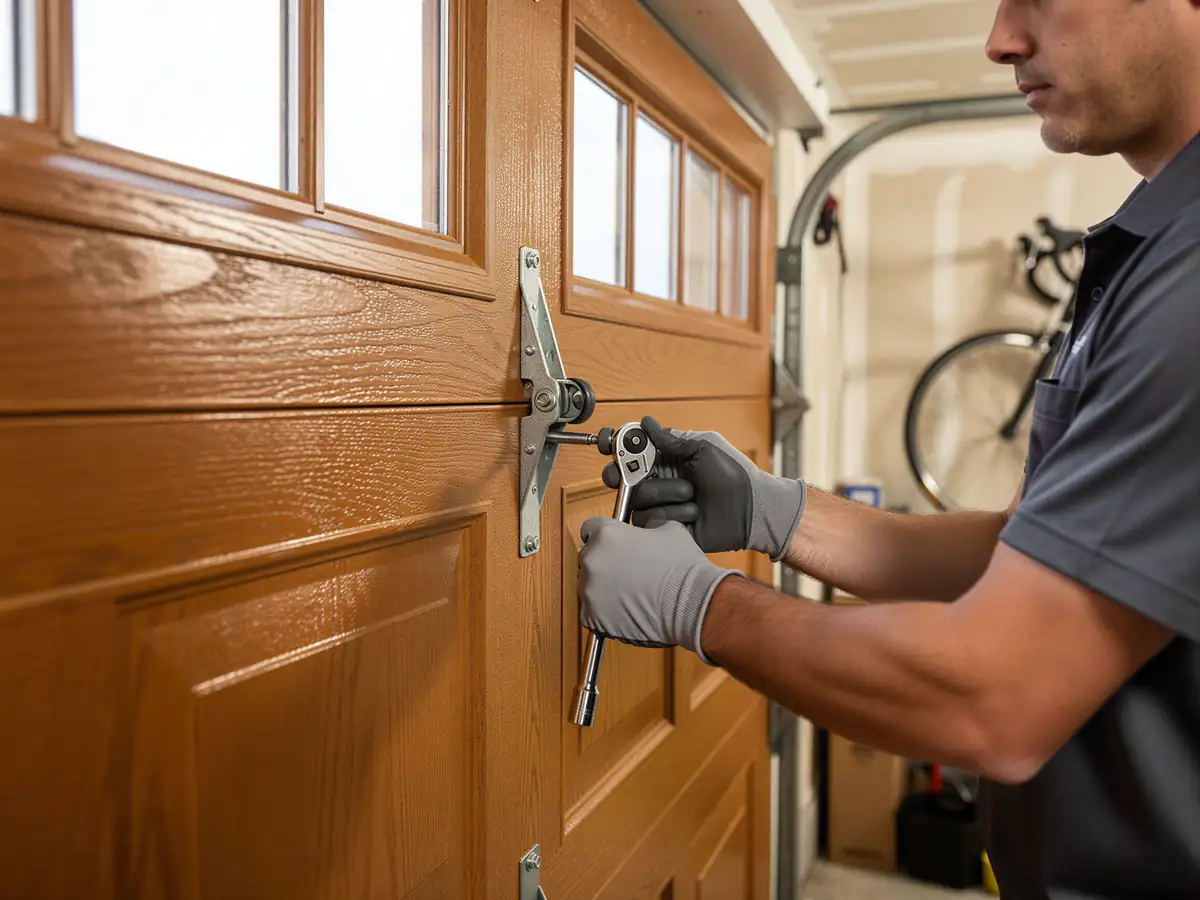
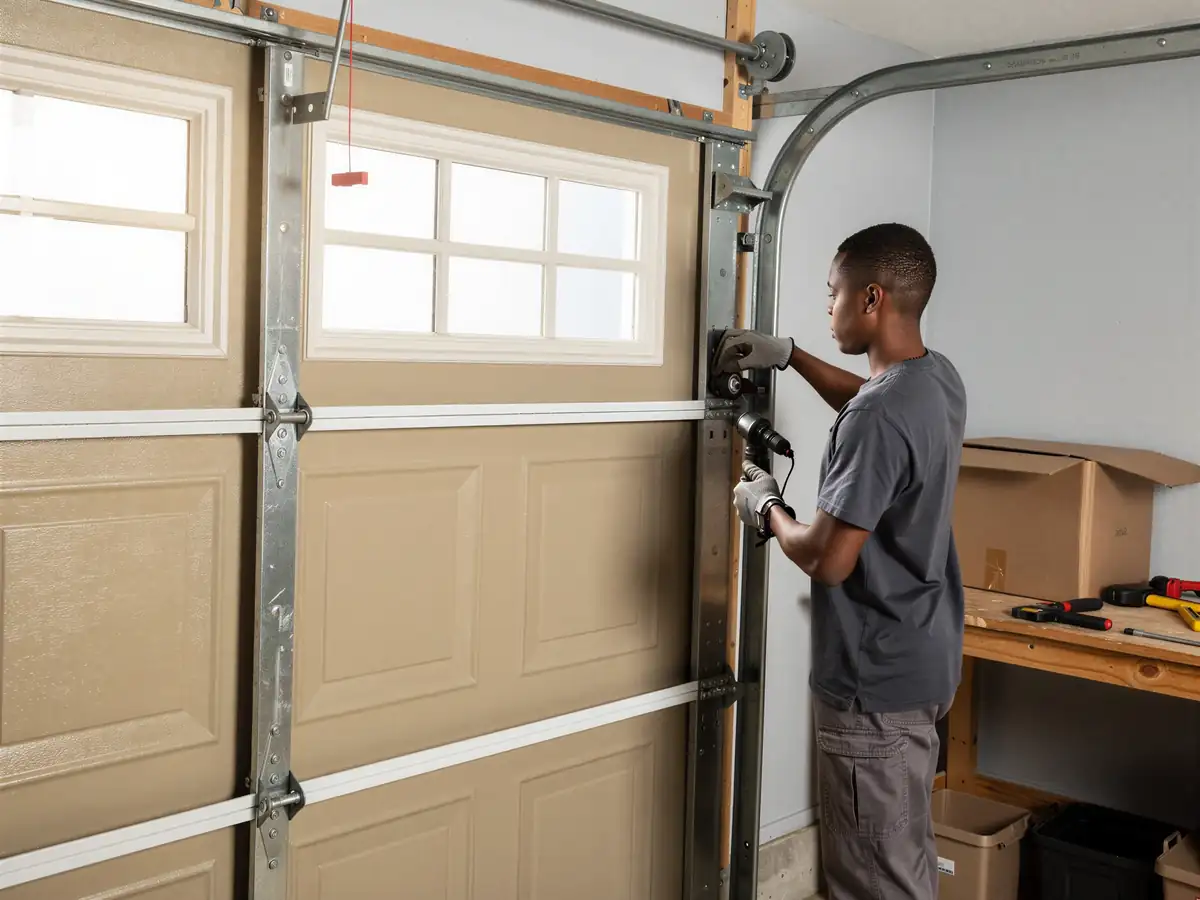
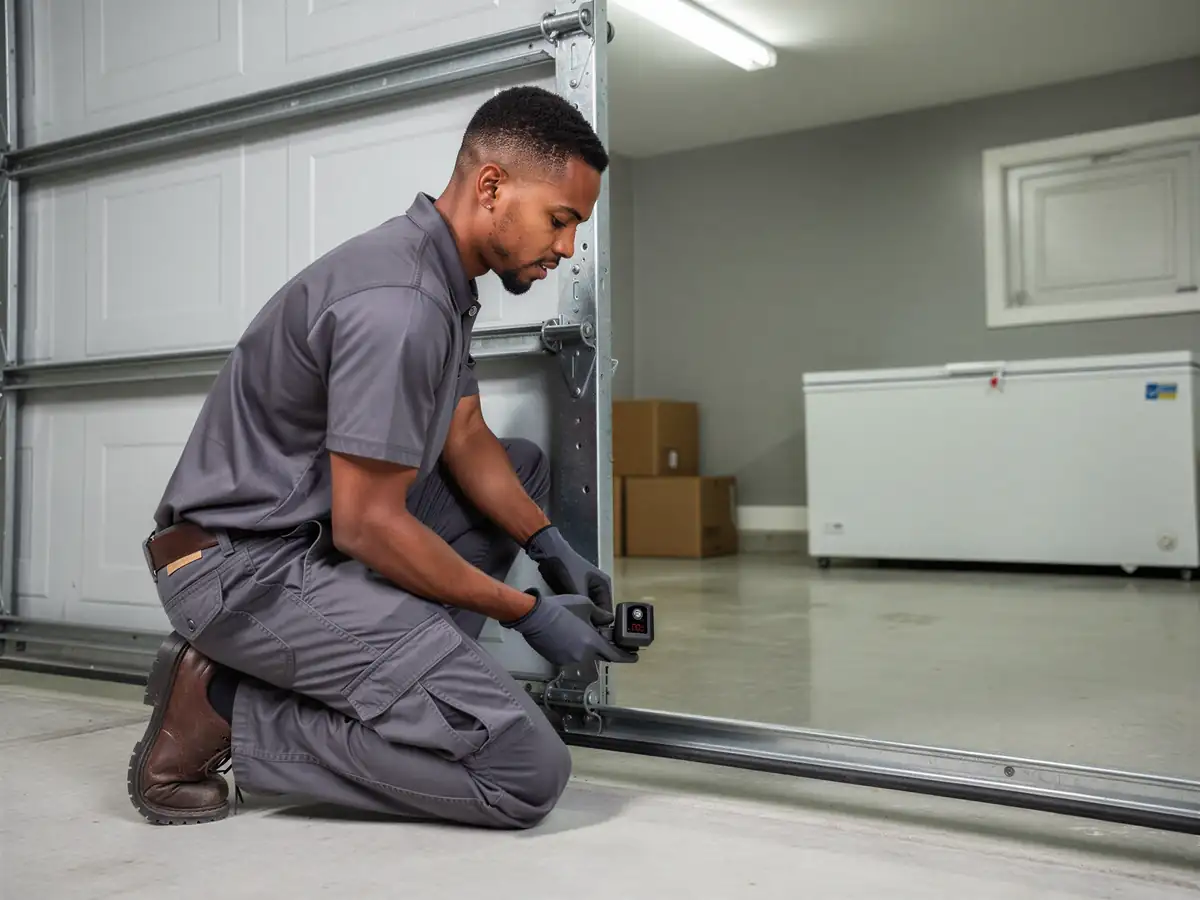
For a broken spring, we size the replacement to the door's weight and the drum size already on the shaft, not to a generic chart. On a lot of these 1947-built garages, that means matching an older bracket spacing or a track width that current stock doors don't use - which is the one real limitation worth naming here: a same-size replacement panel or a matching bottom section is rarely something we're carrying on the truck for a house this old. If a panel needs replacing rather than just the spring, we may need a day to source the right match.
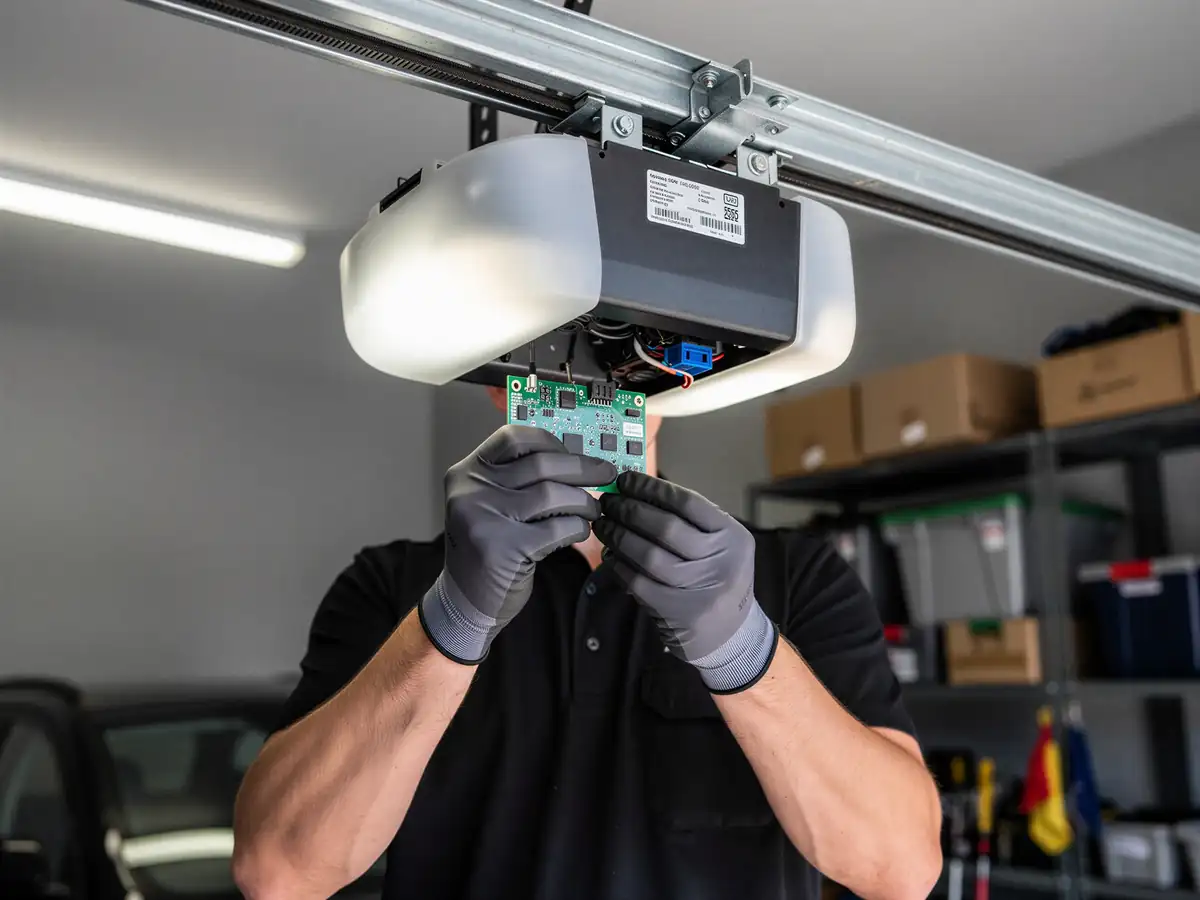
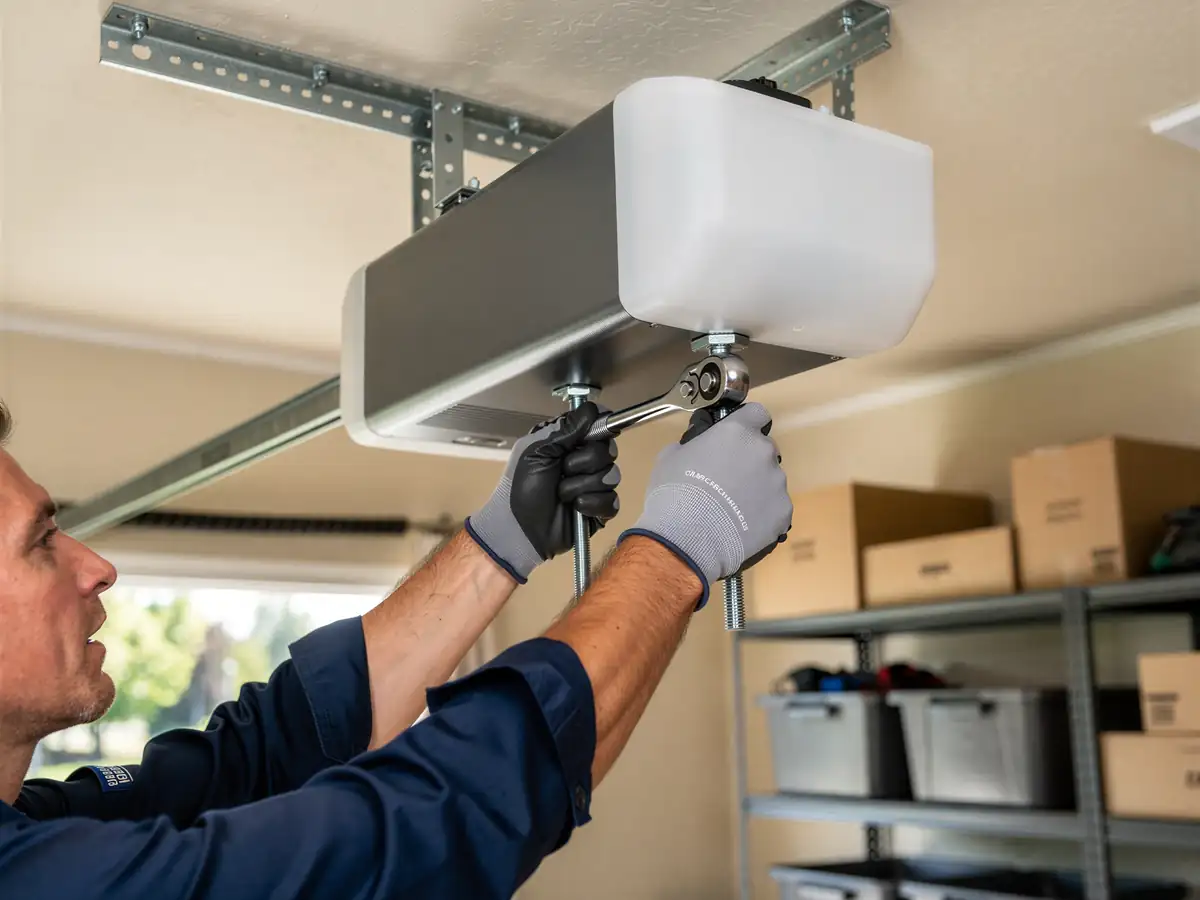
For cables and rollers, we replace in pairs, even if only one side failed, because the other side on a door this age is usually close behind. For openers that have simply worn out their gears or capacitor, we'll tell you straight whether a new unit makes more sense than another repair - on a motor pushing past its expected life, it usually does.
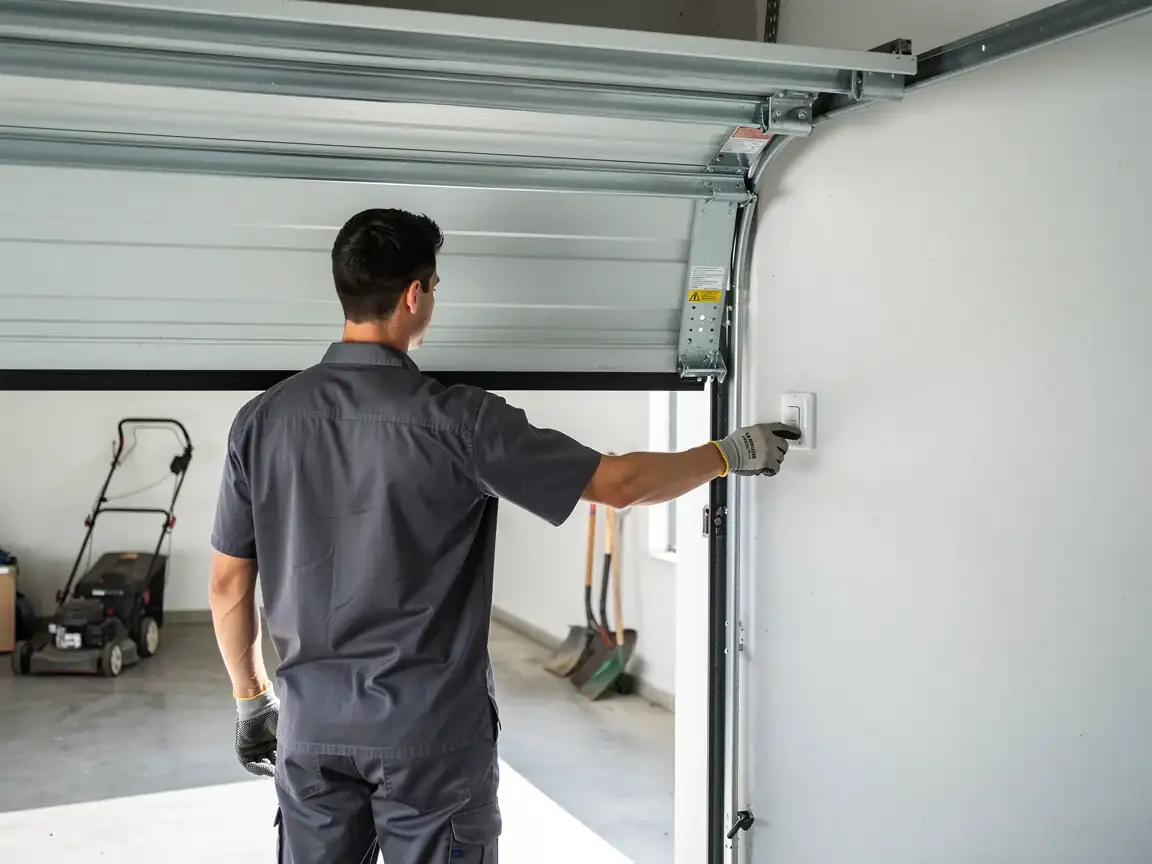
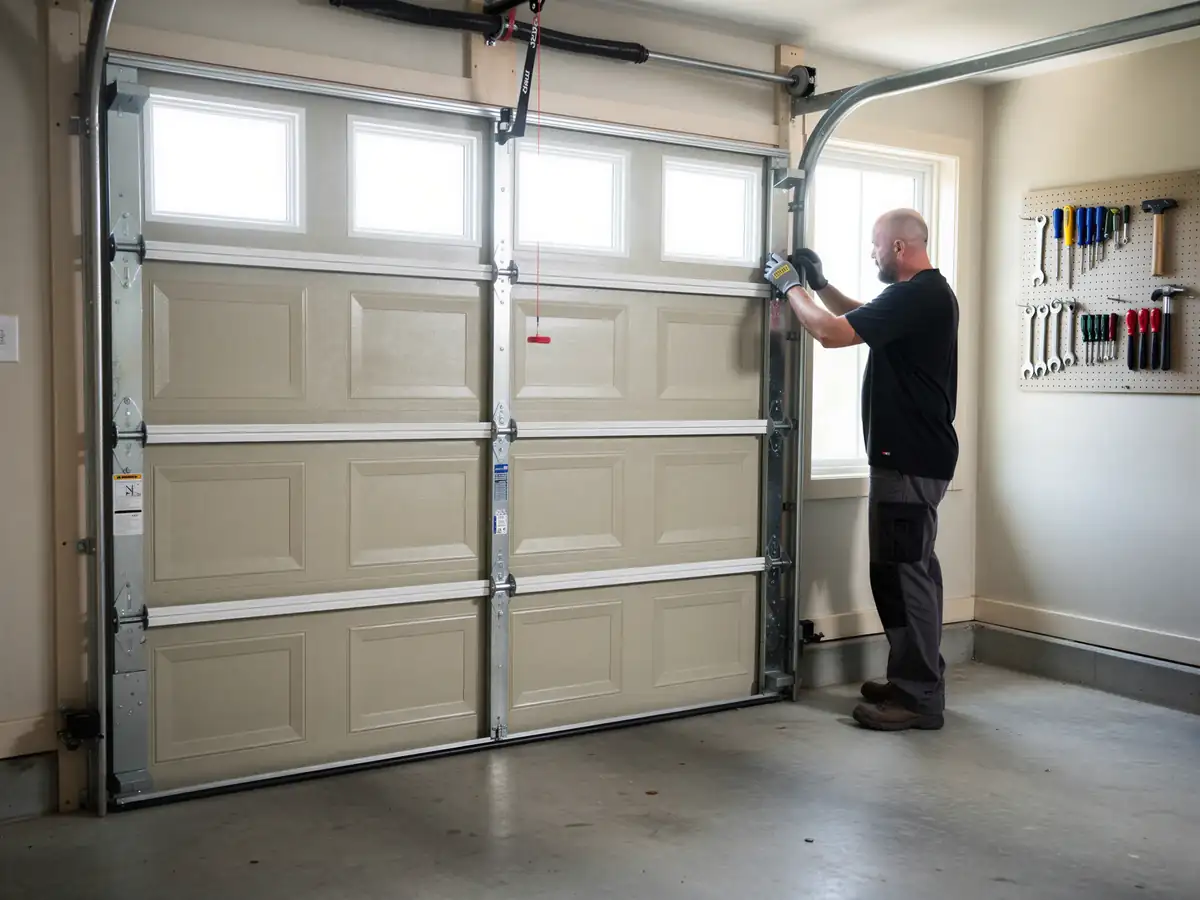
We test the balance before we leave, by hand, lifting the door halfway and watching whether it holds. A door that doesn't hold isn't fixed yet, no matter how smooth the spring feels.