Time on the Job
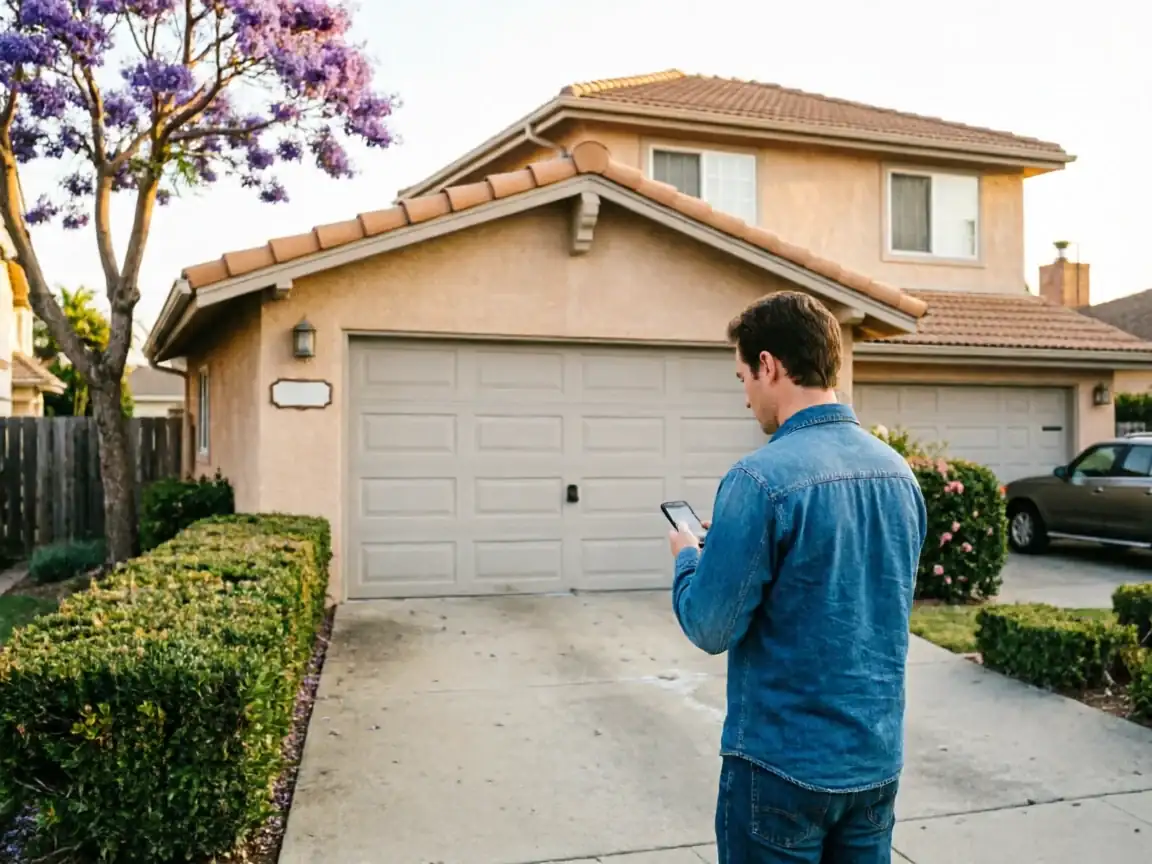
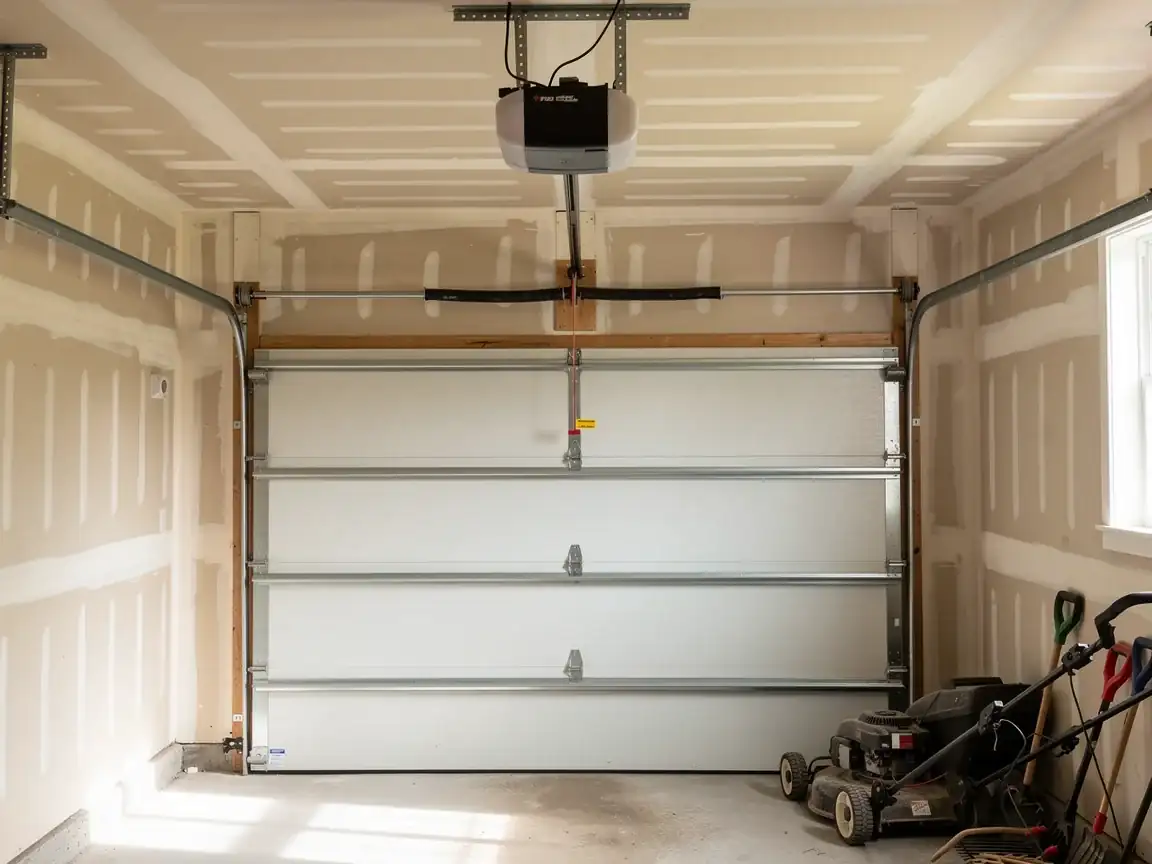
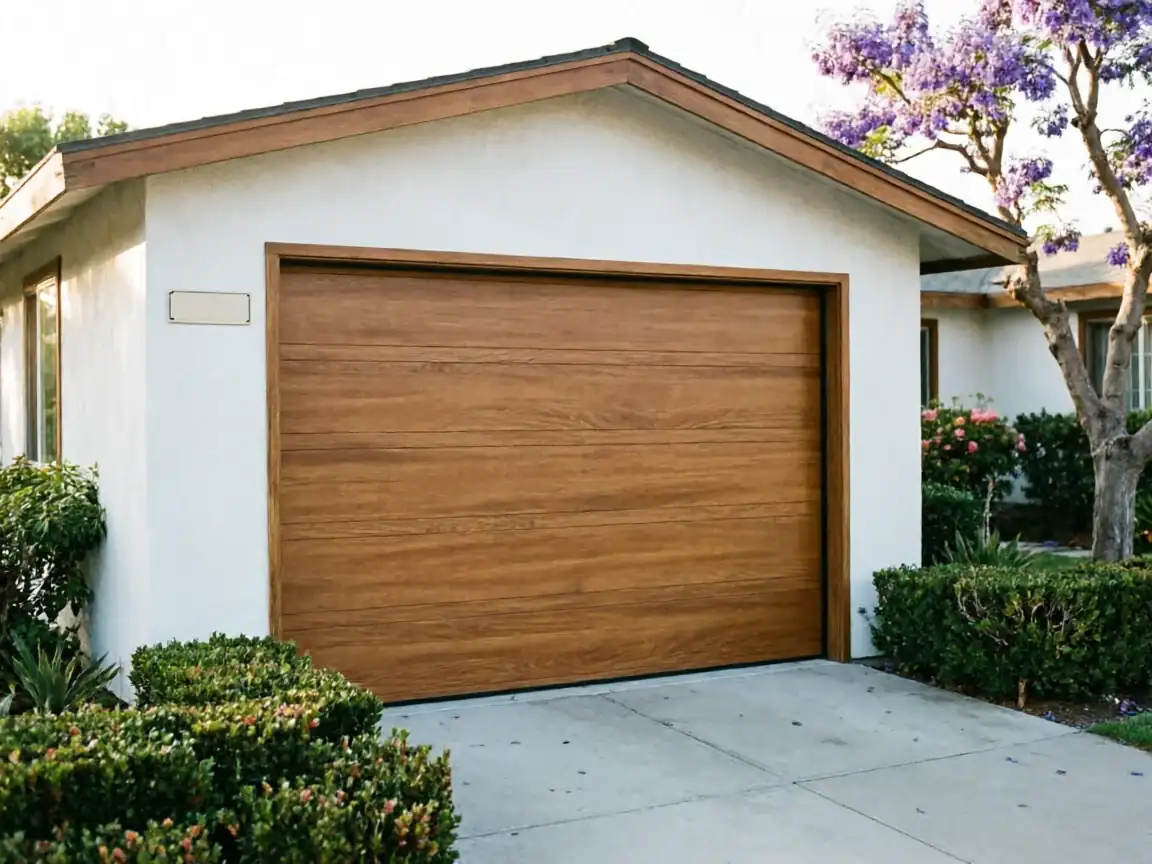
The fault we run into most here isn't a dead motor - it's a mounting system built for an opener that stopped being made decades ago. View Park-Windsor Hills carries a median build year of 1947, about fifteen years older than the 1963 median across the wider service area we cover from Hermosa Beach. A lot of these garages still have the original wood header board and a chain-drive unit bolted straight to joists that were never sized for a modern rail bracket.
That gap matters more than people expect. Across the broader service area, housing runs from 1947 to 2012, with most of it landing in the 1960s and 70s. View Park-Windsor Hills sits at the old end of that range, not the middle. When we show up to swap an opener here, we're usually dealing with a header that needs reinforcing before the new unit goes up, not a clean bolt-and-go. We budget extra time for that step rather than discover it mid-install.
We're coming from Hermosa Beach, about 9 miles out - farther than the 3-mile run to El Segundo or the 2-mile hop to both of which we also cover. We don't keep a branch in View Park-Windsor Hills, so we schedule the trip, we don't drop in same-day on a whim.
What You Are Seeing
If your opener is from the original build era
You're probably dealing with a chain-drive unit, no rolling code (so a universal remote from the hardware store might actually open your neighbor's door too), and no safety reversal sensors unless someone retrofitted them later. None of that is unusual for a house built around 1947 - it's just past what current code and insurance expectations call reasonable.
The other pattern we see
A newer opener bolted onto old framing by a previous owner or installer who didn't reinforce the header first. That shows up as sag, a rail that's slightly bowed, or a door that reverses on its own for no clear reason. It's not the opener failing - it's the structure flexing under it.
With 4,943 households in View Park-Windsor Hills
The housing here is varied enough that we don't assume one fix fits every garage. Some of these houses have had additions or garage conversions since 1947 that changed the ceiling height or added a soffit in the way of a standard rail. We check the header and the clearance before we quote anything.
- 4,943 households
What It Costs
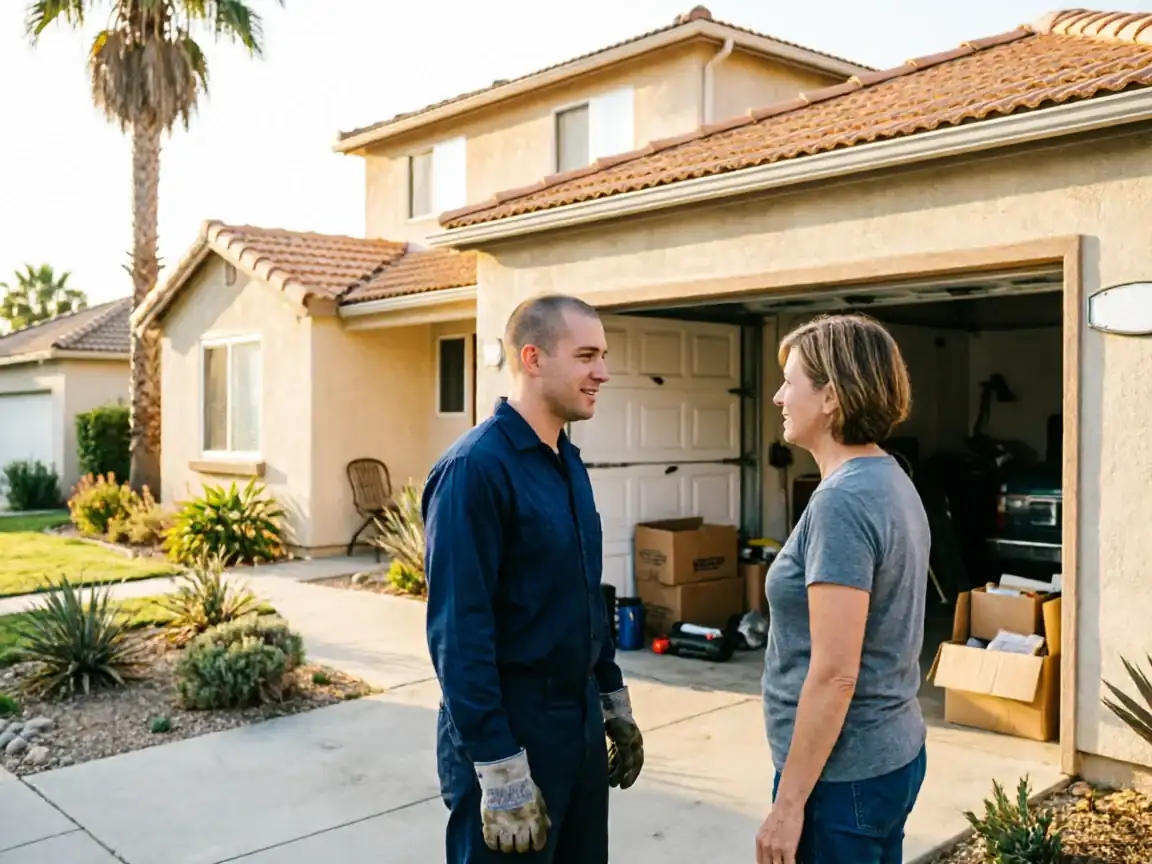
We don't have a published price list to quote you here, and we're not going to guess at a number that doesn't hold up once we're standing in your garage. Cost on a job like this depends on whether your header needs reinforcing, whether the old wiring can carry a new unit's load, and whether you want battery backup given how far this is from our shop if a storm knocks out power mid-opener-swap.
What we can tell you: median household income in View Park-Windsor Hills runs $120,604, noticeably above the $100,007 median across the roughly 86,713 households in our wider service area. We mention that only because it tends to track with a preference for quieter, belt-drive units over the cheapest chain-drive option - not because it changes what we charge. We quote the job after we've seen the header and the opening, not before.
How We Fix It
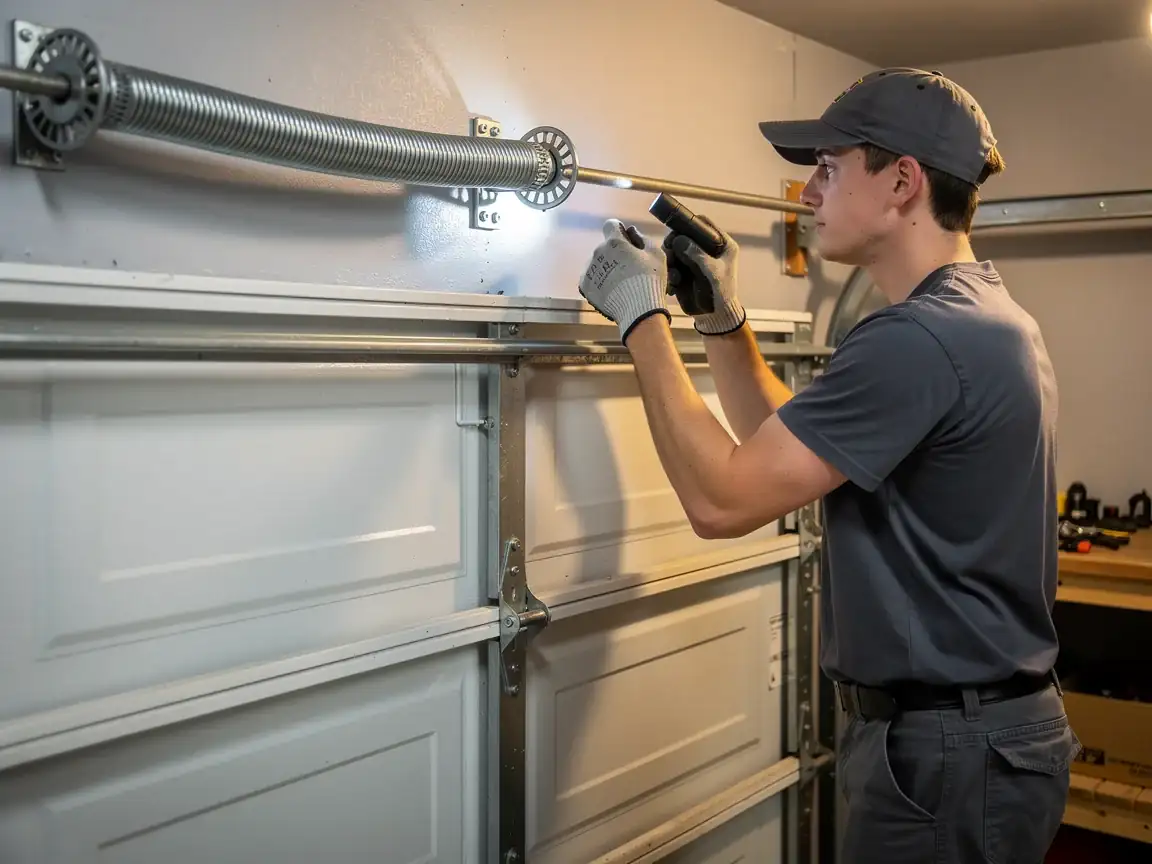
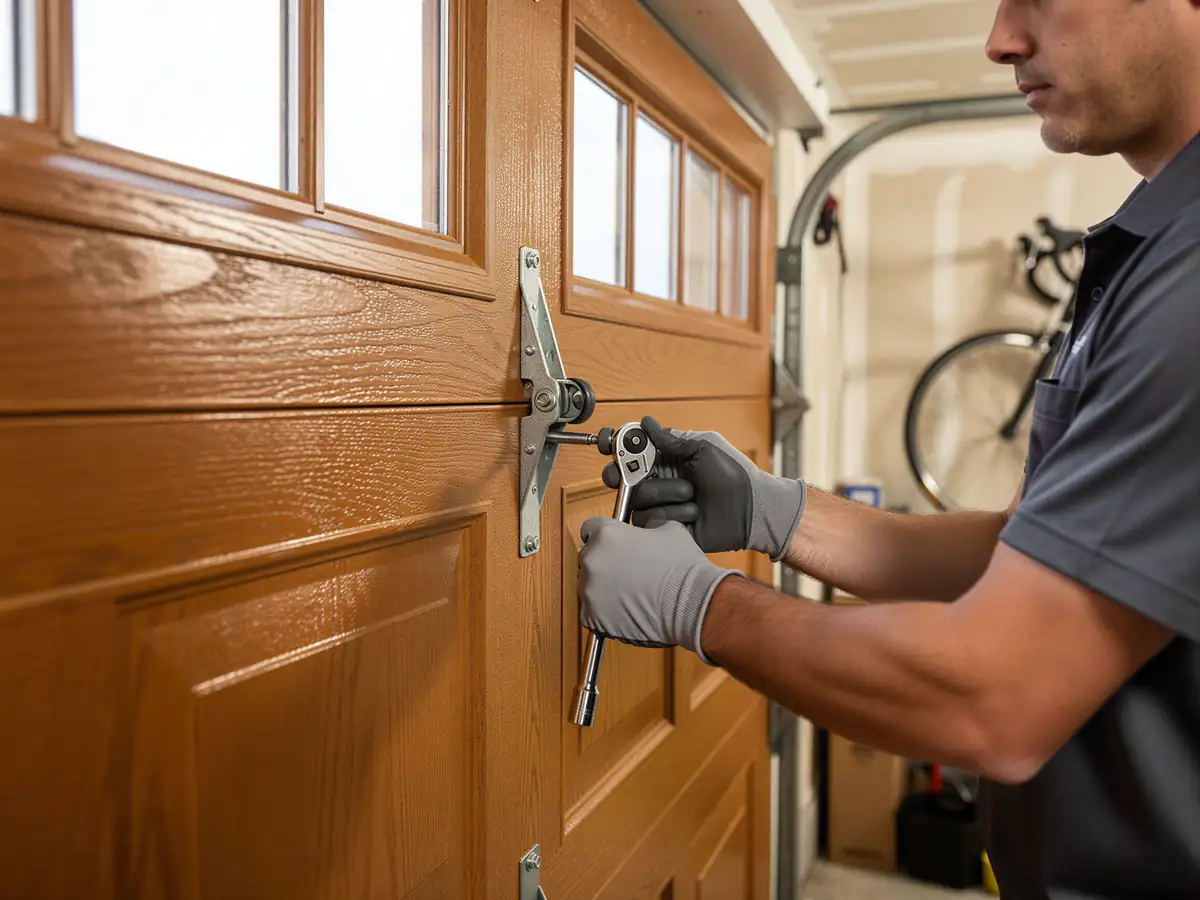
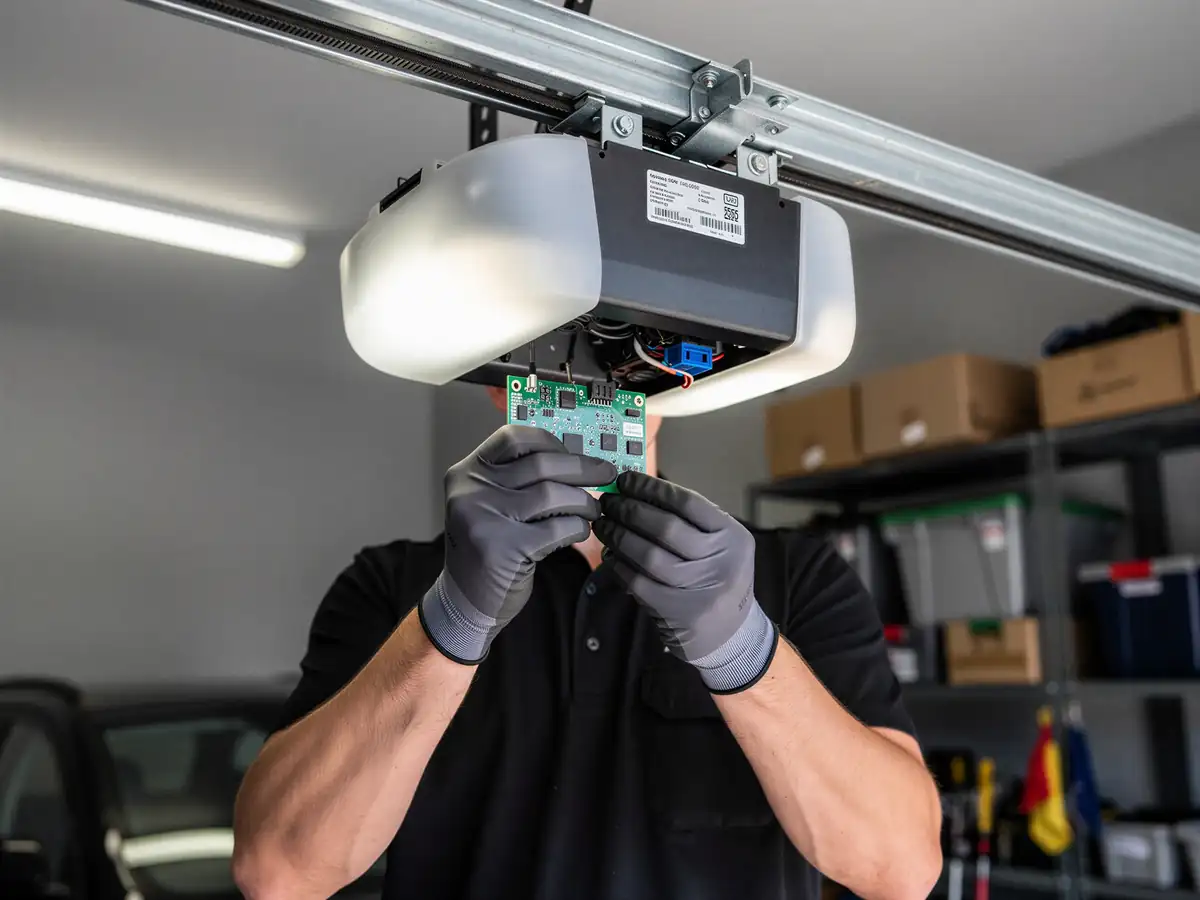
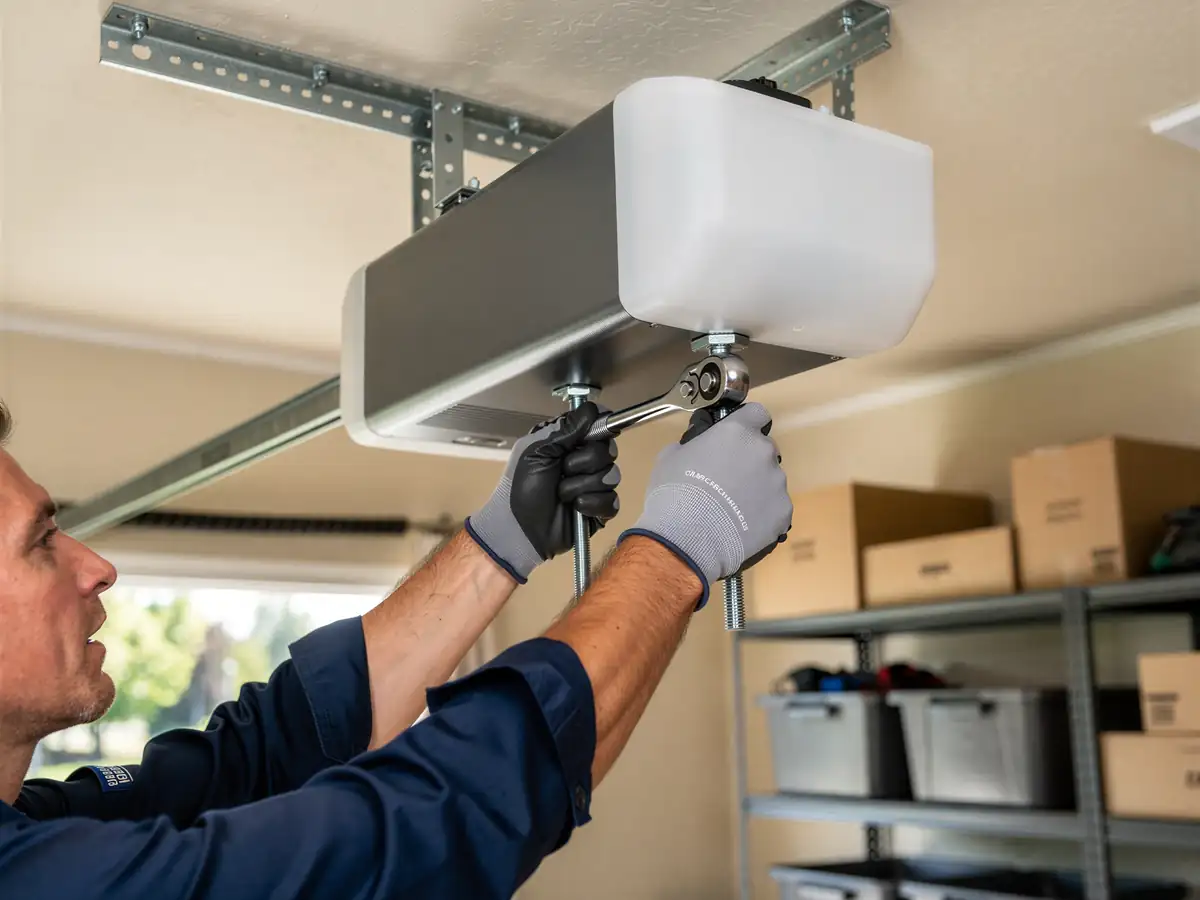
First we check the header and the framing the old opener was hung from. If it's sound, we mount the new unit's rail bracket directly. If it's not - which is common in houses from 1947 - we add blocking before anything else goes up. Skipping that step is how you end up back here in two years with the same sag.
Next we deal with the wiring. Some of these garages still run on a single outlet shared with something else on the circuit; we'll tell you if that's a problem before we plug in a new motor, not after it trips a breaker during the final test.
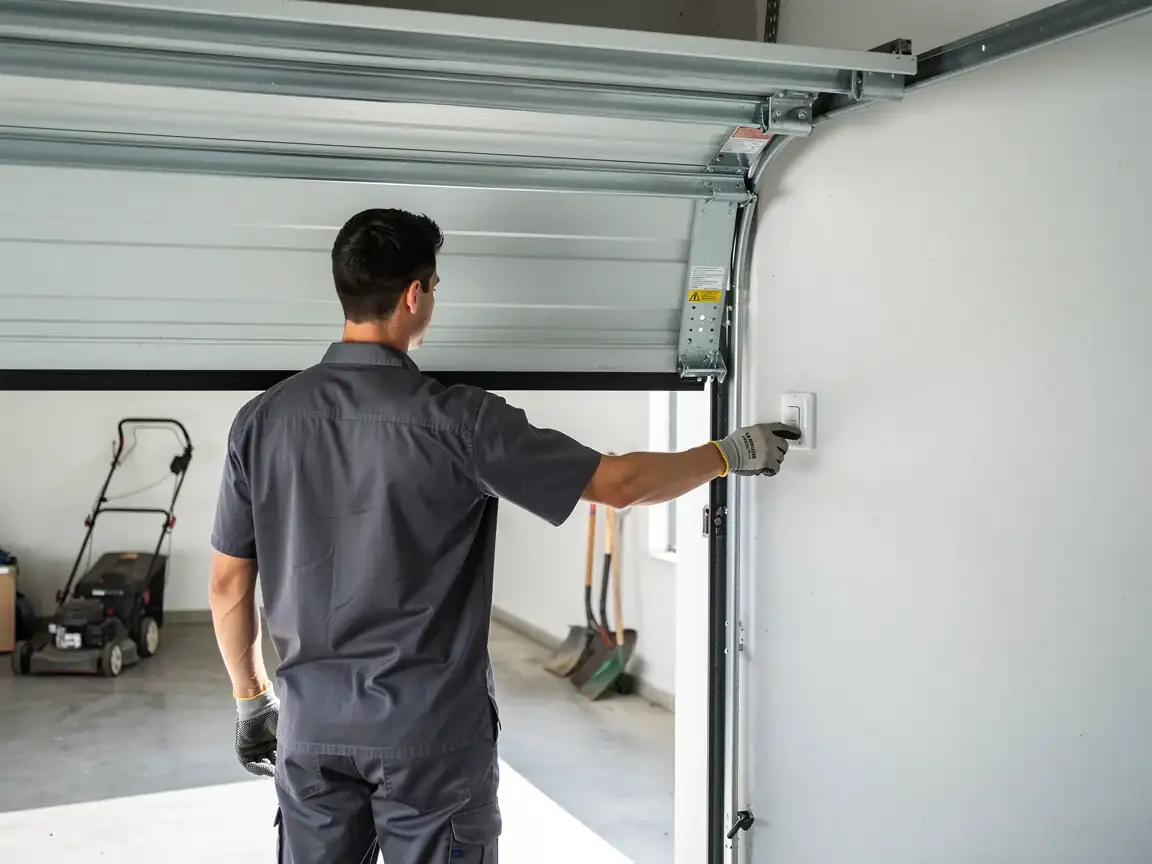
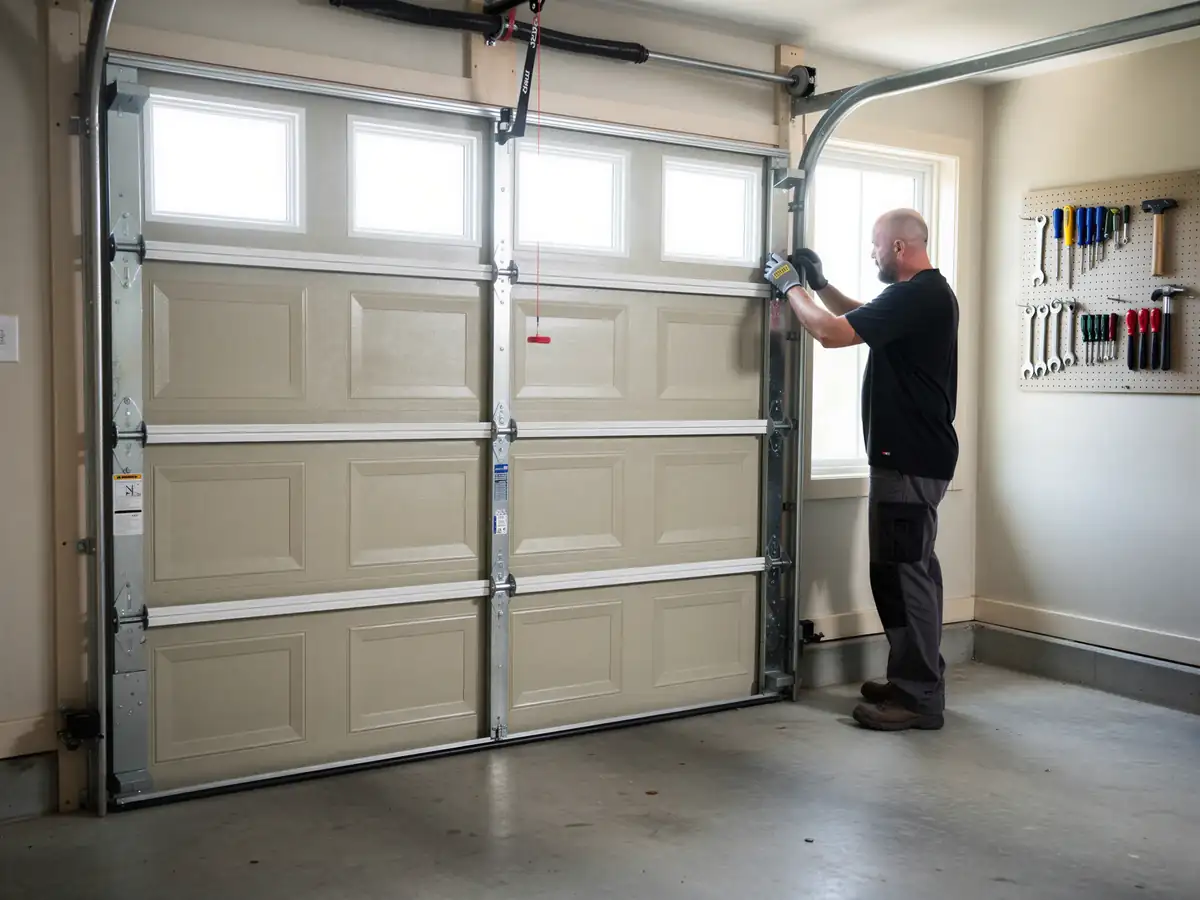
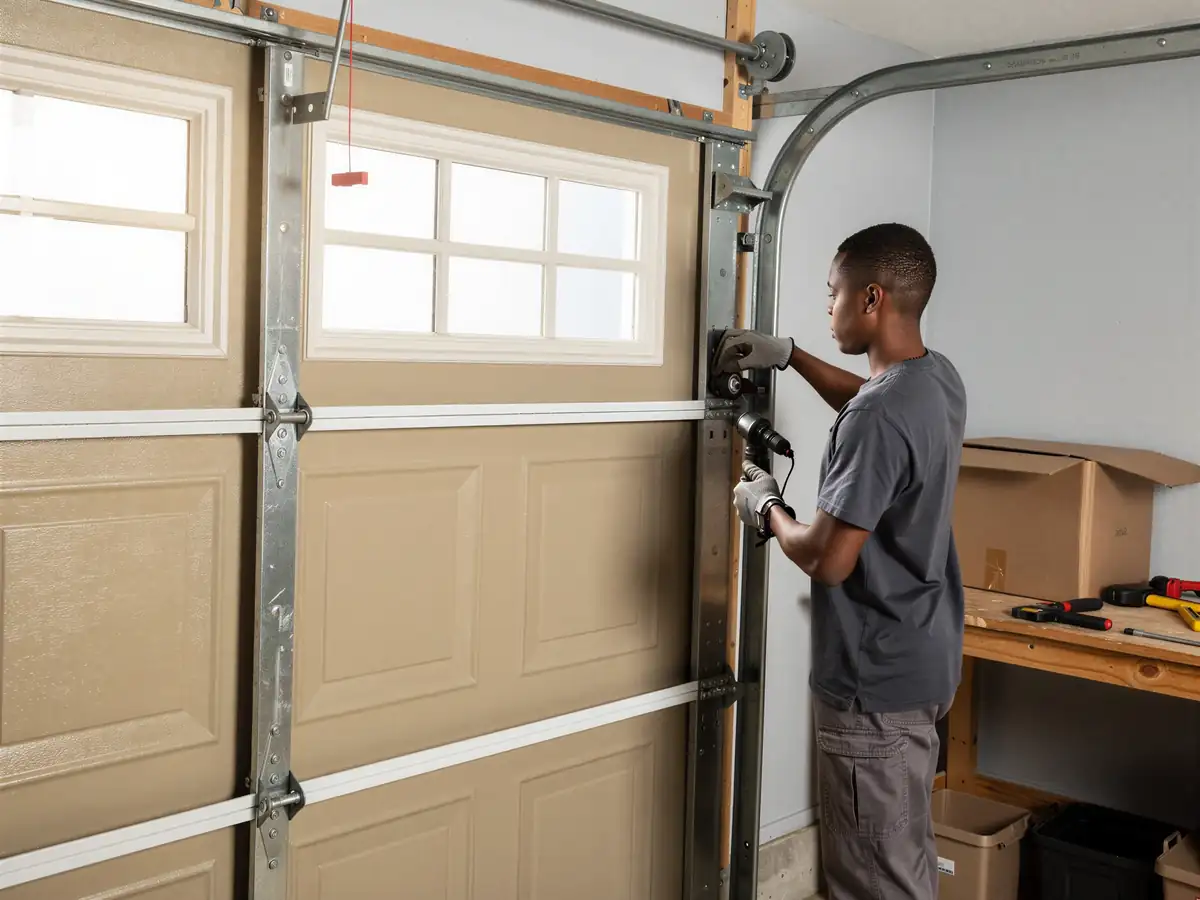
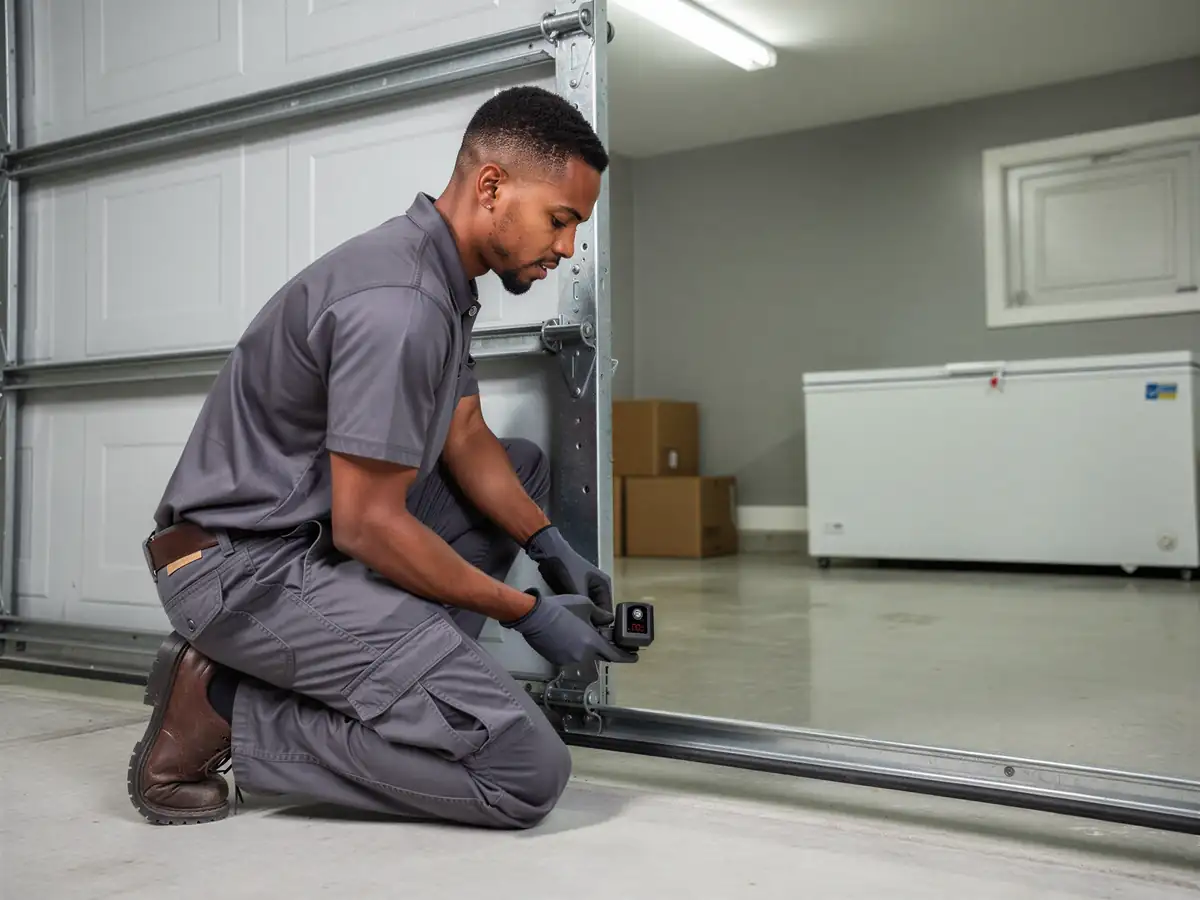
We set the travel limits and force settings to the actual weight of your door, not a factory default, and we test the safety reversal with a real object, not just a visual check. One limitation worth being upfront about: if your door panels themselves are failing - cracked, rusted through, or badly out of square - a new opener won't fix that, and we'll say so rather than install a motor on a door that needs replacing first. The mild climate here means we're not fighting humidity-swollen jambs, which simplifies the mechanical side of the job.