Time on the Job
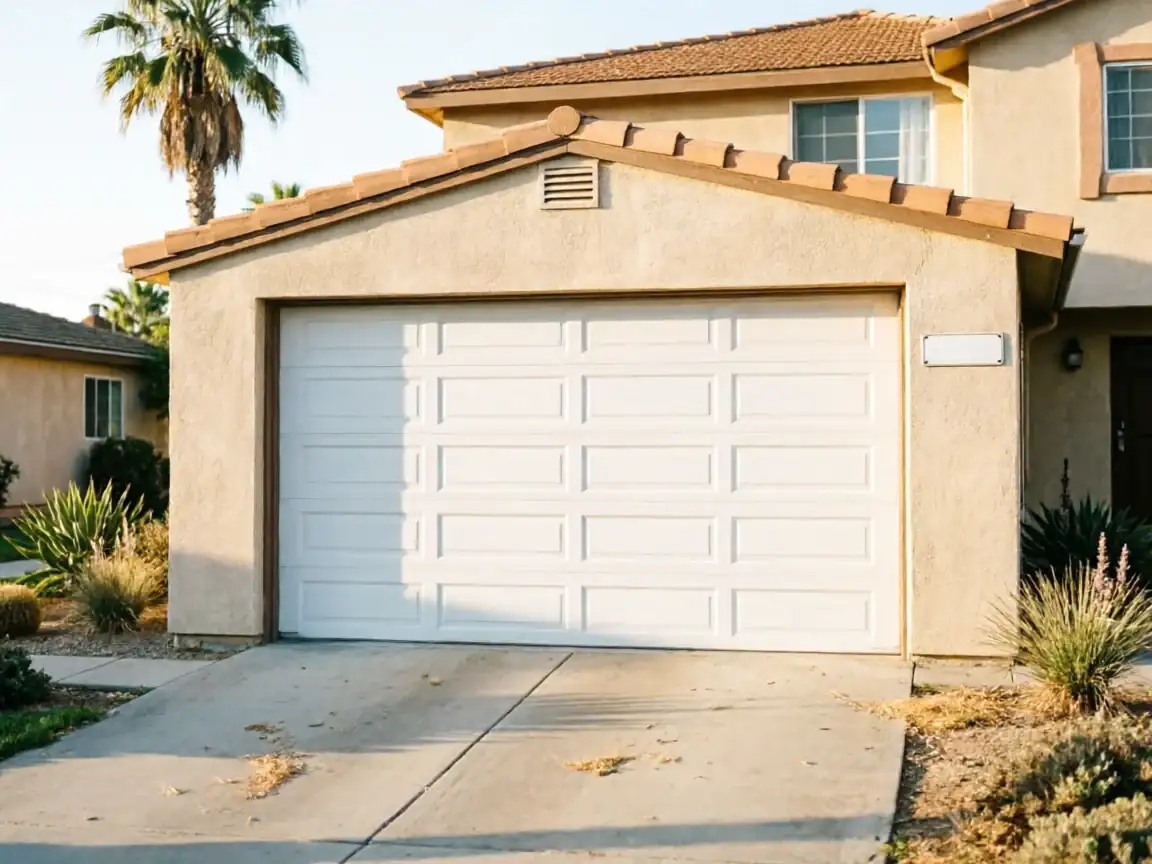
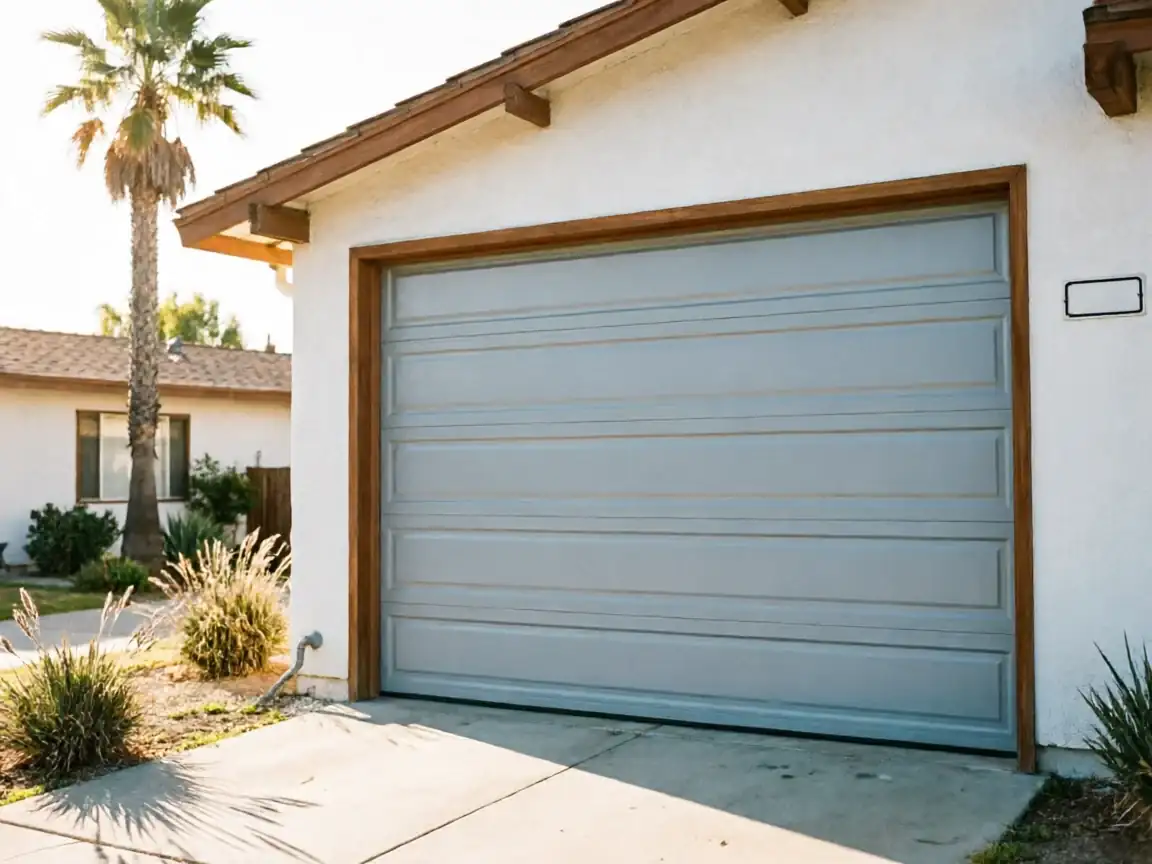
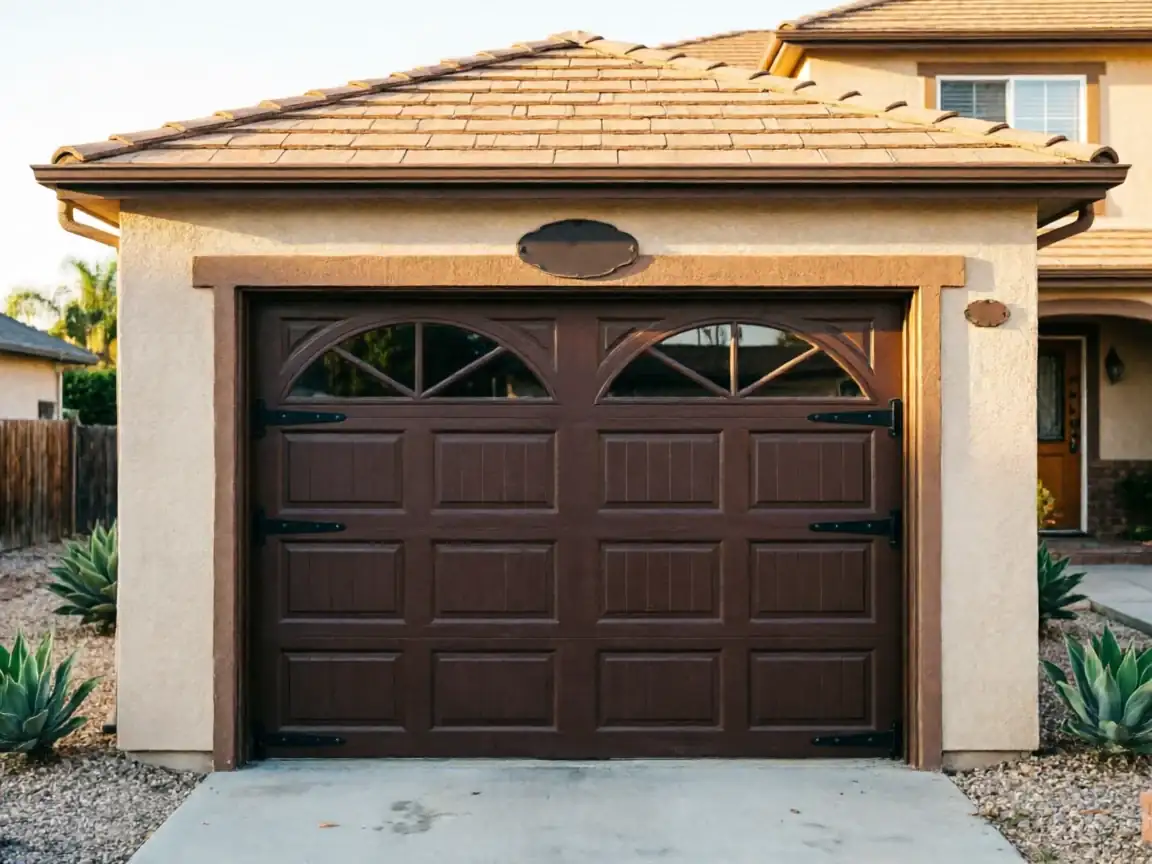
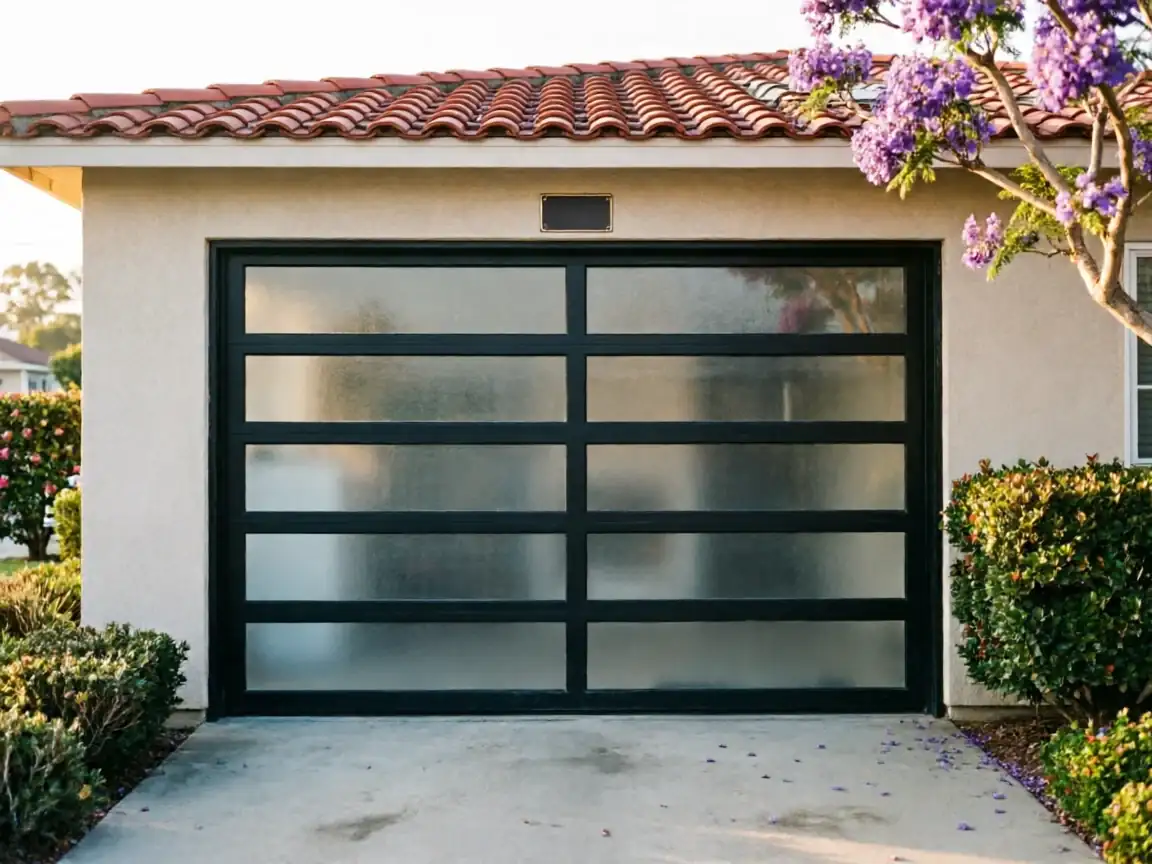
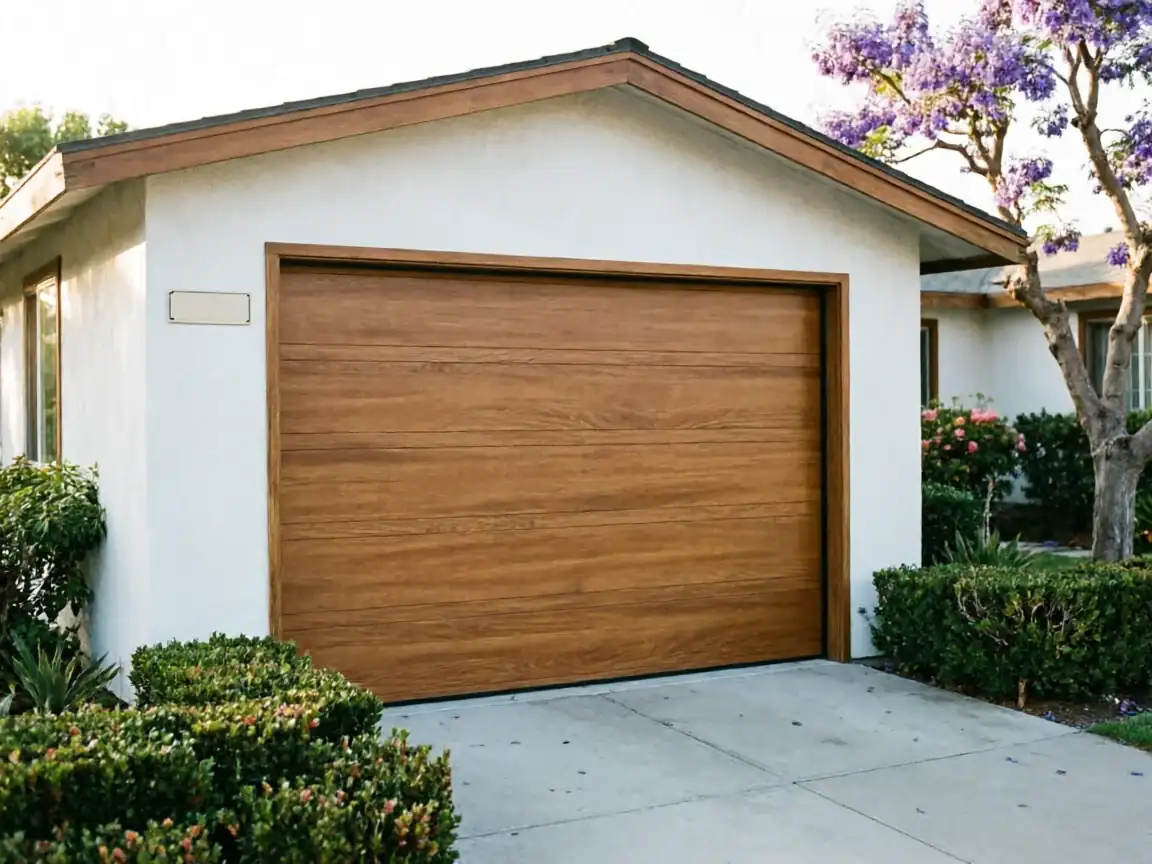
Across the wider service area the median home was built around 1963, but View Park-Windsor Hills sits older than that, with a median build year of 1947. That fourteen-year gap matters more than it sounds. A door built for a 1947 opening often rides on narrower track with hardware that predates the brackets and rollers sold today. When a door on one of these older openings jumps the track, it's rarely a clean pop-back. The track itself may have shifted over decades of settling, or the original mounting holes have worn oval instead of round. We come out from Hermosa Beach, about 9 miles away, and the first thing we check on a call here isn't the cable or the roller - it's whether the track was ever squared to begin with, because on a house this age it often wasn't done to current standard.
The area's climate is mild temperate, so we're not dealing with frost-heave or extreme expansion cycles pulling track hardware loose the way colder regions do. That's one variable we don't have to chase here. What we do chase is age: four-plus decades of small bumps, a car mirror clipping the door, a bent roller nobody replaced. Each one nudges a track a little further out of plumb until the door finally rides off the rail.
What You Are Seeing
On a door that's come off track in a home from this era, you'll usually notice one of a few things
The door stops mid-travel and won't go up or down, one side hangs lower than the other, or you hear a grinding scrape instead of a smooth roll right before it jams. Sometimes the door looks fine sitting shut but won't move at all because a roller has worked itself out of the track channel and is wedged against the bracket.
On older track systems like the ones common to this area's 1947-era housing stock
The track is often mounted with fewer anchor points than current code calls for, so one loose bracket can let the whole rail flex under load. That flex is what lets a roller walk out of the channel in the first place. We also see bent track from a door that was forced closed after it first jumped - pushing a stuck door down with the opener motor bends the rail further and turns a twenty-minute fix into a track replacement.
We don't guess at this over the phone
A door that's merely misaligned and a door with a cracked panel from the same incident look similar from the driveway but need very different parts.
What It Costs
We don't have a posted price for off-track repair here, and we're not going to invent one. What drives the cost on a job like this is how much track has to come off, whether the rollers and brackets are original to a 1947-era install or already replaced, and whether the panel took any damage when the door jumped. A straightforward re-track with new rollers is a different job than pulling and resetting an entire rail section.
Household income in this part of the service area runs higher than the broader area average - median income here is $120,604 against roughly $100,007 across the wider service area - but that doesn't change what the repair costs; it just means we're not going to cut corners on hardware to hit a number. We quote after we've looked at the track, the rollers, and the opening itself, not before.
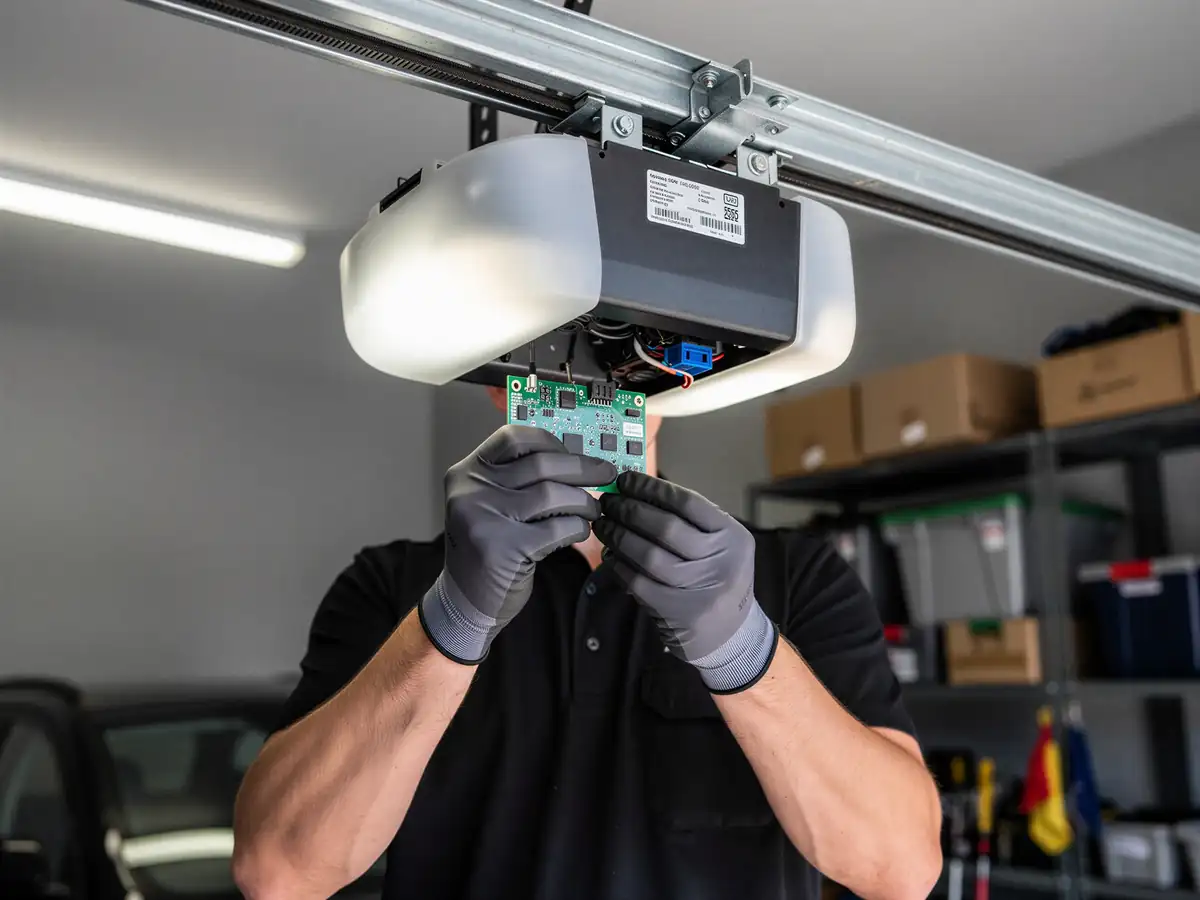
Honest limitation: if the track or jamb hardware on an older home like this is bent rather than just knocked loose, we may need to order replacement rail sized to the original opening, and that part isn't something we carry on the truck for every call.
How We Fix It
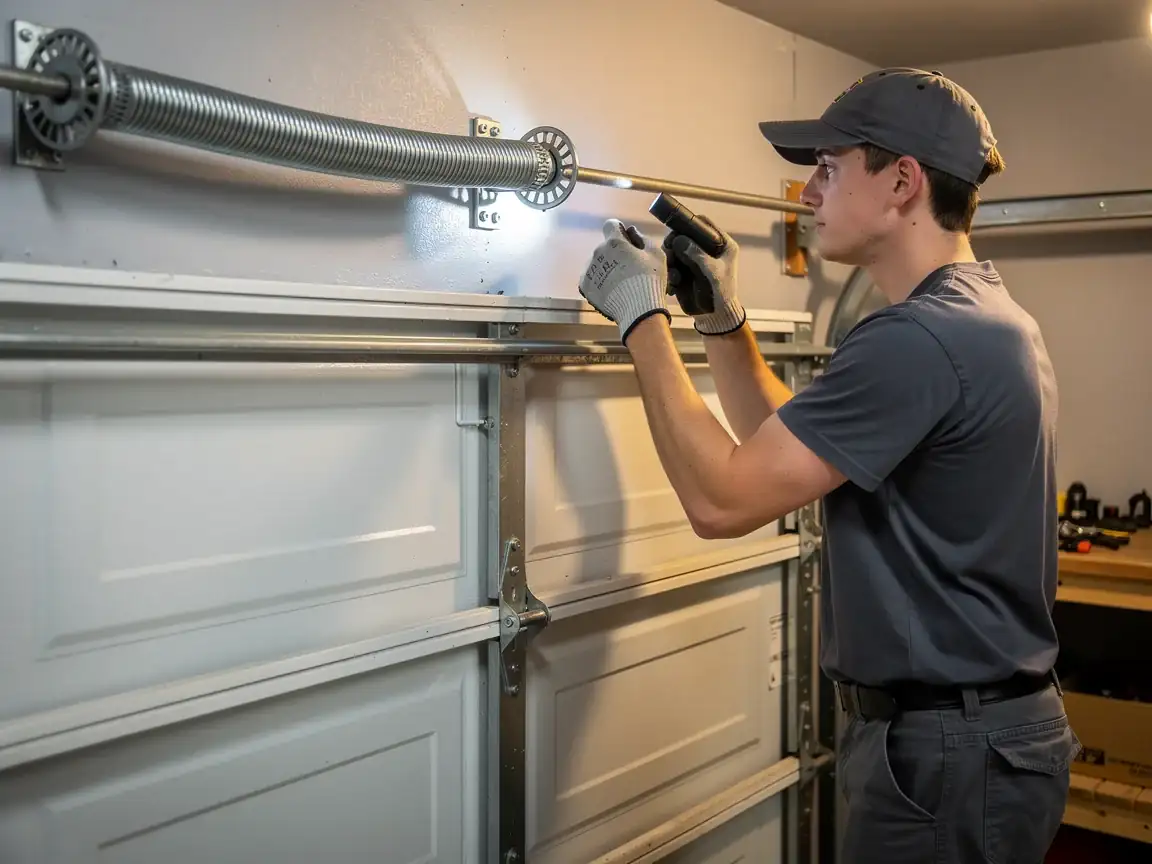
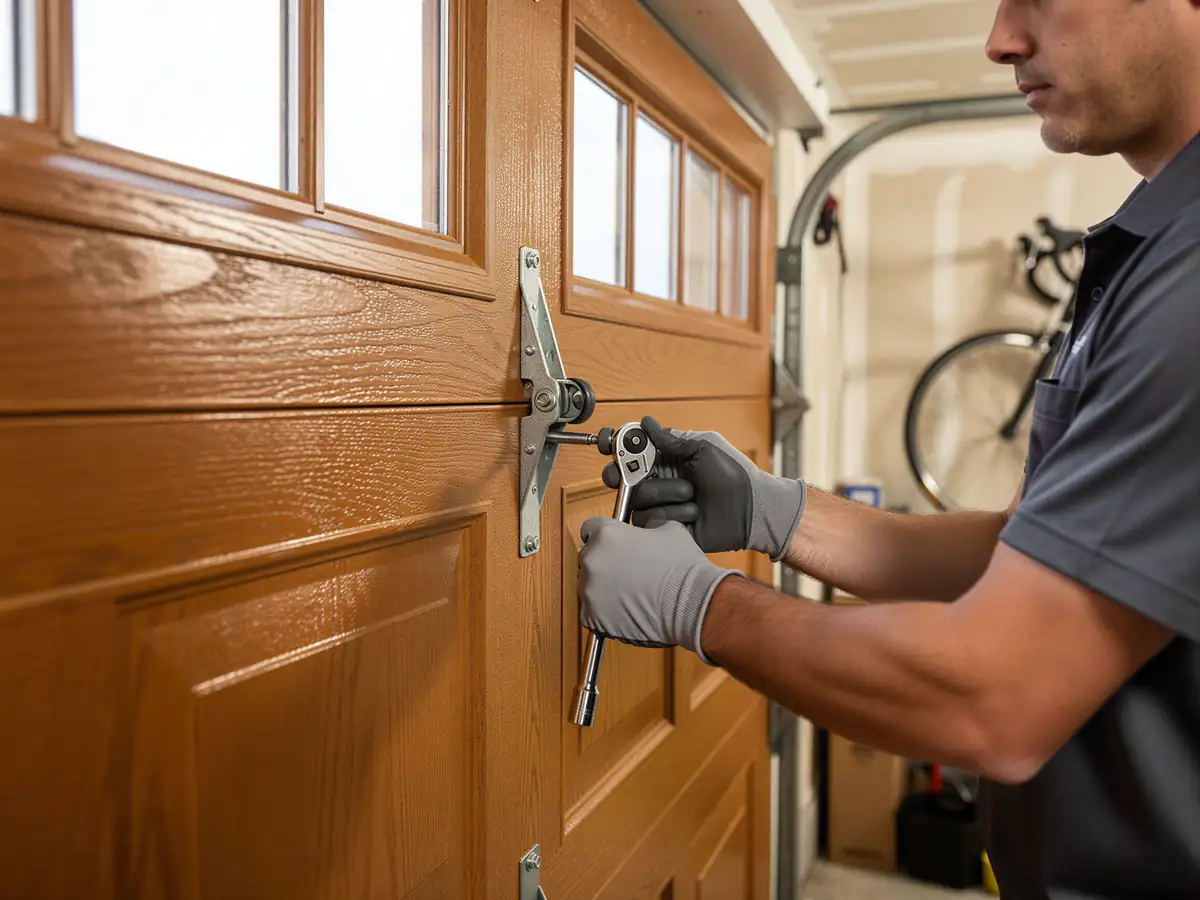
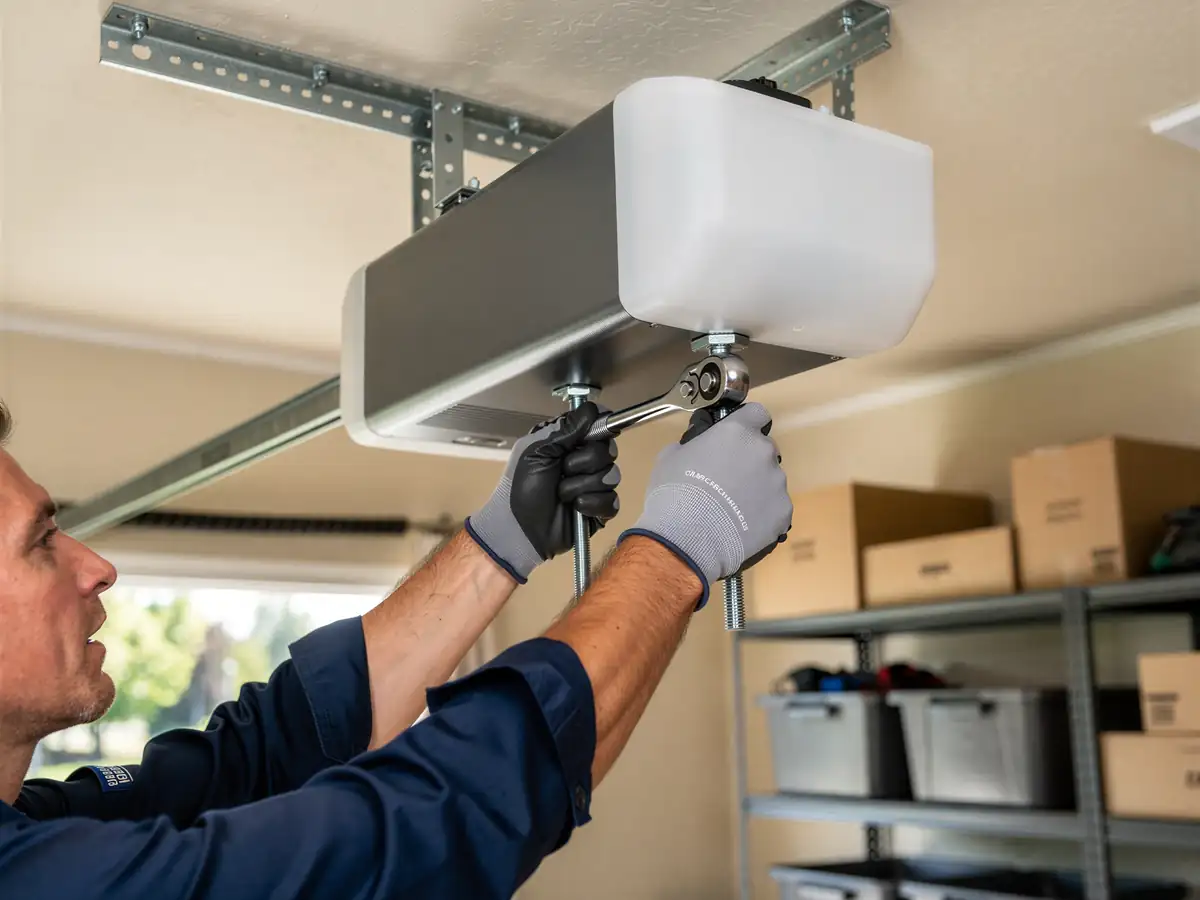
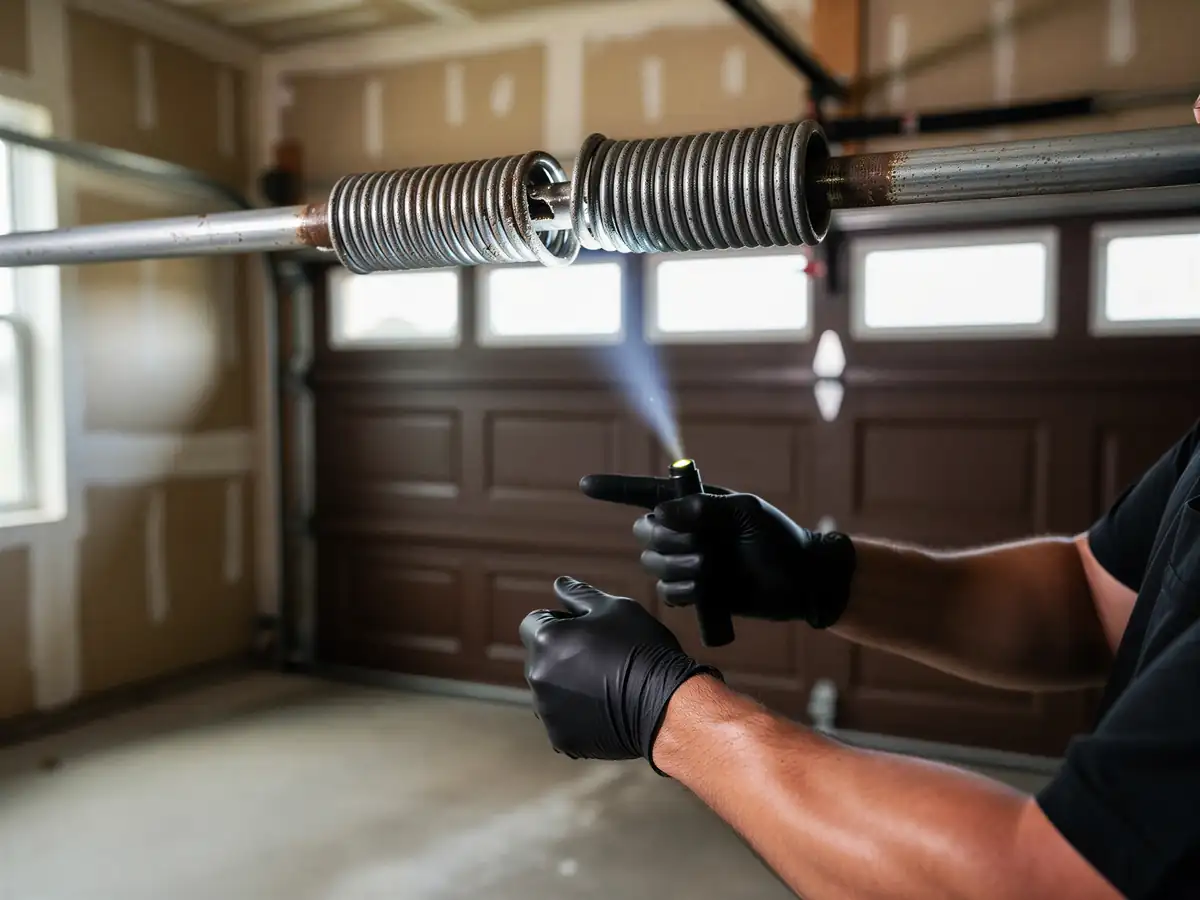
We travel the 9 miles out from Hermosa Beach with the parts most off-track calls need - standard rollers, brackets, cable clips - and diagnose on site before touching anything load-bearing. First we release tension safely, because a door off track with the spring still loaded is the most common way people hurt themselves trying to fix this on their own.
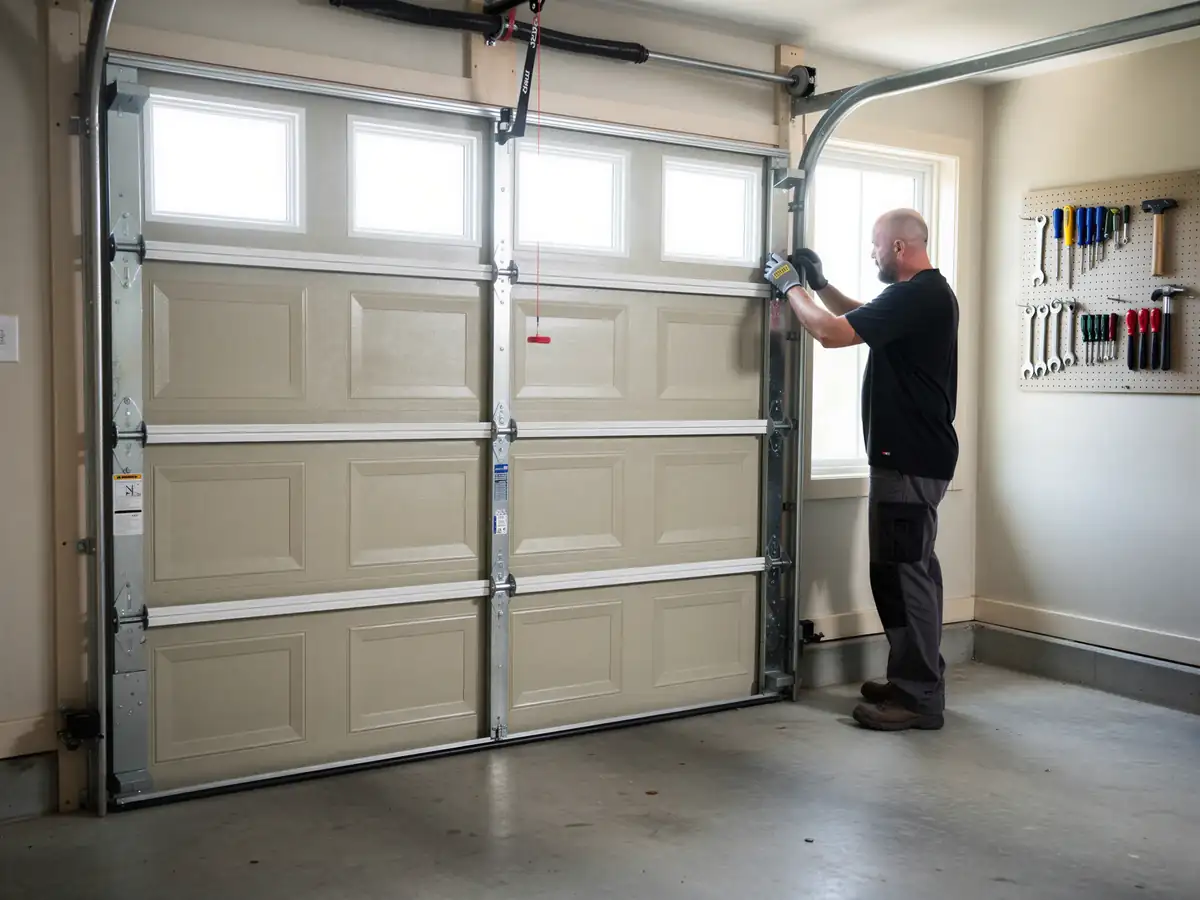
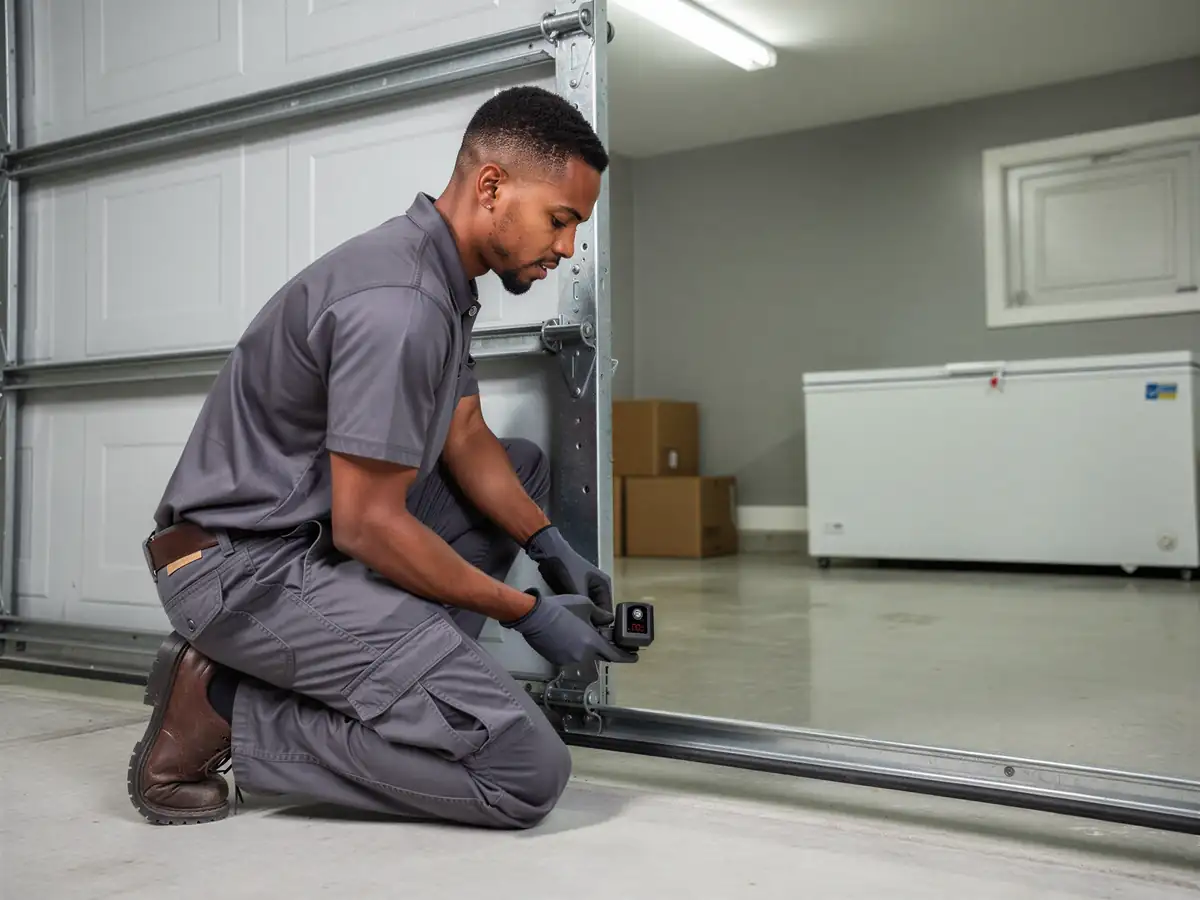
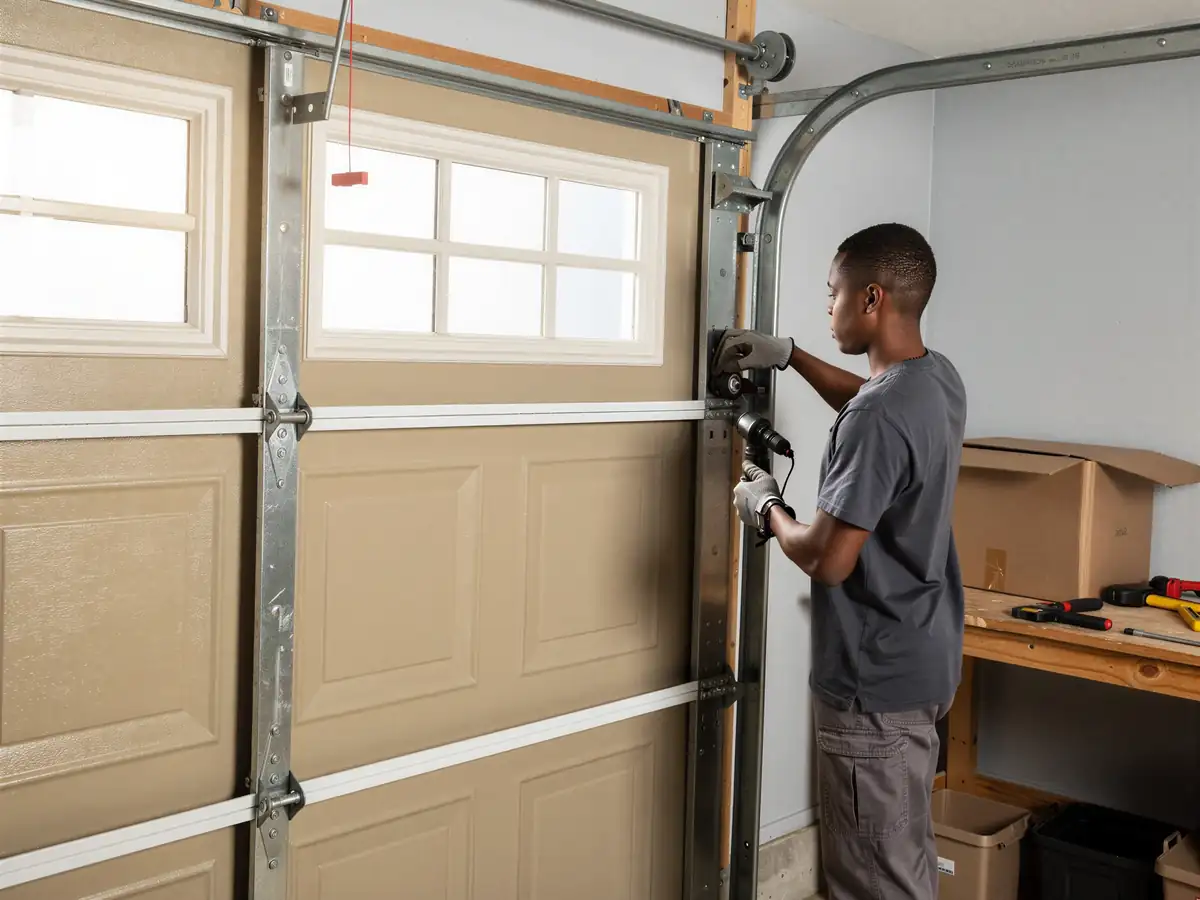
Once the door is secured, we check square: is the track still parallel to the opening, or has one side shifted from age or a hard hit. On homes from this area's older stock, we often find the vertical track sections were never perfectly plumb to begin with, so we reset both sides rather than just the one that failed. Rollers get replaced as a set if they're original-era steel, since mixing old and new rollers on the same track just sets up the next jump.
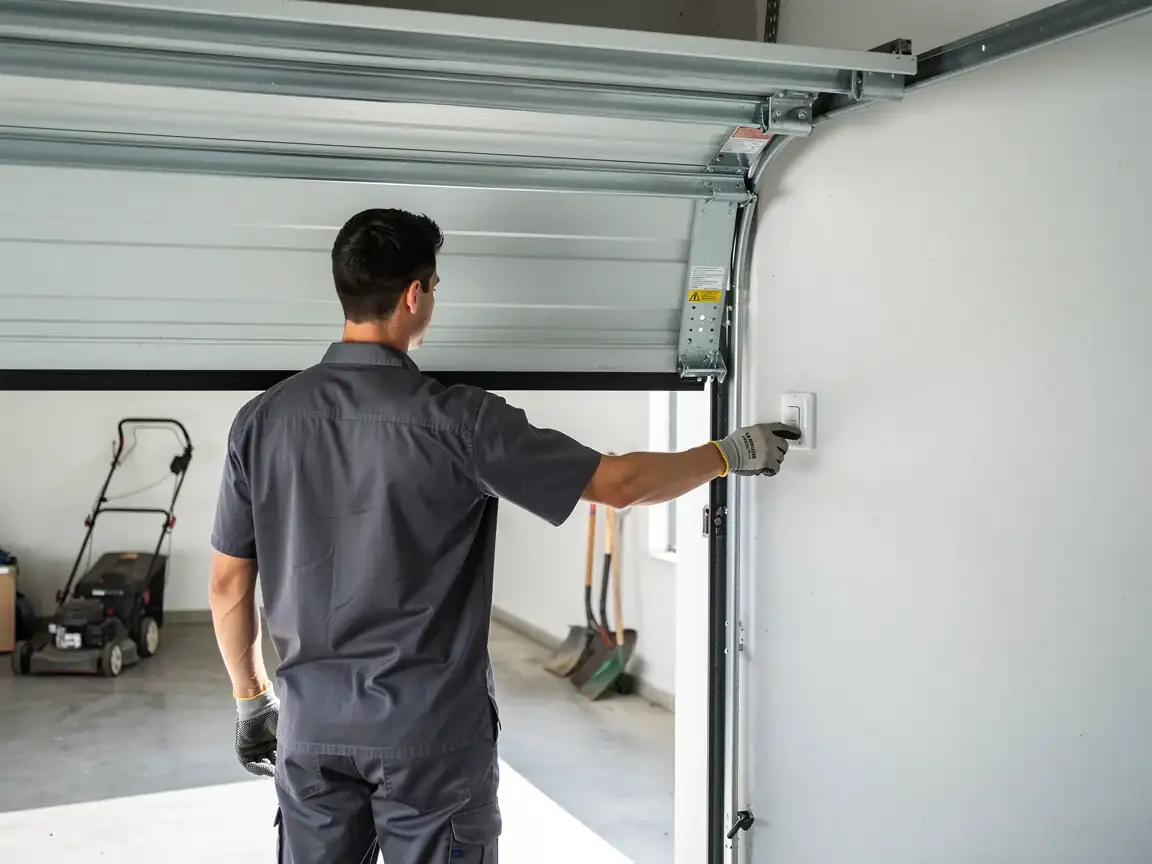
We test the door through a full open-close cycle under power before we call it done, listening for the same scrape or hesitation that brought us out. If the track itself is bent beyond a safe reset, we'll say so rather than force it back into shape.