Time on the Job
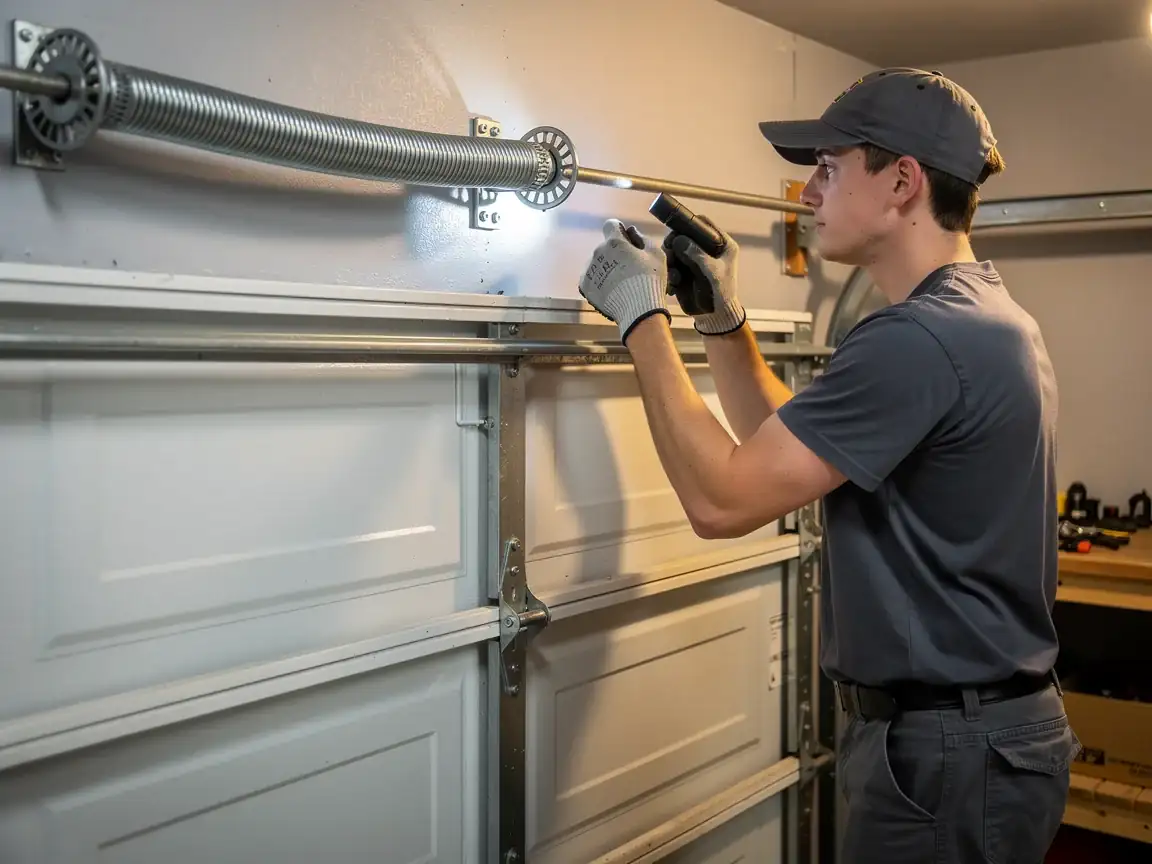
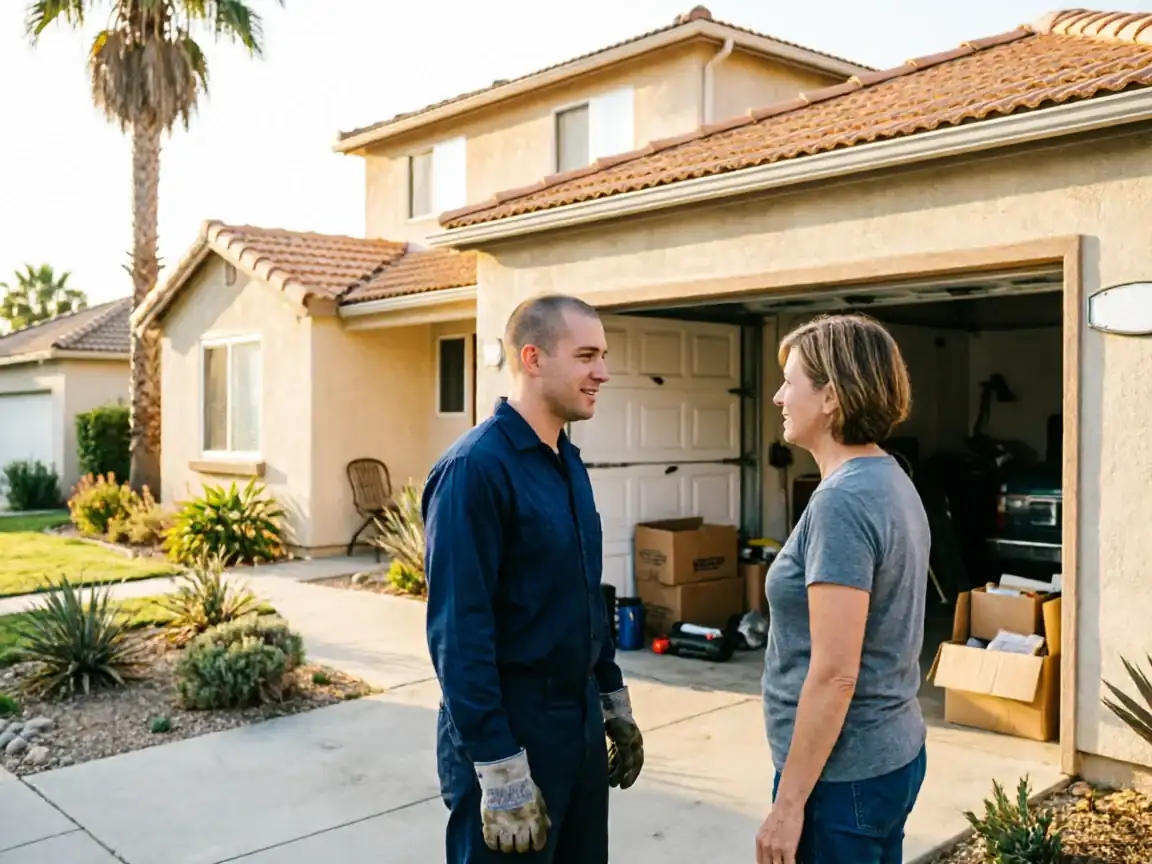
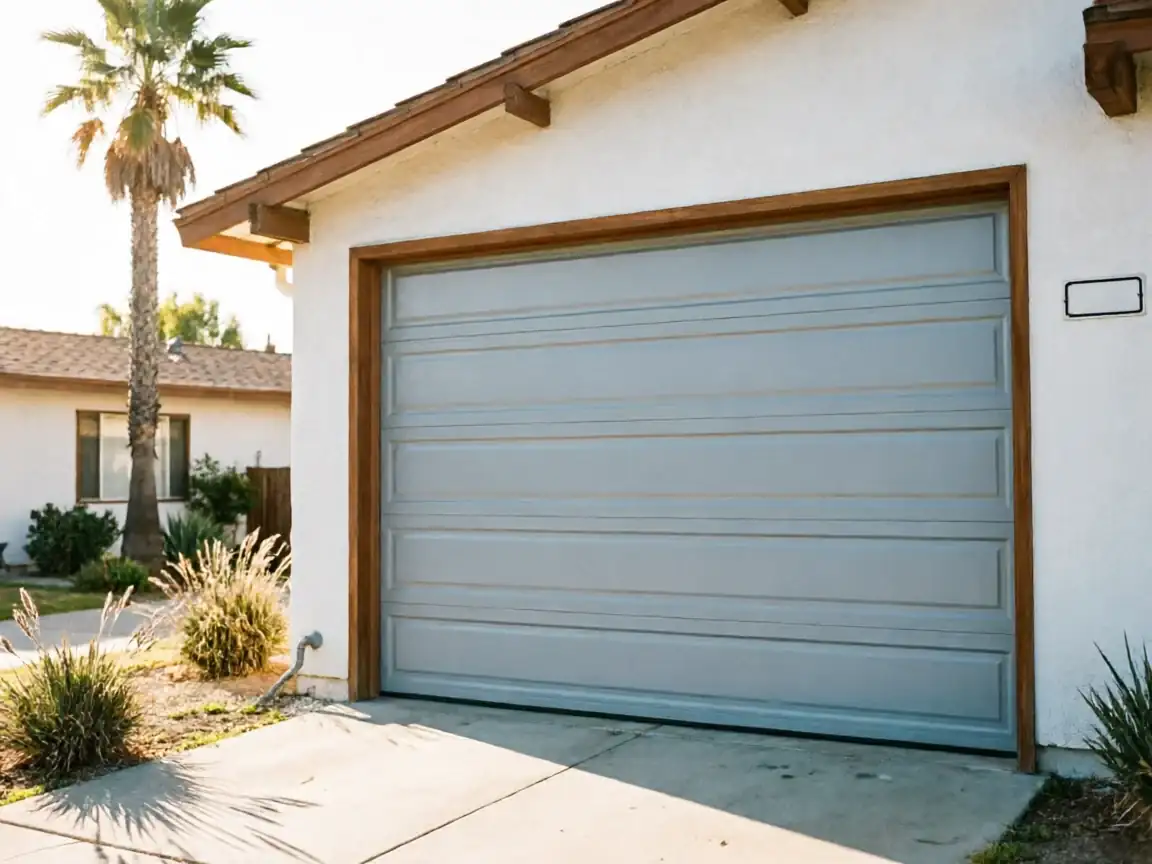
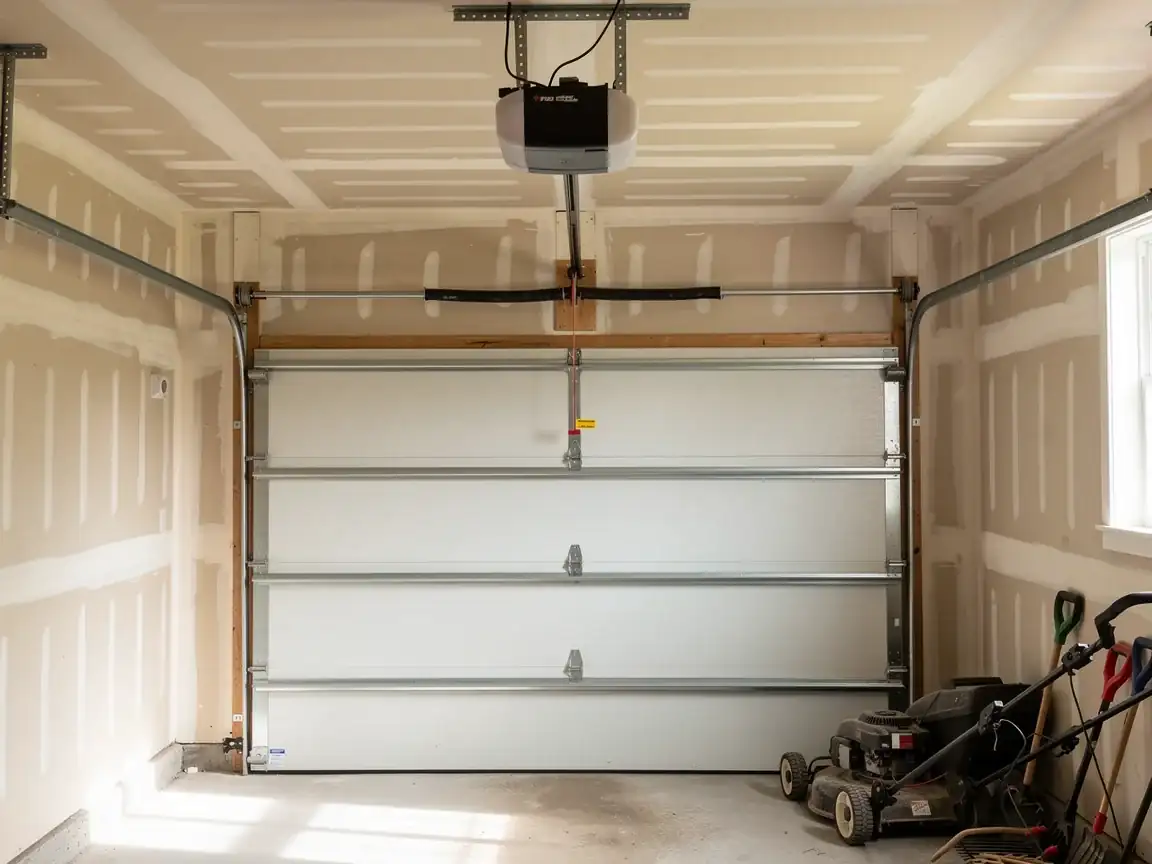
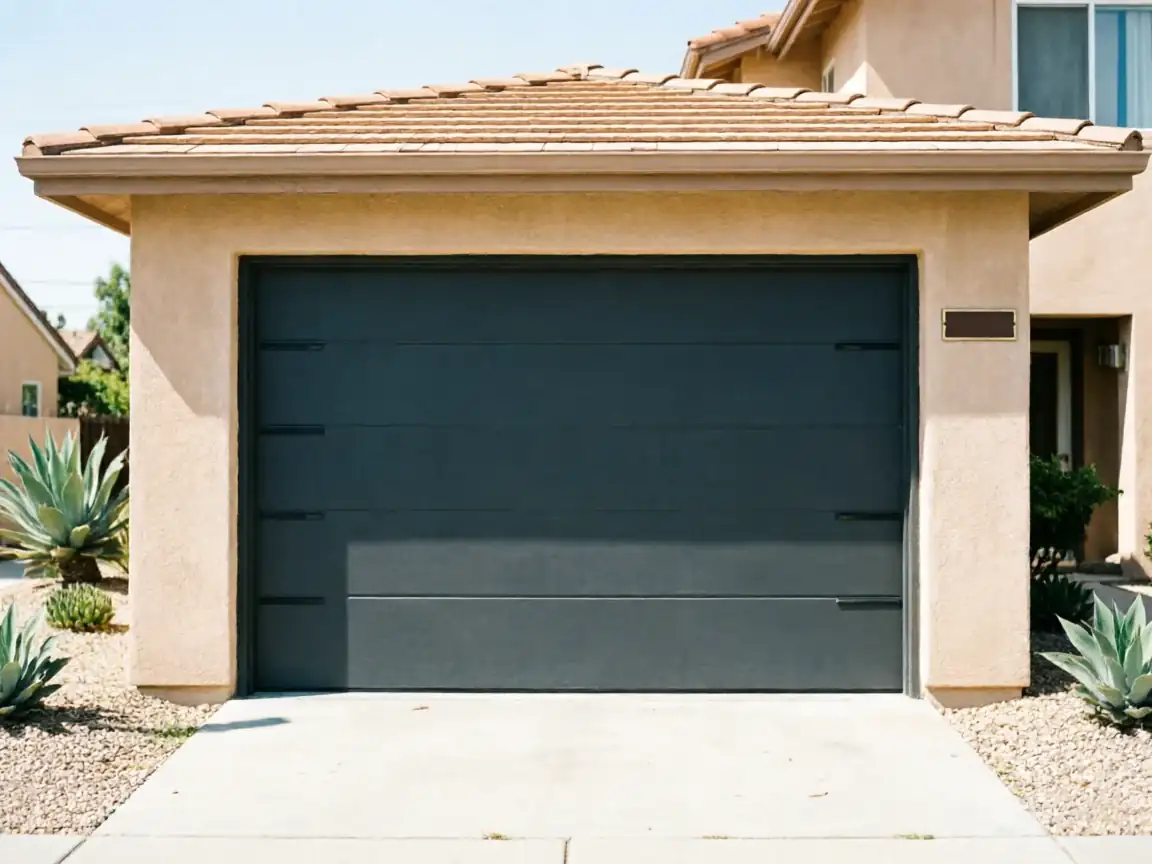
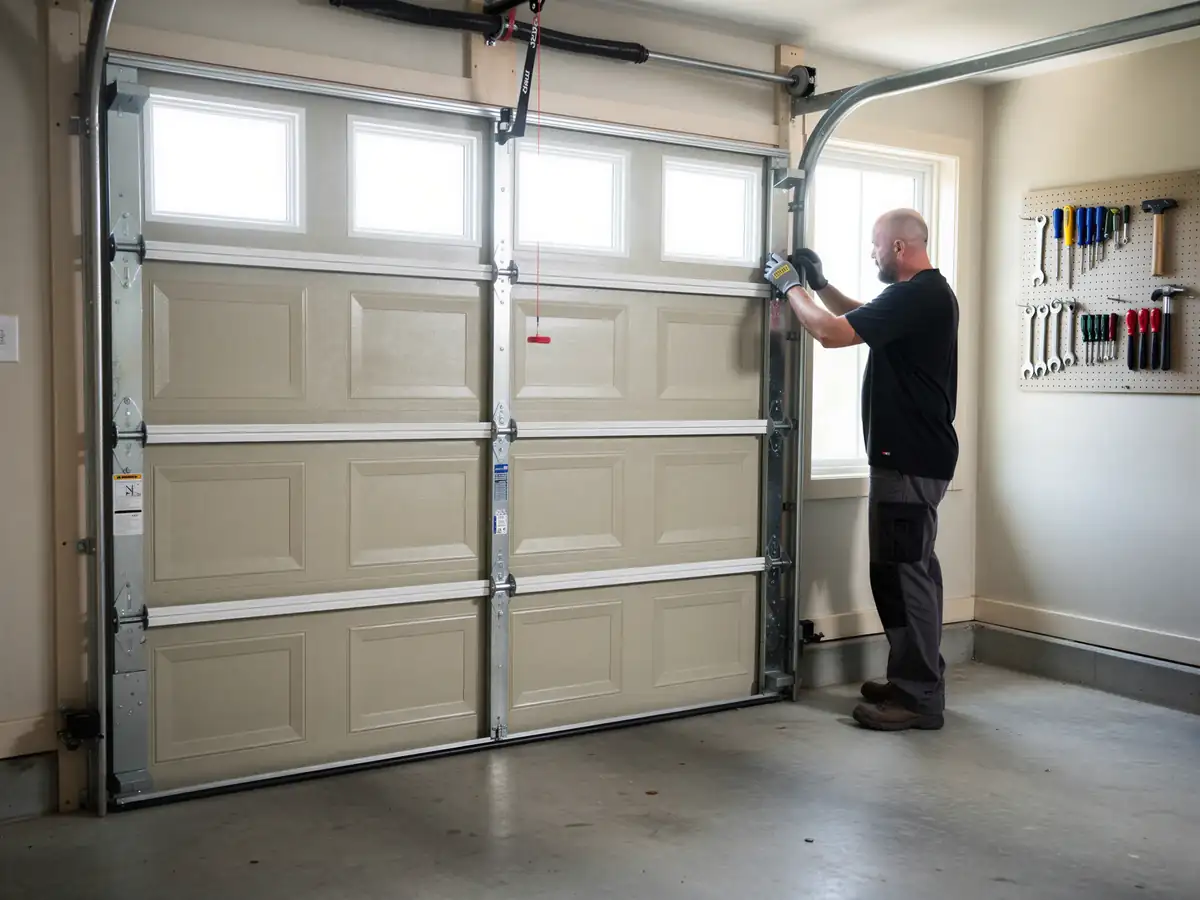
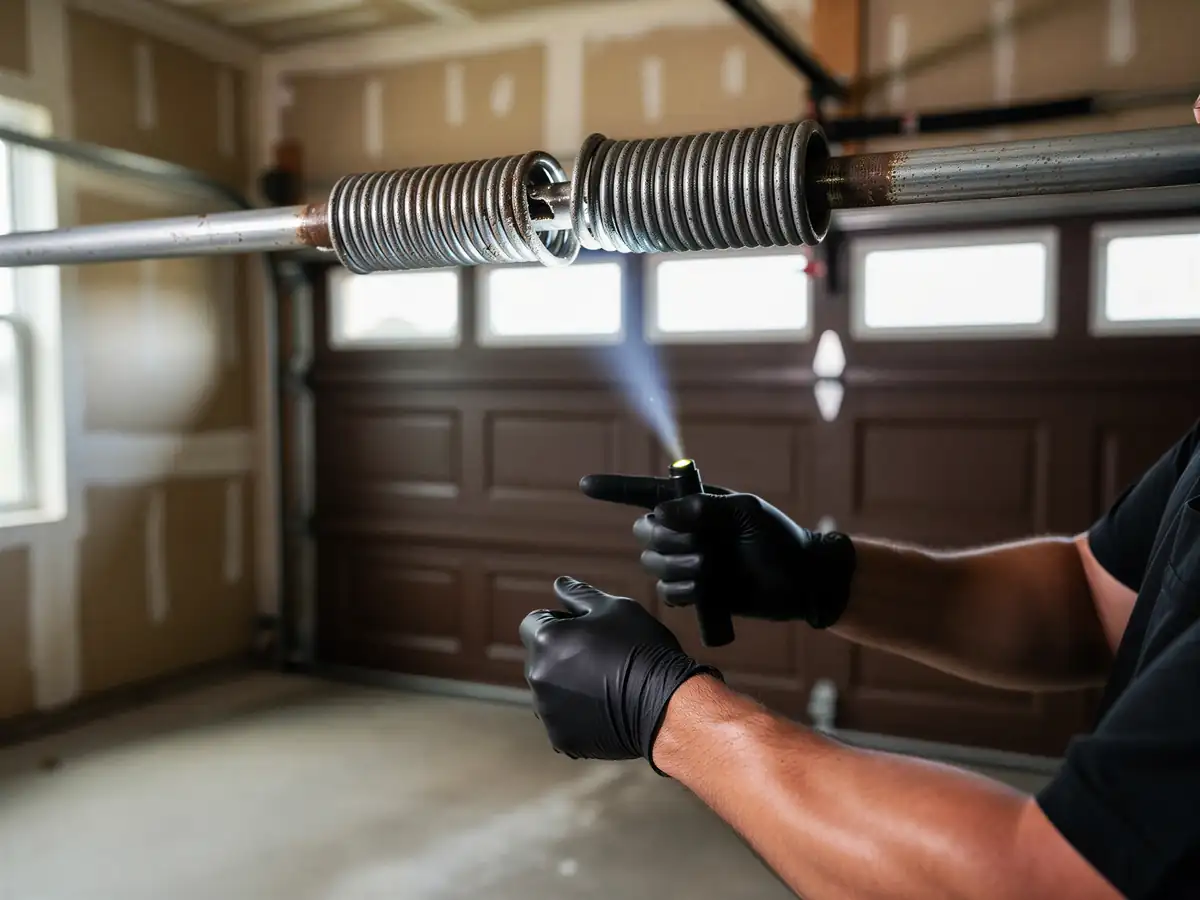
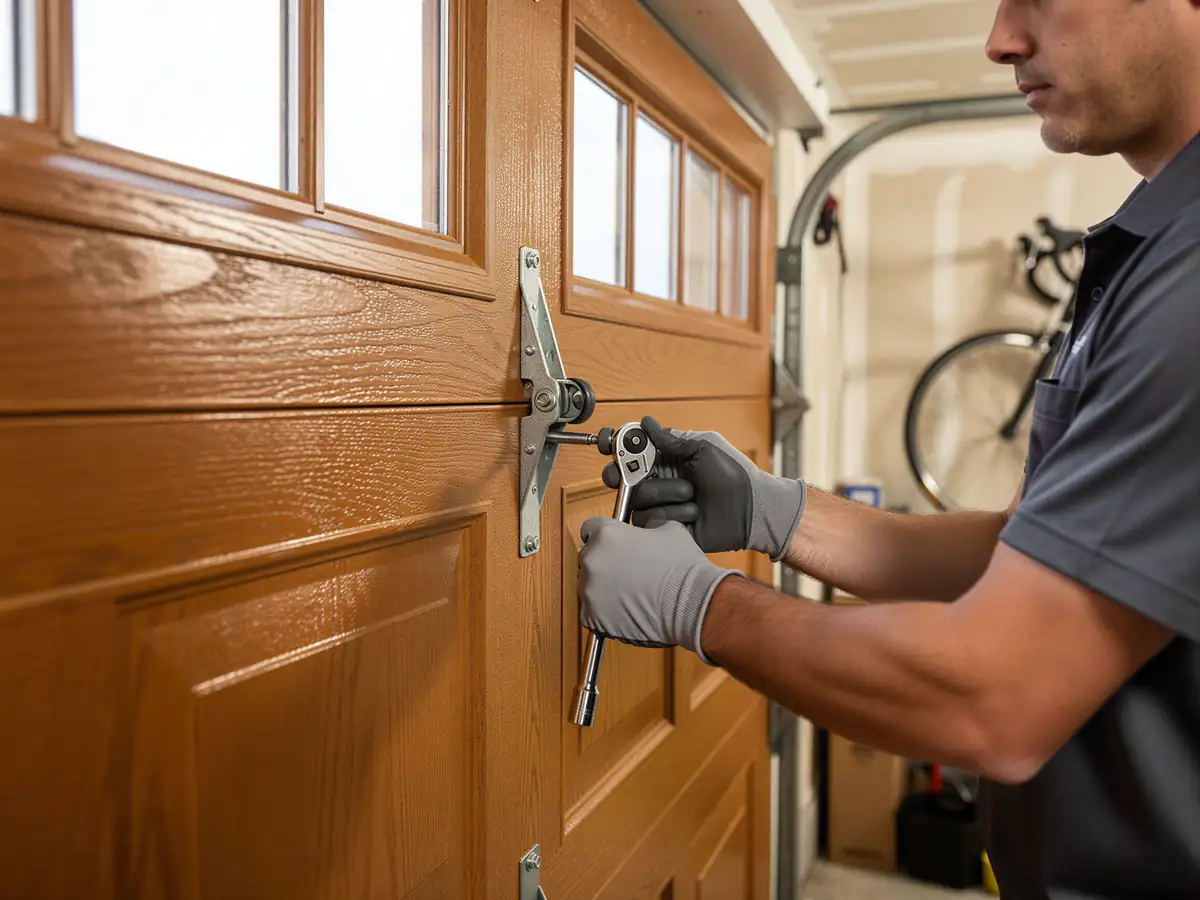
Most garage doors we see called in from Artesia are single-layer steel, either a 16-foot double or an 8-foot single, hung on extension springs with the cable running up the side track rather than a center torsion shaft overhead. That's what a builder put on a house going up around 1965, which is the median build year for this pocket of the service area. Fifty-plus years in, those doors are heavier to lift than they look because there's no insulation layer, and the extension spring setup means two springs doing the work a single torsion spring usually does on newer stock. A job on one of these doors runs long not because the fix is exotic but because the hardware is old enough that bolts are rusted into the jamb and the track brackets have been re-shimmed by somebody over the decades. We budget more time for inspection before we touch anything, because on a door this age the visible problem is rarely the only one. We're coming from Hermosa Beach, about 19 miles out, so we plan the visit rather than treat it as a drop-in - but once we're on site, the extra time goes into the door itself, not the drive.
Stocked Parts
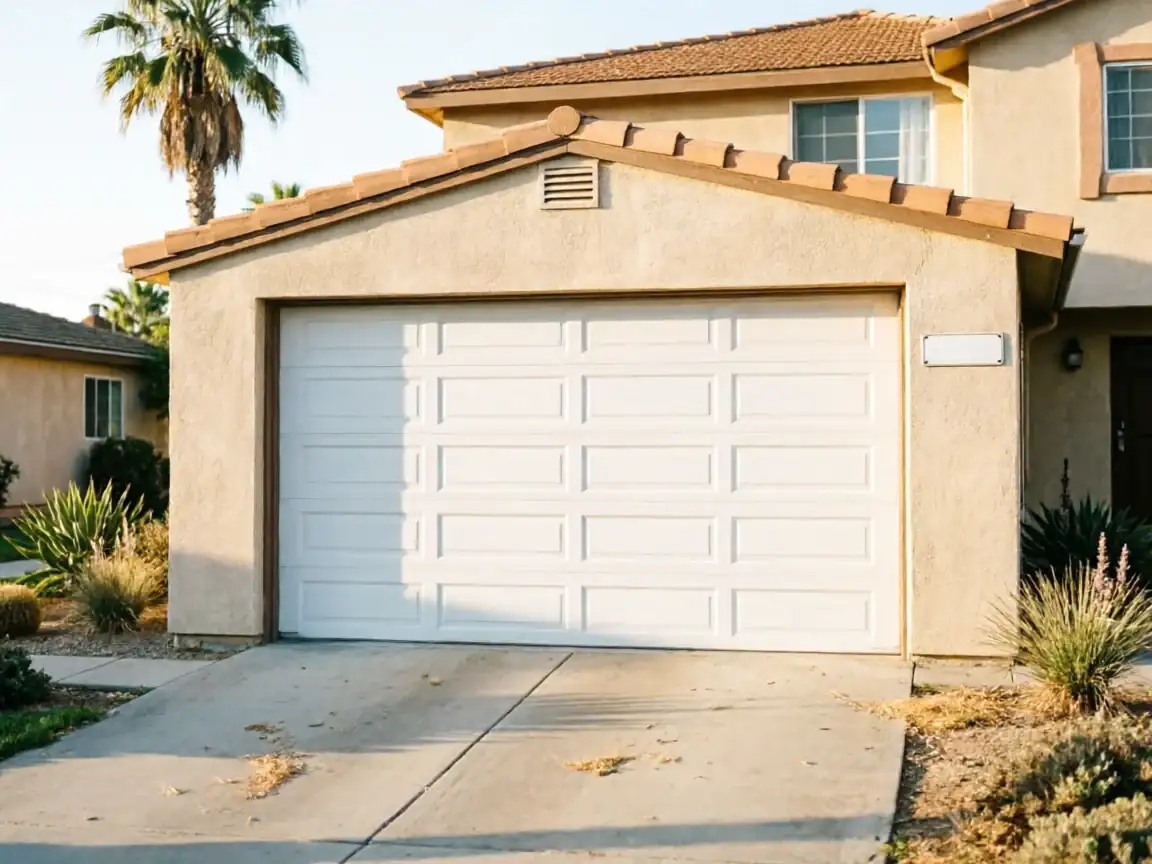
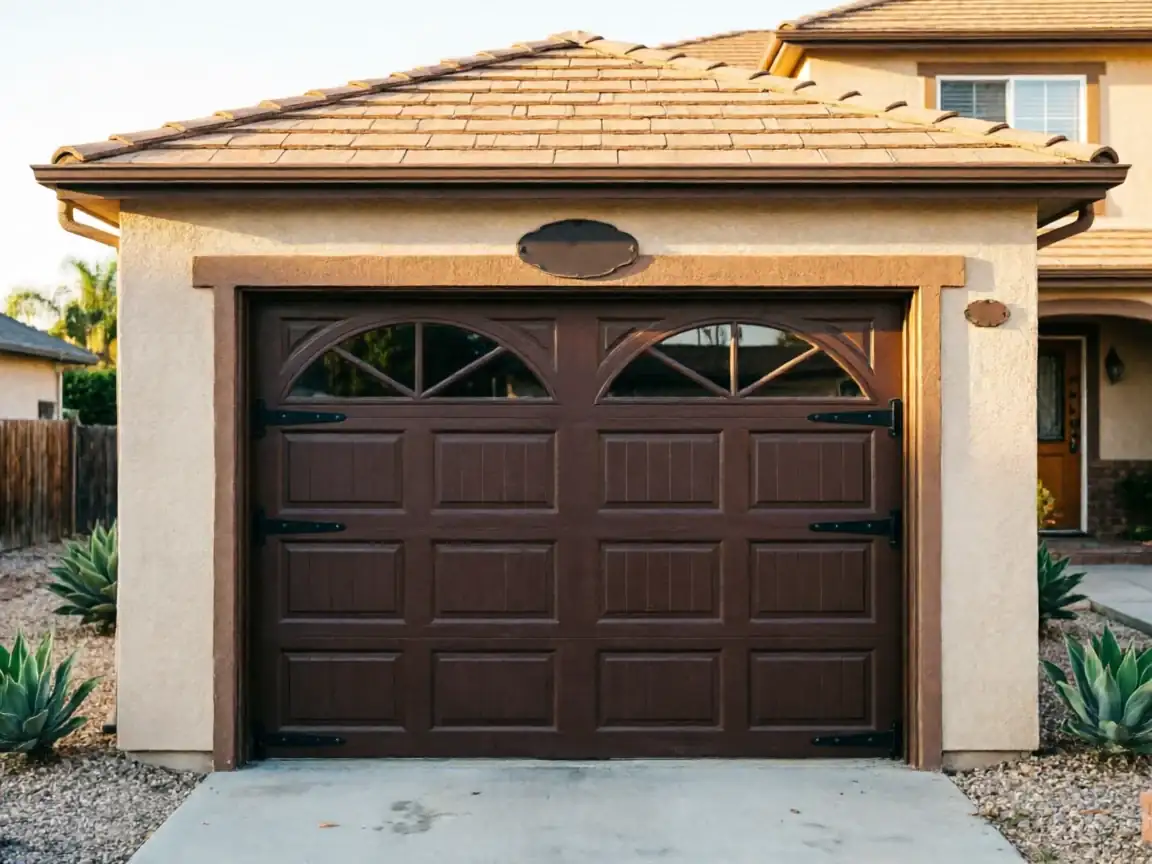
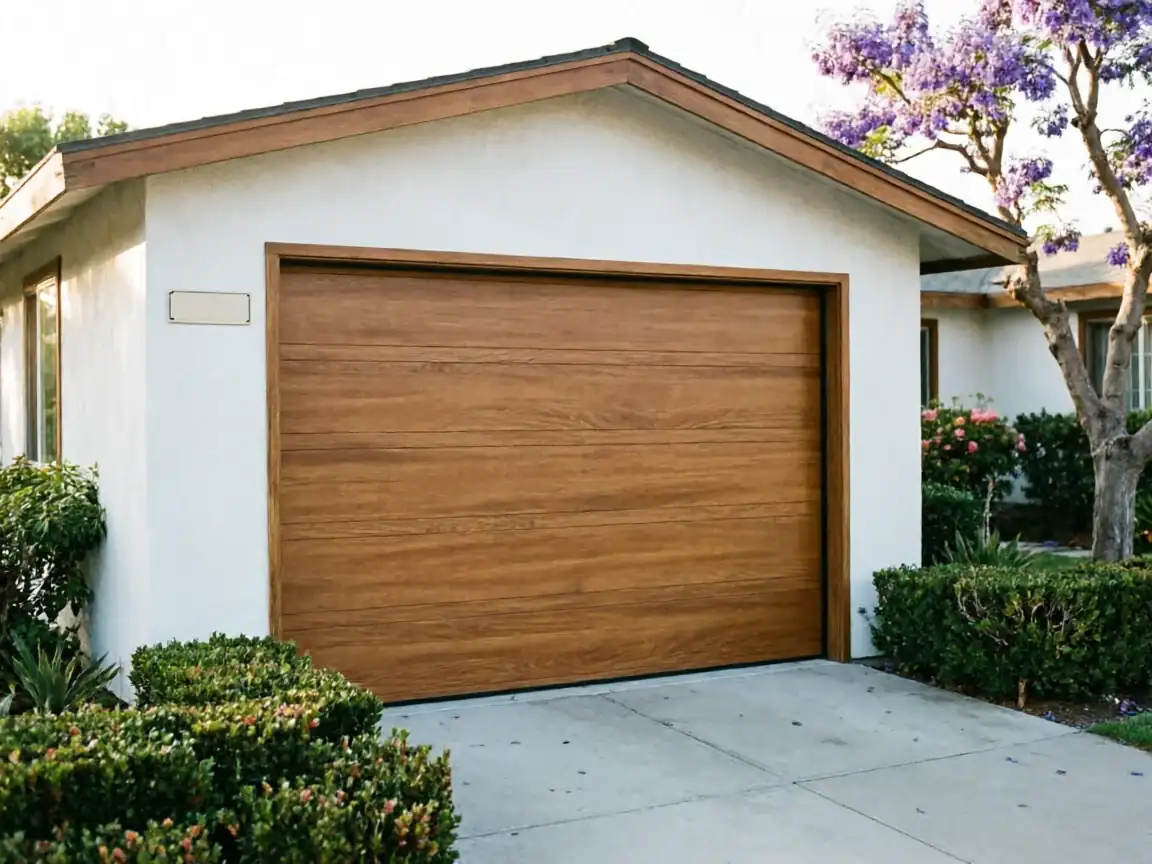
We carry common extension spring sizes, galvanized lift cables, side-track rollers, and the flat steel panel hardware that fits most 1960s single-layer doors, because that's what a 1965-built neighborhood actually needs. What we don't carry on the truck is a specific trim kit or an odd-width panel for a door that's been custom-cut or replaced once already by a previous owner - those get special-ordered, and we'll tell you that on site rather than make you wait to find out. If your door still has its original steel skin from 1965, the panel itself is sometimes harder to match than the springs are; we'll say so rather than force a mismatched replacement onto a door that still closes fine otherwise.
Where This Job Goes Sideways
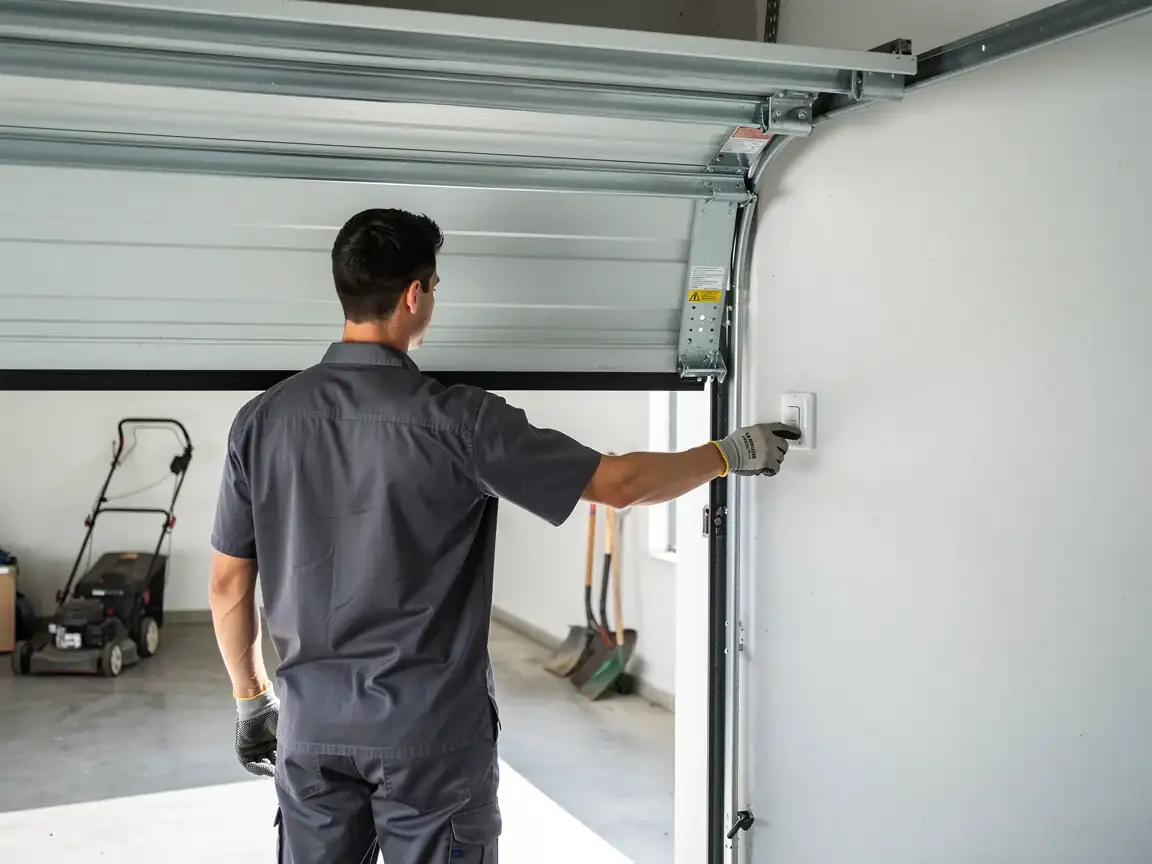
The failure we see most in this stock is a frayed lift cable that's been quietly fraying for years before it finally lets go - on an extension-spring door, that cable failing can drop one side of the door hard and bend the track on the way down. Another is a homeowner who's had one spring replaced at some point without the other, so the door runs unevenly and the working spring takes double the load. Both of these get worse the longer a 1965-era door sits unused, which happens more than people expect in a smaller pocket like Artesia with 4,379 households and a good share of long-term owners who don't open the second bay often. If the track is already bent or the jamb has shifted with the house settling, a spring swap alone won't fix it - that's the honest limitation: sometimes the right call is replacing the door, not repairing the sixth part on it.