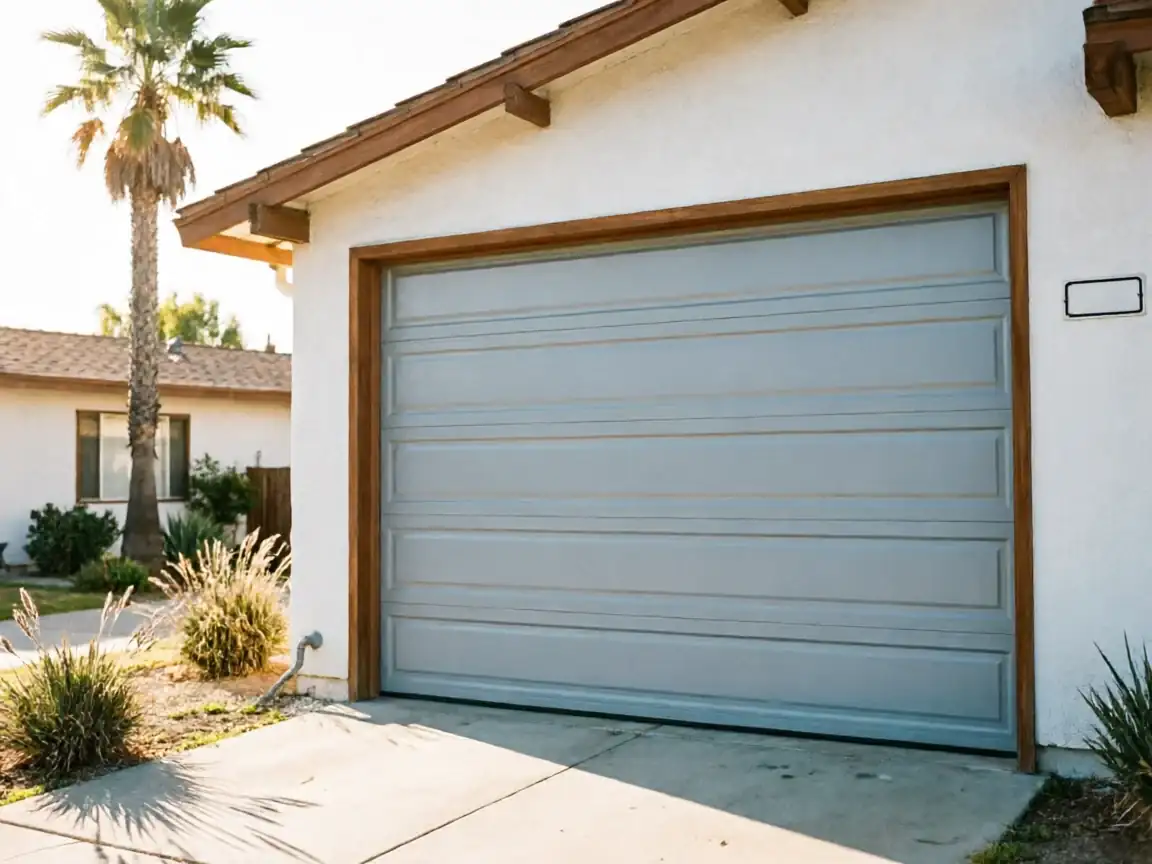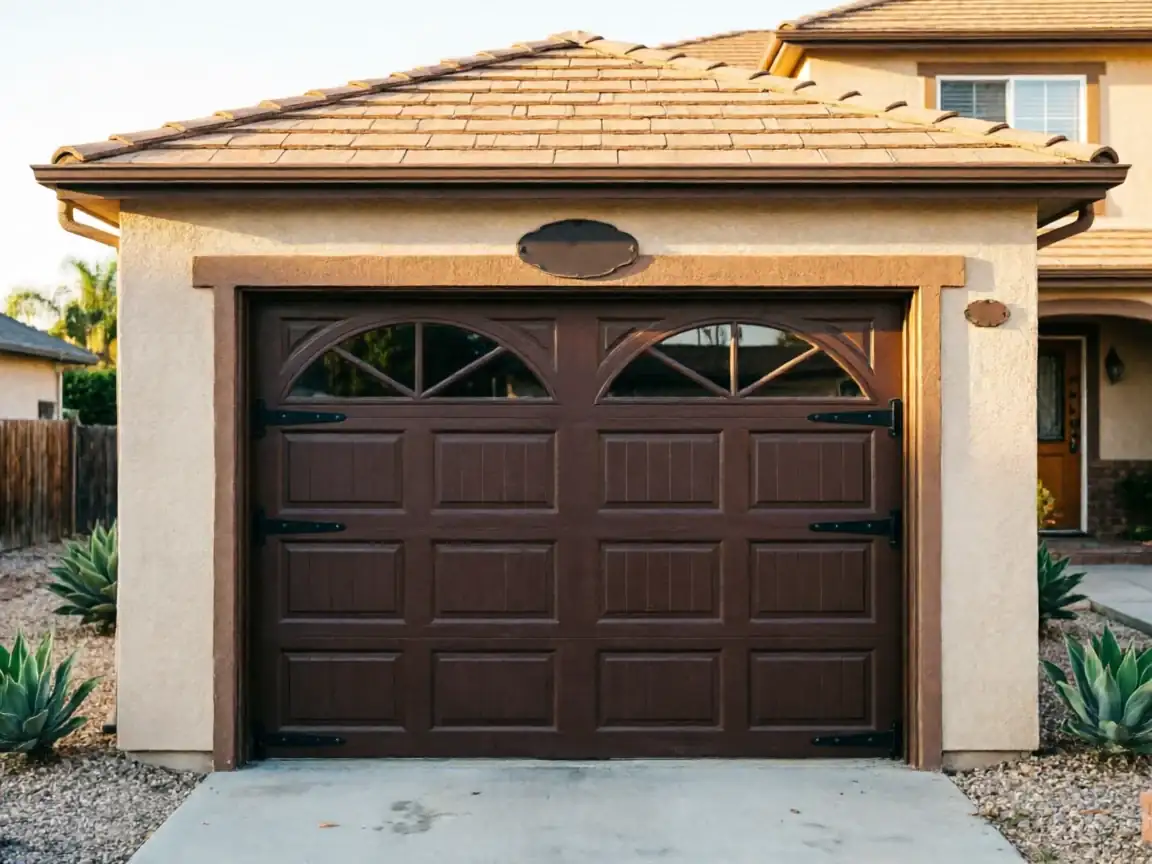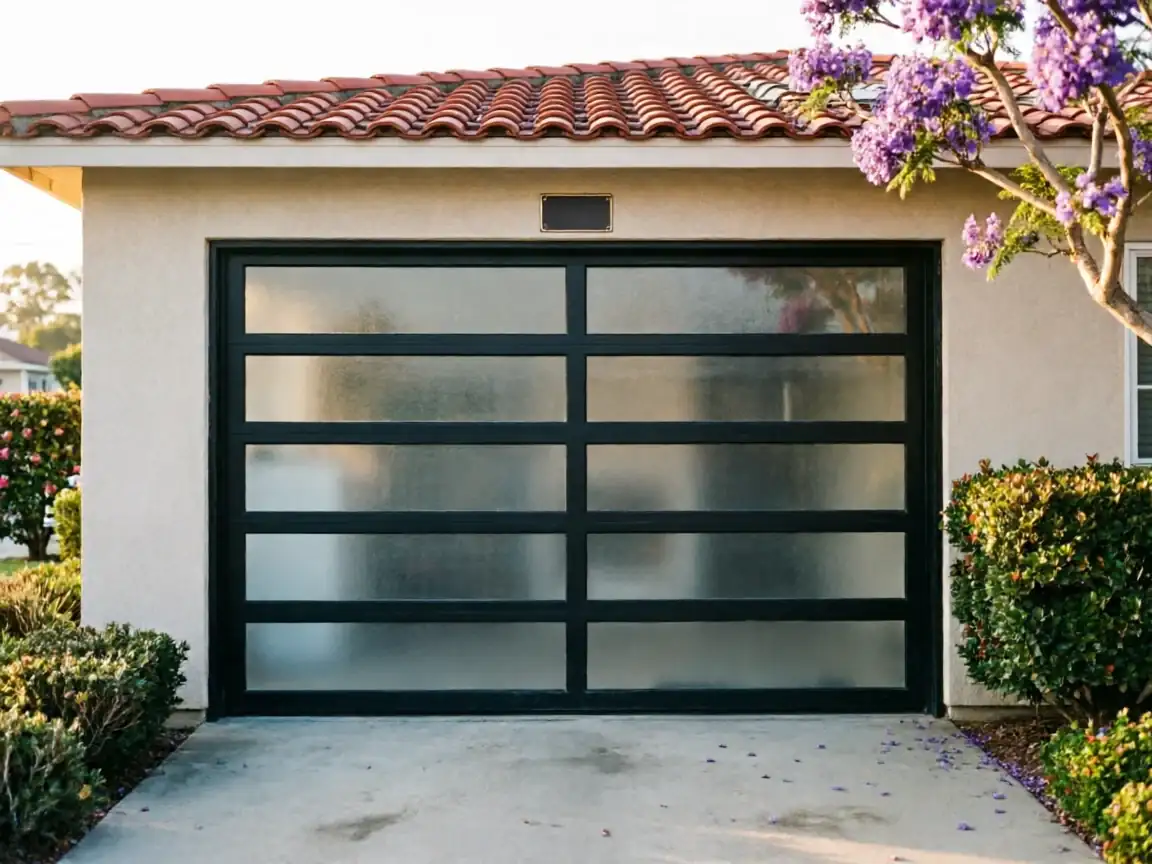
Time on the Job
Artesia sits about 19 miles out from our shop in Hermosa Beach, one of the longer runs on our service area map. That distance shapes how we schedule here: we don't treat it like a five-minute hop, and we build the drive into the window we give you rather than promising something we can't back up with a local branch. We don't have a depot in Artesia, and we're not going to pretend otherwise. What we do have is a route that covers it regularly enough to know the housing stock cold.
That matters more than the mileage. A job on a 1965 door takes longer than a job on a 2005 door, full stop, because the hardware is different and parts aren't always a straight swap. We plan the appointment around what we expect to find once we're looking at the actual spring and track, not around a generic service call. If the first five minutes on site turn up something we didn't expect, we tell you before we start cutting into it, not after.
What It Costs
We don't have a published price list for Artesia specifically
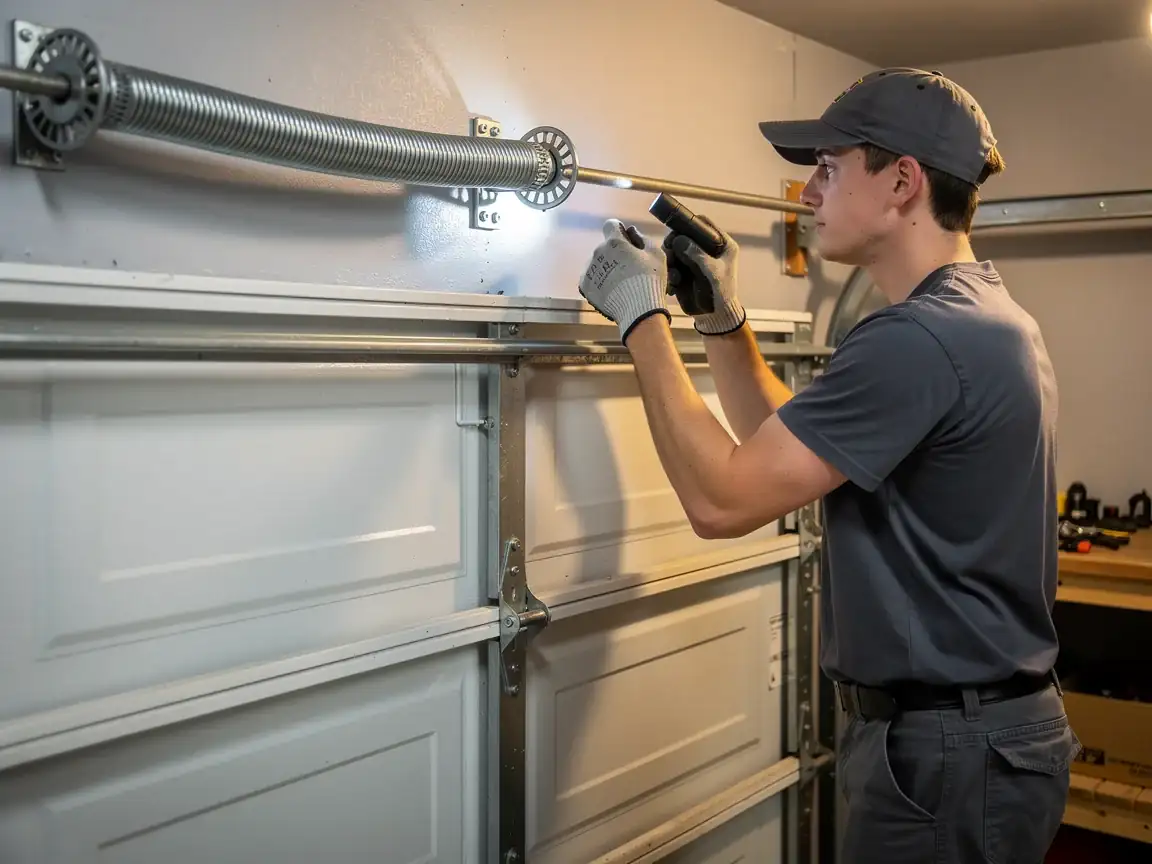
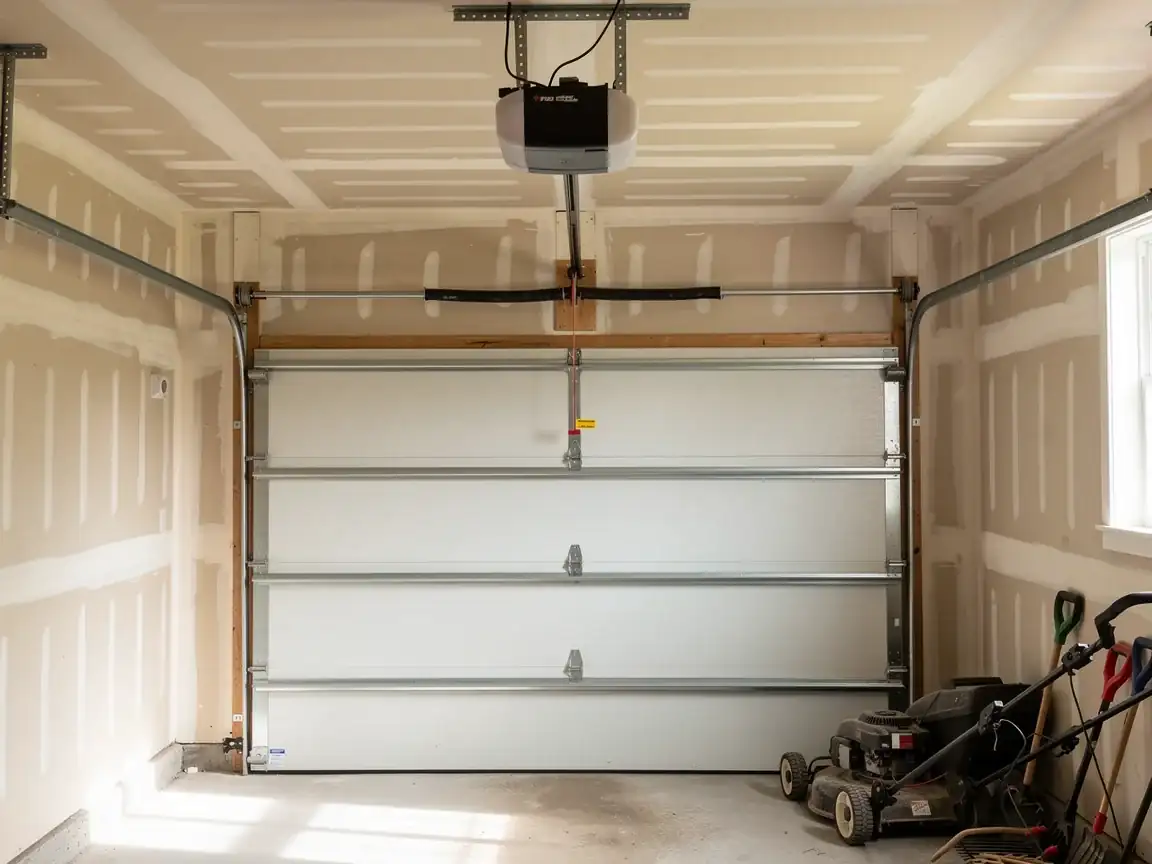
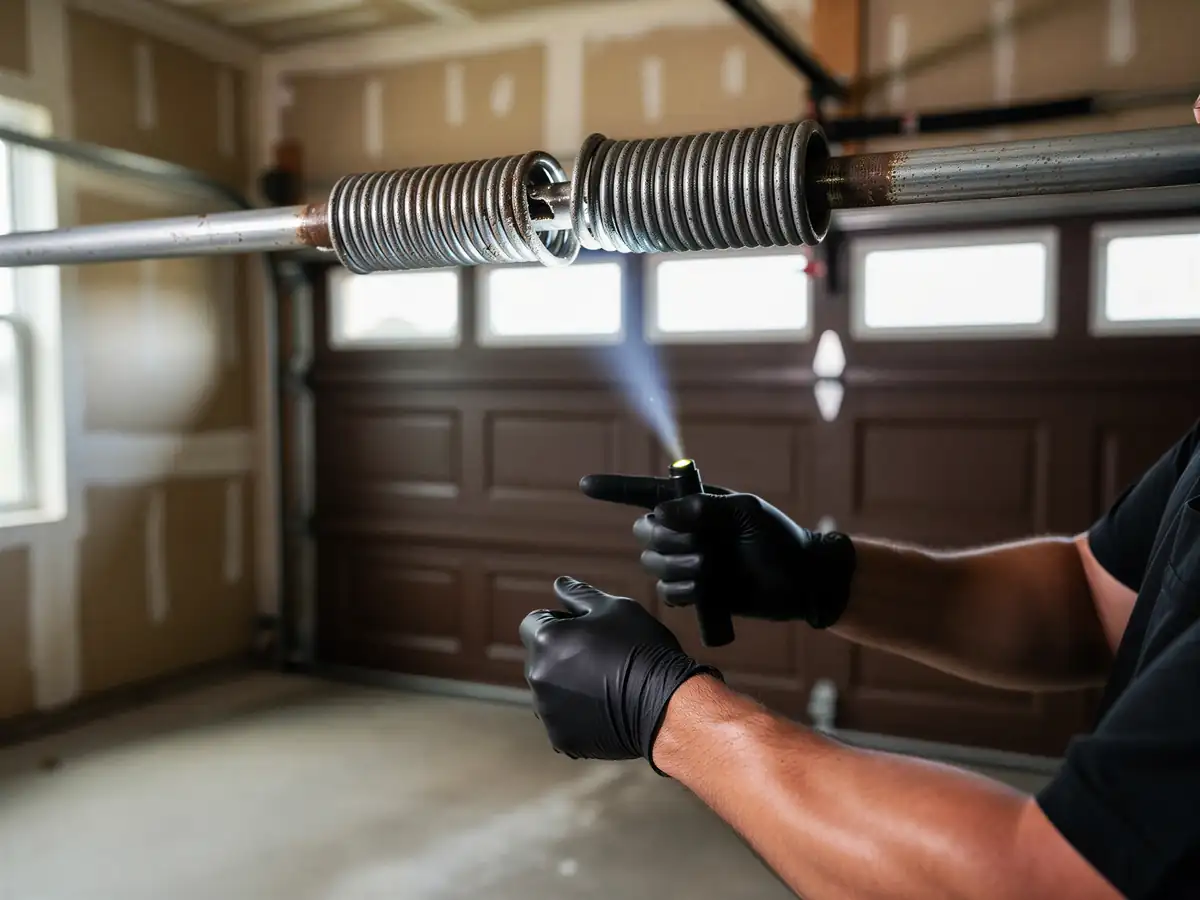
And we're not going to invent one here. What we can tell you is what drives the number up or down on a door from this era. A straight spring swap on original extension-spring hardware is usually simpler than converting that same door to torsion - and a lot of Artesia doors, built around 1965, are still running extension springs mounted on rails above each side of the door rather than a single torsion spring over the header.
The cost swing comes from what's underneath the spring problem
If the track is bent, if the rollers are the original steel ones, or if the door panel itself has sagged from sixty years of use, the job grows. We quote after we've looked at the door, not before, because on hardware this old a phone estimate is a guess dressed up as a number. Artesia's median household income runs close to the wider area's average, and we price the same job the same way no matter which side of the route it's on.
Stocked Parts
Our truck carries the parts that match what's actually on the road out here, which for Artesia means extension springs in common lengths and gauges, the side-mount cables and pulleys that go with them, and galvanized rollers sized for older track. Most of the 1960s-era doors we see in this part of the service area used that same side-mounted extension system rather than a centered torsion spring, so that's what we keep ready.
We can't carry every spring size ever made. Some of the original hardware on a door this old is a size that stopped being common decades ago, and if your door has one of those, we may need to special-order it rather than finish the job same-visit. That's the honest limitation: we stock for what's typical, not for every outlier, and a door that's been modified once already - say, an extension system partly converted to torsion by a previous repair - sometimes needs a part we have to bring back on a second trip.
Where This Job Goes Sideways
The most common wrong move we see on doors from this era is a spring swapped for a torsion spring without touching the rest of the hardware, or a torsion conversion done halfway and never finished. Either way the cable routing and the drum sizing stop matching the springs, and the door starts pulling crooked or dropping fast on one side. It's not dangerous in a dramatic way, but it wears the opener and the track unevenly, and eventually something snaps that didn't need to.
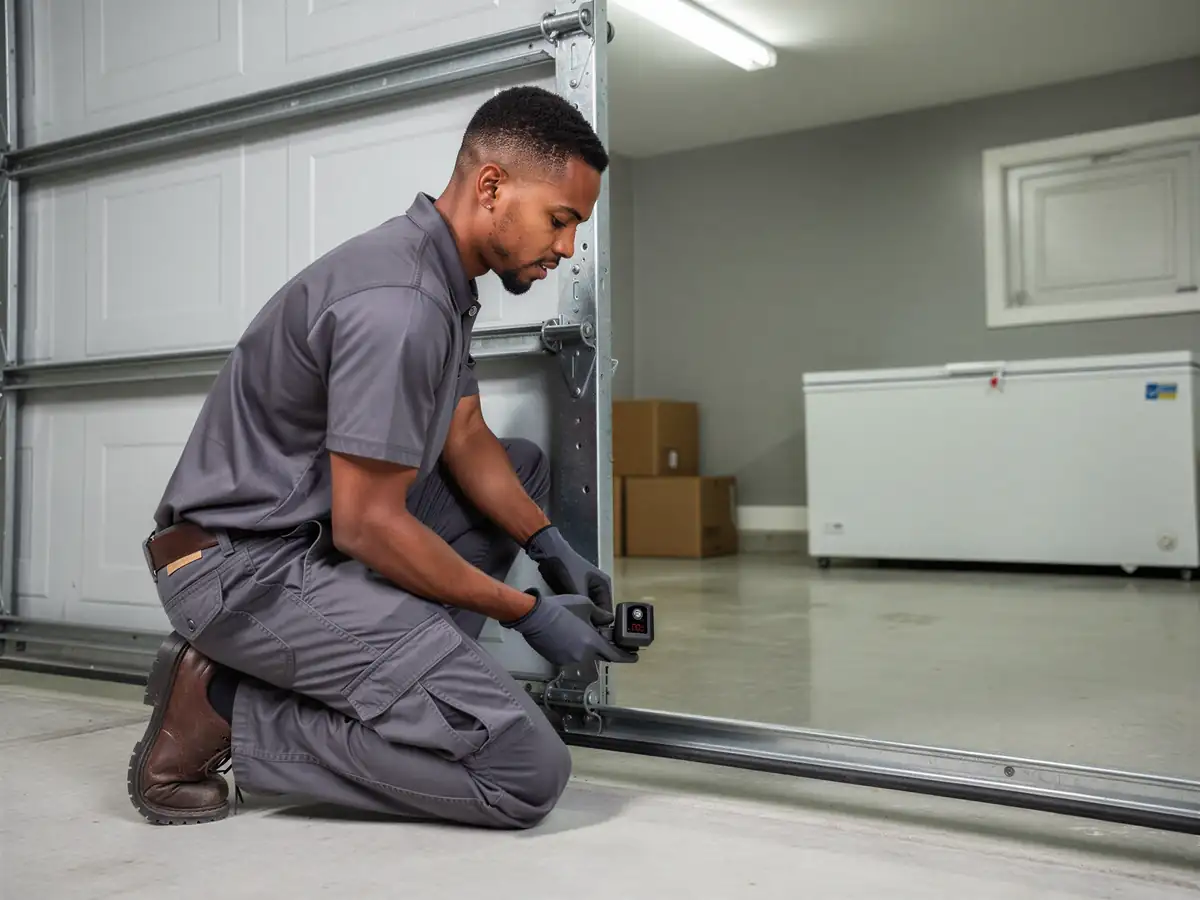
The other failure point is the track itself. On a door built in 1965, the track has usually been bent back into shape at least once by someone trying to force a door that wasn't rolling straight. A bent track masks itself for a while - the door still closes - until the rollers finally jump it. If we're called for a spring and we find a track that's been reshaped more than once, we'll say so, even if it means a bigger job than the one you called about.
Why It Happens Here
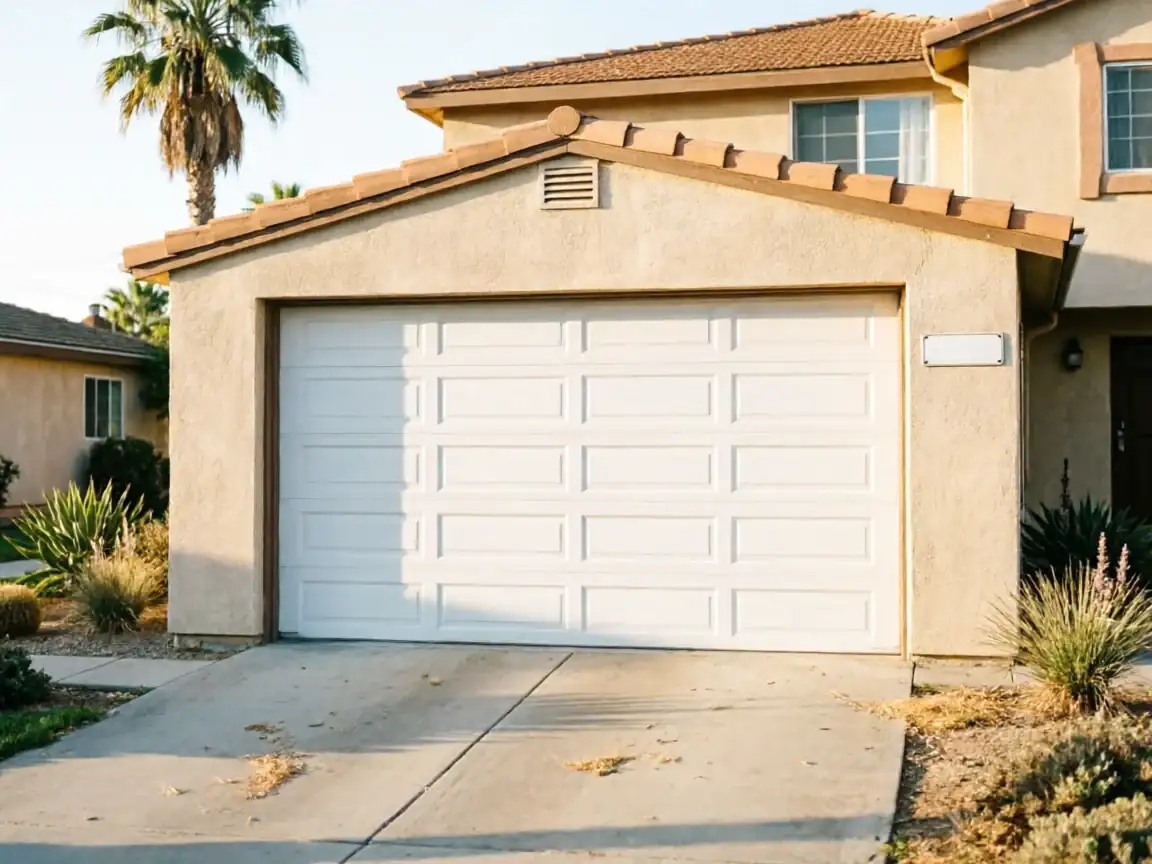
Artesia's housing mostly went up around 1965
Right in the middle of the broader stretch of 1960s-70s stock that runs across this part of the service area. That one fact explains most of what we see on these calls: original extension-spring systems, steel doors without the insulation layers that came later, and openers that have been replaced once or twice while the door and track stayed the same.
The mild, temperate climate out here doesn't put the kind of weather stress on a door that you'd see somewhere with real freeze-thaw cycles or heavy coastal salt air
So these doors don't fail from rust or cracking the way they might elsewhere. What gets them is just age and cycle count - sixty years of daily openings on hardware that was built for a shorter service life than it's actually given. That's a slower, quieter kind of failure than weather damage, but it's the one we actually see when we're out this way.