Time on the Job
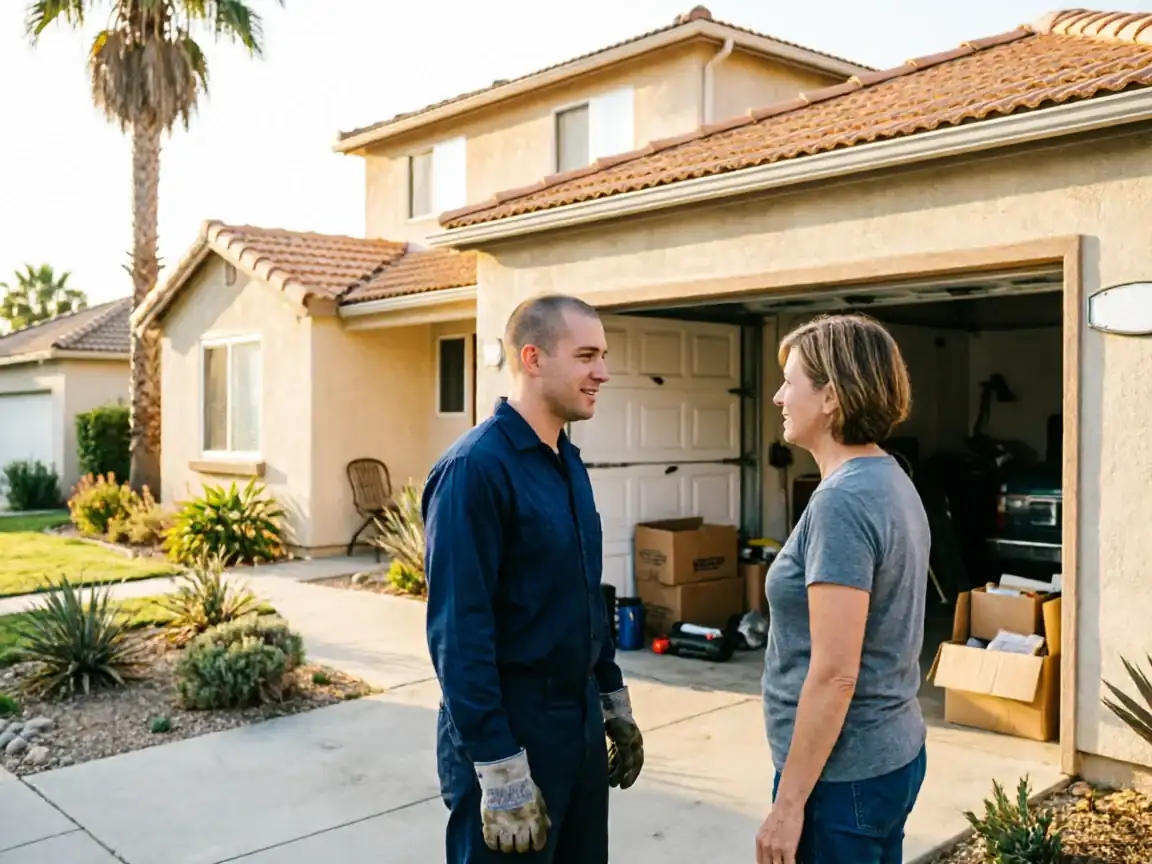
Artesia sits about nineteen miles from Hermosa Beach, the longest regular run the crew makes in this service area. That distance changes how a job gets scheduled, not how it gets done. A truck heading out this far isn't making two trips in a day if something's missing, so an install here gets planned with a full kit loaded before the truck leaves the yard - track, hardware, the spring sized for the door, fasteners, the works. If a measurement comes back off once the crew is on site, that's a second trip, and it's the one thing that stretches a timeline out here more than closer-in jobs like El Segundo or Palos Verdes Estates. Most single-door installs still run a single day once the crew is on site; it's the lead time to get everything right before the drive that matters more in Artesia than in a town three miles away. Booking a day with a reasonable weather window and confirming door width and headroom ahead of time keeps the trip a one-shot job instead of two.
Stocked Parts
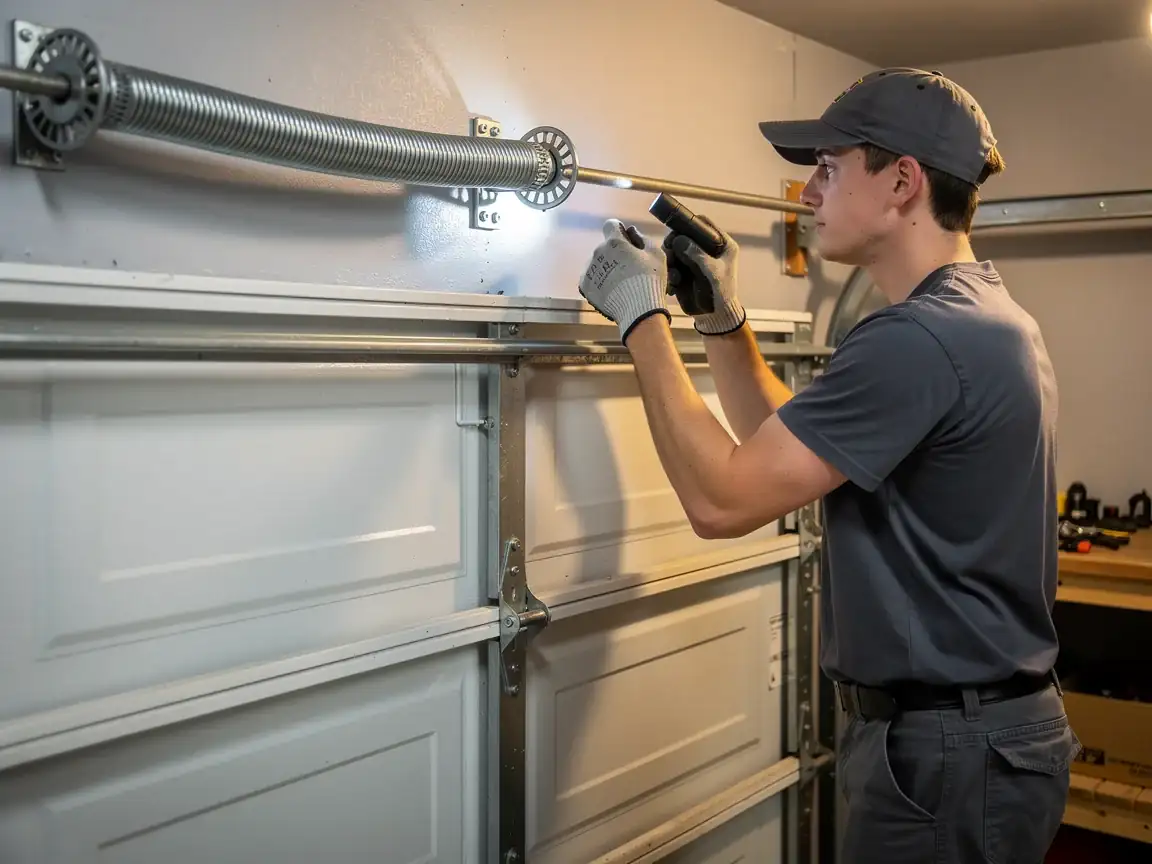
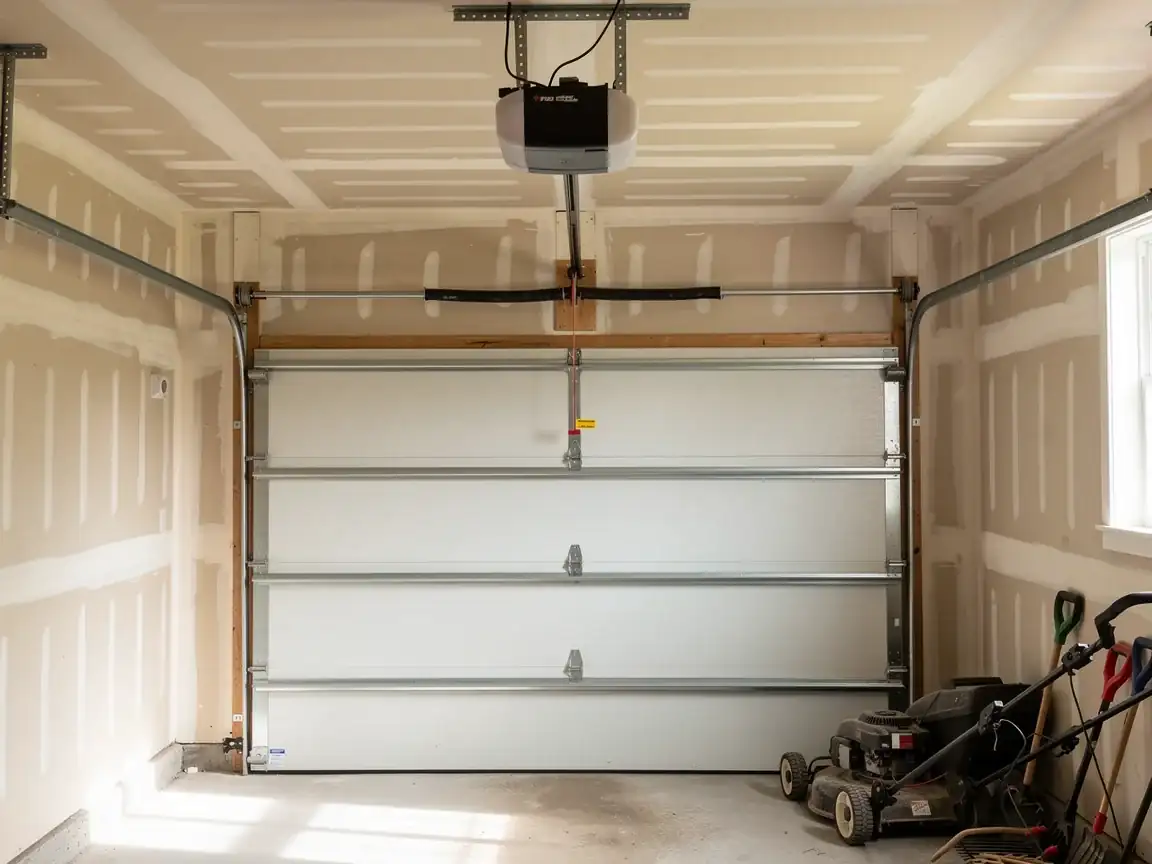
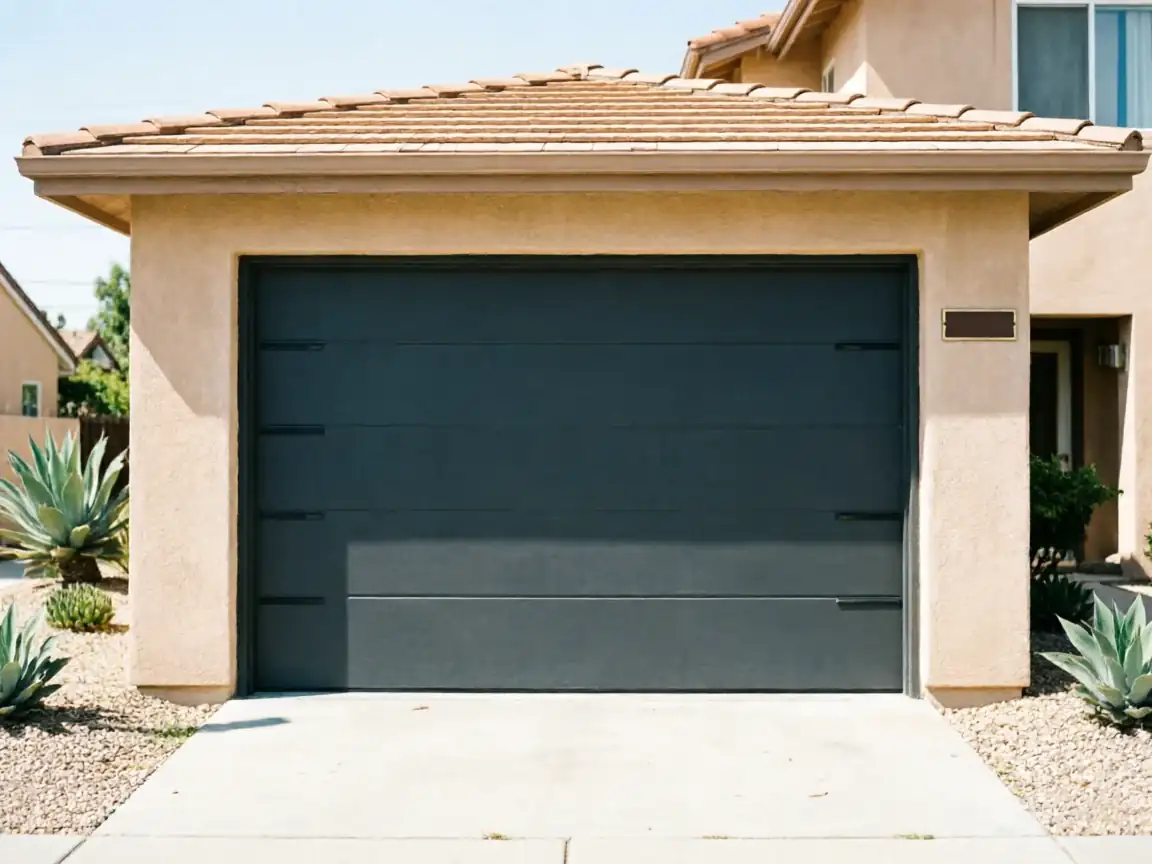
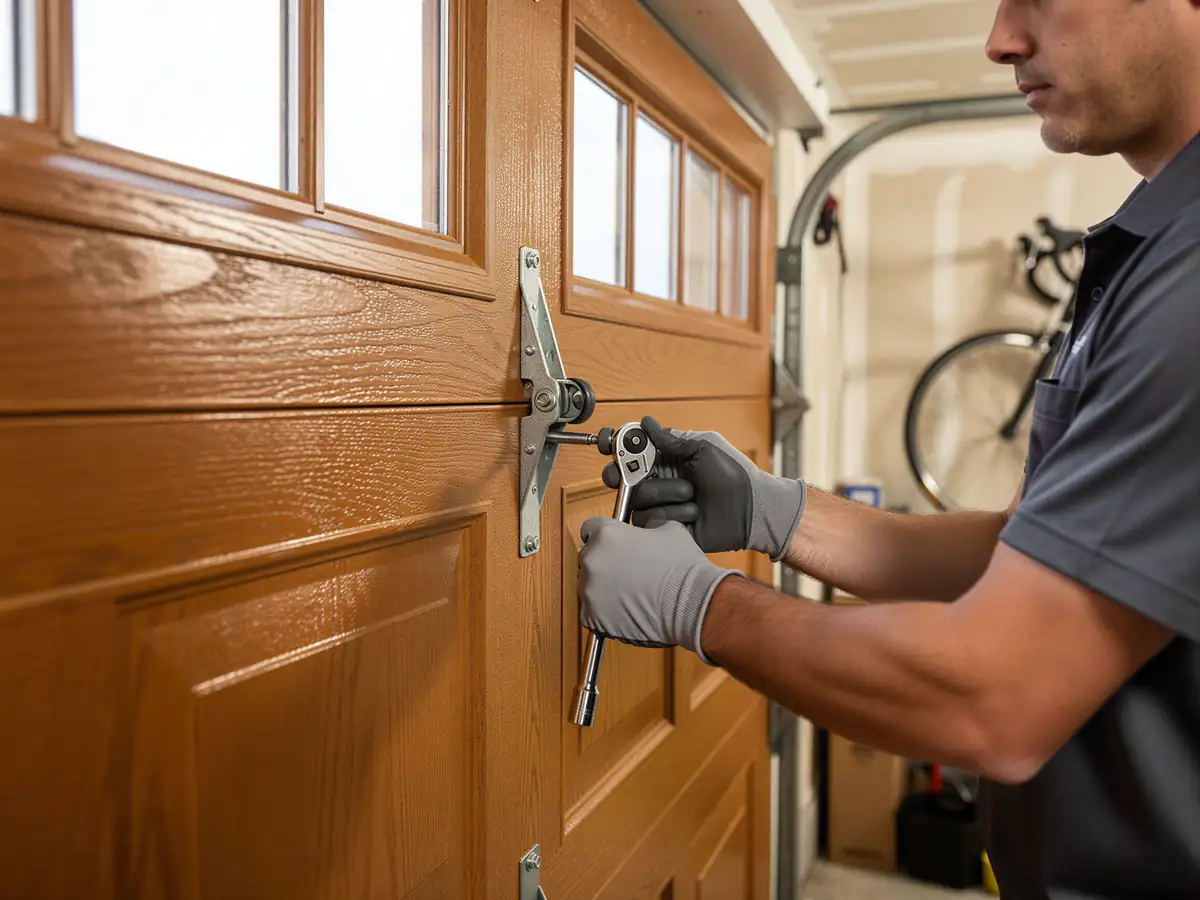
Houses in this part of Artesia mostly date to around 1965, which puts the neighborhood right in the middle of the service area's broader 1960s-70s building wave. That era means torsion spring setups that are standard enough to stock, but tracks and drums sized for older single-layer doors that don't match what's sold new today. When we pull a door on a house this age, we're usually not reusing the existing track or rollers - they're worn past spec and sized for a lighter door than what goes back up. We carry common torsion spring sizes, standard 2-inch track sections, and nylon rollers on the truck for exactly this reason. What we don't carry is odd hardware for doors that were custom-built decades ago; if a house has a non-standard opening or a track configuration from a past renovation, that's a parts-order delay we'll flag before we start, not after.
Where This Job Goes Sideways
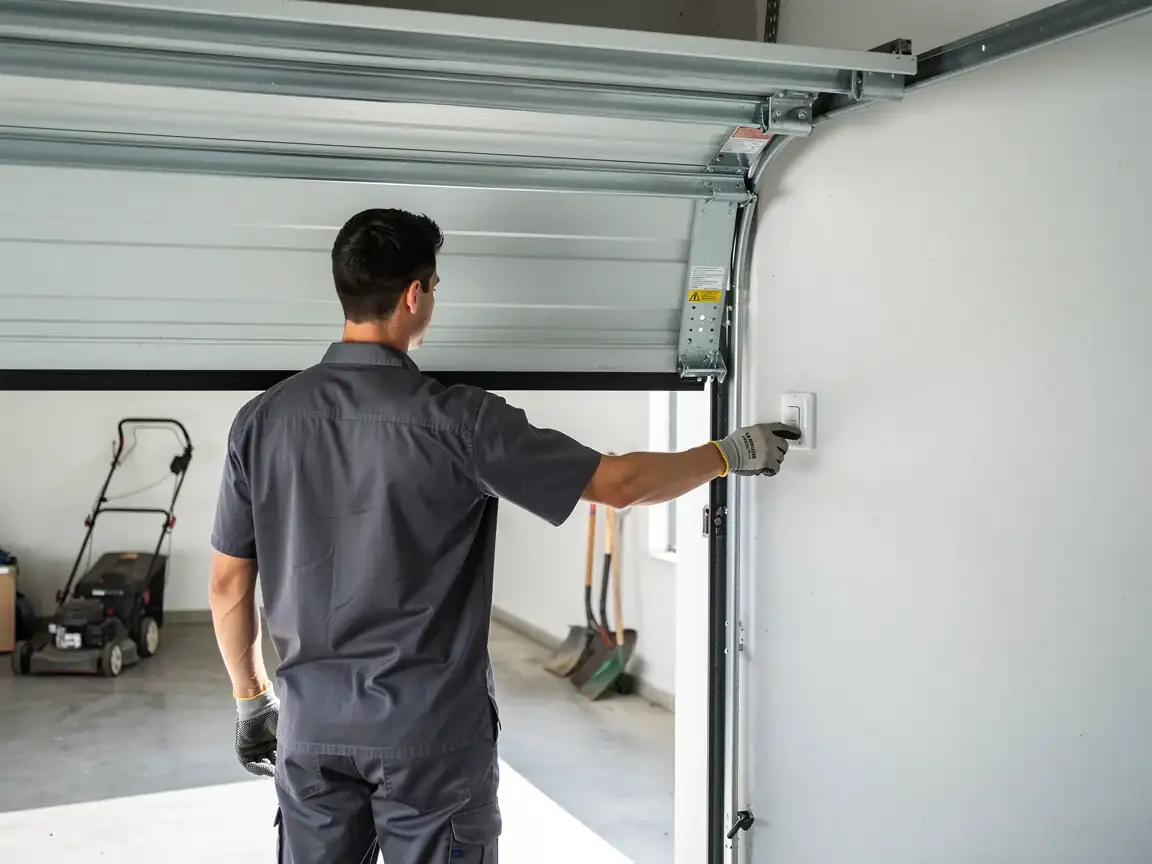
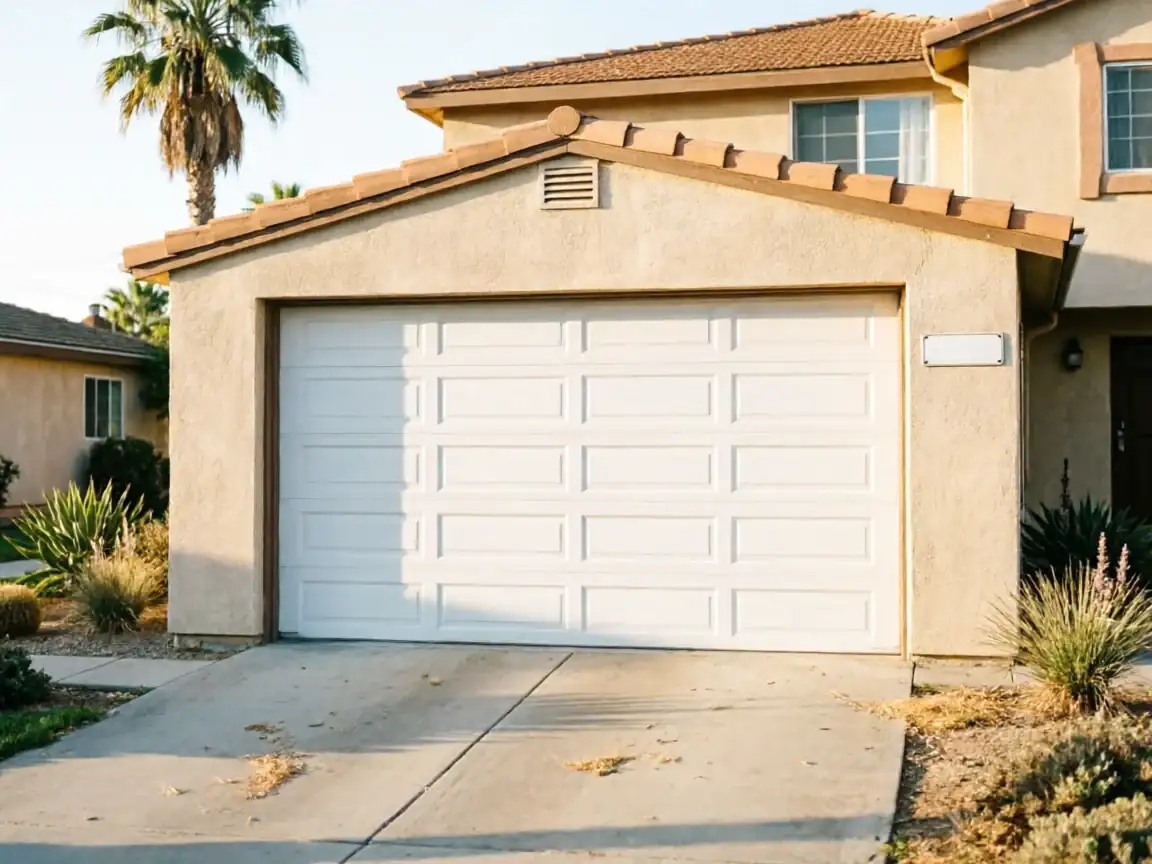
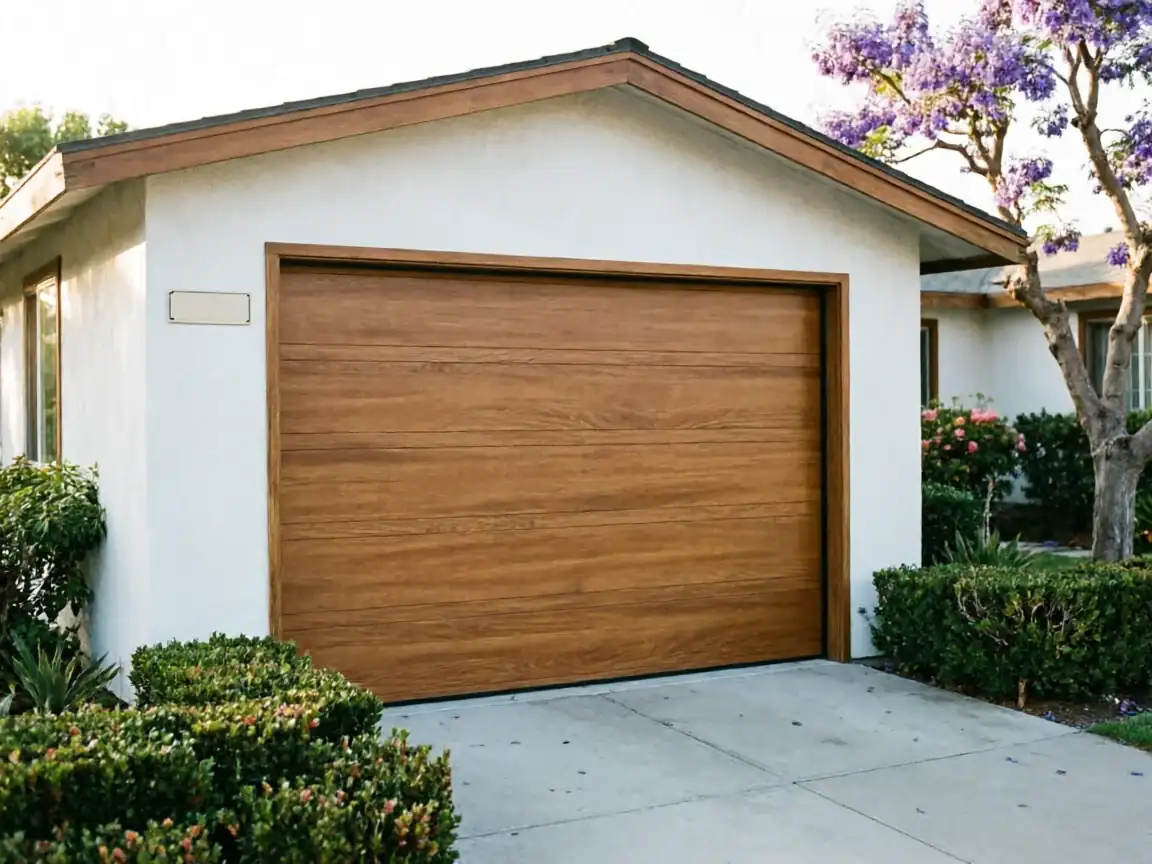
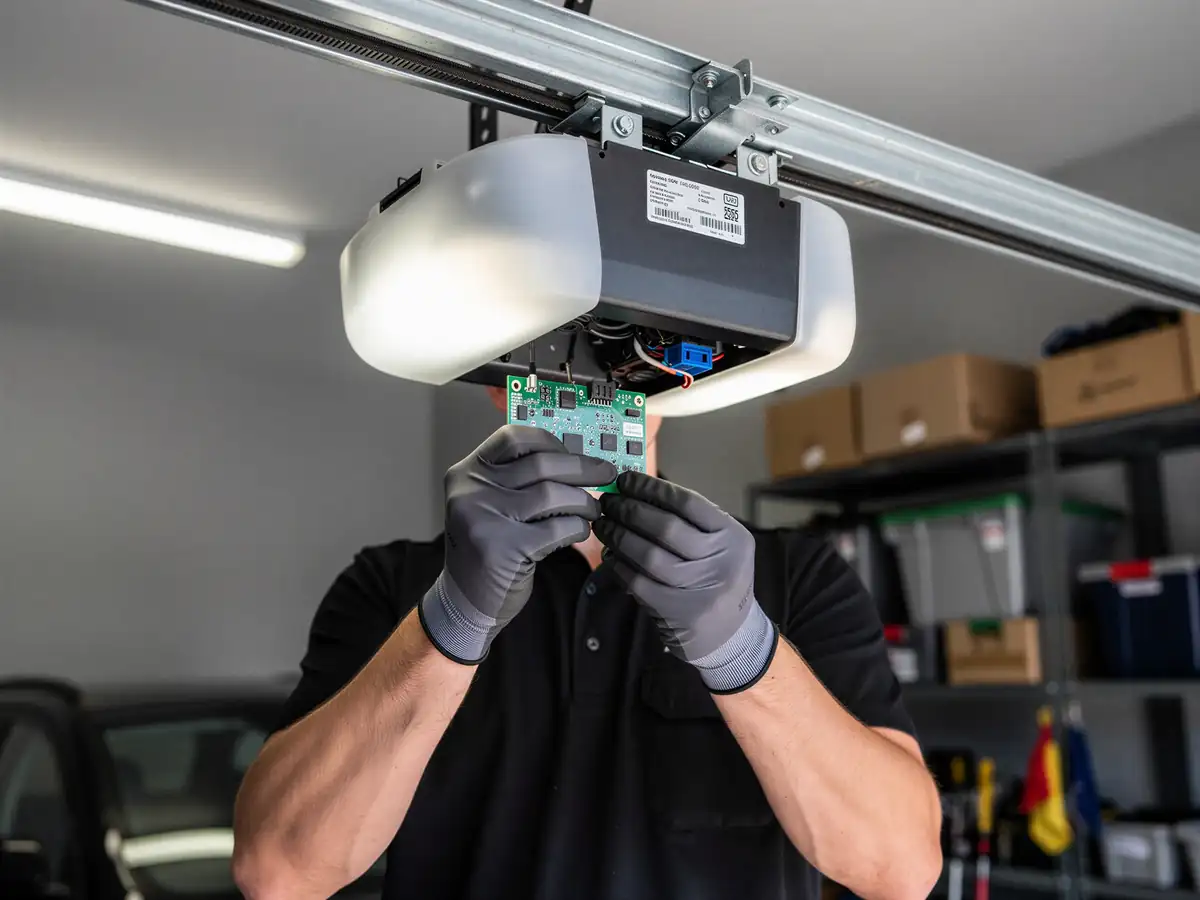
The usual snag on a 1960s-era house is the opening itself. Houses built when Artesia's housing stock went up weren't always framed to today's standard door widths, and a jamb that's an inch narrow or a header that sits lower than expected turns a straight swap into a carpentry job nobody quoted for. The other spot things go sideways: old electrical. A garage built in 1965 often wasn't wired with a dedicated outlet anywhere near the header, and a new opener needs one. We'll catch both on the walkthrough, but if the opening needs reframing or the garage needs an outlet run, that's outside a standard install and either gets handled as an add-on or handed off, depending on scope. We'd rather flag it before the old door comes off than discover it with the opening sitting empty.