Time on the Job
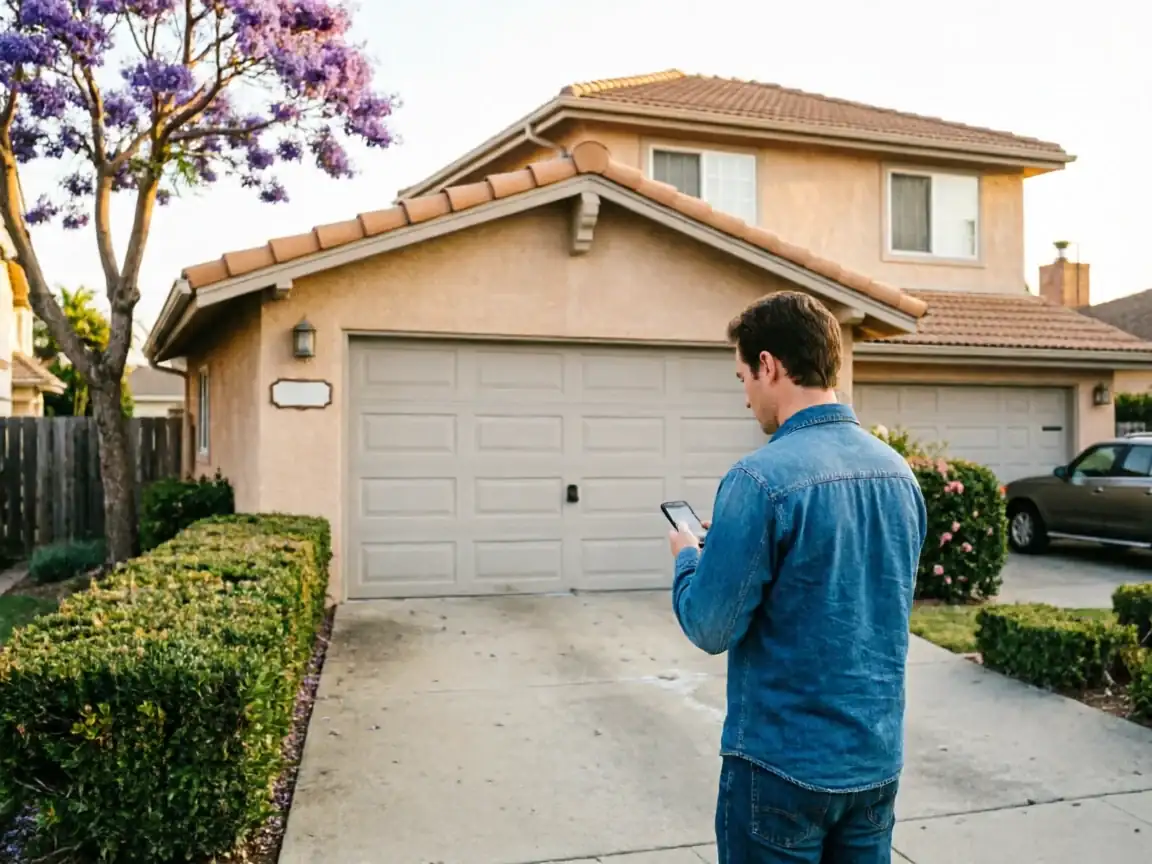
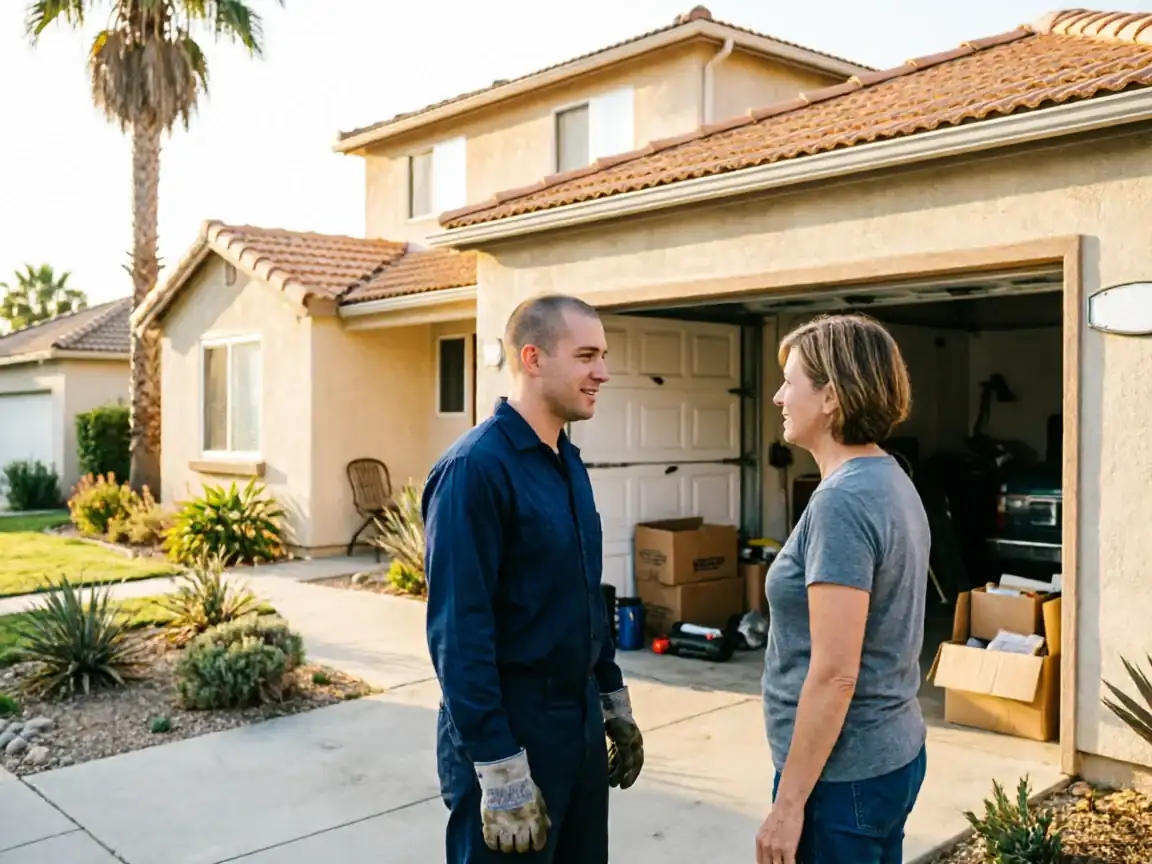
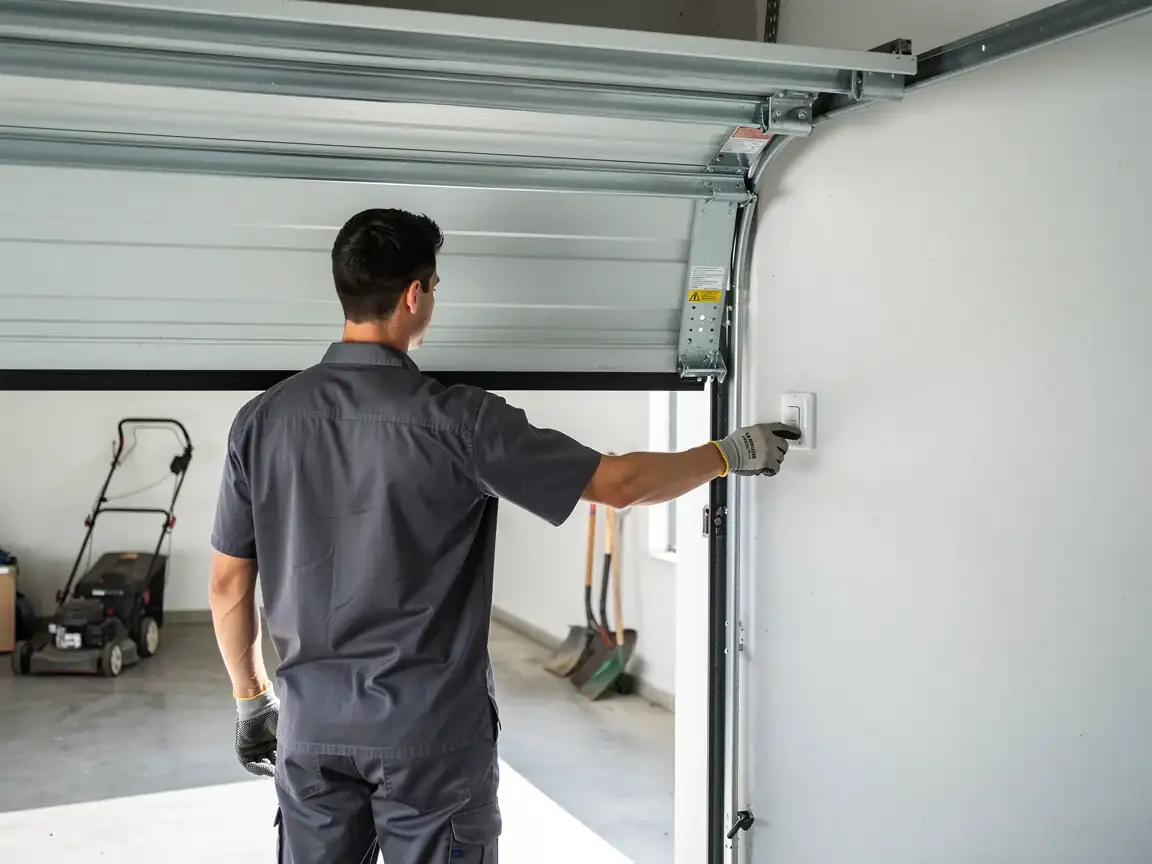
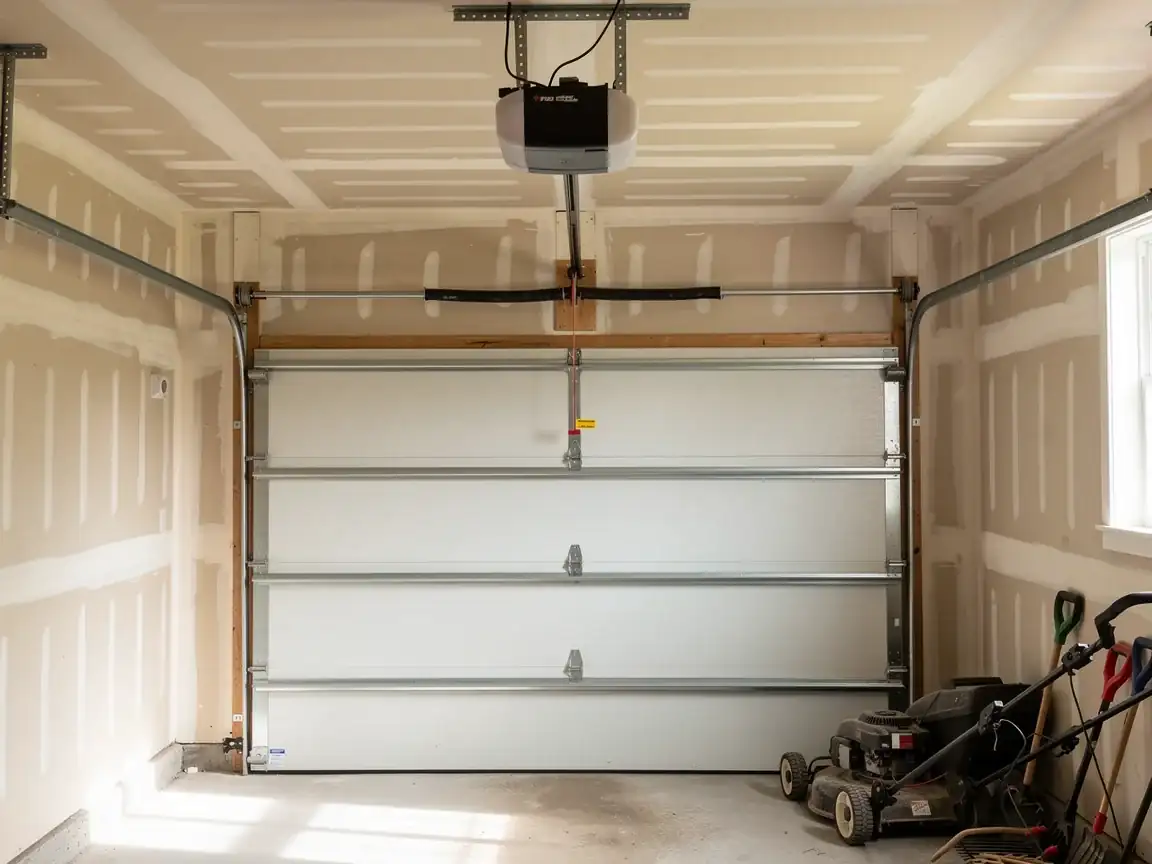
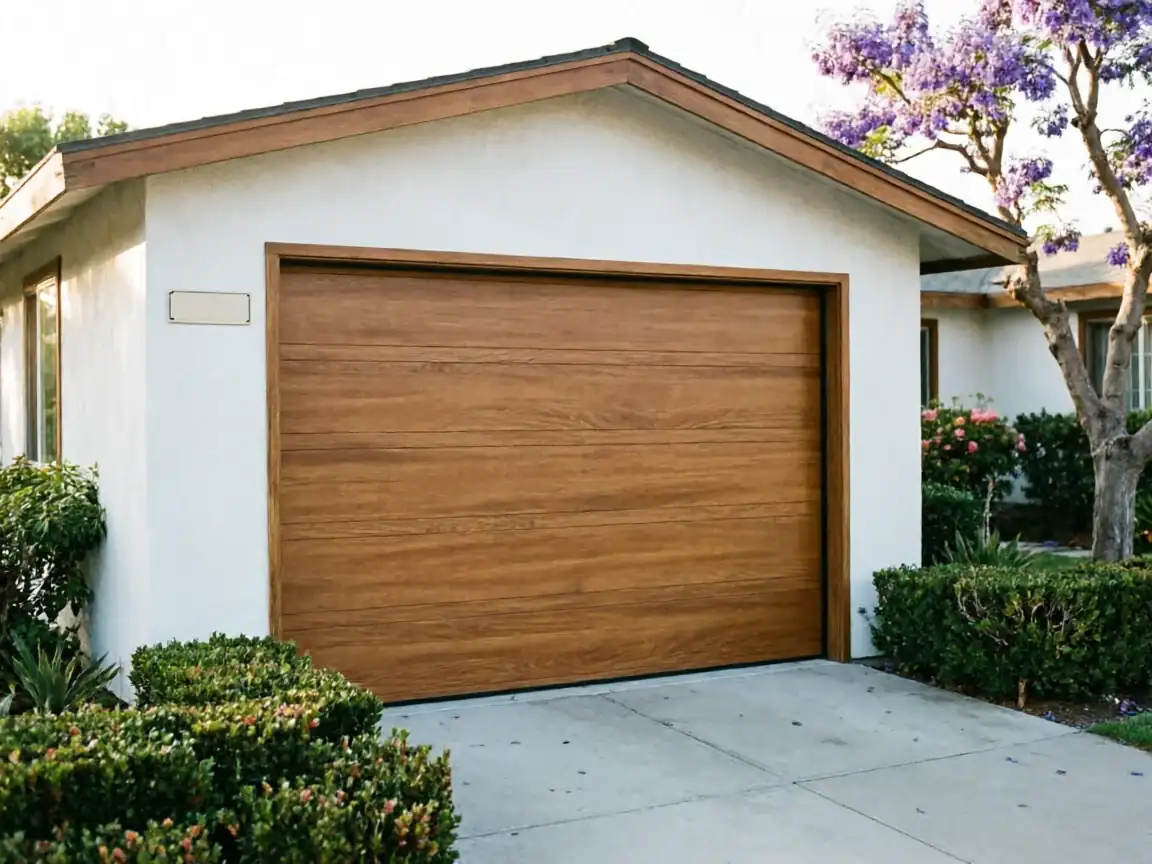
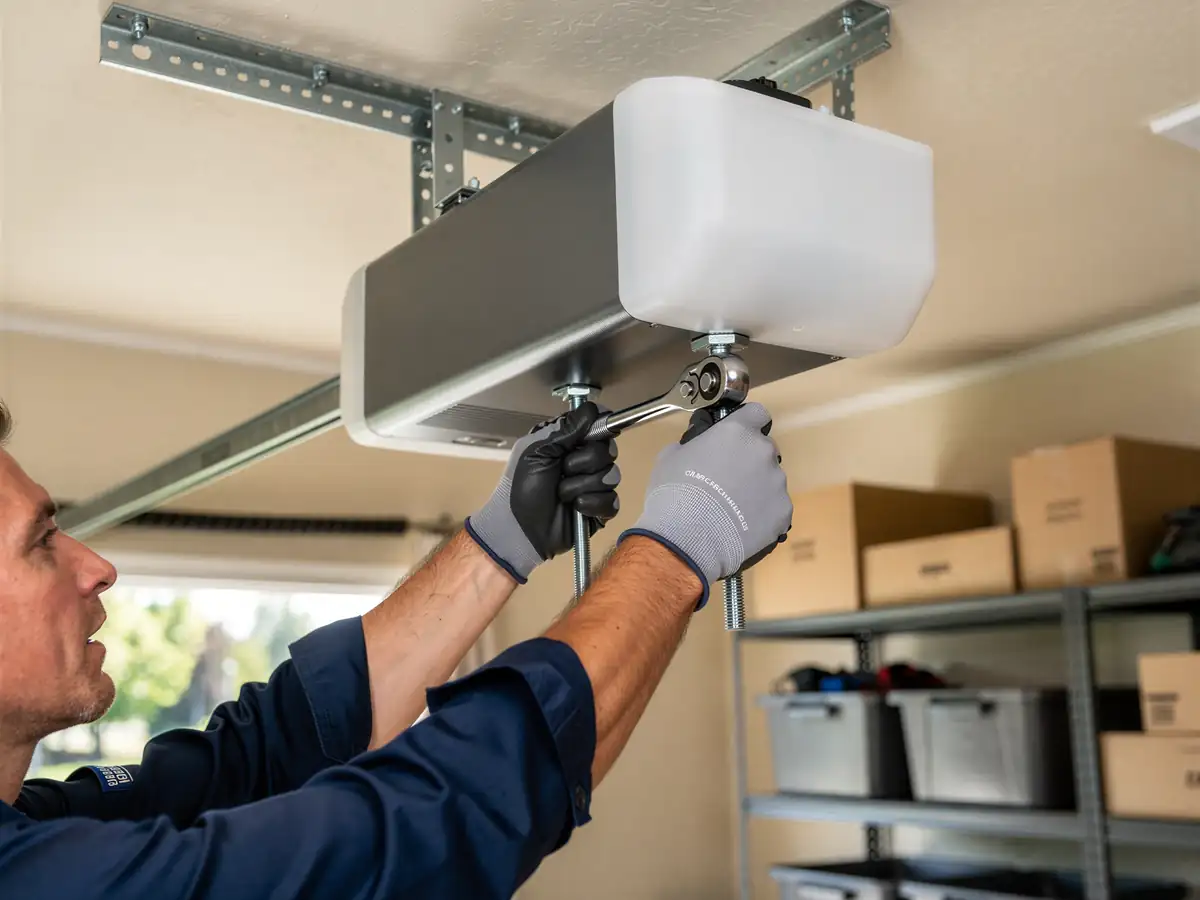
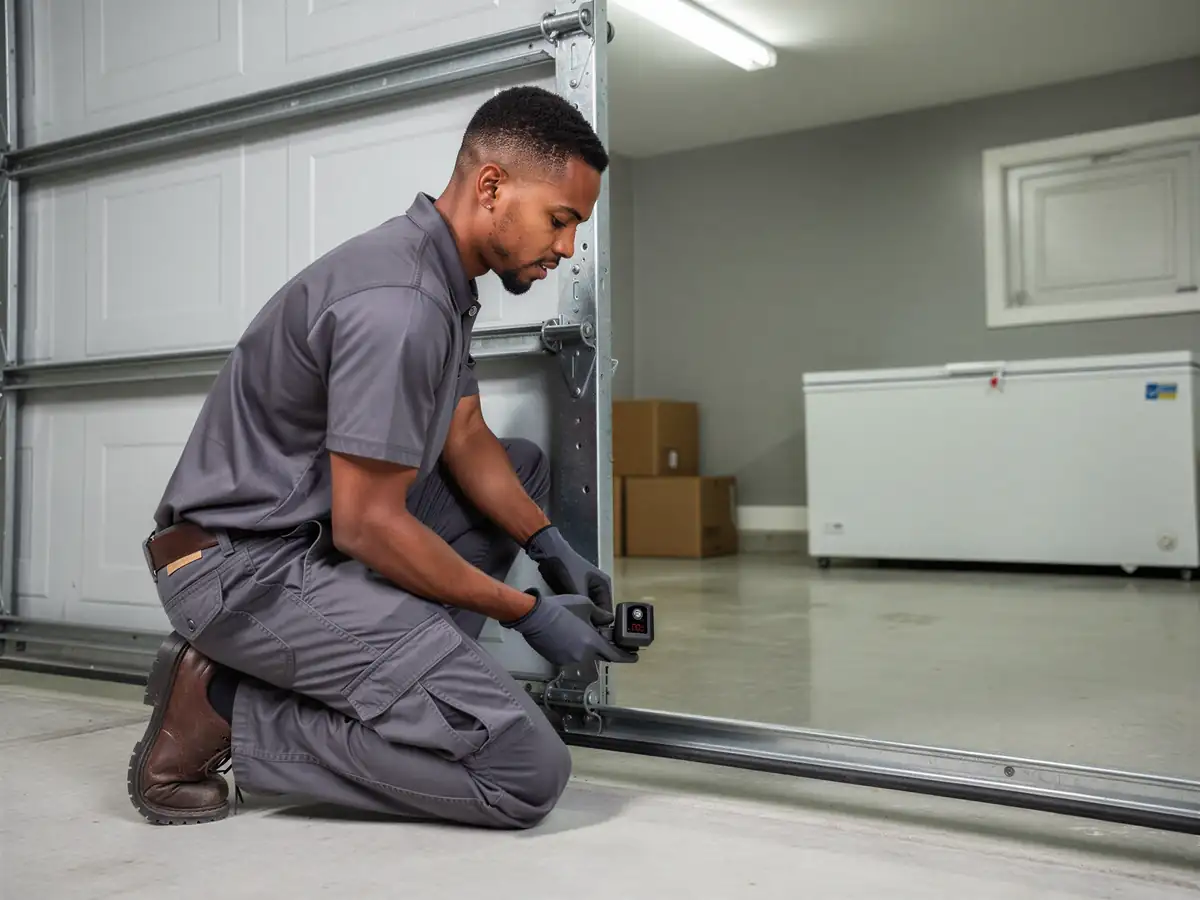
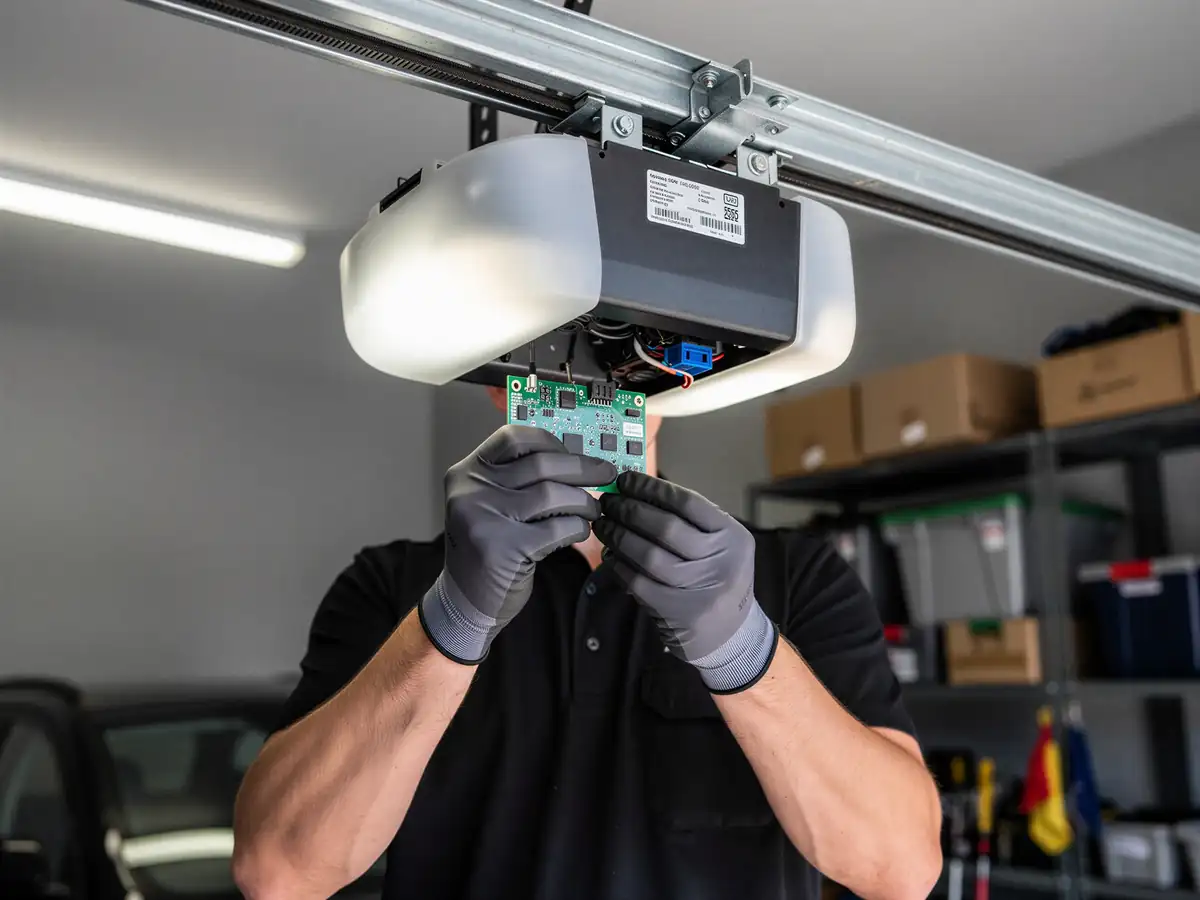
Artesia's housing stock centers on 1965, which means a lot of garages still have the opener that came with a remodel sometime in the 70s or 80s, bolted to a header bracket nobody has touched since. We drive the 19 miles out from Hermosa Beach knowing that before we even open the truck, the fix usually isn't the opener head itself - it's the travel limits, the drive gear, or a safety sensor pair that was added later and never aligned right. On a straightforward chain-drive swap or logic board reset, we're typically done within a couple hours of arrival, door tested through a full cycle before we leave. If the opener is wired into an old doorbell transformer or shares a circuit with something else in the garage, that adds time we can't promise away. We don't pad the clock, but we also don't rush a safety-reversal test to hit a number.
Stocked Parts
With roughly 4,379 households in Artesia and a housing stock mostly from the 1960s and 70s across the wider area, the openers we see here cluster around a handful of drive types: older chain-drive units, some screw-drive from later remodels, and the occasional belt-drive retrofit from a more recent door swap. We carry the sensor pairs, trolley carriages, and drive gears that fail most often on units from that era. What we don't stock on the truck is a replacement logic board for every obsolete opener model ever sold - some of those have to be sourced, and if yours is one of them, we'll tell you that up front instead of guessing at a same-day fix.
Where This Job Goes Sideways
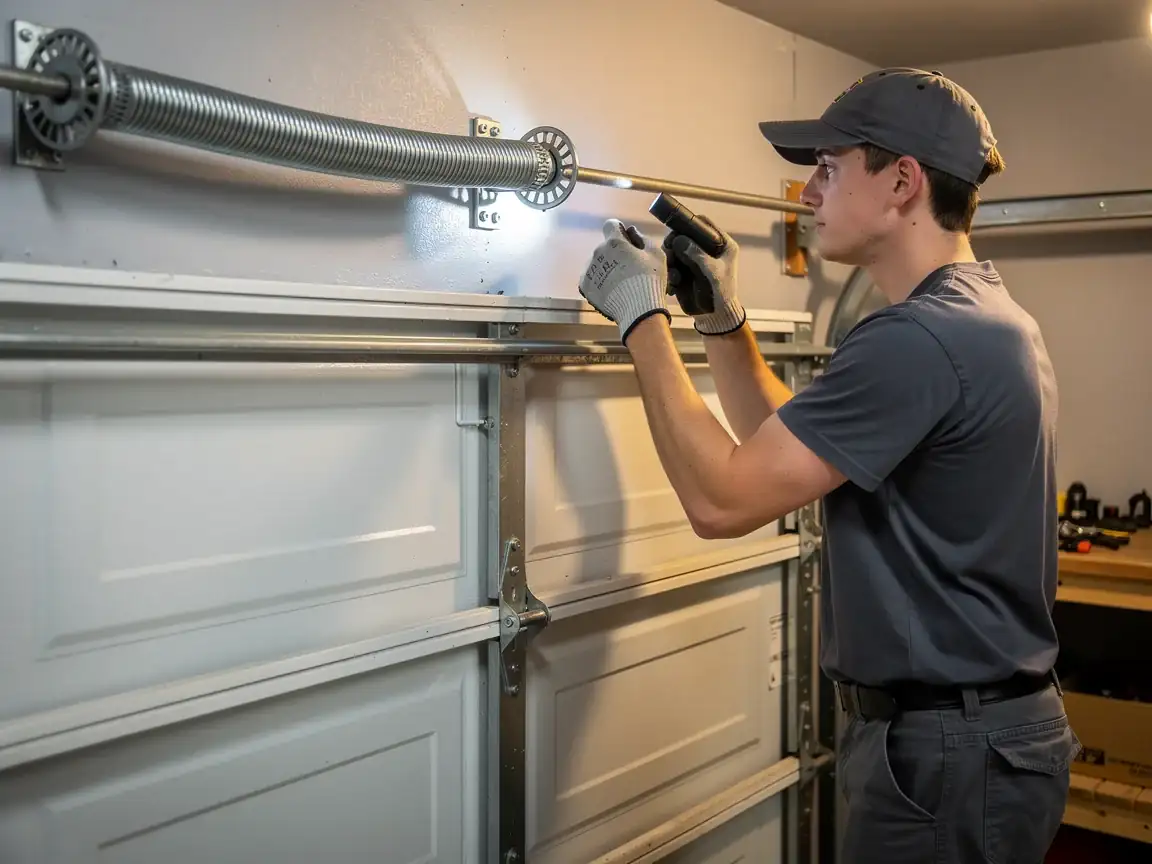
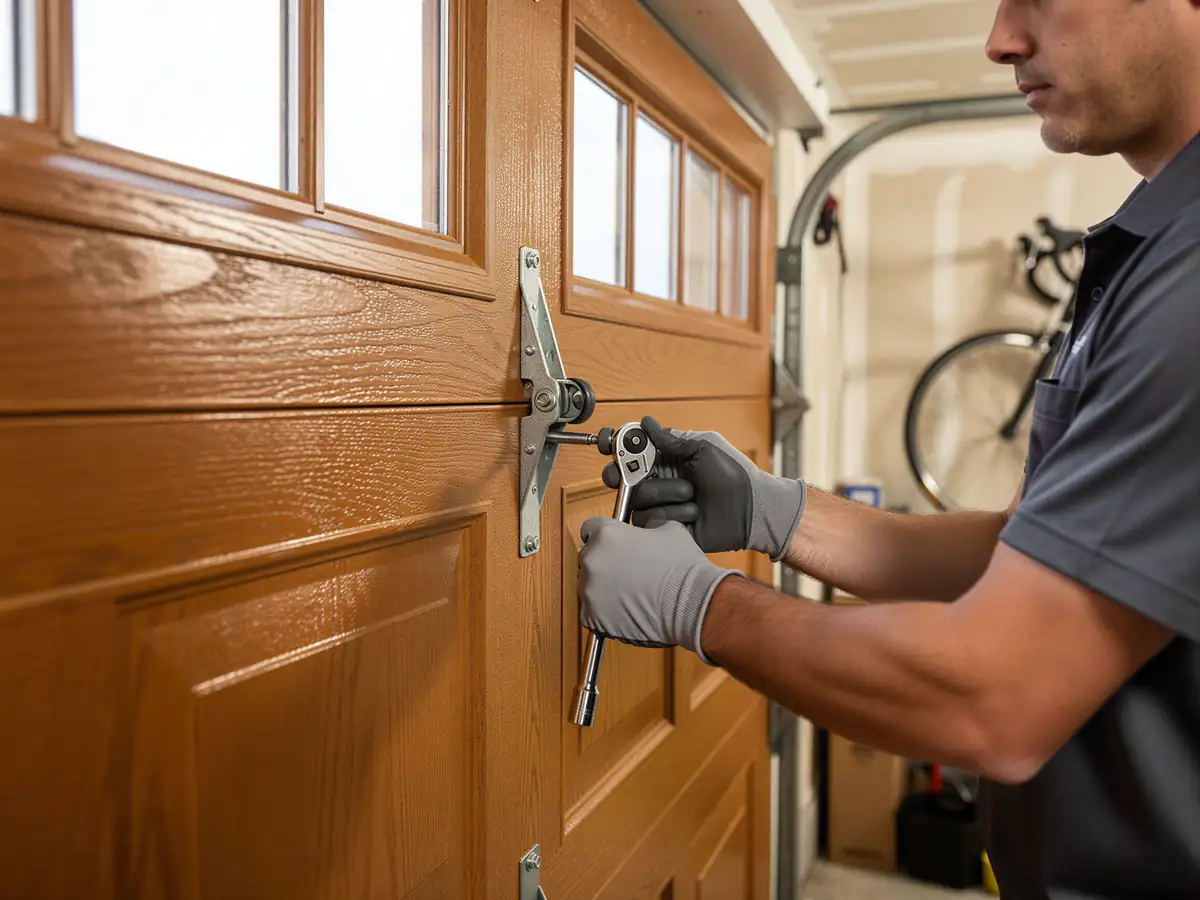
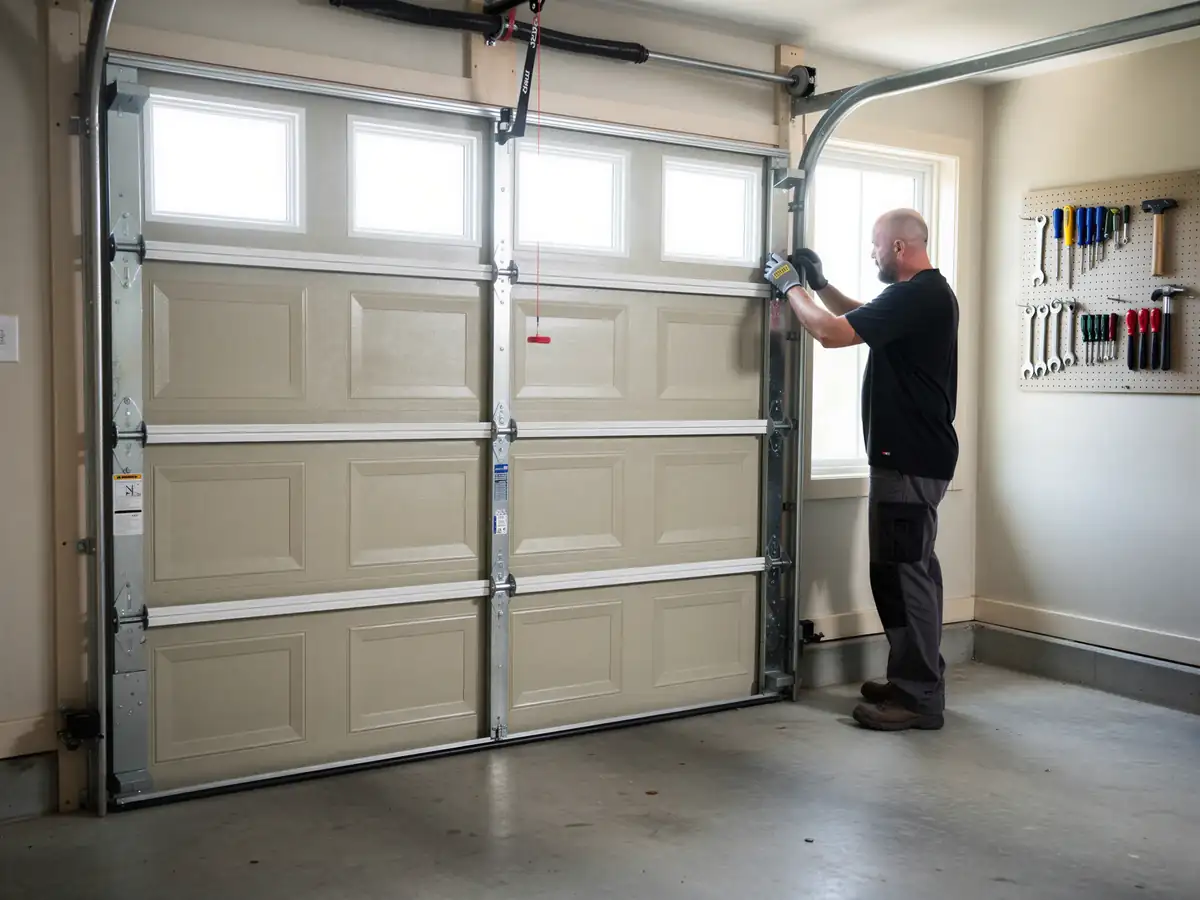
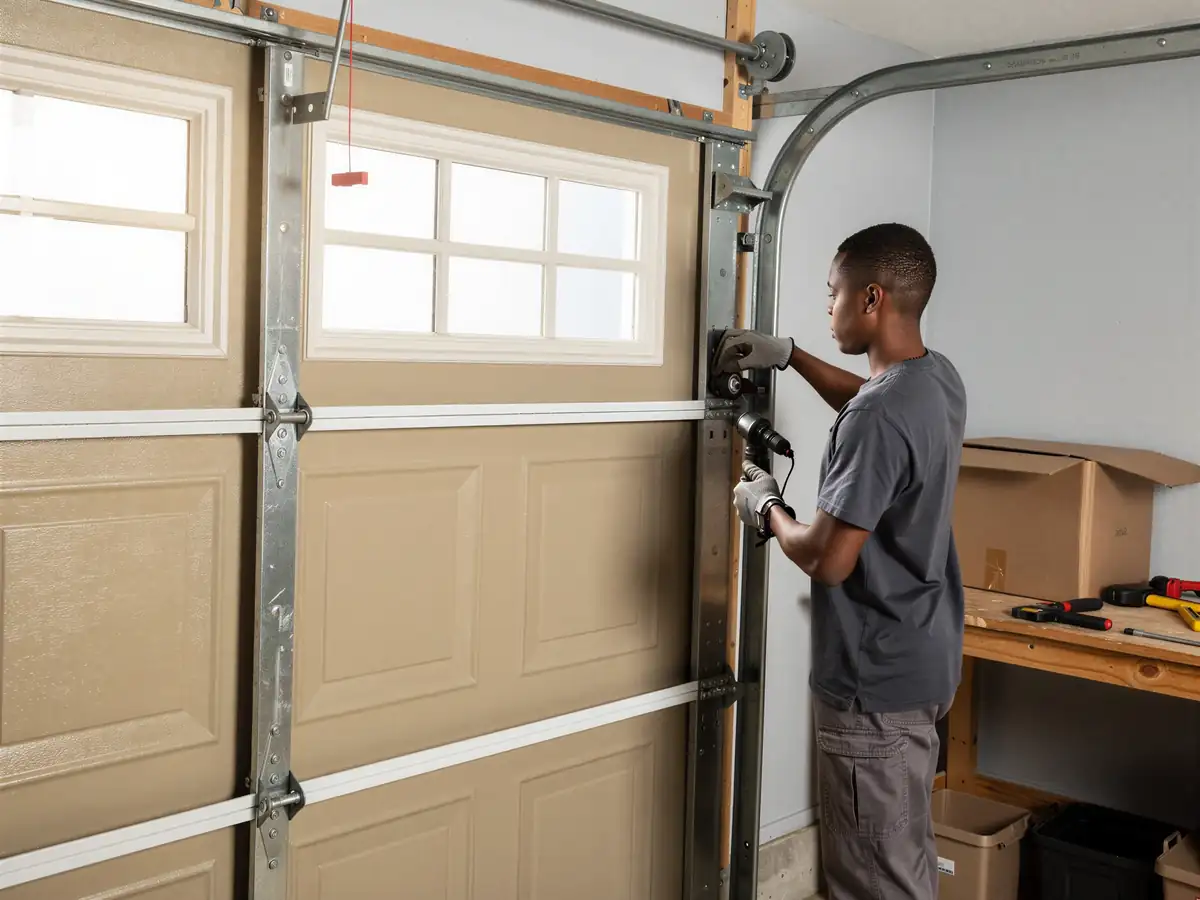
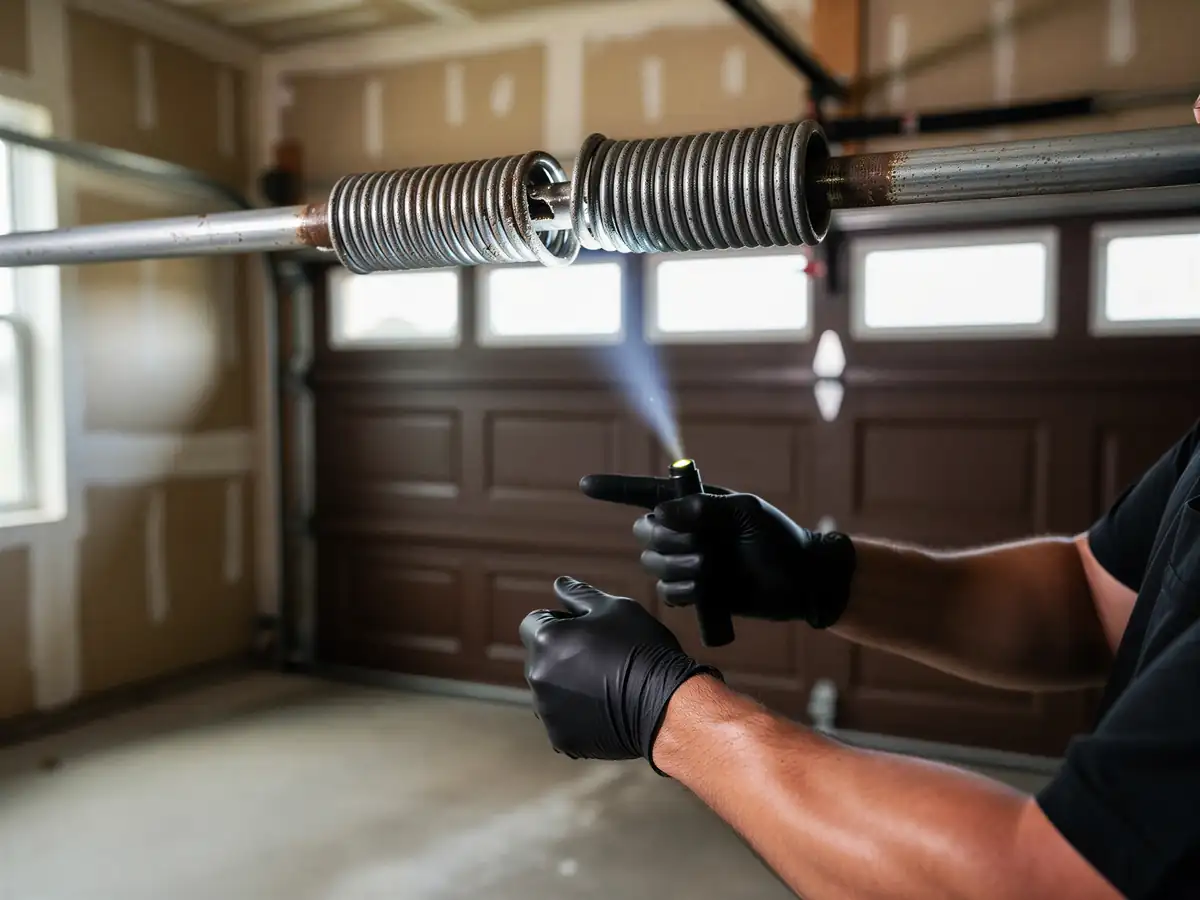
The call that starts as "opener won't close" and ends up being a spring or cable problem is common in a town where the opener and the door hardware are the same age. A chain-drive unit from the 70s will keep straining against a spring that's lost tension for years before it finally throws a code or stalls mid-travel - the opener takes the blame, but the spring did the damage. We check the door's balance before we touch the opener itself, because replacing a motor on a door that's fighting bad springs just burns out the next one faster. If we find that's the actual problem, we'll say so rather than hand back a working opener bolted to a door that's still broken.