Time on the Job
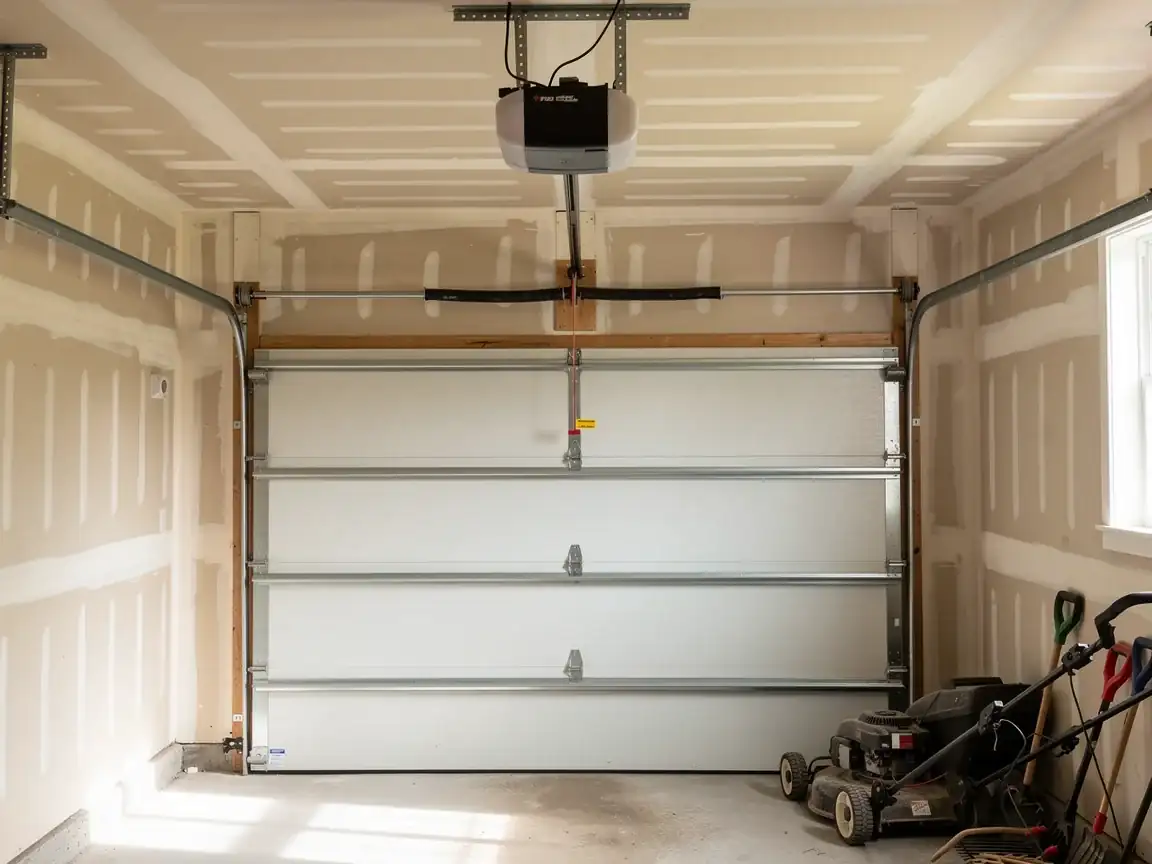
Most of what slows an opener install down in Artesia isn't the opener itself, it's what's behind the header. Homes here were mostly built around 1965, and that means the garage was framed for a door that never expected a motor hanging off the rafters. There's often no outlet within reach of where the unit mounts, and the header board itself can be thinner than what a modern opener bracket wants to grab onto.
We budget extra time on these jobs for exactly that reason - running a new circuit, sistering a header board, or relocating the wall control because the original light switch location doesn't work for a keypad. A straightforward swap-and-go install on a newer house might take an hour. On an Artesia garage from this era, add time for the electrical and framing fixes before the opener ever gets bolted up. We tell you that up front instead of discovering it on-site and surprising you with a longer bill.
Stocked Parts
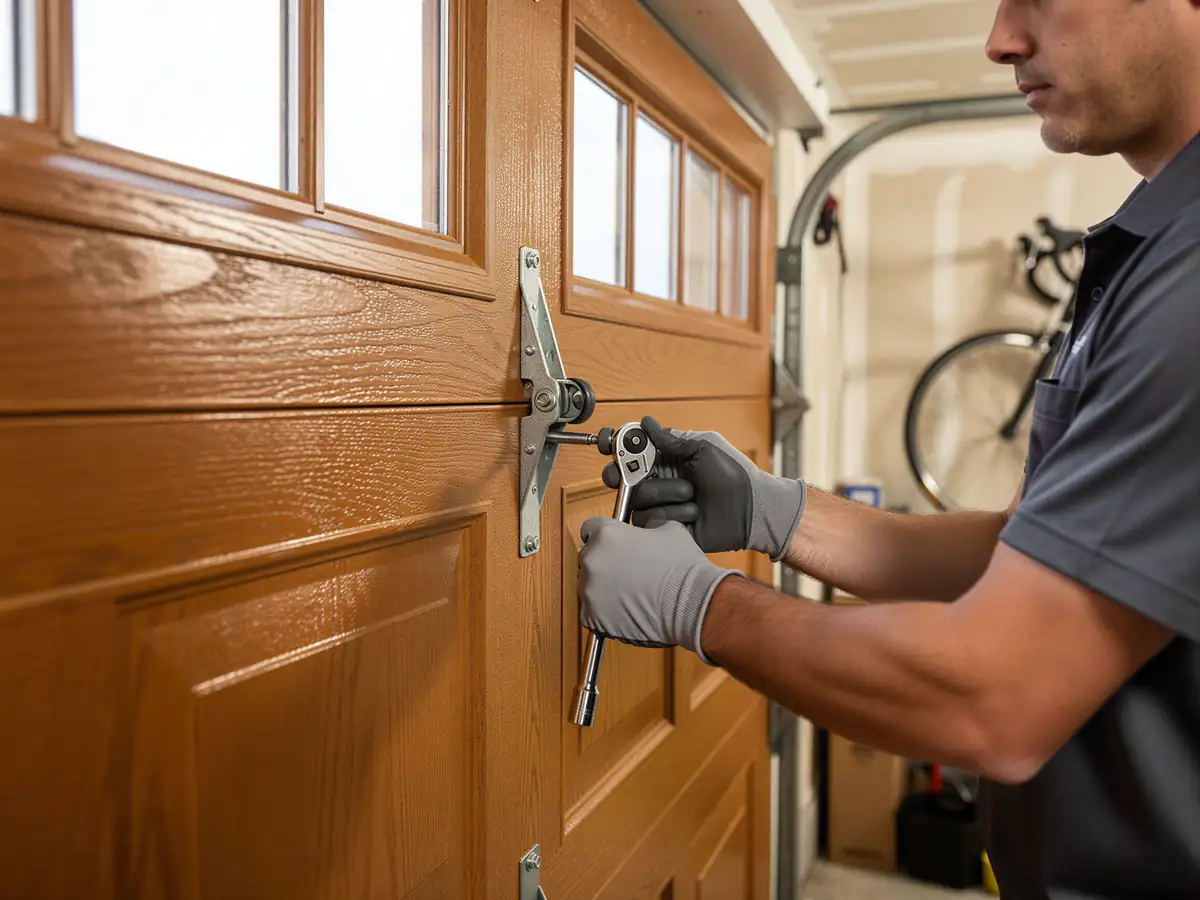
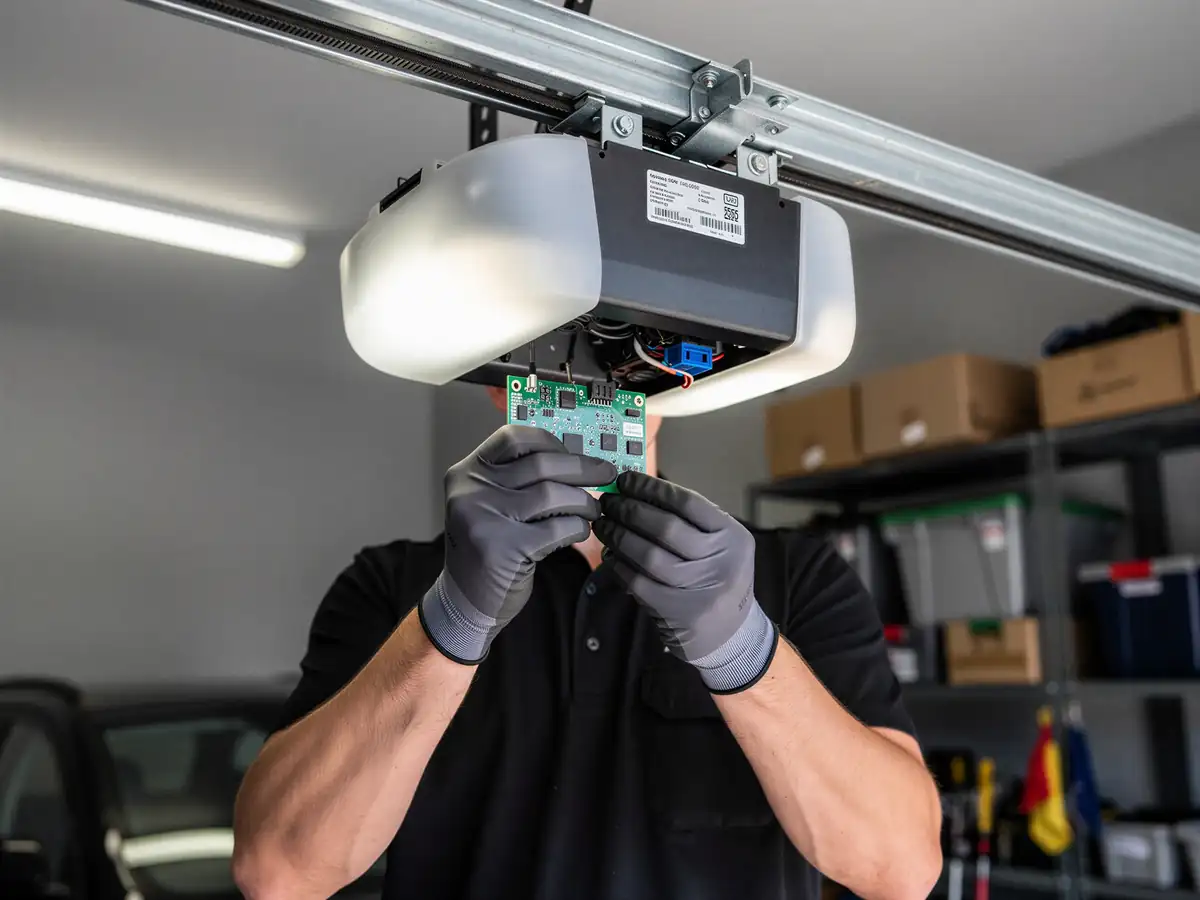
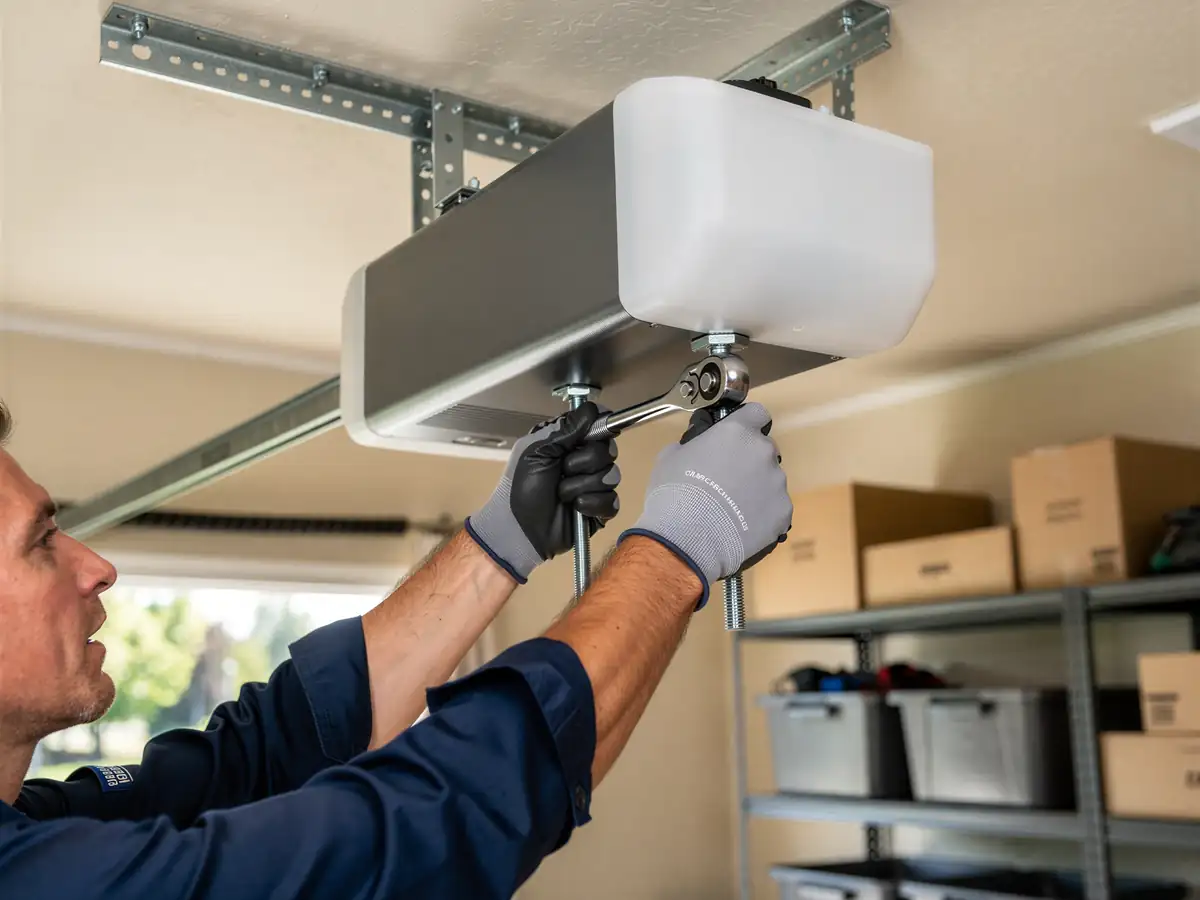
We carry openers and the mounting hardware that fits both old and current door setups - the brackets and rail supports made for a 1960s-70s header look different from what ships with a big-box opener kit today. We keep those adapter brackets on the truck because Artesia's housing stock calls for them often enough that showing up without them means a wasted trip.
What we don't stock is every safety sensor bracket for every door brand ever sold. If your door track is an odd width or an obsolete profile, the sensor mount might need to be ordered, and that's a lead time we can't shorten. We'll tell you at the first visit if that's the case rather than let you assume the job finishes same-day.
Where This Job Goes Sideways
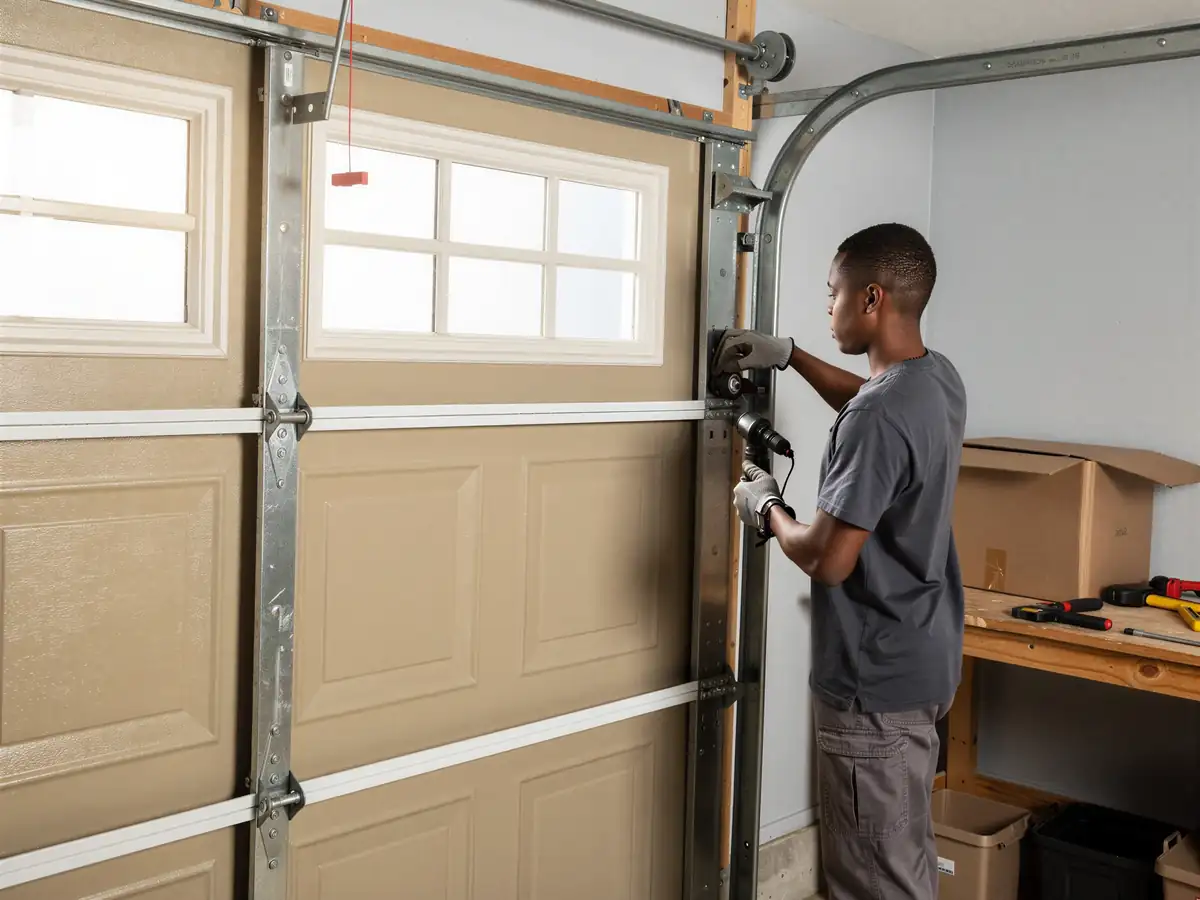
The failure point we see most in houses from this era is the door itself outweighing the opener. A heavier original wood door, or a steel replacement door hung without matching springs, puts strain on a modern opener's motor and drive gear that it wasn't built to handle. The opener will run, then struggle, then burn out early - sometimes within a year.
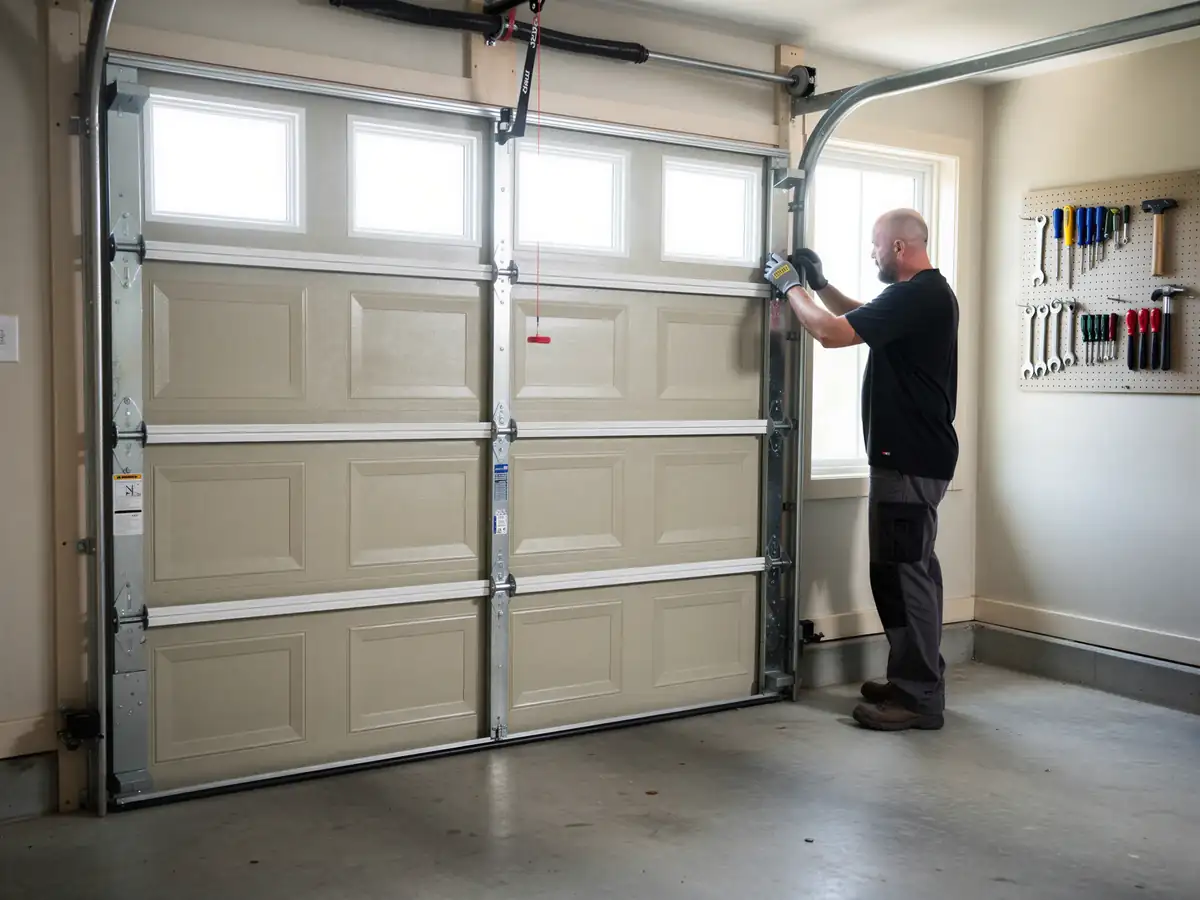
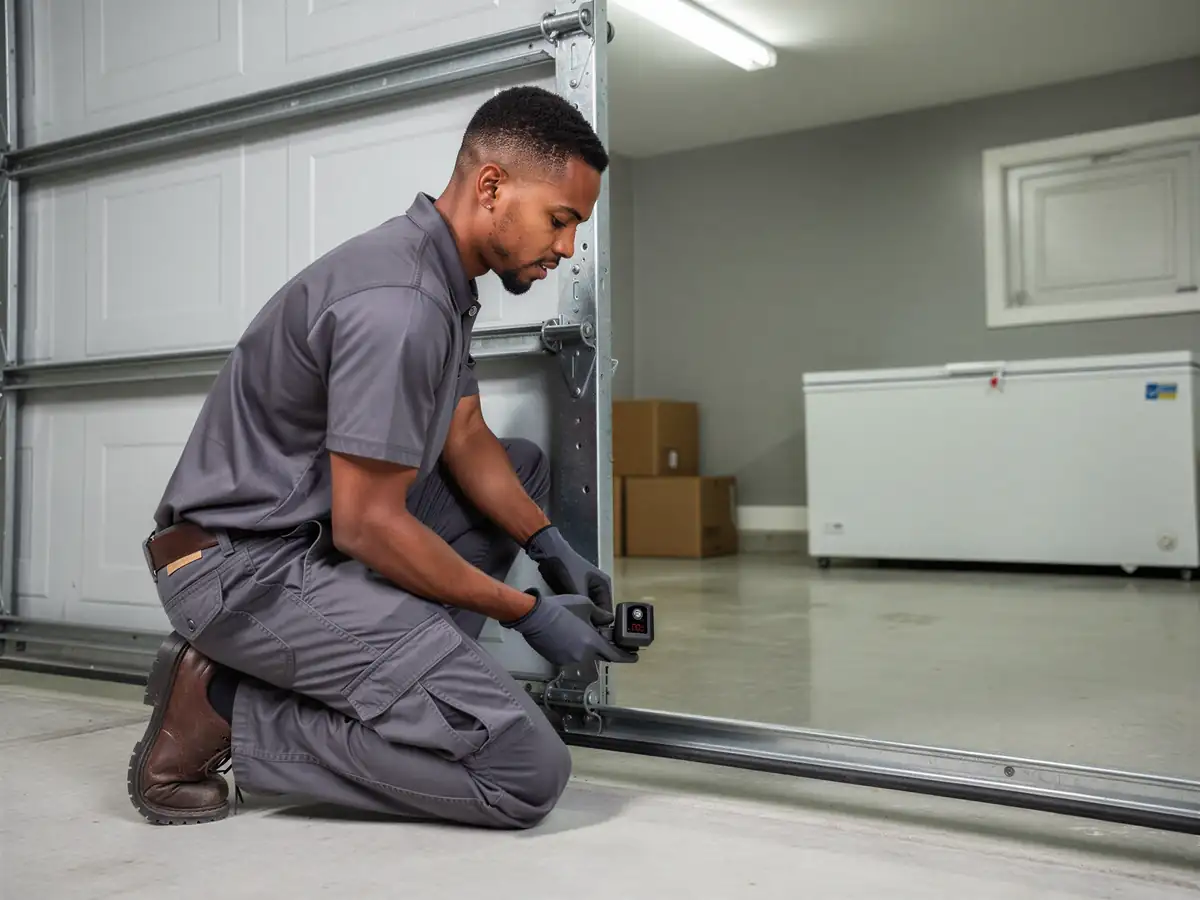
The other spot it goes sideways is the safety reverse system. Older garages often lack the floor clearance or door track geometry that current eye-beam sensors expect. We mount around that, but if a door's track is bent or the floor's uneven right where the sensors need to sit level, that's a separate repair, not an install extra. We'll flag it rather than bolt sensors to a track that won't hold alignment.
Why It Happens Here
Artesia's housing stock centers on the mid-1960s
Which puts most garages in that awkward middle ground - old enough that original hardware is undersized for a modern opener, not old enough to have the oversized framing of a pre-war build. Add the area's mild year-round climate, and these doors don't get the wood swelling or metal contraction issues that force early replacement in harsher climates - so a lot of original doors and tracks are still in service decades later, paired with openers that have been swapped two or three times over.
That combination - original door, newer opener, original track and header
Is exactly what produces the mismatch issues above. It's not a flaw specific to this neighborhood; it's what you get when a house this age gets opener upgrades without anyone checking whether the door and track were ever designed for one.