Stocked Parts
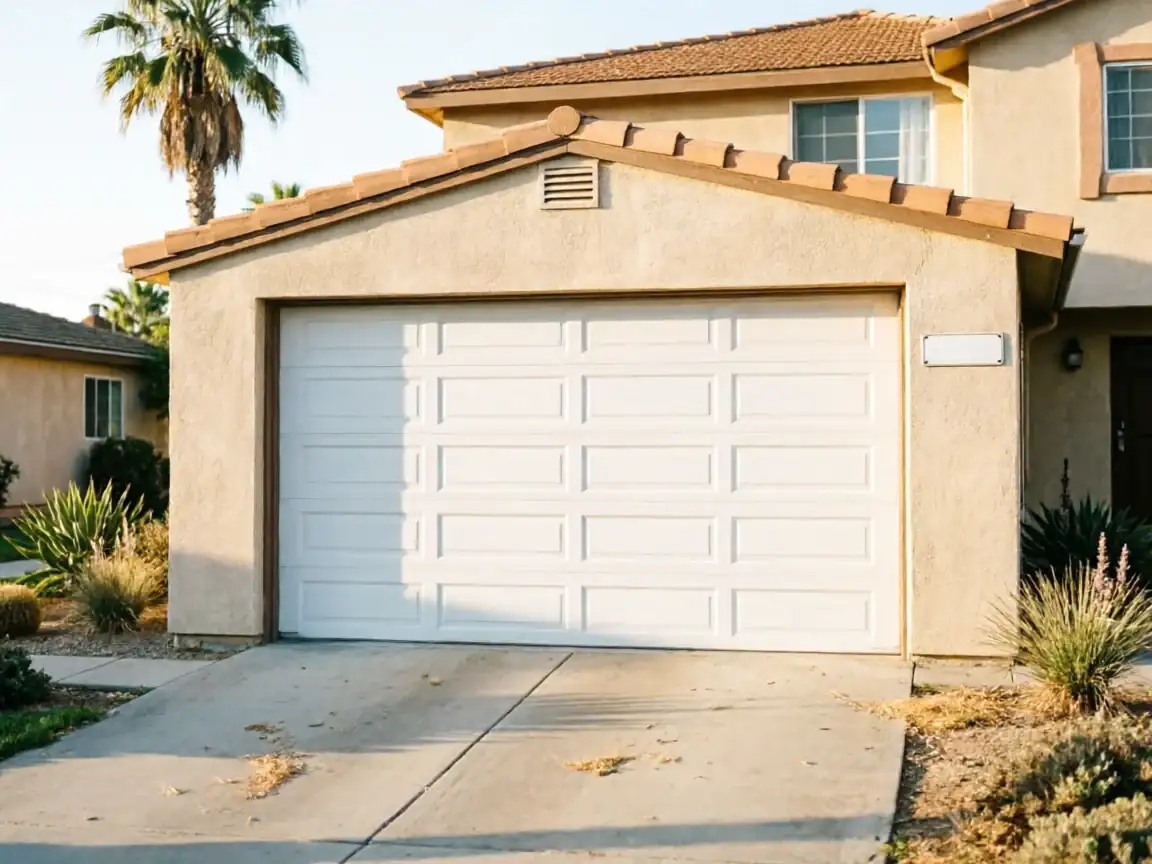
Rossmoor is a small stop on our route - about 3,970 households, a fraction of the 86,713 households spread across the rest of the territory we cover. That size matters for what we carry on the truck. A town this compact doesn't generate a wide mix of door ages and styles the way a bigger city does; it generates a concentrated one. With a median build year of 1959 here, most of the doors we're called to are matched to torsion springs and hardware sized for that era's steel sectional doors, not the wider, taller openings builders use now. So instead of loading the truck for every possible door width, we load it for the sizes that actually show up on a Rossmoor call: standard 7-foot and 16-foot double openings, legacy torsion springs wound for the lighter panel weights of that period, and the roller and cable sizes that go with them. The limitation is the flip side of that - if a job needs an odd or custom-width part outside that common range, we may need to order it rather than carry it, and that can add a day or two before the final fix goes in, even though we can usually get the door safe and closed the same visit.
The DIY Question
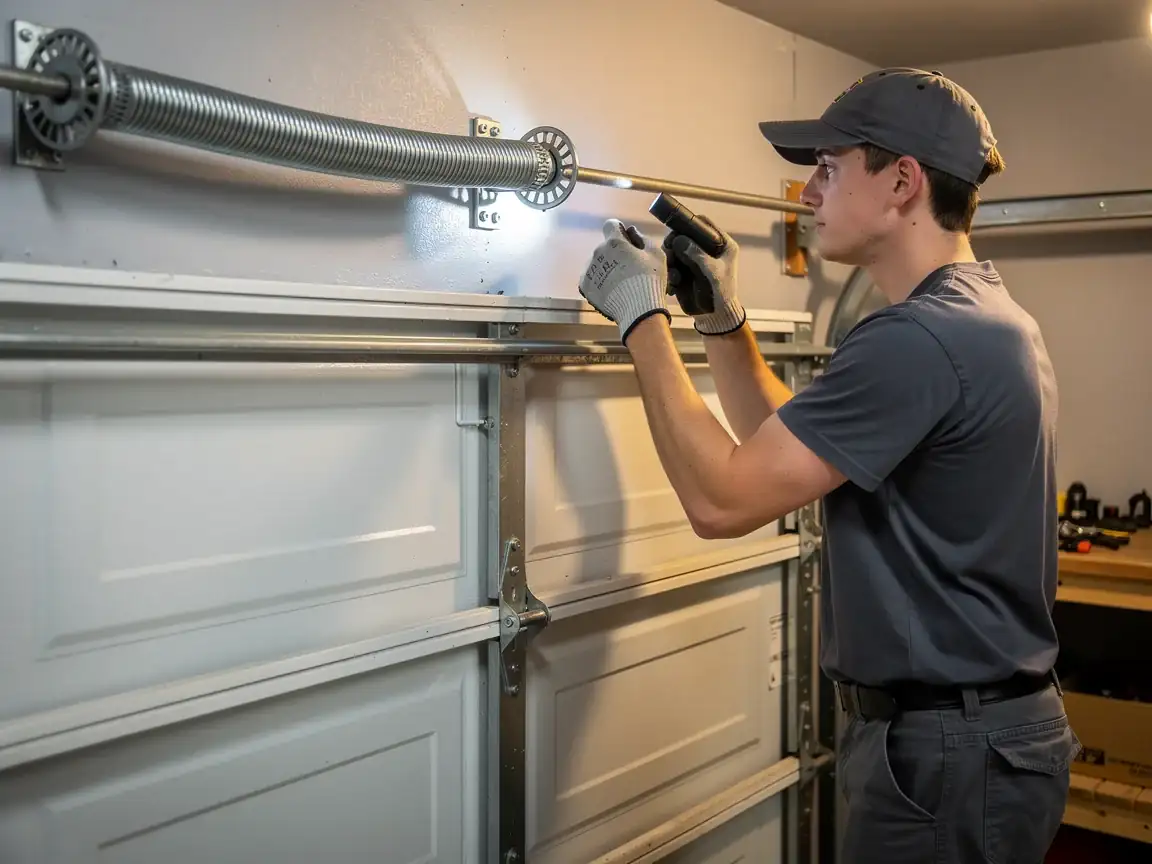
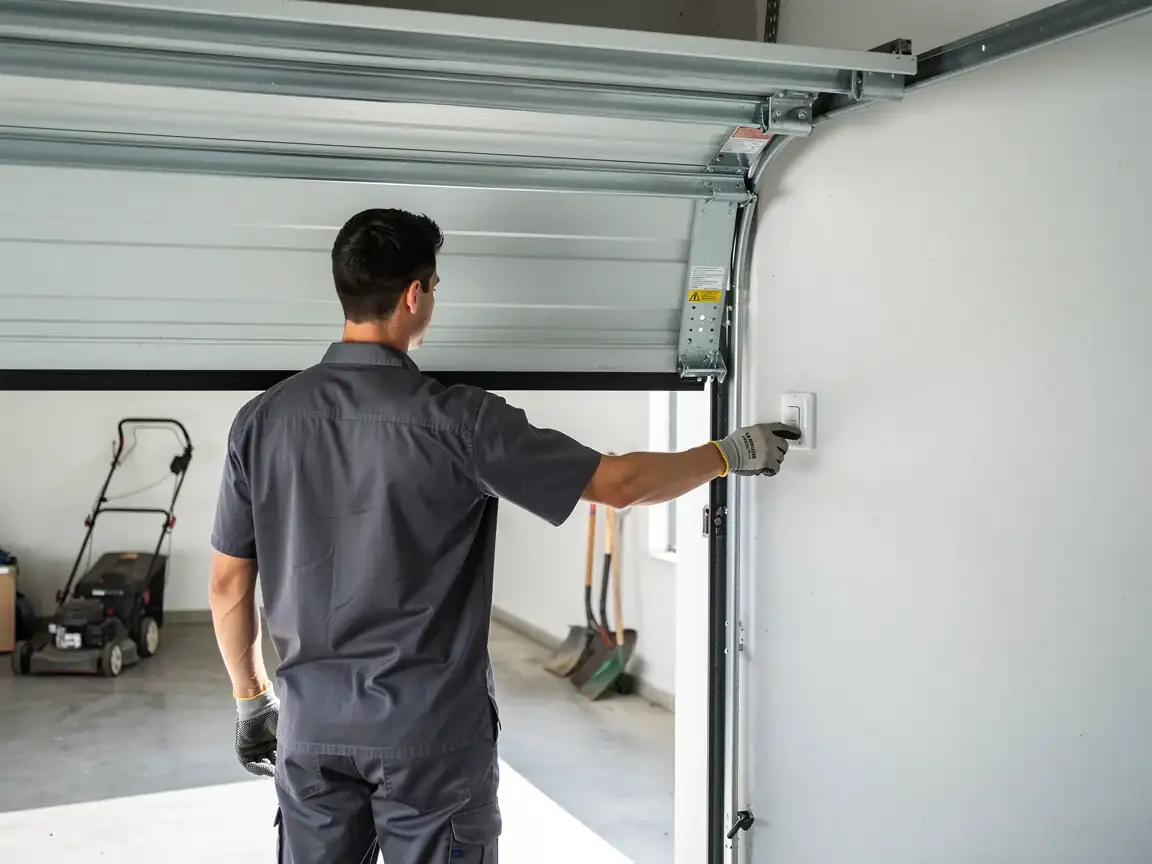
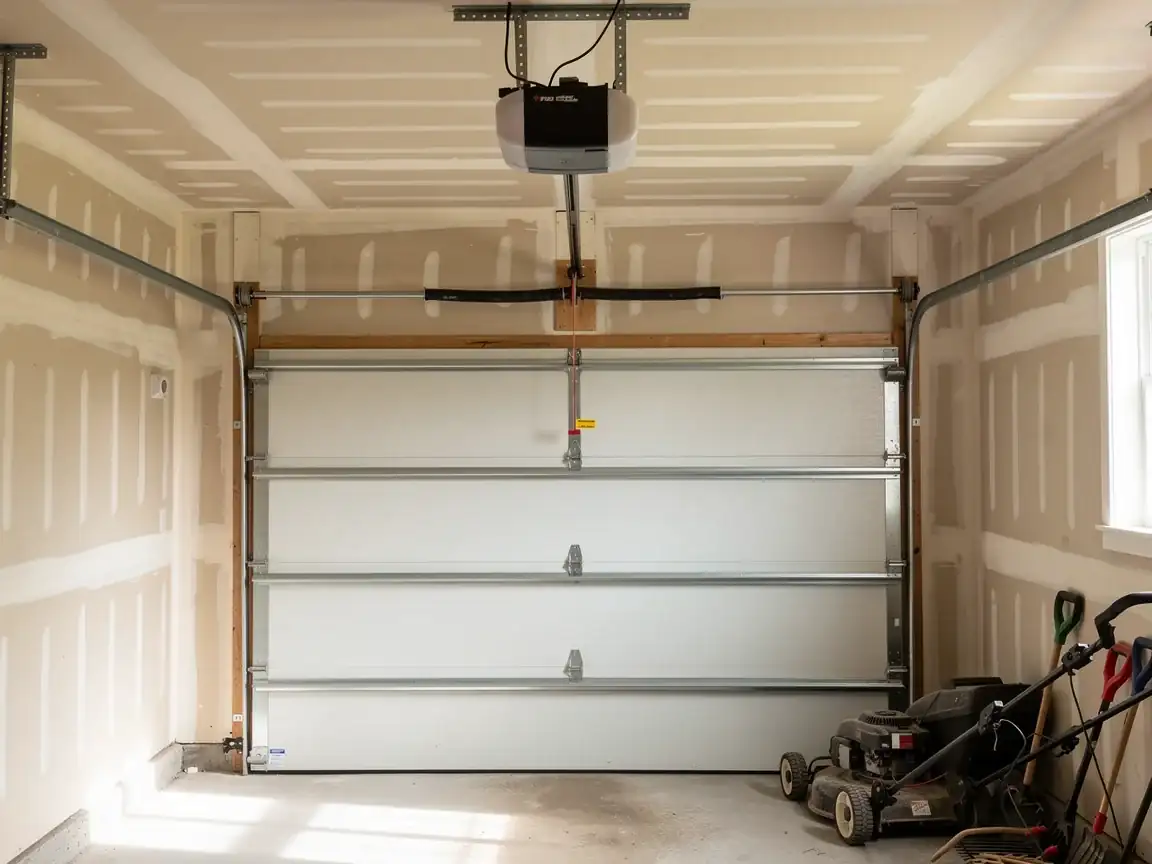
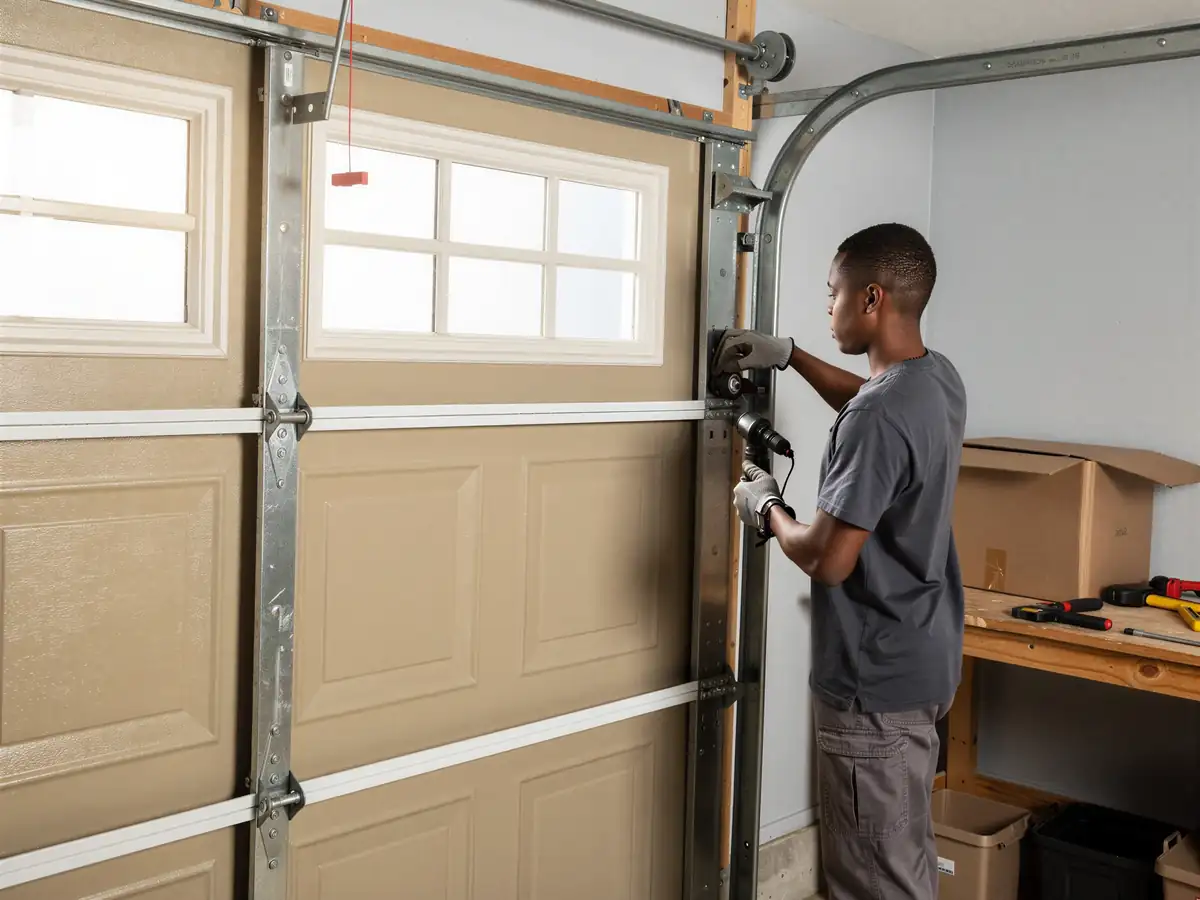
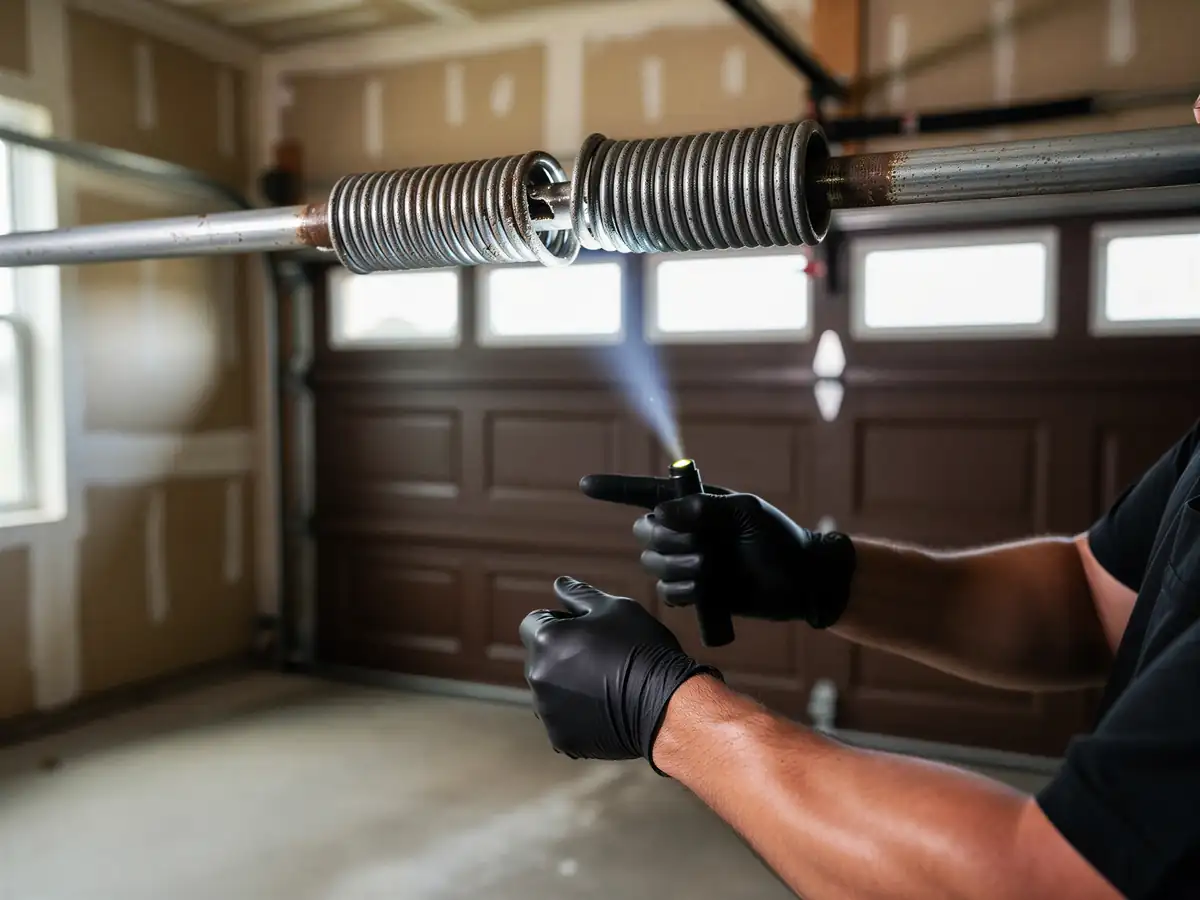
A remote that's lost its code, a sensor that's gotten knocked out of alignment, a track that needs a light cleaning - those are reasonable for an owner to handle without calling anyone. A torsion spring under tension is not. It's wound tight enough to do real damage if it lets go while you're working on it, and that risk doesn't scale down just because the door looks like a simple job. If your door in Rossmoor has gone quiet with the spring visibly separated, or the door is sitting crooked in the track, that's a call, not a project. The honest answer on cost-benefit: a door built around 1959, even one that's been maintained, is old enough that a broken spring is sometimes the point where replacing the whole spring set and checking the drums and cables together makes more sense than patching just the one part that failed. We'll tell you straight if that's where your door is rather than selling you a single spring swap that leaves the rest of the hardware close behind it.
Why It Happens Here
The median home in Rossmoor went up in 1959, a few years ahead of the 1963 median across the rest of our service area, which means the hardware on these doors has had more years to wear than what we see on an average call elsewhere. Steel sectional doors from that period were built with lighter gauge panels and torsion springs rated for a specific number of open-close cycles - cycles that get used up whether or not an owner has done anything wrong. What doesn't drive failures here is weather. This area sits in a mild temperate climate band, without the freeze-thaw cycling that cracks panels or swells wood doors in harsher climates. So when a Rossmoor door fails, it's almost never storm damage or panel warping - it's fatigue. A spring that's wound down past its rated life, a cable starting to fray at the drum, rollers that have worn their bearings out after decades of the same daily cycle. That's a mechanical clock running out, not an event.