Stocked Parts
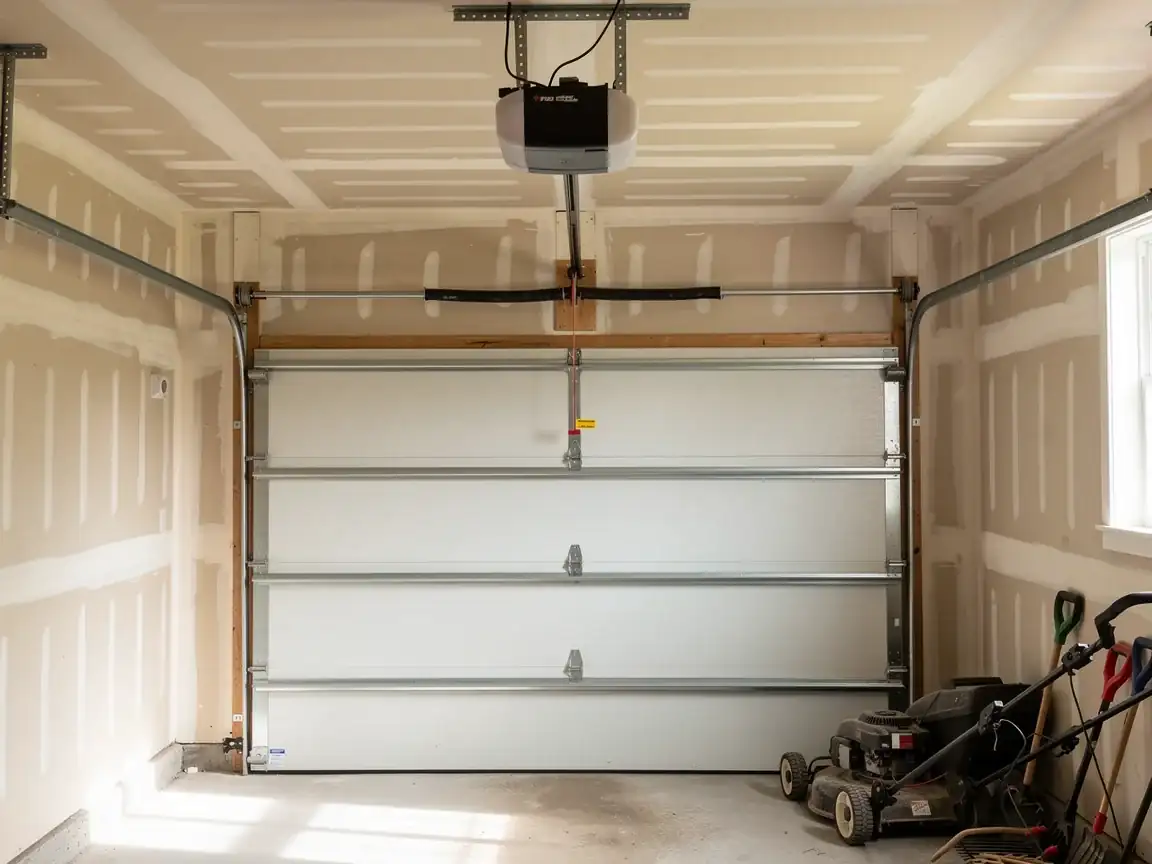
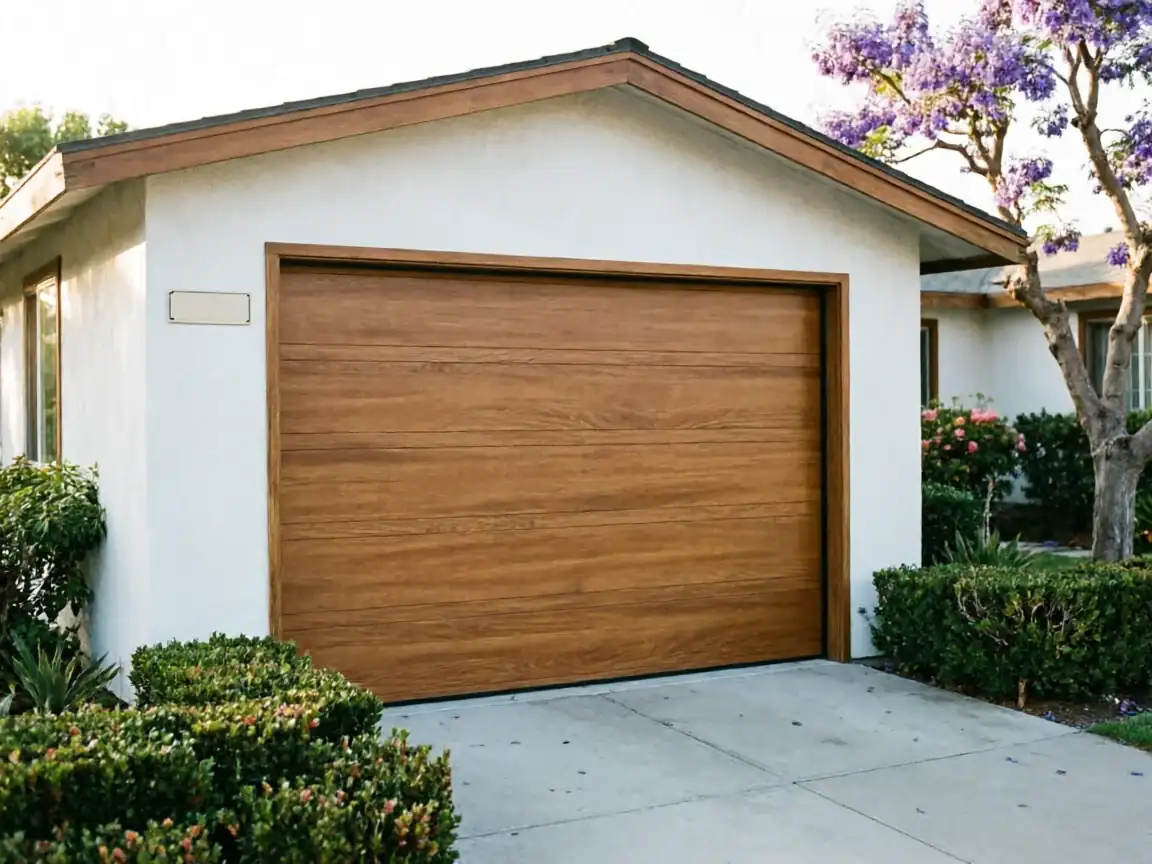
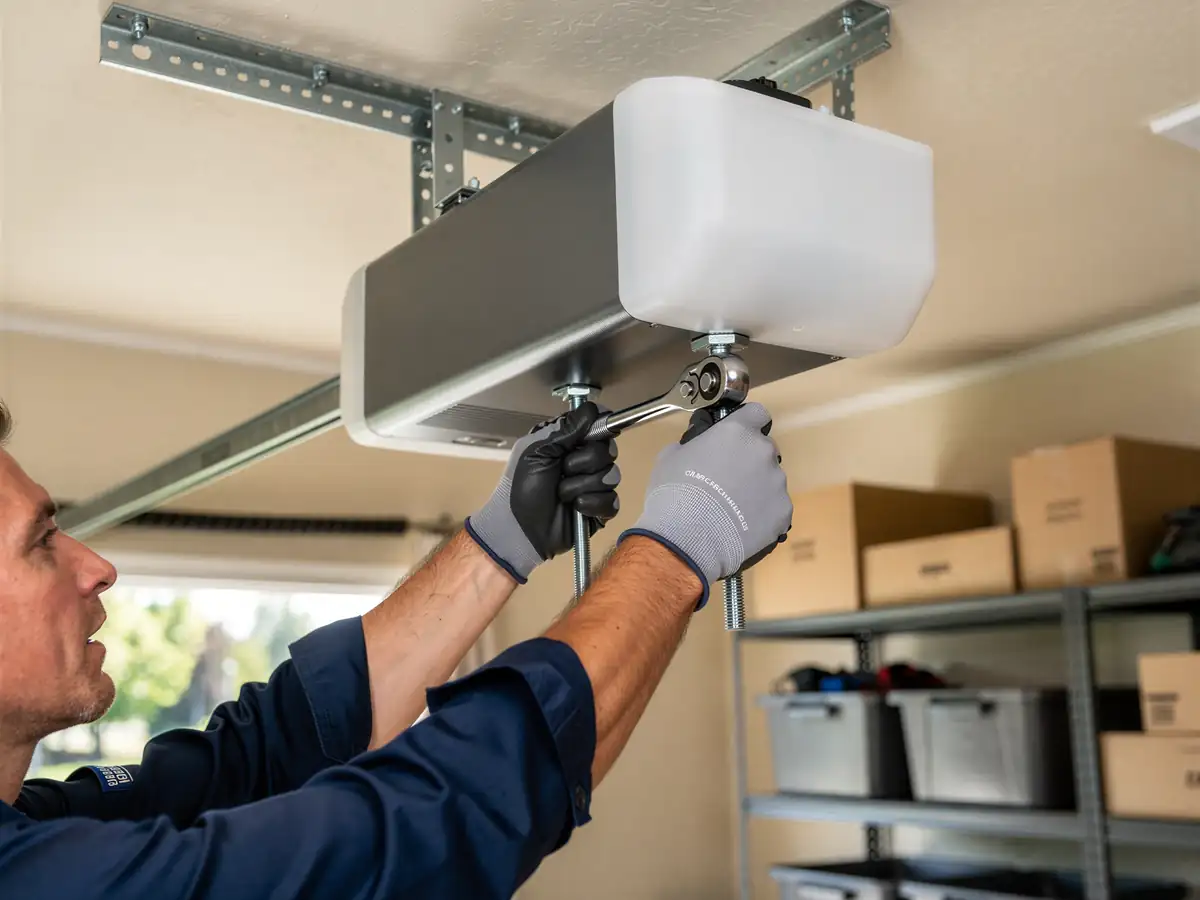
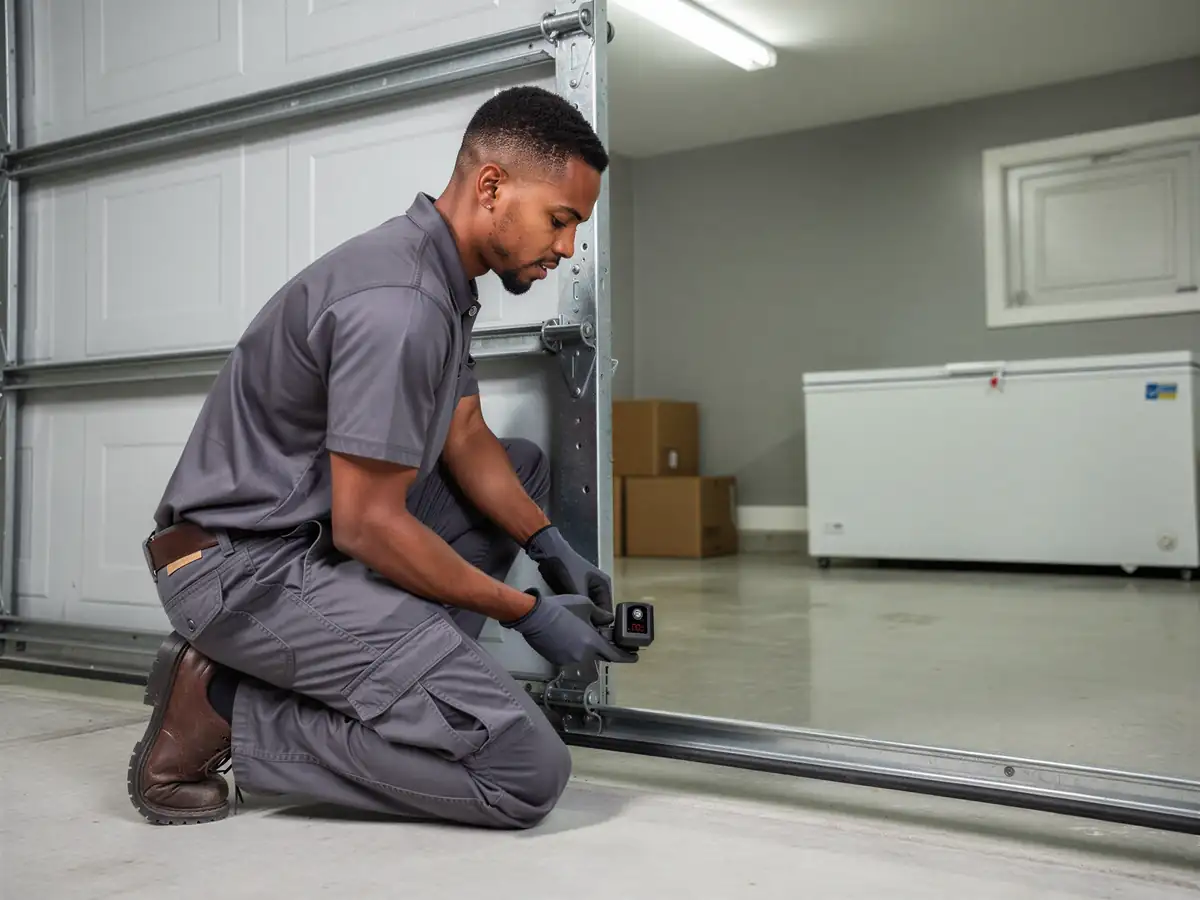
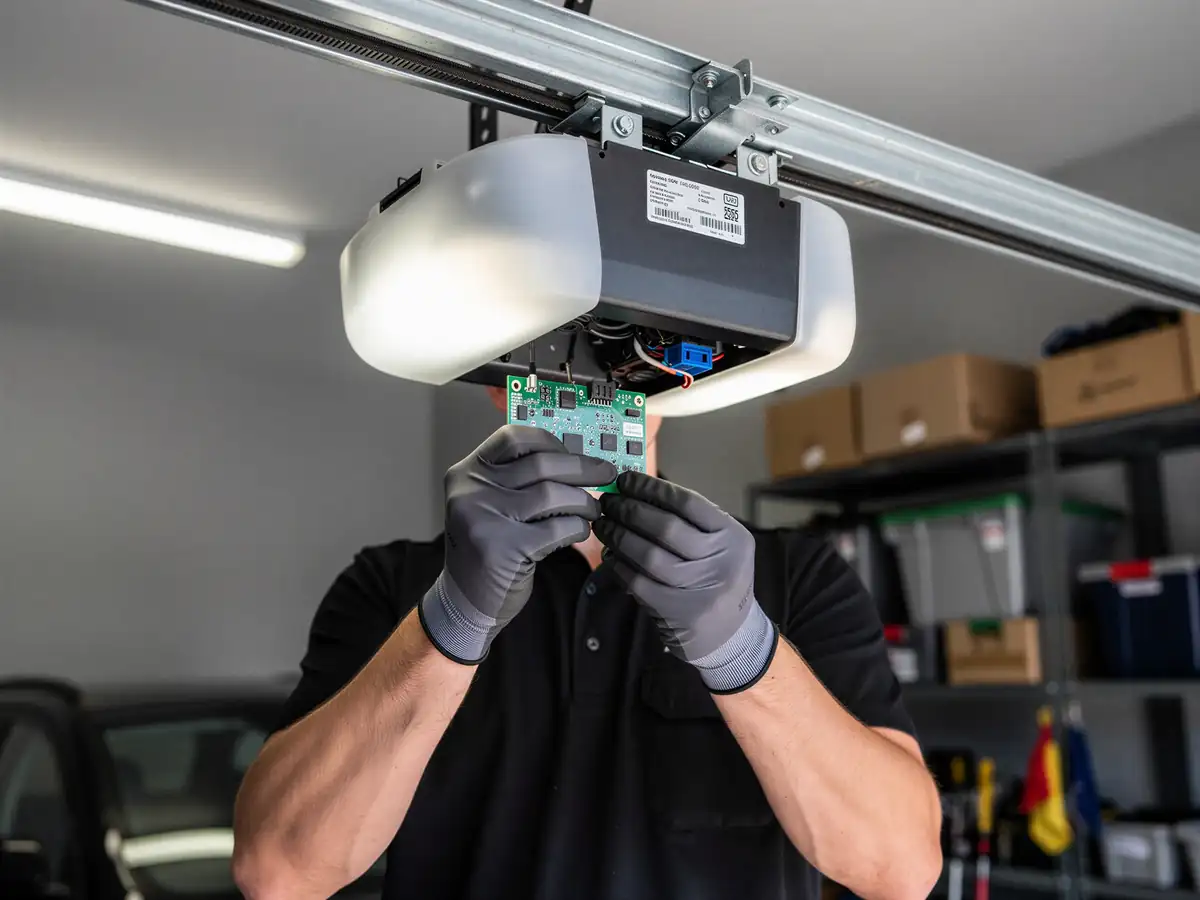
Rossmoor's houses went up mostly around 1959, and a lot of that original garage hardware has never been swapped out. That matters for openers: a house built in '59 likely got its first chain-drive unit decades later, sometime in the 80s or 90s retrofit wave, and that unit is now old enough that its logic board, capacitor, or drive gear is the thing that finally gives out. We carry replacement logic boards, drive gears, and sensor pairs for the common chain and belt-drive units that show up in houses this age - the ones where the opener was added after the fact rather than built in. What we don't stock on the truck is every obscure board for a unit that's been discontinued for fifteen years; if yours is one of those, we'll tell you straight whether a repair is worth chasing parts for or whether a new opener is the better call. We travel from Hermosa Beach, about 20 miles out, so when we come we come loaded for the jobs we actually see in this area - not a guess.We'd rather tell you a part's on back order than promise a fix we can't deliver that day.
The DIY Question
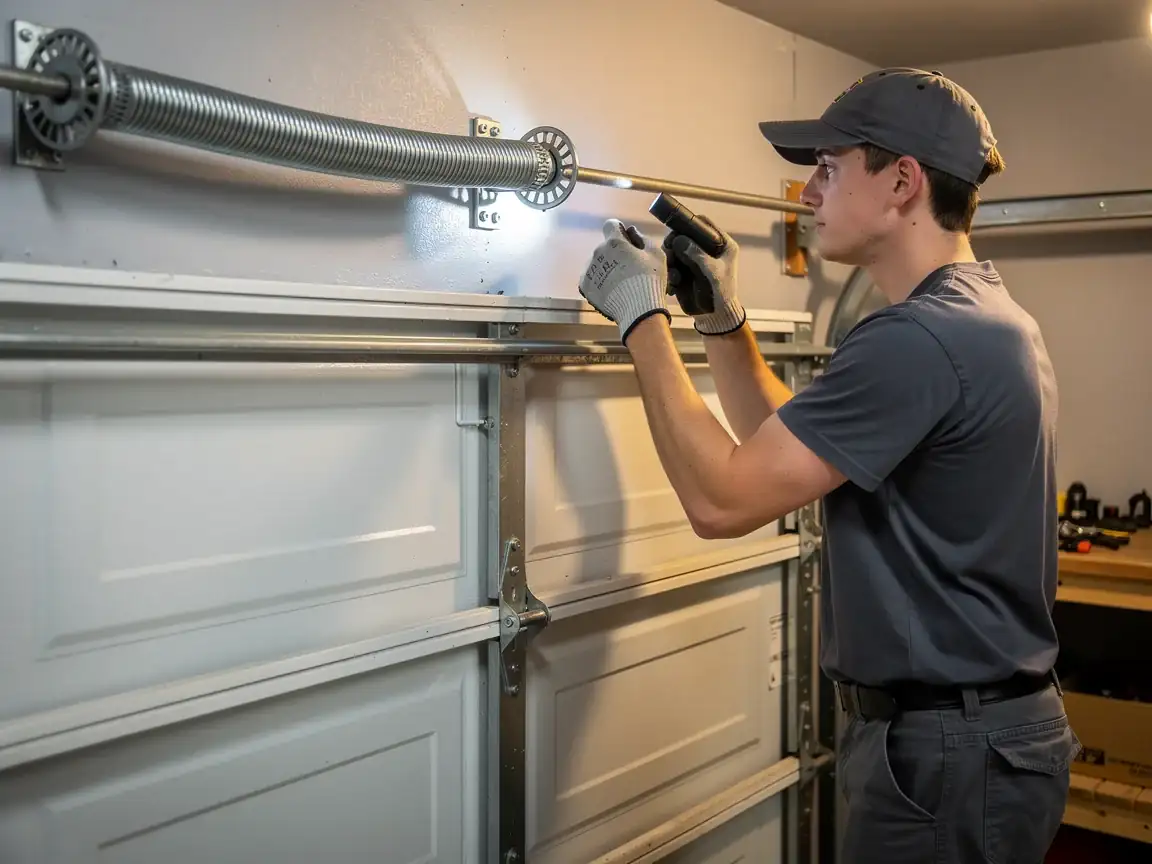
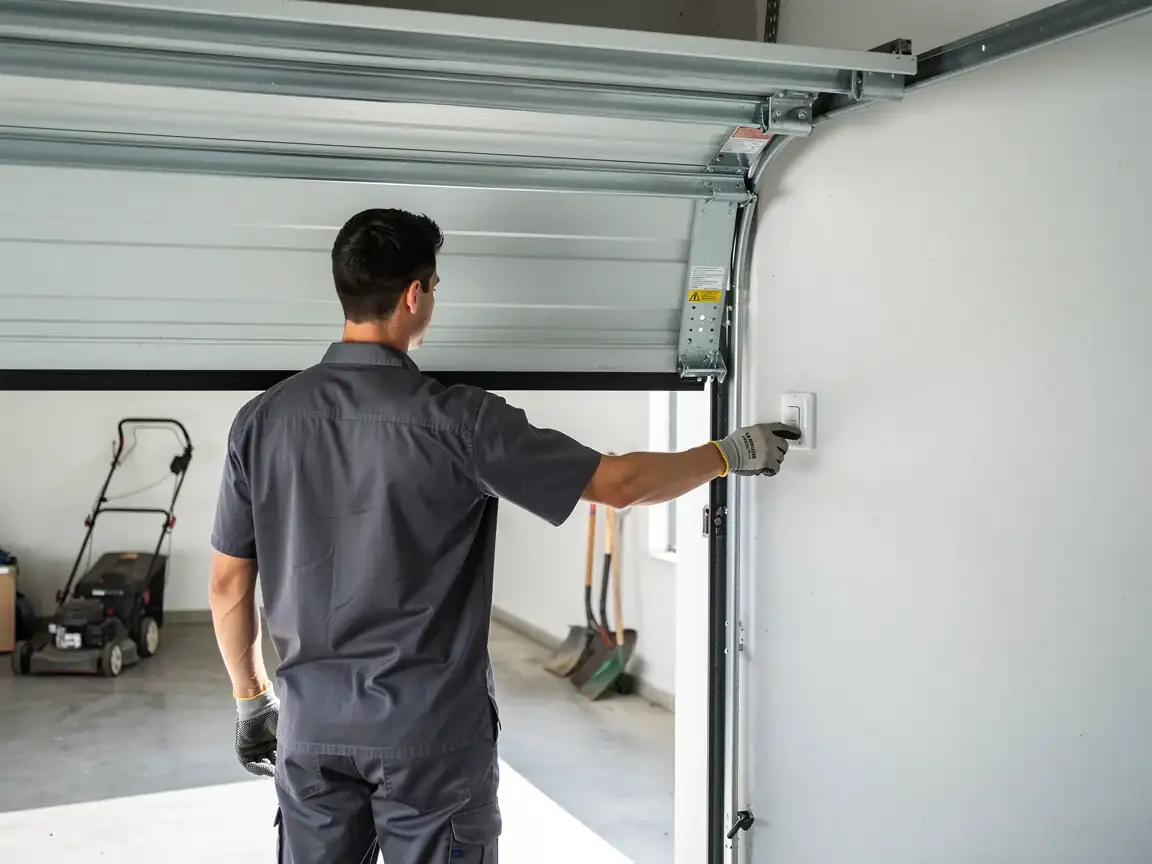
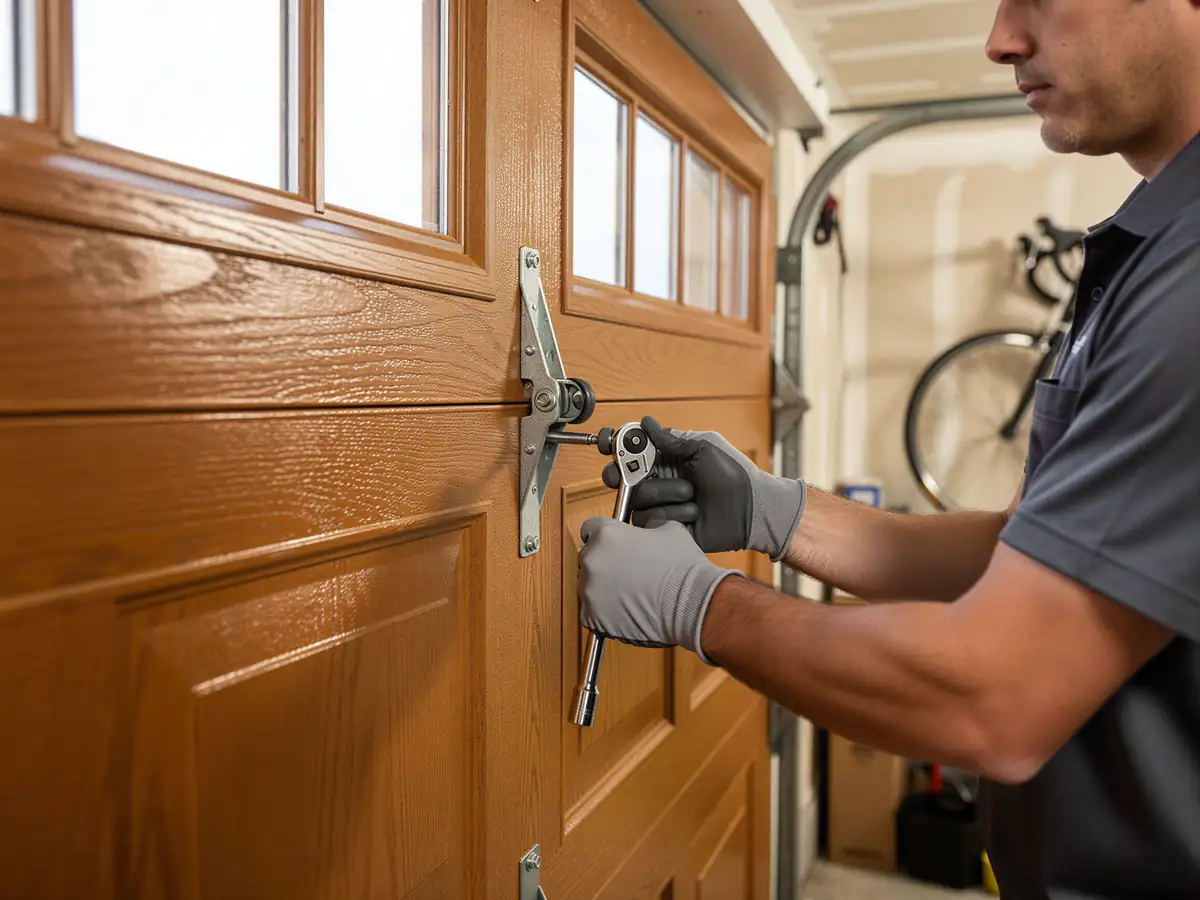
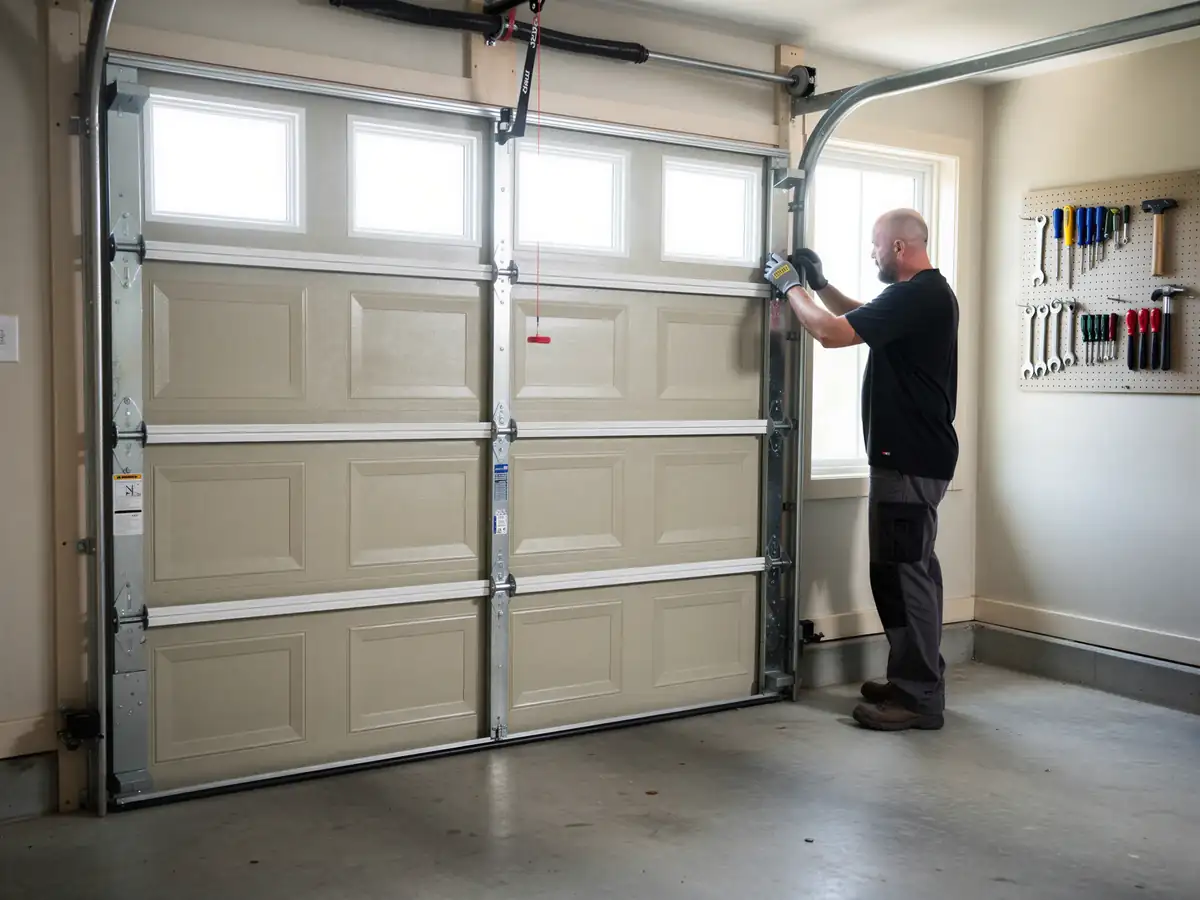
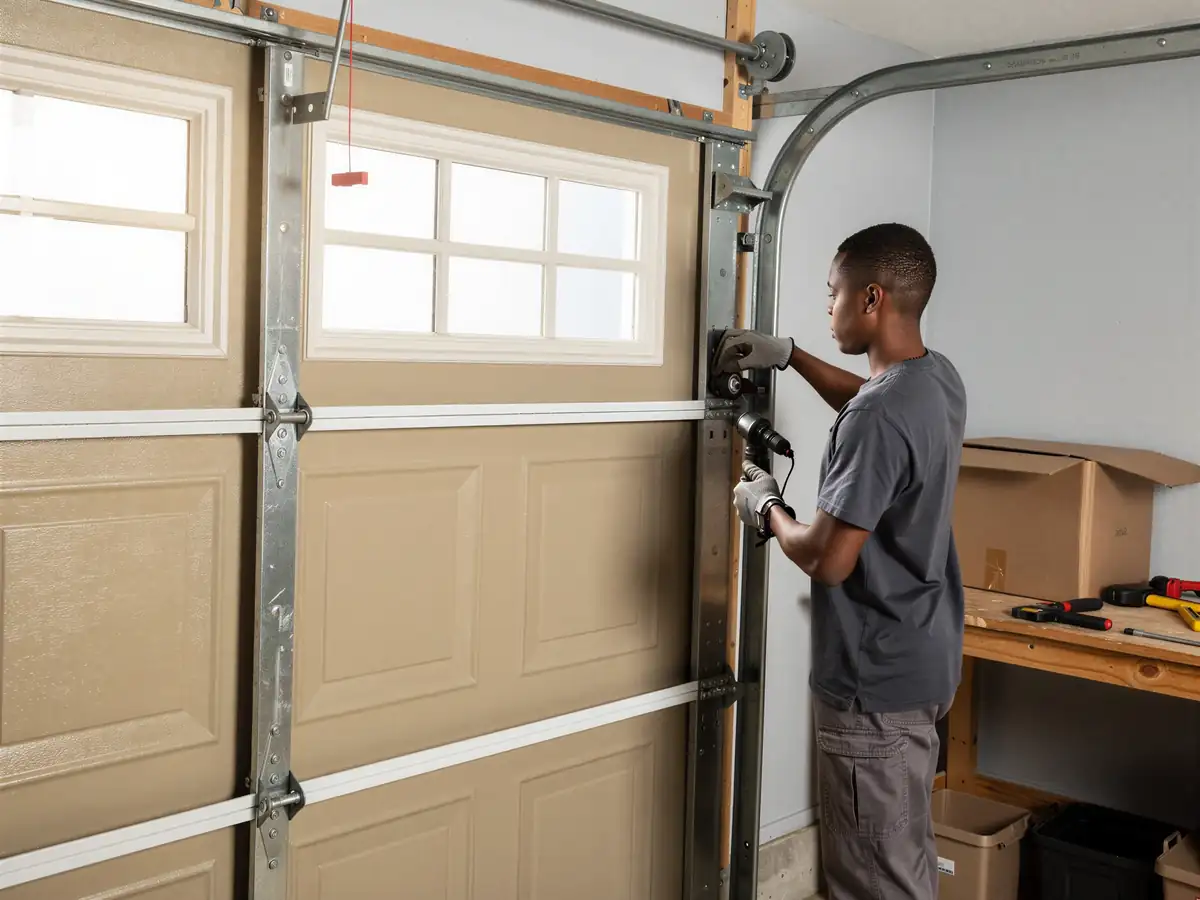
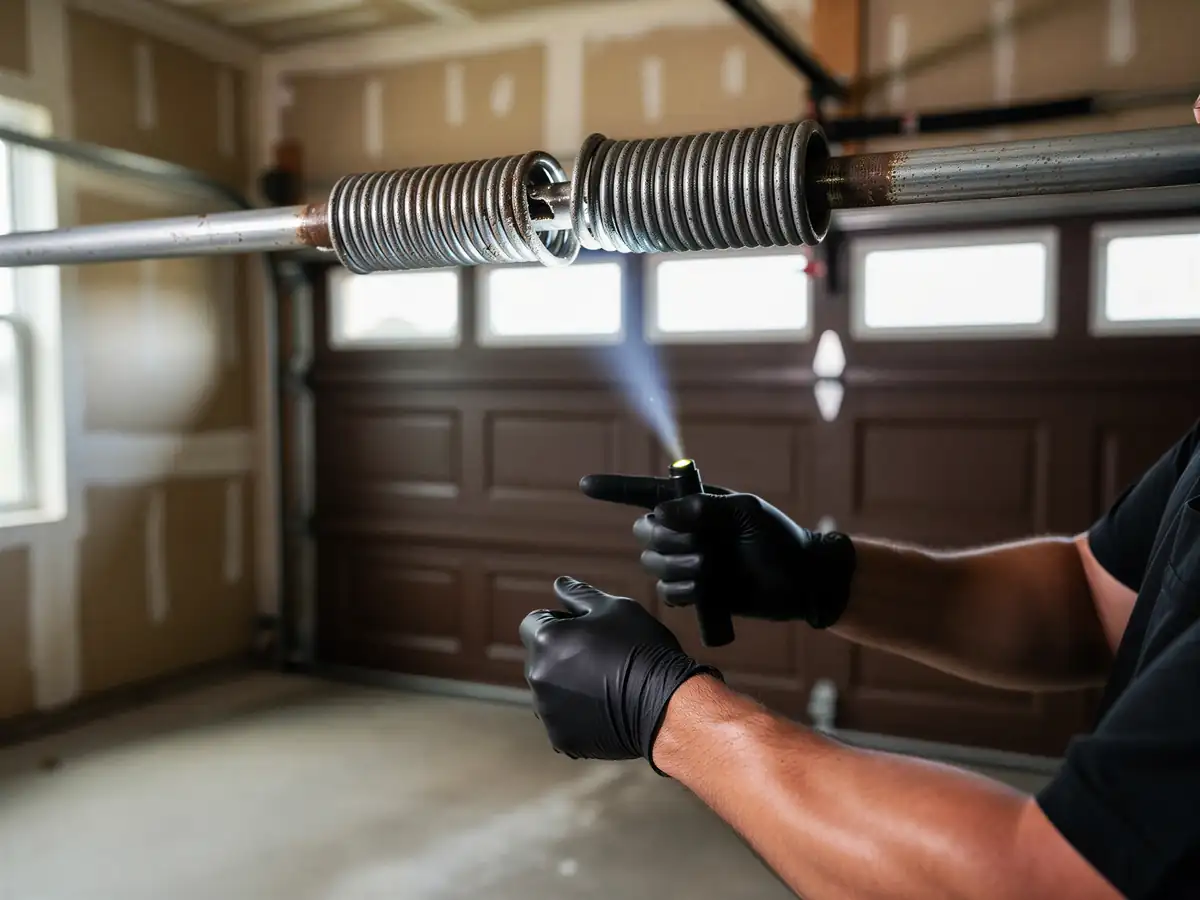
If your opener just stopped responding to the remote, check the wall switch and the breaker before you call anyone - that's a five-minute fix sometimes, and we'd rather you not pay a truck charge for it. Where DIY gets risky is the drive mechanism itself. On a house from 1959 with an opener added later, the original track and spring setup may not match what current openers expect for force settings, and a homeowner adjusting the travel limit or force dial without knowing the door's actual spring tension can end up slamming a panel or burning out a new motor in weeks. We're fine walking you through the switch and breaker check over the phone. Past that - once you're opening the opener's housing or touching the limit switches - it's worth having someone look at the door's spring balance first, because an opener fighting a poorly balanced door will fail again no matter how many times you replace the unit.
Why It Happens Here
Rossmoor sits in a mild coastal-influenced climate band, so the failures we see aren't heat-swelling or ice-cracking - they're age and duty-cycle. A 1959-era garage that got its opener retrofitted decades later is now carrying a unit old enough that gears wear out of round, capacitors weaken, and the logic board starts missing signals intermittently before it quits for good. With median household income in this neighborhood sitting well above the wider service area, we also see more owners replacing an opener preemptively once they notice the first stutter, rather than running it to full failure - which is usually the cheaper call in the long run. The households here are fewer and the lots larger than in denser parts of our service area, but the hardware problem is the same: original-era garages with bolted-on electronics that are now the oldest moving part in the house.