Stocked Parts
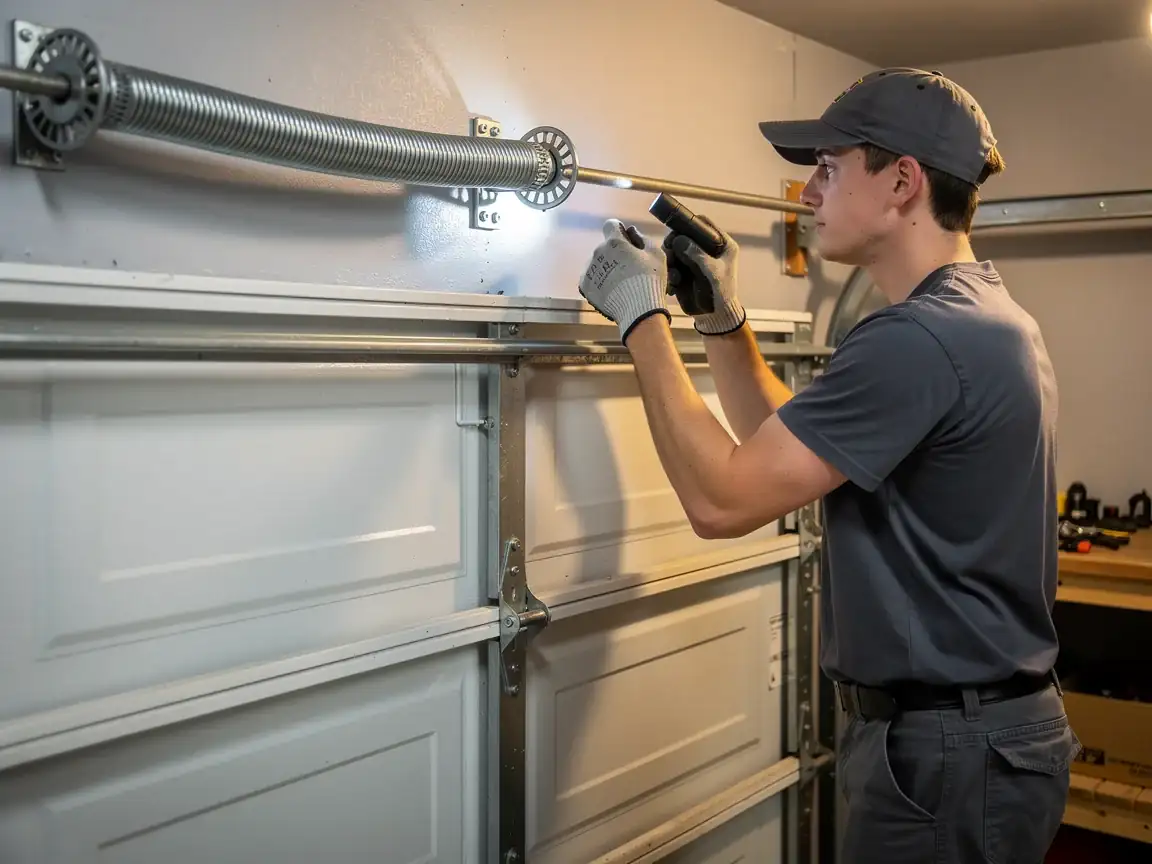
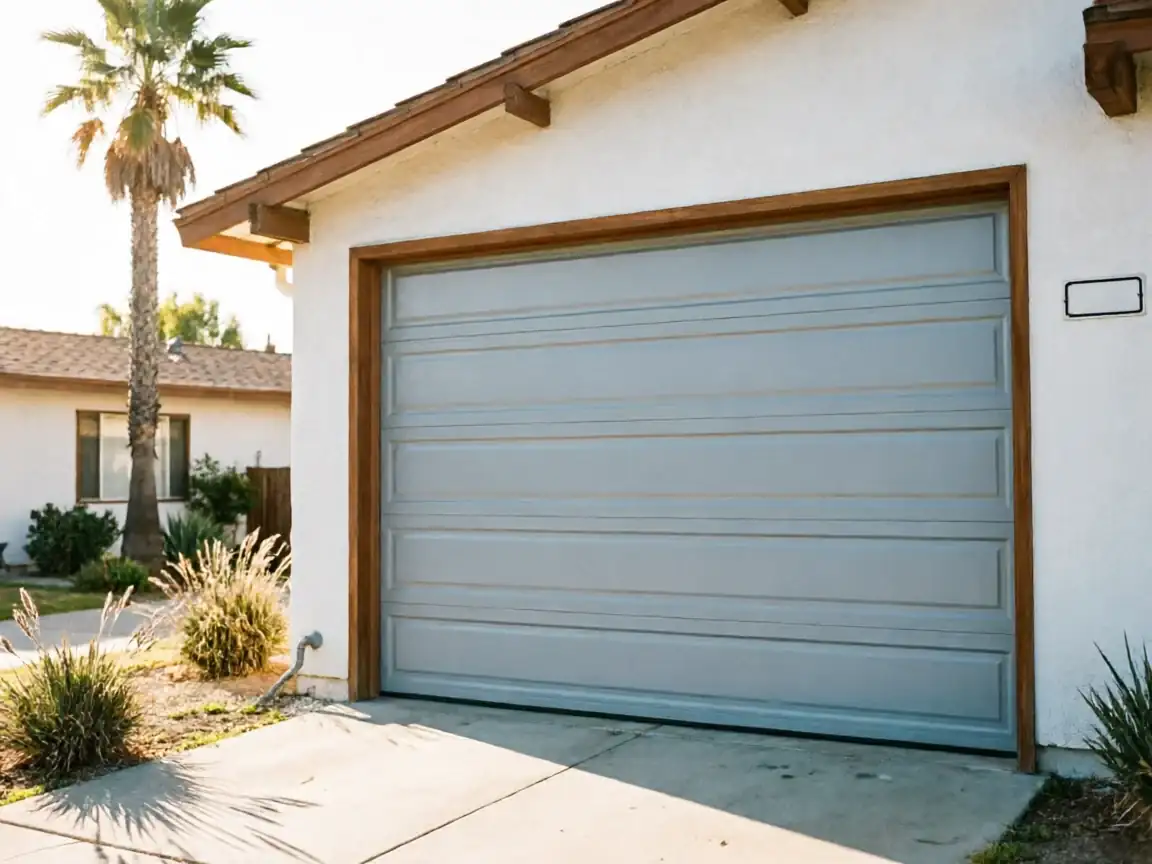
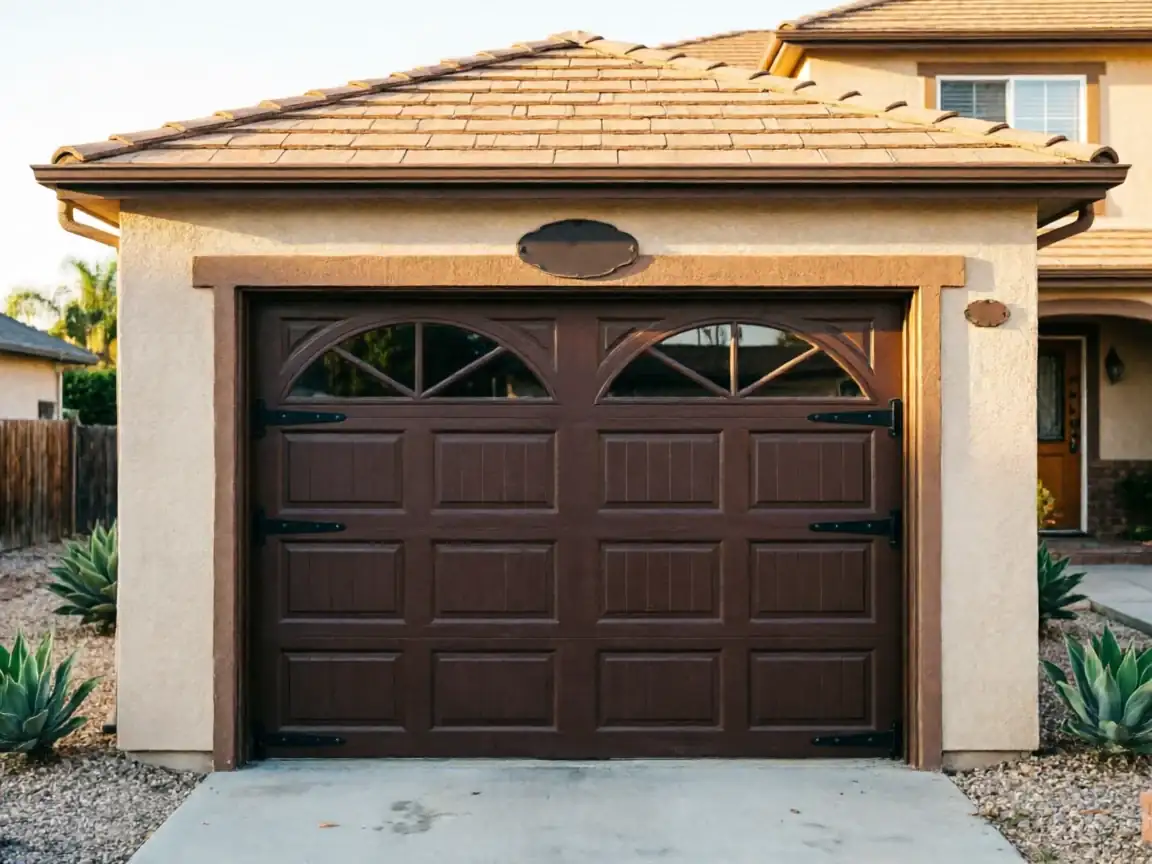
Rossmoor's housing stock centers on 1959, which puts most of these garages a few years ahead of the 1963 median across the wider service area we cover. That gap matters more than it sounds. Doors from that window were commonly hung on extension springs mounted along the horizontal track rather than the torsion setups that became standard through the mid-60s and after. We carry extension spring kits, the older style pulley and cable hardware, and the stamped steel sectional panels that fit garages from this build era, because a truck that only carries torsion-era parts gets to a 1959 Rossmoor garage and has to come back twice.
We also stock rollers and hinges sized for the lighter-gauge panels common in that period, since swapping in a modern heavy panel on original track without checking clearance is how you end up with a door that binds. If a part turns out to be a size we don't carry on the truck, we say so up front rather than making something fit that shouldn't. That's not a Rossmoor-specific promise, it's just how we work, but it matters more here given how much of the neighborhood shares that same build year.
Time on the Job
We're based in Hermosa Beach, roughly 20 miles from Rossmoor
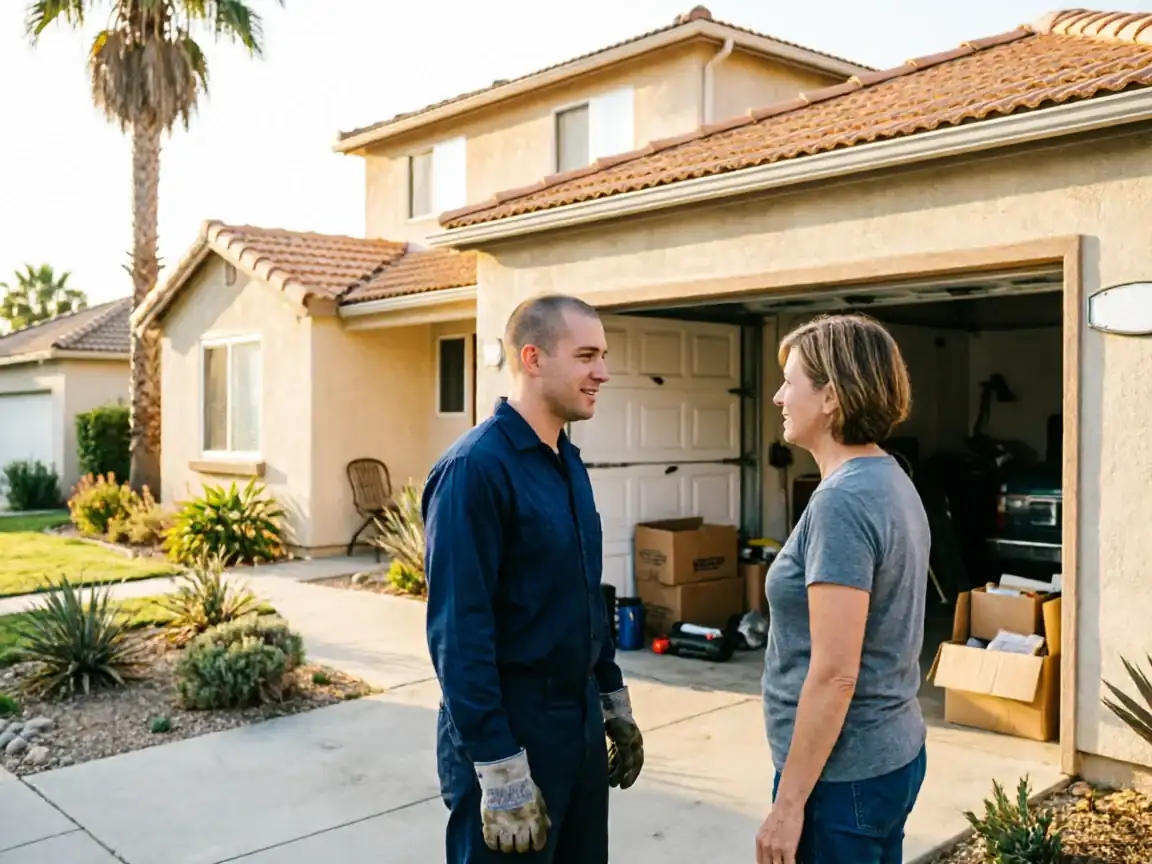
So this isn't a same-hour walk-in market the way it might be for a closer suburb. We schedule the drive into the job rather than treating it as incidental, and we don't promise a response window we can't back up from that distance. What we can tell you is that once we're on site, the work itself doesn't take longer because of where you live - a broken extension spring is the same repair whether it's three miles out or twenty.
- 20 miles
What the distance does mean is that we plan parts and tools for the specific job before we leave
Especially for a neighborhood like this one where the 1959-era hardware isn't always what's on a generic service truck. Calling ahead with the door's age and whether it's a single or double opening helps us load correctly the first time, which saves a second trip more than any amount of speed on the freeway would.
The DIY Question
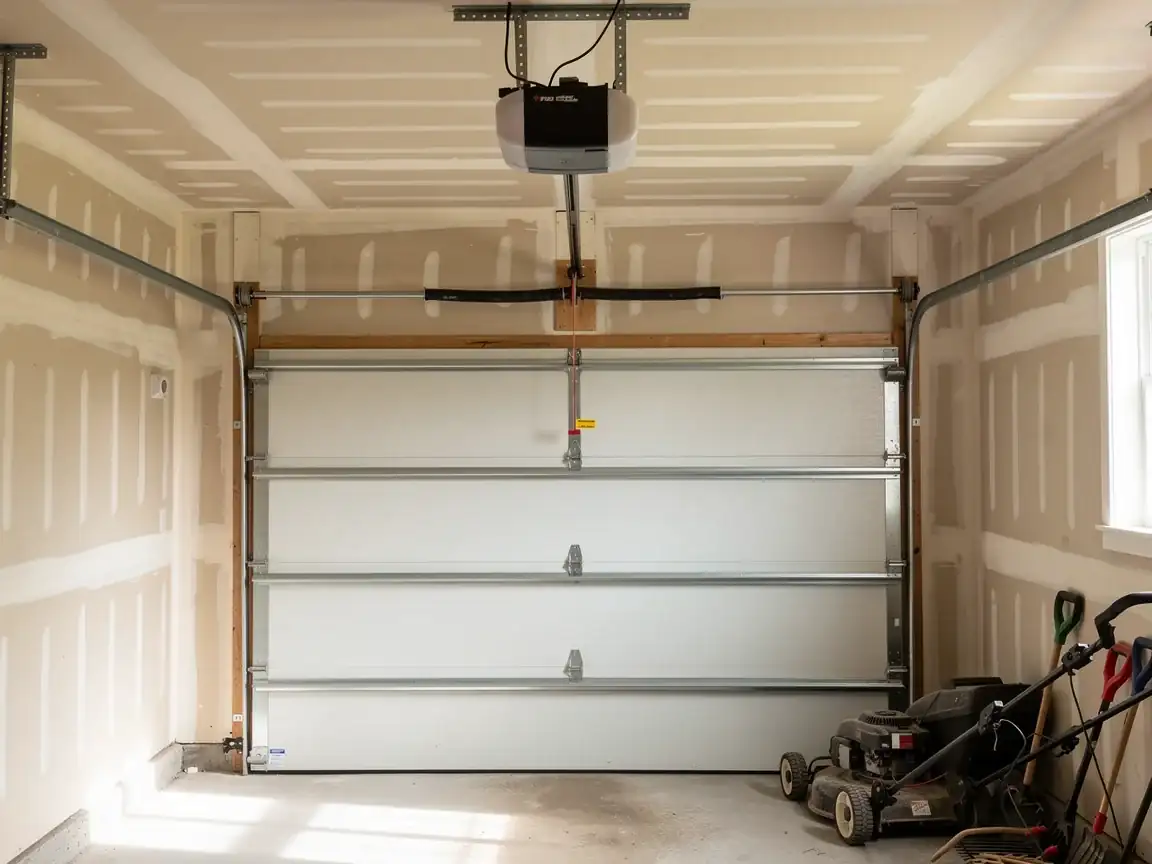
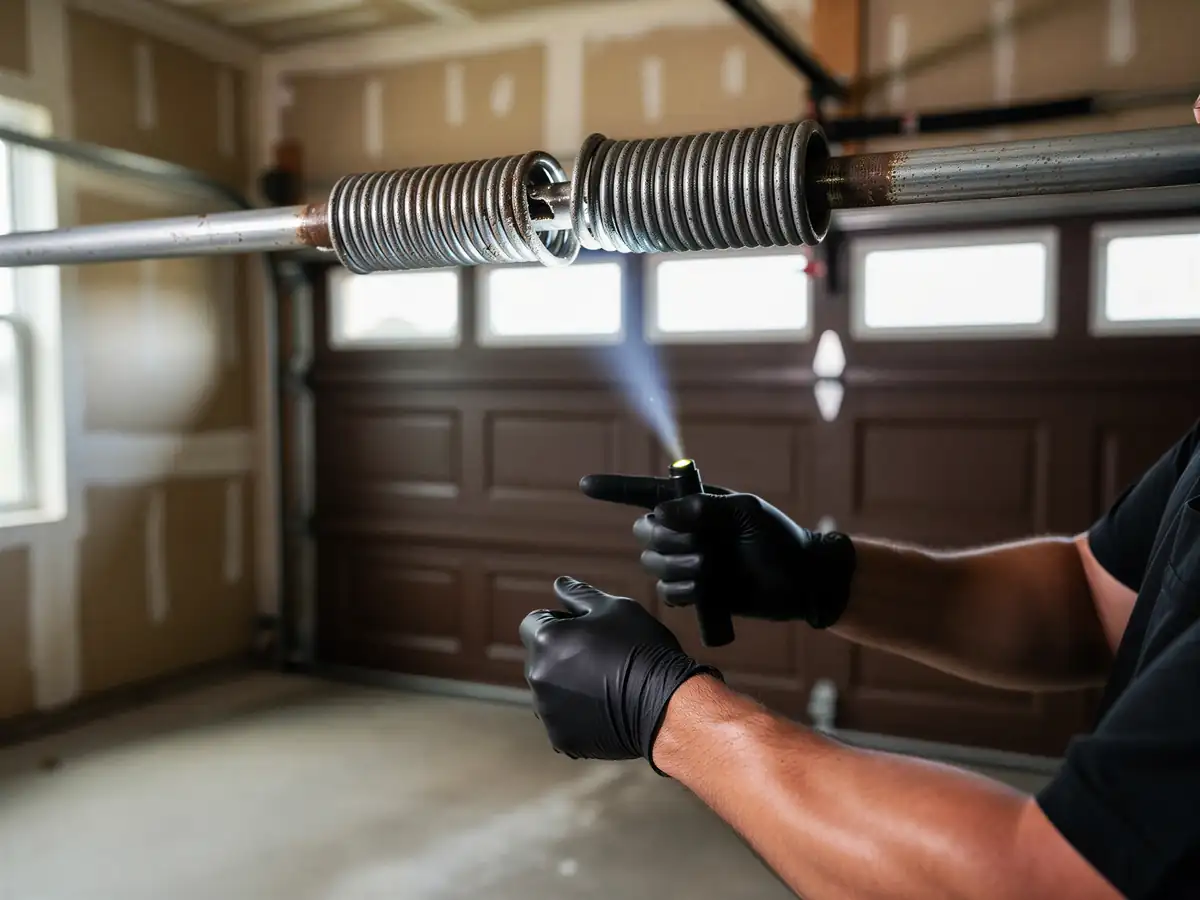
An extension spring door built around 1959 is one of the easier systems to misjudge from a how-to video, because the spring sits in plain sight along the track instead of coiled overhead out of reach. That visibility makes people think it's a simple swap. It isn't - these springs store enough tension to cause a real injury, and the safety cables that are supposed to contain a snapped spring were often skipped or missing entirely on original installs from that period, since they weren't yet required the way they are on current work.
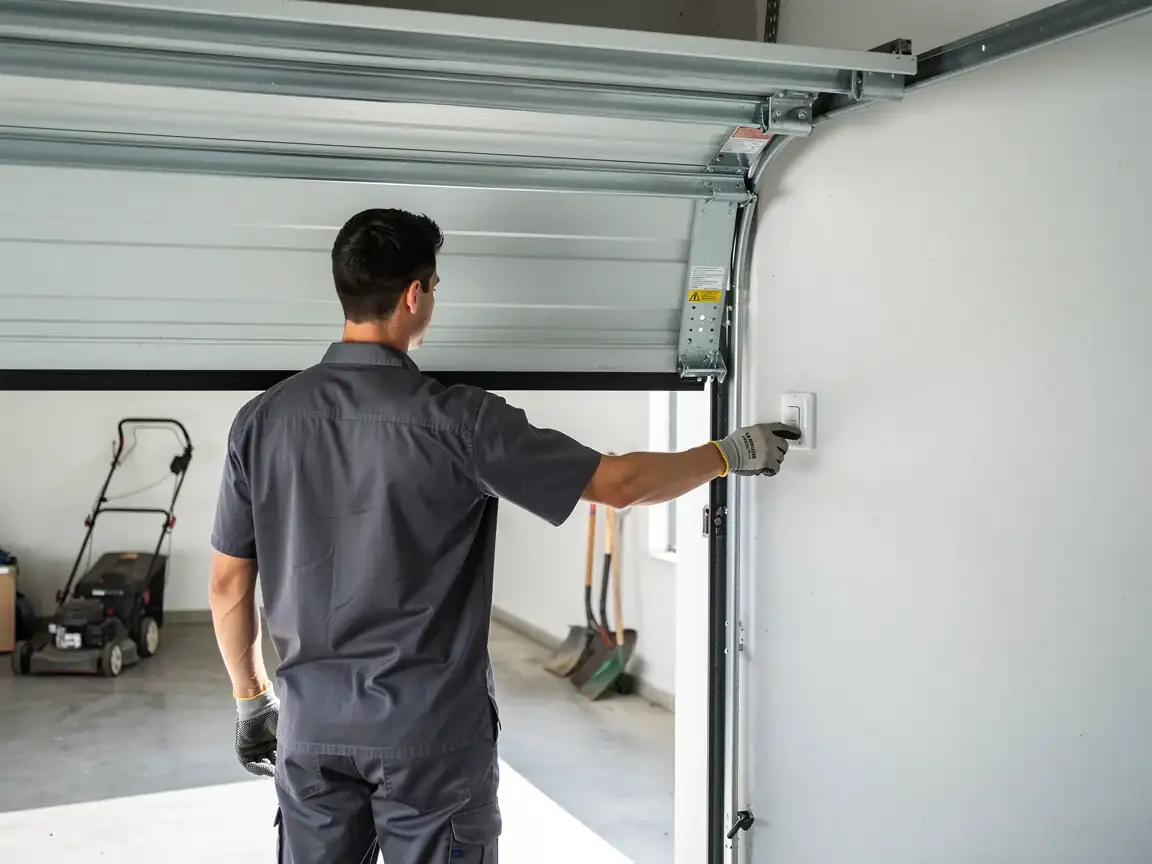
If your door is original to a 1959 build and you haven't had the spring and cable setup inspected, that's the one thing worth having a second set of eyes on before you touch it yourself. Opener troubleshooting, bent track adjustment on a door that still moves - those are more forgiving to attempt. A frayed cable or a spring that's already lost coils is not the place to practice.
Why It Happens Here
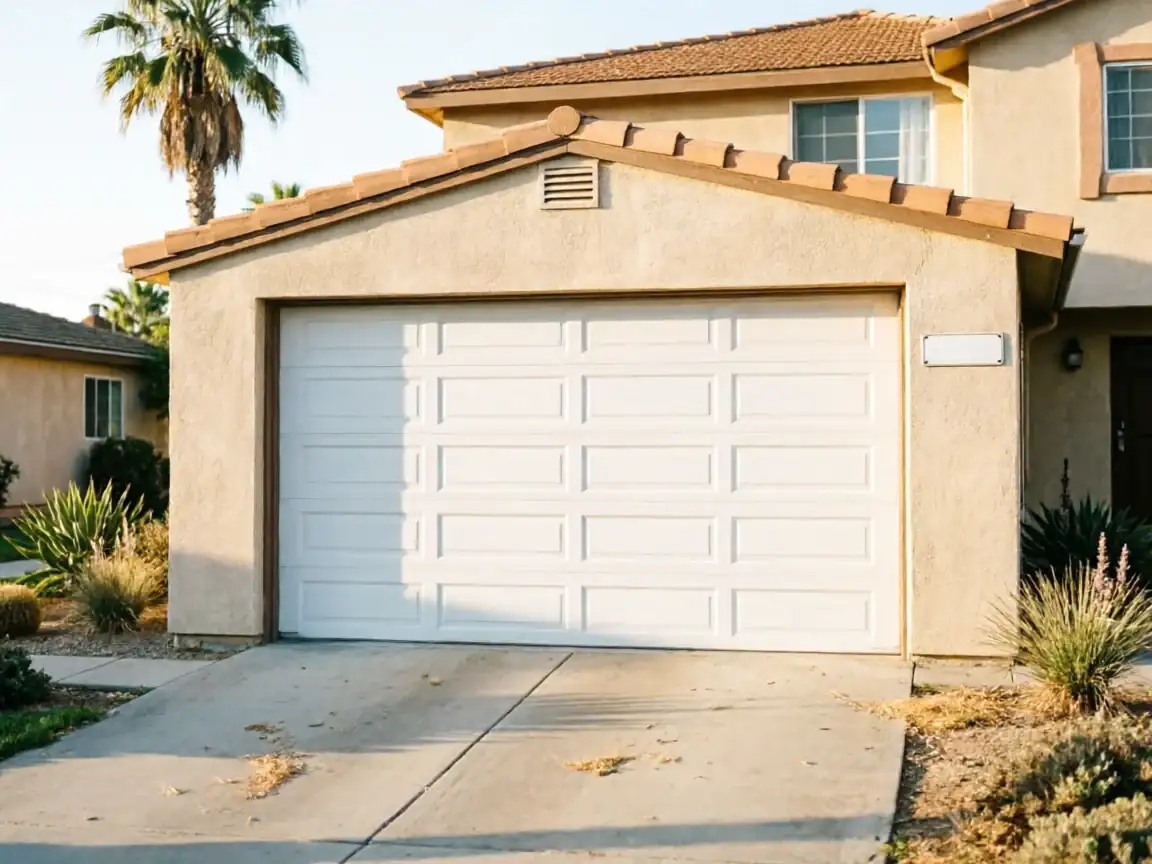
With most of Rossmoor's housing dating to right around 1959, a lot of these doors and their hardware are original or close to it, which means they're past the point where wear shows up gradually - it shows up as a sudden failure. Mild coastal temperate conditions in this part of the service area are easier on hardware than a climate with hard freezes or heavy humidity swings, so the failures we see here tend to be age and cycle-count related rather than weather-driven rust or warping.
The area's median household income sits well above the wider service area average, and we mention that only because it shapes the repair-versus-replace conversation: homeowners here are more often choosing full replacement with a current door and torsion system rather than patching 1959-era extension hardware piece by piece, once a spring or cable has already gone. That's a decision each household makes on its own terms, not something we push either direction.
How We Fix It
For an extension spring failure on an original 1959-era door
We replace both springs as a pair even if only one has broken, since the other is on the same clock and close behind. We add safety cables through the spring if they aren't already present - a straightforward fix that's cheap relative to what it prevents. Where the track or panel has flexed enough that the door isn't a candidate for a clean repair, we'll say so and walk through what a full torsion-system replacement looks like instead of pushing a patch that won't hold.
We don't carry every discontinued panel style on the truck
And if your door uses a part that's no longer made, we'll tell you that on site rather than guessing. That's the honest limit of a mobile repair truck versus a parts warehouse. What we can commit to is diagnosing the actual cause - spring, cable, track, or opener - before quoting anything, so you're not paying to replace a part that wasn't the problem.