Stocked Parts
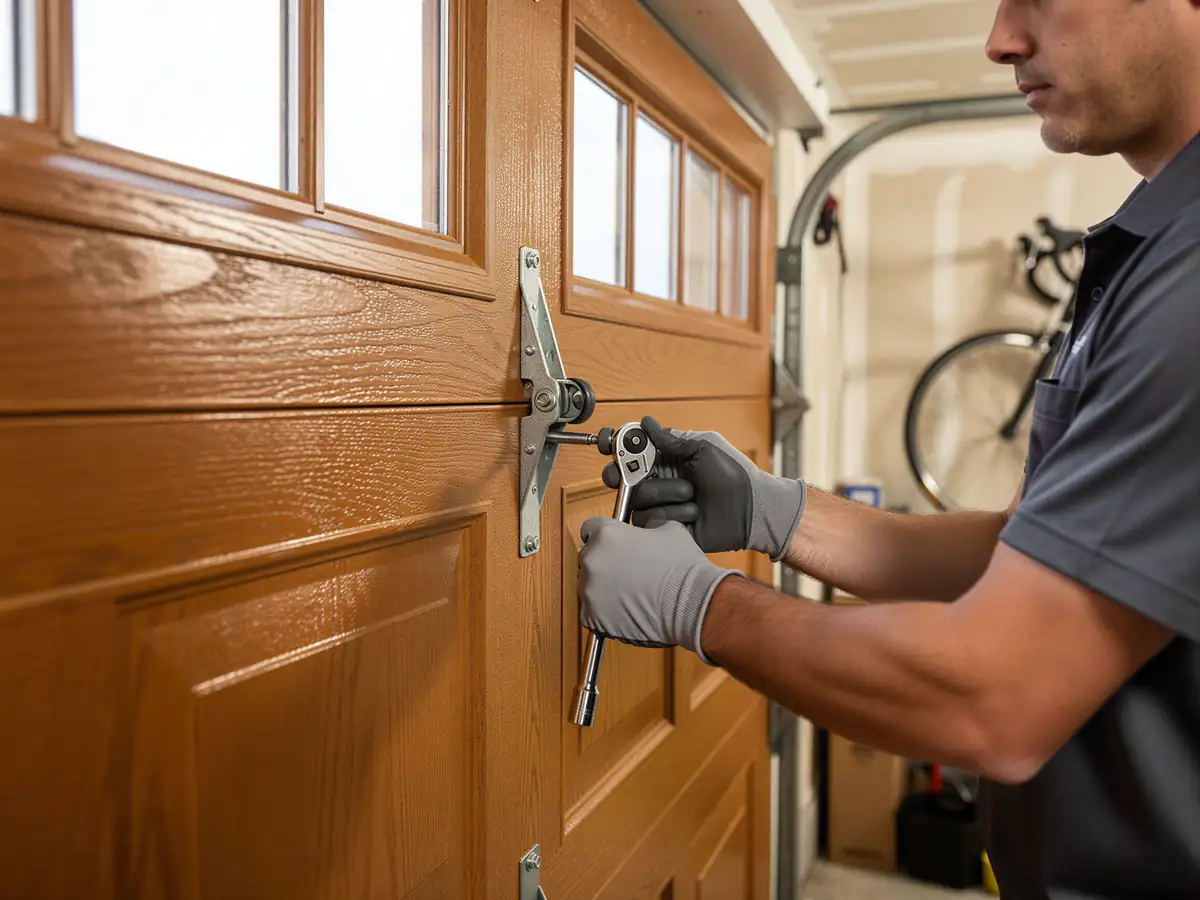
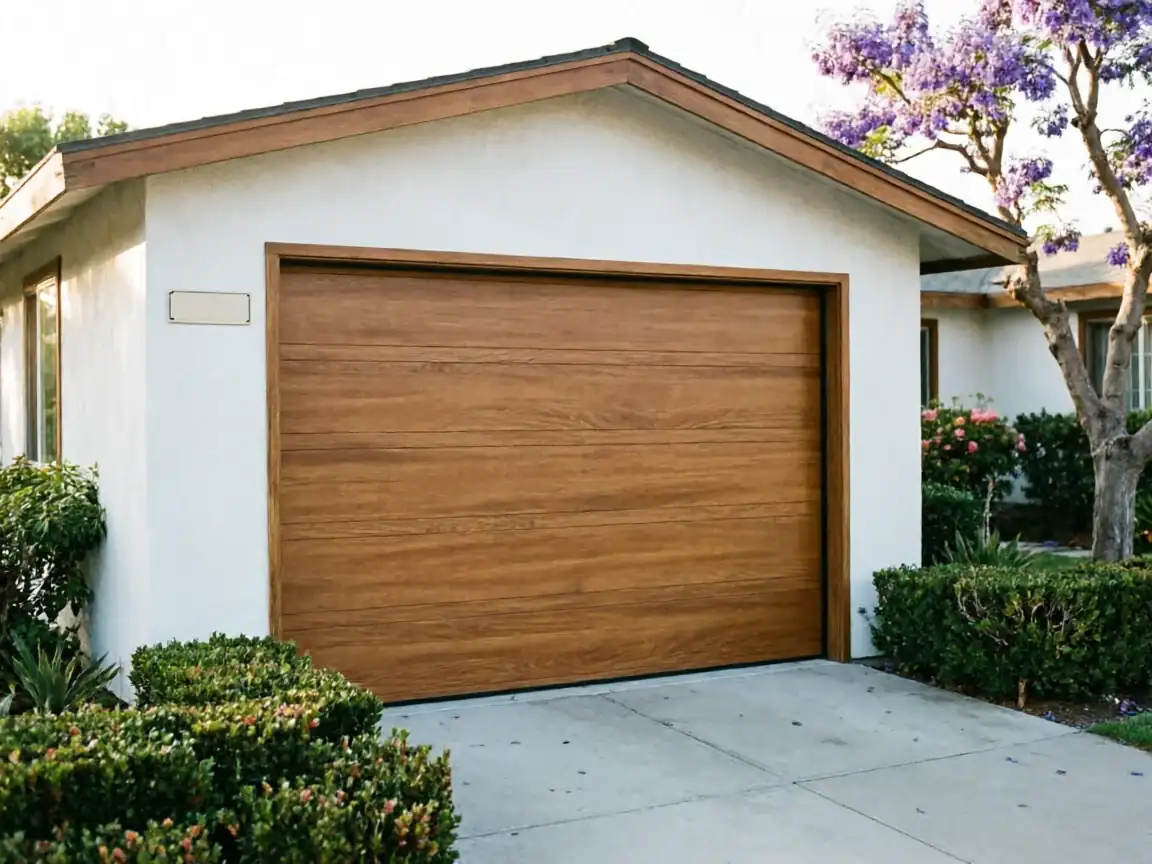
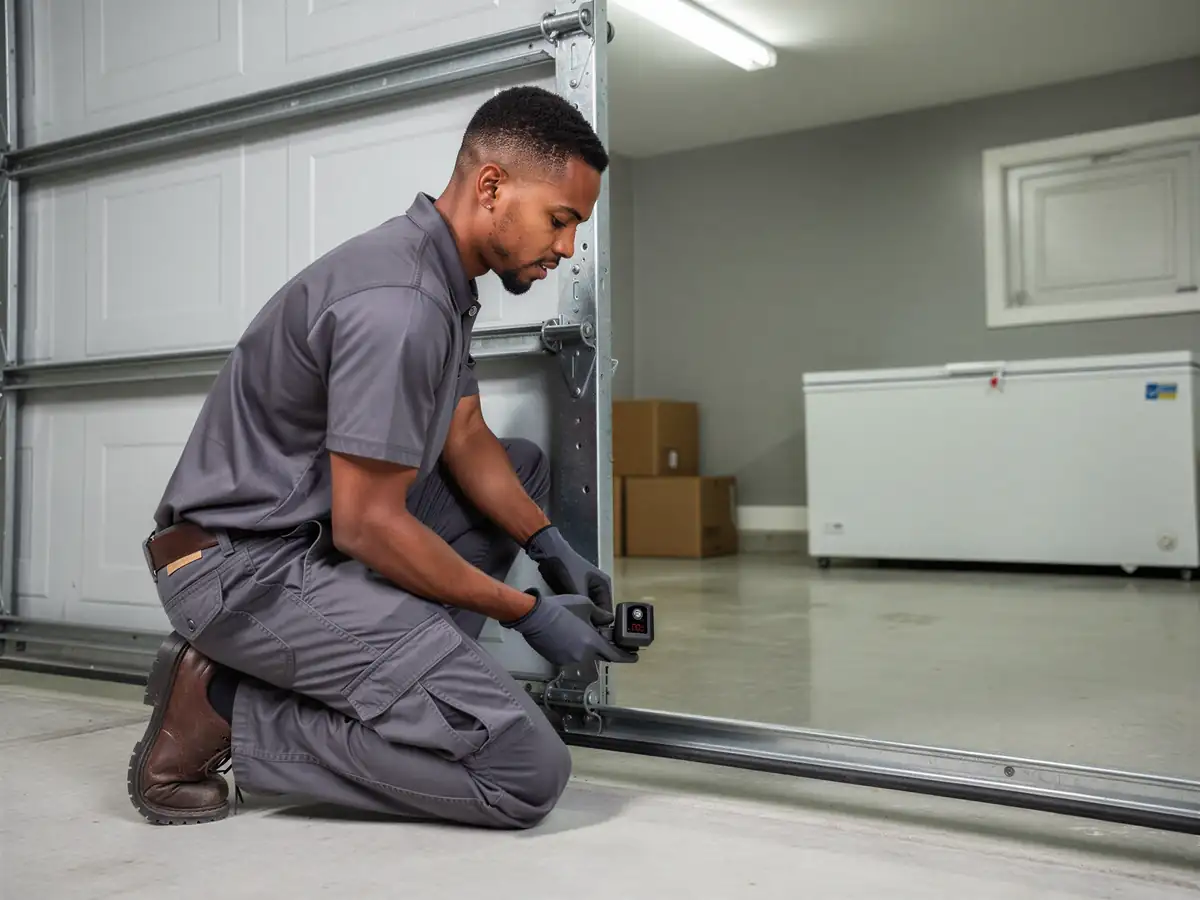
Rossmoor's housing stock centers on 1959, which puts it a few years ahead of the 1963 median we see across the wider service area. That gap matters for off-track calls: doors from this era were often set up with longer steel tracks and heavier roller brackets than what builders used even five or six years later. When a door jumps the track in a Rossmoor garage, the roller itself has usually worn oval, or the bracket holding the track to the jamb has pulled loose from framing that's now over sixty years old. We carry nylon and steel rollers in the sizes that fit doors from this build window, along with replacement track sections and the lag-style fasteners that hold up better in older stud framing than the hardware originally used. We don't stock every obscure bracket ever made, so if your door uses a discontinued part from a manufacturer that's long gone, we'll tell you that up front rather than make you wait on a special order that may not even exist anymore.
The DIY Question
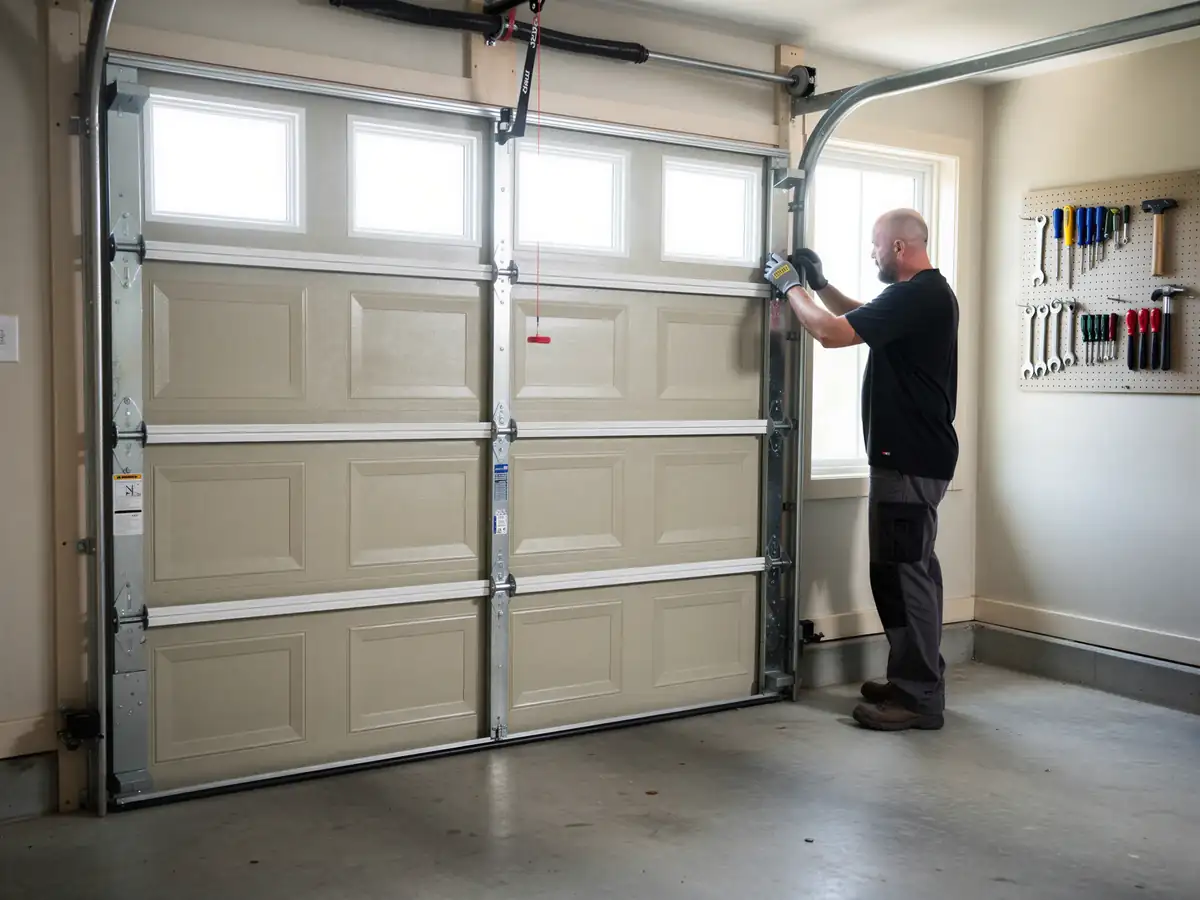
A door that's partway off its track looks like something you can nudge back into place by hand. Don't. The cables and springs on a door that age are still under load even when the panel is sitting crooked, and a track that's bent or a bracket that's half torn out can let the whole door drop while someone's trying to muscle it straight. If the door is only an inch or two off and the opener is unplugged, it's reasonable to leave it alone and call rather than force it. If it's fully derailed, don't touch the release cord and don't try to drive the car out past it. The honest limit here: we can straighten most bent track, but if the rail is kinked sharply or the vertical section near the floor is crushed, replacement track is usually cheaper than a repair attempt that fails again.
Why It Happens Here
Mild temperate conditions across the area mean we're not dealing with ice-jammed tracks or frost heave pushing foundations and throwing doors out of square, the way colder regions do. In Rossmoor the more common cause is simpler: age. Houses built around 1959 have had six decades of minor settling, garage slabs that have shifted a few fractions of an inch, and original track brackets fastened into framing that's dried and shrunk since installation. Add a roller that's worn past round, and the door only needs one rough stop to walk off the rail. We also see it after someone's hit the door with a car bumper or a bike, which bends the bottom section of track just enough that the door catches every time it closes.