Stocked Parts
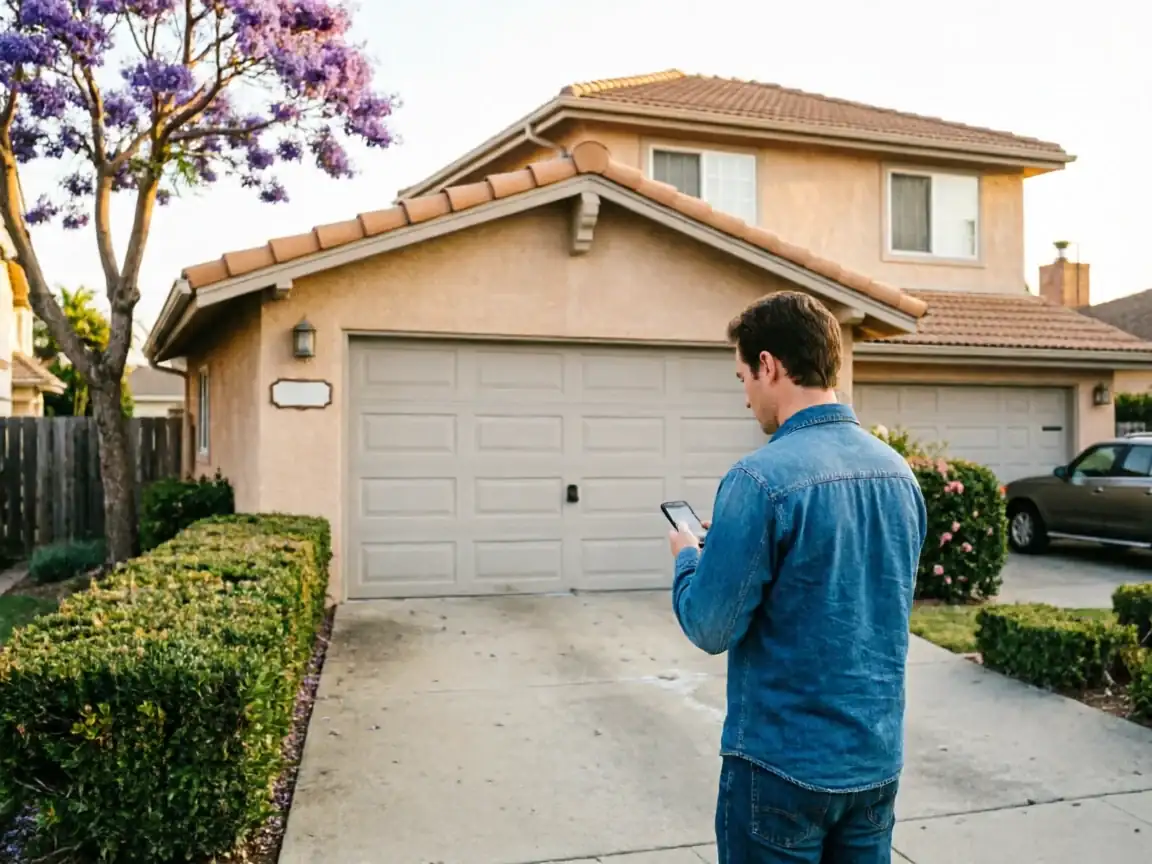
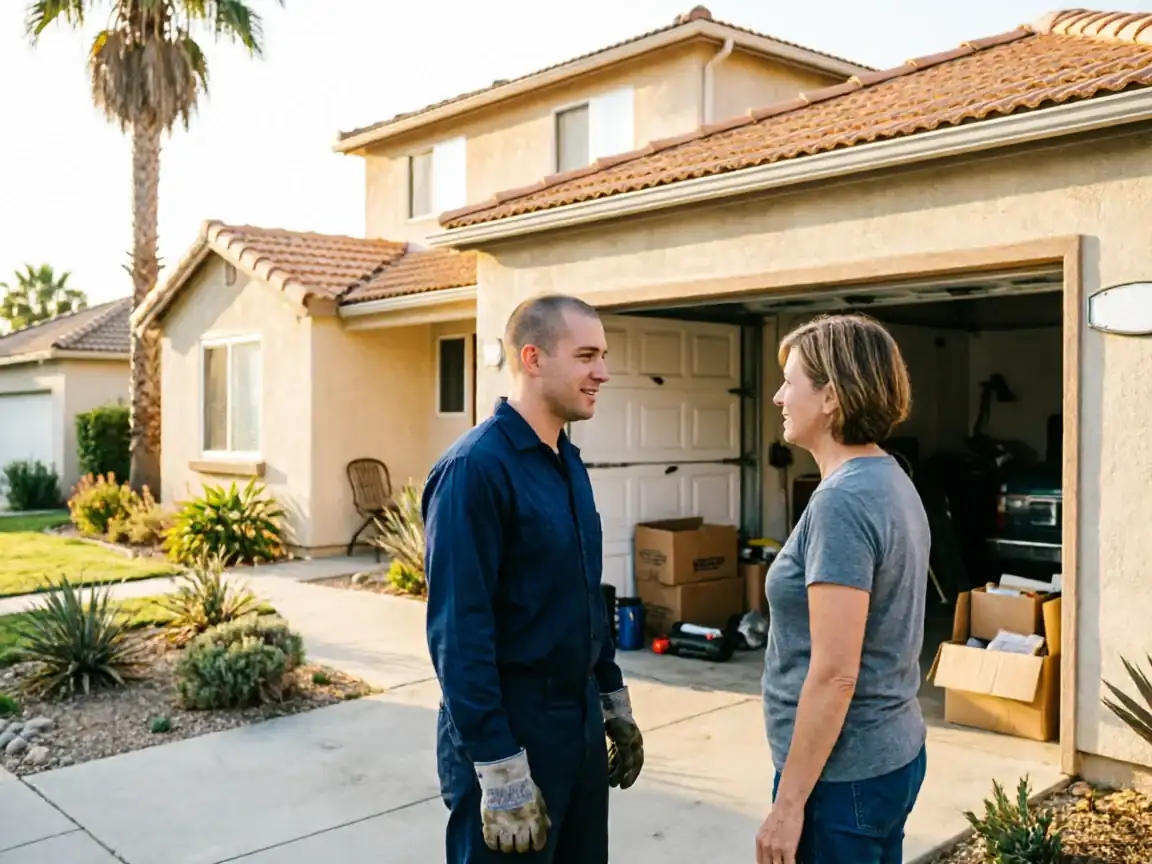
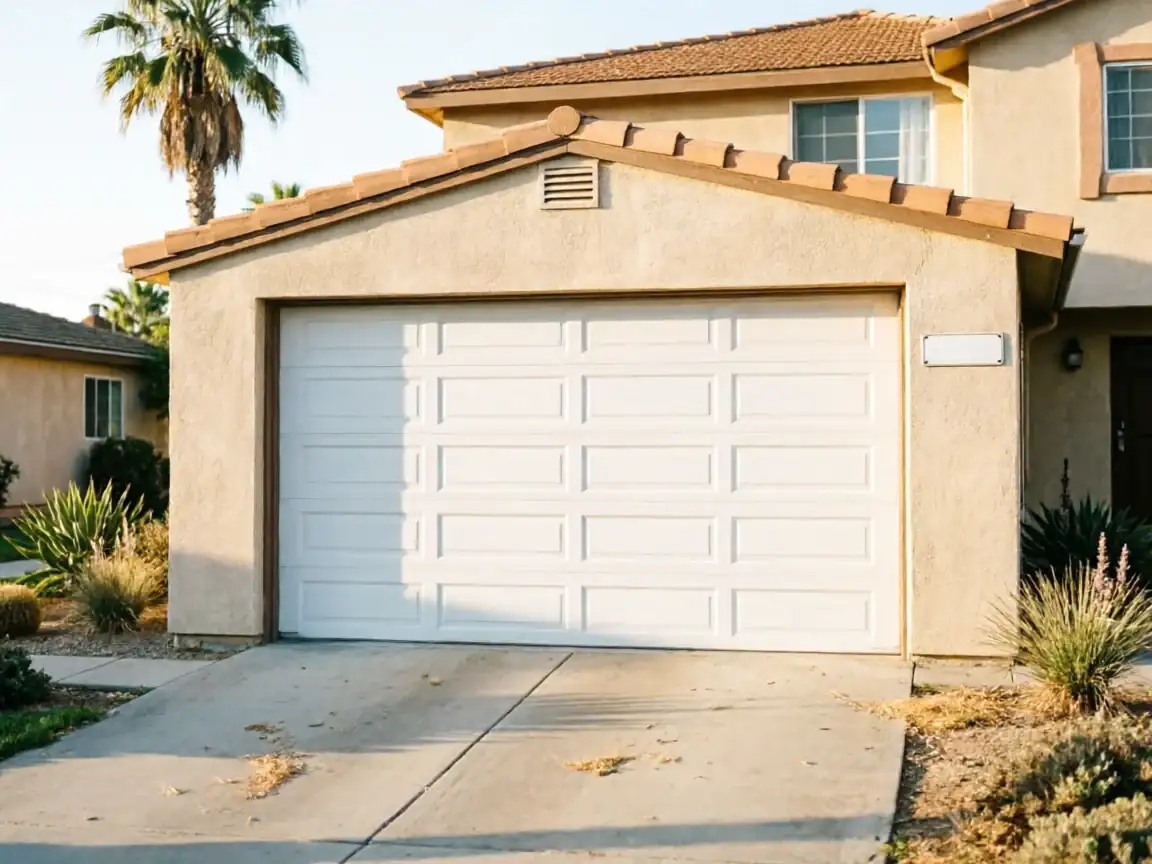
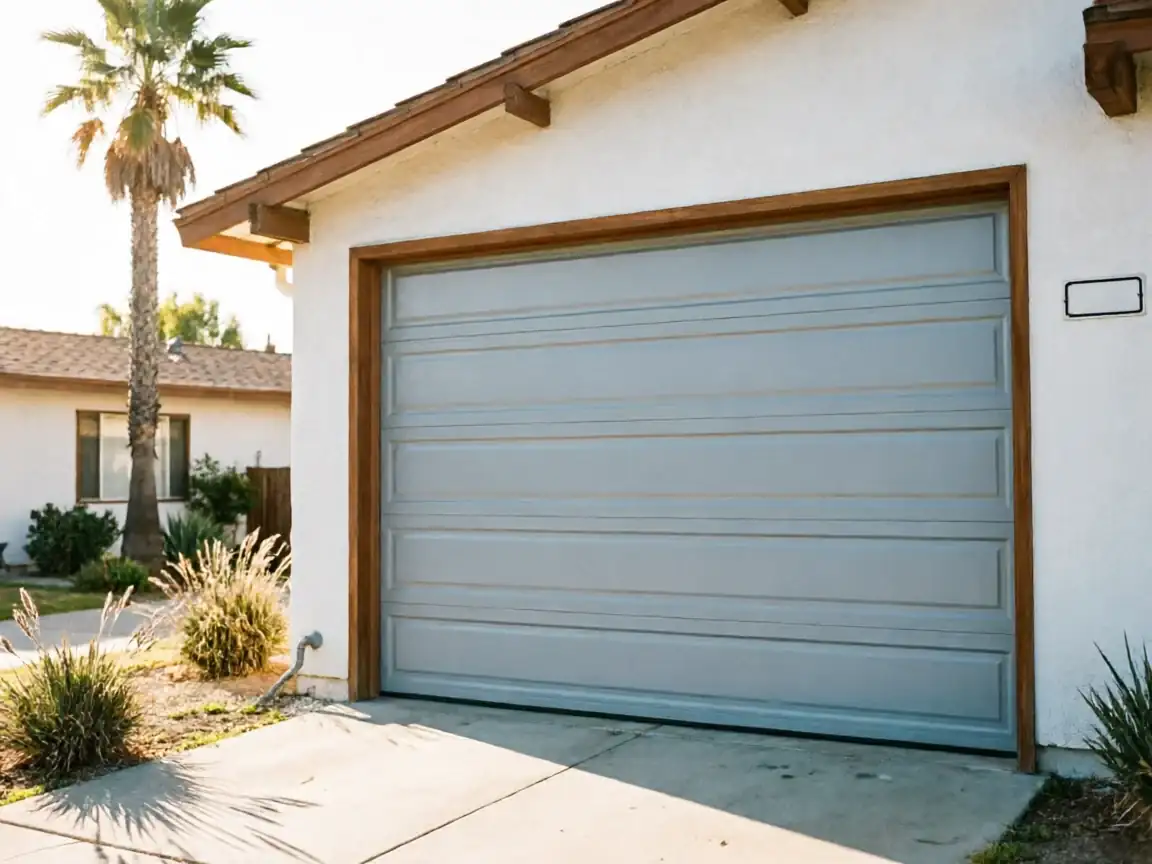
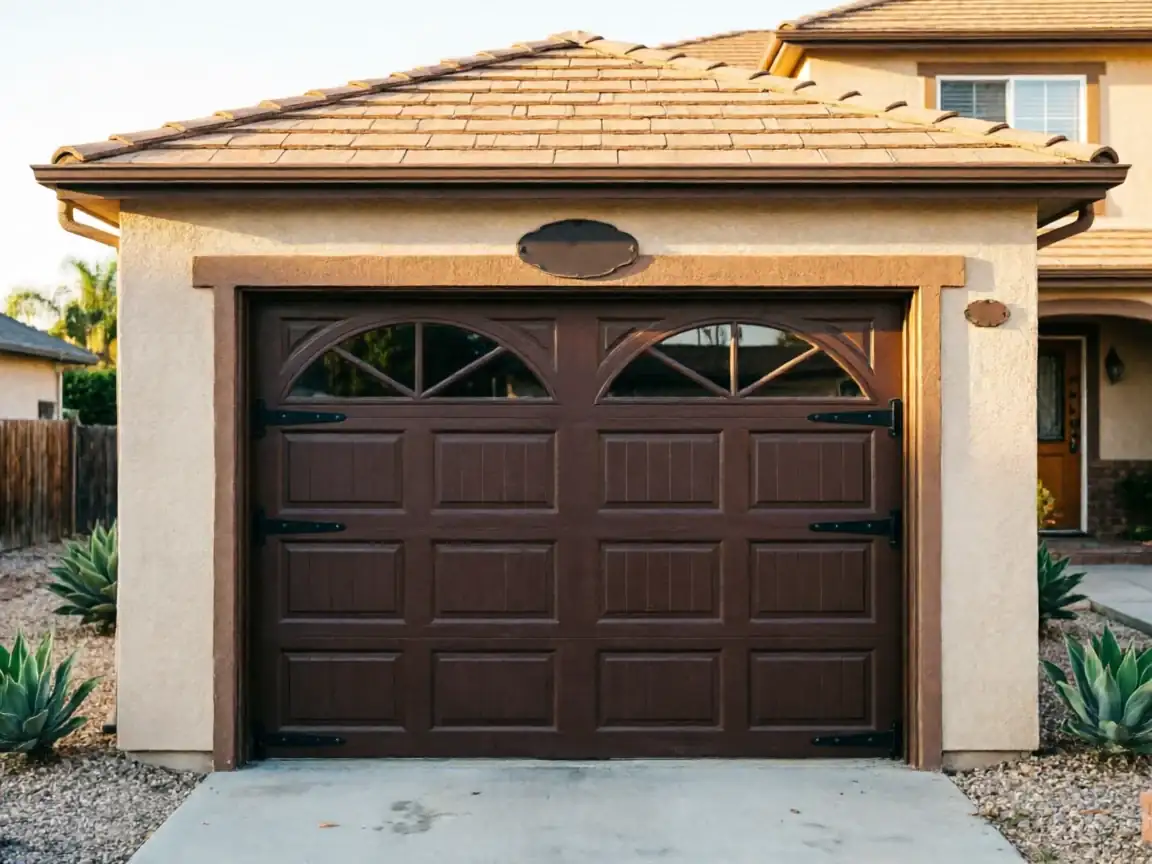
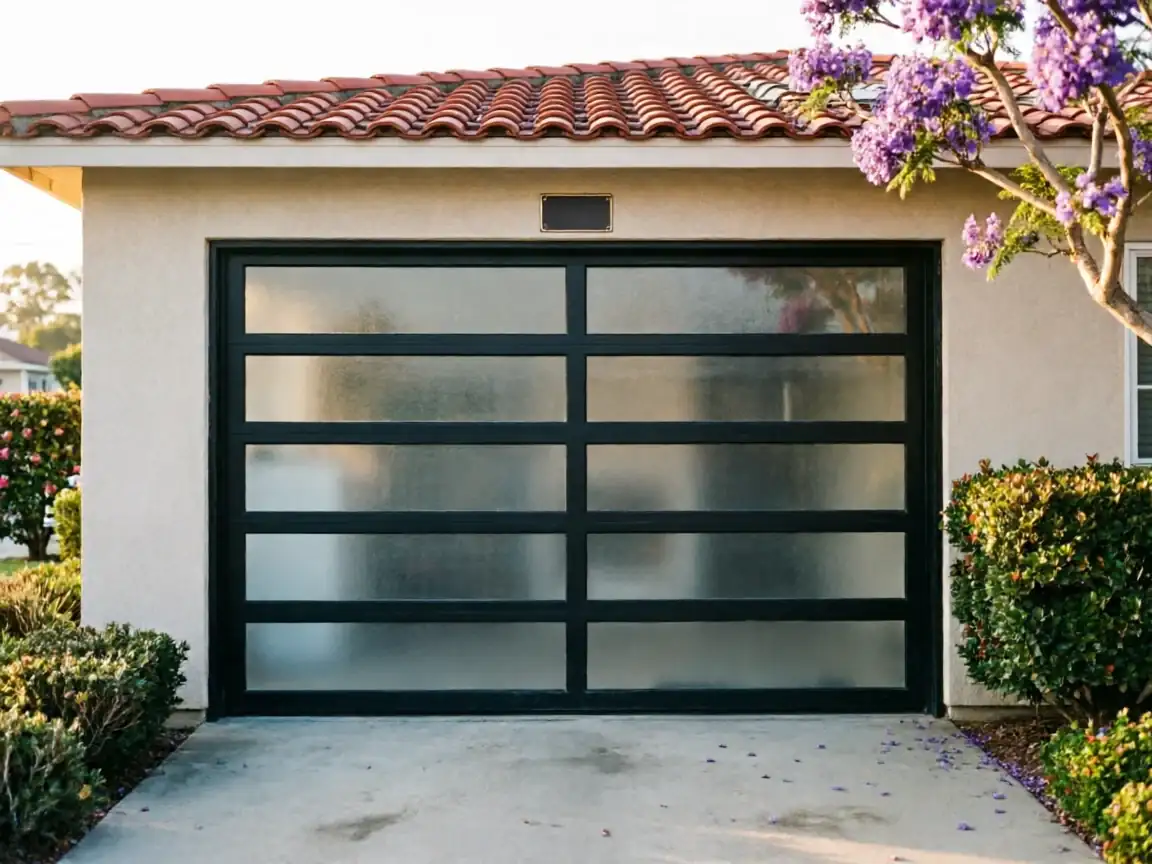
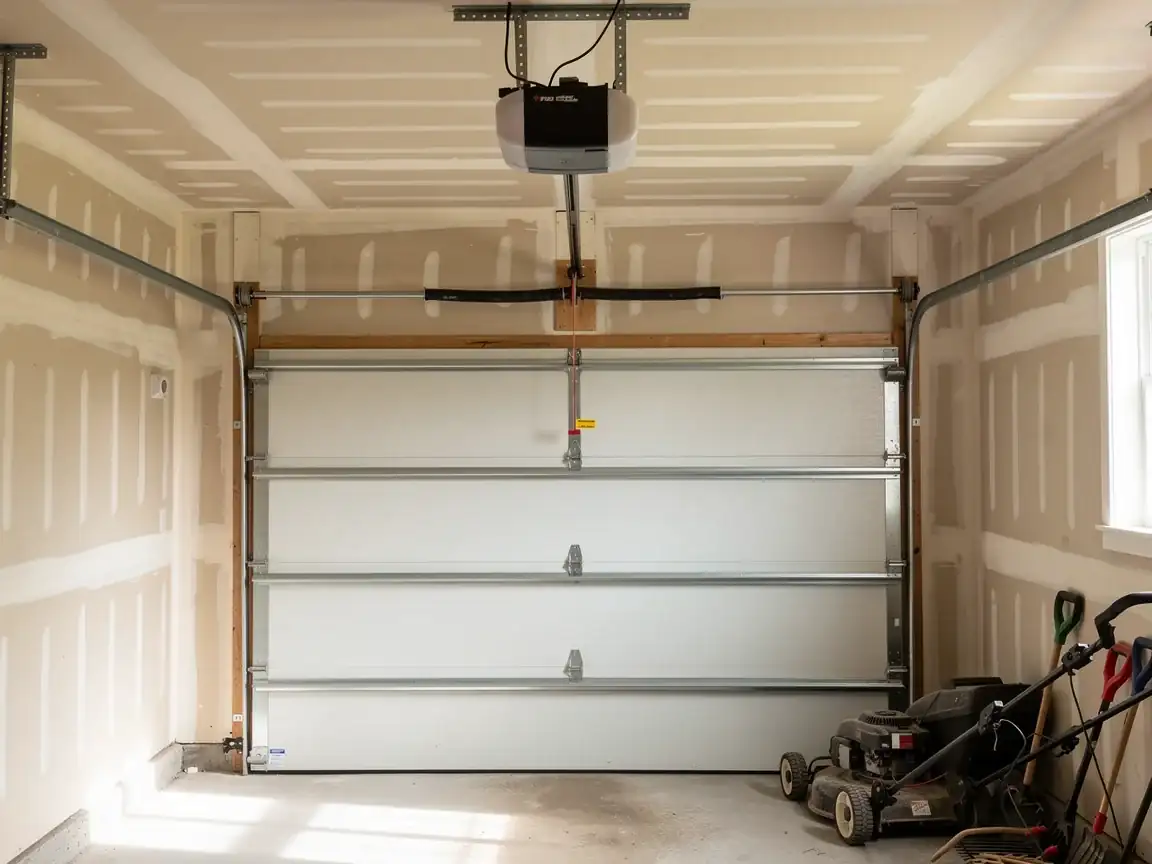
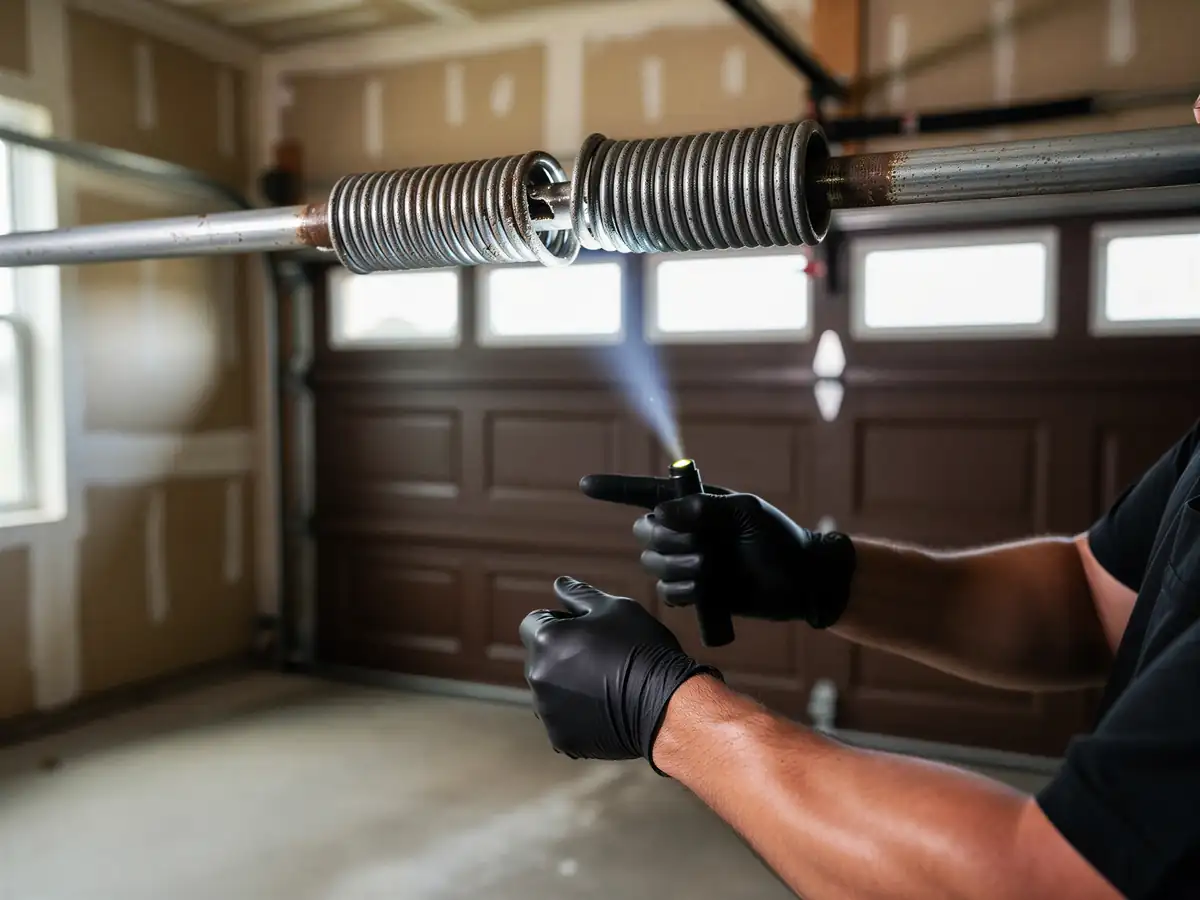
Most houses in Rossmoor went up around 1959, which puts the original garage door somewhere between a painted wood panel slab and an early steel single-layer unit, usually sized for a single-car or narrow double opening rather than the wide doors builders use now. A lot of these openings never got re-measured when the door was swapped out over the years, so you end up with a newer skin bolted to an old frame, or new rollers trying to ride in a track that was bent to fit a door that isn't there anymore. We carry torsion springs, extension springs, and the shorter track sections that older single-car openings in this area tend to need, plus the drums and cable gauges that match 1950s hardware rather than today's standard stock sizes. When a part truly isn't something we carry on the truck, we tell you that up front and give you a real timeline instead of guessing.
The DIY Question
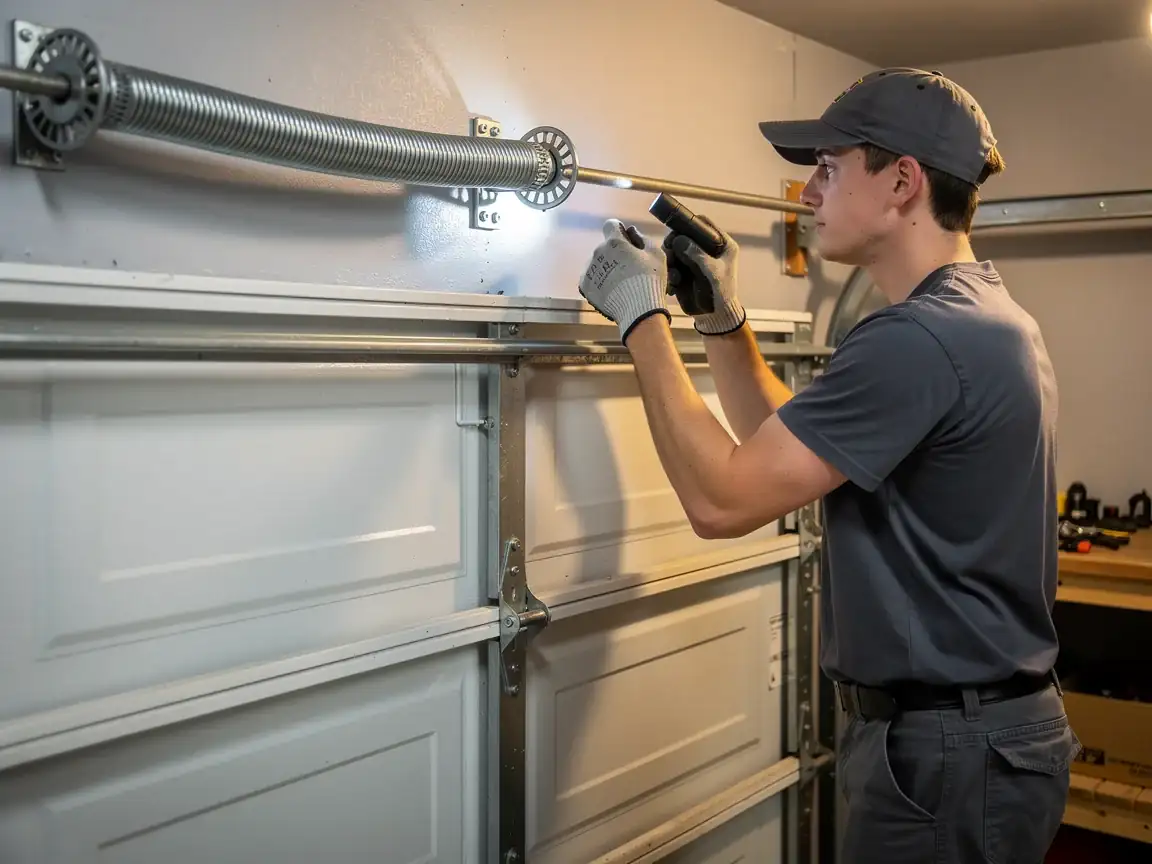
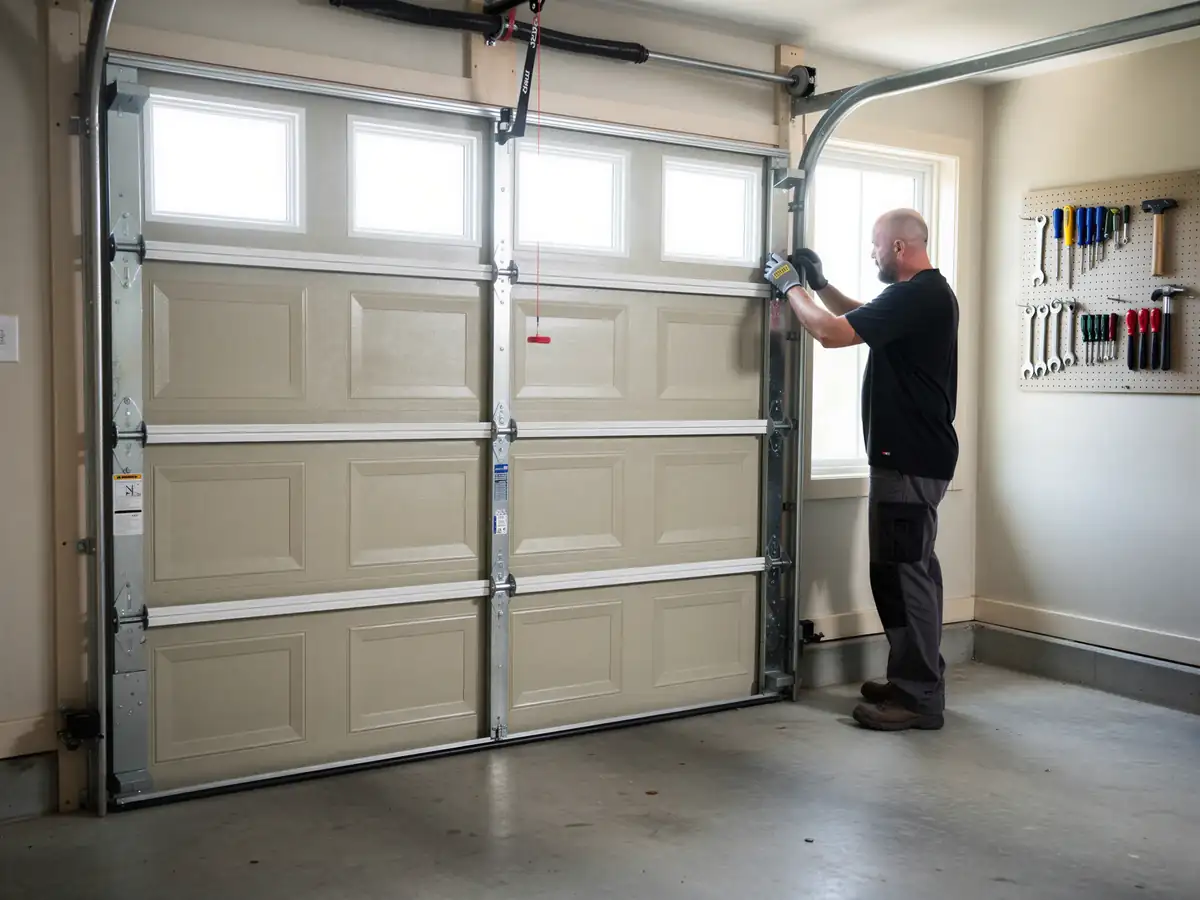
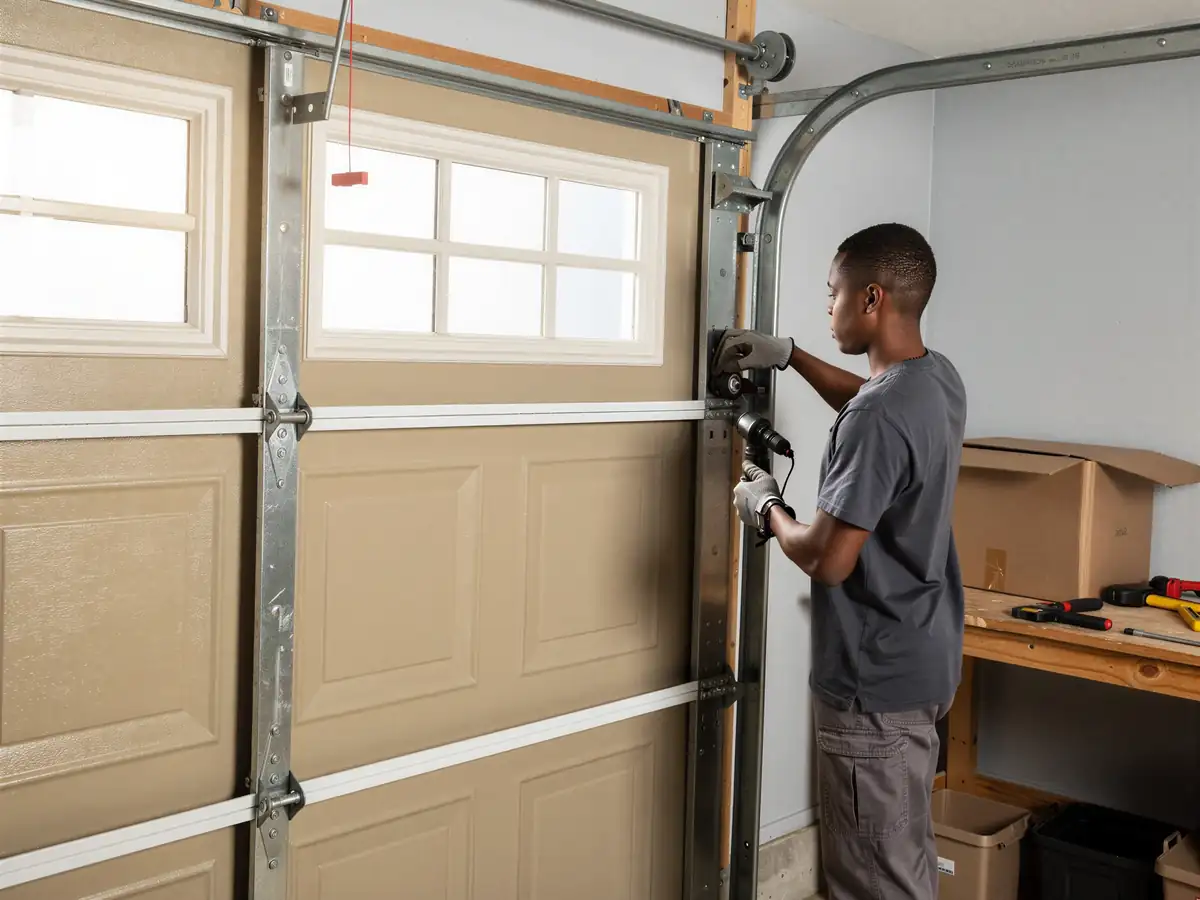
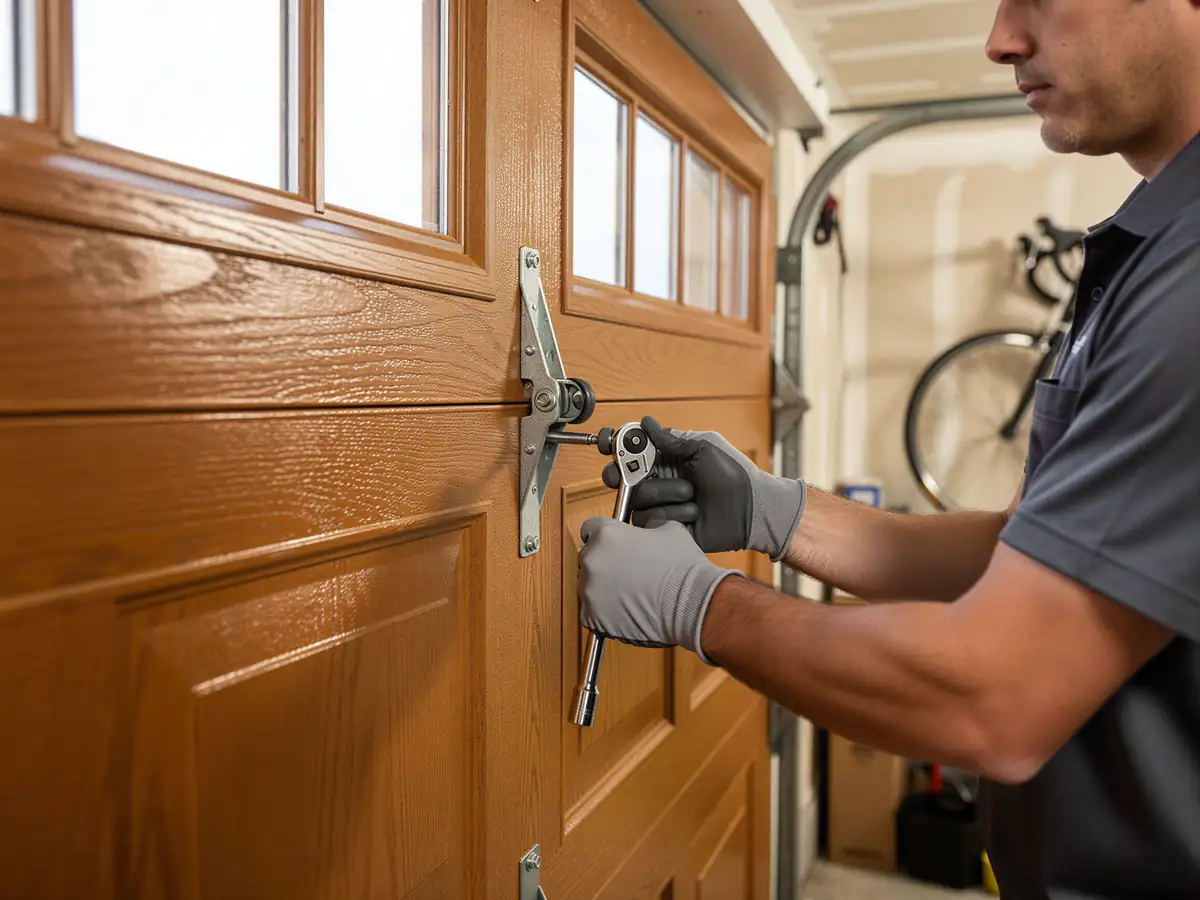
A torsion spring under tension can break a hand or worse, and that risk doesn't change because the door is old. What does change with a 1959-era door is the margin for error - the wood or early steel panels on these doors are heavier relative to their size than a modern insulated steel door, and the hardware holding them wasn't engineered with today's safety cables or adjustable torsion bars. If you're comfortable swapping a roller or lubricating a track, that's reasonable DIY territory. Springs, cables, and anything involving the torsion bar over the door are not. On a door this old, we'd also rather you call before you start removing panels, since what looks like a simple hinge repair sometimes turns out to be the only thing holding a warped panel in place.
Why It Happens Here
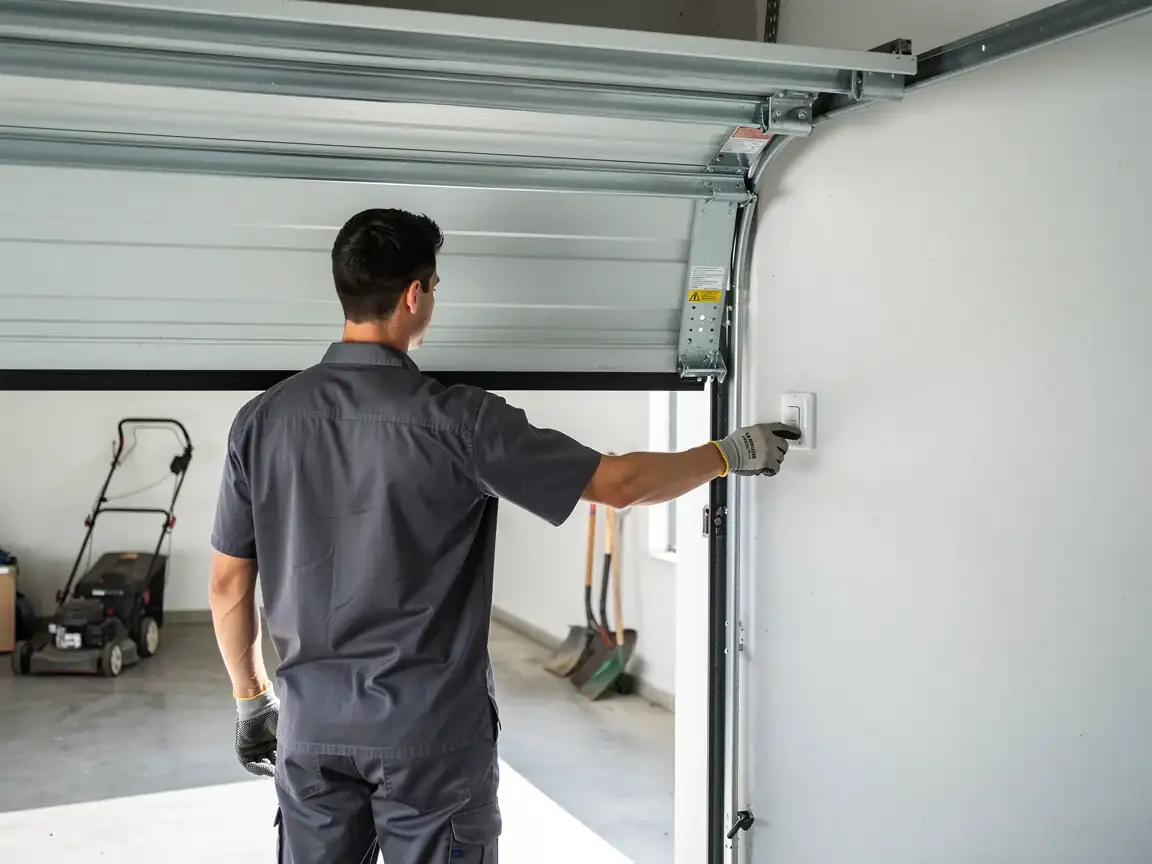
Rossmoor sits in the mild temperate band that covers this part of the service area, so the usual culprits - flash heat warping panels, hard freezes snapping springs - aren't really what we see. What we do see is plain fatigue: a spring that's been cycling on the same door since the house was built in 1959 or shortly after, hardware that's outlasted two or three openers, and tracks that have been nudged out of alignment by decades of minor bumps rather than any one dramatic event. With roughly 3,970 households in Rossmoor and most of the housing stock dating to that same late-1950s window, the failures we get called out for tend to be the slow kind - metal fatigue and worn rollers - rather than storm damage or sudden impact.