How We Fix It
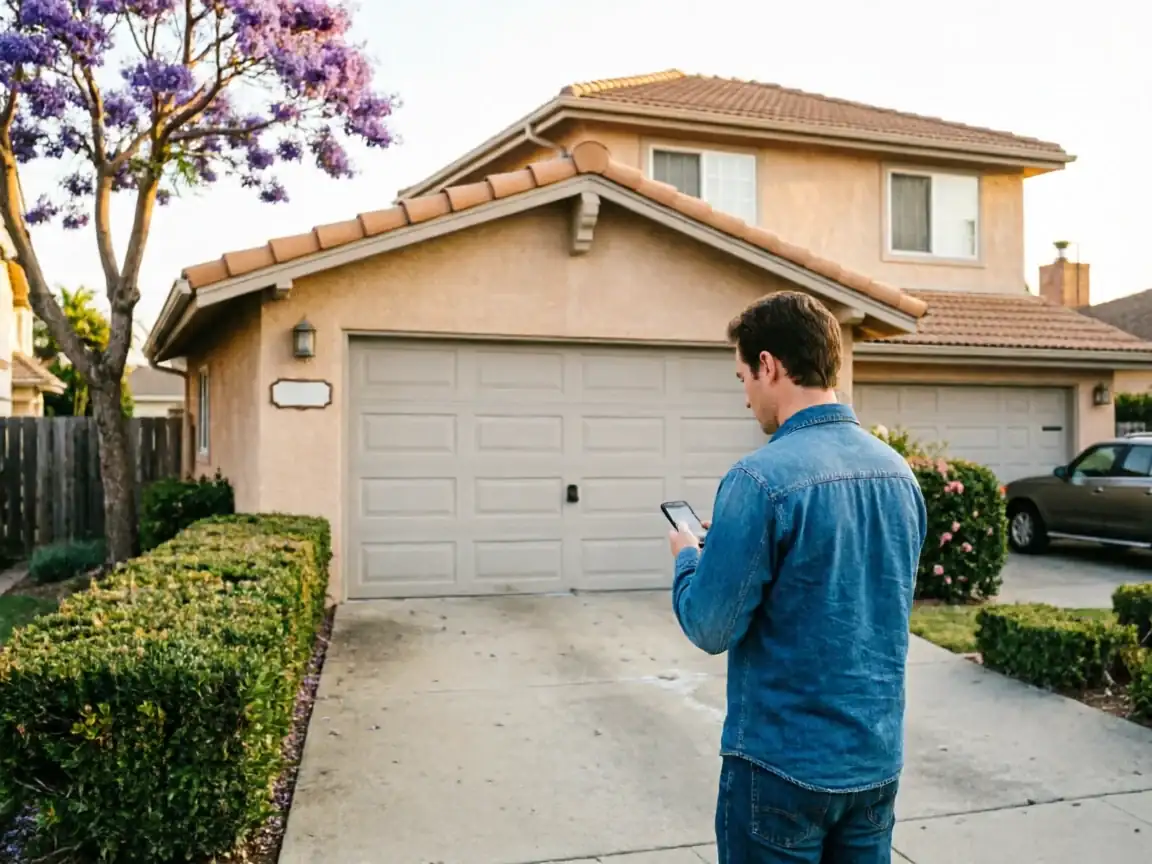
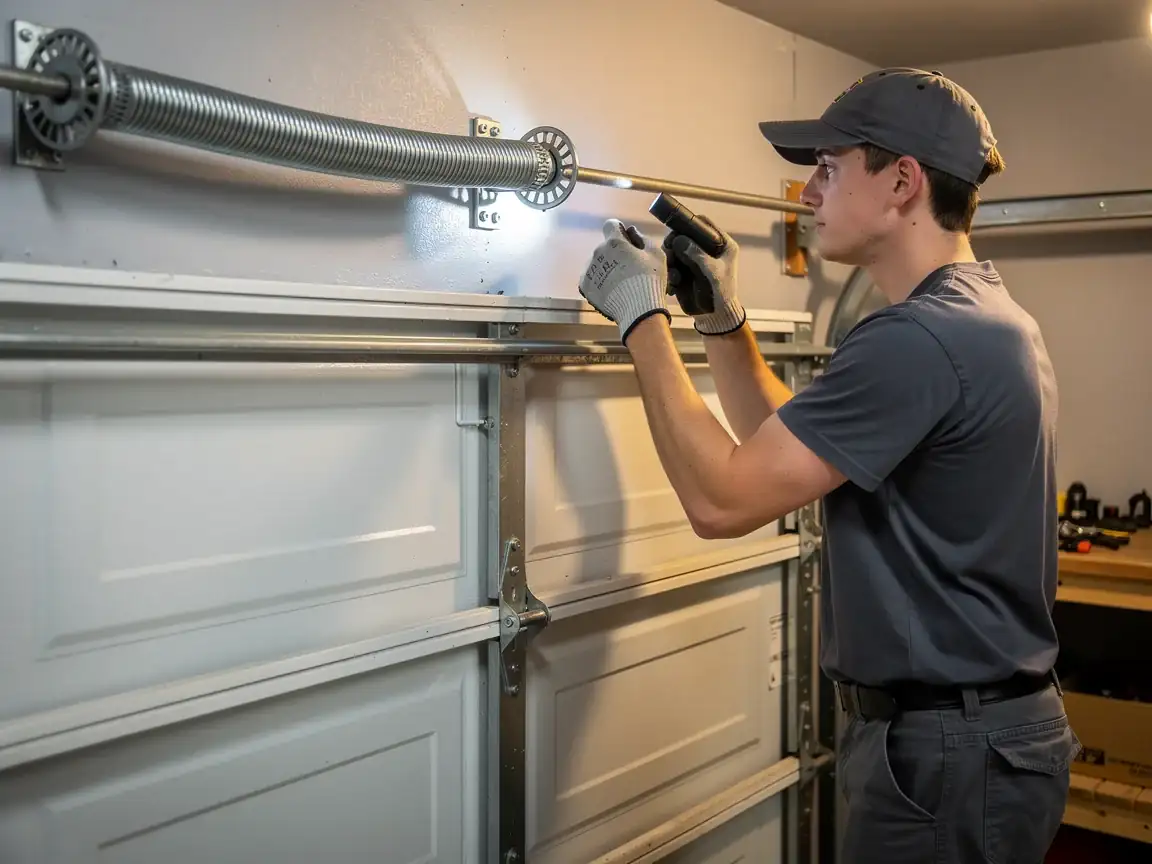
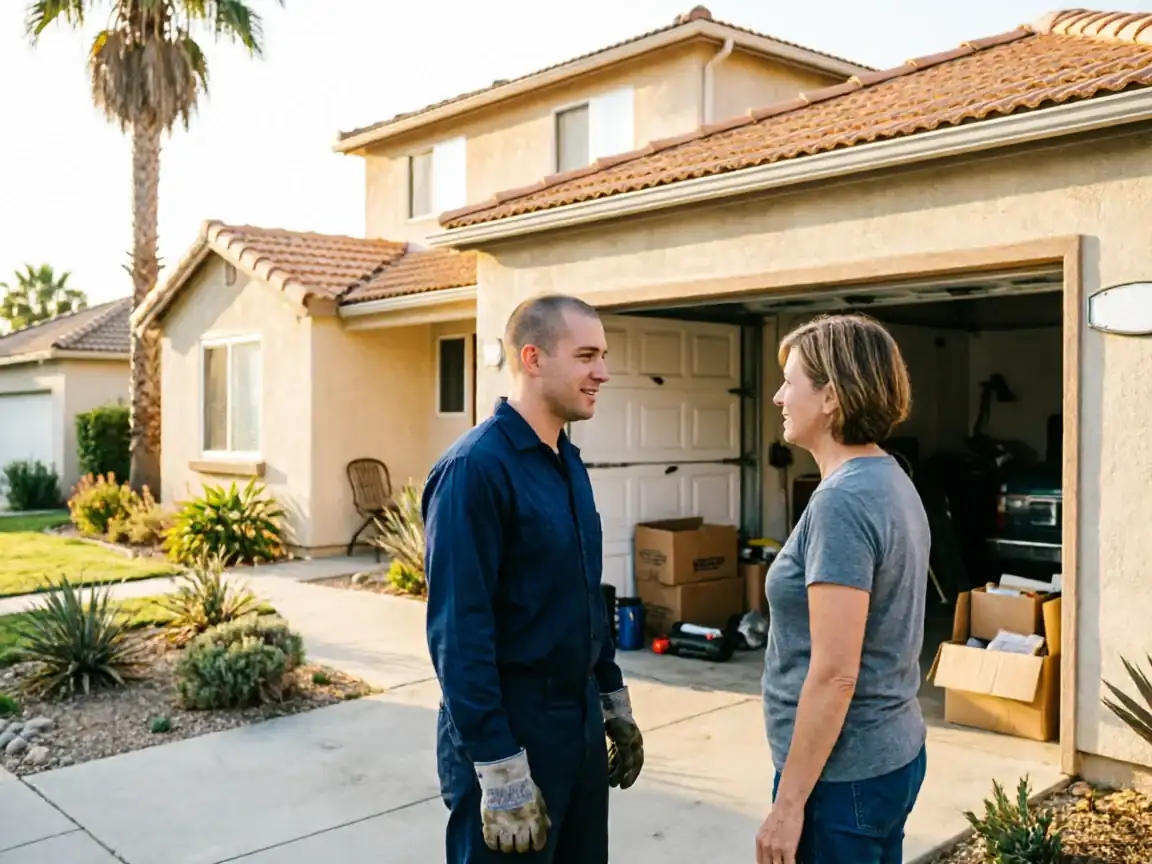
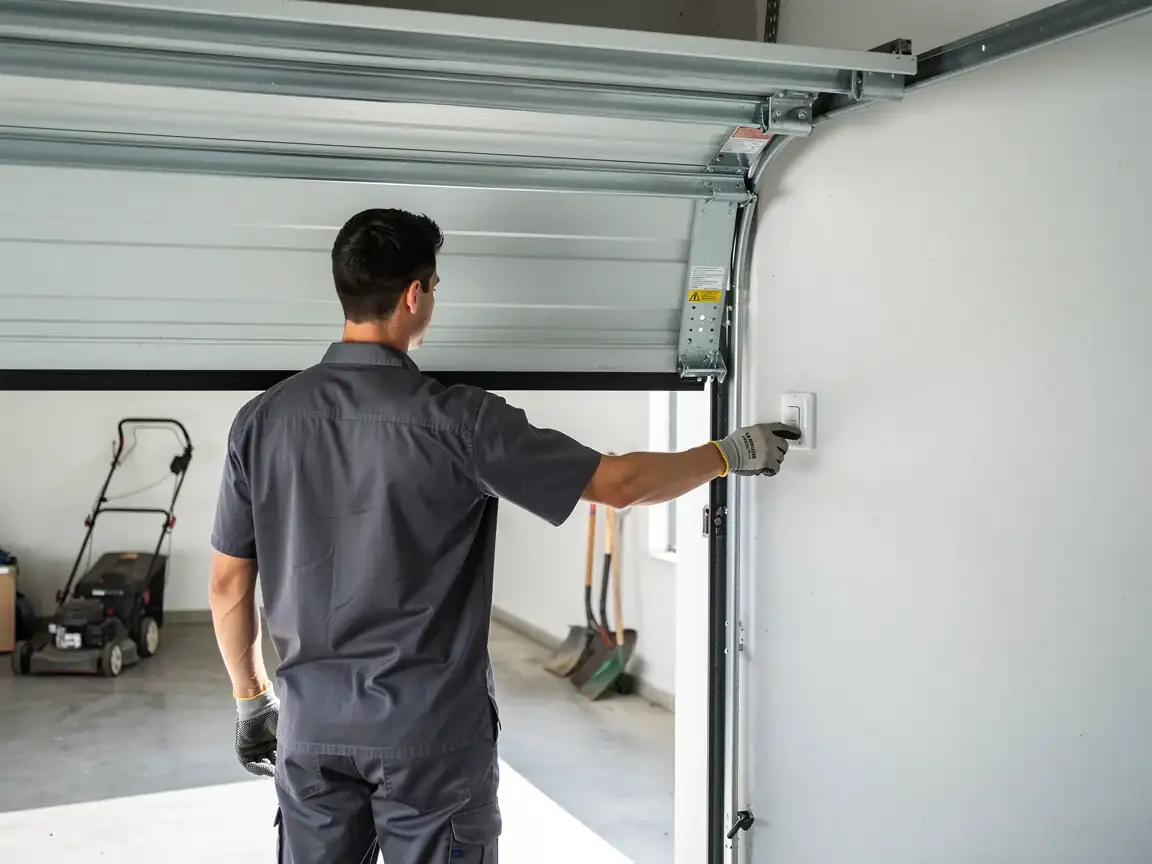
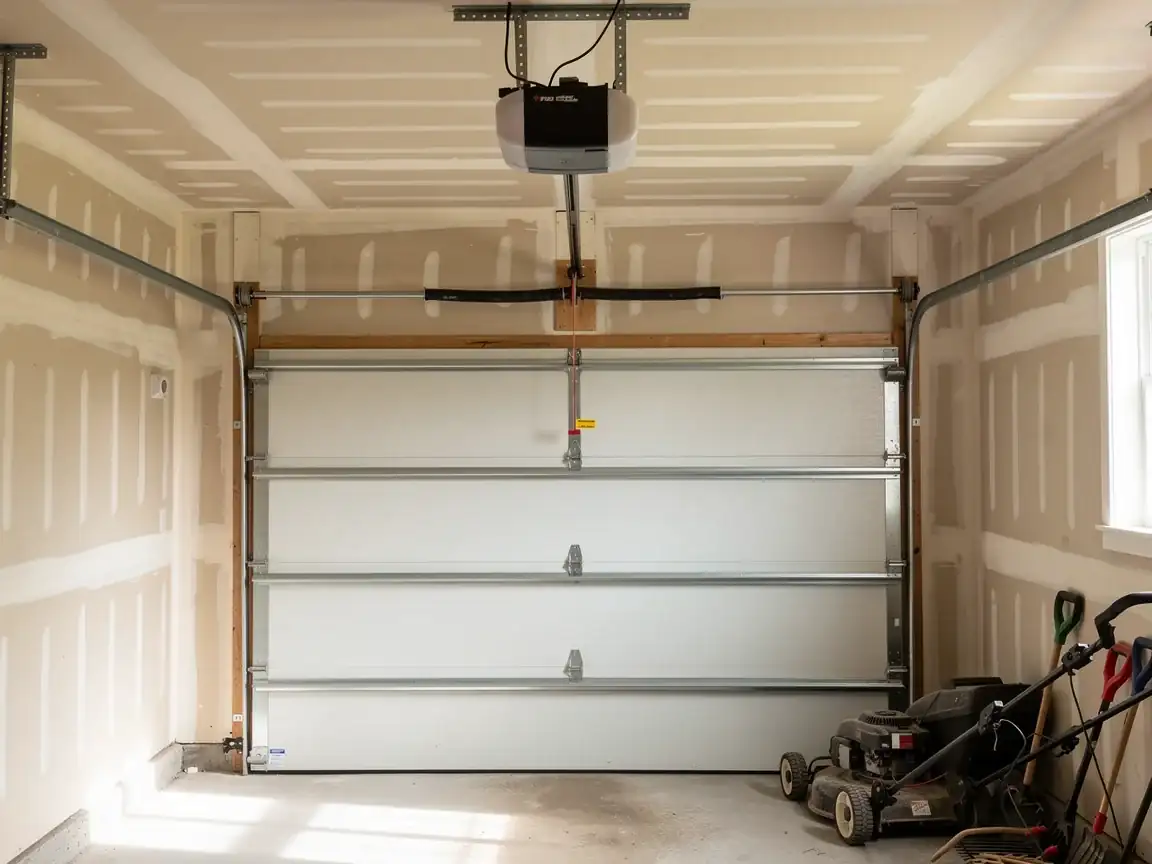
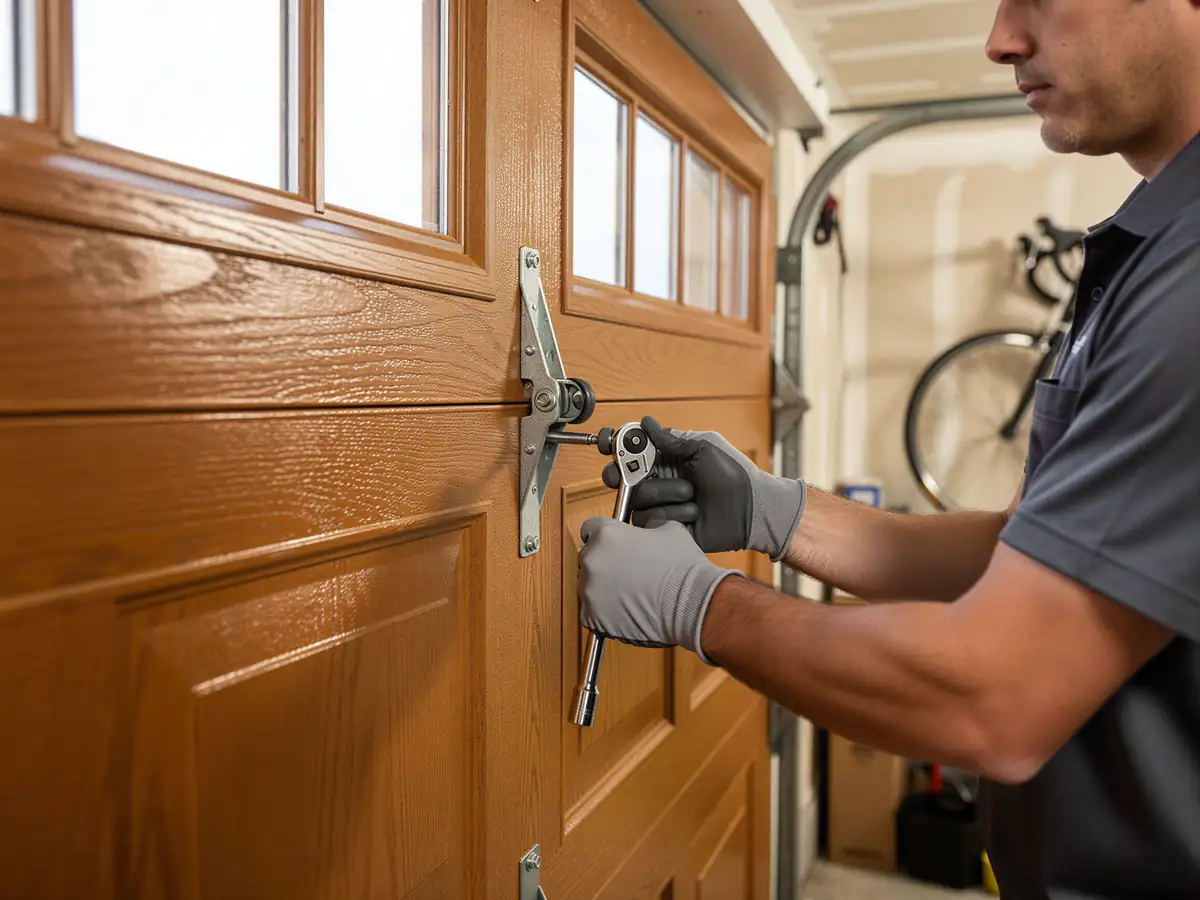
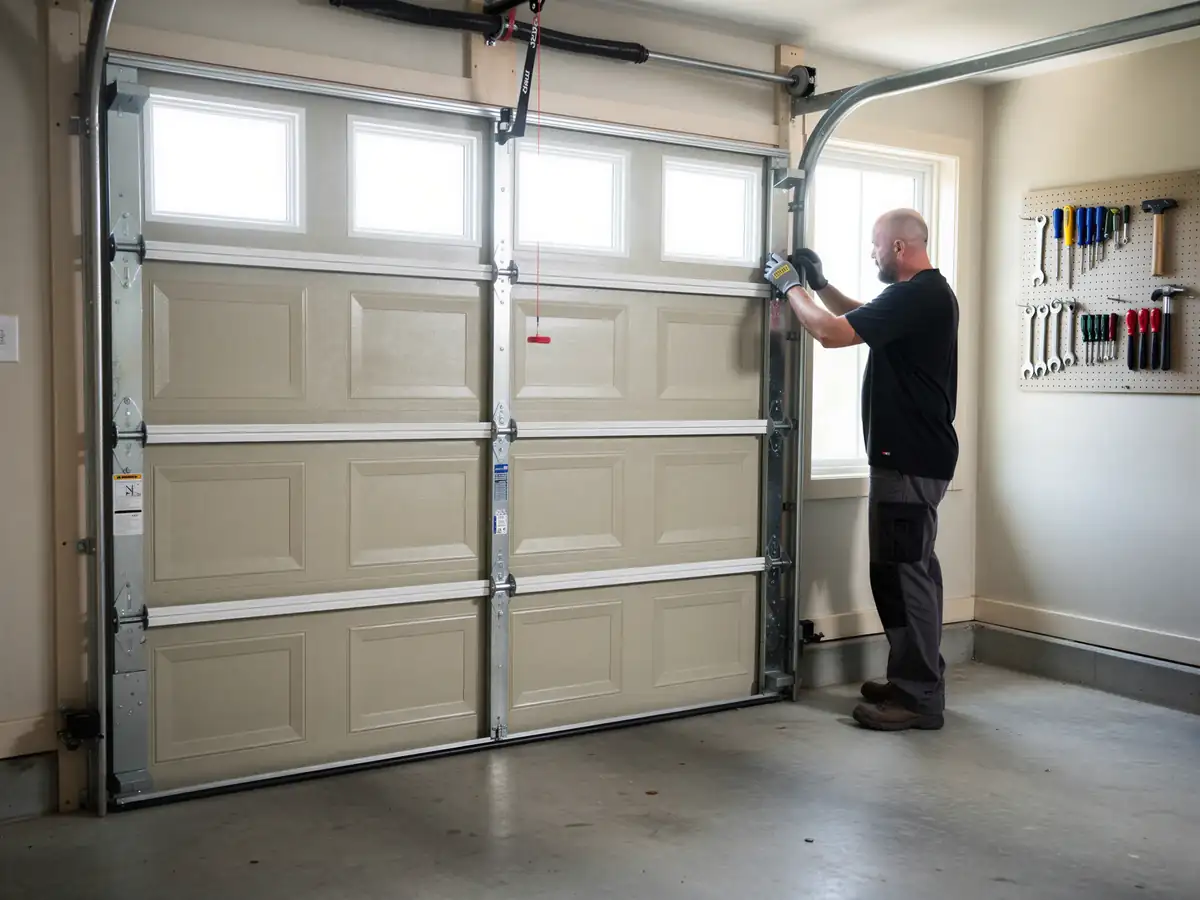
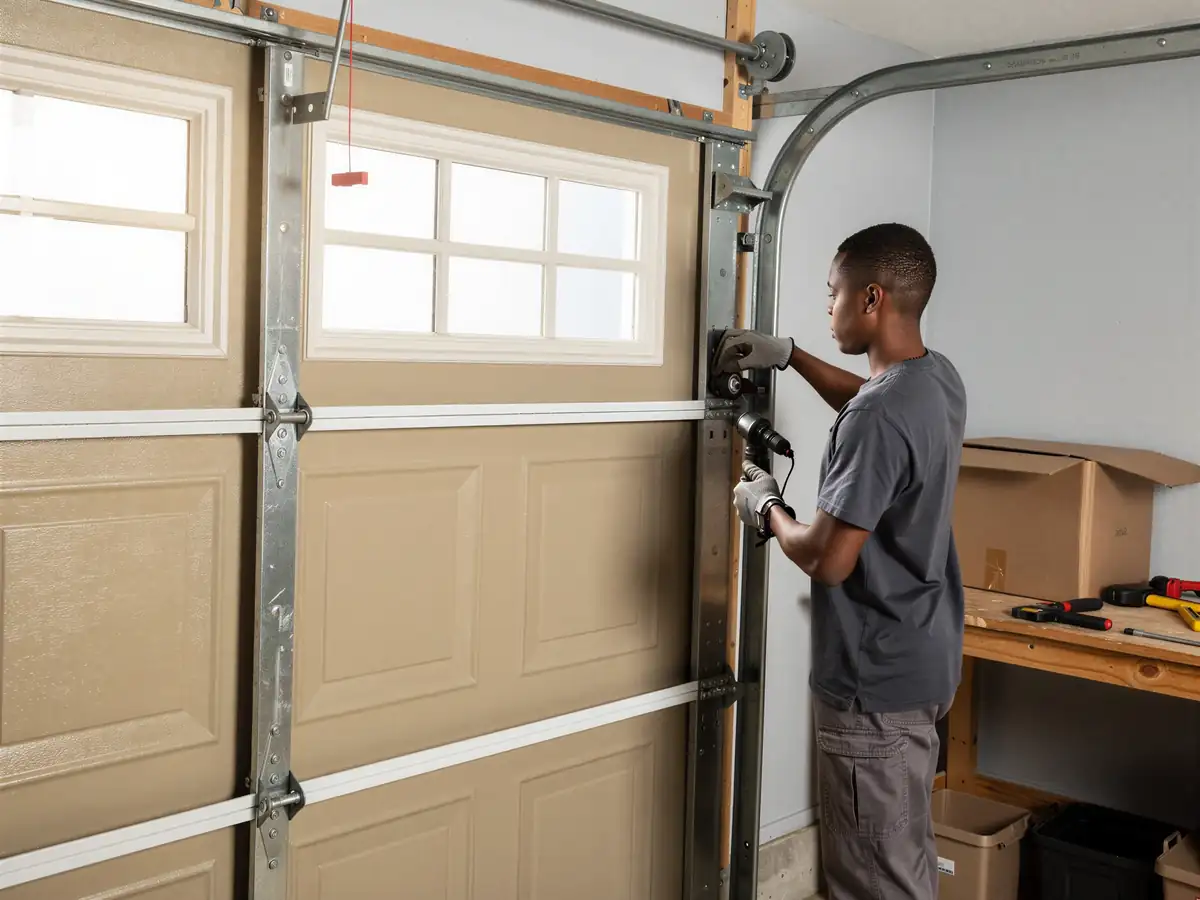
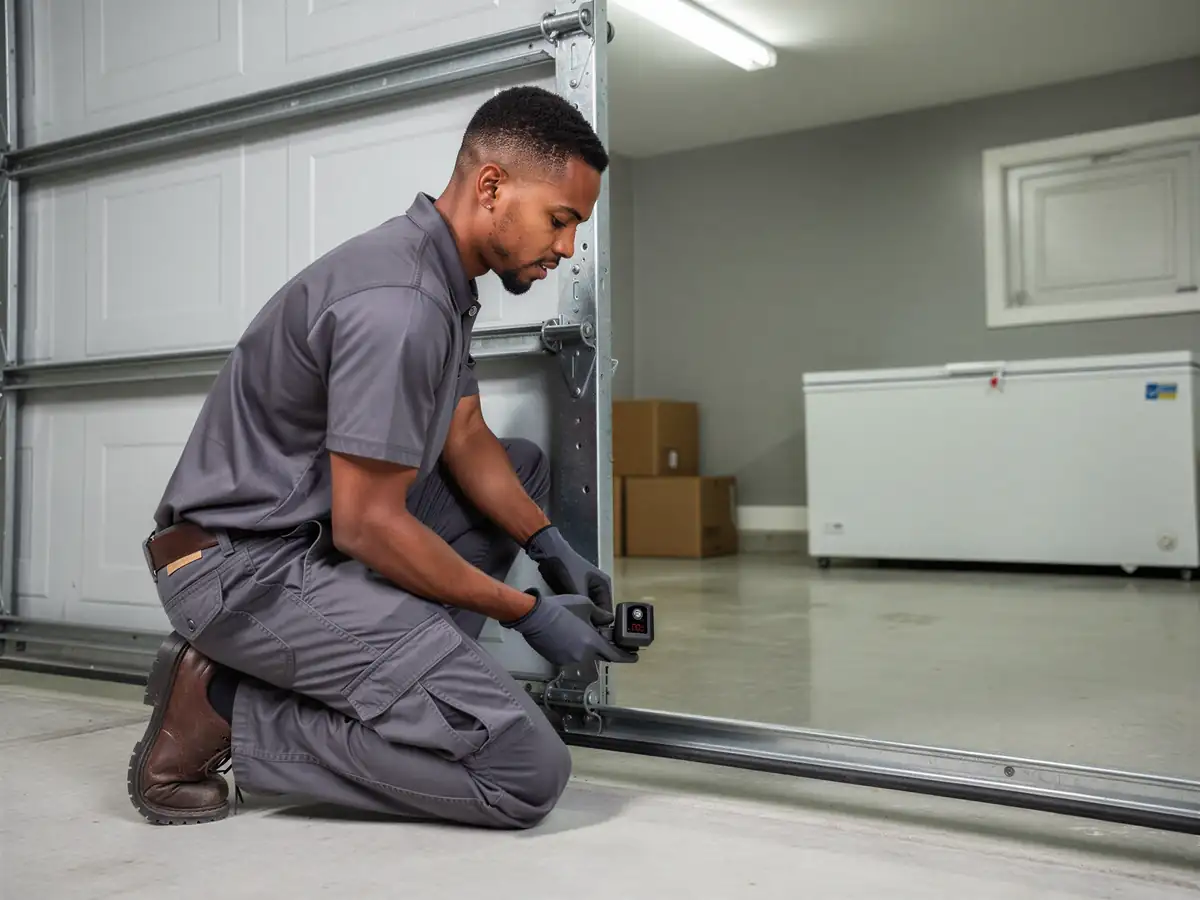
When a call comes in from West Rancho Dominguez, it's an 8-mile drive from our Hermosa Beach shop, not a dispatch from around the corner. That matters for how we load the truck before we leave rather than after we see the door. On a broken spring or an off-track panel, we ask enough on the phone to carry the right torsion spring size and the right roller set the first time, because a second trip for a missing part costs you another wait. Most of what we see out here are doors and openers that have been in place since the house was built, not recent swaps, so the parts bin we load up is tuned to older hardware rather than whatever's newest at the supply house. We get the door moving again, check the cable drums and the bottom brackets while we're under it, and tell you plainly if something else is close to failing. We don't pad the visit with upsells. If the door just needs the one part, that's the job.
Where This Job Goes Sideways
The job goes sideways when a homeowner has already tried to force a stuck door with the opener still engaged, which can bend a track or strip a gear we then have to replace instead of just the spring that failed. It also goes sideways when a part is rare enough that we can't carry it on the truck, and a 1950s-era torsion assembly sometimes falls into that category. We're honest when that happens: we'll get the door safe and usable that day, and come back once the part is in, rather than stall a job standing in your driveway waiting on a supplier. The other place this goes wrong is skipping the inspection under pressure to finish fast. A cable that's fraying next to the spring that just broke will break too, usually within weeks, and we'd rather flag it now than get called back for it.
Why It Happens Here
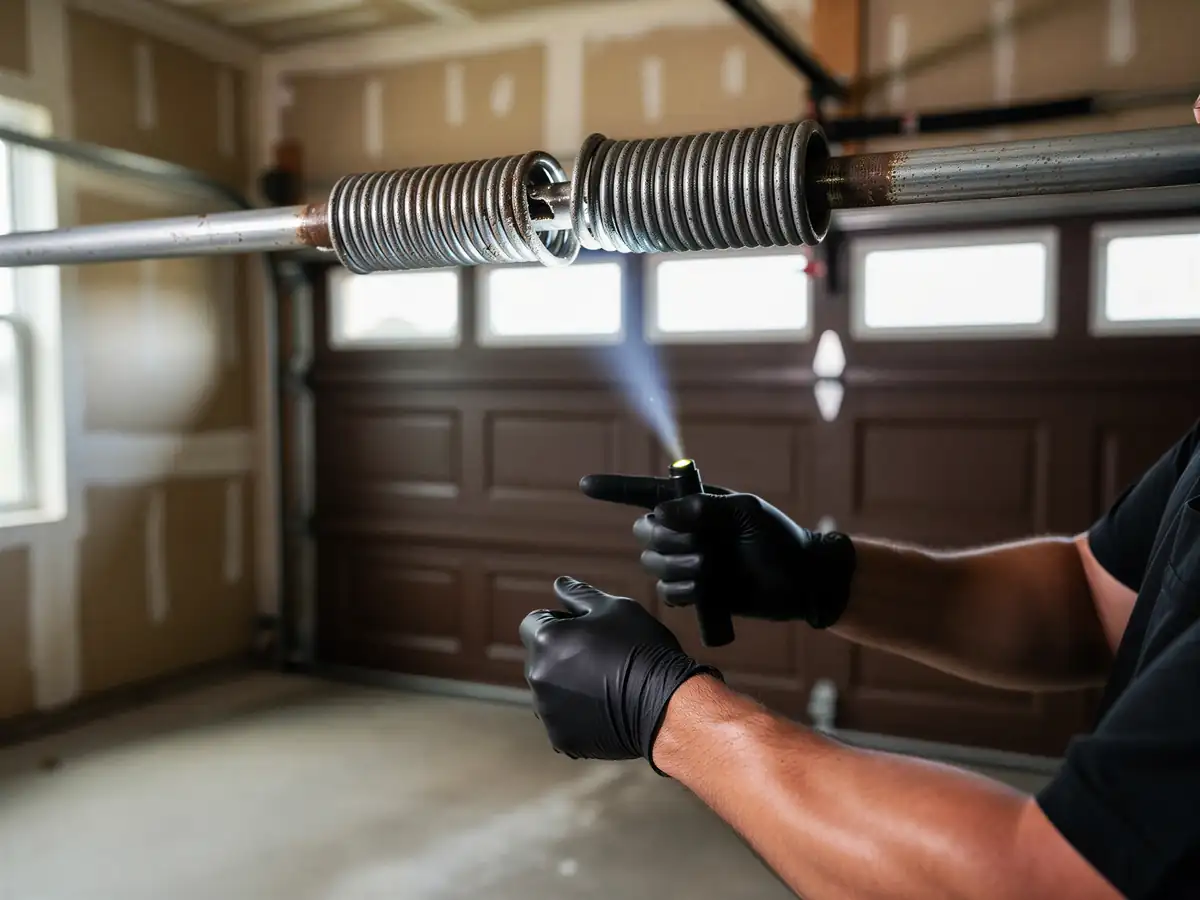
West Rancho Dominguez's housing mostly dates to around 1954, squarely inside the 1947 to 2012 range across the wider service area but on the older end of it. That means original torsion springs, steel tracks, and in some cases openers that predate the safety-reversal standards built into everything sold today. Those parts were built to a 1950s spec, not a current one, and after seventy years of cycling open and shut, the fatigue shows up as sudden spring failure rather than a slow warning. The mild coastal climate out here is kind to the hardware compared to places with real freeze-thaw cycles, so corrosion isn't usually the culprit. The failure we see instead is plain metal fatigue in springs and cables that have simply done their job for longer than they were ever rated to.