How We Fix It
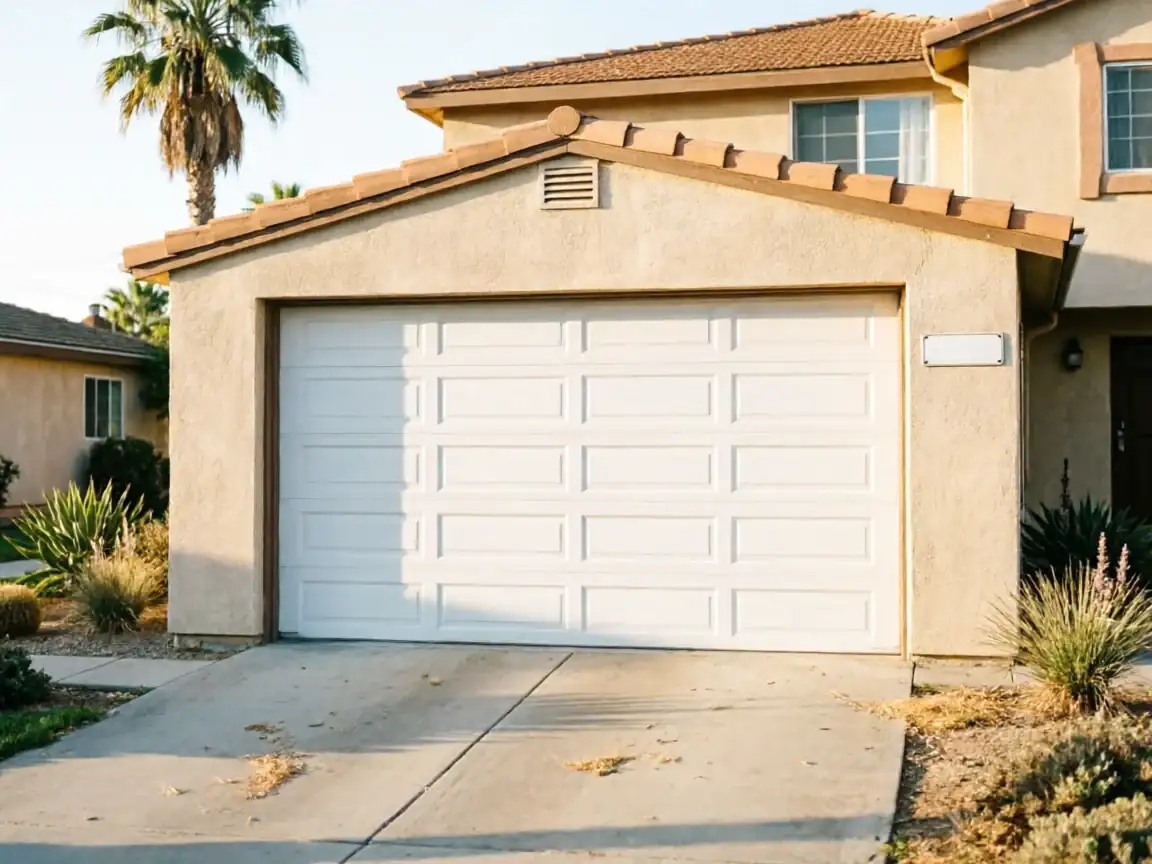
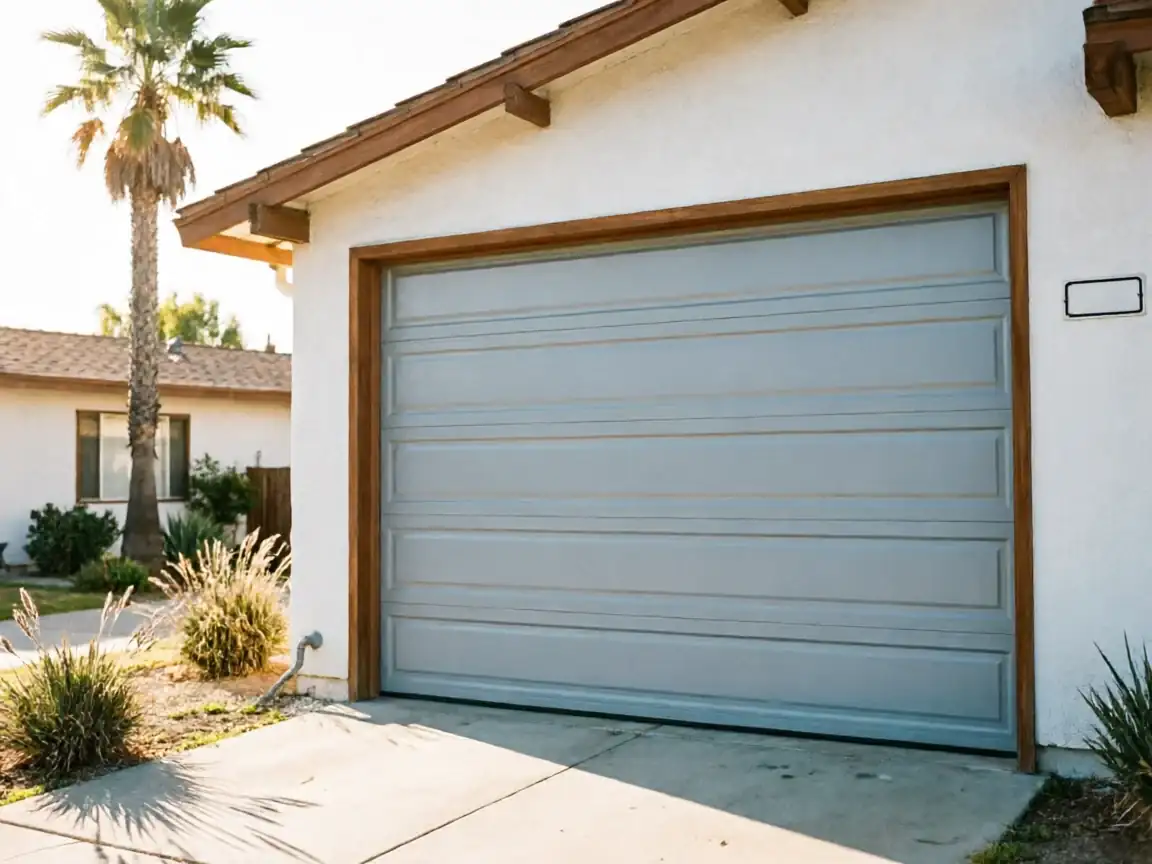
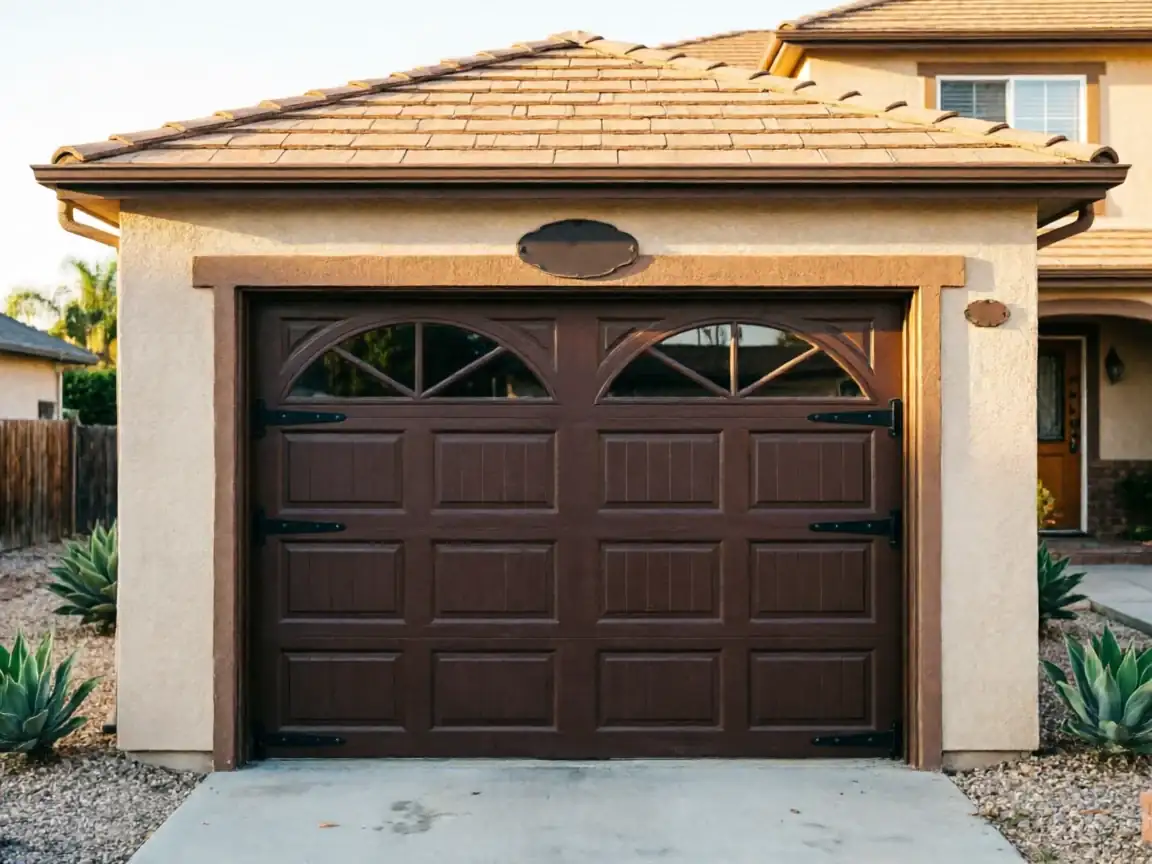
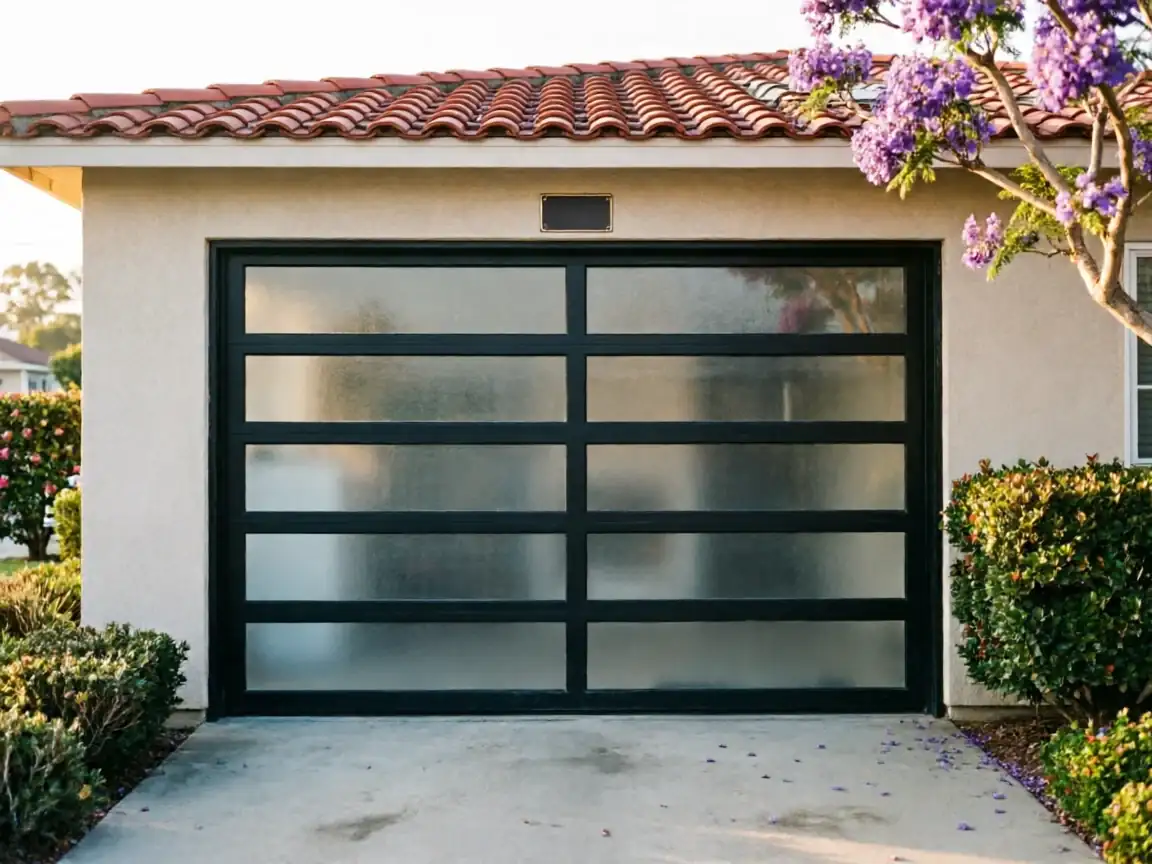
When a house in West Rancho Dominguez needs a new door, we're usually replacing something that was never built to current hardware standards. Median build year here runs around 1954, which means a lot of garages still have the original single-car or narrow double-car opening, framed for a door style that hasn't been made in decades. We start by measuring the rough opening against what's actually available now, because a lot of these openings are a few inches off from today's standard sizes.
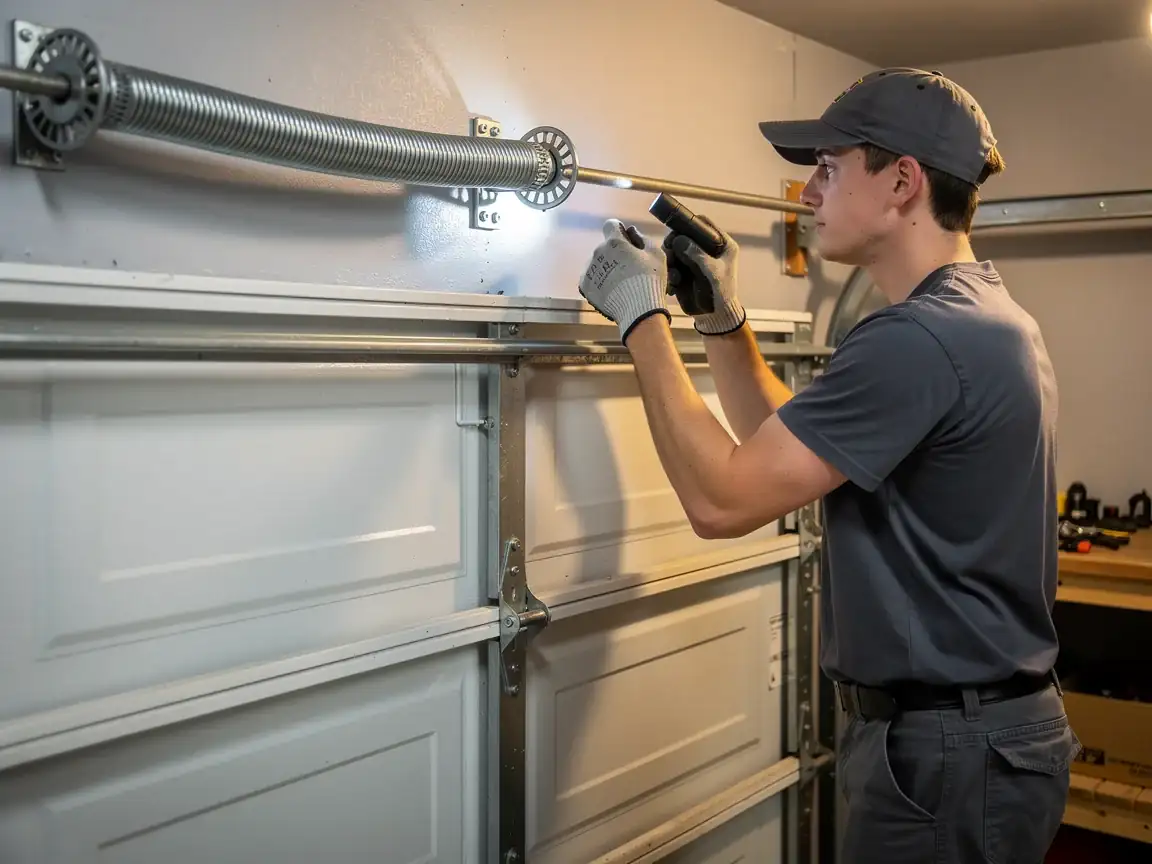
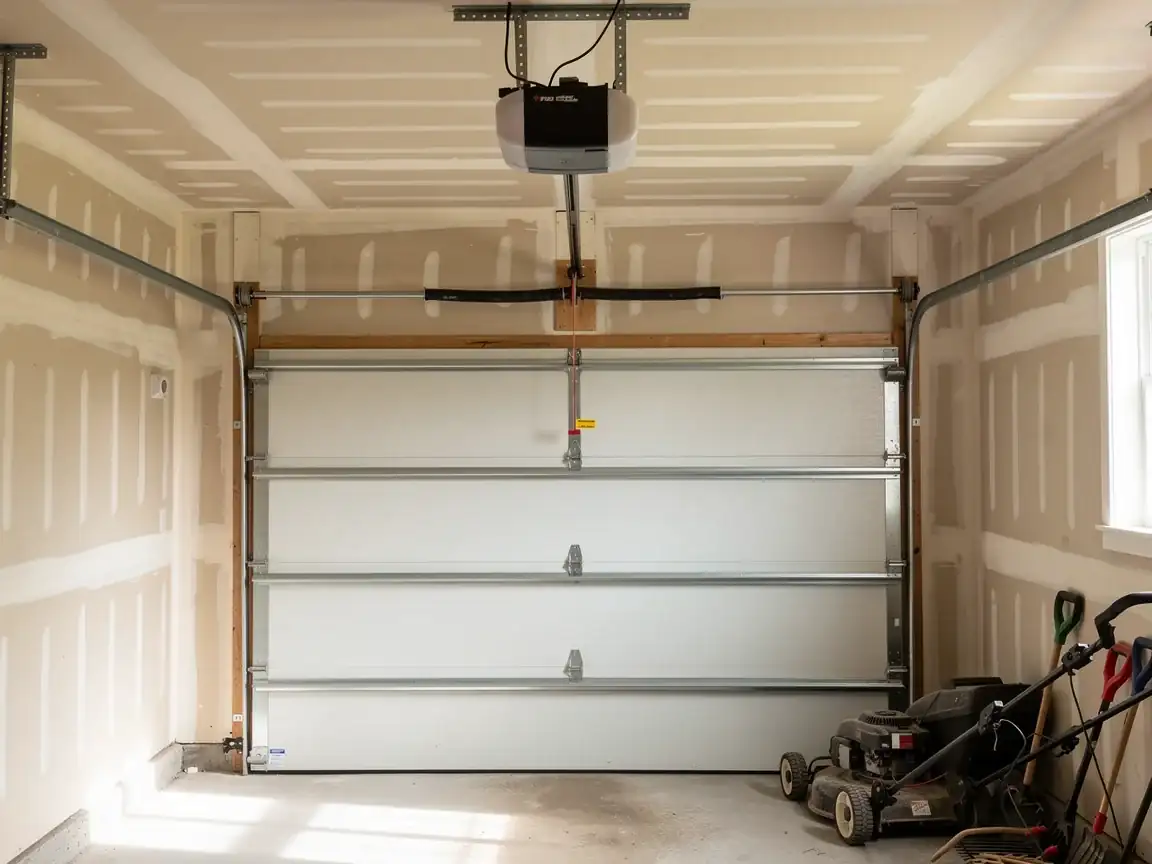
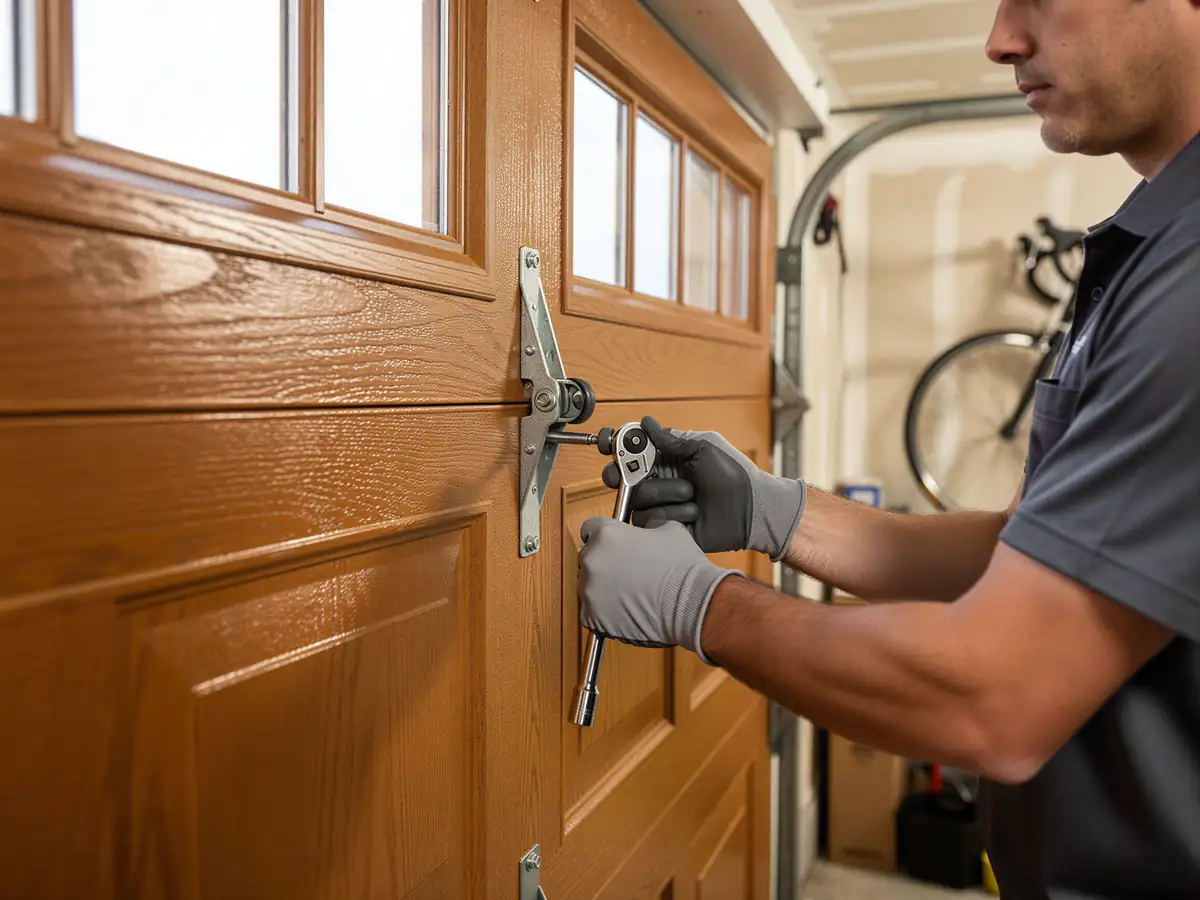
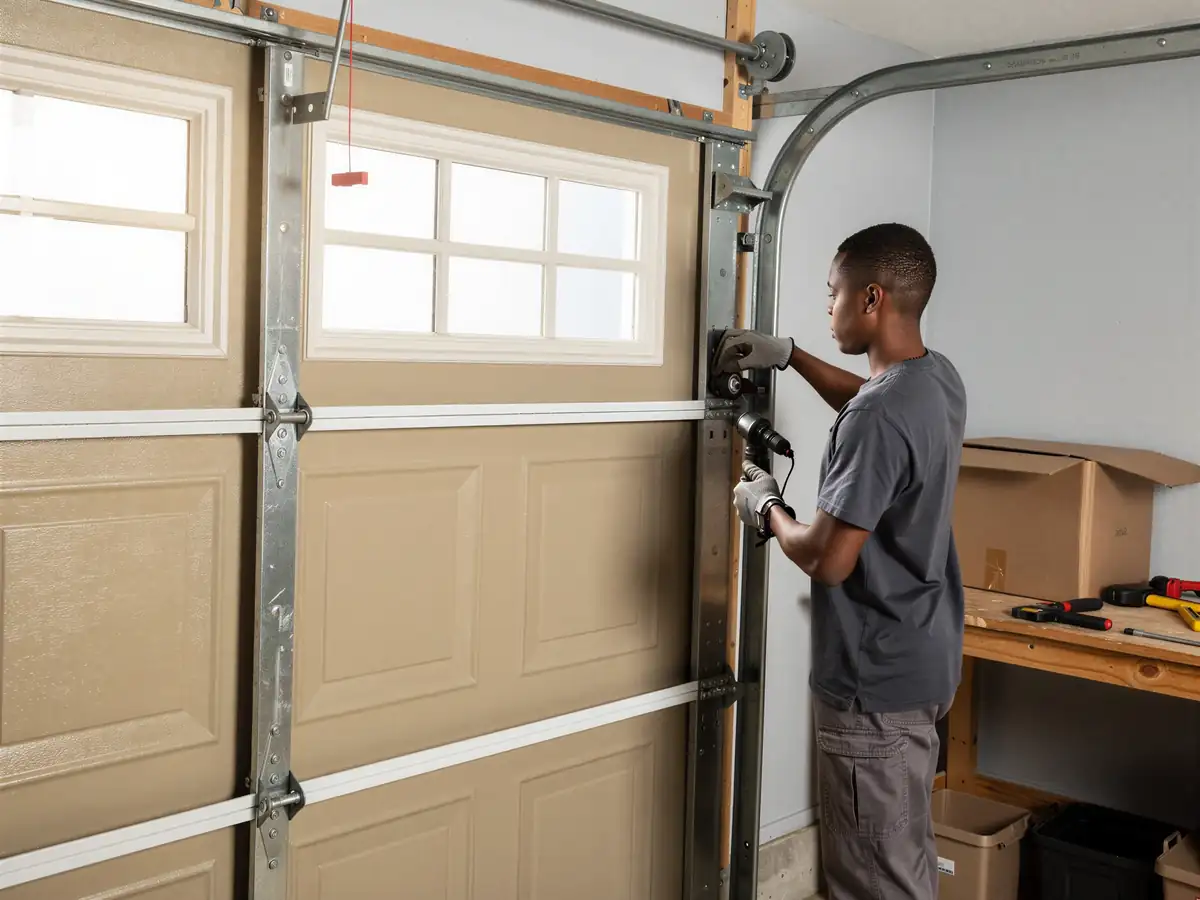
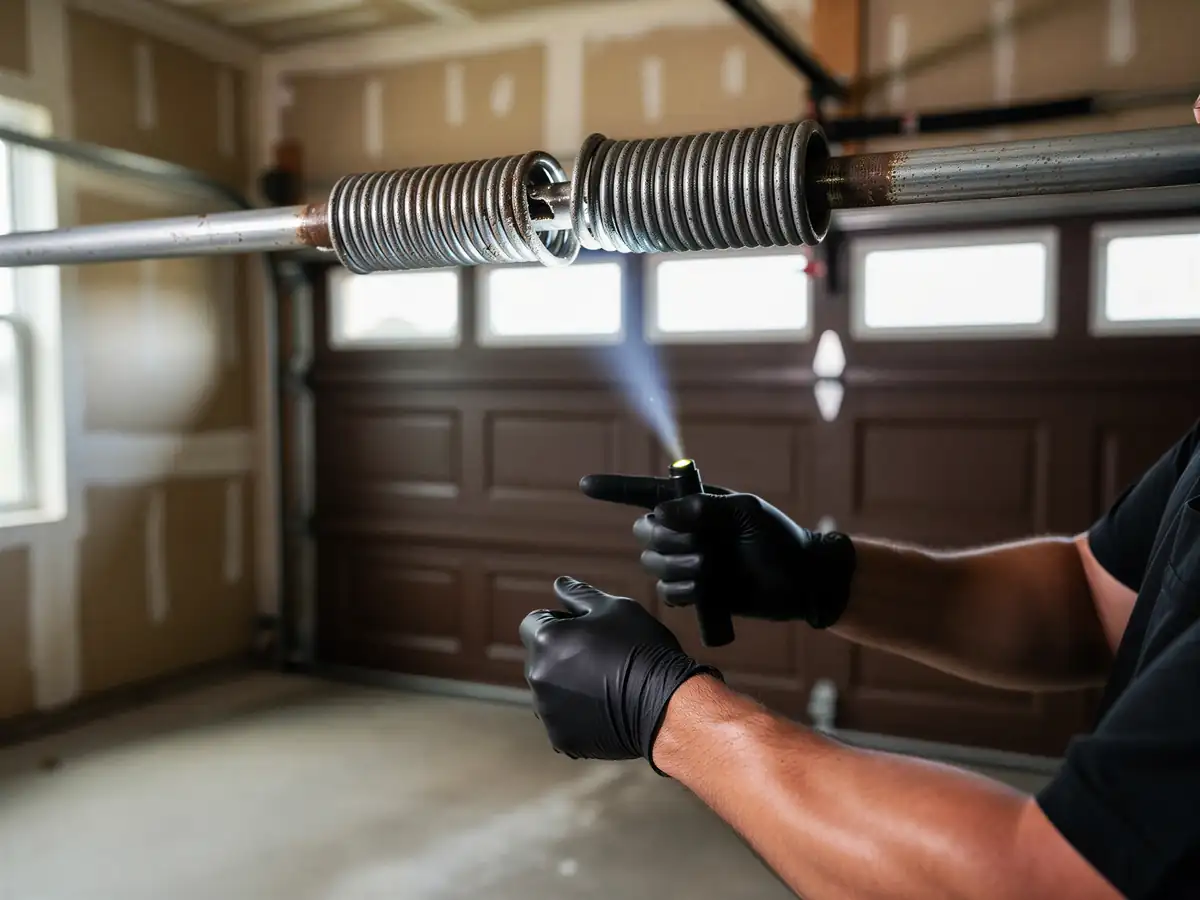
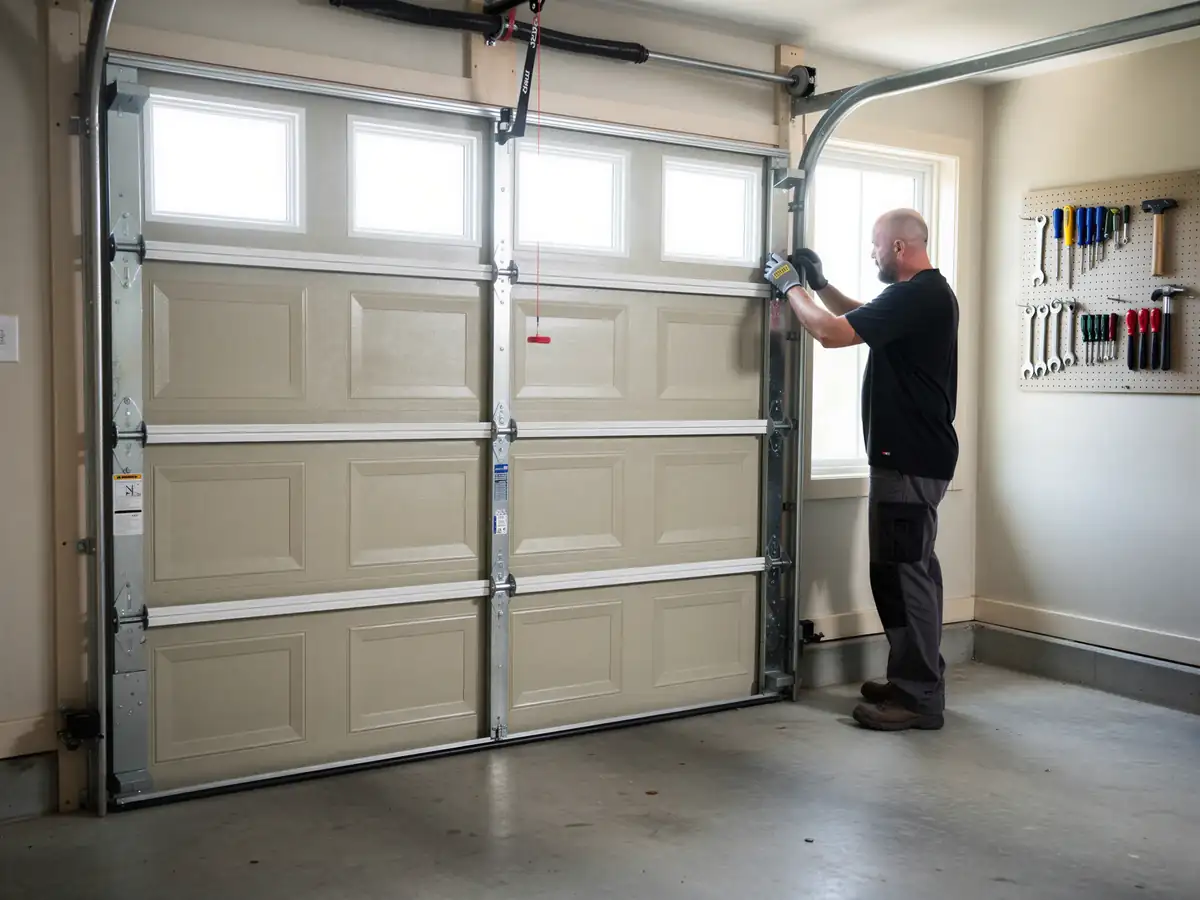
We pull the old track and torsion or extension hardware, check the header for rot or old shims, and set new jamb brackets square - something the original builders didn't always get right on a tract-built 1950s garage. Then the new door goes in with modern rollers, galvanized track, and a spring system sized to the door's actual weight, not a generic match.
We travel out from Hermosa Beach for this work, about 8 miles each way, so we schedule the install as a full appointment rather than splitting it into multiple short visits. One honest limitation: if your opening is non-standard width, the door itself may be a special order, and that adds lead time we don't control.
What It Costs
Median household income in West Rancho Dominguez sits around $81,585
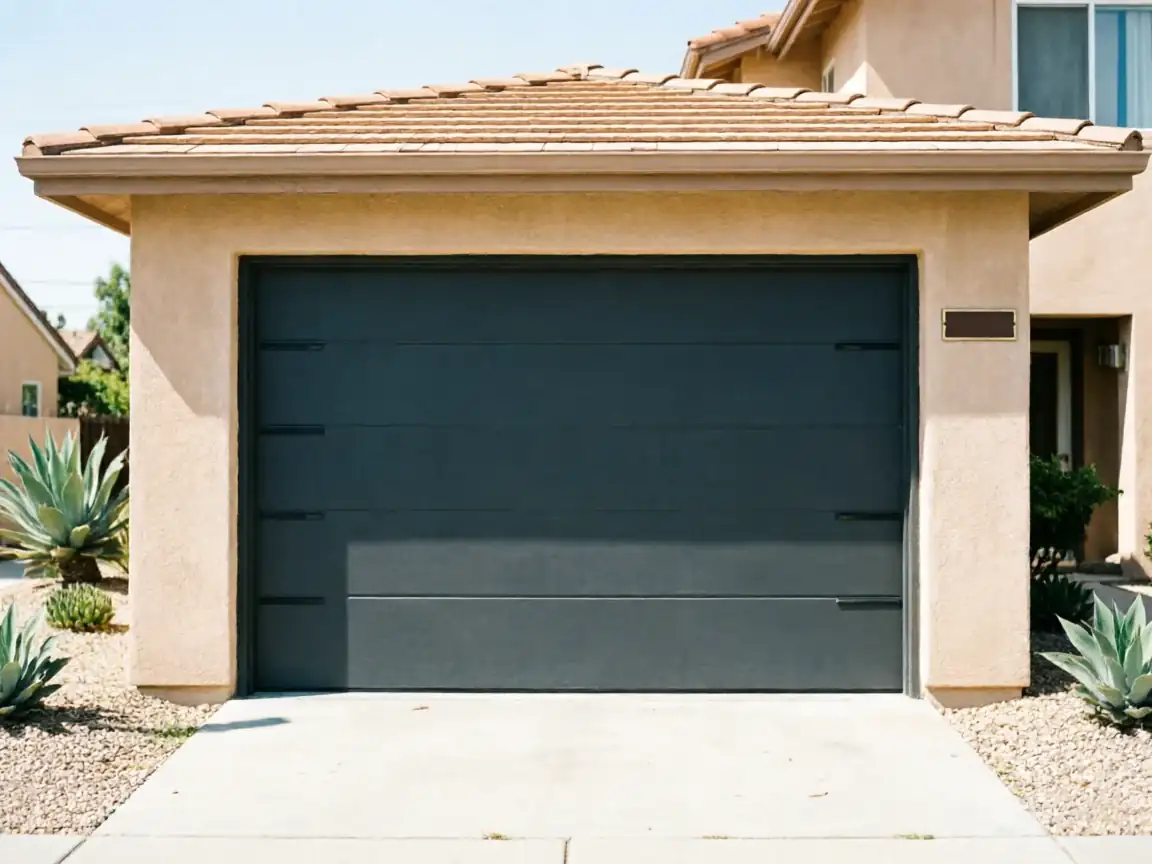
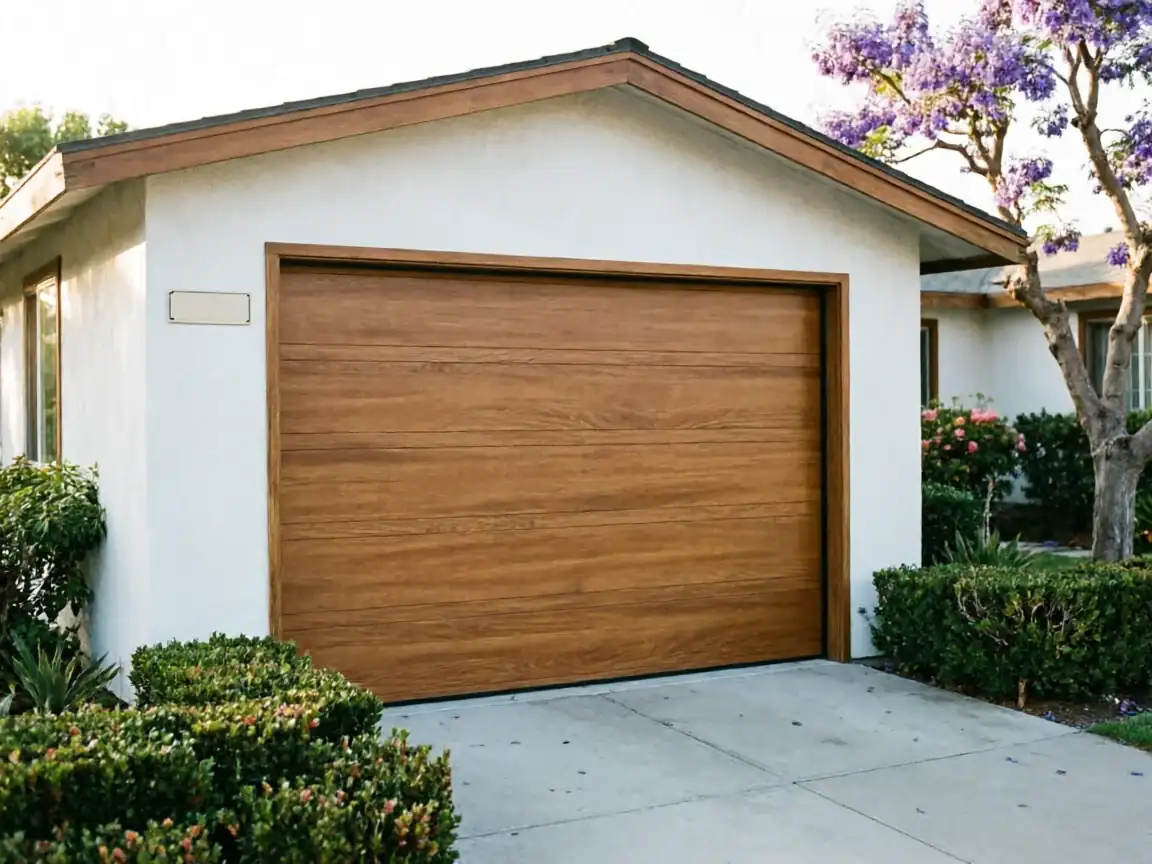
Noticeably below the wider service area's $100,007, and that shapes which doors we quote most often here. We see more homeowners choosing a solid steel door with basic insulation over a heavier insulated wood-composite model - not because the cheaper door is worse, but because it matches the garage and the budget for a lot of the housing stock in this area.
We don't publish a flat price because every job depends on door size, insulation level, and whether the opening needs framing work
What we can tell you is that a straightforward swap - same size opening, new door and hardware, no structural changes - costs less than a job where we're also rebuilding a header or widening a 1950s-era narrow opening to fit a modern two-car door.
Where This Job Goes Sideways
The trouble spot on a lot of these older West Rancho Dominguez garages is the header - the wood framing above the opening that carries the weight of the new track brackets. On a house built around 1954, that header was sized for a lighter original door and, after seventy years, it's sometimes split, water-softened, or just undersized by today's bracket load standards. We find this when we pull the old track, not before, so it's not something we can quote sight-unseen.
The other place these jobs go sideways is headroom. A lot of 1950s garages here were built with low ceiling clearance, which limits which spring systems and track configurations actually fit. We'll tell you up front if your garage needs a low-headroom track kit instead of a standard one - it's a different part, not an upgrade, and it changes what's available off the shelf versus special order.
Why It Happens Here
West Rancho Dominguez's housing stock clusters tightly around the early-to-mid 1950s, which means most garages in this part of the service area were built to the same era's standards - lighter doors, smaller openings, and hardware nobody has manufactured in fifty years. That's different from areas closer to Hermosa Beach itself, where the build years run later and the original hardware is a different generation entirely.
The area sits in the mild temperate climate band that covers this whole stretch of the county, so we're not dealing with the kind of seasonal freeze-thaw cycling that cracks concrete footings or warps wood jambs elsewhere. That's one thing working in this area's favor: the failures we see are almost always age and wear on the original hardware, not weather damage to the structure around it.
What You Are Seeing
If your garage is original to a house built in the early 1950s
The signs of needing a full replacement rather than a repair are usually the same few things: a door that's visibly sagging at the panel seams, track that's bent enough that the rollers chatter the whole way up, or a spring system that's been patched more than once already. On a door this old, the steel gauge is often thinner than what's made today, and once the panels start to bow, a repair just buys a little time.
We also get calls where the door itself is fine but the opening isn't
Cracked or settled concrete at the threshold, a jamb that's shifted out of square. That's a structural issue first, door second, and we'll say so rather than install a new door onto a frame that's going to throw it out of alignment again in a year.