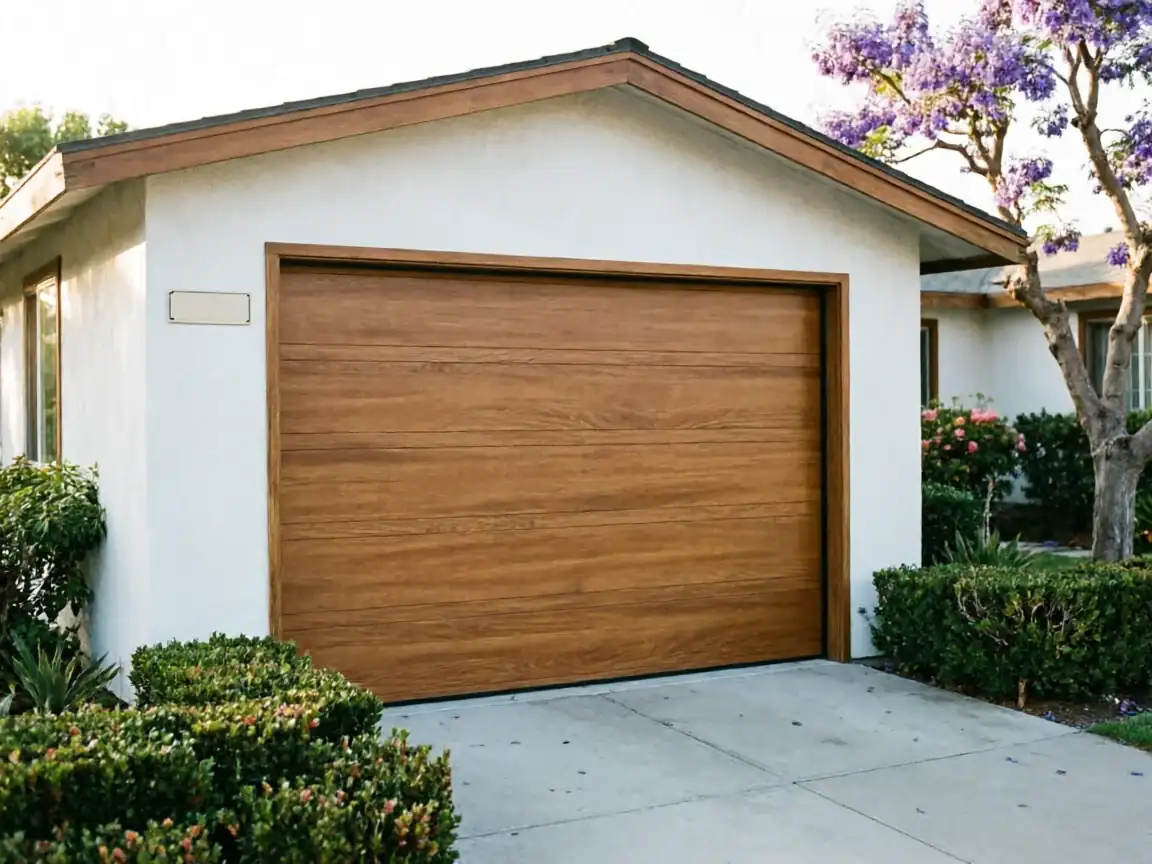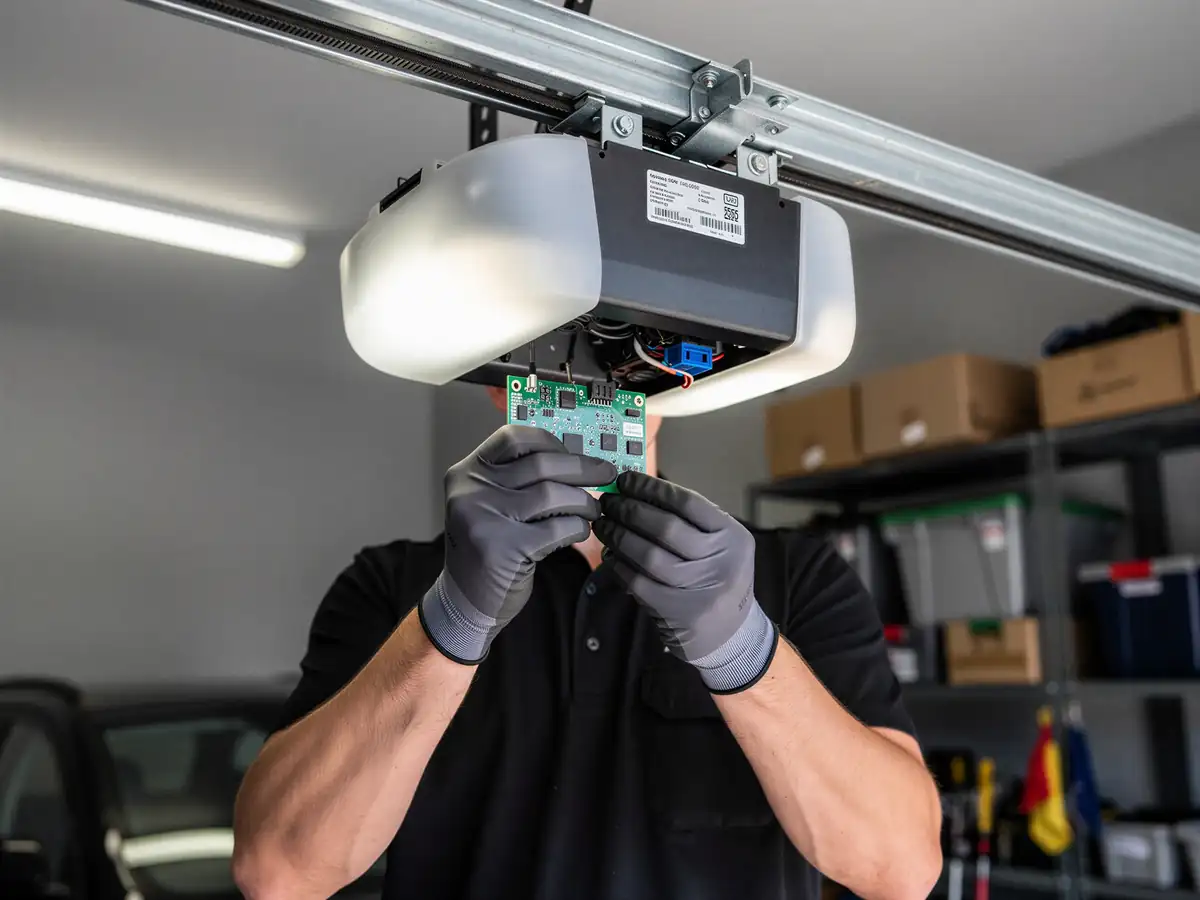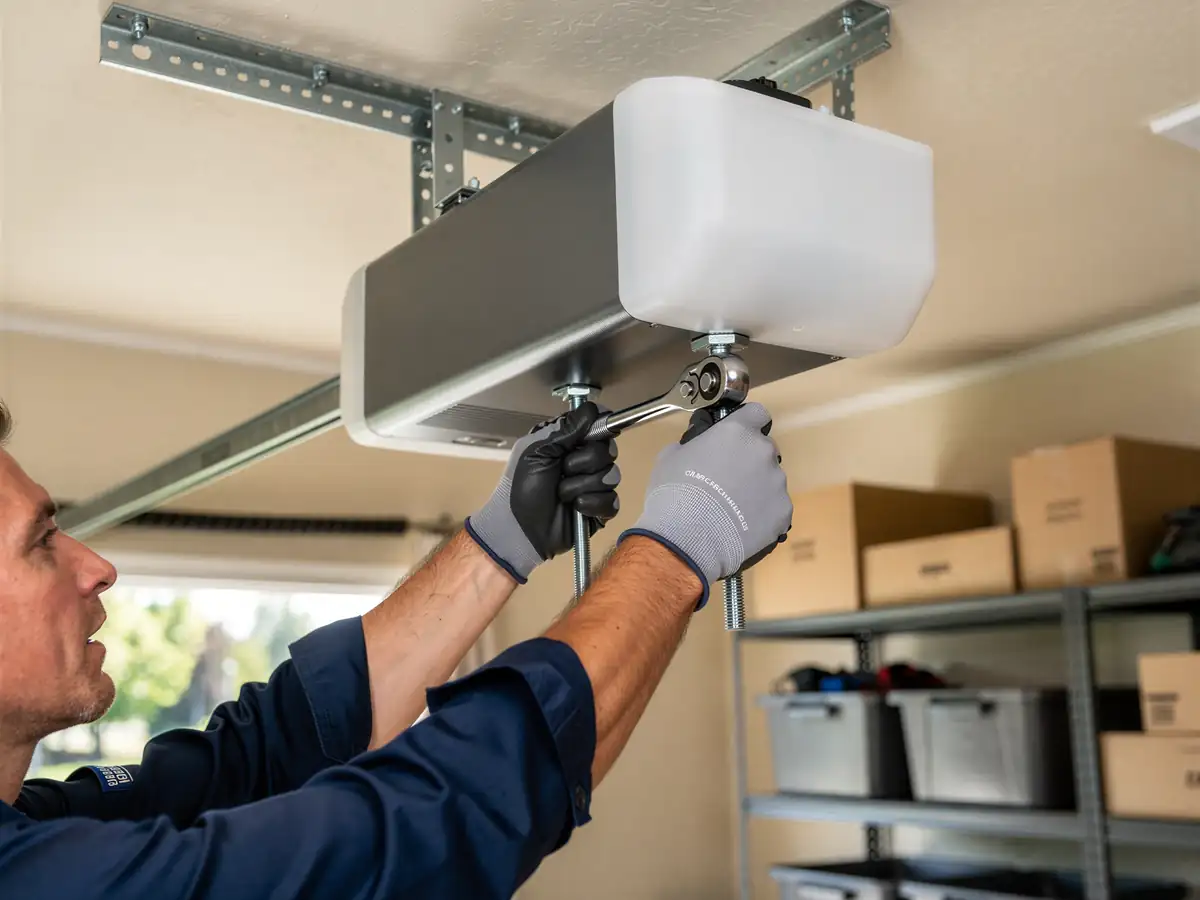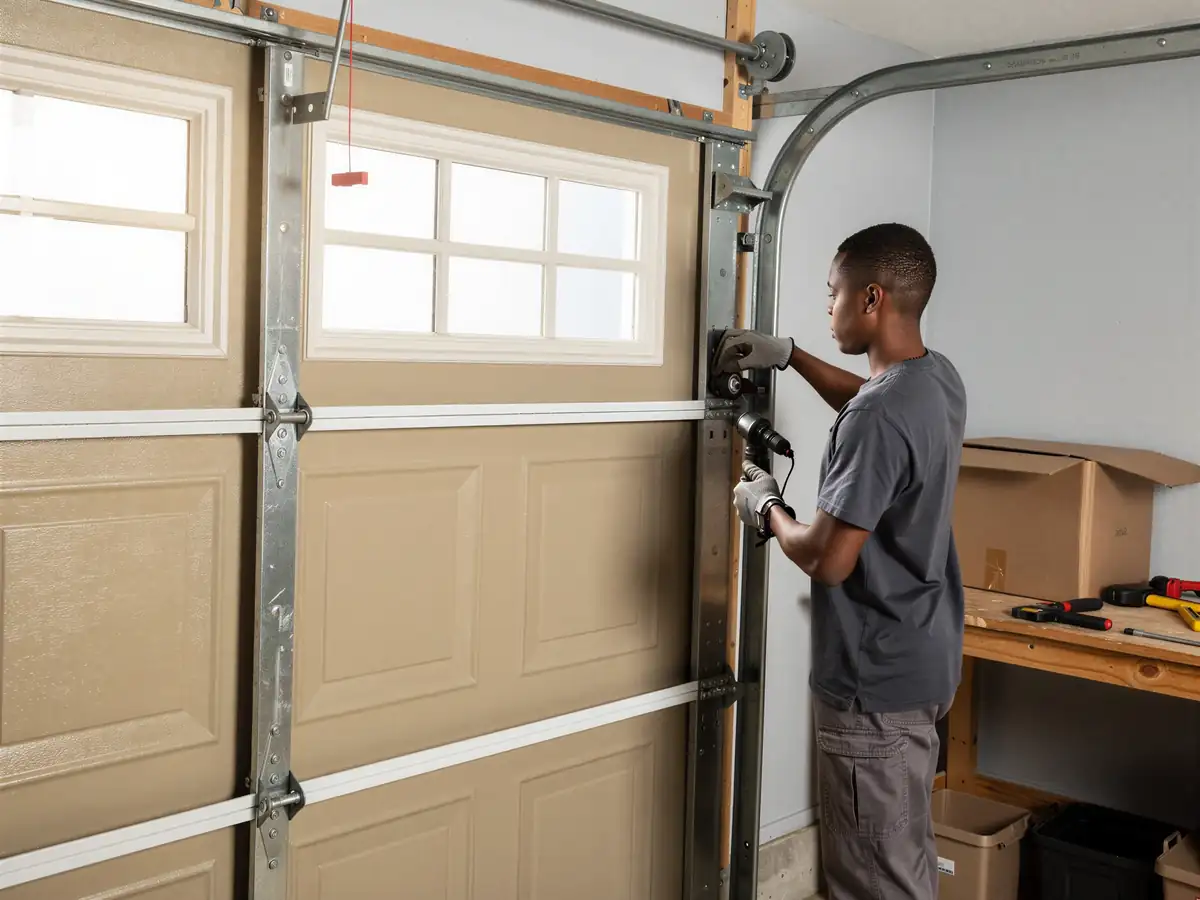
How We Fix It
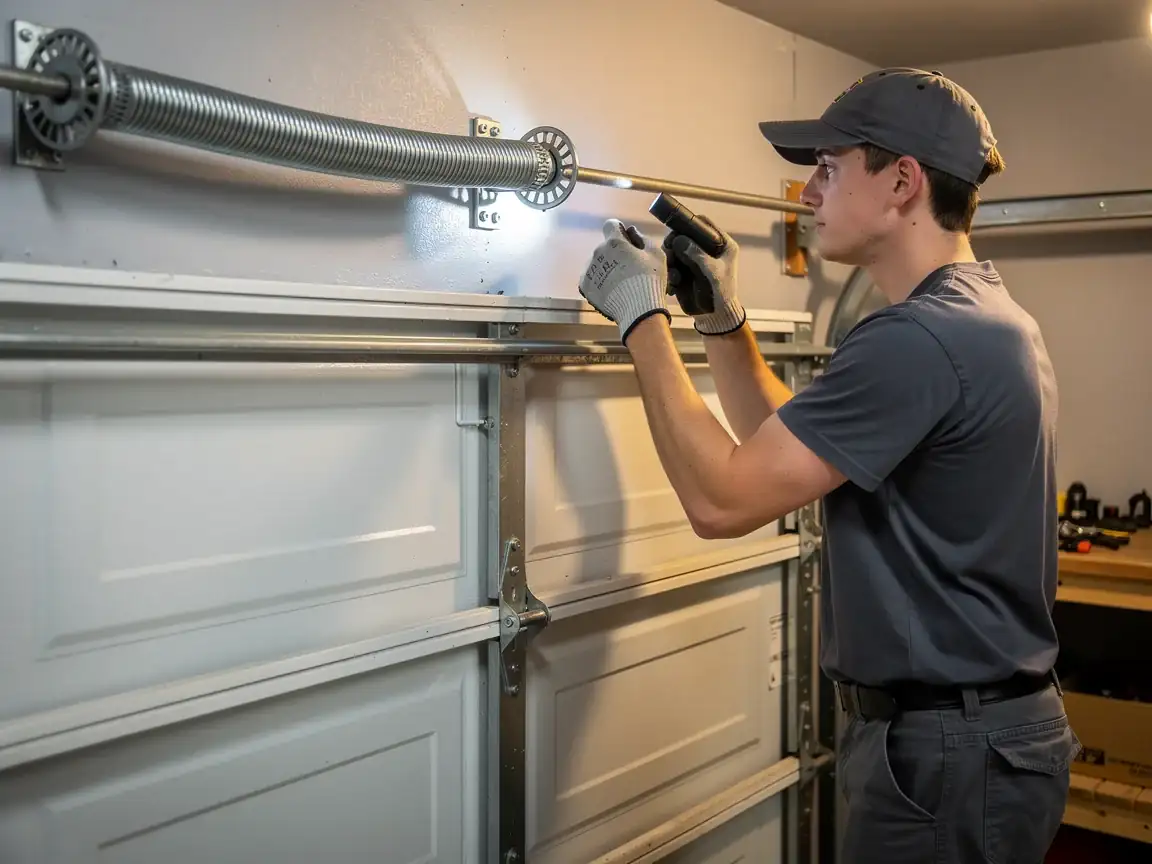
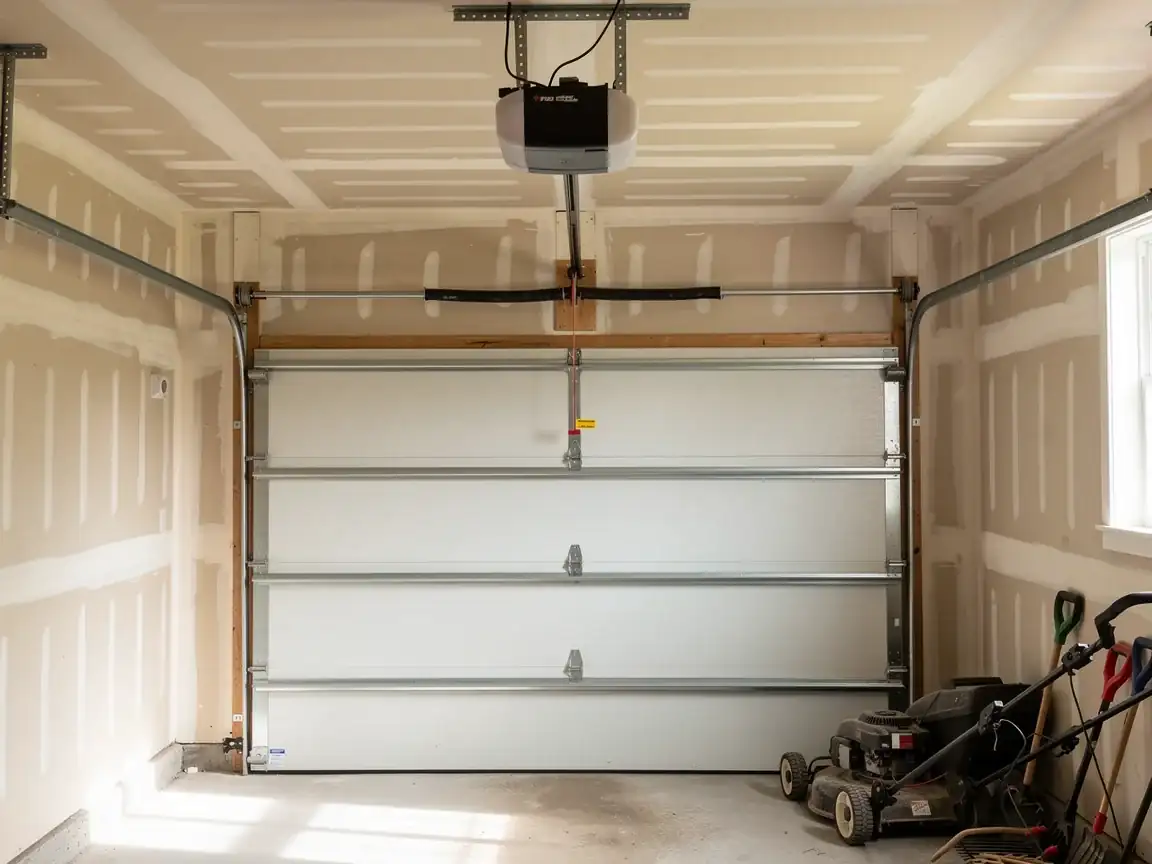
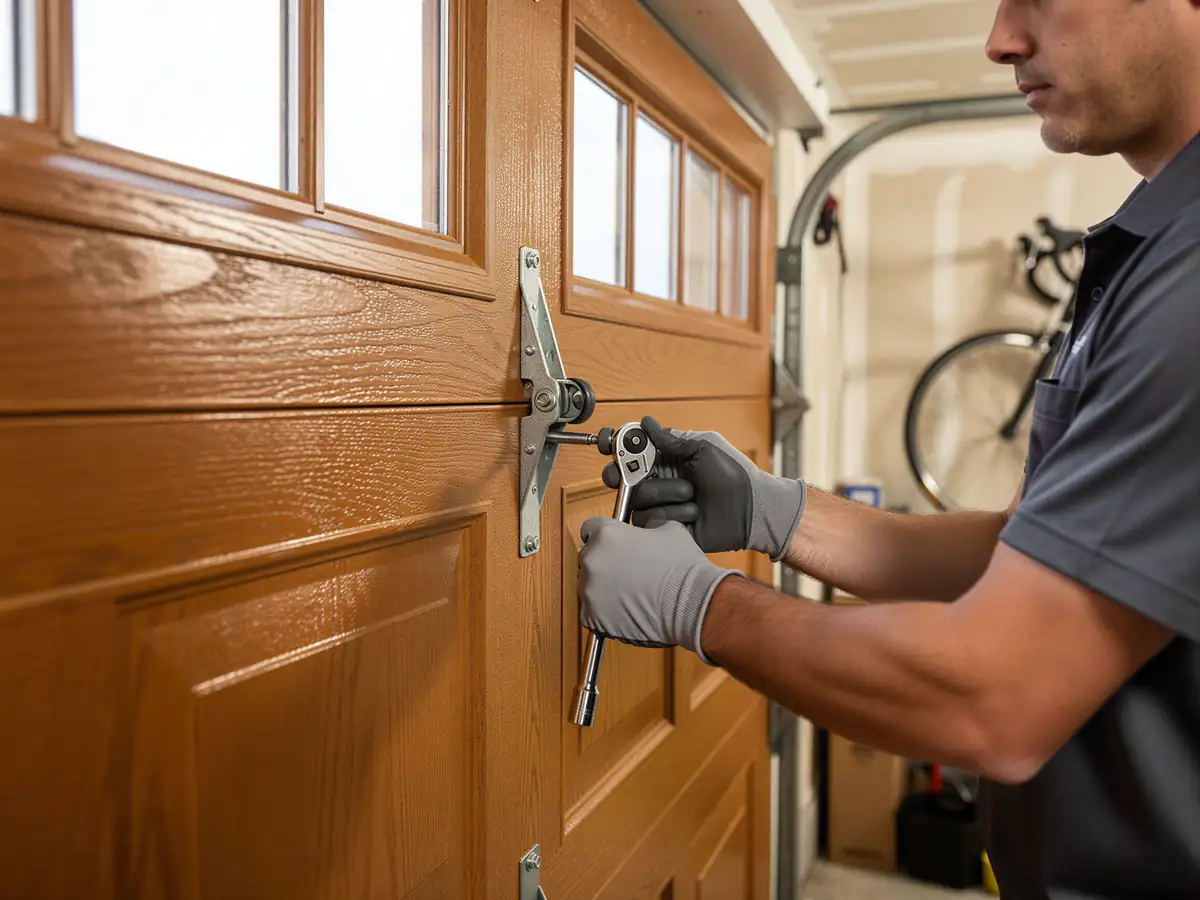
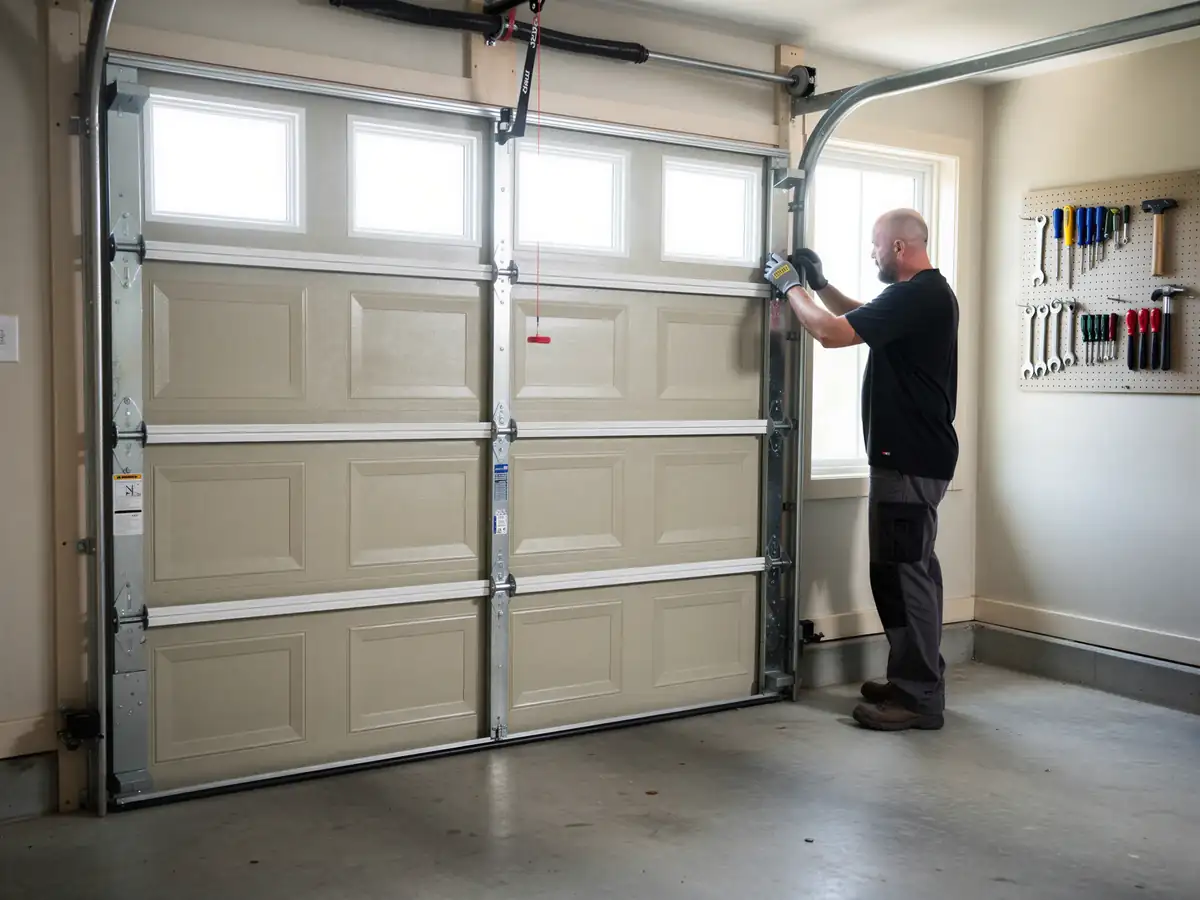
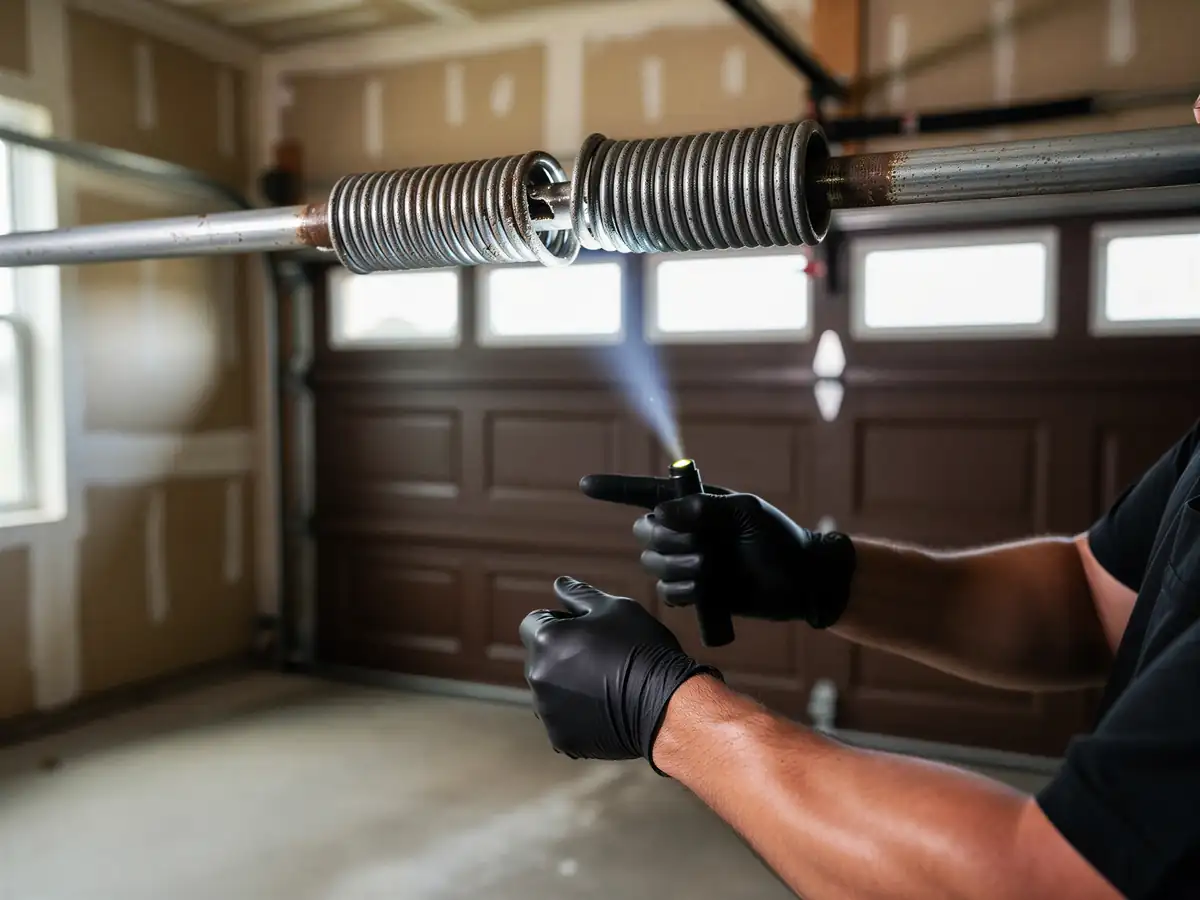
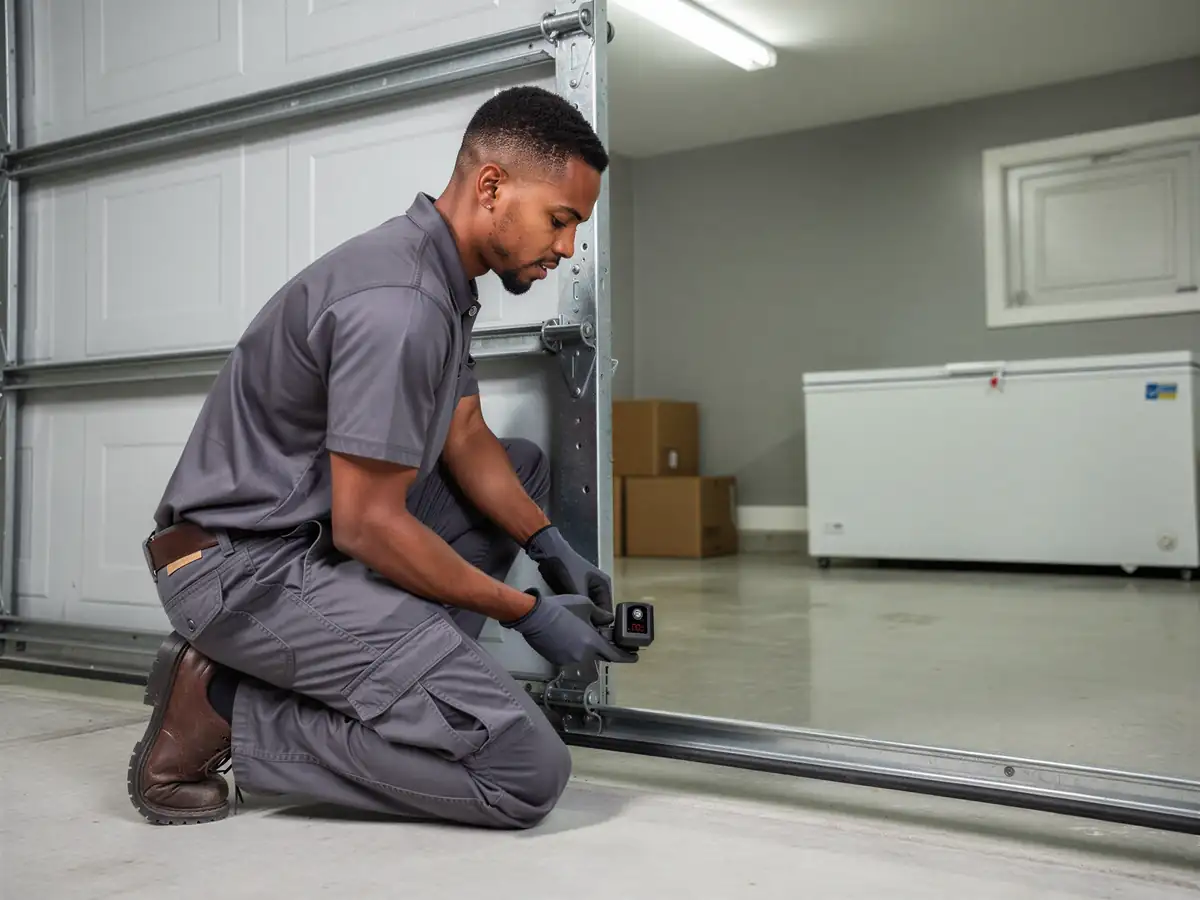
A maintenance visit on a door this age starts with the track and the hardware mounting, not the opener. We check that the track is still bolted tight to framing that's had seventy years to shift, back off and re-torque the spring if it's sagging, and pull the rollers to look for the flat spots and rust pitting that show up on steel that's outlasted its coating. We lubricate the hinges and the spring coils, check cable fraying at the drum, and test the auto-reverse and force settings if an opener was added later - most of these houses didn't come with one. We also check the panel seams; doors from this era are often single-layer steel, and a maintenance check is the cheapest way to catch a seam starting to split before it folds under spring tension. We travel to West Rancho Dominguez from Hermosa Beach for this work, about 8 miles out, so we try to bundle the full checklist into one visit rather than sending someone back twice.
Where This Job Goes Sideways
The failure mode we see most on houses built around 1954 is a torsion spring that's been re-wound or shimmed at some point by a prior owner instead of replaced - it looks fine sitting still and then lets go under load. Another is a track that's been reset by hand after the door got knocked off alignment; it holds for a while and then binds exactly when you're in a hurry. If a maintenance check turns up a spring at the end of its life, we'll say so rather than just topping off the lubricant and sending you on your way - on a door this old, a spring that's close to done isn't a maintenance item anymore, it's a repair, and we'll tell you which one it is.
Why It Happens Here
West Rancho Dominguez sits in a mild temperate band, which is kinder to garage door hardware than a climate with real humidity swings or hard freezes - you're not fighting rust-through on cables the way some regions do. But mild weather doesn't undo age. Houses here were built around 1954 on average, roughly nine years earlier than the 1963 median across the wider service area, which means more of the original torsion hardware, more steel panels from before insulated doors were standard, and more openers that were retrofitted later rather than installed with the door. At about 6,448 households, this is one of the smaller pockets we cover, and a meaningful share of those are still running hardware original to the house or close to it.