How We Fix It
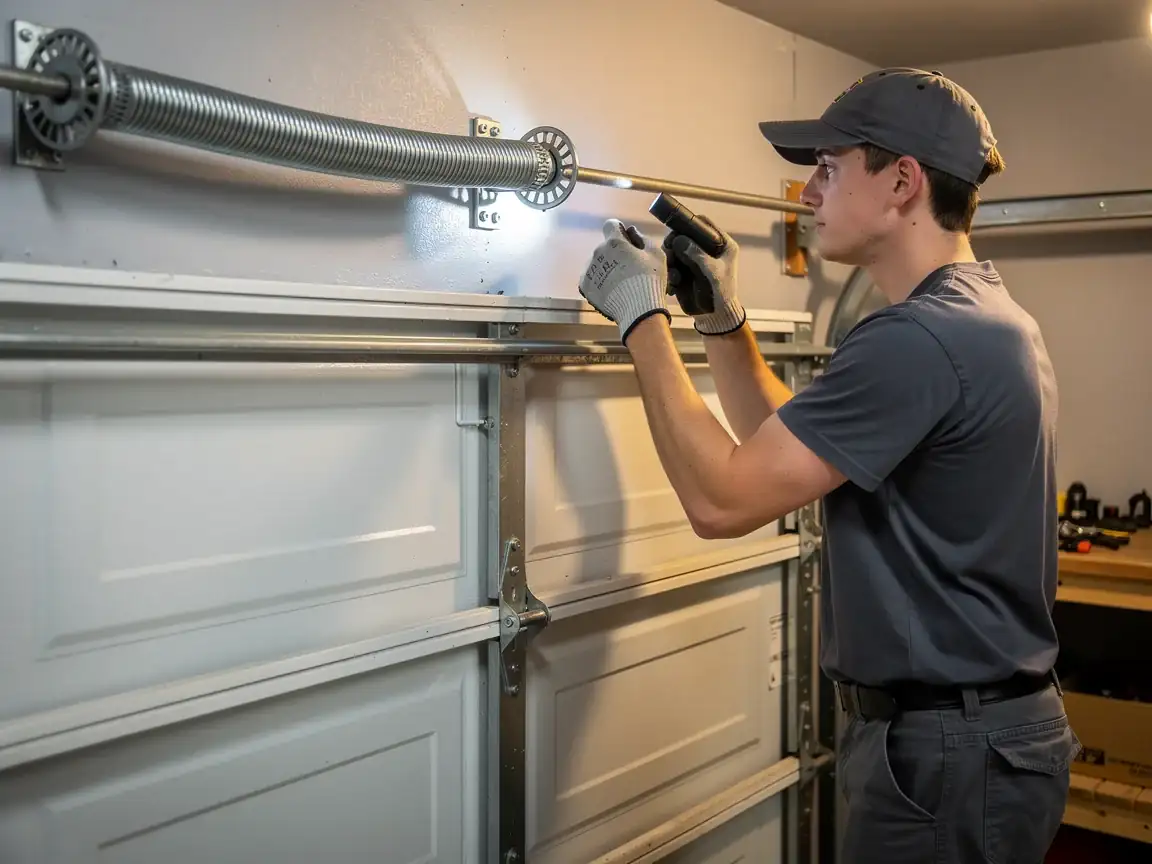
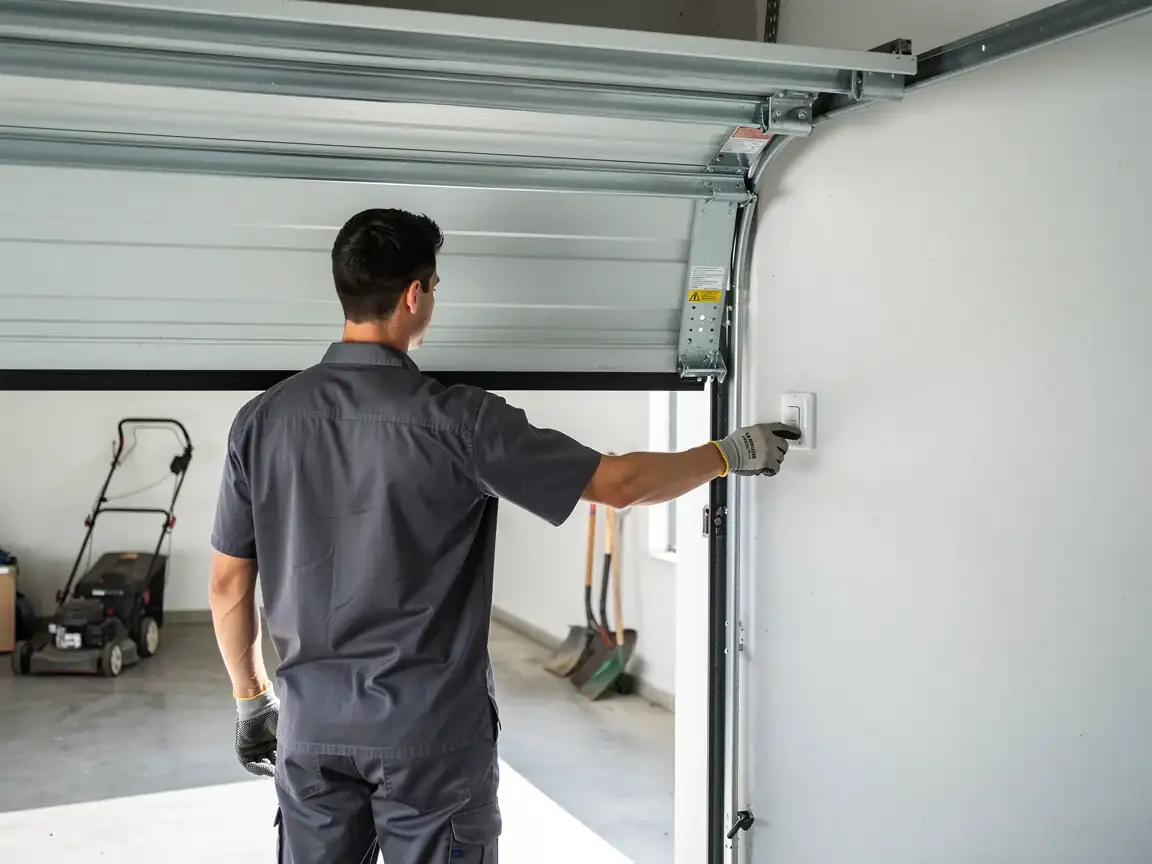
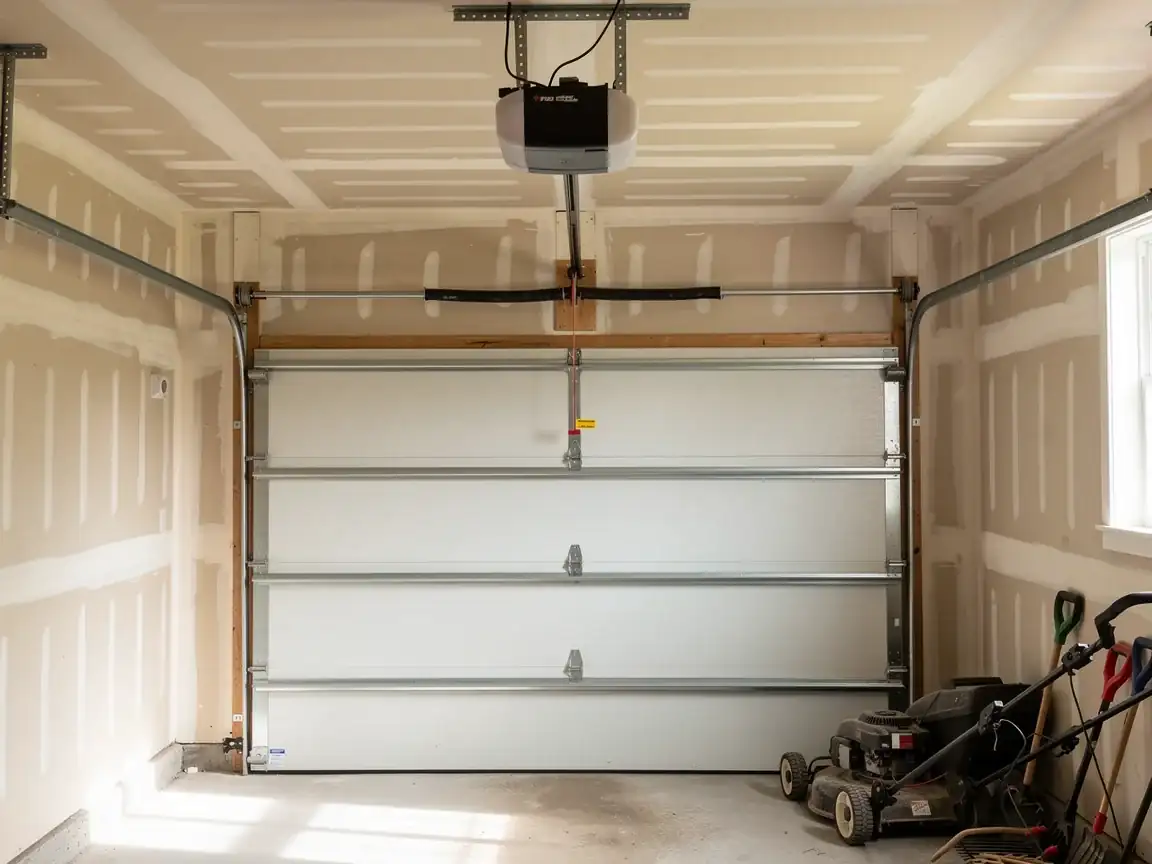
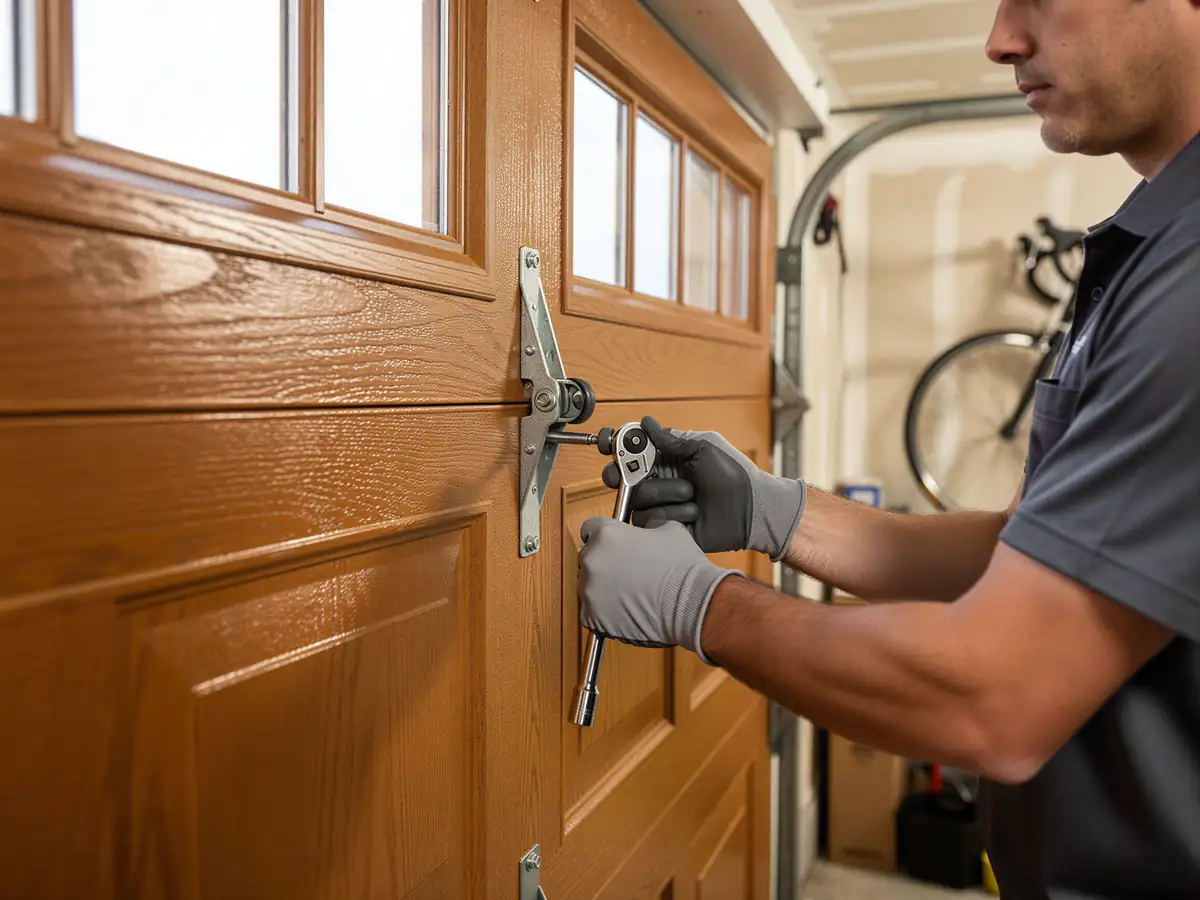
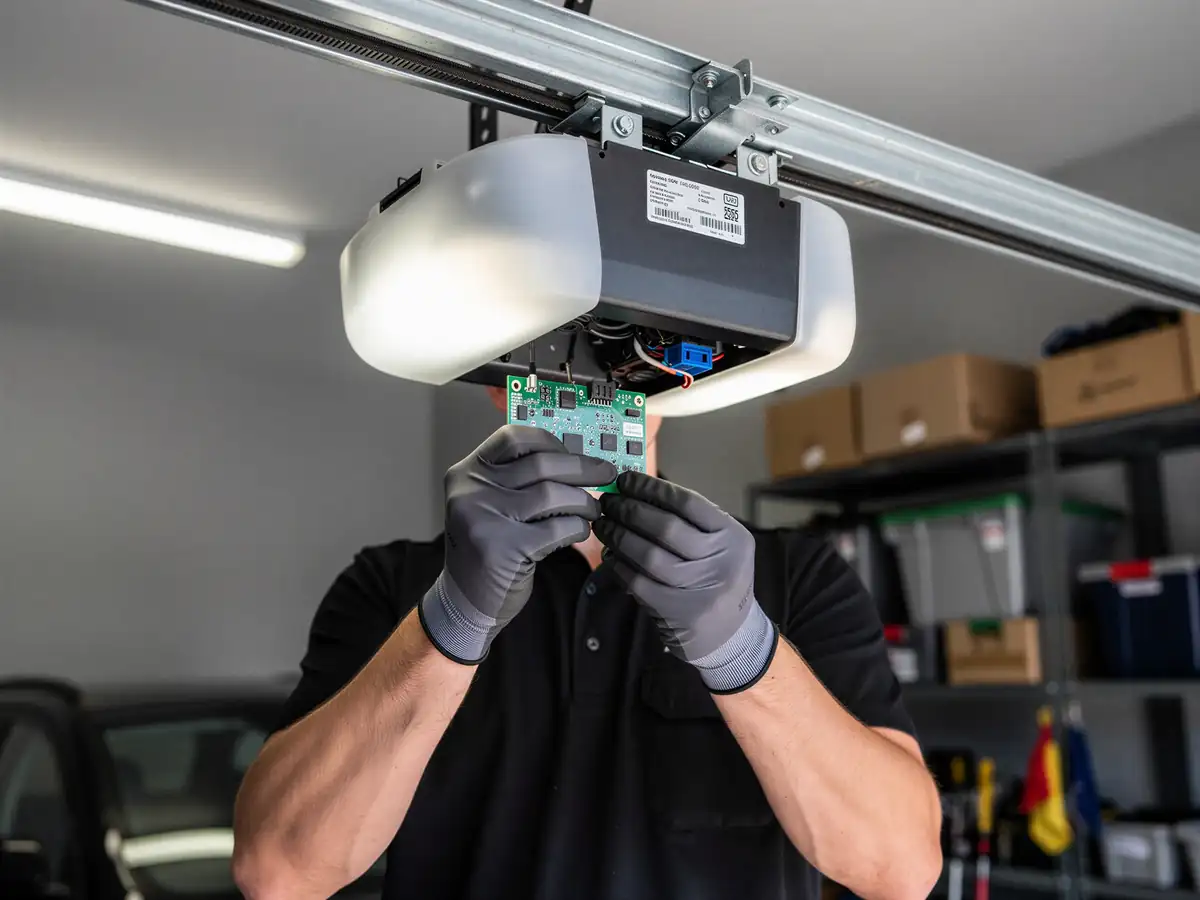
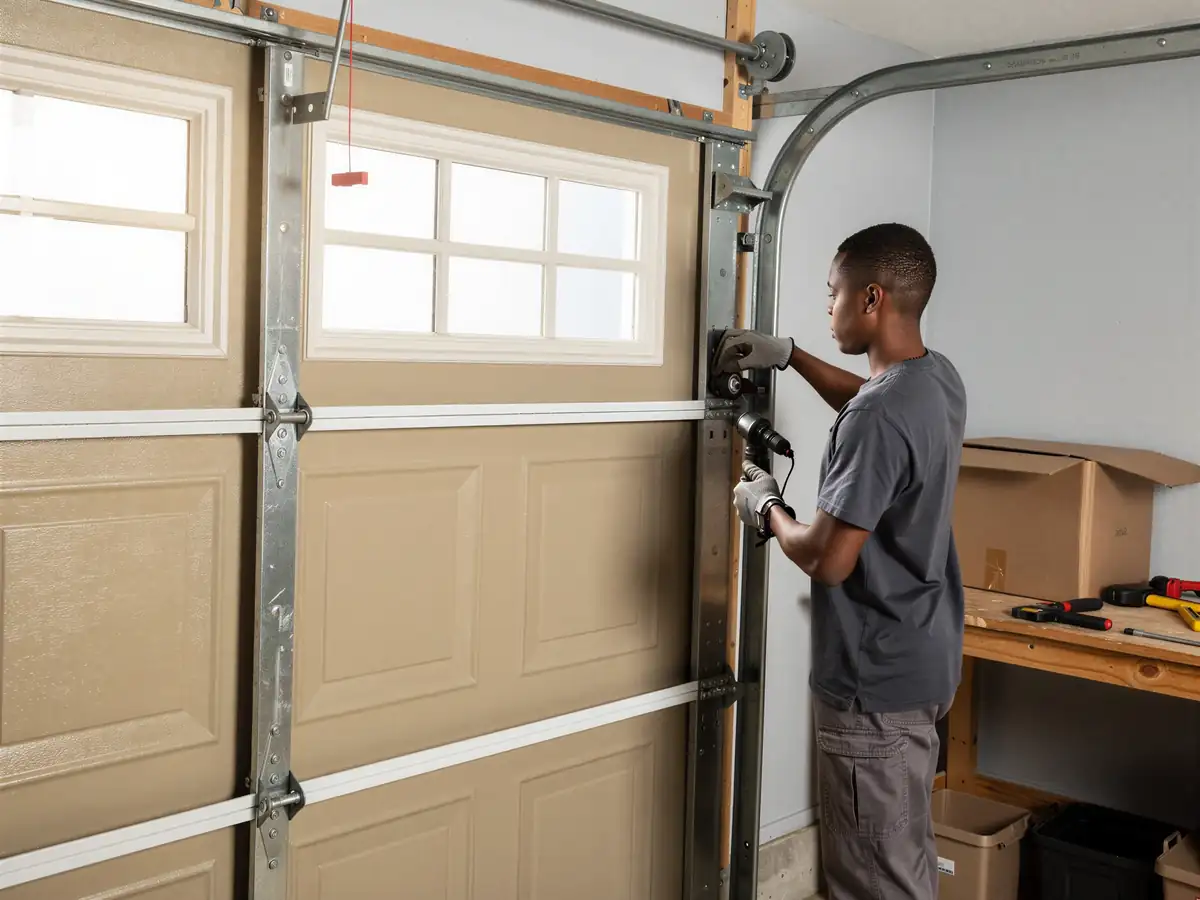
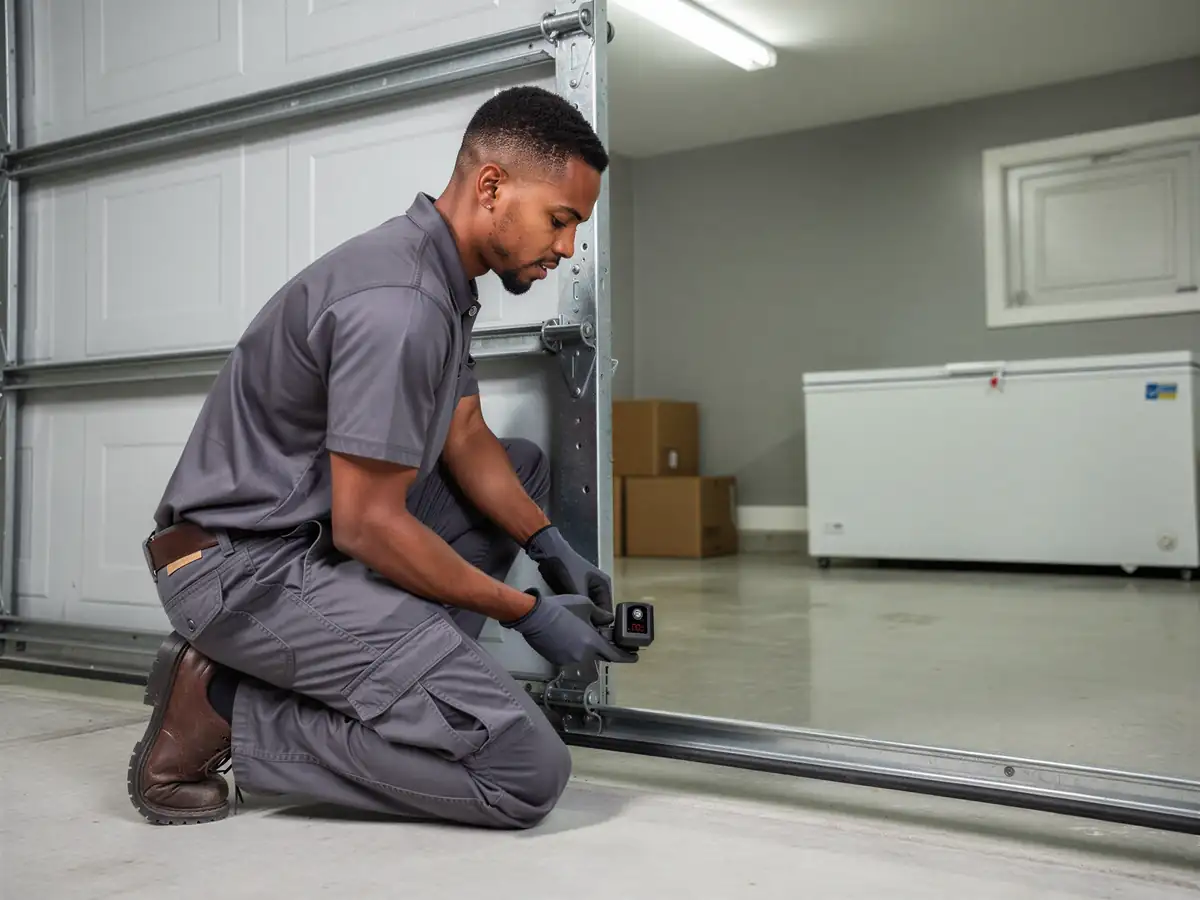
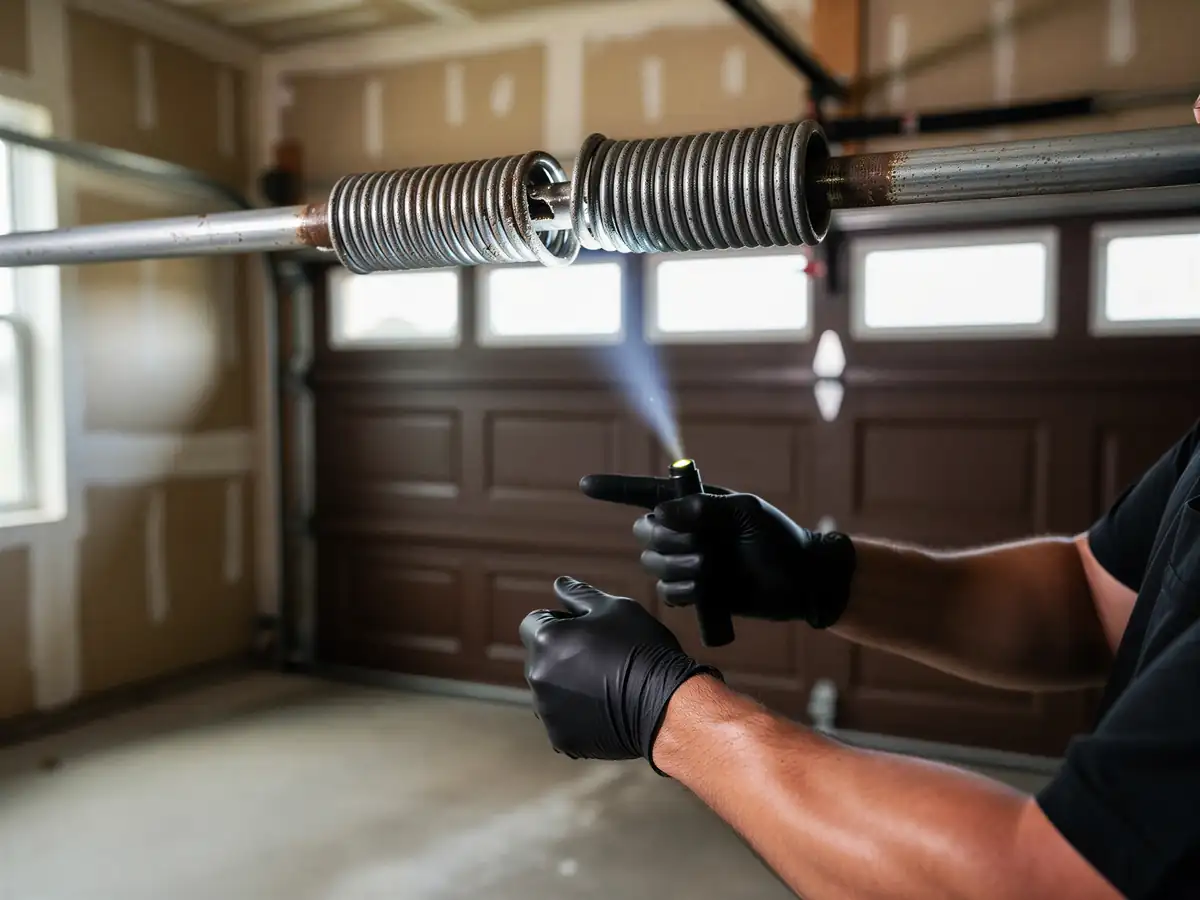
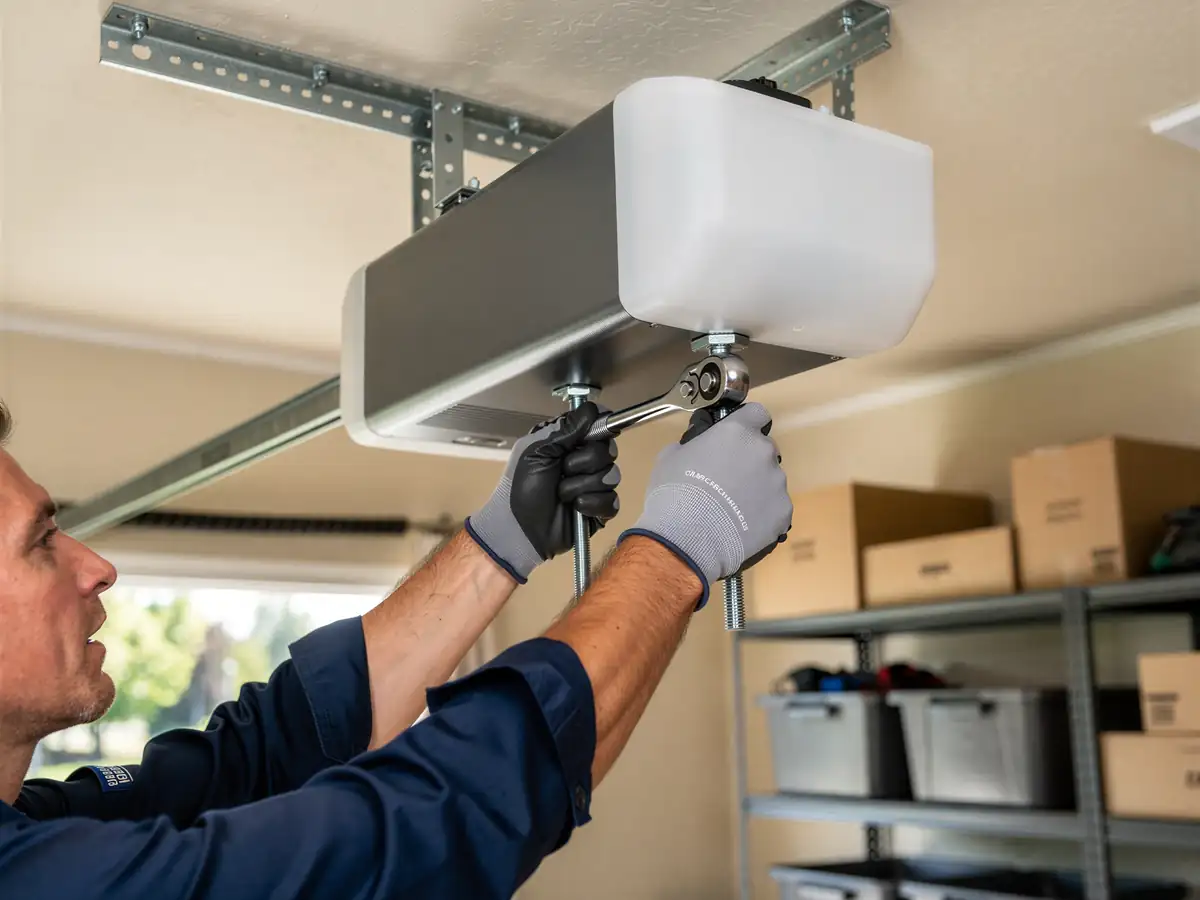
We come out from Hermosa Beach, about eight miles west, so we plan the install as a full visit, not a quick drop-in. On a house from the 1954 era, the first job is checking what the garage actually has to offer an opener: is there a grounded outlet near the header, is the header itself solid wood that'll hold lag screws, and does the door still run on the original track geometry. A lot of these garages were built before anyone assumed a motor would hang from the ceiling, so we're often adding blocking or relocating the receptacle before the opener goes in. We mount the rail, square the trolley, set the travel limits, and test the force settings against the door's actual weight rather than a factory default. If the door itself is sagging or the track is bent from years of manual lifting, we say so before we bolt a new motor to bad hardware - running a new opener on a door that isn't balanced right just moves the failure point from the spring to the gears.
Where This Job Goes Sideways
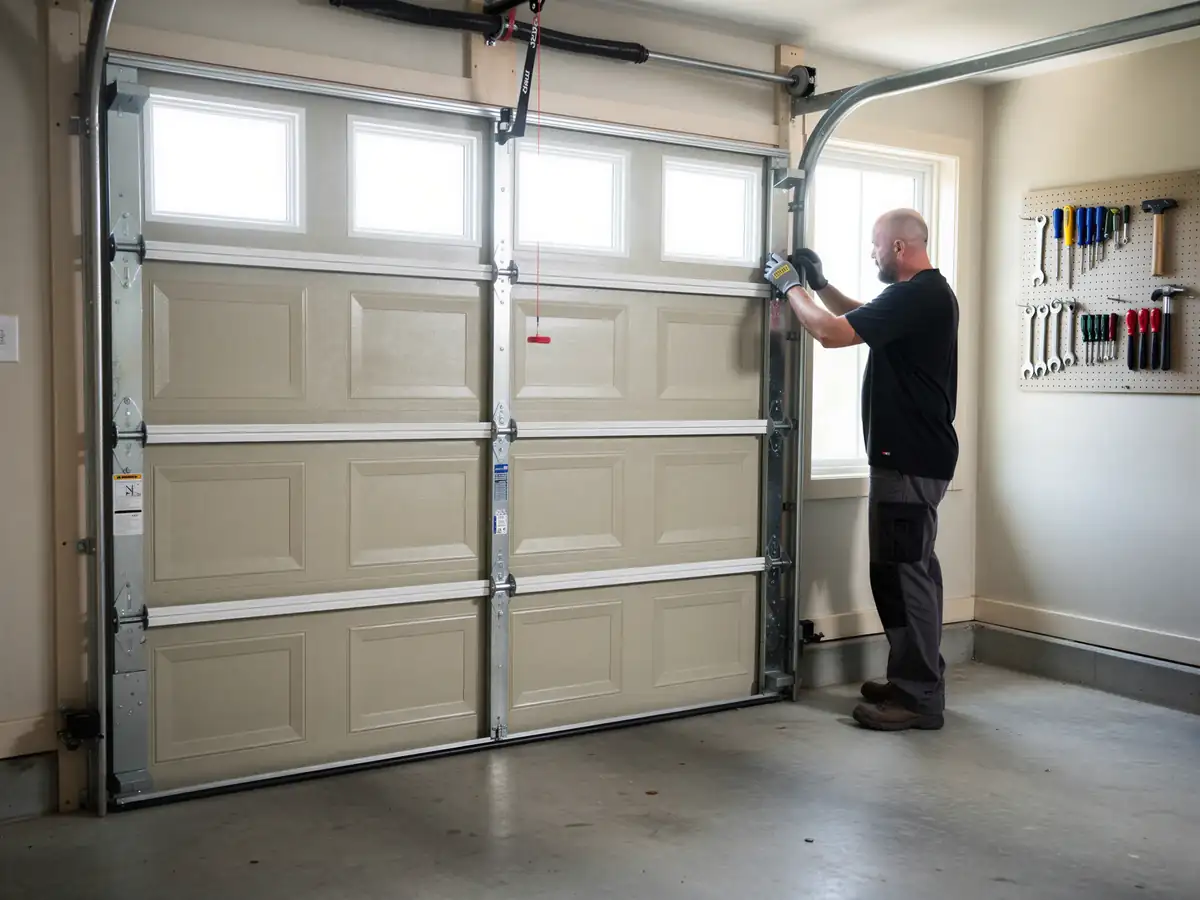
The install itself rarely fails. What fails is the assumption that a 2020s opener bolts onto a 1950s door the same way it would onto a door built last decade. Doors from this era are often heavier wood-panel construction, and the track spacing doesn't always match what a modern bracket kit expects out of the box. We've also seen headers that look solid but are punky behind the paint - not something you catch without getting a ladder up there. The other sideways turn: homeowners want the opener installed same week, but if the door needs new rollers or a spring adjustment first, rushing the motor on means the opener works hard from day one and burns out early. We'd rather tell you to wait a week than sell you a callback.
Why It Happens Here
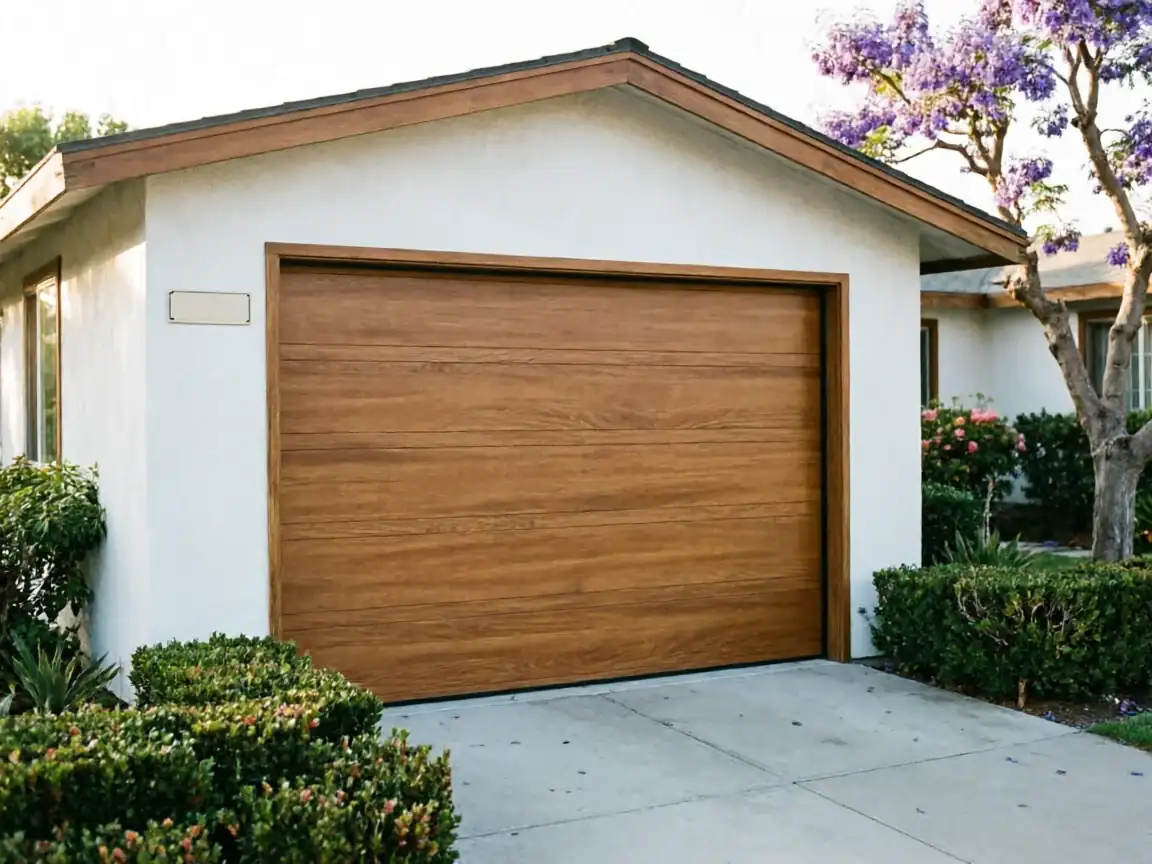
West Rancho Dominguez's housing mostly dates to around 1954, a good decade ahead of the 1963 median across the wider service area we cover. That gap matters for openers specifically: garages from this period were framed for manual doors and retrofitted later, which means headers, outlets, and even ceiling height weren't planned around a motor unit. With roughly 6,448 households in the area, there's a lot of this same vintage stock, so the pattern repeats - chain-drive units from decades back, wired on old circuits, mounted on brackets that were never meant to carry today's heavier steel doors. Median income here runs about $81,585, noticeably below the $100,007 average for the broader area, and we mention that only because it tends to mean more owners are stretching a repair as long as possible before replacing the opener outright - which changes what we recommend when we're standing in the garage.