How We Fix It
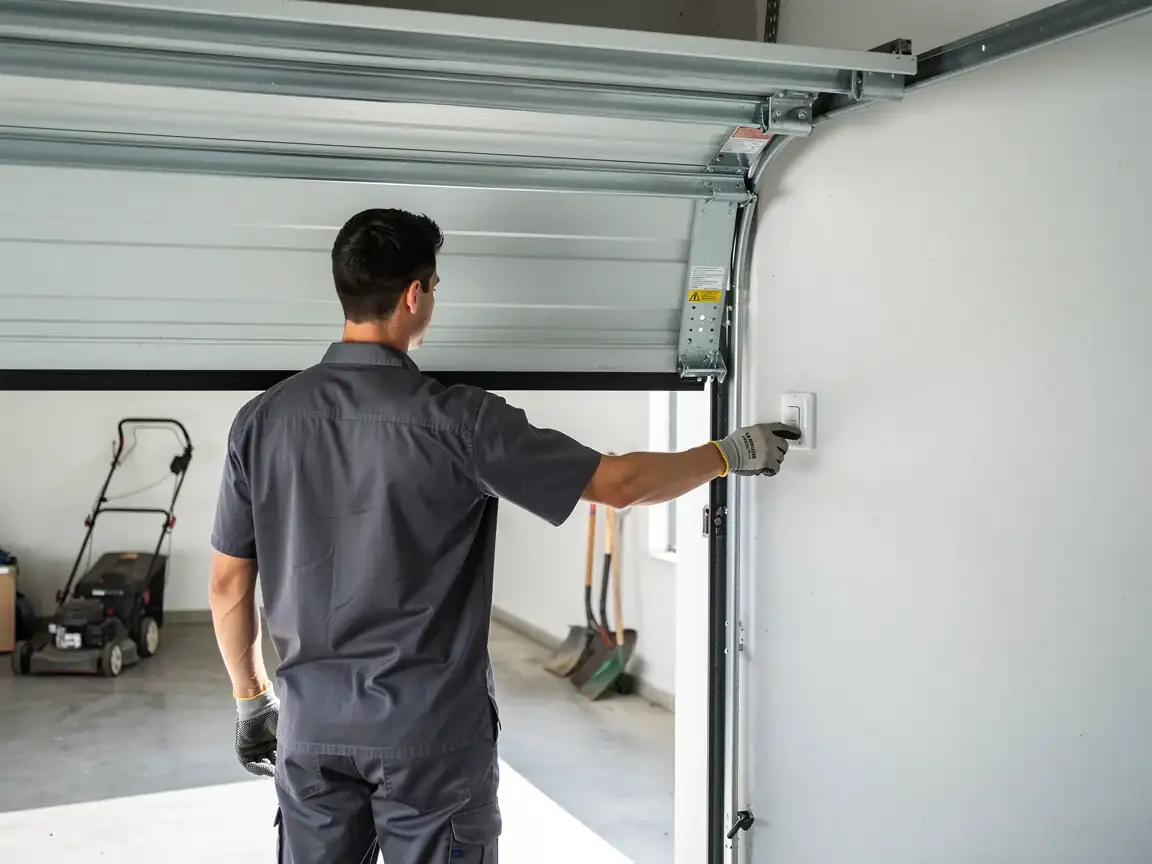
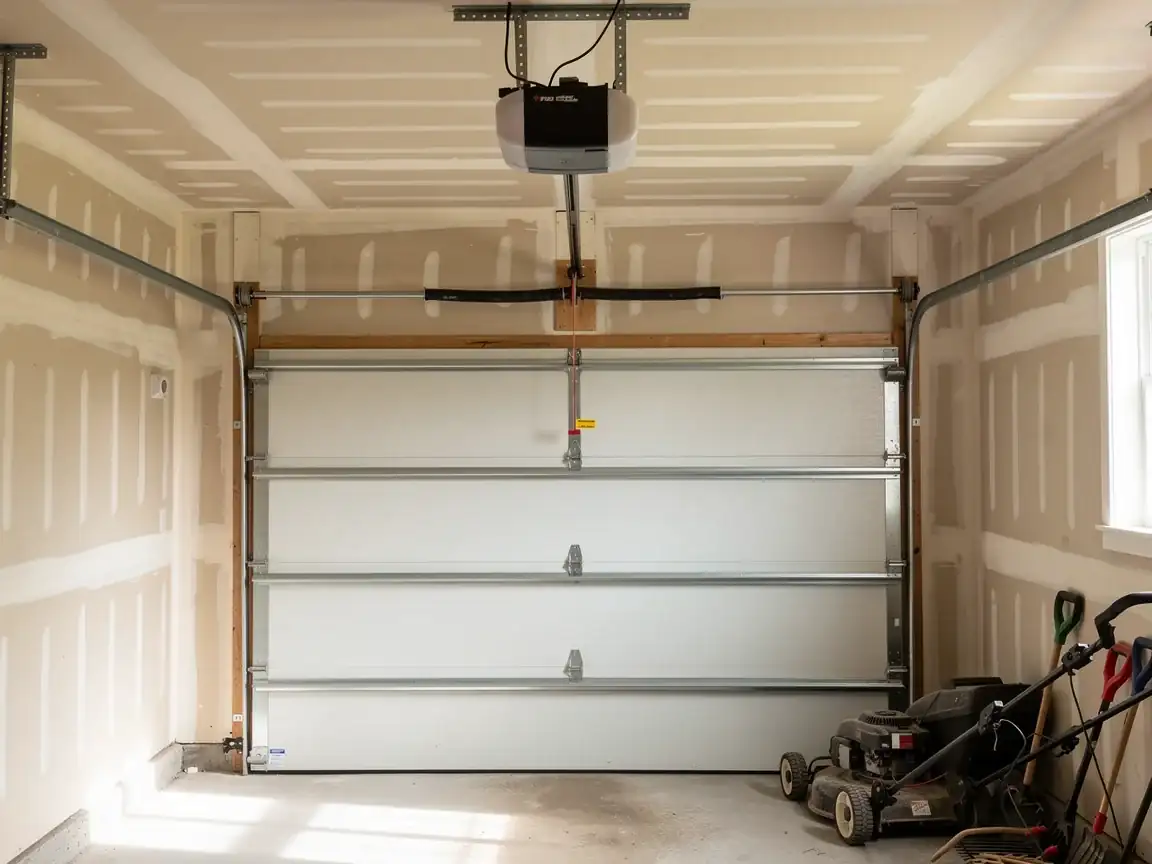
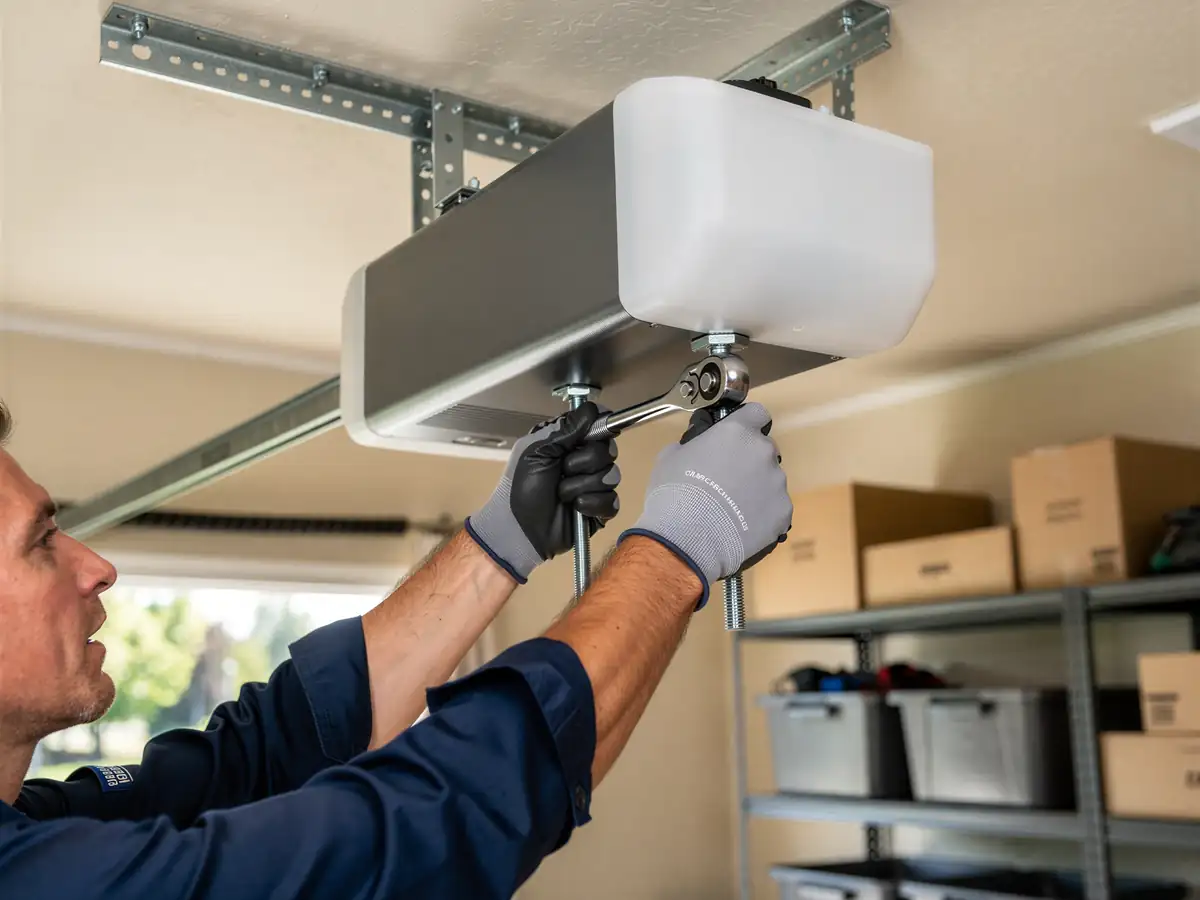
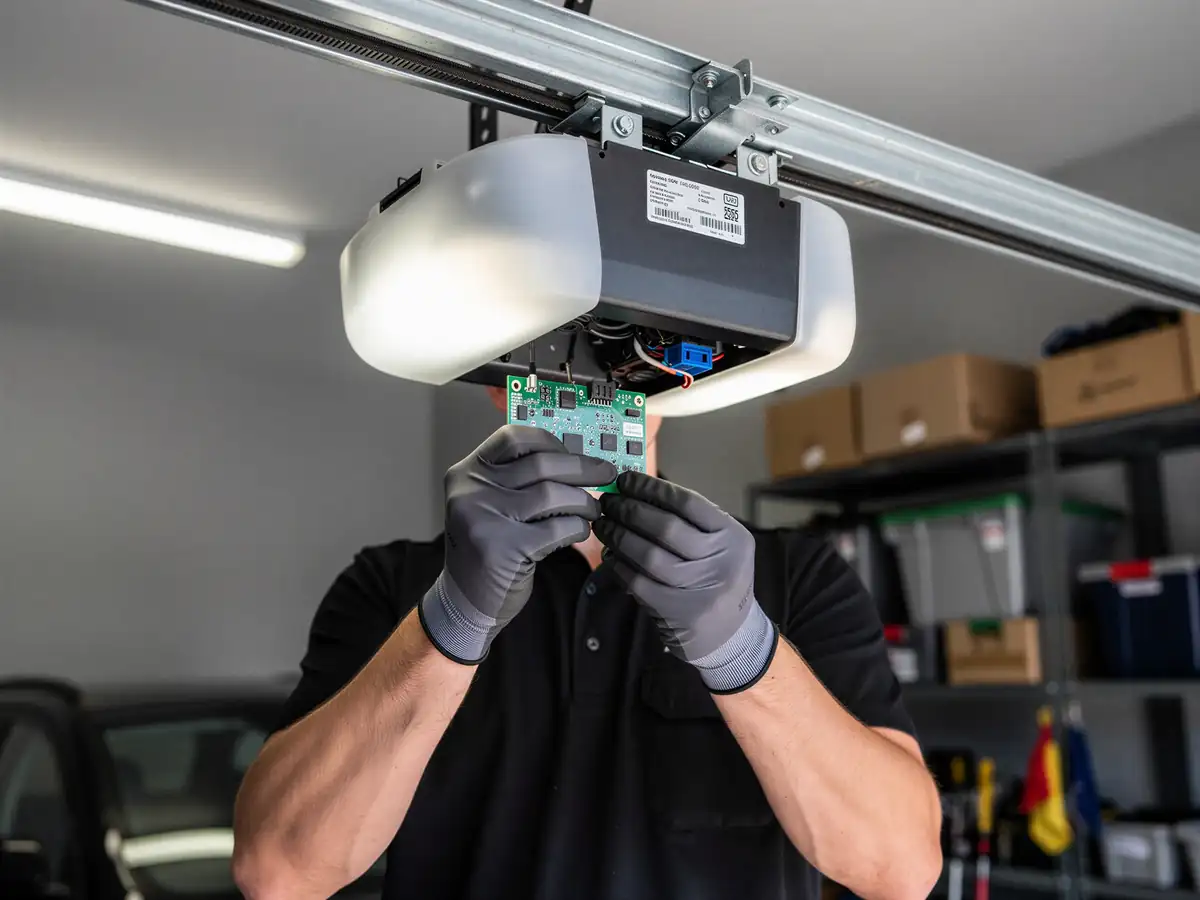
We start at the opener head, not the door, because on a unit this old the two faults that look identical - a door that won't close and a door that reverses halfway - usually trace back to different parts inside the same box. If the motor runs but the carriage doesn't move, we're looking at a stripped gear or a worn drive chain, both common on units that have been in service long enough to outlast one or two garage doors already. If the door opens but refuses to seat, we check the travel limit switches first; on 1950s-era garages the header clearance is tighter than what manufacturers design around now, so limits get set wrong after any swap.
We carry replacement logic boards, drive gears, and sensor kits on the truck for the common builder-grade brands still running in houses from this period. What we don't carry is every obsolete chain-drive assembly from a defunct 1970s brand - if your opener is one of those, we'll tell you straight that rebuilding it costs more than replacing it, and we'll say so before any work starts, not after.
Where This Job Goes Sideways
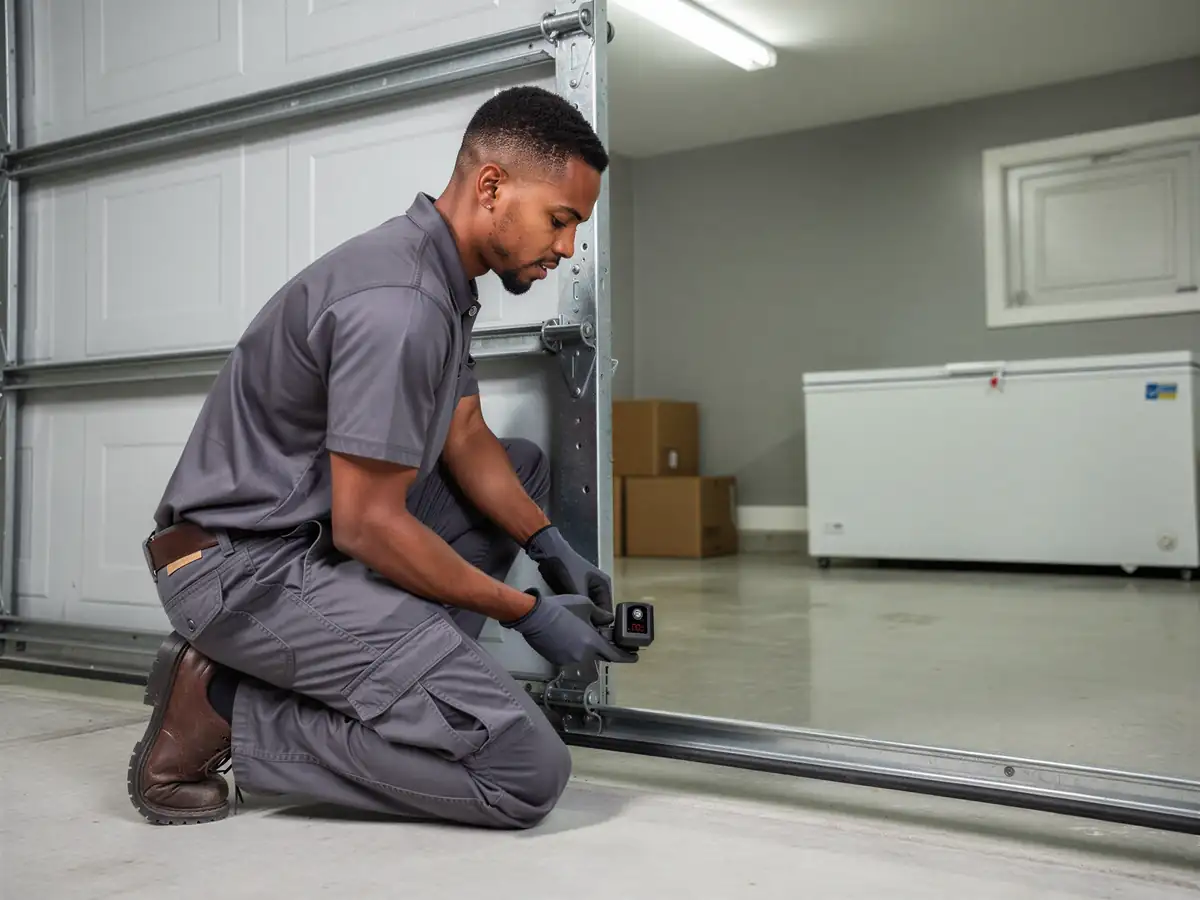
The job goes sideways when a homeowner has already had someone swap the opener head once, maybe twenty years ago, without touching the safety sensors underneath. On a house built around 1954, that's a near-guarantee: the garage itself predates photo-eye sensor requirements by decades, and a lot of mid-life opener swaps carried over the old wiring instead of running a fresh circuit to code. We find this most often when a door reverses for no visible reason - the sensors are misaligned or dead, and the opener's logic board is doing exactly what it's built to do by refusing to trust them.
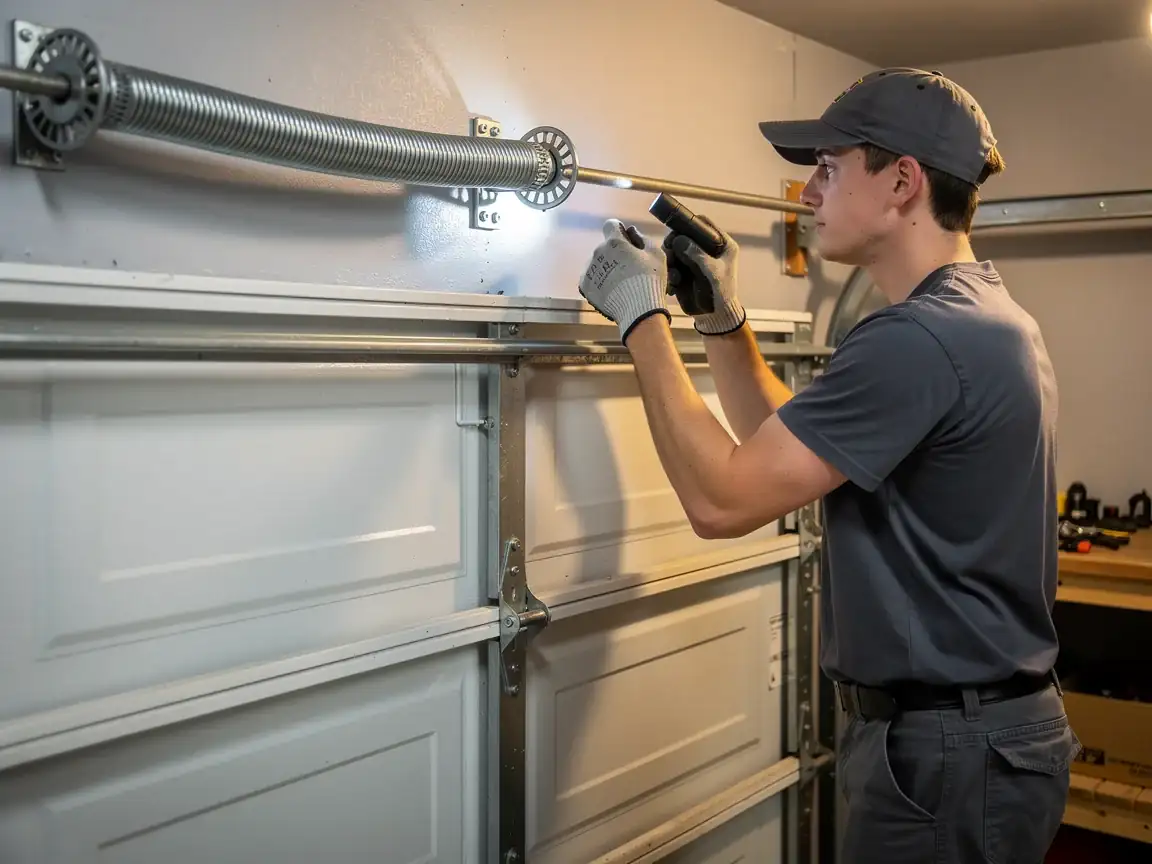
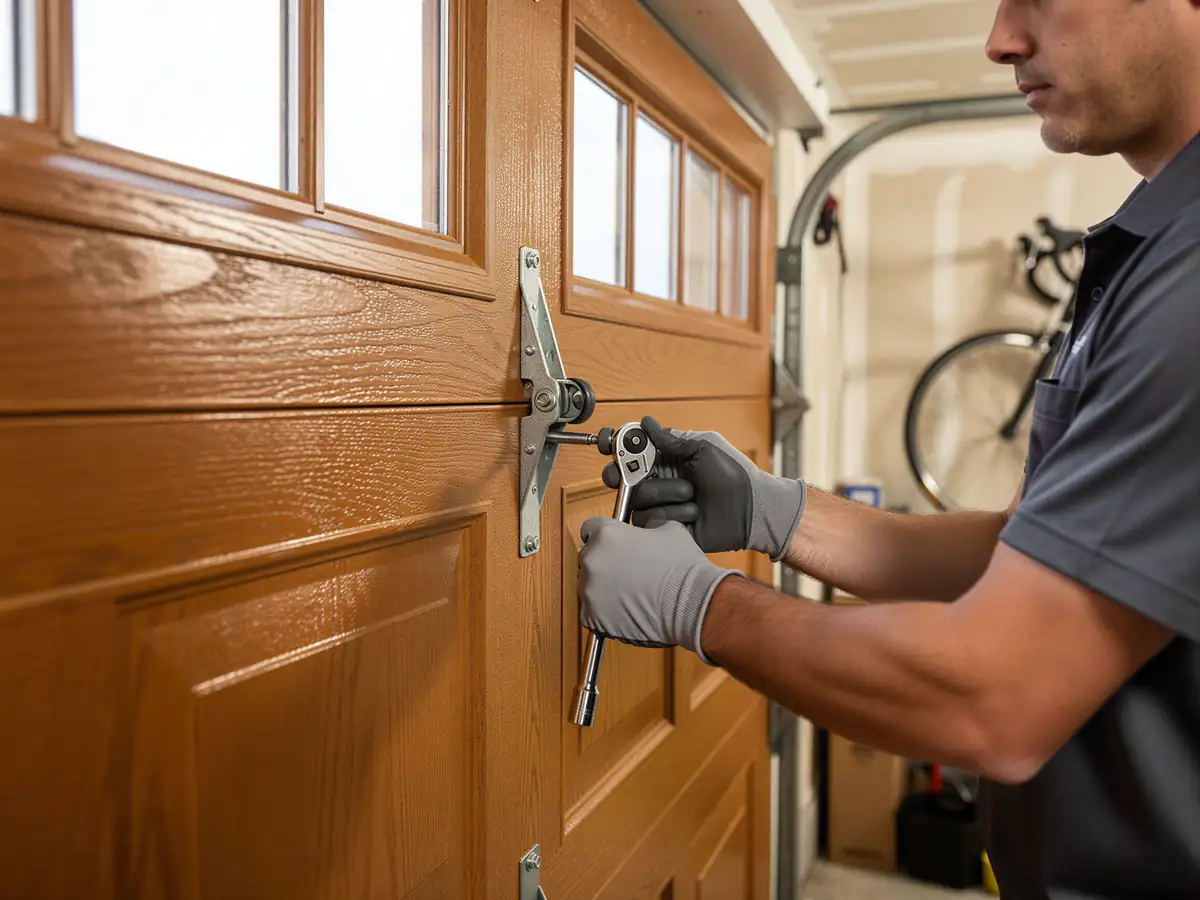
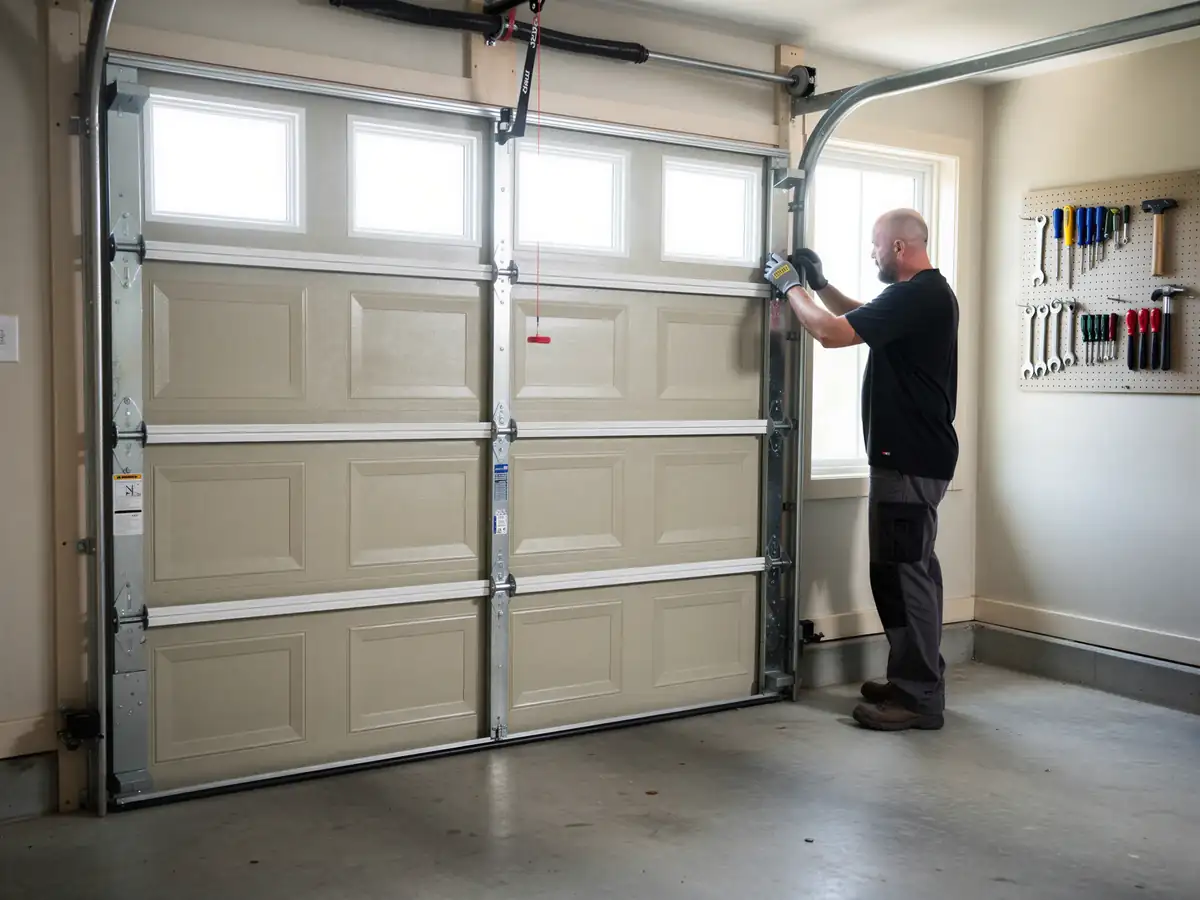
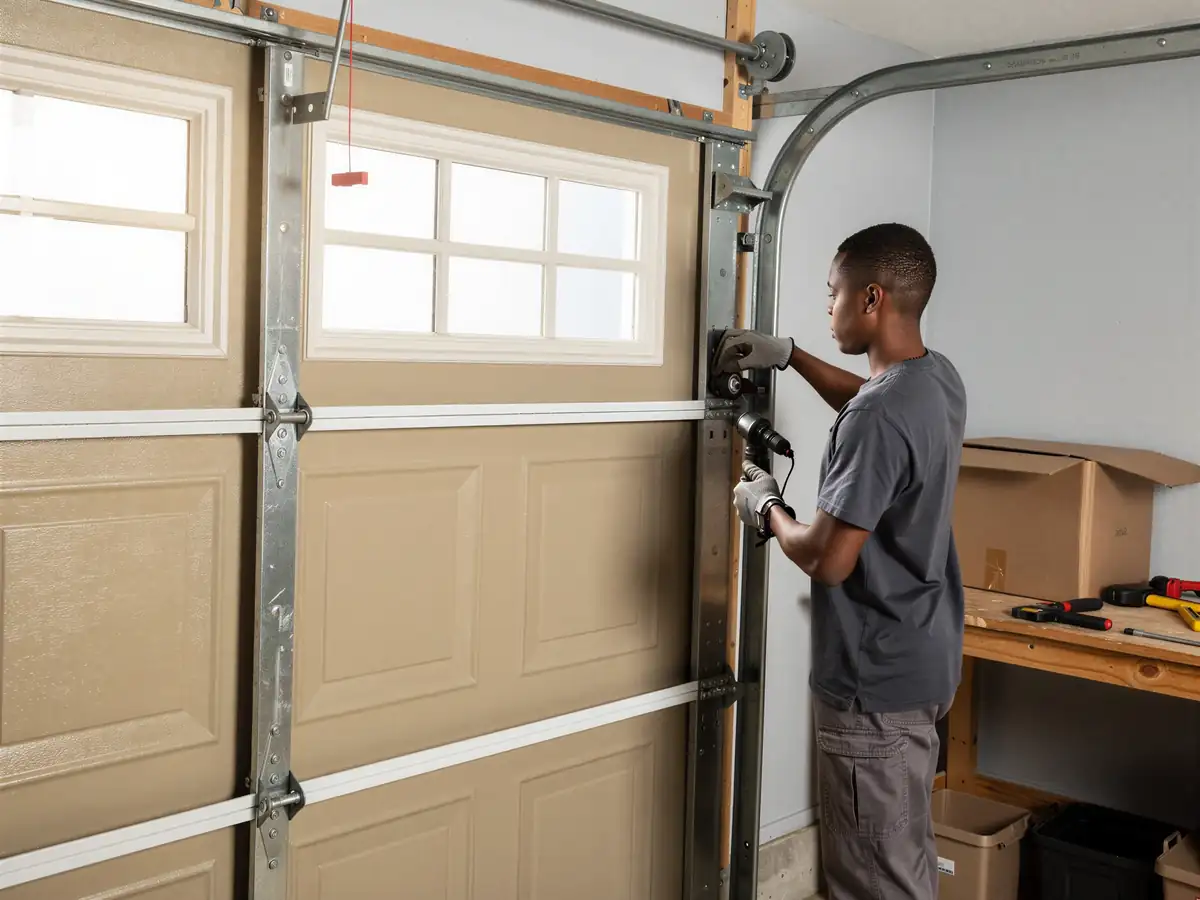
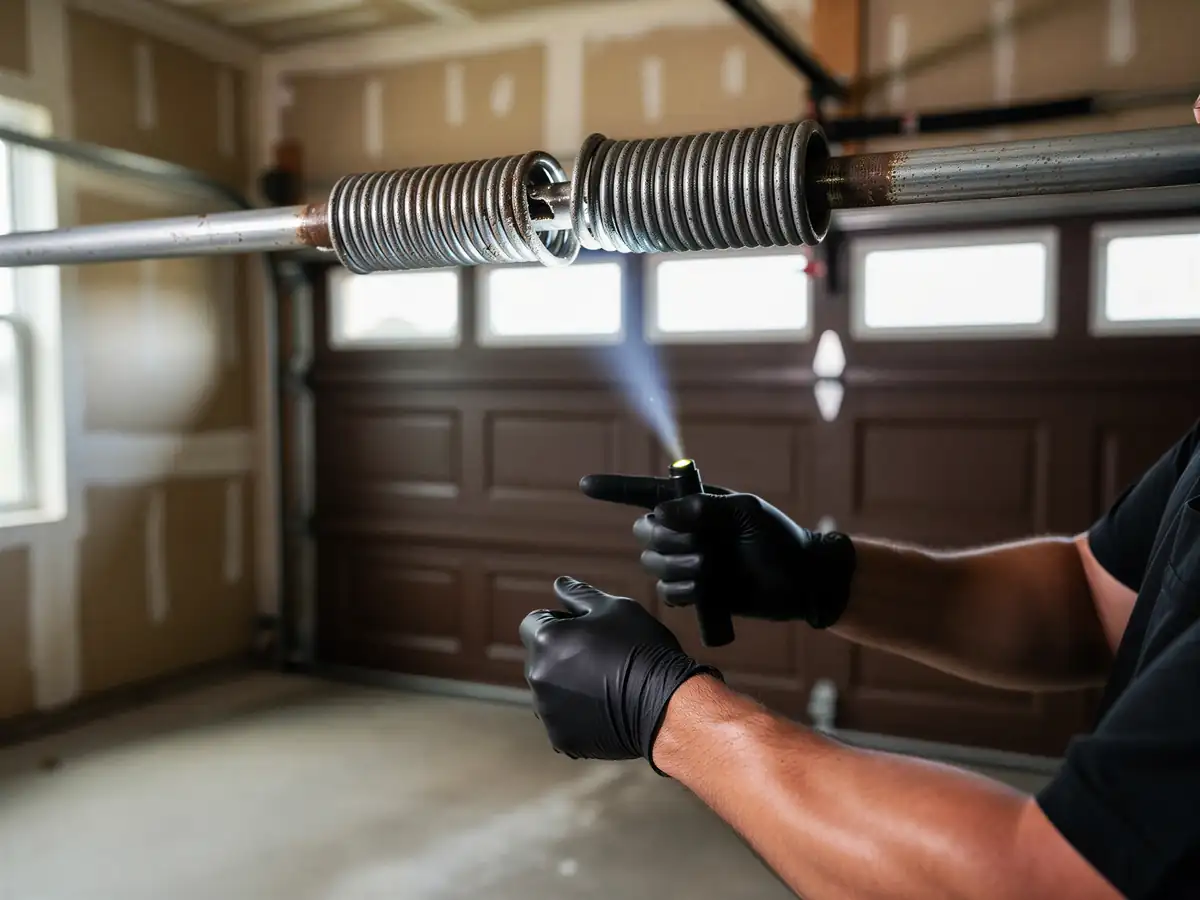
The other way this goes sideways: someone replaces the opener but not the door hardware it's pulling against. An opener rated for a modern lightweight panel struggling against a heavier, older wood door from this build era will burn out its gear inside a year. We check the door's weight and balance before we touch the opener, every time, because fixing the motor and leaving that mismatch in place is a repeat call waiting to happen.
Why It Happens Here
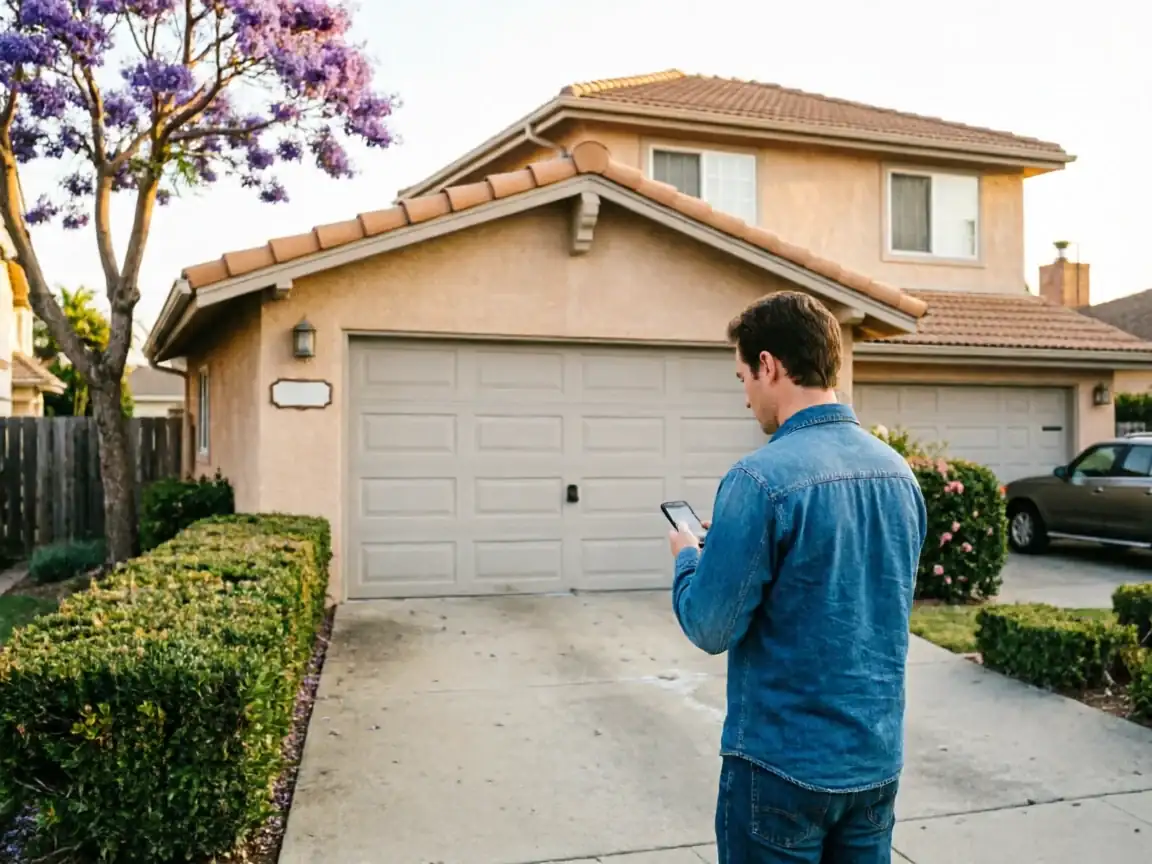
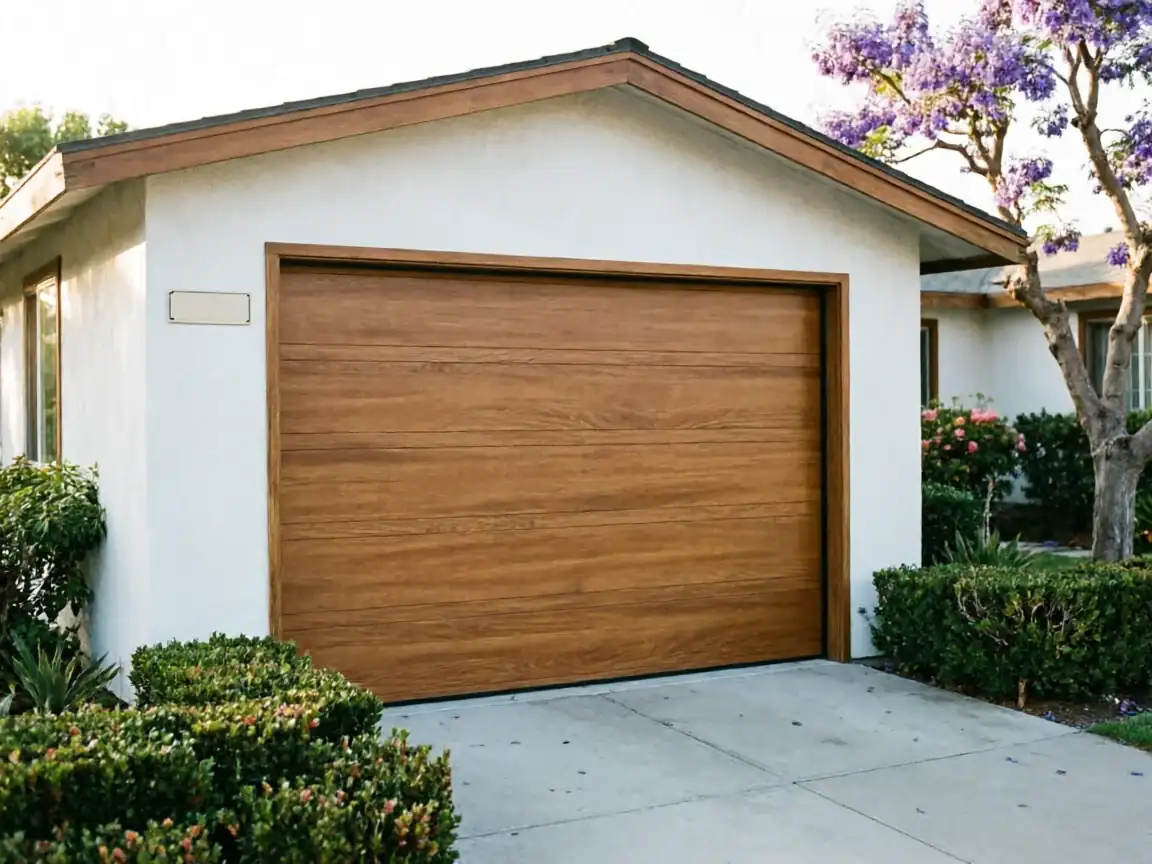
West Rancho Dominguez sits about 8 miles from our Hermosa Beach base, and the housing stock here pulls earlier than a lot of the other areas we cover - into the mid-1950s rather than the 1960s-70s mix that's typical across most of this service territory. That matters for openers specifically: a garage built in 1954 was wired for a light bulb and maybe a single switch, not a 1/2-horsepower motor and a safety circuit, so almost every opener running here today is an add-on to a structure that wasn't built with it in mind.
The area also runs smaller than the territory as a whole - around 6,448 households against roughly 86,713 households across the full service area - and median income here runs lower too, at about $81,585 versus the roughly $100,007 median across the broader territory. That combination tends to mean openers get repaired in stages rather than replaced outright, which is exactly how you end up with a 2005 motor head bolted to 1954 door hardware with no clean match between the two.
What You Are Seeing
If your opener hums but the door doesn't move, that's almost always the drive gear or chain, not the motor itself
The motor outlasts the gear nine times out of ten on units this age. If the door opens fine but closes only partway before reversing, check for anything blocking the sensor beam first, but don't be surprised if the sensors themselves are the problem; on houses from this build era they're often an aftermarket add, not original, and they fail quietly.
A remote that works sometimes but not always
Especially after the weather turns, points to a logic board losing its memory under load rather than a dead battery. The mild coastal climate here doesn't put the stress on openers that you'd see with real heat or cold swings, so when a board fails, it's more often age and wear than weather. If your opener predates the door it's lifting by a decade or more, treat intermittent faults as the hardware telling you it's near the end, not a wiring fluke to chase indefinitely.