How We Fix It
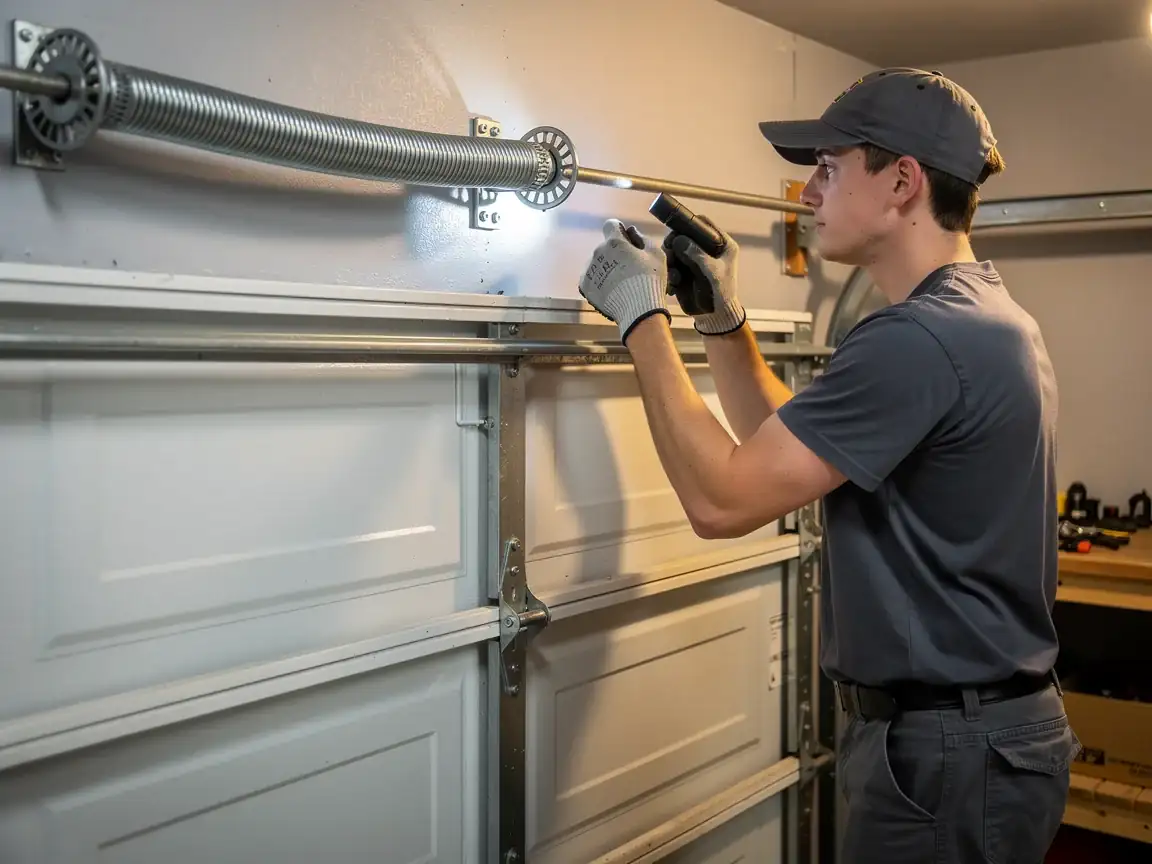
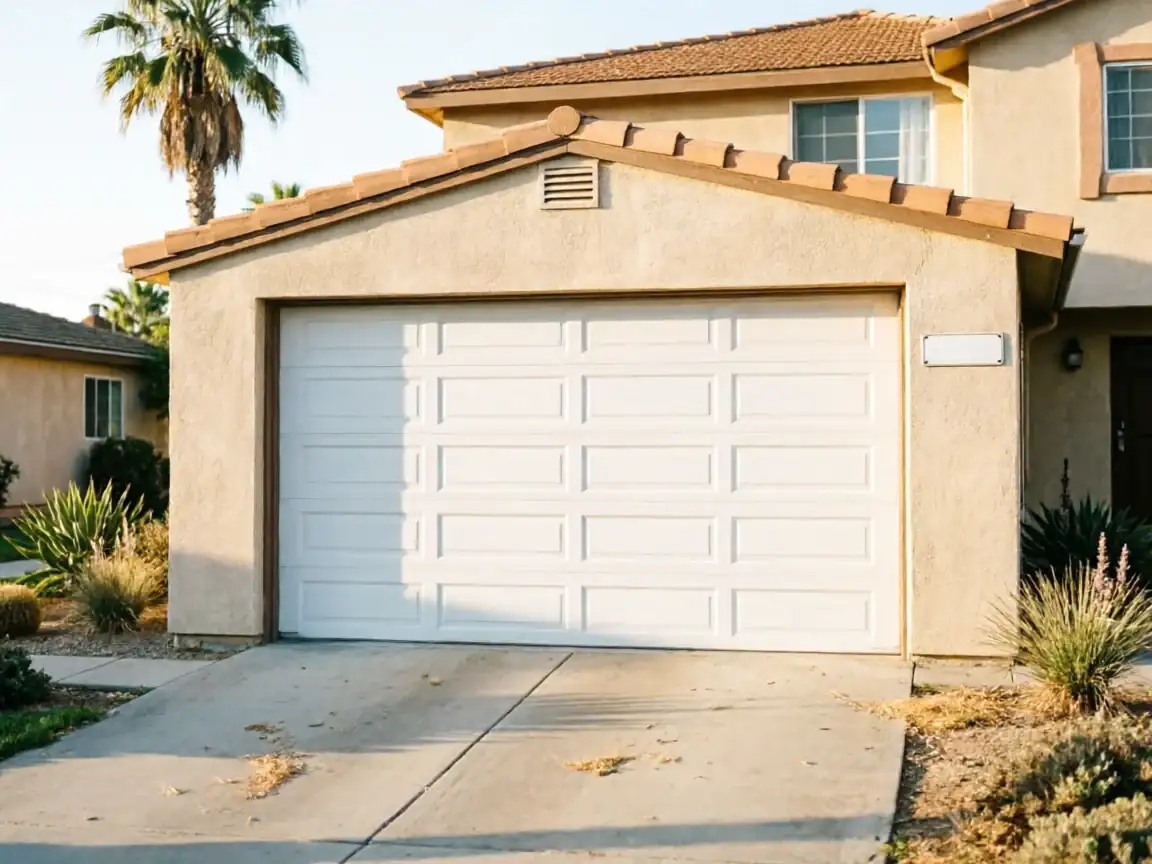
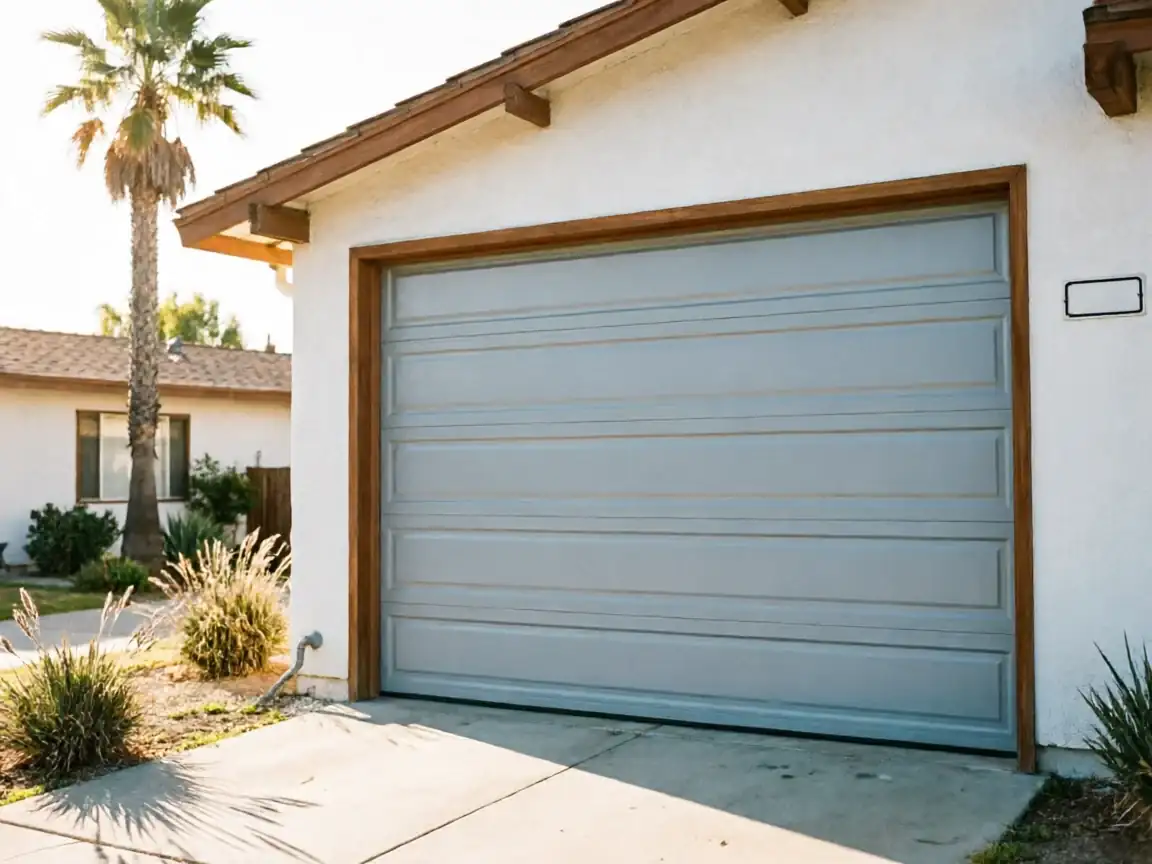
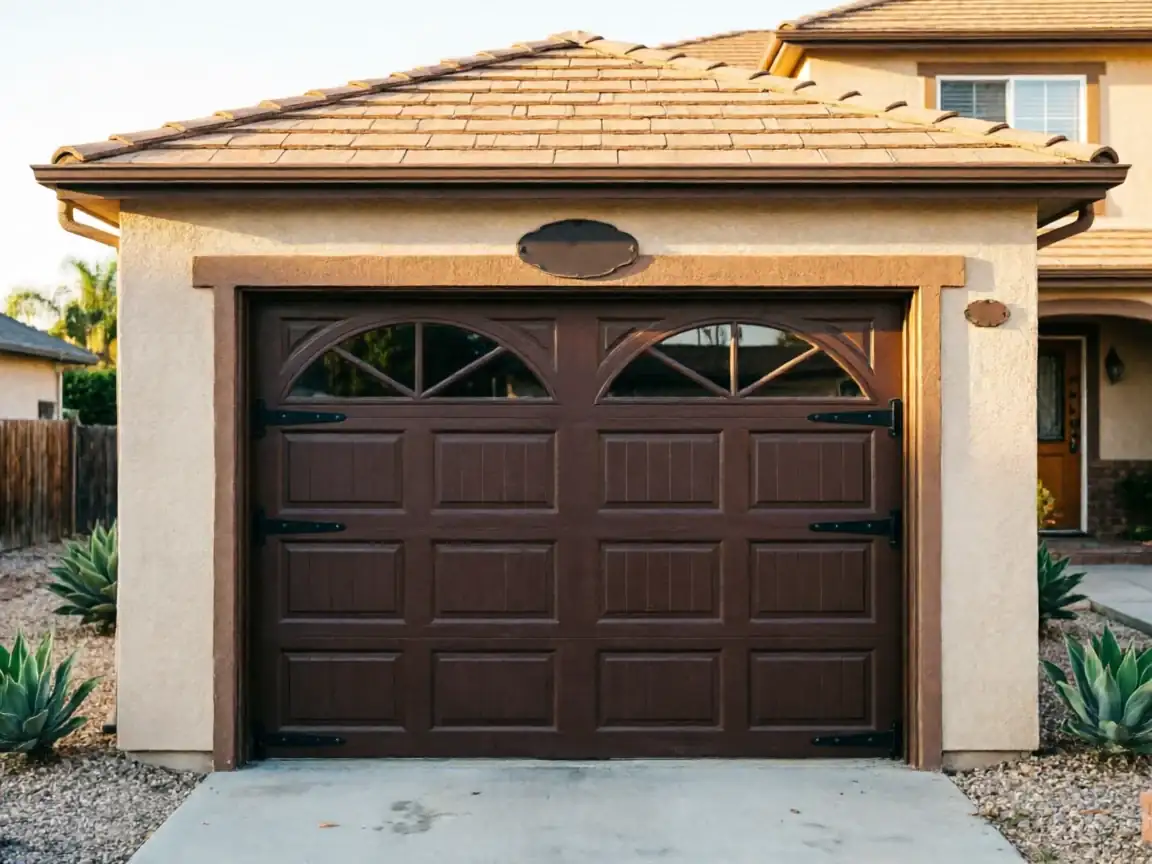
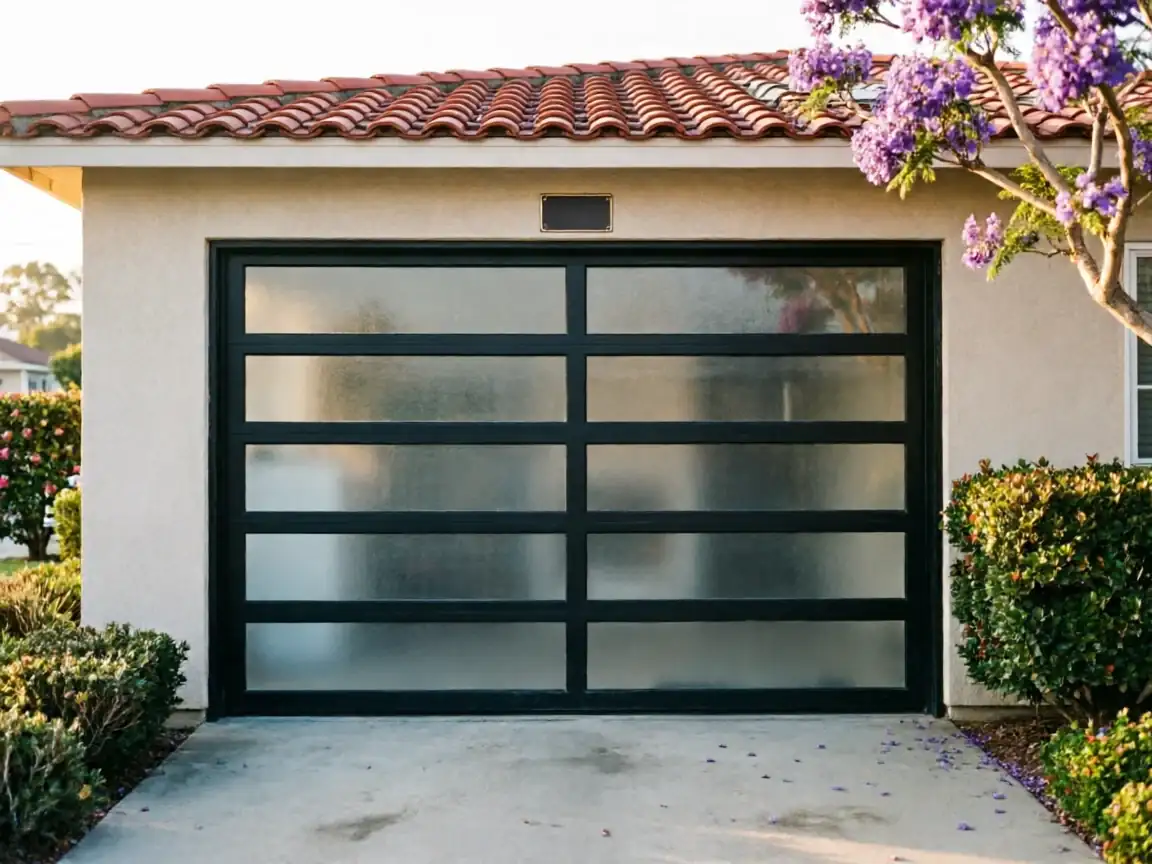
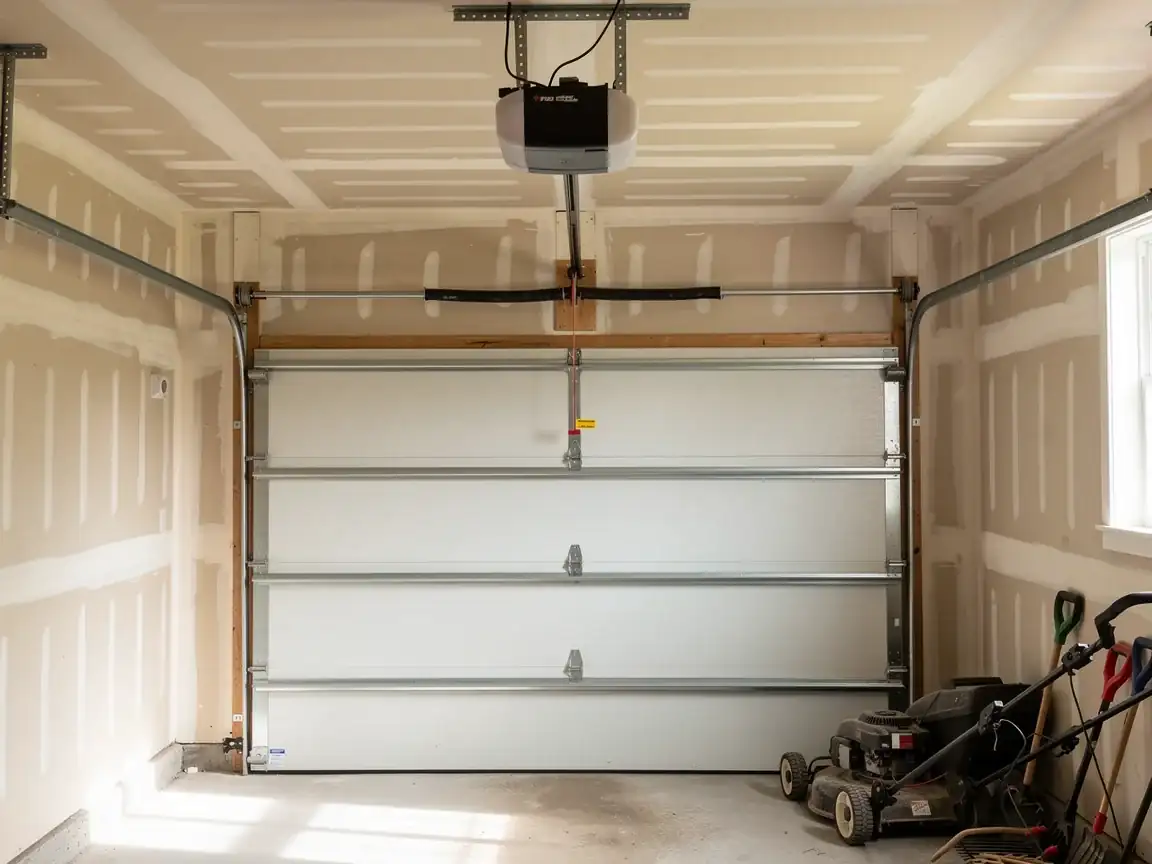
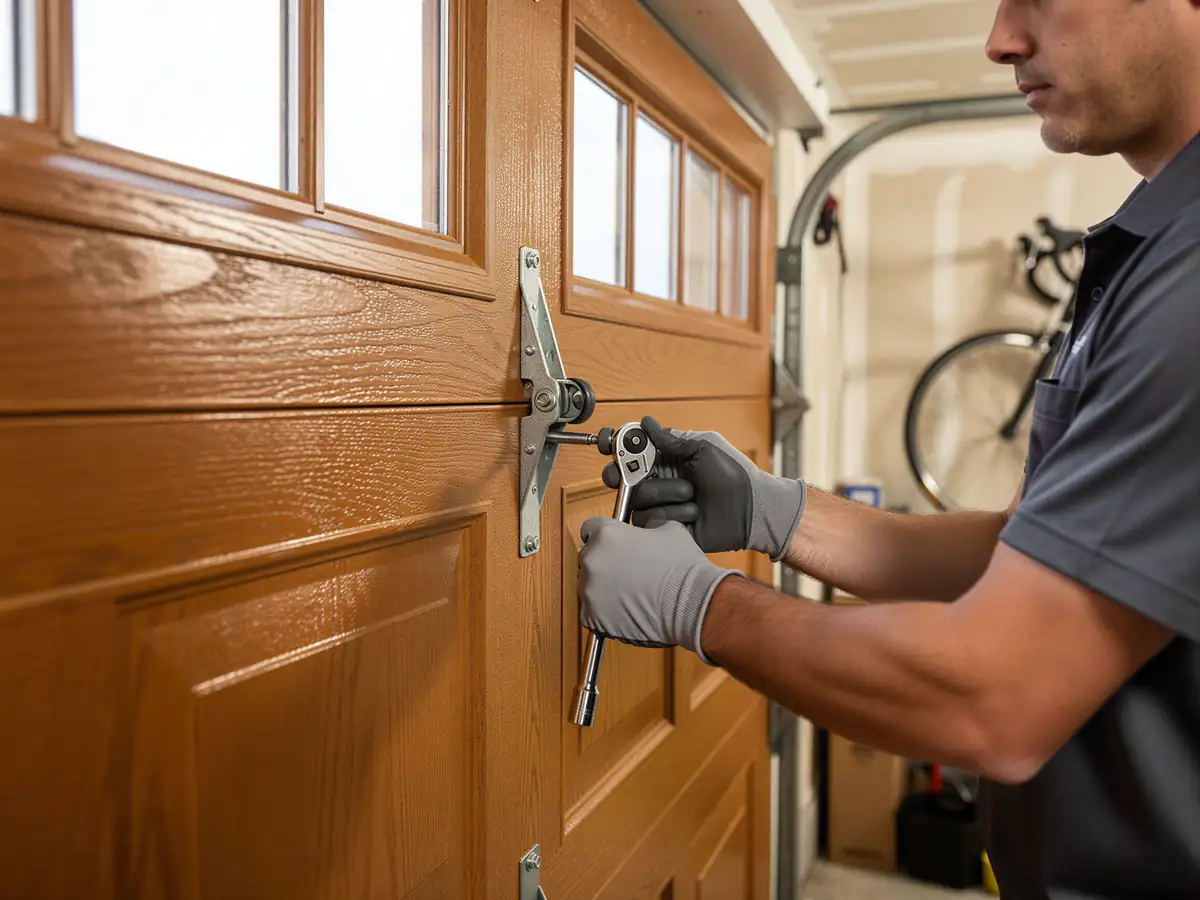
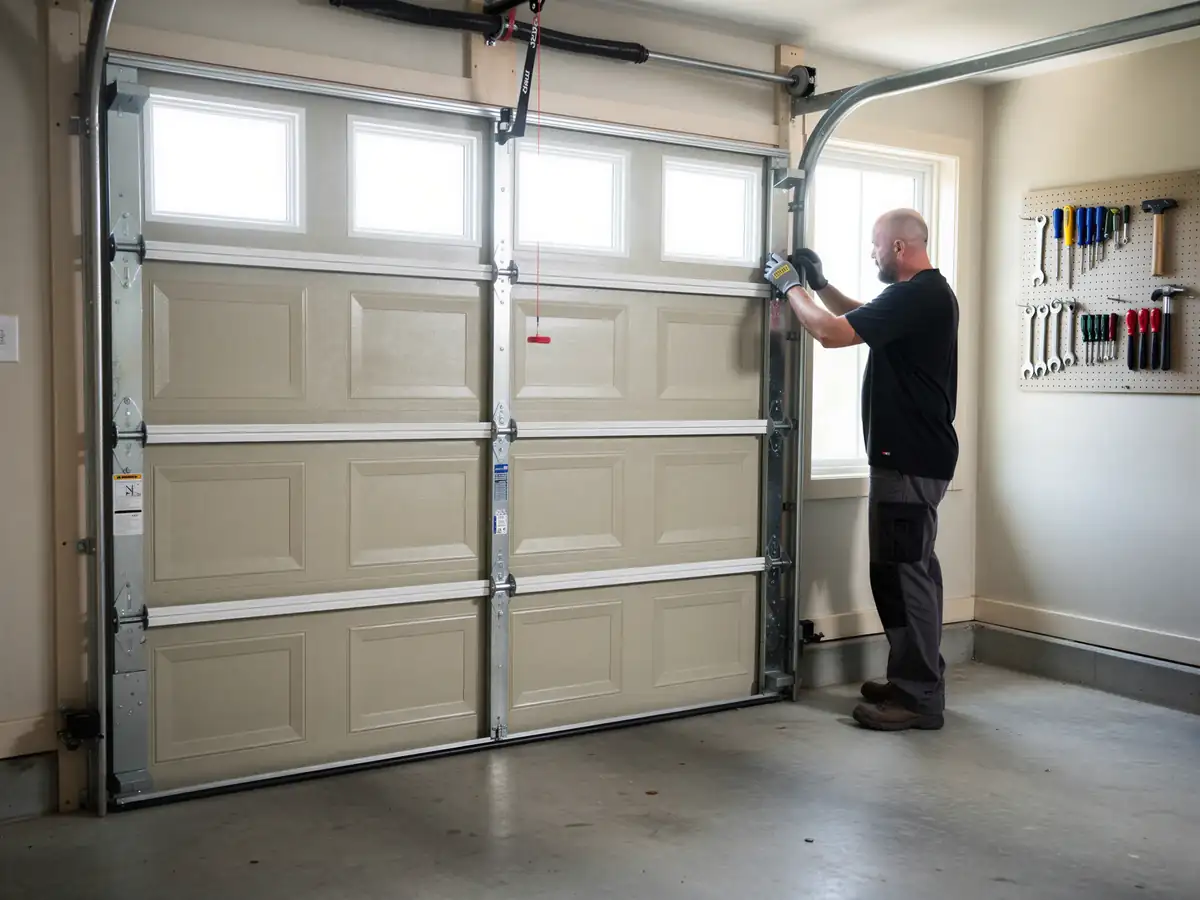
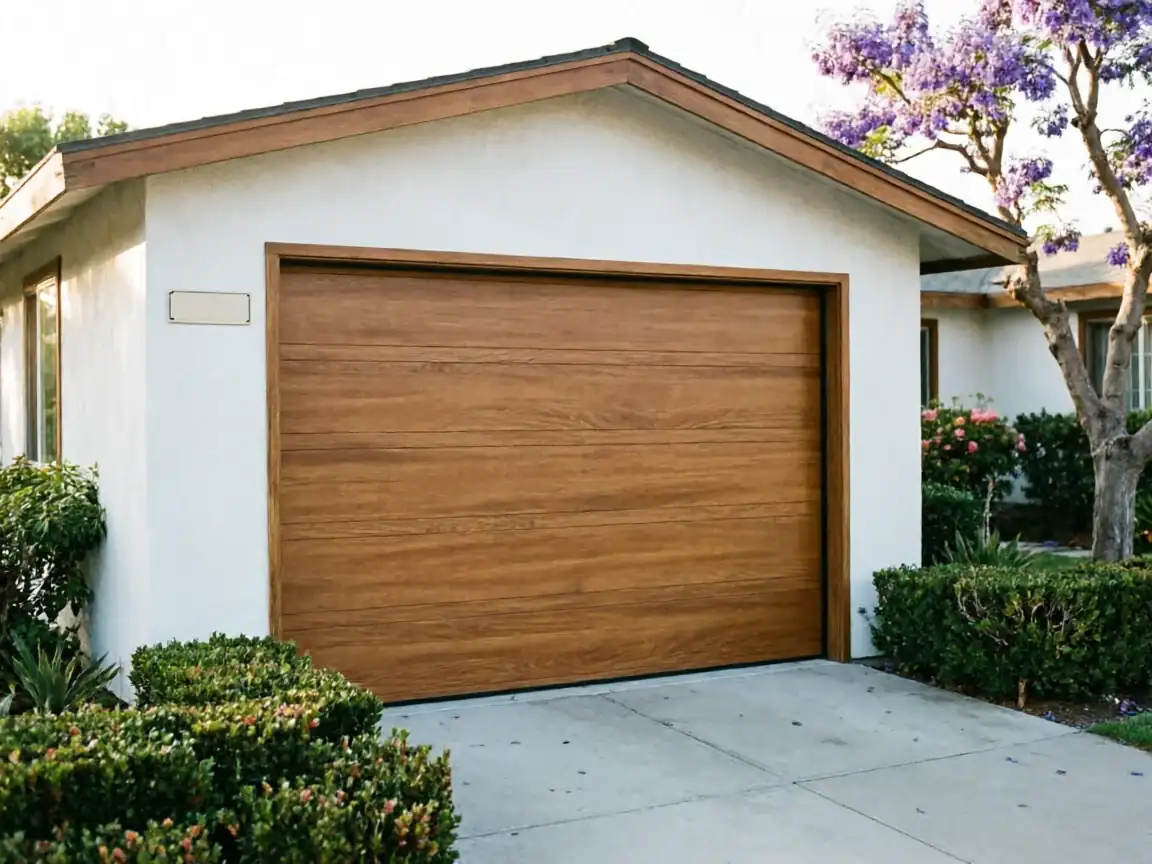
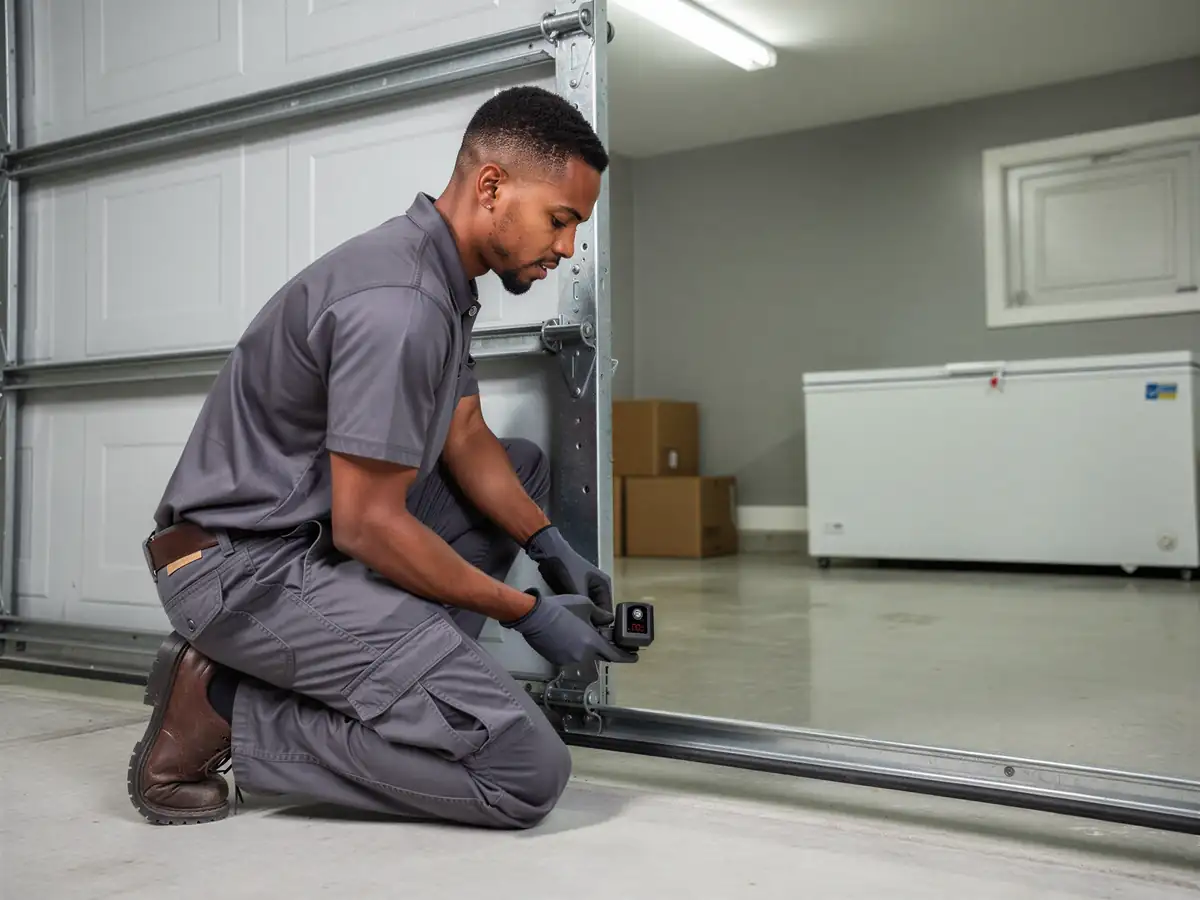
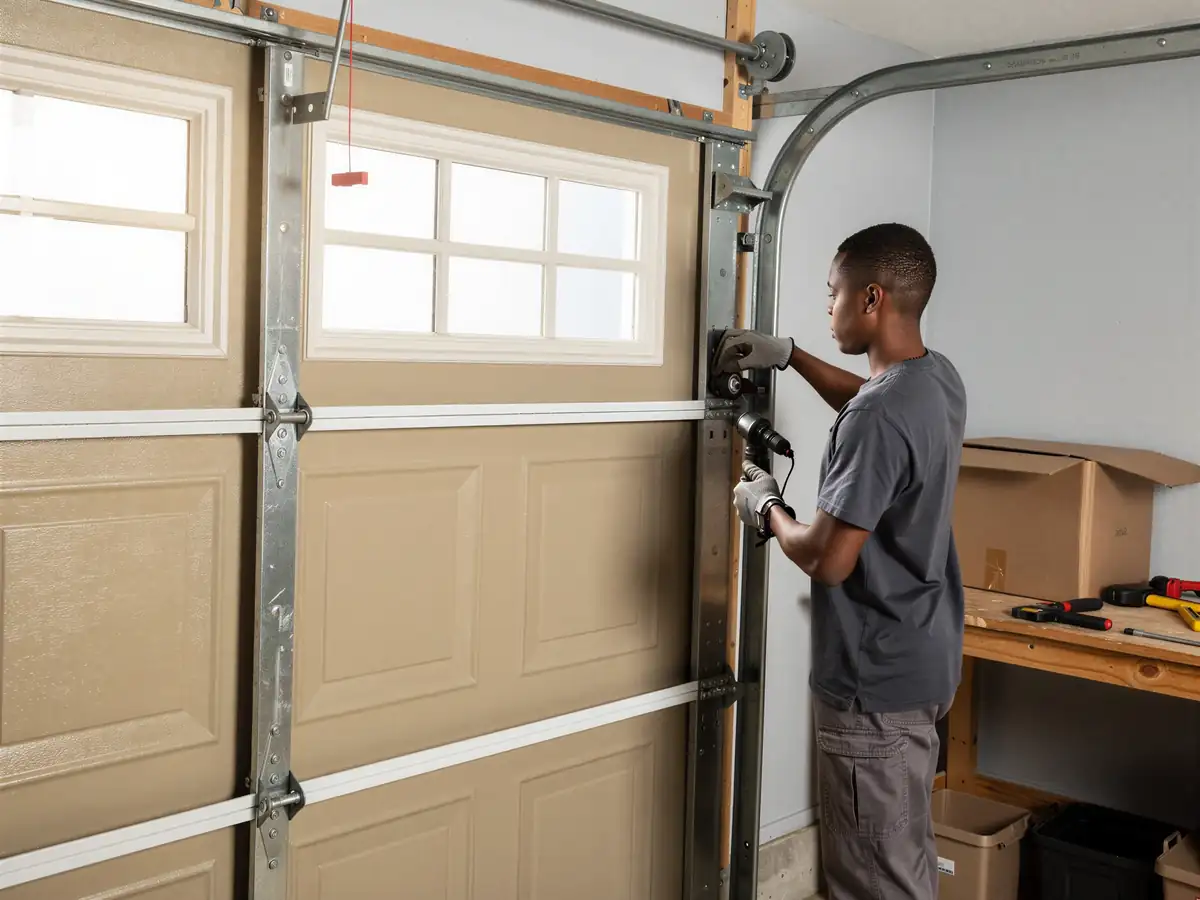
When a door comes off its track, the first question is whether the track bent or the rollers just jumped the rail. On a lot of the doors we see out here, the hinges and roller brackets are original to a house built around 1954, which means the steel has had decades to work-harden and crack at the stress points. We re-seat the door on the track where the rail itself is still straight, replace the rollers that caused the jump, and true up the track alignment with a level, not a guess. If the track is bent - which happens more on these older single-car openings than on the wider double doors common in newer tracts - we replace that section rather than trying to hammer it back, because a track that's been bent once bends again in the same spot. We also check the bottom brackets, since on doors this old those are usually the weak point that let the cable slip and pull the door sideways in the first place. We're traveling in from Hermosa Beach for this call, about 8 miles each way, so we build that into how we plan the job rather than treating it as a quick side stop.F10
Where This Job Goes Sideways
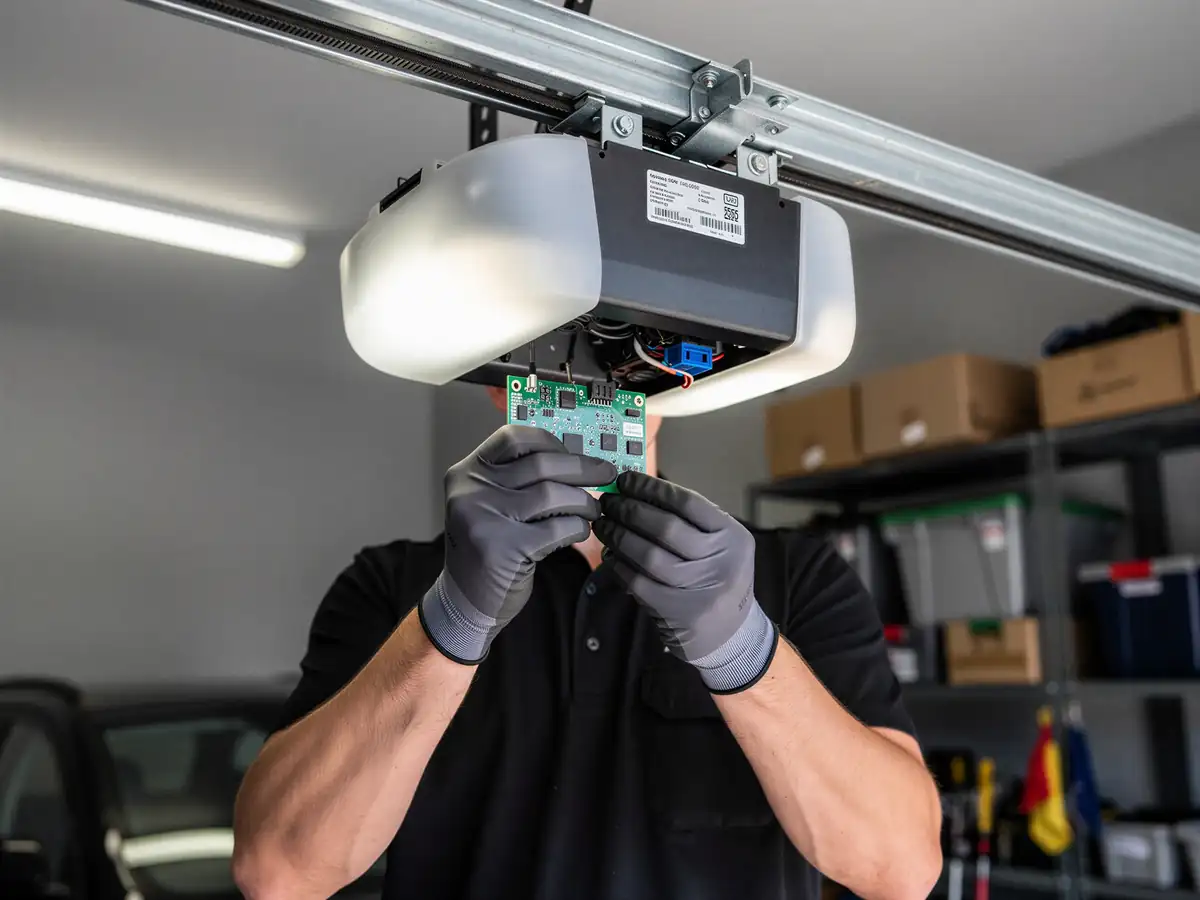
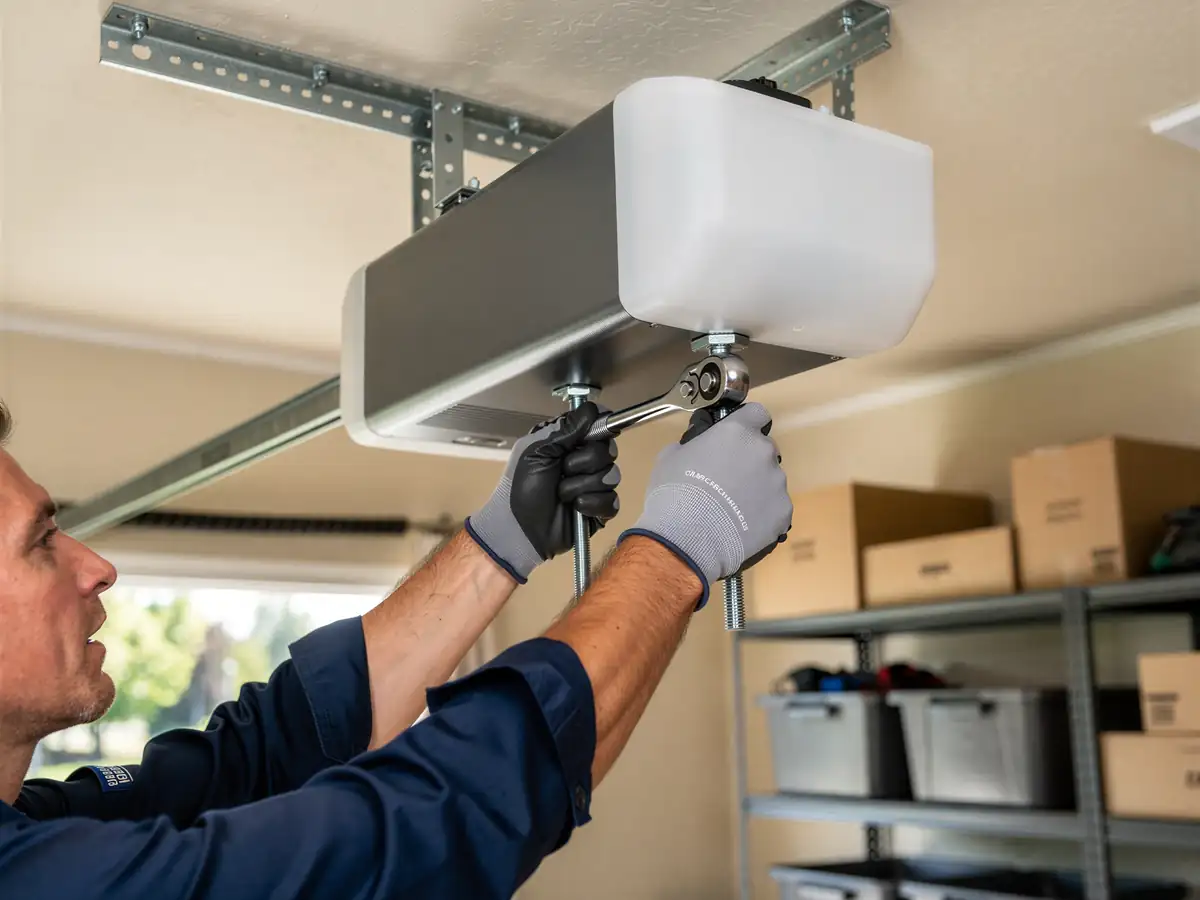
The job gets harder when someone's already tried to force the door back onto the track before calling. A door that's been pushed, pried, or driven into while off-track can bend the track in two directions instead of one, and that usually means replacing more of the rail than if we'd gotten the call first. We also run into trouble when the opener has kept trying to close the door after it jumped the track - the motor doesn't know anything's wrong, so it keeps pulling on a cable that's now at a bad angle, and that can snap the cable or strip the opener's drive gear. If that's happened, the repair isn't just the track anymore. One honest limitation: if the track is bowed badly enough that the wall-mounted brackets have pulled loose from the framing, we can reset the brackets, but we're not in a position to repair structural framing - that part of the fix sits with a contractor, not us.
Why It Happens Here
West Rancho Dominguez sits in a mild temperate climate band, so this isn't a town where ice or heavy snow load is knocking doors off track.F3 The cause here is almost always age and metal fatigue. Across the wider service area, housing dates from 1947 to 2012 with a median build year of 1963, but the homes in this particular pocket skew older, with a median closer to 1954.F1 Garage doors and their track hardware from that era were built to a lighter standard than what's sold today, and after 70 years of opening and closing, the roller brackets and track bolts loosen before anyone notices. A door that's slightly out of alignment for months will eventually jump the track on an ordinary open or close - no storm required, just metal that's tired.